
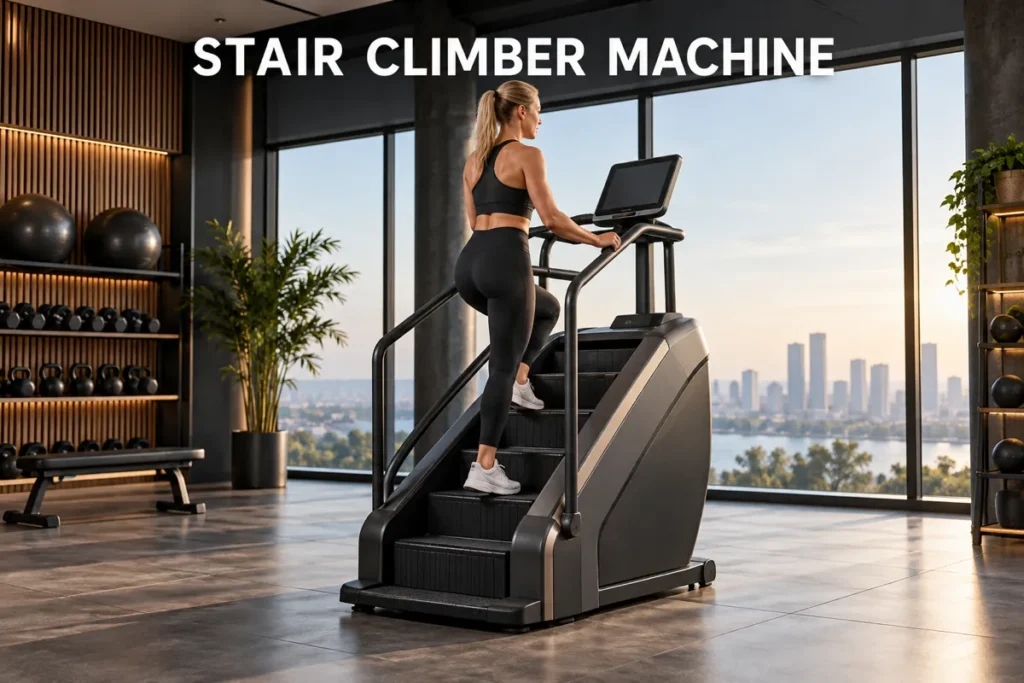
A stair climber machine is one of the most misidentified pieces of cardio equipment in any commercial gym. Most people recognize the rotating staircase in the corner; fewer can explain how it differs from the pedal-based stepper right next to it, or why some search results lump a vertical climber into the same category. As a sports scientist with a background in biomechanics and joint loading, I have worked with more than 50 clients who avoided this equipment for years because they were not sure which version to pick or whether their joints could handle it. That confusion is worth clearing up. This guide covers how each type works mechanically, the muscles trained, the calorie burn ranges supported by research, and who benefits most from using one.

Stair Climber Machine - What It Is and How It Works
Defining what is a stair climber is less straightforward than it sounds. The term stair climber machine covers several distinct designs, and this creates genuine confusion among gym-goers and home buyers alike. All of them simulate climbing stairs, but the mechanics differ enough that the training effect, joint loading, and ideal user vary considerably across types. Understanding these differences helps you choose the right machine before you spend money or commit to a regular training pattern. For a side-by-side performance comparison with the most popular cardio alternative, the StairMaster vs treadmill comparison is the most useful starting point.

This guide covers fitness-oriented stair climbers only. Mobility aids, freight dollies, and similar stair-handling products fall outside this guide's scope.
Stepmill vs Stepper - The Two Main Types of Stair Climbers
A stepmill (sometimes called a revolving staircase) has a continuously rotating set of steps driven by a belt or chain. The steps cycle at the pace you set, and you walk on them as they come, just as you would on a real staircase. StairMaster is the brand name most closely associated with this format. The footprint is large, the learning curve is moderate to steep, and the per-minute cardiovascular demand is high.
A stepper uses two independent pedals that move in an alternating up-and-down pattern. There are no rotating steps; you push against hydraulic or magnetic resistance. The range of motion per step is shorter than a real stair, the machine is more compact, and the joint loading is lower. This is the format most entry-level home stair climbers use.
The StairMaster brand is specifically a commercial stepmill product line, not a generic term for the category. For a full breakdown of how the stepmill-style machine compares to treadmill running in calorie burn, joint impact, and fat loss, the running vs elliptical and StairMaster guide covers that comparison with supporting data.
Feature | Stepmill | Pedal Stepper |
Step Mechanism | Rotating belt-driven steps | Two independent alternating pedals |
Drive System | Belt or chain | Hydraulic or magnetic resistance |
Footprint | Large | Compact |
Learning Curve | Moderate to steep | Lower |
Typical Use Case | Commercial gym | Entry-level and home use |
What Is a Vertical Climber Machine - and Why It Is Not a Stair Climber
A vertical climber machine shares naming territory with stair climbers but operates differently. You climb in a full vertical motion, with both arms and legs moving simultaneously in opposing directions, simulating free-body climbing on a wall or ladder. The result is a total-body cardiovascular effort that engages the upper back, shoulders, and arms in a way no stepmill or stepper does. If you search "vertical climber machine" expecting a stair climber alternative, understand that the machines serve overlapping but distinct training goals. The vertical climber produces higher upper-body activation; the stair climber produces higher lower-body muscle specificity. Neither is a substitute for the other.
Readers interested in the full-body complement to stair climbing will find the evidence on rowing in my rowing machine benefits guide.
My what muscles does the stairmaster work guide covers the full anatomical breakdown for every major lower-body muscle activated on the stepmill.
What Muscles Does a Stair Climber Machine Target
The push-down motion on every step recruits a specific chain of lower body muscles, each handling a different phase of the stride. Here is how the glutes, quads, hamstrings, calves, and hip flexors each contribute to that demand.
Primary Lower Body Muscles Targeted
The primary driver of a stair climber's muscle demand is the push-down action on each step. I come back to this point in almost every client's first session on the machine, particularly when someone reports that it does not feel like a real workout at low speed. The hip extension and knee drive used to press each step down creates a loading pattern closer to incline walking or low-load squatting than flat-ground cardio.
Readers comparing lower-body muscle activation across cardio machines will find a full breakdown in my exercise bike muscle activation guide.
Primary muscles activated on a stair climber machine:
- Gluteus maximus - the push-down phase is primarily driven by the glutes as hip extensors; this is why users notice lower-body fatigue faster than on a flat treadmill
- Quadriceps - knee extension during each step creates significant quad demand throughout the session
- Hamstrings - eccentric control during the return phase loads the hamstrings meaningfully, especially at faster speeds
- Calves (gastrocnemius and soleus) - plantar flexion at push-off loads both calf muscles with each stride
- Hip flexors - lifting each knee during the upward phase fires the hip flexors in a continuous alternating pattern
This activation pattern has been confirmed by electromyographic analysis. A cross-sectional EMG study measuring four lower extremity muscles in healthy adults found consistent activation across the rectus femoris, biceps femoris, tibialis anterior, and gastrocnemius medialis during stair climbing (1). I weigh this muscle specificity heavily when recommending the stair climber over cycling for clients who want glute and hamstring development from cardio rather than quad-dominant loading. For comparison of how knee joint stress differs across cardio equipment, the treadmill and knee health guide covers the running side of that comparison.
Core and Postural Stability Engagement
The stair climber is rarely marketed as a core tool, but postural demand is real. Maintaining an upright position without gripping the handrails forces the lumbar extensors and anterior core to stabilize the trunk through every stride. Handrail dependency is the most common technique error I see on this machine - leaning on the rails reduces core demand, shifts body weight off the pedals, and significantly reduces calorie burn per session.
Hip stability muscles (gluteus medius and minimus) also activate during each unilateral step. Biomechanical research found that hip moments increased significantly as climbing speed increased (2), meaning faster stair climbing adds a hip stability demand, not just a cardiovascular upgrade. For training at the right intensity to support this kind of sustained aerobic and muscular effort, zone 2 heart rate training explains how to stay in the range that builds aerobic base without overloading joint structures.
Stair Climber Machine Benefits - What the Research Shows
Stair climber machine benefits span cardiovascular adaptation, lower body muscle endurance, calorie expenditure, bone loading, and measurable changes in metabolic health markers. I address fat loss separately in the next section with realistic framing, because this is the category where marketing most consistently overpromises what the machine actually produces.
Cardiovascular Fitness and VO2 Max Improvements
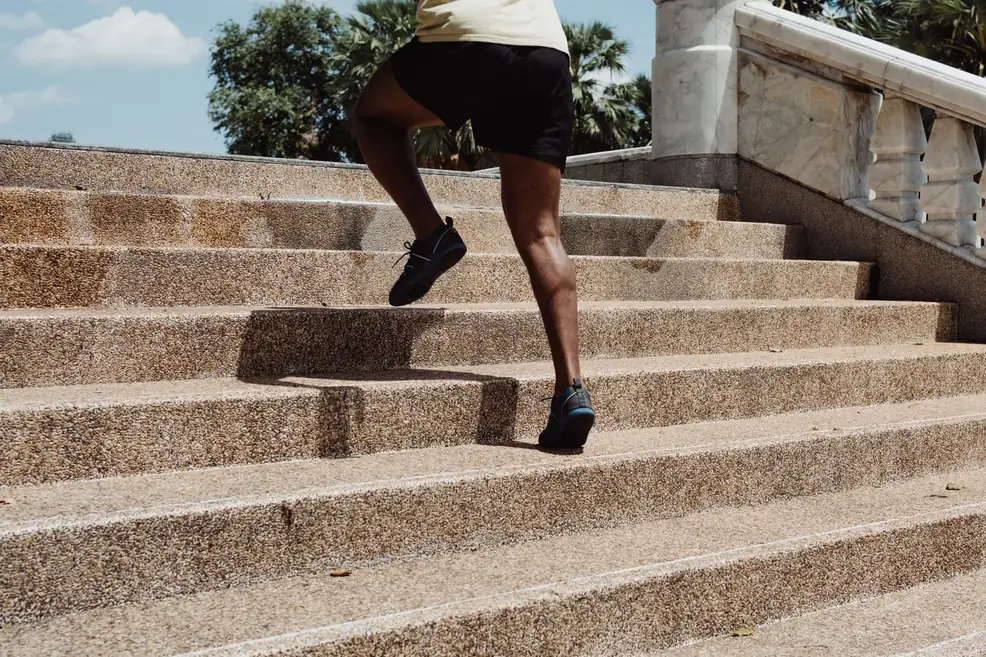
A 2023 scoping review of 24 stair climbing studies found aerobic capacity improvements ranging from 8 to 33 ml/kg/min across different populations and protocols, with a minimum of 4-8 weeks of consistent training required before cardiometabolic adaptations become measurable (3). Glucose and lipid profile improvements of 9-15% were also observed across the included studies, suggesting the cardiovascular benefit extends to metabolic risk factors beyond simple aerobic fitness.
The cardiovascular intensity of a stair climber is notably high relative to session time. A randomized controlled trial compared brief vigorous stair climbing sessions (7.1 minutes) against traditional 36.7-minute moderate-intensity exercise in patients with documented cardiovascular disease. The brief stair climbing bouts produced equivalent gains in peak VO2 with no adverse events (4), suggesting the machine's intensity per minute is high enough to drive fitness gains in significantly less time than lower-intensity alternatives.
Readers wanting a structured progression plan that takes advantage of this efficiency will find complete templates in my stairmaster workout guide.
A separate 8-week intervention in sedentary young women showed a 17.1% increase in VO2max and a 7.7% reduction in LDL cholesterol (5) from a progressive stair climbing protocol building to five daily ascents on a 199-step staircase.
Study Design | Population | Key Findings |
Scoping review of 24 studies | Various adults | VO2max improved 8 to 33 ml per kg per min; glucose and lipids improved 9 to 15 percent in 4 to 8 weeks |
Randomized controlled trial | Cardiovascular disease patients | 7.1-minute sessions produced equivalent VO2 gains to 36.7-minute moderate-intensity exercise |
8-week progressive stair protocol | Sedentary young women | VO2max increased 17.1 percent; LDL cholesterol reduced 7.7 percent |
The cardiometabolic outcomes consistently observed across stair climbing research:
- Aerobic capacity (VO2max) improvements of 8-33 ml/kg/min depending on baseline fitness and training protocol
- Serum glucose and lipid improvements of 9-15% after sustained training (4-8 weeks minimum)
- Equivalent cardiovascular adaptations to traditional longer moderate-intensity sessions at higher intensity
- Systolic blood pressure reductions associated with regular stair climbing in cross-sectional populations
I prioritize this kind of high-intensity, short-duration cardio for 6-8 clients per week with under 30 minutes to train, precisely because the per-minute yield is this strong. To understand what these VO2max changes mean relative to age-matched norms, VO2 max benchmarks by age puts the numbers in population context.
Calorie Burn - Ranges by Body Weight and Intensity
Stair climber machine calorie burn depends on body weight, climbing speed, resistance level, and whether you grip the handrails. A controlled study measuring energy expenditure in 14 participants found a mean burn of 8.5 kcal/minute during single-step climbing, with the double-step pattern averaging 9.2 kcal/minute (6). Study participants had a mean body mass of 64.3 kg; a 70-kg person projects to approximately 8-10 kcal per minute at equivalent effort. These figures assume no handrail assistance and sustained effort throughout.
Machine console displays are particularly unreliable for stair climbers as they do not account for fitness level, body composition, or handrail use. The treadmill calorie counter and accuracy guide explains why all cardio machine displays consistently overestimate and how to get a more accurate number.
Bone Density and Weight-Bearing Benefits
Stair climbing is a weight-bearing exercise that applies mechanical load to the skeletal system in addition to training muscle. Unlike cycling or swimming, each step places compressive and shear forces on the lower limb bones that stimulate remodeling over time. For older adults and anyone monitoring bone health alongside cardiovascular fitness, the weight-bearing nature of stair climbing is a meaningful advantage over non-impact cardio alternatives.
Readers who prefer low-impact training will find a detailed breakdown of what the elliptical delivers in my elliptical machine benefits guide.
Readers comparing stair climbing to the rowing machine, the most common non-impact alternative, will find that analysis in my stairmaster vs rowing machine guide.
Does a Stair Climber Machine Help with Belly Fat
A stair climber machine supports fat loss, including reduction of visceral abdominal fat, by creating a meaningful calorie deficit during each session. It does not selectively target belly fat, because spot reduction is not physiologically supported by the evidence. Fat is mobilized systemically in response to a calorie deficit, and the stair climber's contribution is a relatively high per-session calorie expenditure combined with real muscle activation.
Readers who want the exact calorie figures by weight and level will find them in my stairmaster calorie burn guide.
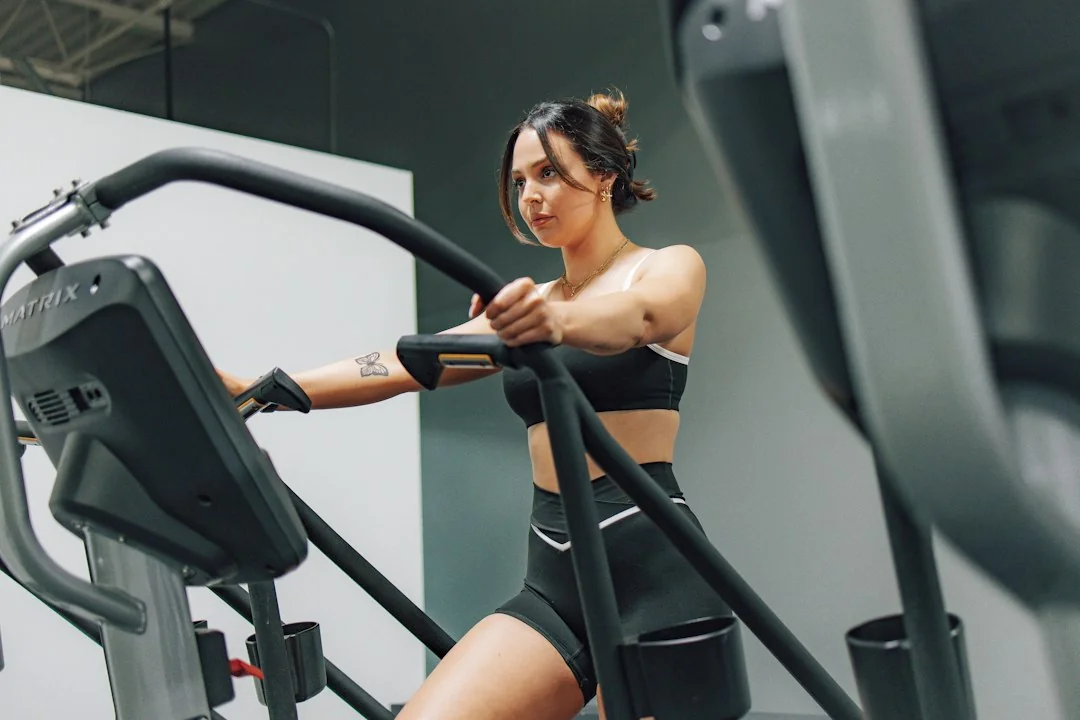
A large cross-sectional analysis of 7,282 participants found regular stair climbing associated with 37% lower odds of obesity and 52% lower odds of physical inactivity compared to sedentary individuals (7). The mechanism is total energy expenditure sustained over time, not a specific fat-burning effect of the climbing motion. For the same reason, consistent use of an exercise bike produces parallel fat-loss outcomes; the exercise bike and belly fat guide covers why the overlap in outcome exists across different cardio machines.
Is a Stair Climber Hard on Your Knees
This is the question I hear most from clients with previous knee injuries. At moderate speed, stepmills and steppers both produce lower peak knee joint loads than running because the absence of a true landing phase eliminates the ground reaction force spike that makes running problematic for many knee conditions.
Readers needing a low-impact alternative to the stair climber will find reviewed options and selection criteria in my best elliptical machine guide.
Biomechanical research comparing joint compressive forces during stair ascent in total knee replacement patients versus healthy controls found no significant difference in peak compressive forces between groups (8). The primary difference was compensatory muscle recruitment strategy rather than elevated joint load, suggesting even surgically-repaired knees can tolerate moderate stair climbing. A randomized controlled trial in knee osteoarthritis patients found 12 weeks of stair-climbing training improved quadriceps strength by 28-47% and reduced pain scores in both training groups (9).
For users managing knee pain across multiple cardio modalities, the exercise bike and knee pain comparison covers joint loading tradeoffs across pedaling-based machines with practical setup guidance.
How to Use a Stair Climber Machine Correctly
Technique determines whether the stair climber delivers its full training effect or becomes an inefficient session. These four principles produce the biggest improvements in both safety and results:
- Posture over speed - stand upright with a slight forward lean at the hips, not the waist; a hunched position shifts load from the glutes to the lower back and increases patellofemoral compressive load
- Release the handrails - gripping the rails transfers weight off the pedals, sharply reduces calorie burn, and eliminates core demand; use them only for balance when stepping on and off
- Heel contact - press through the heel and midfoot at the start of each step; excessive toe loading increases anterior knee compartment stress
- Progress resistance before speed - master full-depth steps without rail contact at a manageable pace before adding resistance or switching to double-steps
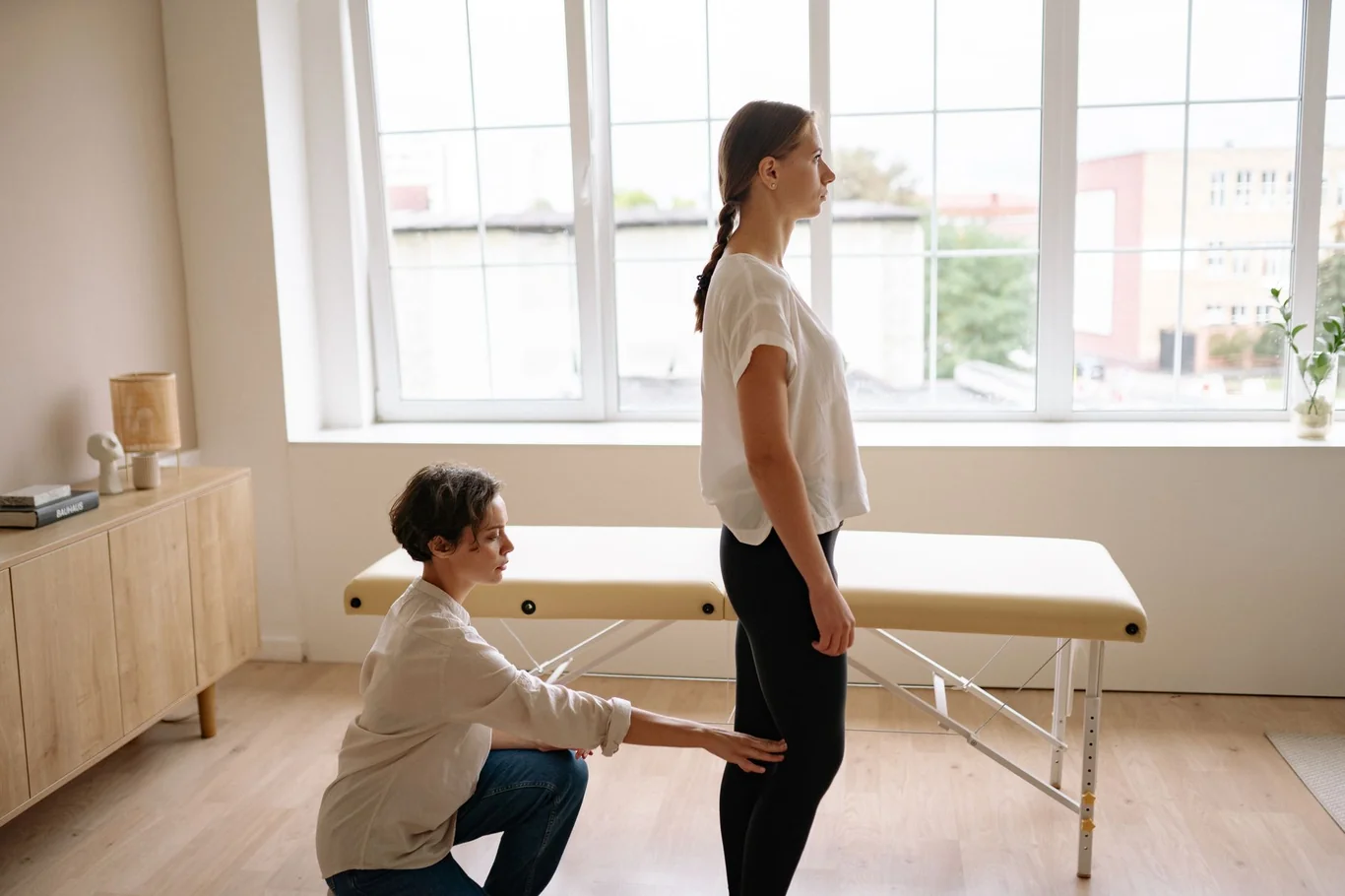
For frequency and duration, 3-4 sessions per week at 15-25 minutes is a practical starting range for most users. Cardiovascular adaptations require a minimum of 4-6 weeks of consistent training before measurable fitness changes appear.
Who Is a Stair Climber Machine Good For
The stair climber's demand profile - high lower body activation, moderate joint loading, elevated cardiovascular intensity - makes it a strong match for a wide range of fitness goals. I find it particularly well-suited for people who want lower body conditioning without the repetitive impact of running, and for those who find cycling or rowing uninspiring. The physical sensation of actually climbing engages users in a way that flat-surface cardio often does not.
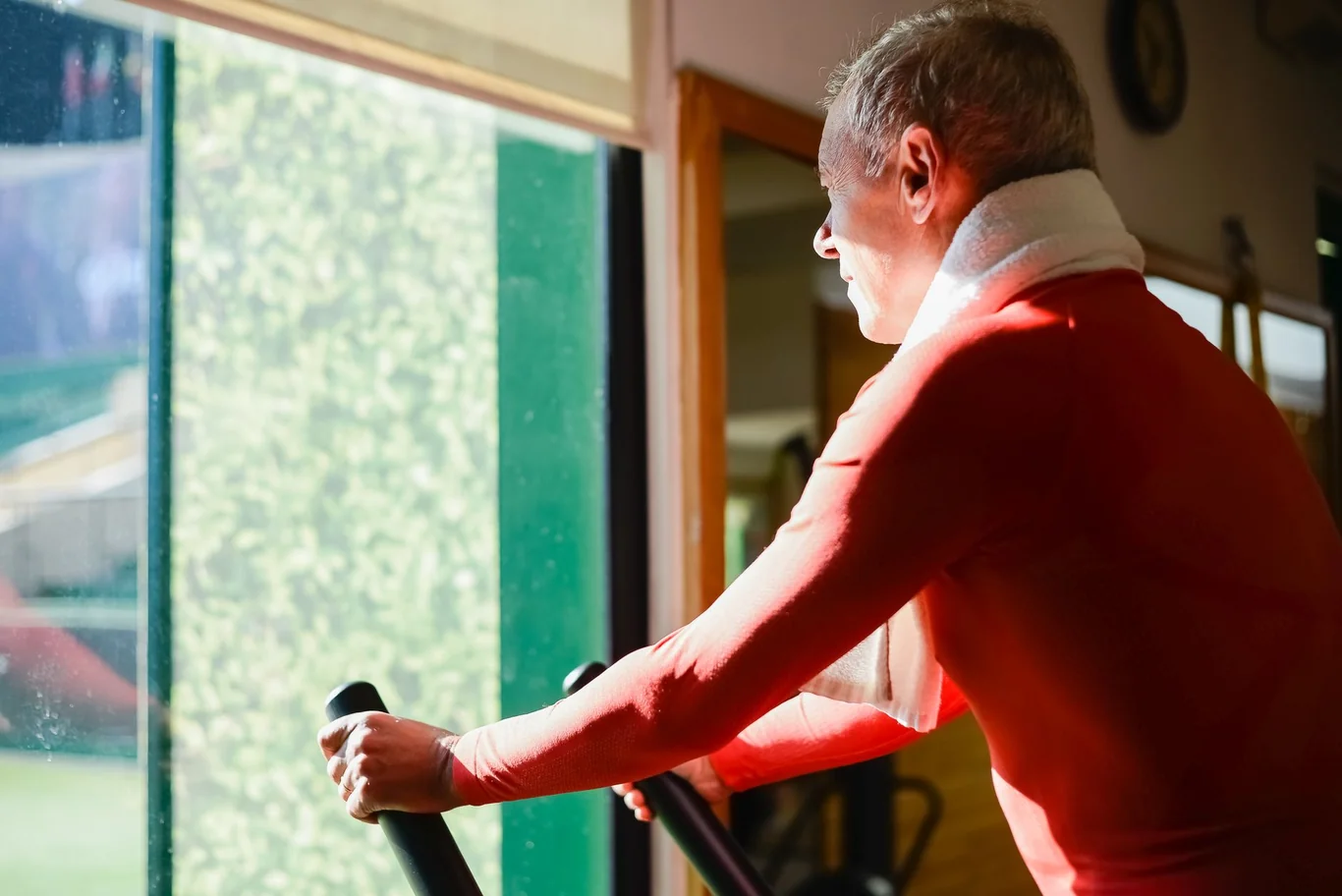
Stair Climber for Elderly Users and Older Adults
A stair climber machine is a genuinely effective tool for older adults when used at appropriate intensity. Step training directly improves lower limb muscle power and functional stair-climbing ability, both of which are core factors in fall prevention and independent living. A 6-week progressive weighted step training intervention in women aged 65-74 demonstrated 10-11% improvements in peak lower limb power and a 10% improvement in normalized stair-climbing power, with 97% session adherence (10).
Why a stair climber works well for older adults:
- Trains the same muscles and movement pattern used in real stair navigation, directly reducing fall risk
- Lower peak joint loads than running or high-impact aerobics
- Adjustable speed allows a genuinely manageable starting pace
- The unilateral step pattern trains each leg independently, addressing asymmetries common in aging
- Compact steppers are easier to use at home than full-size commercial machines
A portable stair climber for elderly users and older adults (specifically a compact stepper with wide non-slip pedals and a stability rail) is worth considering over a full stepmill, which has a steeper learning curve and a higher risk of misstep at low pacing speeds. I recommend starting at the lowest resistance setting for the first two weeks and advancing only once balance confidence is established. Medical clearance is advisable for older adults with existing cardiovascular conditions, uncontrolled hypertension, or significant joint disease before starting any stair climber training program. For older adults who prefer a seated cardio option alongside stair stepping, types of stationary bikes covers the recumbent and upright options that pair well with a weekly stepping routine.
Who Should Approach with Caution
Some populations should get clearance from a sports medicine clinician or physiotherapist before using a stair climber regularly:
- Active knee or hip inflammation - stair climbing loads these joints even at low intensity; training through acute inflammation delays recovery and can worsen structural pathology
- Grade 3 or higher knee osteoarthritis or severe chondromalacia - while mild OA may tolerate the machine well, advanced structural pathology changes the loading tolerance considerably
- Acute low back injuries - the upright posture combined with hip flexion under load creates spinal compression that can aggravate lumbar disc pathology
- Inner ear or balance disorders - the moving surface of a stepmill is not suitable without adequate proprioceptive stability
- Recent lower limb surgery (within 3 months) - return-to-activity timelines vary by procedure and individual healing; clinician guidance takes priority over general fitness recommendations
User Profile | Suitability | Key Evidence or Consideration |
Older adults 65 and up | Well suited with compact stepper | Lower limb power improved 10 to 11 percent in 6-week progressive trial |
Knee osteoarthritis | Suitable with medical clearance | Quadriceps strength improved 28 to 47 percent after 12 weeks in RCT |
Cardiovascular disease | Suitable under guidance | Brief 7.1-minute sessions produce equivalent VO2 gains to 36.7-minute moderate exercise |
Active knee or hip inflammation | Not recommended until cleared | Loading during inflammation delays recovery and can worsen pathology |
Recent lower limb surgery within 3 months | Requires clinician clearance | Return-to-activity timelines vary by procedure and individual healing |
Stair Climber Machine for Home Use
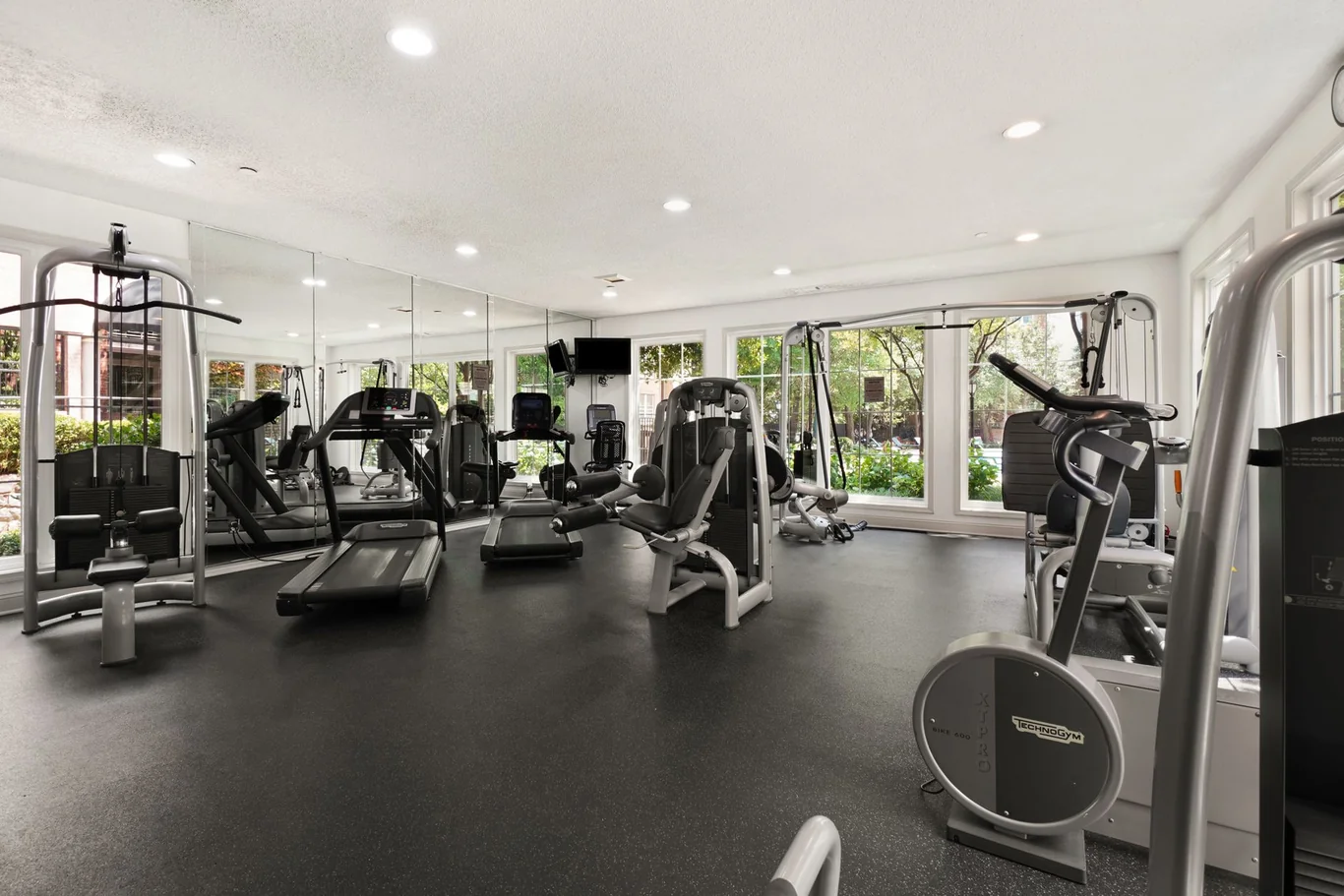
The home stair climber machine market looks very different from the commercial gym version. Full-size stepmills occupy the footprint of a refrigerator and cost several thousand dollars, making them impractical for most households. Most people shopping for a stair climber machine for home are looking at compact steppers, mini-steppers, or the growing category of portable stair climbers.
Portable Stair Climber Options
A portable stair climber is typically a compact stepper with two independent pedals, a built-in resistance dial, and a small LCD showing steps and estimated calories. Weight is usually under 15 kg, and the footprint is small enough to store under a desk or in a closet. Some models include resistance bands for light upper body work.
The main tradeoff is step depth: most portable units have a pedal arc of 10-15 cm, compared to 18-22 cm on a commercial stepmill. This reduces glute and hamstring recruitment compared to a full stair, but also reduces the learning curve and joint demand, making portable stair climbers well-suited for home use and for beginners. For anyone considering a compact home cardio machine more broadly, the walking pad guide covers another compact option with a different movement pattern and space requirement.
How to Choose a Home Stair Climber
Key factors to consider when selecting a home stair climber:
- Pedal width and surface - wider non-slip pedals improve balance and reduce misstep risk; critical for older users
- Resistance range - at least 8-12 resistance levels to allow progressive overload as fitness improves
- Weight capacity - verify it matches your body weight; most budget units are rated at 100-120 kg
- Noise level - hydraulic steppers are quieter than belt-driven models, which matters in apartments or shared living spaces
- Handlebars or stability rail - essential for older users and beginners; not all compact models include them
- Display metrics - steps per minute, elapsed time, and estimated calories are the minimum useful readouts
For a broader comparison of how different home cardio machines compare on space, cost, and training effect, the types of treadmills guide applies the same decision framework to the treadmill category.
Should You Add a Stair Climber Machine to Your Routine
A stair climber machine delivers cardiovascular training, lower body endurance, bone loading, and meaningful calorie burn in a compact session. For anyone who finds running uncomfortable on joints, grows bored on flat-belt treadmills, or specifically wants to develop the glutes and legs while elevating heart rate, it is one of the better-matched cardio tools available.
Readers comparing the stair climber and treadmill for lower-body development will find the full breakdown in my treadmill benefits guide.
Readers comparing it to the elliptical for that same purpose will find the analysis in my stairmaster vs elliptical comparison.
I find this machine most underused by people who assume it will hurt. The research on joint loading is clear: moderate-pace stepping produces lower knee compressive forces than running, and the evidence in osteoarthritis populations shows strength and pain improvements, not worsening. The stair climber rewards consistent, technique-focused use over high-speed grinding. Start at a pace where you can maintain upright posture without the handrails, progress resistance before speed, and give the cardiovascular adaptations at least 4-6 weeks to register.
Readers new to the machine who want to build those habits correctly will find a full technique walkthrough in my how to use a stairmaster breakdown.
If you are deciding between a stair climber and another cardio machine for your home or training rotation, the stationary bike vs elliptical comparison covers two of the most common alternatives with the same evidence-based framing.
FAQs
Is a stair climber good for belly fat?
A stair climber machine supports fat loss, including belly fat reduction, by creating a significant calorie deficit during each session. Fat loss is systemic rather than spot-targeted, so consistent stair climber sessions combined with a calorie-appropriate diet produce full-body fat reduction over time, including in the abdominal region.
Readers building a home cardio setup for fat loss will find specific recommendations and buying criteria in my best treadmill for home guide.
What is the best StairMaster for home use?
StairMaster is a commercial brand whose full-size stepmills are generally not practical for home use due to size and cost. For home use, a compact pedal stepper with adjustable resistance and a stability rail offers an accessible, space-efficient entry into stair climber training. Mid-range models typically priced between $150 and $400 provide the resistance range and weight capacity most home users need.
Readers also considering a rowing machine for their home gym will find specific recommendations in my best rowing machine guide.
What are the benefits of climbing stairs for 20 minutes?
Twenty minutes on a stair climber machine at moderate intensity burns roughly 130-240 kcal depending on body weight and effort level, trains the glutes, quads, hamstrings, and calves, and elevates heart rate into an effective cardiovascular training zone. Research shows consistent stair climbing sessions as short as this produce measurable aerobic fitness improvements within 4-8 weeks.
Is a stair climber the same as a StairMaster?
A stair climber machine is the broad equipment category that includes stepmills, pedal steppers, and portable compact units. StairMaster is a specific commercial brand within that category, best known for its revolving-staircase stepmills. Not all stair climbers are StairMasters, and the machines differ significantly in mechanics, footprint, cost, and training demand.
Readers wanting a deeper look at what the StairMaster specifically delivers for fitness will find the full evidence in my stairmaster benefits guide.
This content is for informational and educational purposes only. It is not a substitute for professional medical advice, diagnosis, or treatment. Always consult your healthcare provider before starting any new fitness program or using fitness technology for health monitoring.
References
- Geiger DE, Behrendt F, Schuster-Amft C. EMG Muscle Activation Pattern of Four Lower Extremity Muscles during Stair Climbing, Motor Imagery, and Robot-Assisted Stepping. BioMed Res Int. 2019;2019:9351689. doi:10.1155/2019/9351689.
- Lewis J, Rubinstein M, Piva SR, et al. Changes in Lower Extremity Peak Angles, Moments and Muscle Activations during Stair Climbing at Different Speeds. J Electromyogr Kinesiol. 2015;25(6):982-989. doi:10.1016/j.jelekin.2015.07.001.
- Ghosal AM, Chandrasekaran B. Stair-Climbing Interventions on Cardio-Metabolic Outcomes in Adults: A Scoping Review. J Sports Sci Med. 2023;22(1):136-150. doi:10.52082/jssm.2023.136.
- Dunford EC, Valentino SE, Poirier P, et al. Brief Vigorous Stair Climbing Effectively Improves Cardiorespiratory Fitness in Patients With Coronary Artery Disease. Front Sports Act Living. 2021;3:630912. doi:10.3389/fspor.2021.630912.
- Boreham CA, Kennedy RA, Murphy MH, Tully M, Wallace WF, Young I. Training Effects of Short Bouts of Stair Climbing on Cardiorespiratory Fitness, Blood Lipids, and Homocysteine in Sedentary Young Women. Br J Sports Med. 2005;39(9):590-593. doi:10.1136/bjsm.2002.001131.
- Halsey LG, Watkins DA, Duggan BM. The Energy Expenditure of Stair Climbing One Step and Two Steps at a Time: Estimations from Measures of Heart Rate. PLOS One. 2012;7(12):e51213. doi:10.1371/journal.pone.0051213.
- Arafa A, Eshak ES, Iso H. The Association Between Stair Climbing and Modifiable Cardiovascular Disease Risk Factors: A Population-Based Cross-Sectional Study. Environ Health Prev Med. 2024;29:26. doi:10.1265/ehpm.24-00009.
- Rasnick R, Malone TR, Mays JL, et al. Knee Joint Loads and Surrounding Muscle Forces during Stair Ascent in Patients with Total Knee Replacement. PLOS One. 2016;11(5):e0156282. doi:10.1371/journal.pone.0156282.
- Lee JH, Park BK, Kim JH, et al. Stair-Climbing Training with Interferential Electrotherapy in Patients with Knee Osteoarthritis. Diagnostics. 2024;14(18):2060. doi:10.3390/diagnostics14182060.
- Mair JL, De Vito G, Boreham CA. Low Volume, Home-Based Weighted Step Exercise Training Leads to Improvements in Aerobic Fitness, Functional Performance and Muscular Power in Older Adults. J Clin Med. 2019;8(1):41. doi:10.3390/jcm8010041.