
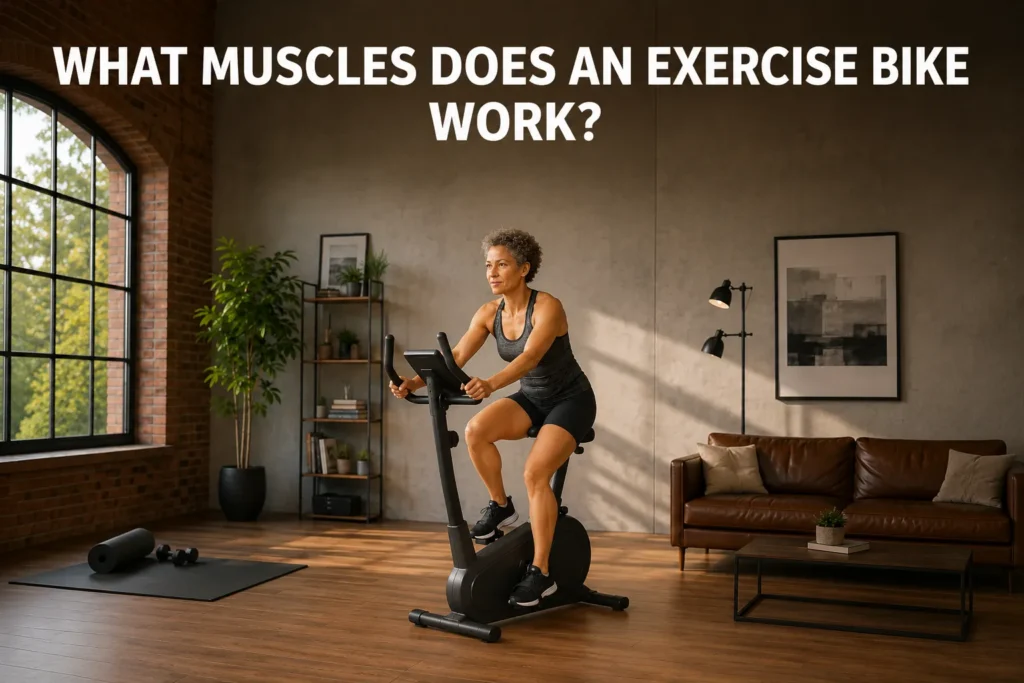
Ask most new riders what muscles does an exercise bike work, and they will say quads - but the full picture includes four primary muscle groups, several secondary stabilizers, and a load pattern that shifts with bike type, resistance, and seat setup. I have reviewed biomechanical research and rider feedback patterns to give you a complete breakdown. This guide covers every muscle involved, how different bike designs change activation, and what you can realistically expect from consistent training.

What Muscles Does an Exercise Bike Work - The Primary Lower Body Muscles
The four primary muscles an exercise bike targets are the quadriceps, hamstrings, glutes, and calves. These groups carry the bulk of the load across every pedal stroke, and the relative contribution of each shifts based on resistance, cadence, and seat height.
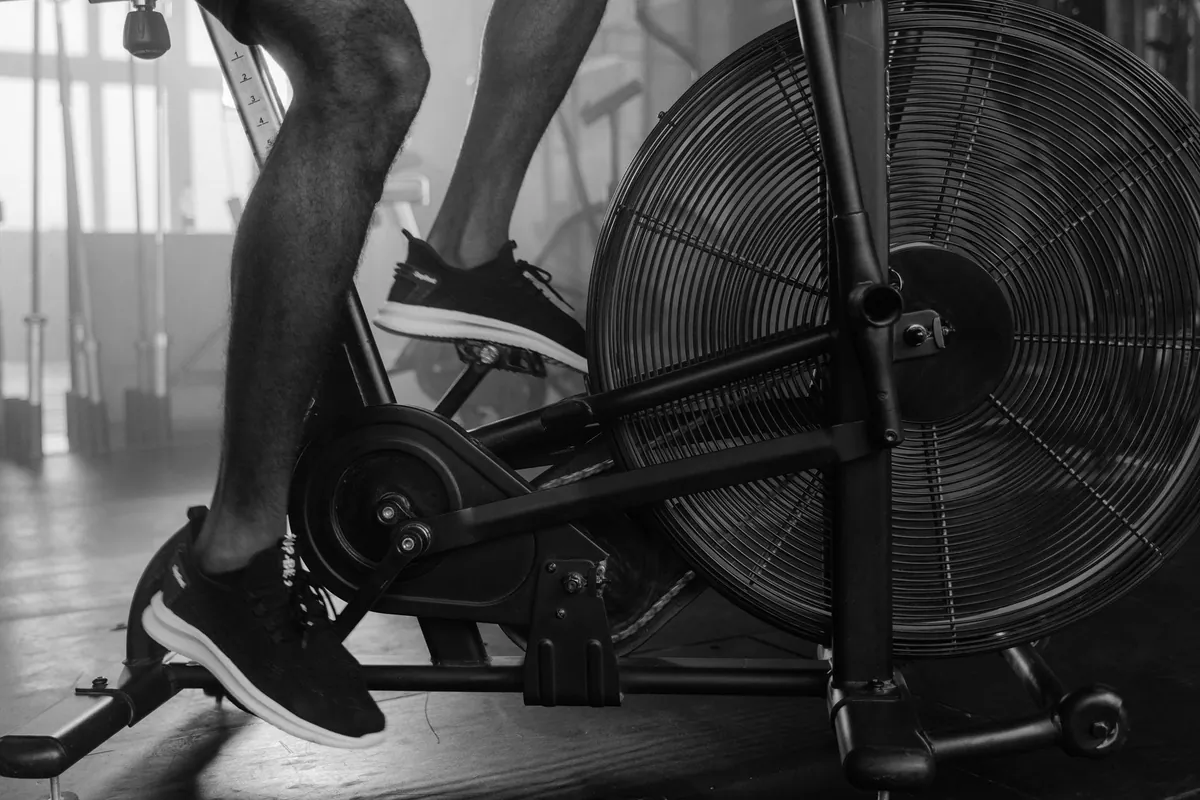
Here is what each primary muscle does during a cycling session:
Muscle | Location | Primary Role During Cycling |
Quadriceps | Front of thigh | Downstroke power generation |
Hamstrings | Back of thigh | Backstroke pull-through |
Gluteus maximus | Buttocks | Hip extension and driving force |
Gastrocnemius / Soleus | Back of lower leg | Ankle stabilization and push-off |
Quadriceps dominate the downstroke - the phase where the foot moves from the top of the pedal arc to the bottom. The vastus lateralis and vastus medialis show the highest sustained activation throughout this phase, a finding confirmed in peer-reviewed cycling biomechanics research (1). For most riders, the quads account for the majority of the training stimulus, particularly at moderate resistance levels.
Hamstrings work harder than most beginners expect. Research shows that as cadence increases, hamstring activation rises at a steeper rate than quadriceps activity (2). At higher pedaling speeds or when riders actively pull through the backstroke, the hamstrings become a meaningful contributor rather than a passive muscle.
Glutes engage most effectively when the seat height places the hips in full extension at the bottom of the stroke. A seat set too low compresses this range, reducing glute recruitment noticeably. I give this adjustment more weight than most guides do - it is the single most effective setup change for activating the glutes during cycling.
Calves function as stabilizers and secondary drivers throughout the pedal stroke. The gastrocnemius is most active during the push phase; the soleus maintains ankle rigidity. Comparative research found that upright stationary bikes generate the highest calf muscle activity of any standard stationary exercise machine (3).
For a comprehensive overview of top-rated options, my guide to the best exercise bike covers models suited for effective lower-body training across every fitness level and budget.
Four setup factors have the greatest impact on which primary muscles are activated most effectively:
- Seat height - the knee should reach near full extension (roughly 10-15 degree bend) at the bottom of the stroke; a seat set too low cuts glute and hamstring recruitment significantly
- Resistance level - moderate to high resistance is required for meaningful glute and hamstring loading; low resistance primarily trains cardiovascular endurance rather than muscle
- Pedaling cadence - higher cadence (80+ RPM) increases hamstring activation; lower cadence with high resistance shifts the primary load to glutes and quads
- Foot position - placing the ball of the foot over the pedal axle allows more complete calf and ankle engagement than a heel-forward position
Secondary Muscles - Core, Hip Flexors, and What Upright Biking Adds
Beyond the lower body, exercise bikes recruit several secondary muscle groups that support and stabilize movement without directly driving the pedal stroke.
- Hip flexors (iliopsoas, tensor fasciae latae) engage during the upstroke, pulling the knee and foot back up to the top position. On bikes with clip-in pedals or foot straps, this engagement increases meaningfully and generates additional propulsive force.
- Core muscles (erector spinae, transverse abdominis, obliques) stabilize the spine on upright bikes where there is no backrest. Riders who experience lower back fatigue during longer sessions often rely on passive posture rather than actively bracing the core.
- Tibialis anterior (front of the shin) assists with dorsiflexion during the upstroke - pulling the foot upward. New riders frequently notice shin soreness in the first week as this muscle adapts to a motion that most daily activities do not replicate.
- Upper body muscles (pectorals, biceps, triceps) have minimal involvement on standard upright or recumbent bikes. The exception is a fan bike (also called an air bike), where the arms drive moving handlebars in sync with the legs, adding a genuine upper-body component.
On an upright bike, the core works continuously because the rider must maintain active spinal stabilization. On a recumbent bike, the backrest handles most of that postural demand, reducing core activation while also reducing lower back strain - an important trade-off for riders with lumbar sensitivity.
For riders weighing whether to add rowing to their routine despite lumbar sensitivity, my guide on rowing and back pain covers which back conditions are compatible with rowing's spinal loading pattern.
For a deeper look at how the resistance mechanism determines muscle load at each intensity level, my guide to magnetic resistance exercise bike works explains the engineering behind the resistance curve.
How Pedal Stroke Phases Target Different Muscle Groups
The pedal stroke is not a simple up-and-down motion. It is a continuous cycle of four distinct phases, each recruiting a different muscle combination. Most casual riders generate the majority of their power in a single phase, which is why some muscles develop faster than others on a stationary bike.
Here are the four phases and the primary muscles active in each:
- Power phase (12 to 6 o'clock - downstroke): Quadriceps dominate, with glutes contributing through hip extension. This is the highest-force phase and accounts for the majority of propulsion.
- Pull-through phase (6 to 9 o'clock - backstroke): Hamstrings take over, pulling the foot back and through the bottom of the circle. Calves assist at the ankle joint.
- Recovery phase (9 to 12 o'clock - upstroke): Hip flexors and tibialis anterior lift the leg back to the top position. On clipless pedals, this phase can generate meaningful drive; on flat pedals, it remains largely passive.
- Top transition (around 12 o'clock): A brief shift between recovery and power. Incorrect seat height increases shear stress on the knee joint during this transition.
Most riders push rather than pull, meaning more than 70% of cycling power comes from the downstroke alone. This imbalance explains why quadriceps tend to overdevelop relative to hamstrings in regular stationary cyclists. Increasing cadence and consciously pulling through the backstroke redistributes the load and activates the hamstrings and hip flexors more fully.
For riders comparing cycling against other low-impact cardio machines, my comparison of the recumbent exercise bike vs rowing machine examines how each piece of equipment distributes lower-body and upper-body training load.
For a full product breakdown of the best options in the rowing category, my rowing machine comparison guide covers 11 machines tested by resistance type, storage footprint, and subscription cost.
Upright vs. Recumbent Bike - How Muscle Activation Differs
The type of exercise bike you use meaningfully changes which muscles work hardest. Upright bikes and recumbent bikes have fundamentally different geometries - different hip angles, backrest support, and foot positions - all of which directly determine muscle activation patterns.
For a complete overview of all four stationary bike formats and how their geometry and resistance mechanisms shape the training stimulus, my guide to stationary bike designs and differences covers what each type is built for and who it suits best.
The Sunny Health & Fitness Smart Magnetic Recumbent Bike pairs 8-level resistance with a hand-cycle arm exerciser for this kind of combined engagement.
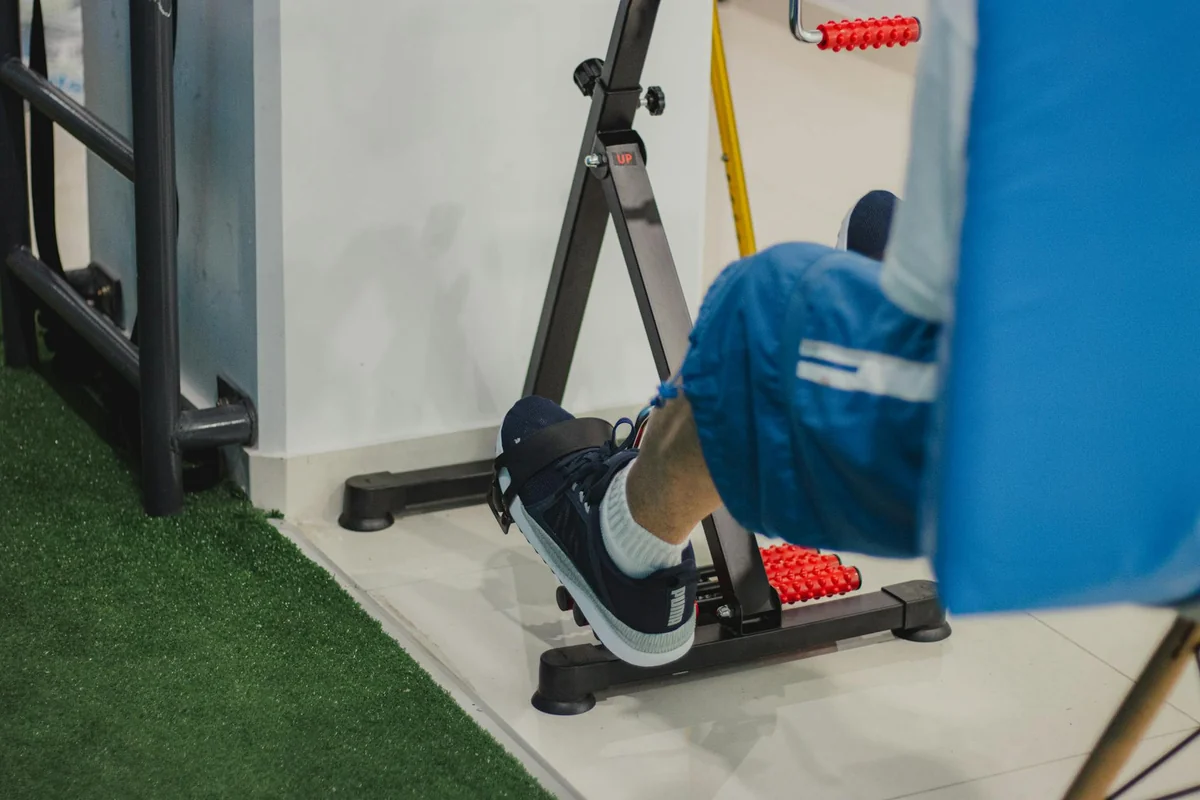
Muscle Group | Upright Bike | Recumbent Bike |
Quadriceps | High activation | High activation (similar) |
Hamstrings | Moderate | Slightly reduced due to reclined seat angle |
Glutes | High - hip extension fully loaded | Moderate - reduced hip range |
Core and abs | Active - requires postural bracing | Passive - backrest provides support |
Calves | Highest of all stationary machine types | Moderate |
Hip flexors | Moderate | Reduced |
Research confirms that both upright and recumbent bikes activate trunk and hip muscles at comparable rates overall. Bouillon et al. (2016) found the key differences in calf engagement, where the upright design produces significantly higher activation than the recumbent. The practical trade-off is core demand versus joint comfort: the upright design requires more stabilization work, while the recumbent design reduces lower back load and allows longer sessions for riders managing pain or post-surgical recovery.
For quad and glute development, both bike types are genuinely effective. For calf and core training, the upright design has a structural advantage. For riders managing lower back sensitivity or hip issues, the recumbent geometry allows training at intensities that would otherwise be impossible to sustain.
Riders managing knee sensitivity alongside those hip or back concerns will find my guide on cycling with knee pain a detailed breakdown of setup adjustments and clinical recommendations specific to the knee joint.
The Schwinn 280 pairs that backrest support with 100 resistance levels and JRNY, Peloton, and Zwift compatibility for riders who still want progression range.
For a side-by-side breakdown of how these two designs compare in practical use, my guide on recumbent exercise bike vs upright covers positioning, muscle emphasis, and which riders benefit most from each setup.
Exercise Bike vs. Treadmill - Leg Toning, Fat Loss, and Knee Health
This comparison is one of the most common questions I cover, and the answer depends on what you are trying to achieve.
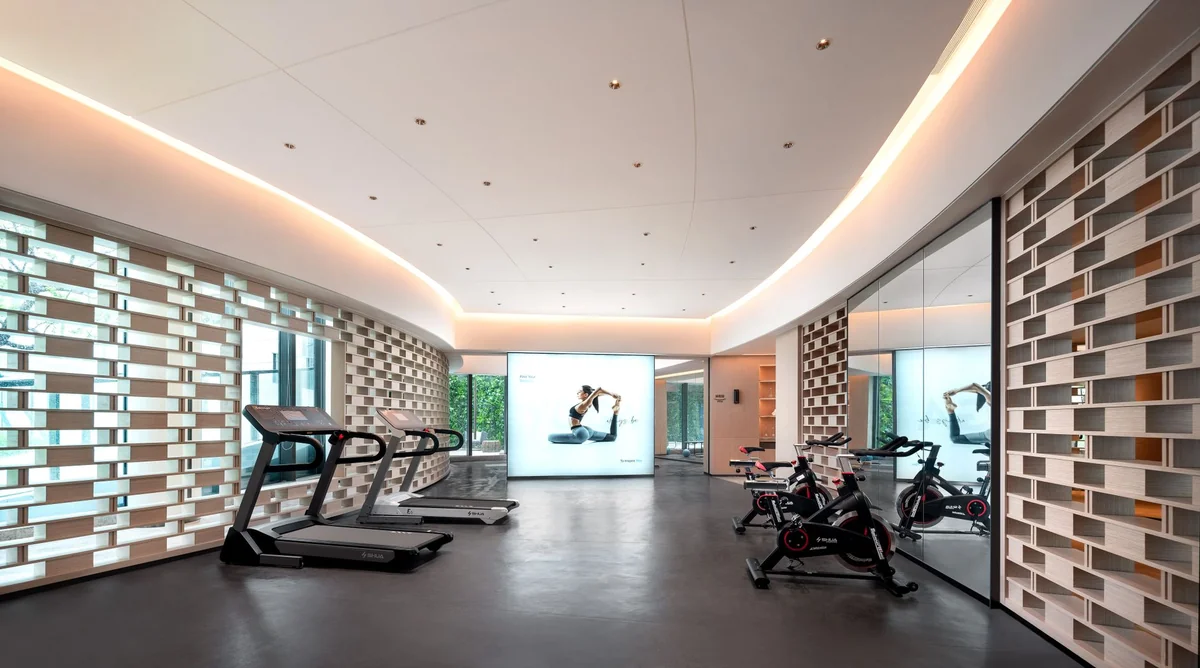
For leg toning and muscle definition, exercise bikes offer more targeted quad and glute isolation than treadmills. Treadmill running recruits more total muscle groups - calves, tibialis anterior, hip flexors, and stabilizers for balance - but stationary biking lets you directly control resistance and load the lower body at precise intensities for extended periods.
For fat loss and belly fat reduction, neither machine directly targets belly fat. Spot reduction is not physiologically possible. Both support whole-body fat loss through sustained caloric output. Riders looking for the best exercise bike to lose belly fat should prioritize models with a broad resistance range - higher-intensity intervals are the most efficient caloric protocol.
Whether a treadmill or exercise bike burns more calories for weight loss depends heavily on effort: treadmill running at moderate intensity burns slightly more calories per hour due to greater muscle mass involvement and the energy cost of impact absorption. Research tracking regular cyclists found significantly more favorable body composition, higher aerobic capacity, and better blood lipid profiles compared to sedentary non-cyclists (4).
For knee health, the exercise bike is the evidence-backed choice. A meta-analysis of 11 studies covering 724 participants found that stationary cycling significantly reduces knee pain and improves sport function in people with knee osteoarthritis (5).
A cross-sectional analysis of 2,607 participants found that lifetime cycling was associated with an 18% reduction in frequent knee pain and lower rates of radiographic and symptomatic knee osteoarthritis (6). The seated, low-impact pedaling motion places near-zero ground-reaction force on the knee joint - a structural advantage no treadmill cushioning can replicate.
Is a treadmill or an exercise bike better for your knees? The research consistently favors the exercise bike for riders managing joint sensitivity or active recovery from injury.
Comparing the recumbent exercise bike vs elliptical: the elliptical engages a broader muscle set simultaneously - glutes, hamstrings, and upper-body pulling muscles - but requires standing balance and hip mobility that not all riders can sustain. For the lowest possible joint stress with reliable lower-body activation, the recumbent bike outperforms the elliptical in accessibility for injured or deconditioned riders.
Exercise bike vs treadmill for toning legs ultimately favors the bike for lower-body isolation, and the treadmill for total-body caloric output. For riders adding a treadmill to complement their cycling routine, my guide to the best folding treadmills covers compact designs suited for mixed cardio training in limited space.
For riders replacing an existing treadmill to make space for a bike, my step-by-step guide on how to disassemble a treadmill walks through the full process safely.
How Resistance Level Shifts the Muscles That Work Hardest
Resistance is the variable most riders underuse. Changing it does not just change intensity - it shifts which muscles carry the primary training load.
For riders who want a system that keeps those adjustments precise and repeatable across hundreds of sessions, my guide on magnetic exercise bike technology and resistance mechanics covers how the magnet-and-flywheel setup maintains consistent tension without drift.
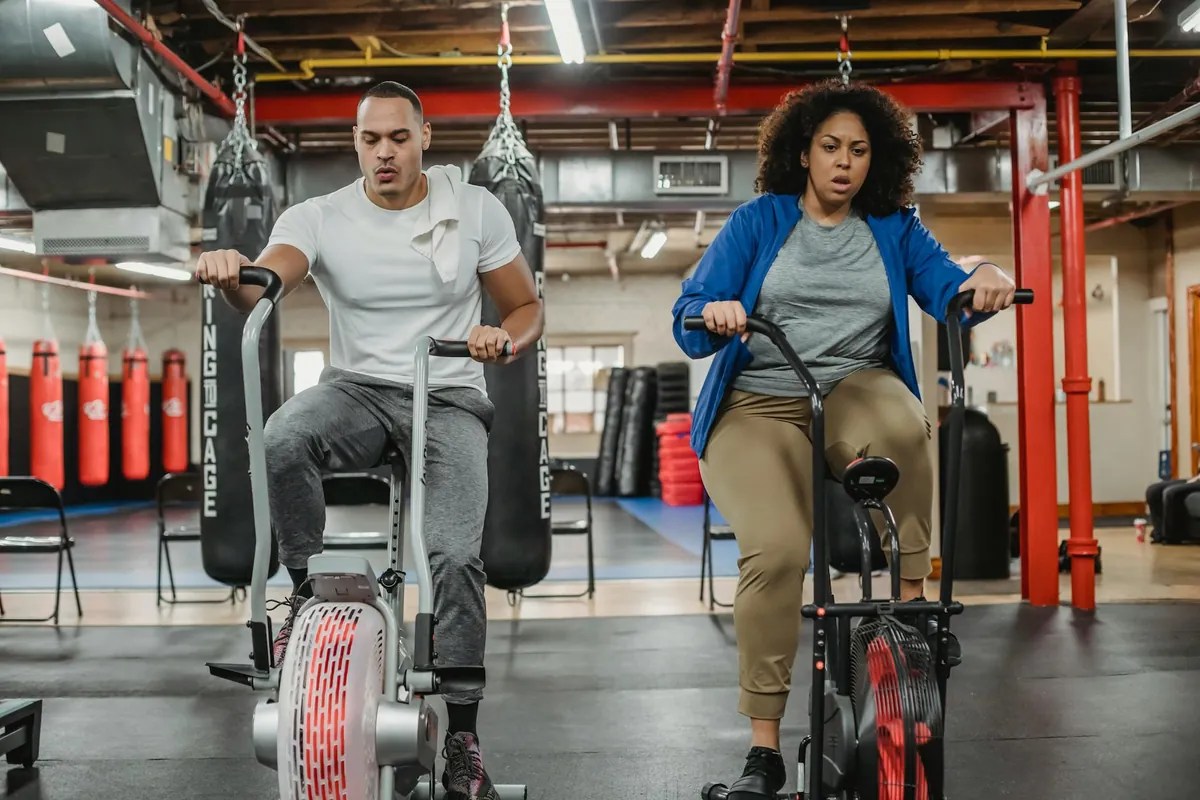
- Low resistance, high cadence (80-100+ RPM): The cardiovascular system is the primary stress target. Muscles work aerobically at lower force output. Quads and calves dominate. This mode builds endurance and caloric efficiency but does not meaningfully build or tone muscle.
- Moderate resistance, moderate cadence (60-80 RPM): The most balanced zone for combined muscle development and cardiovascular conditioning. Quads, hamstrings, and glutes all contribute at meaningful force levels.
- High resistance, low cadence (40-60 RPM): The closest approximation to strength training on a bike. Glutes and hamstrings are recruited maximally. This mode builds lower-body muscle more effectively and requires adequate warm-up before loading.
Riders who use the same moderate resistance every session will hit a muscle development plateau quickly as adaptation reduces the training stimulus. Structured variation across all three resistance zones across the training week is the most effective approach for sustained muscle development.
Riders who want to understand what that development looks like in the body over 30 to 90 days of consistent riding will find my exercise bike body transformation guide a useful reference for calibrating expectations.
I weigh resistance range and smoothness heavily when evaluating whether a bike will keep delivering results for dedicated users. My guide to the best recumbent exercise bikes covers models with reliable, progressive resistance systems built to sustain training across all intensity levels.
What to Expect After a Month of Consistent Exercise Bike Riding
New riders frequently expect rapid muscle definition in the first few weeks. The actual results after a month of consistent exercise bike riding follow a more gradual but reliable progression.
Riders who want a structured plan to develop that progression from week one will find my exercise bike workout plan for beginners a clear guide for the first month.
Week 1 to 2
Neuromuscular adaptation dominates. The muscles are learning the movement pattern. Soreness is common in the quadriceps, hip flexors, and calves, particularly in the tibialis anterior (front of the shin), which adapts to an unfamiliar pulling motion. Do not interpret early soreness as a sign of inadequate effort - it reflects the body establishing new motor patterns.
Week 3 to 4
Initial strength gains become noticeable. Quad and hamstring firmness increases for riders who were previously sedentary. Cardiovascular endurance improves more visibly than muscle mass at this stage. Riders using moderate-to-high resistance consistently will see greater muscle activation than those relying only on low-resistance steady-state cardio.
For riders ready to apply that resistance variation in a structured format, my guide on high-intensity exercise bike workout covers HIIT protocols, work-to-rest ratios, and how to progress from beginner intervals to advanced Tabata formats.
Months 2 to 3
Muscle tone becomes more visible with continued effort above moderate resistance. Glutes respond well to high-resistance training sessions. Riders combining exercise bike workouts with a mild caloric deficit often report visible waist changes at this stage - driven by whole-body fat reduction, not spot targeting. For those just starting out, finding the best exercise bike for beginners - one that offers easy resistance adjustment - allows a natural progression from the endurance zone into the higher resistance zones as fitness improves.
Long-term benefits compound with consistency. A systematic review of cycling research found a clear positive relationship between regular cycling and cardiorespiratory fitness across youth and adult populations (7).
For riders interested in how a reclined design specifically supports sustained consistency for beginners and recovering athletes, my overview of recumbent exercise bike overview covers the geometry and comfort advantages of this setup.
Choosing the Right Exercise Bike for Your Muscle Goals
Different fitness goals call for different bike designs. Here is a direct match of goal to equipment type:
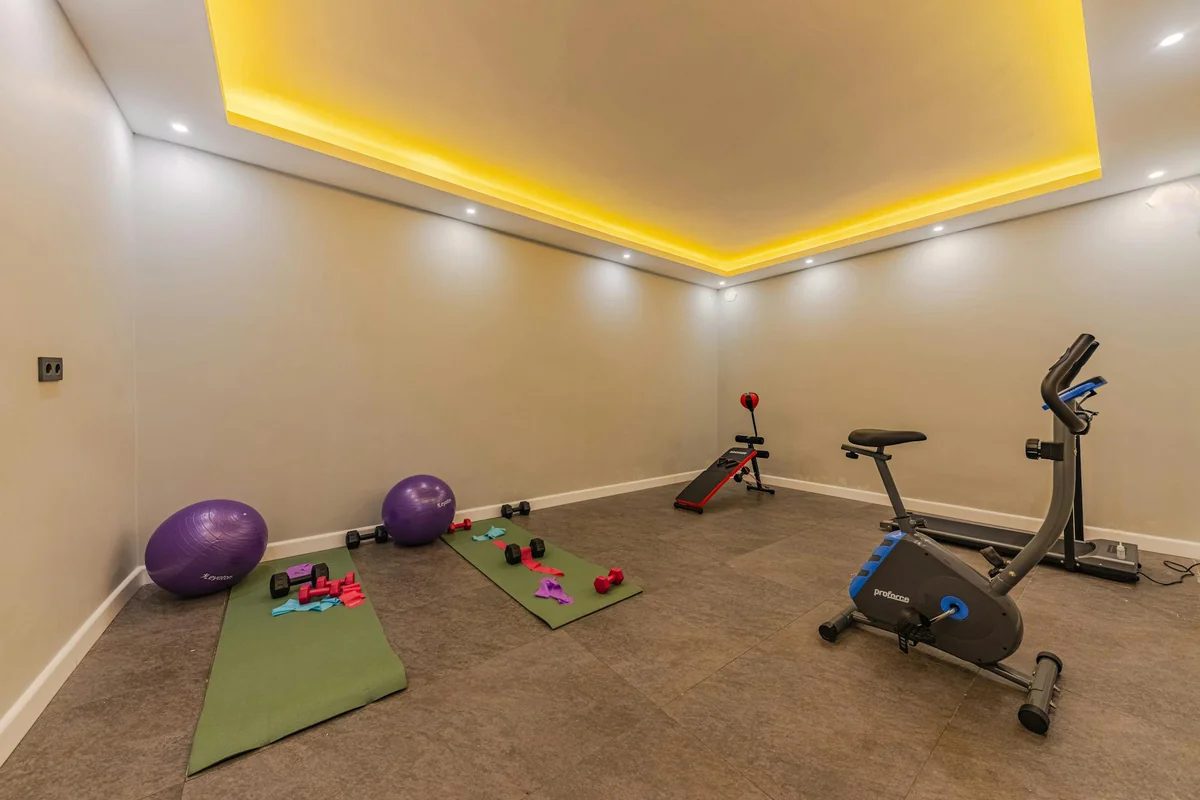
- For general fitness and building a base: Look for a standard upright or semi-recumbent design with an adjustable seat, reliable resistance increments, and a display showing RPM and session output.
- For seniors or riders with joint sensitivity: Recumbent bikes are the stronger choice. The backrest eliminates lower back strain, the forward seat reduces hip flexor tension, and the low step-over height makes mounting safer. My guide to the best exercise bike for seniors covers the specific features that matter most - frame stability, cushioning standards, and adjustable backrest angles.
- For small spaces and apartments: Folding exercise bikes keep training accessible without a dedicated room. Folding exercise bike designs collapse to less than half their riding footprint.
- For maximum glute and hamstring activation: A standard upright bike at moderate-to-high resistance with a correctly positioned seat recruits these muscles most effectively. Spin-style bikes add the option of standing climbs, which dramatically increases glute and hamstring activation compared to seated riding.
- For riders managing back pain: Our exercise bikes for back pain roundup covers specific models engineered for lumbar-sensitive riders, with adjustable backrests and ergonomic pedal positioning that minimizes compressive spinal load.
When comparing models, these four criteria have the most direct impact on long-term muscle development and training quality:
- Resistance range - look for at least 8 distinct resistance levels; fewer than 8 limits your ability to progress as fitness improves
- Seat adjustability - fore-aft and vertical adjustment matters equally; a bike where only height adjusts will force a compromised position for many riders
- Flywheel weight - heavier flywheels (18 lbs and above) deliver a smoother pedaling motion at low cadences, which reduces joint strain during high-resistance strength-phase training
- Weight capacity - always select a bike rated at least 20 lbs above your body weight to ensure frame stability during forceful pedaling
Training Goal | Recommended Bike Type |
General fitness and leg toning | Upright bike, moderate resistance |
Low-impact joint rehabilitation | Recumbent bike |
Maximum glute and hamstring training | Upright or spin bike, high resistance |
Core activation alongside legs | Upright bike without backrest |
Beginner-friendly, comfort-first | Semi-recumbent or step-through upright |
Building Stronger Legs and Better Cardiovascular Health With the Exercise Bike
An exercise bike develops a targeted but effective lower-body muscle profile, and for most riders the muscles it builds most - quadriceps, glutes, hamstrings, and calves - are exactly the ones that support functional daily movement: walking, stair climbing, getting up from seated positions, and maintaining balance.
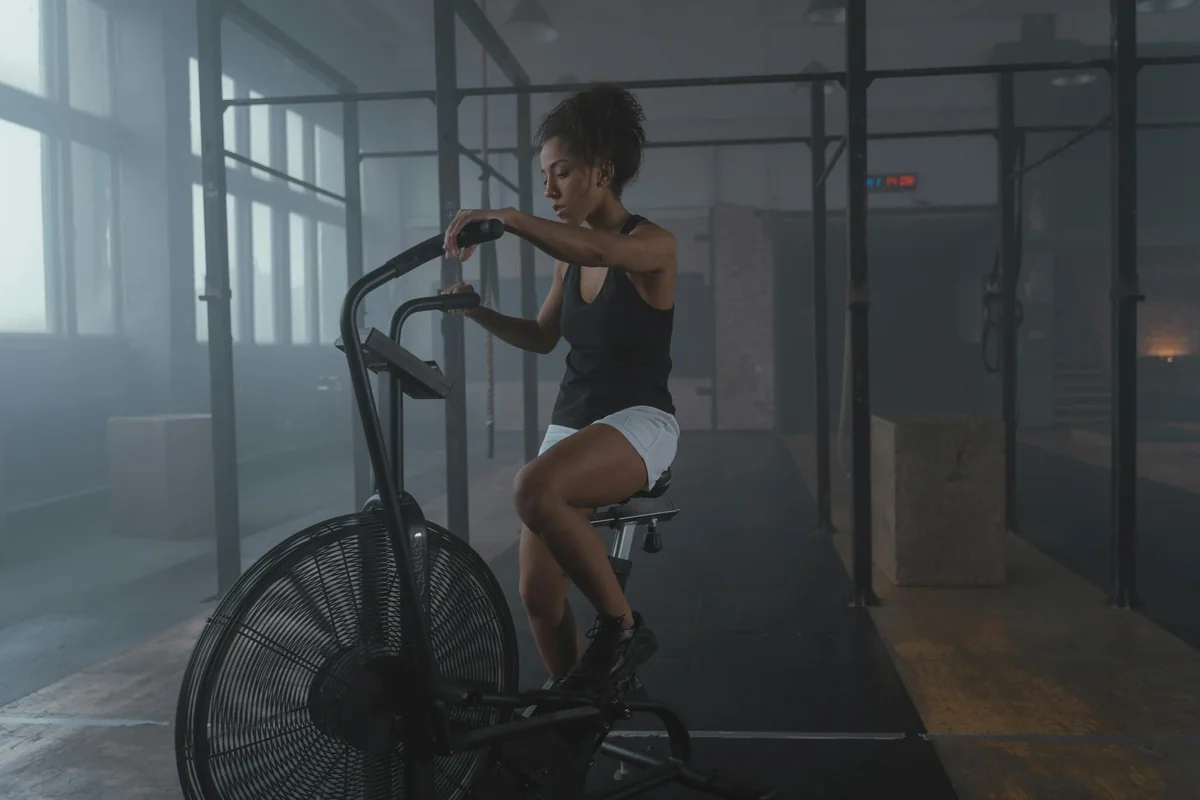
A meta-analysis covering more than one million participants found that regular cycling is associated with a 16% reduction in cardiovascular incidence and a 17% reduction in cardiovascular mortality (8). These benefits apply regardless of cycling frequency or biological sex. What drives results is sustained consistency over time, not any single session's intensity.
For riders where storage and accessibility are the factors most likely to affect that consistency, my post on folding exercise bike performance and real-world limitations covers the trade-offs in stability, resistance ceiling, and frame durability that determine whether the format supports long-term training.
Translating that consistency into a machine that fits your body and space starts with my exercise bike buying guide, which matches bike type to training goal and physical requirements.
For buyers who want to understand what each budget tier delivers before choosing a model, my breakdown of stationary bike price ranges covers spin, upright, recumbent, and air bike pricing across every quality level.
My guide addressing are exercise bikes good covers the full cardiovascular, weight management, and joint health evidence, with a breakdown of who benefits most from regular stationary cycling.
Here are the most important principles for getting results from consistent exercise bike training:
- Vary resistance across low, moderate, and high zones each week to prevent adaptation plateaus
- Set seat height so the knee reaches near full extension at the bottom of the stroke - this single adjustment determines glute and hamstring recruitment more than any other variable
- Combine cycling sessions with upper-body and core strength training, since stationary cycling does not directly develop these muscle groups
- Aim for at least three moderate-to-vigorous intensity sessions per week to access the cardiovascular and metabolic benefits documented in the research
For riders who want to pair cycling with a machine that addresses the upper body and posterior chain more directly, my guide to recumbent exercise bike vs rowing machine examines how
For a direct performance comparison between the two, my cycling vs rowing machine comparison covers calorie output, muscle activation, and which suits different training goals.
FAQs
Can you lose belly fat by riding a stationary bike?
Riding a stationary bike contributes to belly fat loss as part of overall body fat reduction driven by a consistent caloric deficit - it cannot target belly fat directly, because spot reduction is not physiologically possible. Consistent cycling at moderate-to-vigorous intensity increases total caloric expenditure and supports metabolic improvements that contribute to whole-body fat loss over time.
Riders who want the full evidence base behind how that process affects belly fat specifically will find my guide on cycling and belly fat a detailed clinical reference.
For riders who want to translate this muscle activation understanding into a structured plan, my stationary bike workout for fat loss covers HIIT and steady-state protocols matched to different fitness levels and weekly availability.
A fitness watch buyer's guide covers the wrist-worn devices that track heart rate and calorie output during cycling sessions without requiring a chest strap.
Is 30 minutes a day on a stationary bike enough?
Thirty minutes a day on a stationary bike is sufficient to meet general cardiovascular health guidelines when performed at moderate-to-vigorous intensity on most days of the week. Results depend on resistance variation and consistency - 30 minutes alternating between moderate and high resistance zones produces measurably different outcomes than 30 minutes at low resistance with minimal effort.
Does using an exercise bike tone your bum?
Using an exercise bike does tone your glutes, but the effectiveness depends on resistance level and seat height rather than time spent riding alone. Setting the seat at a height that allows full hip extension at the bottom of the stroke and training at moderate-to-high resistance are the two most impactful adjustments for maximizing glute activation.
What kind of exercise bike is better for Parkinson’s?
Research on cycling and Parkinson's disease suggests that forced-pace cycling - where the machine drives pedaling at a fixed elevated cadence - may support motor function and symptom management more effectively than self-paced riding. A recumbent bike with motor-assisted pedaling allows riders with coordination and balance limitations to maintain a consistent cadence safely, with lower fall risk than an upright design.
What muscles does a recumbent bike work?
A recumbent bike works the same primary muscle groups as an upright bike - quadriceps, hamstrings, glutes, and calves - but the reclined seat position reduces hip flexor and core activation compared to upright cycling. The vastus lateralis and vastus medialis remain highly active, making the recumbent bike effective for quad development and lower-body endurance training despite the reduced core and hip flexor demand.
References:
- Tang CK, Huang C, Liang KC, Cheng YJ, Hsieh YL, Shih YF, Lin HC. Effects of different pedaling positions on muscle usage and energy expenditure in amateur cyclists. Int J Environ Res Public Health. 2022;19(19):12046. doi:10.3390/ijerph191912046
- Katona P, Pilissy T, Tihanyi A, Laczkó J. The combined effect of cycling cadence and crank resistance on hamstrings and quadriceps muscle activities during cycling. Acta Physiol Hung. 2014;101(4):505-516. doi:10.1556/APhysiol.101.2014.4.12
- Bouillon L, Baker R, Gibson C, Kearney A, Busemeyer T. Comparison of trunk and lower extremity muscle activity among four stationary equipment devices: upright bike, recumbent bike, treadmill, and ElliptiGO®. Int J Sports Phys Ther. 2016;11(2):190-200. PMID:27104052
- Nordengen S, Andersen LB, Solbraa AK, Riiser A. Cycling and cardiovascular disease risk factors including body composition, blood lipids and cardiorespiratory fitness analysed as continuous variables: Part 2—systematic review with meta-analysis. Br J Sports Med. 2019;53(14):879-885. doi:10.1136/bjsports-2018-099778
- Luan L, Bousie J, Pranata A, Adams R, Han J. Stationary cycling exercise for knee osteoarthritis: A systematic review and meta-analysis. Clin Rehabil. 2021;35(4):522-533. doi:10.1177/0269215520971795
- Lo GH, Richard MJ, Kriska AM, McAlindon TE, Harkey M, Rockette-Wagner B, et al. Bicycling over a lifetime is associated with less symptomatic knee osteoarthritis: Data from the Osteoarthritis Initiative. Med Sci Sports Exerc. 2024;56(9):1678-1684. doi:10.1249/MSS.0000000000003449
- Oja P, Titze S, Bauman A, de Geus B, Krenn P, Reger-Nash B, Kohlberger T. Health benefits of cycling: a systematic review. Scand J Med Sci Sports. 2011;21(4):496-509. doi:10.1111/j.1600-0838.2011.01299.x
- Nordengen S, Andersen LB, Solbraa AK, Riiser A. Cycling is associated with a lower incidence of cardiovascular diseases and death: Part 1—systematic review of cohort studies with meta-analysis. Br J Sports Med. 2019;53(14):870-878. doi:10.1136/bjsports-2018-099099