
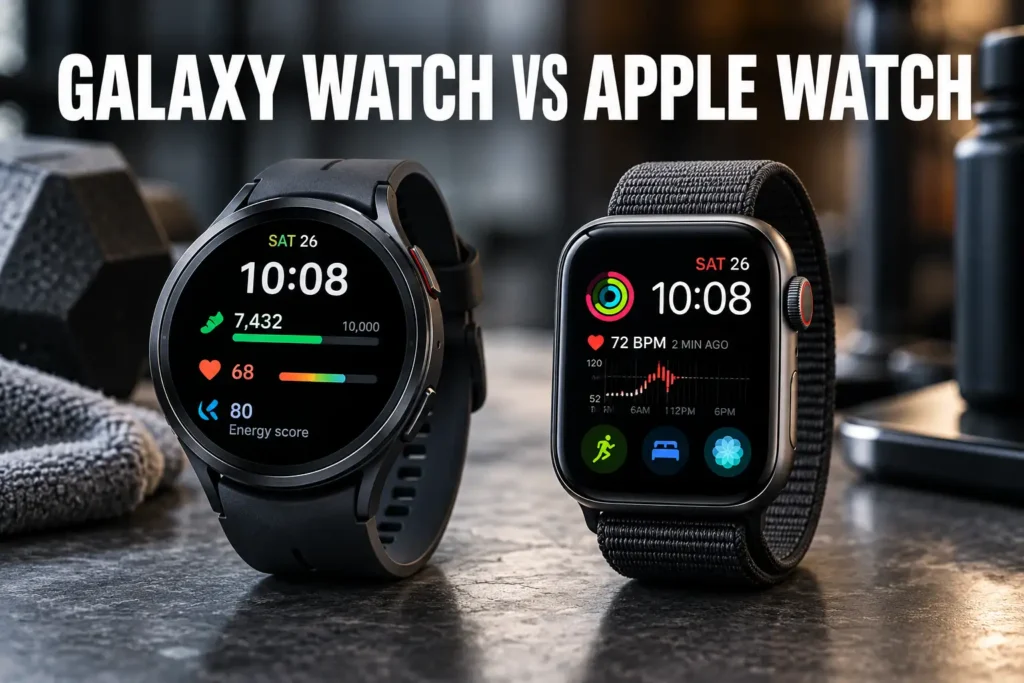
The galaxy watch vs apple watch decision comes down to three things that most comparison articles skim over: independent accuracy data from peer-reviewed research, how much the phone-lock-in actually limits you day to day, and what the honest 3-year ownership cost looks like. I've spent over 15 years in the fitness industry, studied at the Faculty of Sport and Physical Education in Novi Sad, and coached clients through wearable integrations, and this comparison cuts through the marketing noise. This guide covers hardware, health sensor accuracy backed by research, battery life, software, subscription costs, and a clear breakdown of who each device is built for.

Key Takeaways
- Apple Watch leads on heart rate accuracy, SpO2 precision, HRV published validation, and FDA-cleared cardiac features. Galaxy Watch leads on body composition analysis, Android compatibility, standard 20mm band sizing, and battery life at the Ultra tier.
- Apple Watch requires an iPhone, with no exceptions and no workaround that preserves full functionality. Galaxy Watch runs on any Android 10+ phone and reaches its deepest integration with Samsung Galaxy phones.
- In independent testing against a Polar H10 reference, Apple Watch held a mean heart rate error of about 1.8% versus 3.4% for Galaxy Watch, and was statistically superior in 139 of 159 individual comparisons.
- Galaxy Watch 7 runs up to 40 hours on a charge versus about 18 hours for Apple Watch Series 10. Galaxy Watch Ultra reaches roughly 100 hours in power-saving mode versus 36 to 48 hours, up to 72 with Low Power Mode, for Apple Watch Ultra 2.
- Without a paid subscription, Galaxy Watch costs less to own over 3 years thanks to a lower device price tier and universal 20mm bands, while Apple Watch's proprietary band connector and higher repair fees add up.
Galaxy Watch
Body composition tracking and Android-wide compatibility with no mandatory subscription
Our Score: 8.5/10
Best for | Android phone owners who want body composition tracking, standard 20mm band compatibility, and longer battery life at the Ultra tier |
Price | Lower price tier than Apple Watch Series 10 at comparable configurations; Galaxy Watch Ultra is priced closer to Apple Watch Ultra 2 |
Apple Watch
FDA-cleared cardiac tracking and the most validated health-accuracy research, built exclusively for iPhone
Our Score: 8.5/10
Best for | iPhone owners who prioritize heart rate accuracy, SpO2 precision, and FDA-cleared ECG and irregular rhythm detection |
Price | Higher price tier than Galaxy Watch 7 at comparable configurations; Apple Watch Ultra 2 is priced closer to Galaxy Watch Ultra |
Galaxy Watch vs Apple Watch - Quick Verdict
The samsung galaxy watch vs apple watch comparison does not have a universal winner. Apple Watch leads on heart rate accuracy, SpO2 precision, HRV reliability, FDA-cleared cardiac features, and ecosystem depth for iPhone users. Galaxy Watch leads on body composition analysis, Android compatibility, standard 20mm band sizing, and battery life at the Ultra tier.
Here is where each watch wins across the categories that matter most for fitness users:
Category | Apple Watch | Galaxy Watch |
Heart rate accuracy (HIIT / cardio) | Apple Watch | |
SpO2 accuracy | Apple Watch | |
HRV published validation | Apple Watch | |
ECG / FDA clearance (US) | Apple Watch | |
Body composition analysis | Galaxy Watch | |
Android compatibility | Galaxy Watch | |
Battery life (standard tier) | Galaxy Watch | |
Battery life (Ultra tier) | Galaxy Watch Ultra | |
Band cost and variety | Galaxy Watch | |
Daily stress score | Galaxy Watch |
I rate neither watch as universally better. The right pick depends entirely on your phone, your primary fitness goals, and how much you value body composition tracking versus cardiac health features. For the full wearable landscape beyond these two, the most accurate fitness watch guide covers a wider set of options. For buyers considering dedicated fitness trackers alongside full smartwatches, my best fitness tracker roundup covers the complete wearable category.
Hardware - Display, Design, and Build Quality
The galaxy watch vs apple watch hardware comparison shows two mature, polished wearables. The current-generation devices, specifically the Galaxy Watch 7, Galaxy Watch Ultra, Apple Watch Series 10, and Apple Watch Ultra 2, represent the best either company has shipped. Hardware differences are real but rarely drive the buying decision for fitness-focused users.
Display Technology and Form Factor
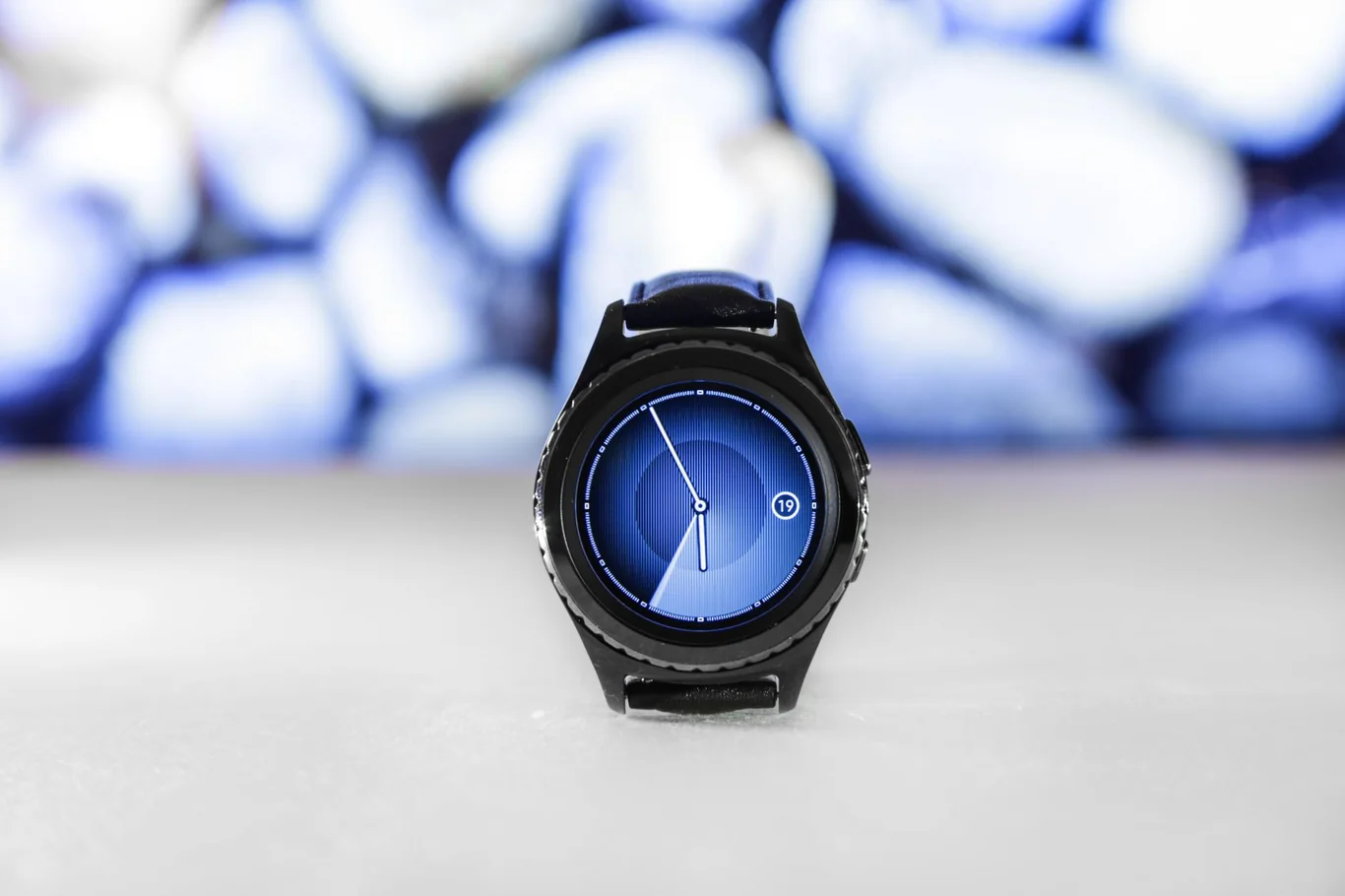
In the galaxy watch vs apple watch display comparison, Apple Watch Series 10 has a 1.96-inch Retina LTPO3 OLED display at 46mm, compared to the Galaxy Watch 7's 1.5-inch Super AMOLED at 44mm. For wrist real estate, text readability during runs, and visibility in sunlight, Apple Watch has a clear advantage in the standard tier. Both watches sit at approximately 9.7mm thick. I've found that the rectangular Apple Watch profile distributes its volume differently from Galaxy Watch's circular case, which reduces wrist-to-knurl contact during barbell pressing, a practical difference for lifters who train with the watch on. Lifters who want a dedicated wearable comparison for strength training can find purpose-specific options in my best fitness tracker for weight lifting guide.
Both devices involve a circular form factor (Galaxy) and a rectangular form factor (Apple), a design preference that stays personal. The circular Galaxy Watch reads as a traditional timepiece in professional settings, which some users find important outside the gym. The rectangular Apple Watch has a larger usable screen area relative to its case size due to corner optimization.
At the Ultra tier, both the Galaxy Watch Ultra and Apple Watch Ultra 2 use titanium cases and sapphire crystal screens. They weigh nearly identically: 60.5g versus 61.4g respectively. In the galaxy watch vs apple watch ultra comparison, durability is essentially equal at the premium tier.
GPS Accuracy and Satellite Coverage
Both Galaxy Watch 7 and Apple Watch Series 10 support multi-band GPS for improved positional accuracy in urban environments and under tree cover. Multi-band GPS significantly reduces signal errors caused by signal reflection off buildings, making both watches more reliable for route-based training than earlier-generation single-band models. For runners and cyclists who rely on GPS data for pace, distance, and route mapping, either watch delivers competitive current-generation accuracy. On outdoor trail use, the Ultra models from both brands add barometric altimeters for elevation tracking. Runners who want a dedicated comparison of wearables built for running performance can find a full breakdown in my best fitness tracker for runners guide.
Durability and Water Resistance
Both the Galaxy Watch 7 and Apple Watch Series 10 offer 5ATM water resistance (50m), which covers swimming, water aerobics, surfing, and heavy rain. At the Ultra tier, both the Galaxy Watch Ultra and Apple Watch Ultra 2 carry 10ATM (100m) water resistance. Apple Watch Ultra 2 also holds EN13319 dive computer certification, which requires validated depth measurement to 30m - this certification applies to the Ultra model only, not Series 10. For open-water swimmers and certified divers, the Ultra 2's dive certification is a meaningful technical distinction. Swimmers evaluating waterproof fitness trackers across both brands and the broader market can start with my best fitness tracker for swimming guide.
The Galaxy Watch Ultra and Apple Watch Ultra 2 both meet MIL-STD-810H military durability standards and handle extreme outdoor conditions reliably. For Apple Watch water resistance details by model generation and activity type, the technical limits are covered in depth separately.
Key specs comparison for current standard models:
Spec | Galaxy Watch 7 (44mm) | Apple Watch Series 10 (46mm) |
Display size | 1.5-inch Super AMOLED | 1.96-inch Retina LTPO3 OLED |
Case thickness | 9.7mm | 9.7mm |
Water resistance | 5ATM / 50m | 5ATM / 50m |
Battery (normal use) | Up to 40 hours | ~18 hours |
GPS | Multi-band | Multi-band |
Body composition | Yes (BIA sensor) | No |
ECG | Yes (select markets) | Yes (FDA cleared, US) |
Band system | 20mm standard | Proprietary Apple Watch |
Phone compatibility | Android 10+ | iPhone only |
Health Tracking - Where the Research Gets Interesting
Health tracking is where the galaxy watch vs apple watch comparison moves from spec-sheet reading to genuinely useful science. I've tracked this research area closely because most users do not realize how variable accuracy is between these devices, and the published data tells a more nuanced story than brand marketing suggests.
Heart Rate Monitoring Accuracy
The galaxy watch vs apple watch heart rate accuracy gap is backed by independent research, not marketing claims. In a 2026 comparative validity study using ECG reference standards, Apple Watch showed no statistically significant difference from ECG during endurance exercise, with correlation coefficients of r=0.64 to r=0.97 across activity types (1). In separate 2025 research benchmarking current-generation Apple Watch and Galaxy Watch 8 against a Polar H10 reference, Apple Watch was statistically superior in 139 of 159 individual comparisons, with a mean error of approximately 1.8% versus 3.4% for Galaxy Watch.
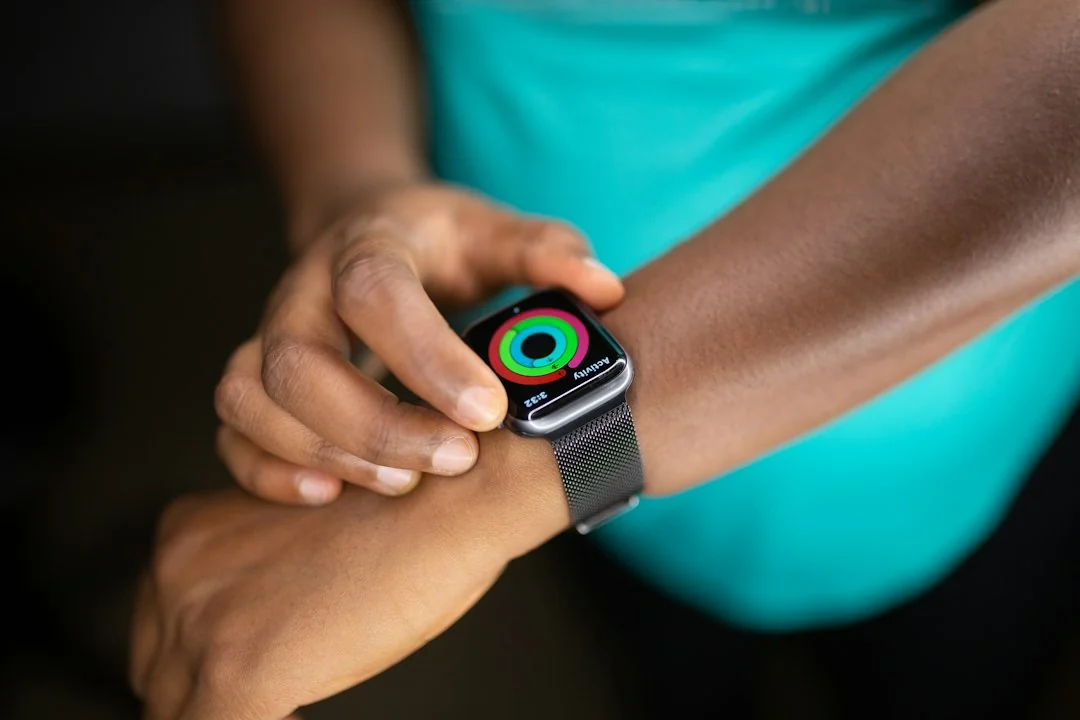
For HIIT protocols, high-intensity interval cycling, and sprint-based training, Apple Watch significantly outperforms during peak intensity phases. I flag the HIIT accuracy gap as the most practically important finding for any client who structures training zones around wrist-based data. If you're using training zone data to structure interval sessions or track VO2 max development, this accuracy gap has real consequences for zone calculation. Learn more about how accurate smartwatches are for heart rate during different exercise types.
A 2022 direct comparison study found Galaxy Watch Active2 achieved a mean absolute error of 8.13 bpm against Holter ECG across mixed-intensity activity protocols (2). For resistance-heavy training days, Galaxy Watch held up better than its aggregate accuracy numbers suggest, consistent with its sensor performing more reliably during the steady, lower-intensity intervals typical of strength work.
The practical takeaway for fitness users:
- Apple Watch for cardio-dominant training (running, cycling, HIIT)
- Galaxy Watch competitive during strength and resistance protocols
- Neither watch should be used as a sole training zone reference without periodic calibration
Calorie Estimation Accuracy
Calorie tracking is one of the most practically relevant areas of the galaxy watch vs apple watch comparison for users managing weight or performance nutrition. Consumer smartwatches across both brands diverge meaningfully from clinical standards. A 2026 study comparing Apple Watch Series 8, Samsung Galaxy Watch 5, Garmin Forerunner 955, and Fitbit Sense 2 against indirect calorimetry during controlled cycling found systematic overestimation in all devices, with Apple Watch overestimating by an average of +21.6 kcal and Samsung Galaxy Watch overestimating by +56.76 kcal per session (3). Error increased with body fat percentage across all brands.
Apple Watch was the most accurate calorie estimator in this study. Galaxy Watch overestimated by nearly 3x more than Apple Watch in controlled conditions. The study used Series 8 and Galaxy Watch 5, which are earlier-generation hardware; current models may perform differently, but the accuracy hierarchy is consistent with broader published literature. Both watches should be treated as directional caloric indicators, not precise counters. Buyers who need purpose-built calorie tracking can find the top options in my best calorie tracker guide.
Sleep Tracking
The galaxy watch vs apple watch sleep tracking picture is similar across brands at the algorithm level. Published validation research on wrist-worn smartwatches consistently shows these devices are better at detecting whether you are asleep than at accurately staging light, deep, and REM sleep. Consumer wrist devices achieve high sensitivity for sleep-wake detection but lower specificity, meaning they tend to miss brief nighttime wakings more often than laboratory polysomnography. Neither watch has demonstrated clinical-grade sleep staging reliability in peer-reviewed independent validation.
Apple Watch has a longer track record of sleep stage algorithm updates and Apple Health integration for trend analysis over time. In my experience testing both platforms, I find the Apple Watch sleep trend graphs more useful for identifying recovery patterns week over week. For a deeper look at how well Apple Watch handles overnight tracking, Apple Watch sleep tracking covers the algorithm history and what the data actually means day to day.
Both devices use accelerometer and photoplethysmography data to infer sleep stages. Use sleep scores as directional feedback and look for trends over weeks, not nightly absolutes. Buyers whose primary goal is sleep tracking can find devices built for that purpose in my best fitness tracker for sleep guide.
Blood Oxygen (SpO2) Accuracy
In the galaxy watch vs apple watch SpO2 comparison, Apple Watch holds the stronger published accuracy record. Apple Watch Series 7 achieved a mean absolute error of 2.2% and root mean squared error of 2.9% for SpO2 in a controlled study of 49 participants across diverse Fitzpatrick skin tone groups, with no statistically significant accuracy difference by skin tone (4). This is the best-documented SpO2 accuracy result for any mainstream consumer smartwatch in current peer-reviewed literature.
Galaxy Watch uses a similar photoplethysmography-based sensor architecture. Comparative accuracy data specifically for current Galaxy Watch models against clinical pulse oximetry is less thoroughly documented in the peer-reviewed literature. Based on available evidence, Apple Watch has the stronger SpO2 accuracy track record.
Critical note: Consumer smartwatch SpO2 readings are intended for general wellness trend monitoring. They are not validated for diagnosing or monitoring respiratory conditions, sleep apnea, or cardiac hypoxia. Apple Watch blood pressure and cardiovascular measurement limits explains how these sensing limitations apply to related cardiovascular metrics.
Heart Rate Variability (HRV)
HRV measurement is where the galaxy watch vs apple watch comparison gets nuanced. It is one of the most discussed but least understood metrics in the wearable space. A 2024 validation study of Apple Watch Series 9 and Ultra 2 found strong resting heart rate accuracy (mean absolute percentage error of 5.91%, bias of -0.08 bpm) but a meaningful HRV underestimation of an average of 8.31 ms with a 28.88% mean absolute percentage error compared to Polar H10 reference (5). The study authors cautioned against using absolute HRV values for clinical decision-making, while noting the potential utility for personal trend analysis.
Earlier validation research confirmed Apple Watch's reliability for RR interval detection, with greater than 0.9 agreement with Polar H7, though the authors identified data gaps during high-frequency capture windows that affect frequency-domain HRV calculations (6).
For Galaxy Watch, HRV is derived from the same photoplethysmography sensor, and published independent validation is less extensive than the Apple Watch literature. The consistent finding across all consumer wearables is that HRV trends over time have more practical value than absolute daily numbers. I advise clients to track their own 7-day HRV rolling average and watch for directional shifts rather than comparing absolute values to population tables. Use HRV as a relative recovery indicator, and compare your numbers to your own rolling average rather than population norms.
VO2 max estimation depends directly on the quality of heart rate data underlying it. Apple Watch calculates VO2 max using GPS and heart rate data from outdoor runs, and published validation shows reasonable accuracy for individuals in the low-to-moderate fitness range. Galaxy Watch uses a similar submaximal estimation algorithm through Samsung Health. Both should be treated as estimates rather than clinically measured values. For context on VO2 max by age and what scores on a watch actually mean relative to fitness standards, that reference covers the expected ranges by demographic.
Stress Tracking and Daily Recovery
Galaxy Watch includes a dedicated Stress score that Samsung Health generates throughout the day from HRV, heart rate, and accelerometer data. The app surfaces this as a numeric score and prompts guided breathing exercises when sustained elevated stress is detected. For users who want a daily quantified stress indicator, this is a functional advantage Galaxy Watch holds over Apple Watch.
Apple Watch does not generate a direct stress score. It offers Mindfulness app nudges and retrospective HRV access through Apple Health, which users can apply informally to assess recovery quality. The experience requires more active user interpretation than Samsung Health's automated stress tracking.
Skin Temperature Monitoring
Both Galaxy Watch 7 and Apple Watch Series 10 include skin temperature sensors. Apple Watch uses temperature data primarily to refine sleep staging accuracy and support Cycle Tracking's ovulation estimates. Galaxy Watch incorporates skin temperature readings into its Energy Score calculation and overall wellness metrics.
Neither watch displays an absolute temperature reading. Both track deviations from your personal baseline, which makes the data most useful for identifying trends during illness or overtraining blocks rather than measuring against clinical standards. Feature parity is high on this metric, with implementation differences that do not meaningfully favor either watch for most fitness users.
Body Composition Analysis - Galaxy's Clearest Advantage
Galaxy Watch's BioActive Sensor combines photoplethysmography, electrocardiogram, and bioelectrical impedance analysis into a single sensor array. This enables skeletal muscle mass and body fat percentage estimation directly from the wrist, a feature Apple Watch does not offer in any current model.
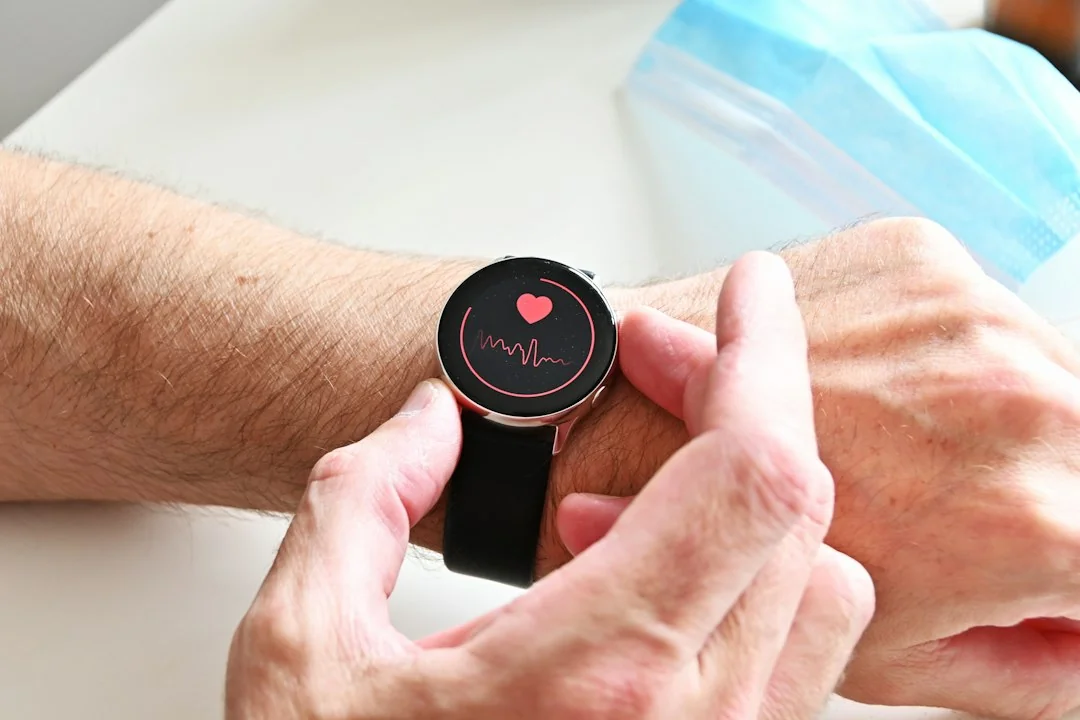
The impedance-based method is less accurate than DEXA scanning or hydrostatic weighing. However, for tracking relative body composition changes over weeks or months during a training block, it provides a directional signal that no current Apple Watch replicates. For physique athletes, competitive cyclists managing power-to-weight ratio, and anyone actively managing body composition alongside cardiovascular fitness, this is Galaxy Watch's most concrete hardware advantage.
How to use body composition data from Galaxy Watch:
- Take measurements at the same time each day (morning, fasted, post-void)
- Track weekly averages rather than daily readings (hydration fluctuates daily)
- Use the trend line over 4-8 weeks rather than individual data points
- Cross-validate with skinfold calipers or DEXA at least once per training cycle
ECG, Irregular Rhythm Detection, and Safety Features
Both current Apple Watch and Galaxy Watch offer ECG capability and irregular rhythm detection algorithms. In the galaxy watch vs apple watch ECG comparison, the key distinction is regulatory status:
- Apple Watch holds FDA clearance for ECG atrial fibrillation detection and irregular rhythm notifications in the United States
- Samsung Galaxy Watch ECG and irregular rhythm features are cleared in select international markets but carry more limited US FDA regulatory approval than Apple Watch
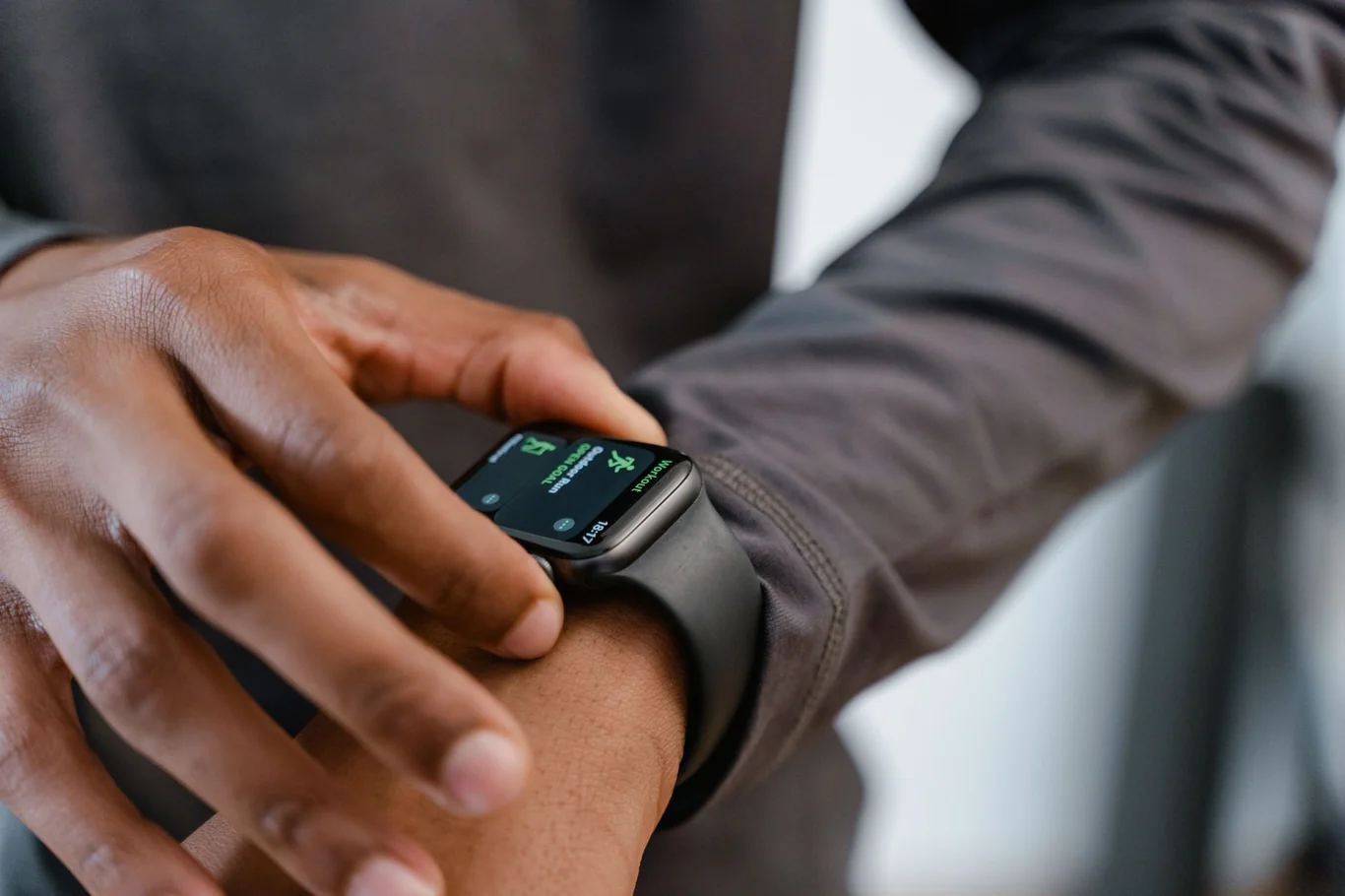
A 2025 observational study of 260 male cardiac patients, including 70 with arrhythmias, found Apple Watch demonstrated consistent heart rate readings across rest, mild-to-moderate exercise, and post-exercise recovery, supporting its applicability as a cardiac monitoring supplement in supervised clinical contexts (7). The American College of Cardiology consistently emphasizes that smartwatch ECG features are supplementary tools: any wearable-detected irregularity requires confirmation with a 12-lead clinical ECG interpreted by a physician before acting on it.
Both Apple Watch Series 10 and Galaxy Watch 7 include fall detection using accelerometer pattern recognition. Apple Watch additionally offers crash detection for automotive accidents. On LTE-enabled models, either watch can alert emergency contacts and services automatically when an unresponsive fall or crash is detected without the phone present. For users who train alone in remote settings or carry cardiac health concerns, these passive safety features are a meaningful practical consideration beyond sensor accuracy metrics.
Battery Life - The Daily Reality
Battery life is one of the most practical daily differentiators in the galaxy watch vs apple watch comparison, and the gap between standard and ultra models runs in opposite directions from what many buyers expect.
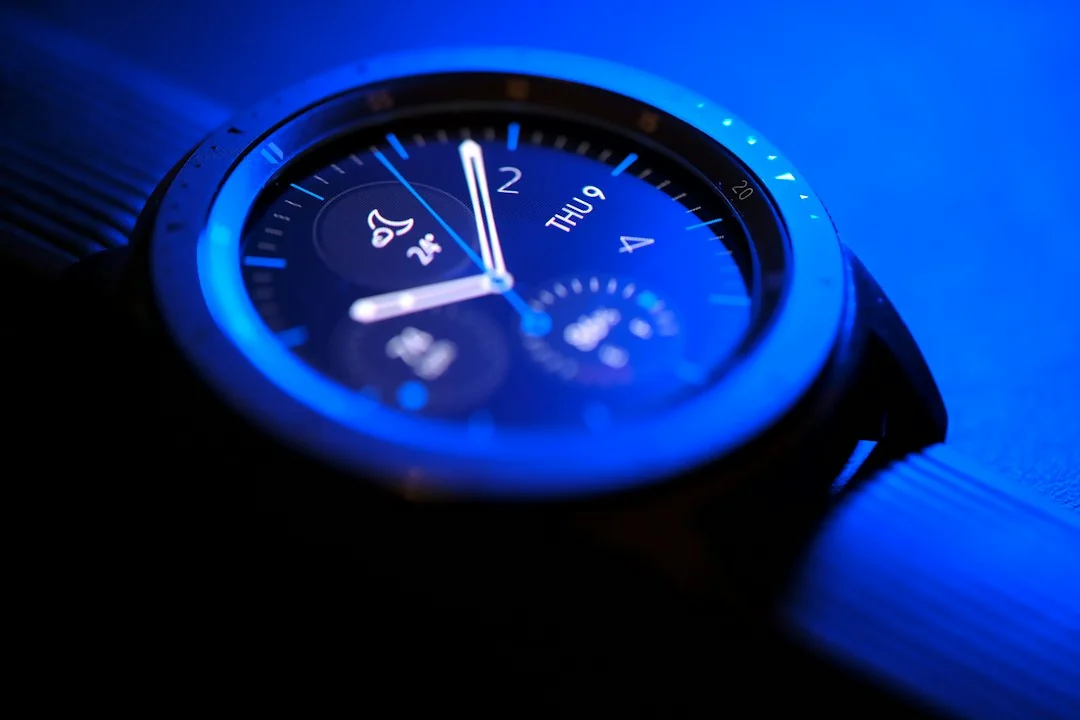
Standard models: The Apple Watch Series 10 achieves approximately 36 hours in Low Power Mode and around 18 hours in normal use. The Galaxy Watch 7 achieves up to 40 hours in standard use, a meaningful real-world advantage at the standard tier. For overnight sleep tracking, Galaxy Watch 7's runtime is an advantage: it can cover a full active day plus overnight sleep without requiring a midday charge. Apple Watch Series 10 handles consecutive night tracking by building a charging habit into a morning or evening routine.
Ultra models: The Galaxy Watch Ultra carries a 590mAh battery versus the Apple Watch Ultra 2's 564mAh cell. Galaxy Watch Ultra reaches approximately 100 hours in power-saving mode. Apple Watch Ultra 2 achieves 36-48 hours in normal use and up to 72 hours with Low Power Mode active. For multi-day trail running, expedition hiking, or adventure racing where charging opportunities are scarce, Galaxy Watch Ultra has a clear and meaningful edge. For an extended look at how different wearable brands handle longest smartwatch battery life across use cases, that comparison goes deeper on power management strategies.
Battery life comparison by model:
Model | Normal Use | Extended / Power Save |
Apple Watch Series 10 | ~18 hours | ~36 hours (Low Power Mode) |
Galaxy Watch 7 | Up to 40 hours | - |
Apple Watch Ultra 2 | 36-48 hours | ~72 hours (Low Power Mode) |
Galaxy Watch Ultra | - | ~100 hours (power save) |
Both devices charge via proprietary magnetic chargers: no universal Qi wireless charging, no USB-C at the watch level. Neither side of the galaxy watch vs apple watch comparison has solved the travel cable problem.
Tips for extending battery life on either device:
- Disable always-on display when not needed (saves 15-20% on both platforms)
- Reduce GPS tracking frequency for casual walking (not needed below 4 mph)
- Turn off wrist-raise wake for desk workdays
- Use Low Power Mode during long workouts to extend tracking window
Phone Compatibility - The Most Important Factor
This is the area where the galaxy watch vs apple watch decision becomes binary for most users. Phone compatibility is not a preference question: it is a hard technical constraint that determines whether the watch will function at the level you expect.
Apple Watch and iPhone
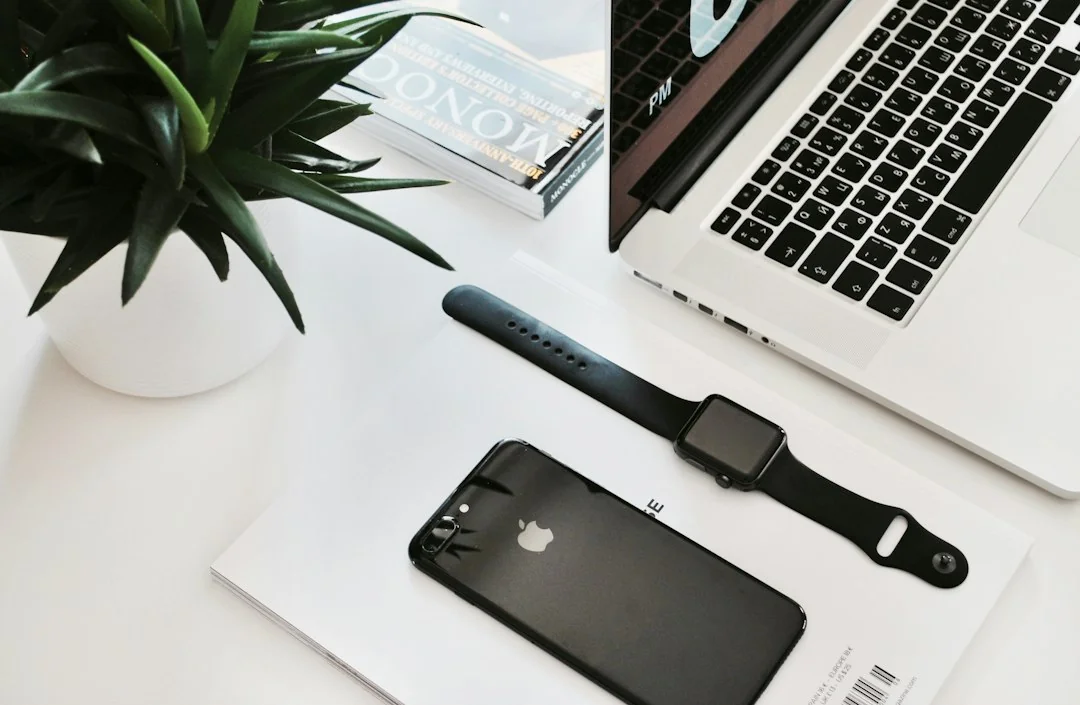
Apple Watch requires an iPhone running a recent iOS version. There is no Android support, no exceptions, and no workaround that preserves full functionality. Setup, app sync, health data aggregation, emergency SOS, and fitness tracking all require an active iPhone relationship.
The depth of Apple Watch integration with iPhone is genuinely exceptional. Apple Health aggregates data from hundreds of third-party apps, Activity rings carry effective behavioral psychology that drives daily movement habits, Siri integration works mid-workout, and the App Store for watchOS carries over 35,000 native apps. The closed ecosystem is both the strength and the limitation of Apple Watch: you get the best experience with an iPhone, and essentially no experience without one.
Galaxy Watch with Android
Galaxy Watch runs Wear OS powered by Samsung, compatible with any Android phone running Android 10 or later. With a Samsung Galaxy phone, integration is at its deepest: Samsung Health synchronizes all biometric data, Galaxy AI features engage fully, and the complete BioActive Sensor feature set including body composition analysis is active.
With non-Samsung Android phones like Google Pixel or OnePlus, Galaxy Watch functions well for fitness tracking, notifications, and music control, but some Samsung-exclusive features are limited. The Samsung Galaxy Watch plus Samsung Galaxy phone combination is the closest Android equivalent to the tight Apple ecosystem experience.
Common reasons to choose Galaxy Watch for Android users:
- Full Samsung Health ecosystem integration when paired with Samsung Galaxy phones
- Body composition analysis available regardless of phone brand
- Wear OS app library continues to grow with Google partnership
- LTE models make independent calls through your phone number
- Standard band system means lower accessory costs over time
Using Galaxy Watch with an iPhone
Galaxy Watch can be used with iPhone through a companion app, enabling basic notifications, fitness tracking, and step counting. However, features requiring deep OS integration, including ECG on certain firmware versions, full Samsung Health sync, and independent LTE calling through your phone's number, may be restricted in the iOS-pairing configuration.
I've seen users return devices within weeks because the pairing limitations were not clear at the time of purchase. For users who have an iPhone but are interested in Galaxy Watch's body composition features, my recommendation is to test the pairing configuration clearly before committing to a purchase.
Subscription Costs and Software
Beyond the device price, both ecosystems involve ongoing software costs and platform decisions that affect what you can do with your data. The samsung galaxy watch vs apple watch picture here is more nuanced than most buyers realize at purchase time.
Apple Fitness+ and the Apple Health Ecosystem
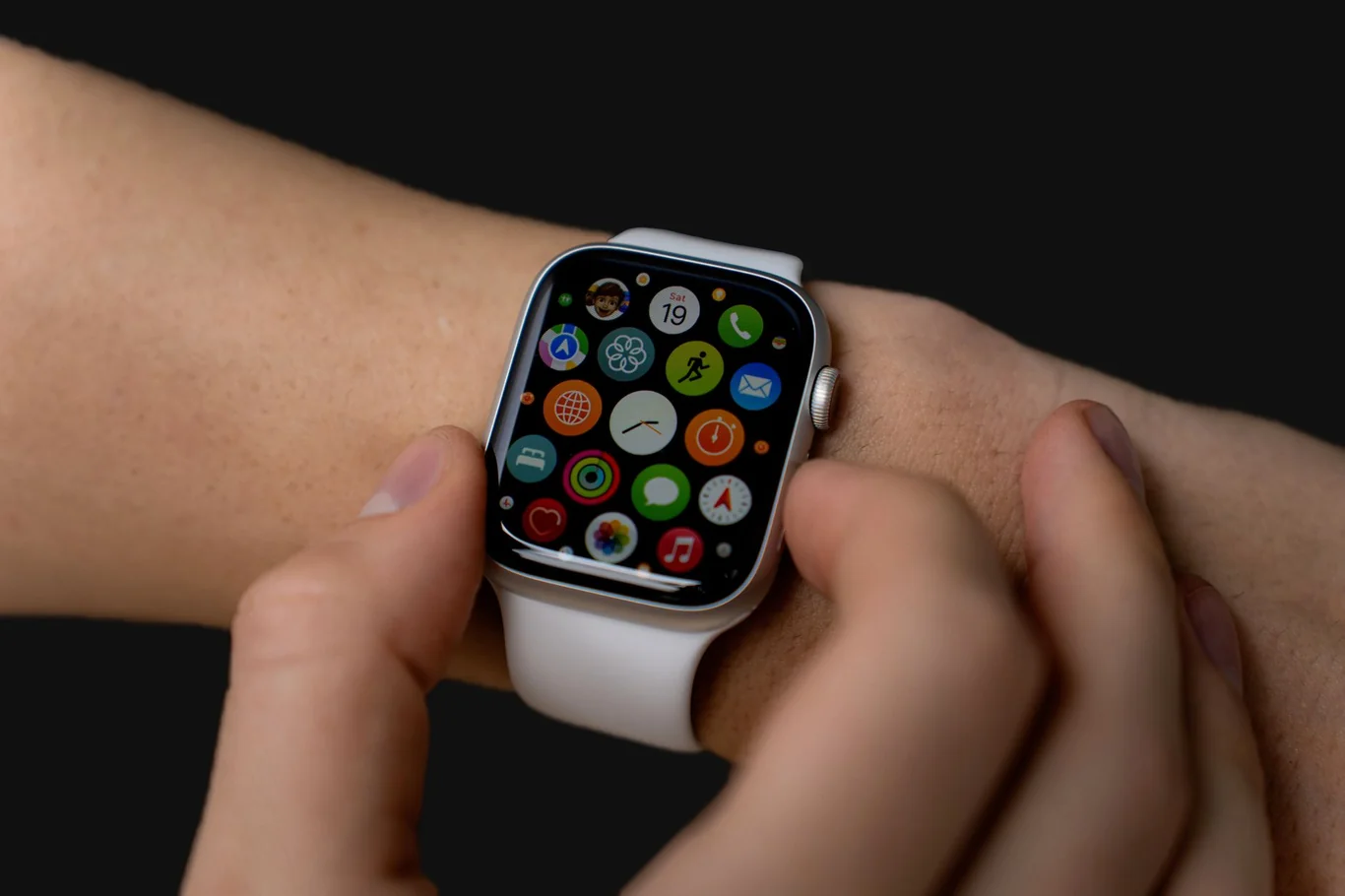
Apple Fitness+ is an optional service with guided workouts, meditation content, multi-sport training experiences, and integration with Apple Watch live metrics displayed on screen during sessions. New device purchases include a complimentary trial period.
Apple Health itself is free and stores health data on-device with a comprehensive privacy model. Third-party app integration is extensive: Strava, MyFitnessPal, Peloton, Zwift, Nike Run Club, and hundreds of other apps read from and write to Apple Health natively. For users heavily embedded in the Apple app ecosystem, this interoperability is a genuine differentiator.
What Apple Health integrates with natively:
- Strava for running and cycling route logging
- MyFitnessPal for nutrition and calorie tracking cross-reference
- Peloton for class completion data and output sync
- Calm and Headspace for mindfulness and stress metrics
- Withings scales for automatic body weight logging
- Sleep Cycle for sleep quality cross-reference
Samsung Health and Galaxy AI
Samsung Health is free and comprehensive. It covers fitness tracking, sleep monitoring, body composition, stress measurement, energy score, and Galaxy AI-powered insights without a mandatory subscription. Samsung does not lock core watch features behind a paid tier.
iFIT integration is available as an optional add-on for NordicTrack and iFIT-compatible equipment users, but it is not required for Galaxy Watch health features. For users satisfied with Samsung Health's free feature set, the ongoing cost beyond the device is minimal.
Subscription cost comparison:
Service | Cost | What It Adds |
Samsung Health | Free | Full health tracking, stress, body composition |
Apple Health | Free | Data hub, third-party app integration |
Apple Fitness+ | Optional paid | Guided workouts, trainer-led content |
iFIT (Galaxy add-on) | Optional paid | NordicTrack-compatible guided classes |
For users who do not subscribe to guided workout services, Samsung Health's free tier provides a more complete standalone experience than Apple Health without a subscription. For users who regularly use guided workout libraries, both platforms offer comparable content at similar price points.
3-Year Ownership Cost - What You Actually Spend
The galaxy watch vs apple watch 3-year cost picture is something most buyers discover too late. Both devices depreciate similarly, but the total ownership commitment diverges based on subscription habits, accessory choices, and how you handle repairs.
Device purchase tier: Apple Watch Series 10 sits at a higher price tier than Galaxy Watch 7 at comparable storage and connectivity configurations. Galaxy Watch Ultra and Apple Watch Ultra 2 are more closely matched in price tier. For pricing context on Apple Watch models by generation and storage, Apple Watch pricing by model covers the current lineup in detail.
Subscription impact over 3 years: If you subscribe to guided workout services (Apple Fitness+ or iFIT), both platforms cost roughly the same annually, adding a meaningful optional cost to either ecosystem over three years. If you do not subscribe to either service, both Galaxy Watch with Samsung Health and Apple Watch with Apple Health run fully featured for free.
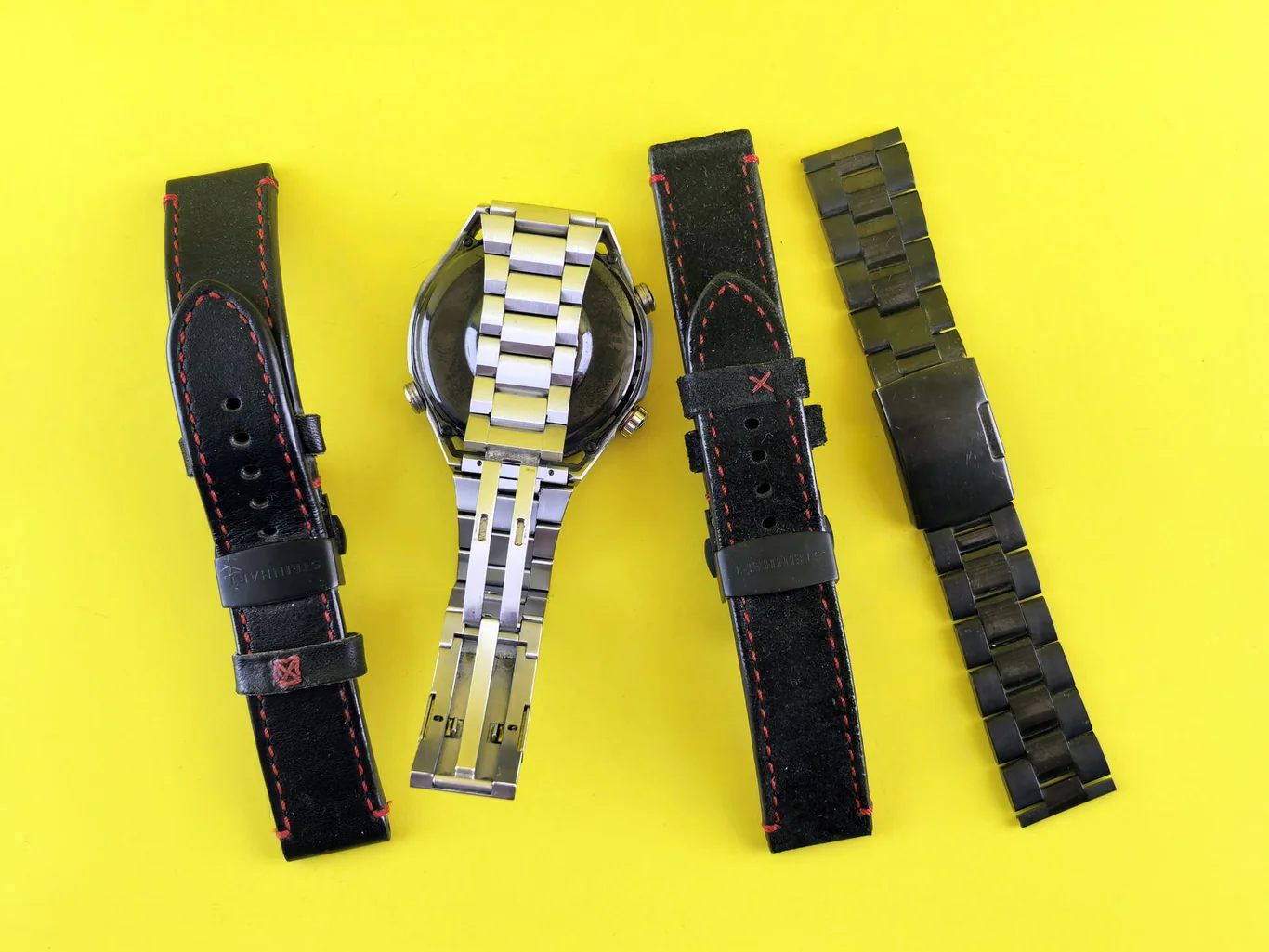
Band replacement costs: Galaxy Watch accepts standard 20mm watch bands from any third-party manufacturer at a wide range of price points. Apple Watch uses a proprietary band connector, limiting options to Apple-compatible bands that generally cost more. For users who rotate between sport, dress, and training bands, this creates a meaningful cost difference over 3 years.
Repair and maintenance:
- Apple Watch screen and battery service through Apple carries higher fees than third-party service
- Galaxy Watch has more competitive third-party repair options in most markets
- Both watches benefit from a protective case for heavy contact sports or construction-adjacent work
- AppleCare+ adds upfront cost but significantly reduces per-incident repair fees
3-year cost categories at a glance:
Category | Galaxy Watch 7 | Apple Watch Series 10 |
Device price | Lower tier | Higher tier |
Subscription (no service) | No additional cost | No additional cost |
Band replacement | Lower (20mm universal) | Higher (proprietary connector) |
Repair costs | More competitive options | Higher via Apple service |
Overall without subscription | Lower | Higher |
The clearest cost differentiator is for users who want multiple band styles and skip the guided workout subscription: Galaxy Watch is meaningfully less expensive to own over 3 years. For users who subscribe to fitness content and use Apple's ecosystem across multiple devices, the Apple Watch cost spread across the ecosystem can feel more justified.
Who Should Choose Which Watch
The galaxy watch vs apple watch decision is clearest when you frame it around your actual phone, your primary health tracking goals, and your commitment level to a subscription ecosystem.
Choose Galaxy Watch if:
- You own an Android phone (this is the most important factor for full functionality)
- Body composition tracking, including skeletal muscle mass and body fat percentage, is a priority for your fitness goals
- You want standard 20mm band compatibility for cost-effective band swaps
- You do multi-day outdoor activities where Galaxy Watch Ultra's battery gives you meaningful extra range
- You prefer a circular watch aesthetic for professional and casual settings
- You want a full-featured fitness tracker without a mandatory subscription service
- You are a Samsung Galaxy phone user who wants the deepest possible ecosystem integration
- You prioritize strength training and resistance exercise where Galaxy Watch's sensor performs well
Choose Apple Watch if:
- You own an iPhone (without one, Apple Watch is not a functional choice)
- Heart rate accuracy during HIIT, running, and high-intensity cycling is your primary tracking priority
- You want FDA-cleared ECG and irregular rhythm detection with the strongest US regulatory backing
- You use Apple Fitness+, Strava, MyFitnessPal, Peloton, or other apps that integrate deeply with Apple Health
- Cardiac monitoring is a health priority and you want the most validated accuracy research behind it
- You prefer the larger display format in a slim-profile watch case
- You are embedded in the broader Apple ecosystem and value tight cross-device integration
- You train outdoors in water environments where dive-certification-level waterproofing matters (Ultra model)
For users who are genuinely undecided on a phone ecosystem, the fitness tracker vs smartwatch breakdown covers a wider range of device categories if a full smartwatch is not the right fit for your training style.
Galaxy Watch vs Apple Watch: Category-by-Category
Category | Winner | Why |
Heart rate accuracy (HIIT / cardio) | Apple Watch | Apple Watch held a mean error of about 1.8% versus 3.4% for Galaxy Watch against a Polar H10 reference, and was statistically superior in 139 of 159 comparisons |
SpO2 accuracy | Apple Watch | Apple Watch Series 7 achieved a 2.2% mean absolute error in controlled testing, the best-documented SpO2 result for a mainstream smartwatch; comparable Galaxy Watch data is less thoroughly documented |
ECG / FDA clearance | Apple Watch | Apple Watch holds FDA clearance for ECG and irregular rhythm notifications in the US; Galaxy Watch's ECG features are cleared in select international markets with more limited US approval |
Body composition analysis | Galaxy Watch | Galaxy Watch's BioActive Sensor estimates skeletal muscle mass and body fat percentage from the wrist; no current Apple Watch model offers this |
Android compatibility | Galaxy Watch | Galaxy Watch works with any Android 10+ phone and reaches full functionality with Samsung Galaxy phones; Apple Watch requires an iPhone with no exceptions |
Battery life (standard tier) | Galaxy Watch | Galaxy Watch 7 reaches up to 40 hours in standard use versus about 18 hours for Apple Watch Series 10 |
Battery life (Ultra tier) | Galaxy Watch | Galaxy Watch Ultra reaches about 100 hours in power-saving mode versus 36 to 48 hours in normal use for Apple Watch Ultra 2, up to 72 hours with Low Power Mode |
3-year cost without a subscription | Galaxy Watch | Galaxy Watch's lower device price, universal 20mm bands, and more competitive third-party repair options make it meaningfully less expensive to own over 3 years without a guided-workout subscription |
Choose Galaxy Watch if
- You own an Android phone, the most important factor for full functionality
- Body composition tracking, including skeletal muscle mass and body fat percentage, is a priority for your fitness goals
- You want standard 20mm band compatibility and a full-featured tracker without a mandatory subscription
Choose Apple Watch if
- You own an iPhone, without which Apple Watch is not a functional choice
- Heart rate accuracy during HIIT, running, and high-intensity cycling is your primary tracking priority
- You want FDA-cleared ECG and irregular rhythm detection, or you already use Apple Fitness+, Strava, MyFitnessPal, or Peloton
Making the Right Choice for Your Fitness Goals
The galaxy watch vs apple watch decision becomes clear once you frame it correctly: phone ecosystem comes first, health sensor priority comes second. I've coached clients through the galaxy watch vs apple watch decision dozens of times, and the most common mistake is buying the "better reviewed" watch without checking phone compatibility first.
Galaxy Watch paired with an iPhone works at a basic level but is a compromised experience. Apple Watch with an Android phone is not functional. Neither cross-ecosystem pairing gives you the health data depth both watches are capable of.
For pure health tracking accuracy, the published research on the galaxy watch vs apple watch clearly supports Apple Watch: superior heart rate accuracy during HIIT, better SpO2 precision, lower calorie estimation error, and more extensively validated cardiac features. For flexibility, body composition analysis, multi-day battery at the Ultra tier, and a lower 3-year total cost without subscriptions, Galaxy Watch is the stronger technical package. Android users who want a full roundup of connected watches in this category can browse my best smartwatch for Android guide.
My recommendation for most fitness users:
- Start with your phone. If you use iPhone, choose Apple Watch. If you use Android, choose Galaxy Watch.
- Layer in your health priorities. If body composition matters most, Galaxy Watch. If cardiac accuracy matters most, Apple Watch.
- Factor in your subscription tolerance. If you dislike recurring costs, Samsung Health free tier on Galaxy Watch wins on total cost.
For a broader comparison that includes Garmin, Polar, and other top-tier wearables, our comparison of Garmin and Apple Watch accuracy goes deeper on the accuracy data across platforms. And if you are deciding whether a smartwatch is worth the investment at all, the is a smartwatch worth it guide covers the research-backed case for and against wrist-based health tracking.
Explore the best fitness watches for the full wearable landscape, including options from Garmin, Polar, and Fitbit, beyond the Apple-versus-Samsung matchup.
FAQs
These are the most common questions about the galaxy watch vs apple watch choice, pulled from what real users search for before making their decision.
Why are people getting rid of Apple watches?
The most common reasons people stop using Apple Watch are daily charging friction, the closed iPhone-only ecosystem, and the notification overload that many users find mentally taxing over extended use. A segment of users also cite high screen and battery repair costs, skin irritation from prolonged wear, and fatigue from the metric gamification built into the Activity ring system as reasons they step away from the platform.
What is the #1 smartwatch in the world?
Apple Watch holds the top global market share position among smartwatches as of 2025, making it the best-selling smartwatch platform by unit volume. Samsung Galaxy Watch holds the second position in global smartwatch market share, which is why the galaxy watch vs apple watch rivalry defines the mainstream end of the entire wearable category.
Do cardiologists recommend Apple Watch?
Cardiologists acknowledge Apple Watch's FDA-cleared ECG and irregular rhythm notification features as clinically useful supplementary tools for monitoring atrial fibrillation between office visits, supported by a 2025 observational study in 260 cardiac patients including individuals with arrhythmias. However, cardiologists consistently emphasize that smartwatch data supplements rather than replaces clinical evaluation: any wearable-detected irregularity should be confirmed with a 12-lead ECG interpreted by a physician before acting on it.
Can a Galaxy Watch make calls?
Galaxy Watch LTE models can make and receive calls independently from a phone when activated with a cellular plan, using the phone number associated with your carrier account. Bluetooth-only Galaxy Watch models route calls through the paired phone and require it to be within range, functioning similarly to how Apple Watch Bluetooth models handle calls through their connected iPhone.
This content is for informational and educational purposes only. It is not a substitute for professional medical advice, diagnosis, or treatment. Always consult with your healthcare provider before starting any new fitness program or using fitness technology for health monitoring.
References
- Lee TH, Jun DU, Bae JY, Roh HT, Cho SY. Comparative validity of smartwatch-derived heart rate and energy expenditure during endurance and resistance exercise. Sensors (Basel). 2026;26(8):2526. doi:10.3390/s26082526.
- Nissen M, Slim S, Jager K, Flaucher M, Huebner H, Danzberger N, Fasching PA, Beckmann MW, Gradl S, Eskofier BM. Heart rate measurement accuracy of Fitbit Charge 4 and Samsung Galaxy Watch Active2: Device evaluation study. JMIR Formative Research. 2022;6(3):e33635. doi:10.2196/33635.
- Kostrna J, Oparina E, Palacios C, Rodriguez AJ, Pei J, Ajmal A, Ramella-Roman JC. Body fat, skin tone, and the accuracy of smartwatch caloric expenditure estimates. PLOS One. 2026;21(7):e0353261. doi:10.1371/journal.pone.0353261.
- Jiang Y, Spies C, Magin J, Bhosai SJ, Snyder L, Dunn J. Investigating the accuracy of blood oxygen saturation measurements in common consumer smartwatches. PLOS Digital Health. 2023;2(7):e0000296. doi:10.1371/journal.pdig.0000296.
- O'Grady B, Lambe R, Baldwin M, Acheson T, Doherty C. The validity of Apple Watch Series 9 and Ultra 2 for serial measurements of heart rate variability and resting heart rate. Sensors (Basel). 2024;24(19):6220. doi:10.3390/s24196220.
- Hernando D, Roca S, Sancho J, Alesanco A, Bailon R. Validation of the Apple Watch for heart rate variability measurements during relax and mental stress in healthy subjects. Sensors (Basel). 2018;18(8):2619. doi:10.3390/s18082619.
- Khushhal AA, Mohamed AA, Elsayed ME. Accuracy of Apple Watch to measure cardiovascular indices in patients with cardiac diseases: Observational study. Global Heart. 2025;20(1):74. doi:10.5334/gh.1456.