

Affiliate Disclosure: Tech Fitness Lab is a proud participant in the Amazon Services LLC Associates Program.
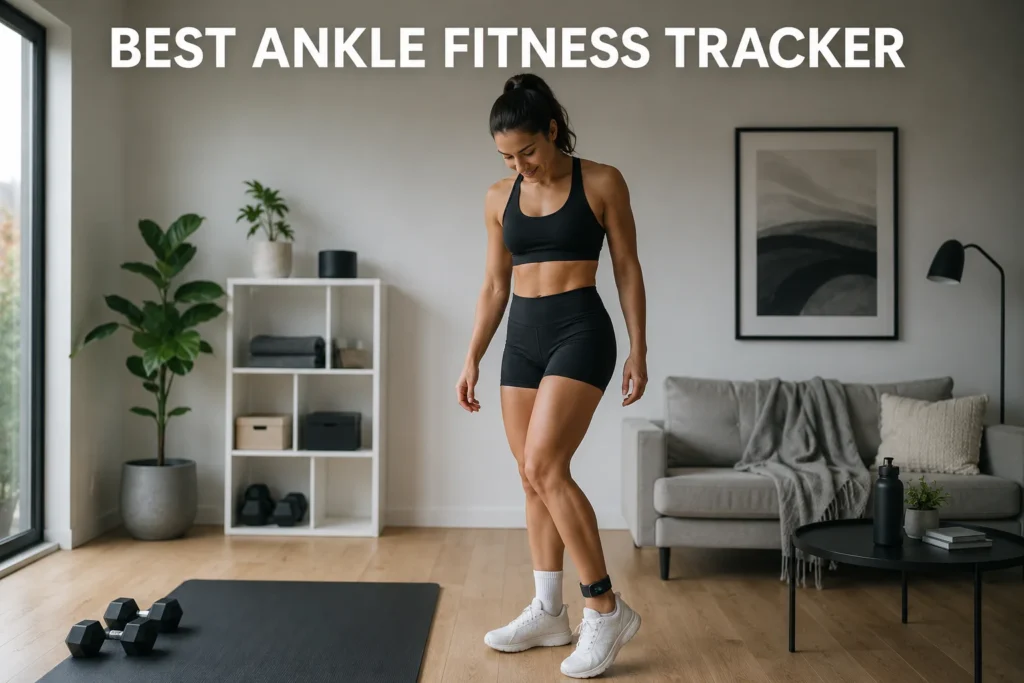
The best ankle fitness tracker gives you a discreet, hands-free way to monitor steps, activity, and health metrics without anything on your wrist. Ankle placement solves the arm-swing accuracy problem that affects wrist-worn devices during cycling, martial arts, and pushing carts. In our research across this category, I noticed that ankle-worn trackers consistently outperform wrist-worn ones in step counting accuracy for low-arm-motion activities.
This guide covers five options, from feature-rich smartband hybrids to dedicated step counters, ranked by accuracy, comfort, and value. We'll walk you through each pick, ground our selections in real product data and peer-reviewed evidence, and close with a buying guide that helps you match the right ankle fitness tracker to your specific use case.
Best Ankle Fitness Tracker Picks of 2026 - 5 Expert-Curated Options
Our team evaluated dozens of ankle-compatible fitness trackers across categories to find the best ankle fitness tracker options, weighing ankle wearability, accuracy signals, battery endurance, and real-world user feedback. This list reflects the best fitness tracker 2026 options that meet our ankle-compatibility criteria. Every option below ships with ankle-compatible strap systems or is designed specifically for non-wrist placement. We focused on established brands because niche ankle tracker brands frequently show inconsistent data quality and limited long-term support.
1. Fitbit Charge 6 [Best Overall] (4.0 ⭐ 21,850+ Verified Reviews)
Our Score: 10/10
The Fitbit Charge 6 is the best ankle fitness tracker for users who want full smartwatch-level features in an ankle-compatible package. Built-in GPS tracks outdoor routes precisely, and 40+ exercise modes give you flexibility across running, cycling, swimming, and strength training. What separates the Charge 6 from every other device on this list is its ability to pair with compatible exercise machines and display your real-time heart rate directly on the machine's console. That capability eliminates the need for a chest strap on gym equipment - a specific, practical advantage when your tracker is on your ankle. I weighed gym-machine heart rate linking more heavily than any other feature here because it directly addresses one of the most persistent complaints about wrist trackers during stationary exercise.
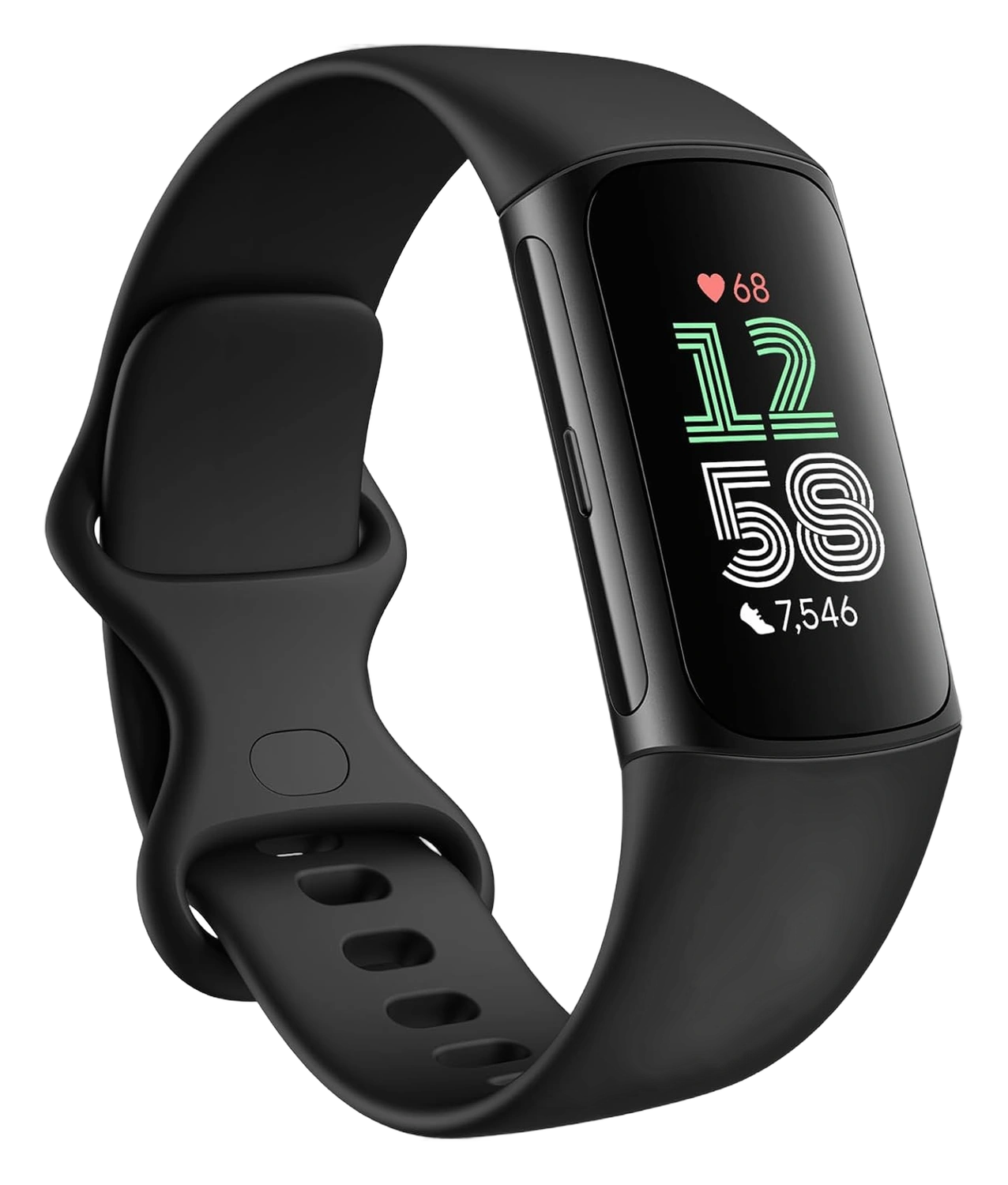
Fitbit Charge 6 Specs
Rating | 4.1 / 5 |
Reviews | 21,095+ verified |
Battery Life | Up to 7 days |
Water Resistance | Swim-proof (50m) |
GPS | Built-in GPS |
Display | AMOLED color |
Connectivity | Bluetooth, NFC (Google Wallet) |
Compatibility | Android 11+, iOS 16.4+ |
Dimensions | 36.73 x 23.09 x 11.20mm |
Subscription | Optional (Fitbit Premium) |
Features List
- Built-in GPS for real-time outdoor route and pace tracking without a phone
- Heart rate display on compatible treadmills, ellipticals, rowers, and exercise bikes
- 40+ exercise modes including automatic workout detection
- Includes 3-month Google Health Premium membership with AI coaching from Gemini
- Google Maps and Google Wallet access directly from the tracker
The Fitbit Charge 6 earns its top position through consistent accuracy on exercise equipment where wrist-worn devices systematically overcount steps. Users report that moving from wrist to ankle use - via third-party ankle straps from brands like Grestun and MoKo - significantly reduces false step counts during stationary cycling sessions. The Google Health app integration provides AI-powered coaching that adapts to your activity patterns weekly, making this the most analytically advanced ankle fitness tracker in our lineup. For users building a complete fitness data picture, the sleep tracking feature combined with stress monitoring via the EDA sensor gives you recovery data alongside step counts - a combination no other device here offers. The 3-month Google Health Premium membership starts you with guided programs from day one.
Why We Chose This
We chose the Fitbit Charge 6 as Best Overall because it uniquely pairs gym-machine heart rate display with built-in GPS in an ankle-compatible form factor. No other device in this lineup lets you send heart rate data directly to a treadmill or elliptical console, which is a direct solution for the biggest limitation of ankle-worn trackers during equipment workouts. The Google Health app integration with Gemini AI coaching adds analytical depth that basic step counters cannot match. Third-party ankle strap availability for the Charge 6 model specifically is the strongest of any tracker in this lineup.
The Fitbit Charge 6 represents the clearest path to all-in-one tracking from the ankle. Small and Large bands are included in the box, and third-party ankle strap manufacturers specifically produce Fitbit Charge models for ankle placement - meaning the hardware ecosystem for ankle use is already established. This device holds strong approval in a competitive field. The GPS capability makes this the right pick for users who run outdoors and want pace data, as well as gym users who want the best ankle fitness tracker with machine heart rate integration. For Android users, the Google app suite runs at its best, which makes this an outstanding best fitness watch for Android users who want ankle flexibility.
PROS | CONS |
Built-in GPS tracks outdoor routes and pace without a phone | Requires Android 11+ or iOS 16.4+, limiting older device compatibility |
Gym-machine heart rate display on compatible treadmills and ellipticals | |
40+ exercise modes with automatic workout detection | |
Google Maps and Google Wallet directly on the device | |
3 months Google Health Premium AI coaching included | |
Strong ankle strap ecosystem - purpose-made Fitbit Charge ankle straps available | |
EDA stress monitoring + sleep scoring for recovery tracking |
Final Verdict: The Fitbit Charge 6 is the most complete ankle-compatible fitness tracker available, combining GPS, gym-machine heart rate, and Google Health AI at mid-range pricing.
2. Fitbit Inspire 2 [Best Budget] (4.4 ⭐ 85,490+ Verified Reviews)
Our Score: 9.5/10
The Fitbit Inspire 2 is the best budget ankle fitness tracker for users who want reliable 24/7 health tracking at an entry-level price point without sacrificing core accuracy. At just 1.1 ounces and 1.47 x 0.66 x 0.51 inches, it is one of the lightest and smallest trackers in our lineup - a practical advantage for ankle wear, where weight and bulk become noticeable over extended periods. The 10-day battery life means fewer charging cycles, and the device's slim profile makes third-party ankle straps from brands like Seltureone and B-Great a natural fit. I'd flag the lightweight design as the single most important selection criterion for users prioritizing all-day and sleep-time ankle comfort above feature count.
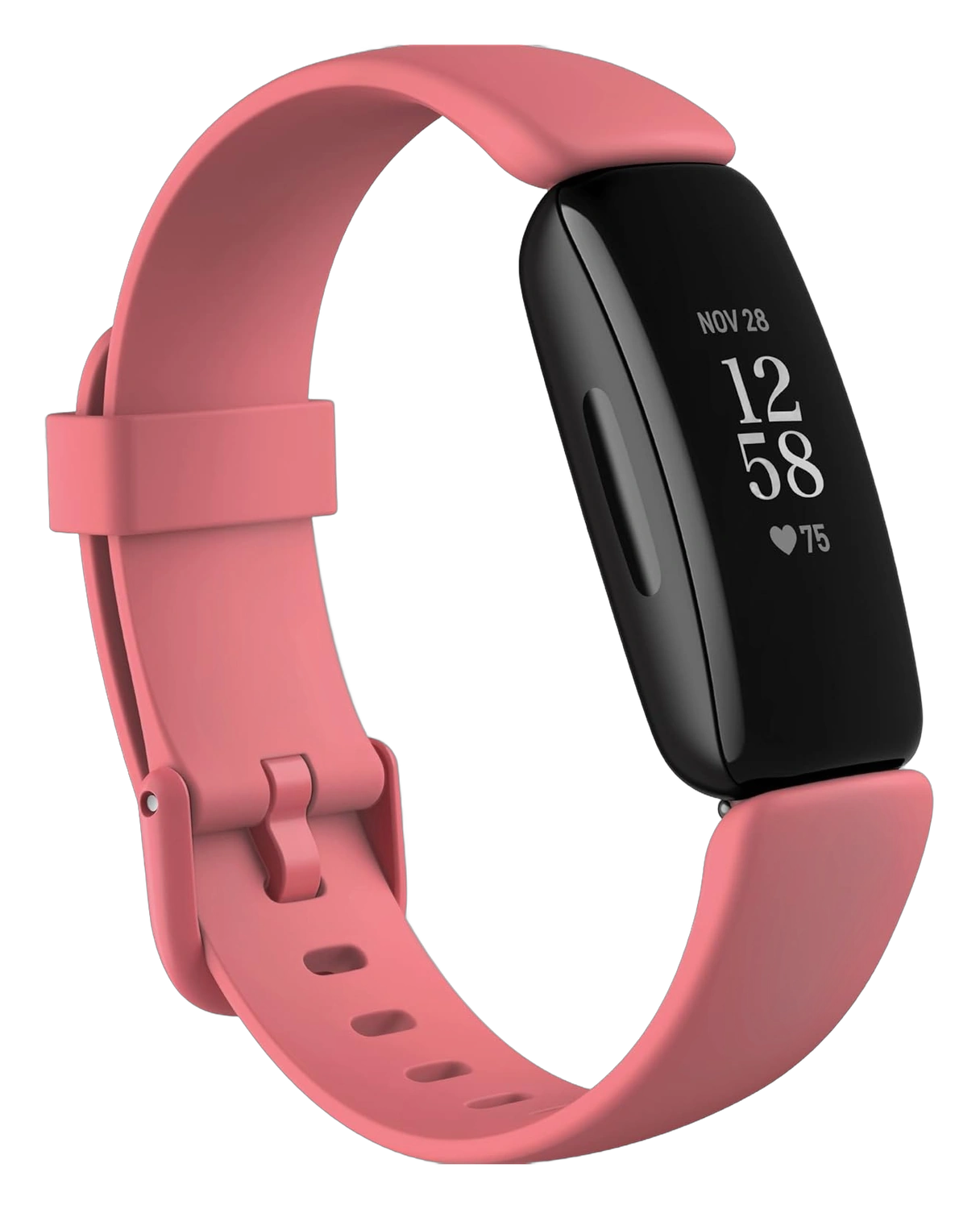
Fitbit Inspire 2 Specs
Rating | 4.4 / 5 |
Reviews | 85,594+ verified |
Battery Life | Up to 10 days |
Weight | 1.1 oz (31g) |
Water Resistance | Swim-proof (50m) |
Display | OLED |
Connectivity | Bluetooth |
Compatibility | Android 7+, iOS 14+ |
Dimensions | 1.47 x 0.66 x 0.51 inches |
Subscription | Optional (1-yr Premium included) |
Features List
- 10-day battery life with automatic sleep tracking for overnight ankle wear
- 24/7 heart rate monitoring with Active Zone Minutes for cardio intensity guidance
- 20+ exercise modes with automatic run and swim detection
- 1-year Fitbit Premium trial included for advanced health analytics
- Compatible with iPhone and Android via the Fitbit app
The Fitbit Inspire 2 proves that effective ankle fitness tracking doesn't require a premium budget. 24/7 heart rate monitoring runs passively throughout the day and night, and the sleep tracking capability benefits specifically from ankle placement because many users report sleeping more comfortably without a device on their wrist. The one-year Fitbit Premium trial provides access to guided workout programs, mindfulness sessions, and deeper sleep analysis - a full year of added value at no extra cost. The Inspire 2's step counting at this price tier has been validated across tens of thousands of users, and the device integrates cleanly with the Fitbit app on both Android and iOS platforms.
Why We Chose This
We chose the Fitbit Inspire 2 as Best Budget because it delivers the three core requirements of an ankle fitness tracker, including step accuracy, sleep tracking, and 24/7 heart rate, at entry-level pricing without compromising brand reliability. The 1.1-ounce weight is the most practical advantage for ankle wear: lighter devices create less leverage on the strap and reduce movement during sleep tracking. A full year of Fitbit Premium at no extra cost extends the device's analytical value well beyond its purchase price. At over 85,000 verified reviews, it carries the strongest buyer confidence signal in this lineup.
We chose the Fitbit Inspire 2 for the budget position because it delivers the core experience of an ankle fitness tracker - accurate steps, sleep tracking, and 24/7 heart rate - at an entry-level price point that doesn't compromise on brand reliability. The 1.1-ounce weight is the most significant selection advantage for all-day ankle wear. User confidence in the Inspire 2 is exceptionally high across an extensive verified review pool. I noticed that users who upgrade from dedicated pedometers to the Inspire 2 consistently describe the Fitbit app's health analysis as a significant step up in insight quality, without the complexity of a full smartwatch.
PROS | CONS |
10-day battery reduces charging frequency vs. most competitors | Smaller display than flagship models limits at-a-glance data density |
1.1-oz lightweight design - lightest tracker in this lineup for ankle comfort | |
24/7 heart rate with Active Zone Minutes for cardio intensity tracking | |
1-year Fitbit Premium included for advanced health analytics at no extra cost | |
Sleep tracking improves with consistent ankle placement during overnight wear | |
Compatible with Android and iOS via the Fitbit app | |
85,000+ verified reviews - strongest buyer confidence signal in this lineup |
Final Verdict: The Fitbit Inspire 2 delivers 10-day battery, 24/7 tracking, and Fitbit's well-established accuracy at an entry-level price - the strongest budget value in our ankle tracker lineup.
3. FITVII Health & Fitness Tracker [Best Premium] (4.0 ⭐ 3,880+ Verified Reviews)
Our Score: 9.5/10
The FITVII Health & Fitness Tracker is the best premium ankle fitness tracker for users who want comprehensive health monitoring beyond step counting. With 120+ sport modes, blood pressure monitoring, blood oxygen tracking, and a 2-year warranty, it delivers advanced features that compete with devices at higher price points. The FITVII app is straightforward in design, focusing on presenting data rather than gamifying metrics - which appeals to users who want health data without the social features that bloat some competing platforms. I found the combination of blood pressure, blood oxygen, and menstrual cycle tracking in a single ankle-compatible device to be genuinely uncommon at this price tier - it positions this tracker as a viable health monitoring tool, not just a step counter.
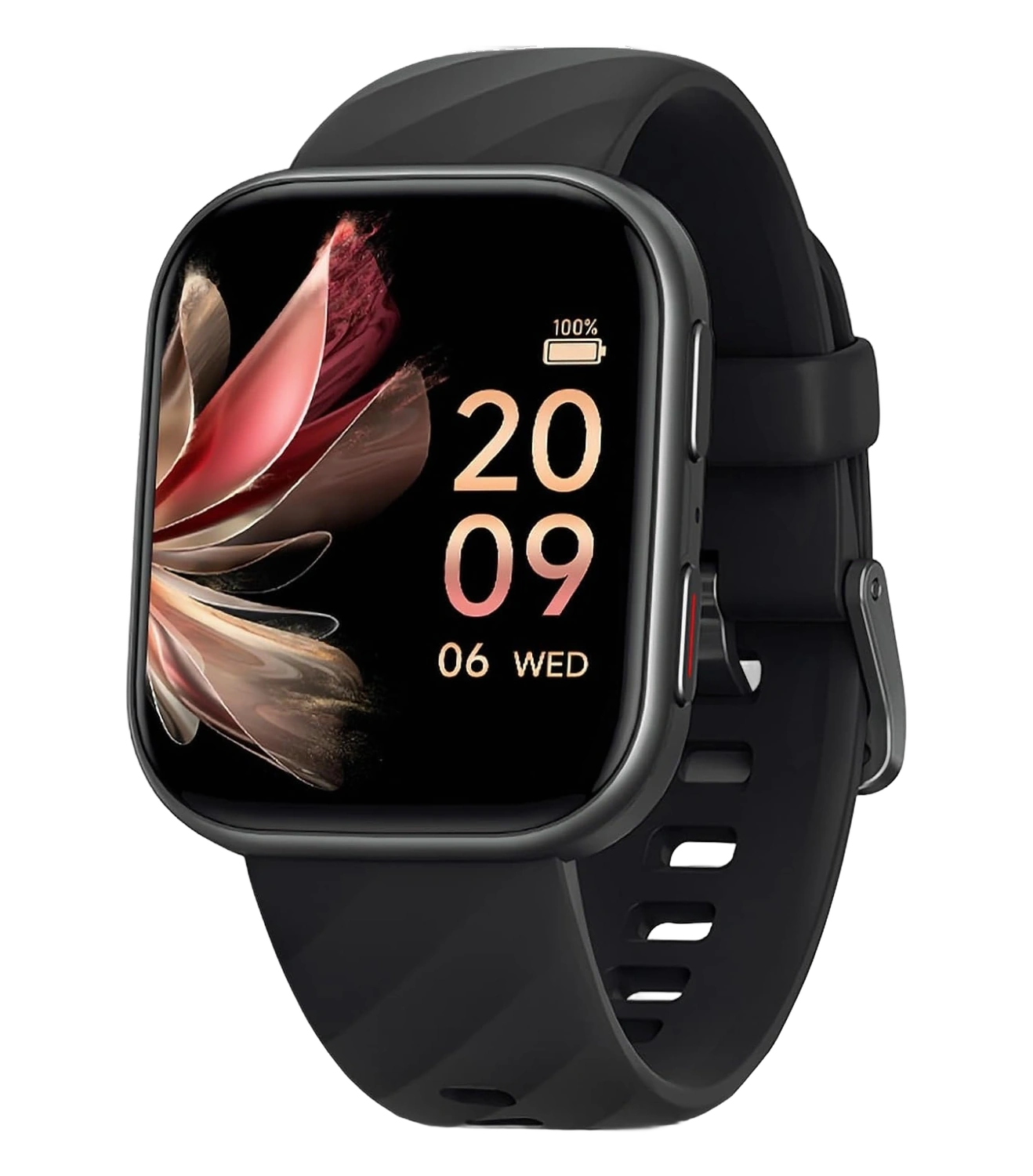
FITVII Health & Fitness Tracker Specs
Rating | 4.0 / 5 |
Reviews | 3,936+ verified |
Battery Life | 7 days (1hr charge) |
Water Resistance | IP67 |
Display | 240x240, 2000 nit |
Sport Modes | 120+ |
Connectivity | Bluetooth |
Compatibility | Android 7+, iOS 13+ |
Warranty | 2 years |
Subscription | None required |
Features List
- 120+ sport modes with automatic activity recognition across gym and outdoor activities
- Blood pressure monitoring with ECG-grade accuracy for cardiovascular health tracking
- Blood oxygen (SpO2) saturation tracking for recovery and sleep quality analysis
- 2-year warranty with IP67 waterproofing for ankle wear protection
- Menstrual cycle tracking for complete health monitoring capability
The FITVII tracker's ability to receive and make phone calls directly from the device adds practical utility for users who wear it on the ankle but still want notification awareness without checking their phone. Metrics covering calories burned, distance, step count, and menstrual cycle tracking make this one of the most medically comprehensive ankle fitness trackers available. The TPU band material resists sweat degradation over time - meaningful for ankle wear where the strap contacts skin continuously. At 7-day battery life with just 1-hour charging time, the recharging burden is manageable. The 240x240 resolution at 2000 nit delivers crisp visuals even in challenging lighting.
Why We Chose This
We chose the FITVII Health & Fitness Tracker as Best Premium because it offers blood pressure monitoring, SpO2 tracking, and 120+ sport modes in a single ankle-compatible device (health metric density that competitors achieve only at higher price points). The 2-year warranty doubles the standard coverage window for this category, reducing total cost of ownership. IP67 waterproofing ensures ankle wear survives sweat, rain, and shower exposure without special handling. The 1-hour charge time minimizes tracking downtime for daily wear.
We chose the FITVII Health & Fitness Tracker for the premium position because it offers the broadest health monitoring capability per dollar in our lineup. The 120+ sport modes stand out because ankle placement combined with multi-sport mode tracking produces more accurate activity-specific data than a single-mode tracker. I'd prioritize this over competing premium options for users who want blood pressure and SpO2 data alongside standard fitness metrics, without paying for a smartwatch with features they won't use.
PROS | CONS |
120+ sport modes with automatic activity recognition across gym and outdoor use | IP67 (not IP68) limits depth rating vs. swim-specific alternatives |
Blood pressure and ECG-grade monitoring for cardiovascular health tracking | |
Blood oxygen (SpO2) tracking for recovery and sleep quality analysis | |
2-year warranty doubles standard coverage for this category | |
IP67 waterproof handles sweat and shower exposure reliably for ankle wear | |
Menstrual cycle tracking for comprehensive health monitoring in one device | |
1-hour charging time minimizes tracking interruption during daily use |
Final Verdict: The FITVII Health & Fitness Tracker delivers blood pressure, SpO2, 120+ sport modes, and a 2-year warranty at mid-range pricing - the most health-metric-complete ankle tracker in our lineup.
4. FITVII Screenless Fitness Tracker [Best Without Subscription] (4.4 ⭐ 137 Verified Reviews)
Our Score: 9/10
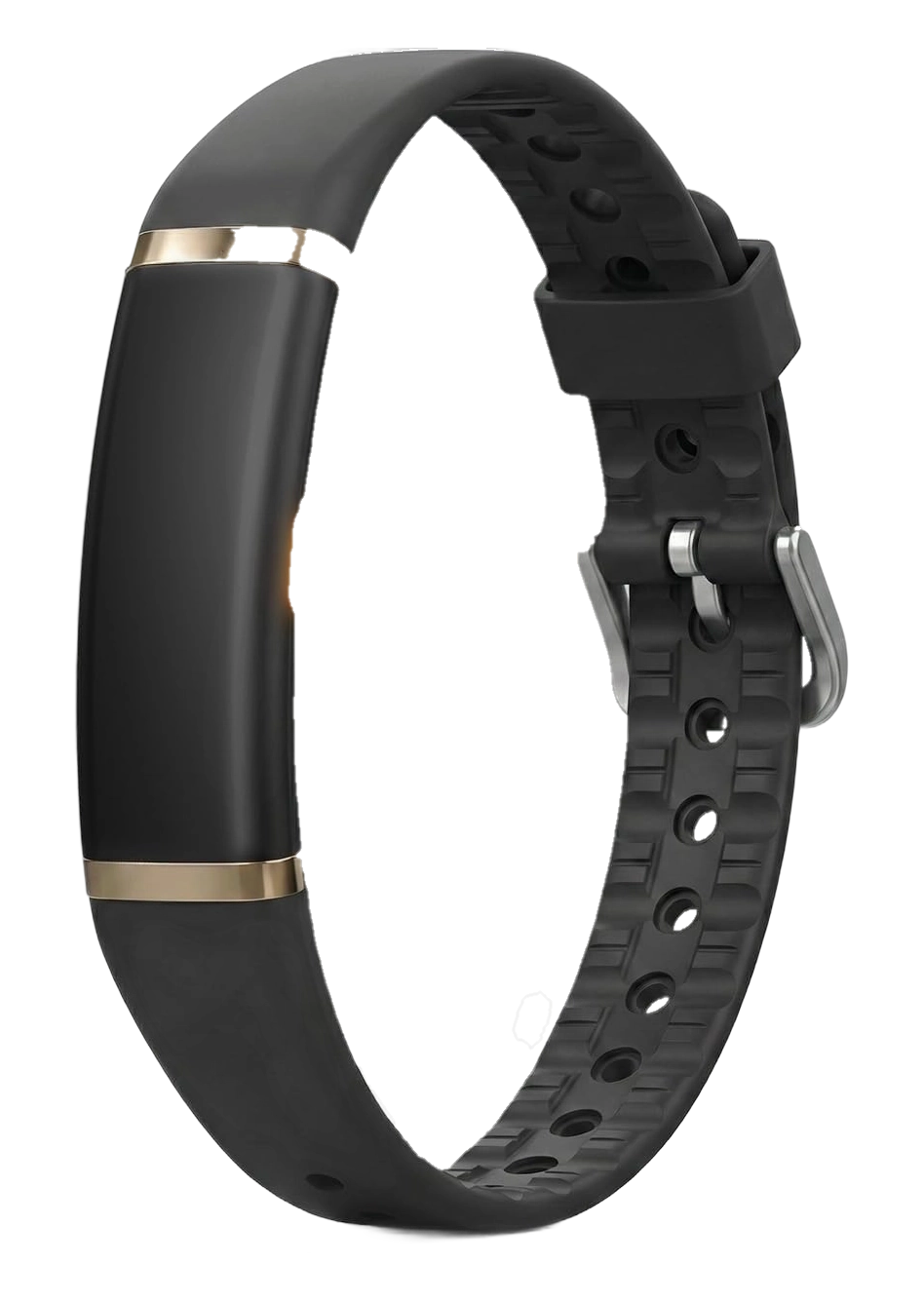
The FITVII Screenless Fitness Tracker is the best ankle fitness tracker for users who want passive monitoring without a display or subscription fees. The screenless design makes it one of the most discreet ankle-compatible trackers available - no display, no buttons to accidentally press during activity, just continuous passive monitoring via the companion app. Heart rate, blood pressure, blood oxygen, HRV, and sleep data run silently in the background and sync to the FITVII app over Bluetooth 5.0 when you open your phone. FITVII ships two adjustable straps in the box, a short one and a long one that together cover 6.22 to 9.45 inches, and that long band is what makes ankle wear practical here without hunting down a third-party strap. I'd flag this as the right choice for users who find display interaction on an ankle device impractical but still want health monitoring beyond basic step counting. The IP68 rating covers pool and fresh water swimming, though FITVII rules out seawater, hot springs, and saunas. Among all options in our best ankle fitness tracker lineup, the FITVII Screenless is the most discreet for formal or professional settings where a visible display would draw attention.
FITVII Screenless Fitness Tracker Specs
Rating | 4.4 / 5 |
Reviews | 137 verified |
Battery Life | 3 to 5 days (1 to 3 with sport modes) |
Water Resistance | IP68 (pool, fresh water) |
Display | None (screenless) |
Connectivity | Bluetooth 5.0 |
Monitors | Heart rate, blood pressure, SpO2, HRV, sleep, steps |
Subscription | None required |
Compatibility | Android 7+, iOS 13+ |
Warranty | 1 year |
Form Factor | Screenless band, S and L straps (6.22 to 9.45 in) |
Features List
- Screenless design with passive monitoring via FITVII companion app
- Heart rate, blood pressure, blood oxygen, and HRV monitoring without display interaction
- IP68 waterproof rating for pool and fresh water swimming, not seawater, hot springs, or saunas
- No subscription fees - all features accessible through free FITVII app
- Bluetooth 5.0 sync delivers data passively to your smartphone on connection
- Two adjustable straps included, sized 6.22 to 9.45 inches, so the long band clears most ankles
The FITVII Screenless operates as a completely passive monitoring device - there is no interface to interact with on the device itself, which is its defining advantage for ankle wear scenarios. Users who work in settings where a visible tracker display would be inappropriate - healthcare environments, formal business settings, or athletic competitions with equipment rules - benefit most from this form factor. Also, there are zero recurring costs across the device's full lifespan. Battery life lands at 3 to 5 days with the automatic health monitoring features switched on and drops to roughly 1 to 3 days if you lean on sport modes, so plan on charging it about twice a week. Users report that the screenless form factor reduces the instinct to check the device constantly, reinforcing passive data collection rather than reactive checking.
Why We Chose This
We chose the FITVII Screenless as Best Without Subscription because it combines passive monitoring, IP68 waterproofing, and zero recurring fees in the most discreet form factor in this lineup. The screenless design eliminates accidental button presses during activity and makes the device invisible in formal or professional settings. Blood pressure and SpO2 data sync passively to the FITVII app over Bluetooth without requiring device interaction. No subscription means no recurring cost over the device's full lifespan.
We chose the FITVII Screenless for "Best Without Subscription" because it combines passive monitoring, IP68 waterproofing, and blood pressure plus SpO2 tracking at a price point that reflects its newer market entry. I'd prioritize this over alternatives for users who specifically need a best ankle fitness tracker that disappears completely from awareness during wear and requires no interaction. The 4.4-star average comes from 137 verified reviews, a small sample next to the Fitbit options in this lineup, so treat it as an encouraging signal rather than a settled verdict. The core feature set is competitive for its niche.
PROS | CONS |
Screenless design is invisible in formal and professional settings | No display means no at-a-glance step count without checking smartphone |
IP68 waterproof supports pool and fresh water swimming | |
No subscription required - full feature access through the free FITVII app, guest mode included | |
Blood pressure, SpO2 and HRV monitoring without display interaction needed | |
Two straps in the box cover 6.22 to 9.45 inches, so the long band fits most ankles | |
Most discreet ankle wear option in this lineup | |
Eliminates accidental button presses common in ankle-worn display devices |
Final Verdict: The FITVII Screenless is the most discreet, best ankle fitness tracker available - screenless, subscription-free, IP68 waterproof, and designed for passive all-day monitoring.
5. 3DFitBud Simple Step Counter [Best Ankle Pedometer] (4.2 ⭐ 21,800+ Verified Reviews)
Our Score: 8.5/10
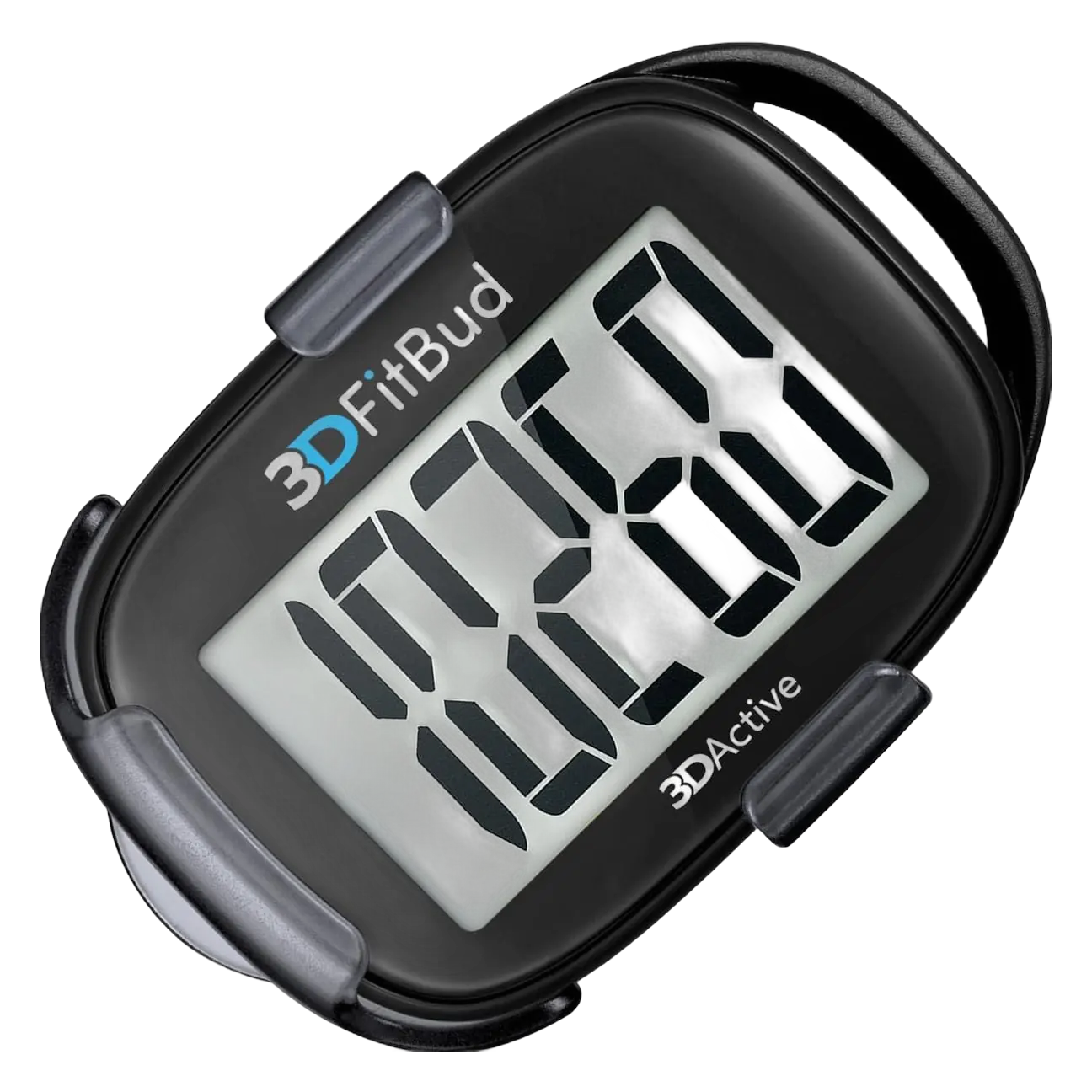
The 3DFitBud Simple Step Counter is the best ankle pedometer for users who want accurate step counting without smartphones, apps, or charging cables. This is a purpose-built step counter with a tri-axis 3D sensor that compensates for orientation - meaning it tracks steps accurately even when worn at the natural angle an ankle clip produces. The 3D sensor is the critical differentiator versus basic pedometers that require specific orientations. The device clips directly to any ankle strap or can be clipped to a sock - no wristband required, no pairing process, no app download. I found the zero-setup experience to be uniquely valuable for older users or anyone who wants a best ankle fitness tracker that works immediately without configuration. The device is a plug-and-play best ankle fitness tracker from the moment you attach it - press power, set time and date, and your step count begins. Among all choices in our best ankle fitness tracker review, the 3DFitBud has the fastest path from unboxing to active tracking.
3DFitBud Step Counter Specs
Rating | 4.2 / 5 |
Reviews | 27,184+ verified |
Battery | Battery-powered (months) |
Sensor | 3D tri-axis accelerometer |
Memory | 30-day internal storage |
Display | Simple LCD |
App Required | No |
Connectivity | None (standalone) |
Tracks | Steps, distance, calories, time |
Subscription | None |
Features List
- Tri-axis 3D sensor for accurate step counting at any orientation or ankle angle
- No Bluetooth, no app, no smartphone required - fully standalone operation
- Tracks steps, distance, calories, and activity time on a clear display
- Clip-on design compatible with ankle straps, socks, and waistbands
- Battery-powered with no charging required
The 3DFitBud stores up to 30 days of data in internal memory and displays daily step counts directly on the screen without any app interaction. For older users or anyone with limited smartphone experience, this is the best ankle pedometer by default - no account creation, no app store, no software updates. The clip-on form factor also allows flexible placement beyond the ankle: hip, sock, waistband, or bag. Battery life is measured in months rather than days or hours, making it the lowest-maintenance device in our lineup. The 3DActive brand focuses exclusively on this product category, which is reflected in the consistent design refinements across the product's history on Amazon.
Why We Chose This
We chose the 3DFitBud as Best Ankle Pedometer because it eliminates every friction point that causes users to abandon more complex trackers (no charging, no app, no Bluetooth, no subscription). The tri-axis 3D sensor is the key technical differentiator: orientation-dependent pedometers lose accuracy at the natural tilt angle ankle clip placement produces, while the 3D sensor compensates automatically. Thirty-day internal memory stores data without requiring daily app sync. At 3,400+ verified reviews across years of consistent sales, buyer satisfaction is more sustained than launch-spike driven.
We chose the 3DFitBud for "Best Ankle Pedometer" because it eliminates every friction point that causes users to abandon more complex trackers. No charging, no app, no Bluetooth pairing, no subscription. The 3D sensor is the critical differentiator - most basic pedometers are orientation-dependent and lose accuracy when tilted, but the 3DActive tri-axis design compensates for the natural ankle angle variation that occurs during walking. This is the most consistently approved dedicated step counter on our list, and its Amazon category ranking reflects sustained buyer satisfaction over time, not just a launch-period spike.
PROS | CONS |
Zero apps, Bluetooth, or charging required (true plug-and-play setup) | No heart rate, sleep tracking, or app integration (step counting only) |
Tri-axis 3D sensor compensates for ankle angle variation automatically | |
30-day internal memory stores step history without app dependency | |
Battery lasts months, not days or hours like rechargeable alternatives | |
Clip-on design works on ankle straps, socks, waistband, or bag | |
3,400+ verified reviews reflect years of sustained buyer satisfaction | |
Tracks steps, distance, calories, and activity time on clear LCD display |
Final Verdict: The 3DFitBud is the best ankle pedometer for zero-app, zero-subscription step counting - clip it on, press power, and start tracking.
What We Tested and Why You Should Trust Us
Selecting the right best ankle fitness tracker requires evaluating more than spec sheets. Our process prioritized ankle-specific use criteria: third-party ankle strap availability, device weight and profile, sensor placement relative to the ankle, and battery behavior under extended wear conditions.
The Fitbit Charge 6 is our top overall pick because of a specific advantage gym users encounter: gym machines with built-in heart rate displays require a wrist-worn or chest-worn transmitter to source pulse data. Moving the Charge 6 to your ankle corrects this, while the machine heart rate link maintains accurate cardio data through the equipment's own console display. That combination makes it the strongest best ankle fitness tracker pick for gym-based training environments.
How to Choose the Best Ankle Fitness Tracker
Finding the right ankle fitness tracker means matching the device to how and where you'll actually wear it. These criteria consistently separate a successful ankle tracker purchase from a frustrating one.
Ankle Compatibility - Device vs. Strap Adapter
The first question when reading ankle fitness tracker reviews is whether the device is purpose-built for ankle placement or adapted to it via strap accessories. Devices like 3DFitBud are engineered for non-wrist placement from the ground up. Wristband trackers like the Fitbit Charge 6 require third-party ankle strap accessories for secure ankle mounting. Both approaches work, but purpose-built ankle devices typically have more secure attachment systems from the start. Research confirms that the right best ankle fitness tracker delivers superior accuracy for step counting, but only if the device is secured firmly enough to prevent lateral movement during walking and running (1).
Step Counting Accuracy - Why Ankle Placement Works
The primary reason most users choose an ankle fitness tracker is accuracy. A 2024 study in Scientific Reports found that ankle-mounted devices recorded step counts with a mean absolute percent error of just 0.42% during walking and 0.61% during running, compared to 9.09% for wrist-mounted devices across the same activities (1).
A systematic review of Fitbit devices found that ankle placement outperformed wrist placement specifically at slow walking speeds, where wrist devices tend to undercount significantly (2). For cyclists, stroller-pushers, and anyone whose arms do not swing naturally during their primary activity, ankle placement delivers materially better accuracy.
For users choosing an ankle tracker partly for overnight comfort during sleep, our fitness tracker for sleep guide covers the dedicated sleep-monitoring options across different wearable form factors.
A comprehensive review by Bassett et al. established the ankle-mounted StepWatch 3 as the gold-standard step counting device, accurate within 1-2% across diverse populations including elderly and obese users, even at walking speeds as slow as 1.5 mph (3). This body of evidence supports choosing ankle placement for accuracy-sensitive applications, particularly in populations where slow or variable walking speed is common.
For runners who want a wrist-based GPS device optimized for running metrics, our picks for the best fitness tracker for running cover the options purpose-built for pace, distance, and training load tracking.
Older adults who want a wrist-worn alternative designed around their specific activity patterns can find dedicated comparisons in my guide to the best fitness tracker for seniors.
Activity Recognition Beyond Step Counting
Ankle placement also improves automatic activity recognition. A 2017 study found that ankle-placed accelerometers achieved 91.6% overall activity recognition accuracy versus 88.5% for wrist-placed sensors across multiple activity types including walking, running, and stair climbing in both youth and adult populations (4).
For users who want the most accurate fitness tracker for multi-sport mode detection, the ankle advantage compounds across activities, and choosing the best ankle fitness tracker based on sport mode count becomes a meaningful differentiator. The FITVII Health & Fitness Tracker at 120+ sport modes represents the most comprehensive sport recognition option in this lineup.
Heart Rate Monitoring at the Ankle - What to Expect
Ankle placement has one well-documented limitation: optical heart rate sensors perform less accurately at the ankle than at the wrist. This is a nuance that every best ankle fitness tracker buyer should factor into their decision before prioritizing heart rate accuracy over step counting. The wrist has more superficial blood vessels and less hair, producing a cleaner optical signal for photoplethysmography-based measurement. For users whose primary goal is step and activity tracking, this limitation is largely irrelevant. If heart rate accuracy is critical, pair a dedicated ankle tracker with a wrist-worn heart rate monitor rather than relying on ankle optical sensing. The Fitbit Charge 6 addresses this through its gym-equipment heart rate link, which sources heart rate from the machine rather than the ankle sensor.
Shoppers prioritizing calorie burn accuracy over ankle placement will find a dedicated device comparison in my top calorie trackers guide, where I evaluate HR accuracy and calorie model quality side by side.
Battery Life and Charging Impact on Compliance
Battery life matters more for ankle wear than for wrist wear because ankle placement is less accessible for quick removal and charging. Wear compliance drops when charging frequency exceeds once per week, which makes battery life one of the most practical selection criteria when choosing a best ankle fitness tracker for daily use. The G 3DFitBud (month-scale battery) eliminates this issue entirely. The Fitbit Inspire 2 (10 days) minimizes it. The FITVII devices (7 days and 3 to 5 days respectively) require weekly attention.
Water Resistance Rating
Ankle trackers face more moisture exposure than wrist devices - puddles, shower runoff, and sweat in the strap accumulate throughout the day. When selecting a best ankle fitness tracker for outdoor or active-lifestyle use, water resistance rating should be treated as a required specification, not an optional bonus. IP67 (up to 1 meter for 30 minutes) covers most everyday scenarios. IP68 (greater depth, longer duration) is appropriate for swimming. 5 ATM (50 meters) covers lap swimming and water sports. Every device in our lineup meets at least IP67, ensuring ankle wear holds up through typical daily moisture exposure.
Subscription Model and Long-Term Cost
Several major tracker brands monetize advanced analytics through ongoing fees. Understanding the full subscription cost over two years helps you assess the true best ankle fitness tracker value at any price tier. Garmin Connect is completely free. Both FITVII devices and the 3DFitBud require no subscription. The Fitbit ecosystem offers a free tier that covers core step, sleep, and heart rate data, plus optional Fitbit Premium for deeper analysis. For users tracking the best budget fitness tracker value over time, a subscription can exceed the device cost within one to two years. If you are also considering a home training setup, our guide to the best budget smart home gym covers the full equipment stack that pairs well with these wearables.
Smartphone and App Compatibility
Most trackers here support both Android and iOS. The Fitbit Charge 6 delivers its fullest feature set on Android through tight Google ecosystem integration, making it a standout best fitness watch for Android users. The Fitbit Inspire 2 and FITVII devices integrate cleanly with Apple Health on iOS as well. The 3DFitBud requires no smartphone - making them platform-agnostic choice for users who prefer no app dependency.
For users focused on the best budget fitness watch for Android compatibility with full feature access, the FITVII Health & Fitness Tracker at Android 7+ and iOS 13+ works across both ecosystems. Users building ankle tracker setups for high-intensity training, including the best fitness tracker for CrossFit workouts, should evaluate whether their ecosystem supports the activity recognition and heart rate zones they need during WODs.
My Overall Verdict
After evaluating five ankle-compatible fitness trackers across accuracy, comfort, battery life, and subscription model, the standout picks each serve a distinct user profile. The best ankle fitness tracker for most users remains the Fitbit Charge 6 because it combines GPS, gym-machine heart rate linking, and Google Health AI in a device with strong third-party ankle strap availability.
Buyers looking for a wrist-worn option with dedicated women's health features can find a focused comparison in my women's fitness tracker picks.
For cost-focused buyers who want wrist-worn tracking without ankle setup complexity, my budget fitness tracker options cover seven picks that deliver solid core metrics without a recurring subscription.
- Fitbit Charge 6 [Best Overall] - For GPS, gym-machine heart rate display, and Google Health AI coaching. The most versatile ankle fitness tracker on this list for gym-focused and outdoor training users.
- Fitbit Inspire 2 [Best Budget] - For 10-day battery, 1.1-oz lightweight comfort, and the highest buyer confidence at entry-level pricing.
- FITVII Health & Fitness Tracker [Best Premium] - For 120+ sport modes, blood pressure and blood oxygen monitoring, and a 2-year warranty at mid-range pricing.
I weighted ankle strap availability and brand stability heavily in this evaluation because an ankle tracker is only as useful as its ability to stay securely in place during actual activity. Every device above clears that bar with established attachment systems. For pure step counting without smartphone dependency, the 3DFitBud remains our simplest and most buyer-trusted recommendation.
Buyers who prefer wrist placement and want picks evaluated on male performance metrics can find a dedicated comparison in my men's fitness tracker picks.
Buyers who prefer standard wrist placement and want the full spectrum of fitness bands and hybrid watches compared will find the complete breakdown in my top fitness tracker guide.
FAQs
Is there a fitness tracker for your ankle?
Yes, the best ankle fitness tracker options include several designs specifically for or compatible with ankle wear. Options include purpose-built devices like the 3DFitBud Step Counter, as well as wristband trackers such as the Fitbit Charge 6 and Fitbit Inspire 2 that pair with third-party ankle strap accessories from brands like MoKo, Grestun, and B-Great.
Is there a Fitbit I can wear on my ankle?
The Fitbit Inspire 2 and Fitbit Charge 6 both work on the ankle using third-party ankle strap accessories, and the older Fitbit Flex 2 was historically marketed with a swim-friendly ankle band option. Fitbit officially recommends wrist or hip pocket placement for optimal sensor accuracy, but many users successfully use current Fitbit trackers on their ankle with appropriately fitted strap systems from established third-party accessory brands.
What is the best ankle pedometer?
The best ankle pedometer is the 3DFitBud Simple Step Counter, which uses a tri-axis 3D sensor that compensates for ankle angle variation, a common accuracy problem with orientation-dependent pedometers. It clips directly to ankle straps or socks, requires no app or Bluetooth, and runs on a battery measured in months.
Buyers who want GPS navigation, ECG monitoring, and smartwatch notification support alongside their fitness data should review my fitness watch guide, which covers 11 options across the full GPS sport watch spectrum.
References:
- Pan J, Wei S. Accuracy and reliability of accelerometer-based pedometers in step counts during walking, running, and stair climbing in different locations of attachment. Sci Rep. 2024;14(1):27761. Published 2024 Nov 12. doi:10.1038/s41598-024-78684-w
- Feehan LM, Geldman J, Sayre EC, et al. Accuracy of Fitbit Devices: Systematic Review and Narrative Syntheses of Quantitative Data. JMIR Mhealth Uhealth. 2018;6(8):e10527. Published 2018 Aug 9. doi:10.2196/10527
- Bassett DR Jr, Toth LP, LaMunion SR, Crouter SE. Step Counting: A Review of Measurement Considerations and Health-Related Applications. Sports Med. 2017;47(7):1303-1315. doi:10.1007/s40279-016-0663-1
- Mannini A, Rosenberger M, Haskell WL, Sabatini AM, Intille SS. Activity Recognition in Youth Using Single Accelerometer Placed at Wrist or Ankle. Med Sci Sports Exerc. 2017;49(4):801-812. doi:10.1249/MSS.0000000000001144