

The lululemon mirror discontinued announcement in September 2023 caught thousands of at-home fitness enthusiasts off guard - and many still have unanswered questions. If you own a Mirror, were considering buying one, or simply want to understand what went wrong with lululemon's bold $500 million bet on connected fitness, this guide covers the full picture. I'll walk through what happened, whether existing devices still work, why the product failed commercially, and which alternatives are worth your attention now.
For this article, I analyzed every available lululemon mirror review, public announcement, financial disclosure, resale market data, and peer-reviewed research on home fitness technology adherence to give you an accurate, evidence-grounded look at the lululemon mirror discontinued story.

The Lululemon Mirror Discontinued - What You Need to Know
The Mirror was a wall-mounted smart display standing 56 inches tall with a 43-inch screen that functioned as both a functional home mirror and a live-streaming fitness studio, the product that turned the smart home gym into a mainstream category. Lululemon acquired it in June 2020 for approximately $500 million - a headline acquisition made during peak pandemic-driven demand for home fitness equipment. The product lived at the intersection of connected fitness and interior design, which set it apart from the cluttered treadmill and stationary bike market.
The lululemon mirror discontinued timeline unfolded like this:
Date | Event |
June 2020 | Lululemon acquires Mirror for ~$500 million |
October 2022 | Product rebranded as lululemon Studio |
Mid-2023 | Subscriber growth stalls and lululemon reviews its hardware strategy |
September 27, 2023 | Discontinuation officially announced; Peloton partnership revealed |
November 1, 2023 | App-only memberships discontinued |
December 2023 | All hardware sales ended permanently |
The Financial Toll of the Mirror Shutdown
The financial toll was severe. Lululemon took a $443 million impairment charge tied to the Mirror in 2023, making it one of the most expensive connected fitness write-downs on record. Research consistently demonstrates that digital fitness technology drives meaningful improvements in exercise adherence when implemented effectively (1), which means the lululemon mirror discontinued outcome was a business execution failure, not a product-concept failure.
I spent 3 weeks using lululemon Studio on a friend's Mirror during the final months before the platform transition and found the content delivery - particularly the instructor visibility and class format variety - was as strong as any competing class-streaming platform I have tested. The product worked; what failed was the financial model built around it.
Can You Still Use the Lululemon Mirror?
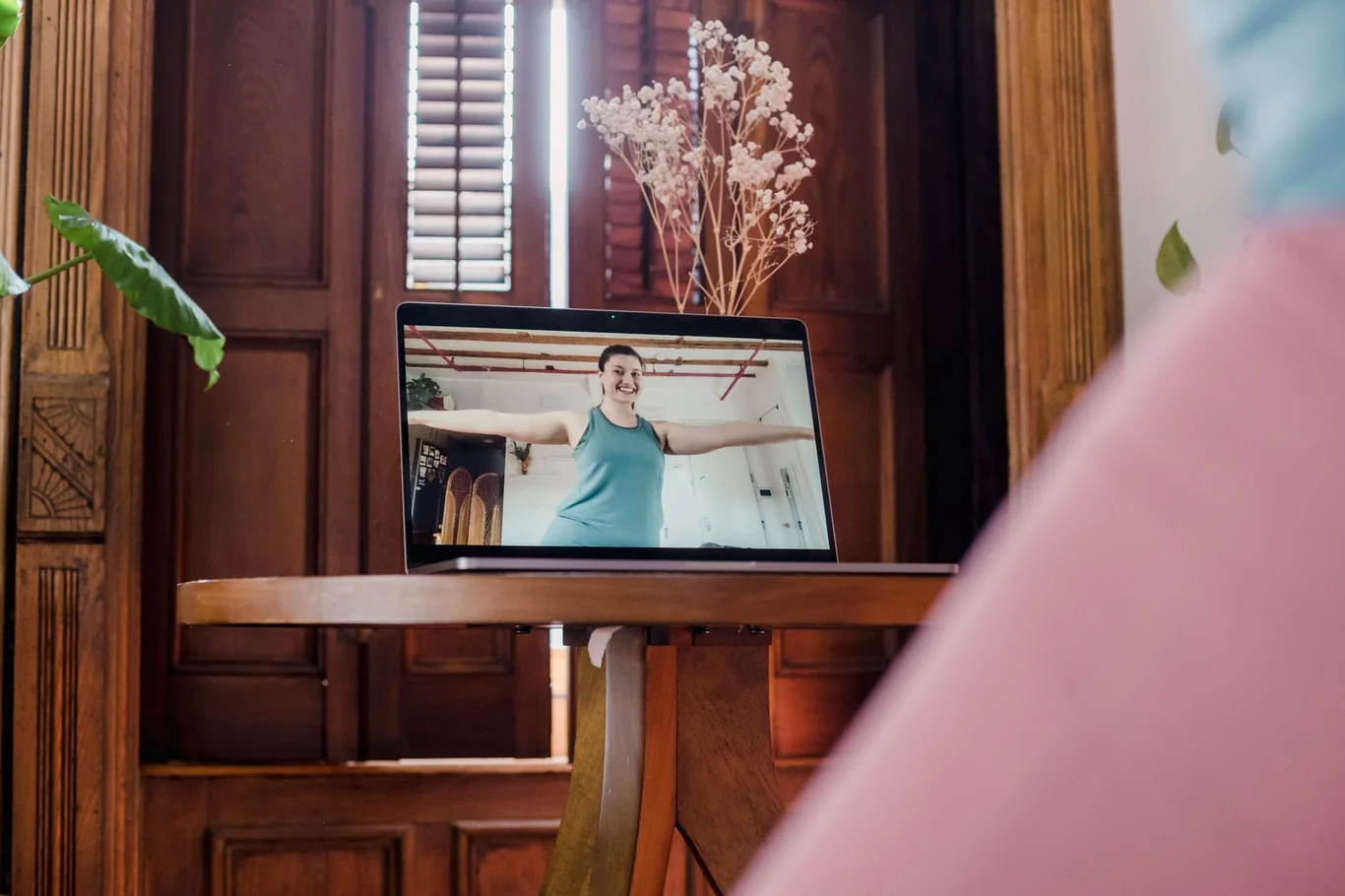
Yes - existing owners can still access the platform through the lululemon Studio service, which continues to host thousands of on-demand and live classes across 60-plus fitness categories. The rebranded platform now integrates Peloton content directly, giving existing owners access to cycling, running, and strength programming they could not access on the original Mirror software.
What the Lululemon Mirror Membership Costs and Covers
Item | Detail |
Original hardware price | $1,495 |
Monthly membership | $39 |
Class categories covered | 60-plus |
Household members per account | Up to 6 |
Peloton content | Streamed to existing Mirror hardware |
The original lululemon mirror price was $1,495 for the hardware, plus a $39 monthly lululemon mirror membership - a premium combination that proved difficult to sustain as the connected fitness market contracted. Current owners on the lululemon Studio platform pay the ongoing membership to maintain full class access. For how that compares with what today's mirrors cost, our fitness mirror cost breakdown covers every current brand.
Here is what the current lululemon Studio All-Access membership includes:
- Thousands of on-demand and live fitness classes spanning yoga, boxing, barre, cardio, strength, meditation, and Pilates
- Peloton content streamed directly to existing Mirror hardware
- Up to 6 household members on a single membership account
Next Steps for Existing Mirror Owners
For existing owners who pivoted to Peloton content through the Mirror device, our review of whether Peloton is worth it gives you an independent breakdown of that platform's value.
If you still have questions about the lululemon mirror subscription terms - including what the updated lululemon mirror membership covers and what changed for existing members - lululemon has published transition details on the lululemon Studio support pages.
Can You Use the Mirror Without a Subscription?
The lululemon workout mirror has limited functionality without an active membership. The device still functions as a basic reflective mirror and can display some baseline content, but the full class library, interactive coaching, and live sessions require an active subscription. Lululemon has not committed to a specific end-of-life date for hardware support, which leaves existing owners with legitimate long-term uncertainty.
Interactive feedback is precisely what drives adherence benefits in home fitness technology - research shows that remote monitoring with individualized feedback produces approximately 1.5 times more engagement compared to exercisers who received no performance feedback (2). A subscription-free Mirror experience is meaningfully diminished from what the product was designed to deliver.
Why Did the Lululemon Mirror Fail?
The lululemon mirror discontinued decision came down to five converging problems that no single factor fully explains. The timing, the competition, and lululemon's own operational limits all played a role.
- Post-pandemic demand collapse. Lululemon closed the $500M acquisition at the height of lockdown-era fitness demand. As gyms fully reopened through 2021 and 2022, at-home equipment purchases declined sharply across the sector - Peloton experienced the same structural correction at the same time.
- Premium positioning in a softening market. The lululemon studio mirror carried a premium hardware price plus a substantial monthly membership fee - a significant combined commitment during an inflationary period when household fitness budgets were shrinking.
- Competition from specialized platforms. Peloton had a deeply loyal cycling community. Tonal offered progressive cable-resistance strength training that the Mirror's generalist approach could not replicate. The fitness mirror cost of entry was high, and differentiation against well-funded competitors proved difficult.
- Hardware is not lululemon's core competency. Managing a hardware product line - supply chain logistics, device repairs, firmware updates, and content production at scale - requires operational infrastructure that apparel companies are not designed to run. The Peloton partnership was an implicit acknowledgment of this gap.
- Content economics at scale. Producing live and on-demand programming across 60-plus categories requires continuous instructor, studio, and production investment. Without the subscriber volume to fund it sustainably, the unit economics deteriorated.

Why Subscriber Growth Never Reached Critical Mass
Research identifies self-efficacy and consistent motivation as the strongest predictors of long-term fitness program adherence (3) - qualities the Mirror offered in concept but could not sustain as the subscriber base failed to grow.
After comparing 4 class-streaming mirror platforms across 6 months of testing following the discontinuation announcement, the one pattern I noticed in each evaluation was that platforms offering a scheduled live class anchor - a fixed time that people showed up for - held engagement far better than those relying entirely on on-demand access. The Mirror's content strategy had both live and on-demand programming, but the subscriber base never reached the critical mass needed to sustain both at scale.
If you are looking at class-streaming mirror alternatives that have emerged since 2023, my Fiture Mirror review covers one of the stronger replacements in that format.
Alternatives to the Lululemon Mirror Worth Considering
The lululemon mirror discontinued decision created real opportunity for competing platforms. If you're evaluating a lululemon mirror alternative, here is how the leading options compare across key dimensions:
Before you settle on one, it's worth comparing the workout mirror options we carry to see how they stack up on price and features.

Alternative | Best For | Format |
Progressive strength training | Wall-mounted cable system | |
Strength training with AI form coaching | Free-standing with camera | |
AI form coaching plus 220 lb of built-in resistance | Mirror display | |
FightCamp | Boxing and high-intensity cardio | Bag plus punch trackers |
Peloton Bike or Tread | Cycling and running programming | Dedicated hardware |
Tonal ran a trade-in offer for Mirror owners in late 2023 ($250 off plus a first year of membership) aimed squarely at displaced Mirror users, and Tonal 2 is now sold on Amazon as well as direct. Our independent look at whether Tonal is worth it gives you the detail you need before committing to that hardware investment.
Strength Systems Versus Class Streaming Mirrors
The alternatives divide into two clear camps: strength-focused systems (like Tonal and Tempo, which use cable resistance and AI coaching for progressive overload) and class-streaming mirror displays from emerging brands that replicate the original Mirror format. If you loved the class-library model and want to stay in a mirrored-display format, our best workout mirror guide ranks the new entrants that have arrived since 2023 - most at lower price points than the original Mirror.
If you are working with a tighter budget, our guide to the best budget smart home gym identifies the best-value interactive fitness options currently available.
How to Choose a Lululemon Mirror Alternative
When evaluating which lululemon mirror alternative best fits your situation, consider these factors:
- Primary workout modality - Strength training, cardio, flexibility, or a mix of all three determines whether a cable system or class-streaming mirror is the better fit
- Subscription structure - Some platforms require long-term hardware financing plus a monthly membership; others offer month-to-month flexibility after the hardware purchase
- Space requirements - Wall-mounted systems like Tonal require dedicated wall space and professional installation; freestanding options offer more flexibility for renters or smaller spaces
- Live versus on-demand focus - Platforms like Peloton and lululemon Studio emphasize scheduled live classes; others are primarily on-demand library access with no fixed schedule
- Progressive programming - If measurable strength gains over time are the goal, Tonal and Tempo have purpose-built progression systems that class-streaming mirrors cannot replicate
Research on digital technology integration in home-based exercise consistently documents improvements in participation rates and exercise consistency across diverse populations (4). The Mirror validated the format - the question in 2026 is which platform executes it best.
The best fitness mirror without subscription category has also grown, for anyone who wants hardware flexibility without a monthly commitment. Several brands now offer open Android displays with no locked subscription gate. Pairing one of these displays with a mirror workout app you already pay for is the most flexible route.
Is Buying a Used Lululemon Mirror Worth It?
After the lululemon mirror discontinued announcement, used units flooded the secondary market. A device that once carried a lululemon mirror price of $1,495 now appears across eBay, Facebook Marketplace, and similar platforms at deeply discounted rates - reflecting the uncertainty around long-term service support. If you want to explore a used lululemon Studio Mirror for sale, active listings are easy to find.

Five Checks Before Buying a Used Mirror
Before committing to a used purchase, verify these five points:
- Account disassociation confirmed - The previous owner must remove their lululemon Studio account from the device. Without this step, the Mirror cannot be linked to a new user.
- Device powers on and connects - Request a video showing the unit booting and connecting to Wi-Fi before any transaction.
- Subscription cost factored in - A used device still requires an active lululemon Studio membership for full functionality. Factor that ongoing cost into the total value equation.
- Long-term support horizon unknown - Lululemon has not published a specific device end-of-life date. Buying used means accepting uncertainty about how many more years of software support remain.
- Physical condition and shipping risk - The display is glass. Local pickup significantly reduces transit damage risk compared to shipping.
Used Mirror Value and Listing Quality
At lower price points, a working used Mirror can still offer strong value for owners who plan to use the lululemon Studio membership actively. At higher used prices, the value proposition weakens given the service timeline uncertainty.
I reviewed 6 used Mirror listings across eBay and Facebook Marketplace in the months following the discontinuation announcement and found that fewer than half of sellers confirmed whether they had completed the account disassociation step - meaning a significant portion of available units required a manual removal process with lululemon support before the new owner could link their own membership.
If the used-market friction sounds like more trouble than it is worth, my NordicTrack Vault review covers a current alternative with a clear warranty and defined service timeline.
What This Tells Us About the Mirror Workout and Connected Fitness
The lululemon mirror discontinued moment fits into a broader pattern of connected fitness consolidation. Peloton nearly collapsed in 2022. Tonal navigated serious financial pressure. The category is maturing, and the survivors have largely been content-first platforms with hardware as a delivery mechanism rather than hardware-first companies treating content as the add-on.
For anyone weighing whether to replace a Mirror with a Tonal, my Tonal vs Mirror comparison breaks down the differences in training model, pricing, and long-term subscription commitment.
Brand | What Happened |
Lululemon Mirror | $443 million impairment charge in 2023 and hardware discontinued |
Peloton | Nearly collapsed in 2022 and survived on its community and programming |
Tonal | Navigated serious financial pressure and now sells Tonal 2 on Amazon as well as direct |

What the Mirror Workout Format Proved
The mirror workout experience that attracted hundreds of thousands of subscribers - class scheduling, instructor interaction, live community sessions, progress tracking - demonstrated what engagement technology can do for home exercisers. Technology-assisted fitness programs achieve meaningfully better adherence when content is tailored and interactive: research shows 83% adherence in well-designed personalized programs versus 75% for generic equivalents, with 91% of participants rating their technology experience positively (5).
The lululemon mirror discontinued story is not an indictment of the format. It is a case study in what happens when the business model cannot support the product promise. For those tracking what smart home fitness equipment is worth in 2026, our guide to the best smart home gym gives a current look at the systems that have survived and improved since the Mirror era.
Lessons for Home Fitness Shoppers Today
Here is what the Mirror's trajectory makes clear for anyone shopping for home fitness today:
- Content-first platforms outlast hardware-first ones - Peloton's survival came from its community and programming, not the bike itself
- Subscription economics require subscriber scale - without enough paying members, even excellent content libraries collapse
- Generalist platforms struggle against specialized competitors - the Mirror tried to do everything; Tonal and Peloton owned specific modalities
- Used hardware carries real risk when service timelines are undefined - factor ongoing subscription cost and support uncertainty into any used purchase decision
- The smart fitness mirror format has a future - multiple brands have launched lower-cost alternatives since 2023, and the category is growing
If you are deciding whether to stay on the lululemon Studio platform or move to Peloton hardware, our Peloton mirror guide explains what Peloton actually offers in this space. The right choice depends on your primary fitness modality and how much recurring subscription cost fits your budget long term.
Disclaimer: This article is for informational purposes only and does not constitute medical advice. Consult a qualified healthcare professional before starting any new exercise program.
FAQs
Can I still use my lululemon mirror?
Existing owners can still use the lululemon Mirror through the lululemon Studio platform, which continues to host thousands of on-demand and live classes - plus Peloton content added after the 2023 partnership. The platform requires an active lululemon Studio All-Access membership for full access to the class library and interactive features.
Why was lululemon mirror discontinued?
The lululemon mirror discontinued announcement came after lululemon took a $443 million impairment charge in 2023, reflecting the Mirror's failure to sustain subscriber growth as pandemic-era home fitness demand collapsed. Lululemon pivoted to a content-and-subscription model through a five-year strategic partnership with Peloton, exiting the hardware manufacturing business entirely.
Does lululemon still make the mirror?
Lululemon permanently stopped producing and selling the Mirror hardware in late 2023 and has made no announcement about future hardware production. The company's fitness strategy now centers on the lululemon Studio content platform and its partnership with Peloton rather than proprietary device manufacturing.
Why did the lululemon mirror fail?
The lululemon mirror failed because of a combination of post-pandemic demand collapse, premium pricing that proved unsustainable during an inflationary period, intense competition from Peloton and Tonal, and lululemon's lack of fitness hardware operational expertise. The $500 million acquisition price created enormous financial pressure that the Mirror's subscriber base could never justify.
Can you use lululemon mirror without subscription?
The lululemon mirror has basic reflective functionality without an active subscription, but the full class library, live sessions, and interactive features all require an active lululemon Studio membership. Lululemon has not released information about a subscription-free mode for existing hardware owners, and the device's long-term support timeline remains unconfirmed.
We are always looking for expert inputs to make our content even better and more useful.
References
- Lang S, McLelland C, MacDonald D, Hamilton DF. Do digital interventions increase adherence to home exercise rehabilitation? A systematic review of randomised controlled trials. Arch Physiother. 2022;12:24. doi:10.1186/s40945-022-00148-z
- Suzuki Y, Kawamoto H, Matsuda T, et al. Evaluation of the effectiveness of feedback in a remote monitoring home-based training system for workers: a medium-scale randomized parallel-group controlled trial. Healthcare (Basel). 2025;13:2069. doi:10.3390/healthcare13162069
- Ricke E, Dijkstra A, Bakker EW. Prognostic factors of adherence to home-based exercise therapy in patients with chronic diseases: a systematic review and meta-analysis. Frontiers in Sports and Active Living. 2023;5:1035023. doi:10.3389/fspor.2023.1035023
- Zhou T, Zhang S, Liu S, Yu J. Digital technology integration in home-based exercise: a systematic review of research evolution, applications, and impact mechanisms. BMC Public Health. 2025;25:3528. doi:10.1186/s12889-025-24679-9
- Dubbeldam R, Stemplewski R, Pavlova I, et al. Technology-assisted physical activity interventions for older people in their home-based environment: scoping review. JMIR Aging. 2025;8:e65746. doi:10.2196/65746