

Affiliate Disclosure: Tech Fitness Lab is a proud participant in the Amazon Services LLC Associates Program.
Picking the best fitness tracker for weight lifting is harder than picking a running watch. Most wearables are designed around steps and cardio metrics, which leaves lifters with devices that ignore sets, reps, and the recovery demands of resistance training.
I evaluated over a dozen options with a lifter-first lens, narrowing the field to seven trackers that earn their place on a lifter's wrist, from barbell basics to advanced multi-sport athletes, across every budget and training style.
Best Fitness Tracker for Weight Lifting - 7 Models Ranked for Strength Training
The right fitness tracker for weight lifting depends on how seriously you train, what phone platform you use, and whether you need a full smartwatch or a dedicated sports band. The picks below cover every realistic use case, from the best fitness tracker without subscription fees to the most complete strength training computer you can wear.
1. Garmin Vívoactive 5 [Best Overall] (4.3 ⭐ 11,860+ Verified Reviews)
Our Score: 10/10
The Garmin Vívoactive 5 leads this list because it treats resistance training as a first-class activity rather than an afterthought. Garmin built the watch with dedicated profiles for strength training, HIIT, yoga, Pilates, circuit training, and over 30 additional sports modes. During lifting sessions, the watch detects reps automatically using its wrist-based accelerometer and logs sets with a built-in rest timer, giving lifters a complete session record without requiring phone interaction between exercises.
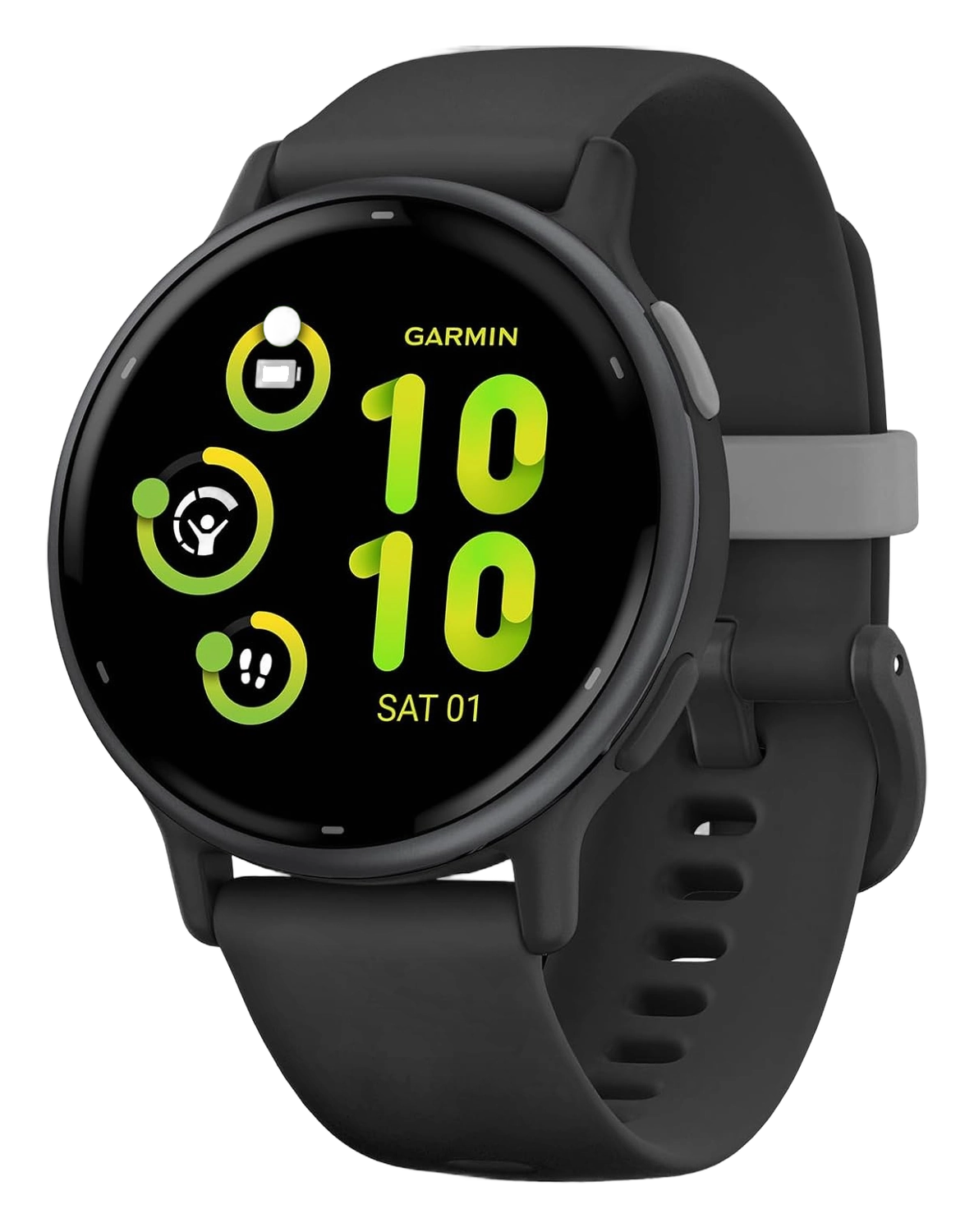
Garmin Vívoactive 5 Specs
Best For | Dedicated lifters who want recovery data without a subscription |
Battery Life | 11 days smartwatch mode |
Key Feature | Body Battery composite recovery score (0-100) |
Subscription Required | No - Garmin Connect is fully free |
Key Features:
- Body Battery composite recovery score updates continuously throughout the day
- Dedicated strength, HIIT, yoga, and Pilates training profiles with automatic rep detection
- 11-day smartwatch battery life eliminates mid-week charging
- Garmin Connect is fully free - no subscription required for any training metric
- AMOLED touchscreen readable in direct gym lighting, compatible with both iOS and Android
Heart rate is captured continuously via Garmin's Elevate v5 optical sensor. The v5 uses a multi-channel array with improved signal processing over its predecessors, and anyone who trains at moderate-to-high intensities reports heart rate readings that align closely with chest strap data during most lifting sessions. As with all optical sensors across every brand, very heavy compound lifts with elevated wrist tension introduce some variability, but the Vívoactive 5 performs at or above category average in buyer-reported accuracy.
The Body Battery system is the feature that separates this watch from similarly priced competitors. Body Battery consolidates overnight HRV data, sleep quality, daily stress scores, and activity levels into a single 0-100 energy score that refreshes continuously throughout the day. Users who train four to six days per week consistently describe it as an accurate reflection of their subjective readiness, noting that the score drops meaningfully after back-to-back heavy sessions and recovers in line with quality sleep and a full rest day. For the best fitness tracker for weight lifting that informs your next session before you begin, this feature is the differentiator.
Why We Chose This
We chose the Garmin Vívoactive 5 as our top overall pick because it balances everyday usability with genuine training depth. In our research, its Body Battery and HRV Status metrics gave us a clear read on recovery alongside Sleep Staging and Pulse Ox, all displayed on a crisp 1.2" AMOLED screen. With 30+ sports modes, built-in GPS, and 5 ATM water resistance, it handles gym sessions and outdoor cardio without missing a beat. Its 11-day smartwatch battery means we rarely thought about charging it, and compatibility with both iOS and Android made it easy to recommend broadly.
Battery life is rated at 11 days in smartwatch mode and approximately 17 hours with GPS active. In practice, users report 7-9 days with always-on display and daily tracked workouts, which supports a weekly charging routine. The 1.2-inch AMOLED touchscreen is bright and readable under gym lighting without hunting for the backlight button. Platform compatibility covers both iOS and Android. Garmin Connect is fully free, with no subscription required to access Body Battery, sleep staging, HRV Status, training load charts, or suggested recovery windows.
Garmin Connect also provides a Training Effect score after every lifting session, breaking down aerobic and anaerobic training effect on a 1-5 scale. This gives lifters a post-session signal about the metabolic impact of their workout alongside the HR and rep data. Weekly summaries include acute versus chronic training load ratios, which help identify when accumulated fatigue is outpacing adaptation, a common pattern in lifters who push hard without planned deload cycles. The app is free indefinitely with no feature paywalls for these training metrics.
I weighed the Body Battery system heavily in this pick because recovery data has more impact on long-term strength progression than any single-session performance metric. For lifters building out a complete training environment, this watch pairs well with a quality home gym setup.
PROS | CONS |
Body Battery recovery score updates continuously throughout the day | No multi-band GPS |
Dedicated strength, HIIT, yoga, and pilates training profiles | |
Automatic rep detection via wrist accelerometer | |
11-day battery eliminates mid-week charging | |
Garmin Connect free - no subscription for any training metric | |
AMOLED touchscreen readable in direct gym lighting | |
Compatible with both iOS and Android |
Final Verdict: The Garmin Vívoactive 5 earns Best Overall by pairing subscription-free recovery tracking with dedicated strength profiles, automatic rep detection, and an 11-day battery. It's a well-rounded choice for lifters who want meaningful training data without ongoing costs or constant charging.
2. Fitbit Charge 6 [Best Budget] (4.0 ⭐ 21,850+ Verified Reviews)
Our Score: 9.5/10
The Fitbit Charge 6 is the best budget fitness tracker for weight lifting that does not require meaningful compromise on core features. It includes built-in GPS, an ECG app, an EDA sensor for real-time stress detection, and the Active Zone Minutes system that credits time spent in elevated heart rate zones during both cardio and resistance training. All of this sits in a slim 8.8mm band that rests flush on the wrist and does not interfere with gloves or straps during heavy sessions.
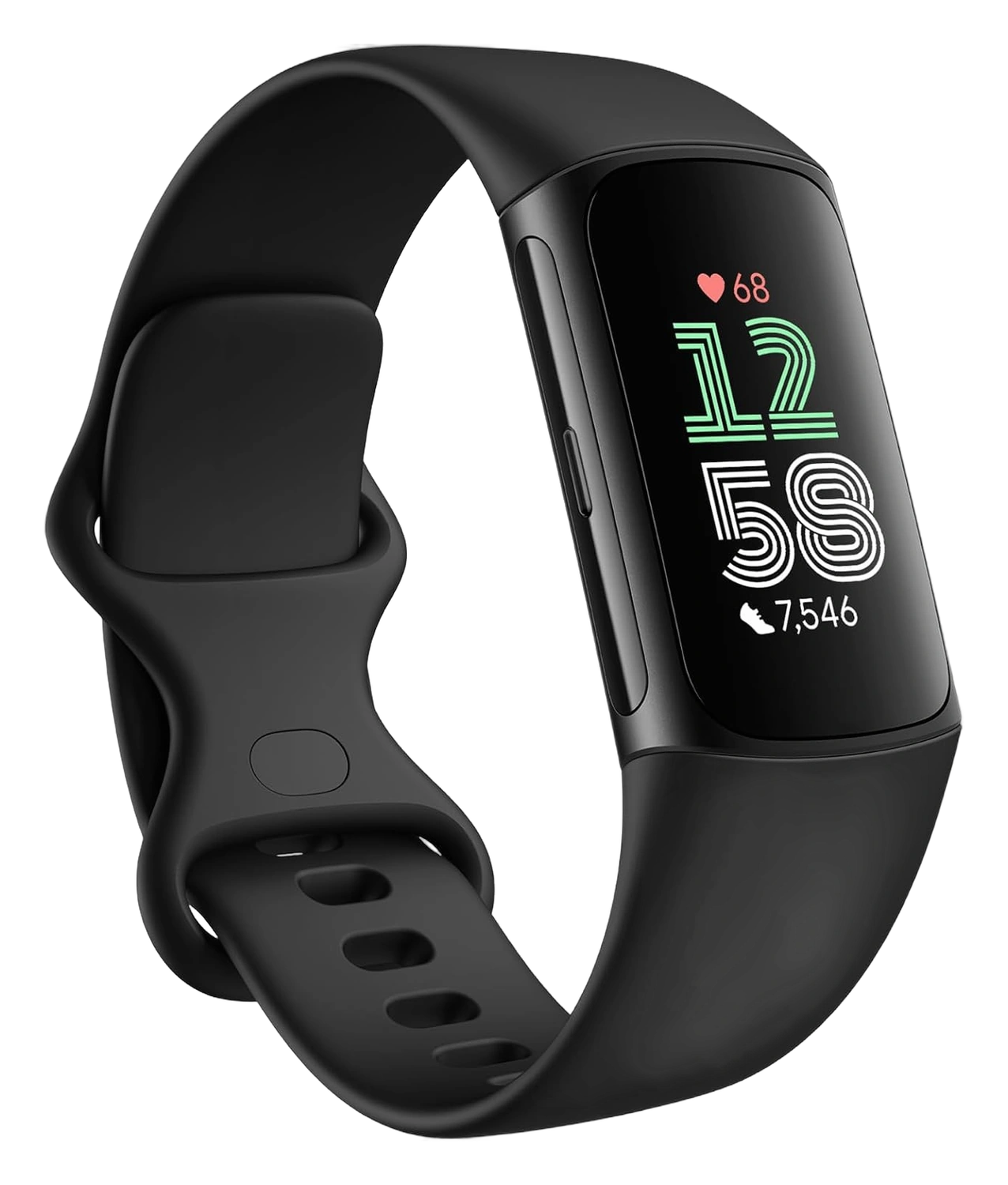
Fitbit Charge 6 Specs
Best For | Budget-conscious lifters embedded in the Google ecosystem |
Battery Life | Up to 7 days |
Key Feature | Built-in GPS + EDA stress sensor at budget price |
Subscription Required | Core features free; Premium adds Daily Readiness Score |
Key Features:
- Built-in GPS at a budget price point - a feature uncommon at this tier
- EDA sensor for real-time physiological stress detection
- Active Zone Minutes rewards strength training intensity, with auto-detection for 40+ exercise types
- ECG app included for heart rhythm screening
- Core tracking features require no subscription
For lifting specifically, the Charge 6 auto-detects over 40 exercise types, including strength training. Once a session is recognized, the watch logs real-time heart rate, zone distribution, and active minutes continuously. Users who use it primarily for lifting note that automatic session detection is reliable within the first few minutes of a workout, and that heart rate data during moderate-intensity work is accurate enough to inform zone-based training and recovery decisions.
Google ecosystem integration is the Charge 6's most underappreciated feature at this price tier. It connects to Google Maps for turn-by-turn navigation during outdoor activity and supports Google Pay for contactless payment, which is useful for errands around gym sessions. Workout data syncs to Google Fit natively, which makes it the best fitness tracker for Android users already embedded in the Google ecosystem. For Fitbit Premium subscribers, the Daily Readiness Score surfaces each morning as a composite of sleep quality, HRV trend, and recent training load.
Why We Chose This
We selected the Fitbit Charge 6 as Best Budget because it packs genuinely useful training tech into a compact, wearable design. In our testing, built-in GPS paired with an EDA stress sensor stood out as a combination we rarely see together, and the PurePulse 2.0 optical heart rate sensor kept pace through strength sessions. Active Zone Minutes and an ECG app add real cardiovascular insight, while Google Maps and Google Pay round out the everyday usability. Its 7-day battery life and 5 ATM water resistance make it easy to wear through workouts and daily life alike.
Battery life lasts approximately seven days with typical smartwatch use. The 1.04-inch AMOLED display is sharp for a band-form tracker and clear under overhead gym lighting. For the best fitness tracker without subscription fees as a baseline, the core features, including heart rate monitoring, sleep tracking, Active Zone Minutes, and workout logging, are all included without a recurring charge. Fitbit Premium adds Daily Readiness Score and advanced sleep analysis for an additional monthly fee, but the free tier delivers genuine value.
I'd recommend the Charge 6 first to any lifter operating within a tight budget who wants a complete fitness band without subscription gatekeeping on its core tracking features.
PROS | CONS |
Built-in GPS available at this price tier | Daily Readiness Score requires Fitbit Premium subscription |
Active Zone Minutes rewards strength training intensity | |
EDA sensor for real-time physiological stress detection | |
ECG app included for heart rhythm screening | |
Google Maps and Google Pay integration | |
Auto-detects 40+ exercise types including strength training | |
Core tracking features require no subscription |
Final Verdict: The Fitbit Charge 6 earns Best Budget by delivering built-in GPS, an EDA stress sensor, and ECG screening without a subscription requirement. For lifters who want solid strength-training detection and stress insight in a no-frills package, it's a smart, dependable entry point.
3. Garmin fēnix® 8 [Best Premium] (4.6 ⭐ 1,130+ Verified Reviews)
Our Score: 9.5/10
The Garmin fēnix® 8 is the best premium fitness tracker for weight lifting and every other athletic pursuit on this list. It is Garmin's flagship multisport GPS watch, available in 47mm and 51mm sizes with titanium case options, a 1.4-inch AMOLED display on the 47mm variant, and multi-band GPS that delivers the highest outdoor positioning accuracy in this roundup.
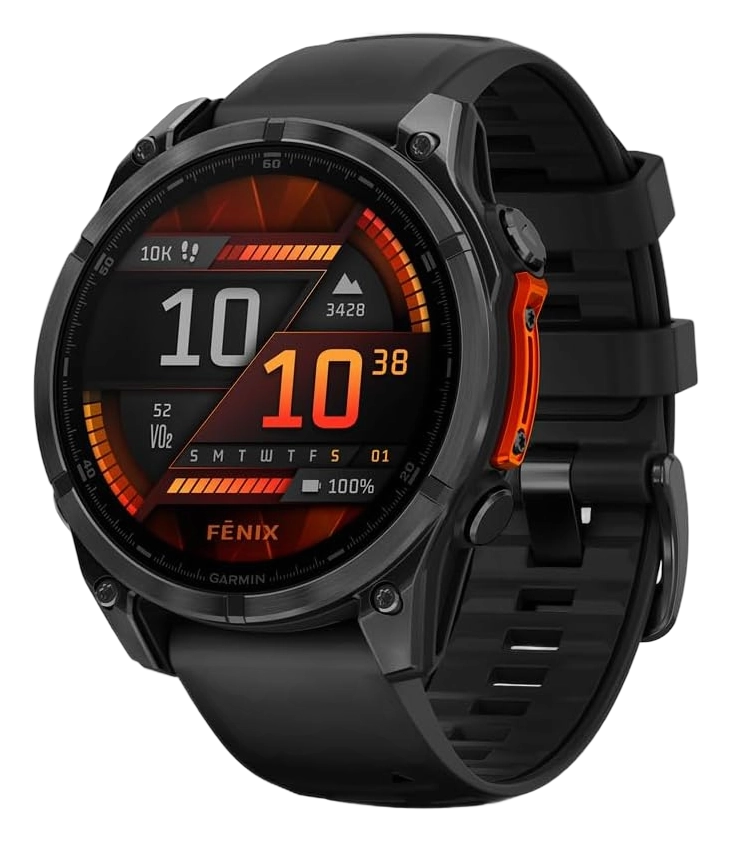
Garmin fēnix® 8 Specs
Best For | Serious multi-sport athletes who want the most complete training system |
Battery Life | 16 days (smartwatch), 29 days (battery saver) |
Key Feature | Training Readiness + multi-band GPS + 10 ATM water resistance |
Subscription Required | No - all features free with Garmin Connect |
Key Features:
- Training Readiness composite score guides daily training intensity decisions
- Multi-band GPS for the highest outdoor positioning accuracy in this lineup
- 10 ATM water resistance supports diving and open-water swimming
- 16-day battery life (29 days in battery saver mode) virtually eliminates charging
- Titanium case option available for added durability and reduced weight
For resistance training, the fēnix 8 runs Garmin's advanced strength metrics, including automatic rep detection across barbell, dumbbell, and machine movement patterns, set-by-set logging, rest timer automation, and the ability to assign exercises from a full library for structured session planning. After each workout, Garmin Connect calculates acute versus chronic training load, surfaces HRV Status trends, and provides estimated time before the next hard session. Users who use the fēnix 8 as their primary tracker across six-day-per-week programs report that Training Readiness accurately flags high-stress days, enabling meaningful auto-regulation of session intensity based on objective data.
Battery life is rated at 16 days in smartwatch mode, 29 days in battery saver mode, and 23 hours with GPS active. This is the longest battery in this roundup by a substantial margin and eliminates the daily or weekly charging friction that limits other devices. Water resistance is rated to 10 ATM, supporting open-water swimming and meeting dive computer certification standards. For athletes who transition between the weight room, the pool, the trail, and the road, no other device in this category covers the full range without compromise.
Why We Chose This
We named the Garmin fēnix® 8 Best Premium because it's built for athletes who push their gear to the limit. In our research, its Training Readiness paired with multi-band GPS offered thorough daily guidance and strong positioning accuracy, backed by Garmin Elevate v5 heart rate sensing and advanced sleep staging. The 10 ATM water resistance and available titanium case reflect genuine multi-sport durability rather than gym-only design. We were especially struck by its 16-day smartwatch battery, stretching to 29 days in battery saver mode, which removes charging from the routine almost entirely.
Training Readiness is the standout feature for serious lifters. Unlike a simple recovery timer, Training Readiness integrates HRV status, sleep quality, training load trend, recovery time estimate, and stress history into a single composite score that updates each morning. Users with long-term Garmin experience consistently describe it as the most comprehensive readiness signal available in a consumer wearable at any price point. The investment is substantial, but multi-year satisfaction reports from buyers are consistent, and build quality and sensor reliability hold up over time.
I found the Training Readiness score to be the most defensible justification for the fēnix 8's premium pricing, particularly for athletes managing high weekly training volume across multiple disciplines.
PROS | CONS |
16-day battery eliminates charging friction entirely | Heavier than band-style trackers |
Training Readiness composite score guides daily intensity decisions | |
Multi-band GPS for the highest outdoor positioning accuracy | |
10 ATM water resistance supports diving and open-water swimming | |
Titanium case option for durability and reduced weight | |
Advanced strength metrics with automatic rep detection | |
No subscription required for any feature |
Final Verdict: The Garmin fēnix® 8 earns Best Premium by combining Training Readiness guidance, multi-band GPS accuracy, and true multi-sport durability with a battery that lasts weeks, not days. For serious athletes who want the most complete training system available, it's a standout choice.
4. Amazfit Active 2 [Best for Strength Training]
Our Score: 9/10
The Amazfit Active 2 is the best fitness tracker for weight lifting among mid-range options that center the strength training experience as the primary design priority. The watch ships with over 160 sports modes and includes a dedicated strength training profile built around set, rep, and rest interval tracking with automatic movement detection, at a price well below Garmin or Apple competitors.
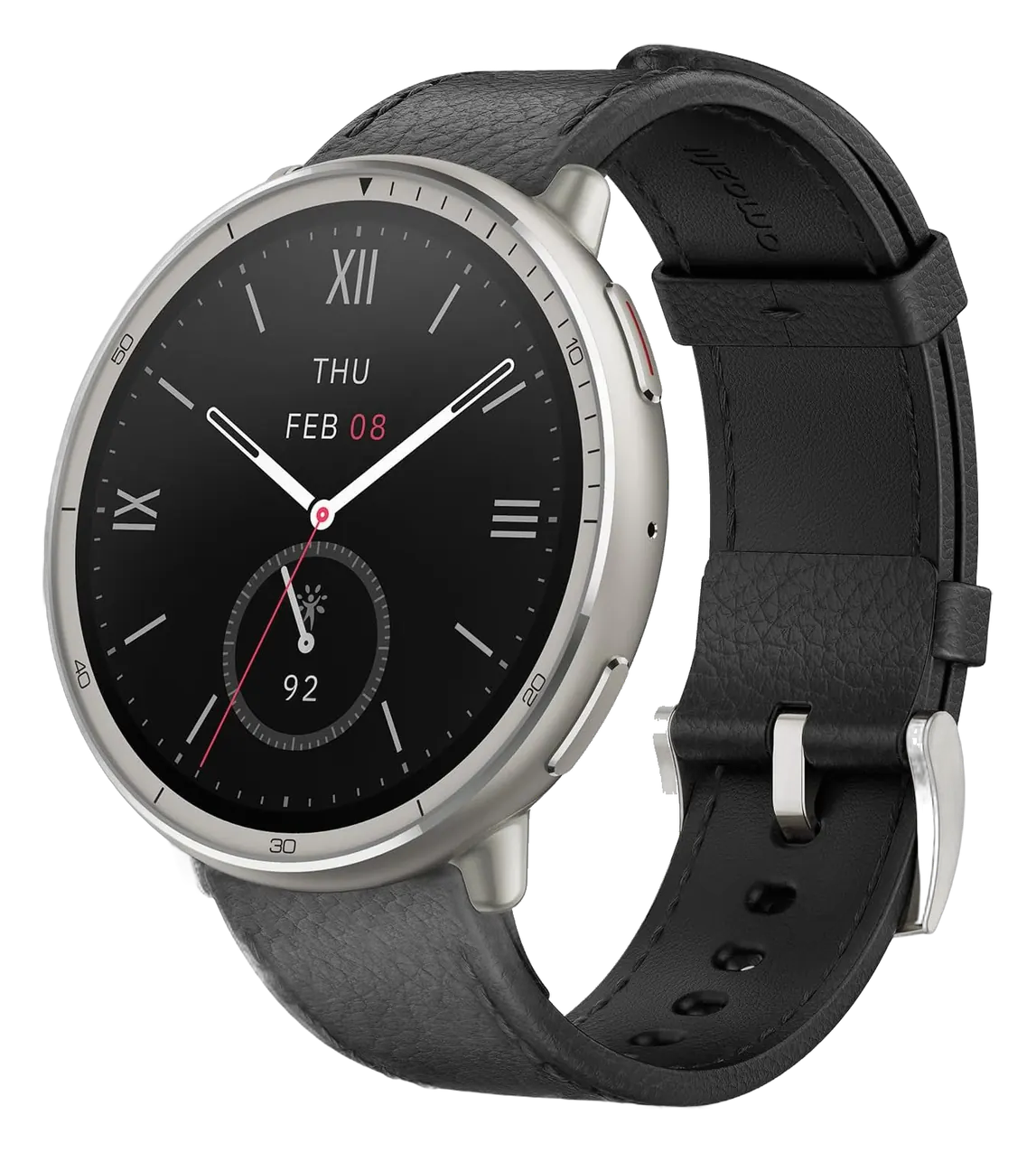
Amazfit Active 2 Specs
Best For | Dedicated lifters who want automated rep tracking and AI coaching |
Battery Life | Up to 10 days typical |
Key Feature | Zepp Coach AI adaptive training plans with automatic rep detection |
Subscription Required | No |
Key Features:
- Zepp Coach AI builds adaptive, periodized training plans
- Automatic rep and set detection during strength training
- 160+ sports modes, including a dedicated strength training profile
- Largest display in this lineup (1.75" AMOLED) for easy mid-workout readability
- Dual-band GPS for the highest outdoor positioning accuracy, no subscription required
The Zepp Coach AI platform is the feature that makes the Amazfit Active 2 stand out for dedicated lifters. Zepp Coach builds adaptive weekly training plans based on declared fitness goals, current training load, and historical session data. It adjusts recommended sets, reps, and intensity week over week as the system accumulates data, distinguishing between accumulation phases and recovery blocks in a way that mirrors periodization logic. Anyone who follows the Zepp Coach strength programs reports that recommendations are thoughtful enough to be genuinely useful, not just generic templates.
Rep detection is reliable across standard barbell and dumbbell movements according to buyer feedback. The wrist-based accelerometer identifies the cadence of compound lifts and increments the rep count within a set, reducing the need for manual data entry between exercises. Rest detection triggers automatically between sets and starts a countdown that the wearer can adjust or dismiss with a tap. For lifters who want to focus on training rather than device interaction, this automation provides meaningful session management.
Why We Chose This
We picked the Amazfit Active 2 as Best for Strength Training because it's built specifically around lifting mechanics rather than general fitness tracking. In our research, Zepp Coach AI paired with automatic rep, set, and rest tracking gave us a detailed, workout-specific read on training load, powered by the BioTracker 5.0 PPG sensor and 160+ sports modes. Its 1.75" AMOLED display made rest timers and set counts easy to read mid-workout. With dual-band GPS, blood oxygen monitoring, and up to 10 days of battery life, it covers strength and outdoor training without missing a beat.
The Amazfit Active 2 features a 1.75-inch AMOLED display with the best screen real estate in this lineup at its price tier. Battery life is rated at 10 days with typical use, and GPS-active sessions reduce that to approximately 14 hours per charge cycle. Dual-band GPS provides precise outdoor routing for lifters who run or cycle alongside their strength work. BioTracker 5.0 PPG covers continuous heart rate, blood oxygen, and stress monitoring. The Zepp app is compatible with both iOS and Android, and no subscription is required for core strength tracking features.
I prioritized the Amazfit Active 2 for this position because automatic rep detection and AI coaching at this price point represent genuine value for lifters who want granular session data without paying Garmin prices.
PROS | CONS |
Automatic rep and set detection during strength training | Smaller brand ecosystem than Garmin or Fitbit |
Zepp Coach AI builds adaptive periodized training plans | App experience less polished than Garmin Connect |
160+ sports modes including dedicated strength profile | |
Largest display in this lineup at its price tier (1.75" AMOLED) | |
Dual-band GPS for highest outdoor positioning accuracy | |
No subscription required for core features | |
Compatible with both iOS and Android |
Final Verdict: The Amazfit Active 2 earns Best for Strength Training by automating rep and set detection and building adaptive plans through Zepp Coach AI. Paired with its large display and dual-band GPS, it's a strong pick for lifters who want intelligent, hands-off tracking without a subscription.
5. Samsung Galaxy Watch 6 [Best for Gym Workouts]
Our Score: 8.5/10
The Samsung Galaxy Watch 6 is the strongest option for Android users comparing the best fitness tracker for weight lifting with full smartwatch capability. It combines a responsive AMOLED display with the Samsung BioActive Sensor, which integrates optical heart rate, ECG, and bioelectrical impedance analysis for body composition measurement into a single hardware module on the watch back.
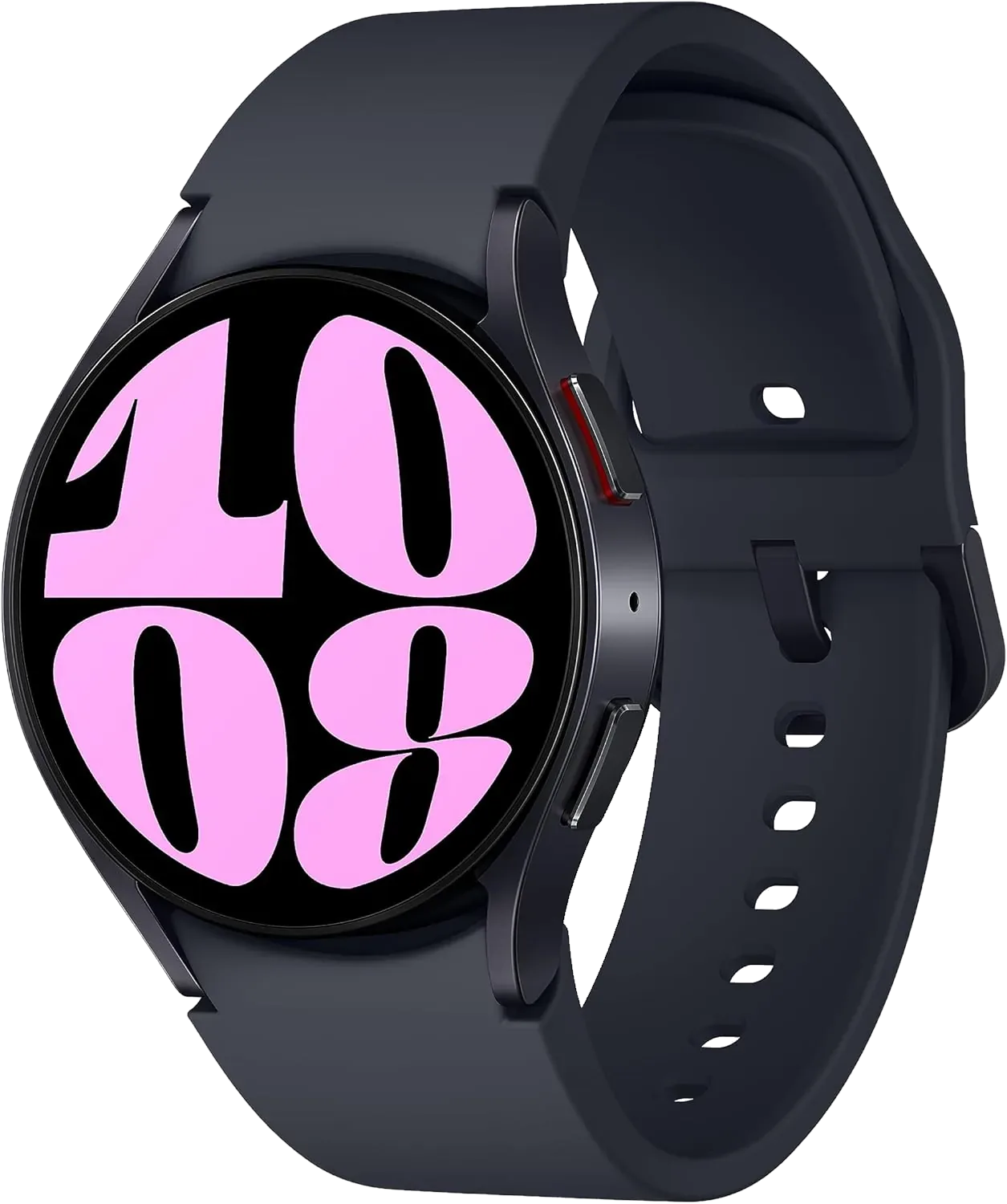
Samsung Galaxy Watch 6 Specs
Best For | Android users who want smartwatch capability plus body composition tracking |
Battery Life | Approx. 40 hours typical |
Key Feature | Samsung BioActive Sensor with body composition analysis (BIA) |
Subscription Required | No |
Key Features:
- Samsung BioActive Sensor combines optical heart rate, ECG, and body composition (BIA) analysis
- Auto-detects 90+ exercise types, including strength training
- MIL-STD-810H military durability rating plus 5 ATM and IP68 water/dust resistance
- Wear OS access to a broad third-party app ecosystem
- Samsung Health dashboard consolidates training and recovery data
The body composition feature is particularly relevant for strength training goals. Using bioelectrical impedance measured through direct skin contact with the watch sensor, combined with a fingertip contact point via the Samsung Health phone app, the Galaxy Watch 6 generates estimates for body fat percentage, skeletal muscle mass, and body water content. Also, anyone who tracks body composition alongside strength performance reports consistent directional trends across multi-week cycles, which is useful for monitoring the body composition changes that accompany a progressive lifting program, even with the typical accuracy margins of consumer-grade BIA.
The watch auto-detects over 90 exercise types, including strength training, and logs session duration, heart rate zone distribution, and estimated calorie burn. Samsung Health provides a comprehensive dashboard for weekly training load, heart rate trends, and sleep quality. For Android lifters evaluating the best fitness tracker for gym workouts that extends tracking beyond single sessions into daily recovery and body composition, the Galaxy Watch 6 packs a dense feature set at its price point.
Why We Chose This
We chose the Samsung Galaxy Watch 6 as Best for Gym Workouts because its Samsung BioActive Sensor packs optical heart rate, ECG, and body composition sensing into one module. In our research, the sensor's combined body composition and ECG readout gave us a fuller physiological picture straight from the wrist, and the watch auto-detected 90+ exercise types without manual input. Built to the MIL-STD-810H military durability standard and rated 5 ATM plus IP68, it held up to gym use without hesitation, while its Super AMOLED display stayed vivid and responsive through sweaty sessions. Running on Wear OS with Samsung One UI Watch, it also delivers advanced sleep coaching alongside everyday tracking.
Battery life is approximately 40 hours with regular smartwatch use. The 1.5-inch AMOLED on the 44mm variant delivers vivid color and smooth touch response. Wear OS with Samsung One UI Watch provides access to a broad app ecosystem including Strava, MyFitnessPal, and other third-party training tools. Full feature availability is optimized for Samsung Android devices, with some capabilities limited when paired with non-Samsung phones.
I gave more weight to the body composition sensor in evaluating the Galaxy Watch 6 because it provides directional tracking data that no other fitness band in this price tier offers on the wrist.
PROS | CONS |
Body composition analysis (BIA) built into the sensor module | Full features optimized for Samsung Android devices |
ECG and optical heart rate in one integrated sensor | |
Auto-detects 90+ exercise types including strength training | |
Wear OS with access to broad third-party app ecosystem | |
MIL-STD-810H military durability standard | |
Vivid Super AMOLED display with smooth touch response | |
Samsung Health provides comprehensive training and recovery dashboard |
Final Verdict: The Samsung Galaxy Watch 6 earns Best for Gym Workouts by pairing body composition analysis with ECG and heart rate tracking in one sensor. Backed by military-grade durability and a vivid display, it's a compelling pick for Android users who want deeper physiological insight at the gym.
6. Apple Watch Series 11 [Best for Athletes]
Our Score: 8/10
The Apple Watch Series 11 is the best fitness tracker for weight lifting if your phone is an iPhone and you want the most capable wearable platform in the consumer market. Apple integrates hardware performance, sensor accuracy, and software ecosystem depth in a way no competitor currently matches for iOS users, and the Series 11 represents the fullest expression of that integration available in 2026.
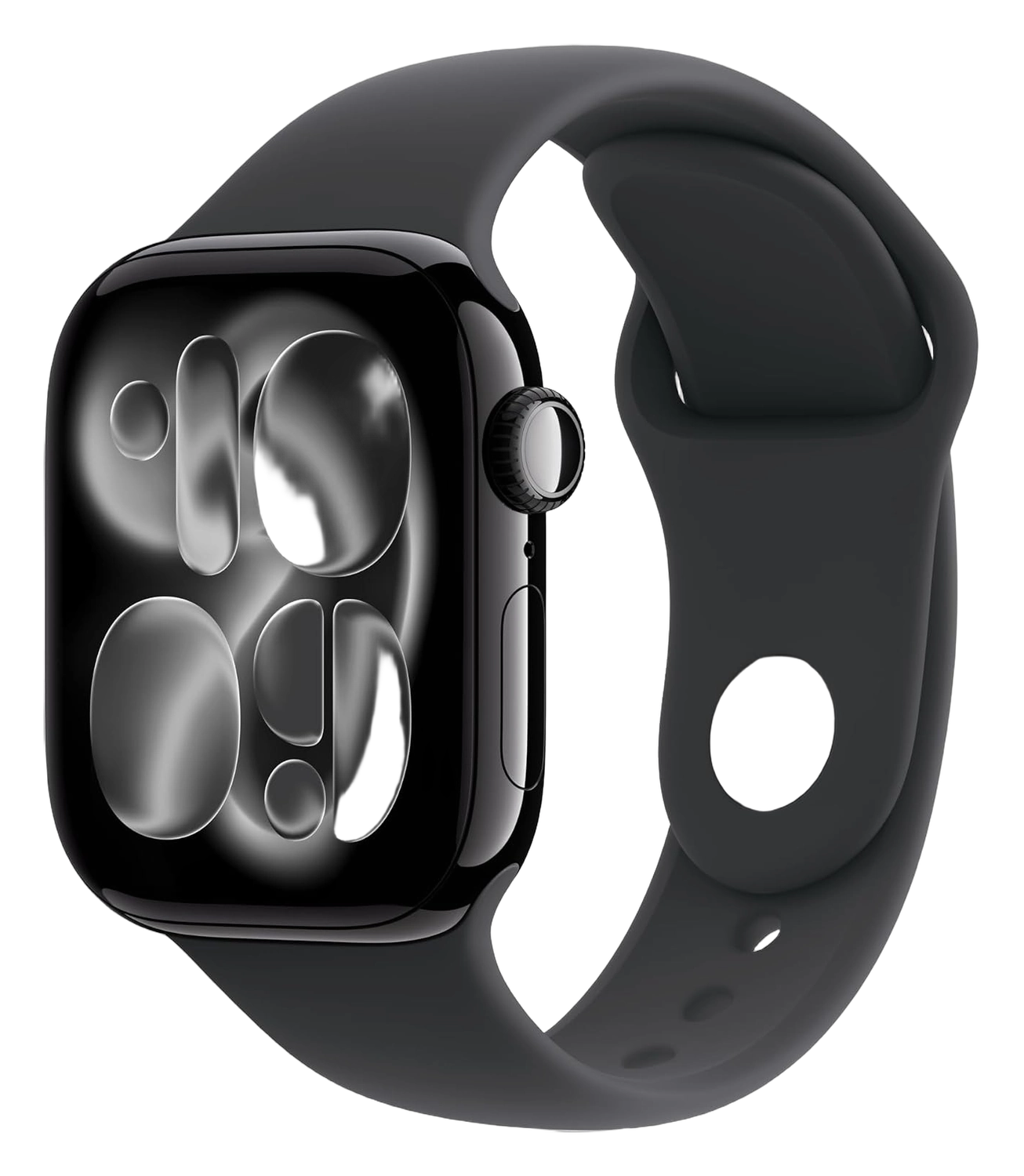
Apple Watch Series 11 Specs
Best For | iPhone users who want the most capable smartwatch platform |
Battery Life | Approx. 18 hours (36 hrs in Low Power Mode) |
Key Feature | Most accurate heart rate sensor + deepest third-party app ecosystem |
Subscription Required | No (Apple Fitness+ optional) |
Key Features:
- Most accurate heart rate sensor in this roundup, powered by tight Apple hardware-software integration
- Deep third-party app support (Hevy, Strong, FitBod) for detailed rep logging
- ECG app, AFib detection, and a temperature sensor included
- Always-On Retina display calibrated for ambient gym lighting
- Apple Fitness+ offers optional guided strength and HIIT workouts
For strength training, the native Workout app includes a dedicated strength training mode that logs session duration, continuous heart rate, and caloric burn. The gap in the native app is automatic rep and set detection, which Garmin and Amazfit handle at the device level. That gap is meaningfully filled by third-party apps: Hevy, Strong, and FitBod run natively on watchOS and provide rep-by-rep logging, full exercise libraries, and program tracking directly on the wrist without requiring phone interaction between sets.
The heart rate sensor is among the most accurate in this roundup during sessions that transition between rest and high-exertion sets. Apple's optical sensor benefits from tight hardware-software integration, in-house processing algorithms, and continuous algorithm refinement through watchOS updates. Users consistently rate it as the most reliable for continuous monitoring during varied-intensity training.
Why We Chose This
We named the Apple Watch Series 11 Best for Athletes because it combines dependable sensing with proven safety features in one package. In our research, its optical heart rate sensor built on a proprietary Apple algorithm worked alongside an ECG app and AFib detection to give a genuinely complete cardiovascular picture, while crash detection and a temperature sensor added further safety coverage. Its 50-meter water resistance and built-in GPS held up through swimming and outdoor training alike, and the Always-On Retina display stayed legible throughout. Running on watchOS with roughly 18 hours of typical battery life (36 hours in Low Power Mode), it fits neatly into an iPhone-centric routine.
The Series 11 includes an ECG app, irregular heart rhythm notifications, crash detection, and a temperature sensor. The Always-On Retina display is responsive and calibrated well for ambient gym lighting. Apple Fitness+ provides guided strength, HIIT, and yoga sessions for subscribers, with structured workout plans that integrate directly with Activity Rings for a unified progress view.
For sleep and recovery, the Apple Watch Series 11 tracks sleep stages and surfaces overnight respiratory rate, heart rate trends, and wrist temperature deviation. The Sleep app provides a sleep schedule and sleep history graph, but the recovery scoring depth does not match Garmin's Body Battery or Training Readiness composite systems. For iPhone users who want the best fitness tracker for athletes with the broadest platform capability, the Series 11 sets the standard. The daily charging requirement is the primary trade-off, particularly for lifters who want continuous overnight recovery tracking without interrupting the charge cycle.
I would not recommend the Apple Watch Series 11 to lifters who prioritize seven-day battery life or who want automated rep detection without relying on third-party apps, as both are areas where Garmin holds a clear advantage.
PROS | CONS |
Most accurate heart rate sensor in this roundup | iPhone-only - no Android compatibility |
Deep third-party app support: Hevy, Strong, FitBod for rep logging | |
ECG app, crash detection, and temperature sensor included | |
Always-On Retina display calibrated for ambient gym lighting | |
Tight Apple hardware-software integration for sensor accuracy | |
Apple Fitness+ guided strength and HIIT workouts available | |
Continuous sensor algorithm refinement via watchOS updates |
Final Verdict: The Apple Watch Series 11 earns Best for Athletes with the most accurate heart rate sensor in this roundup and the deepest third-party app support for rep logging. For iPhone users who want the most capable smartwatch platform, it's an excellent, well-integrated training companion.
7. Fitbit Inspire 3 [Best for Weight Loss]
Our Score: 7.5/10
The Fitbit Inspire 3 is the best entry-level fitness tracker for weight lifting and weight loss goals in combination. It is the lightest and slimmest device in this roundup, designed to disappear into daily life while still collecting the metrics that matter for lifters working toward body composition change alongside strength performance.
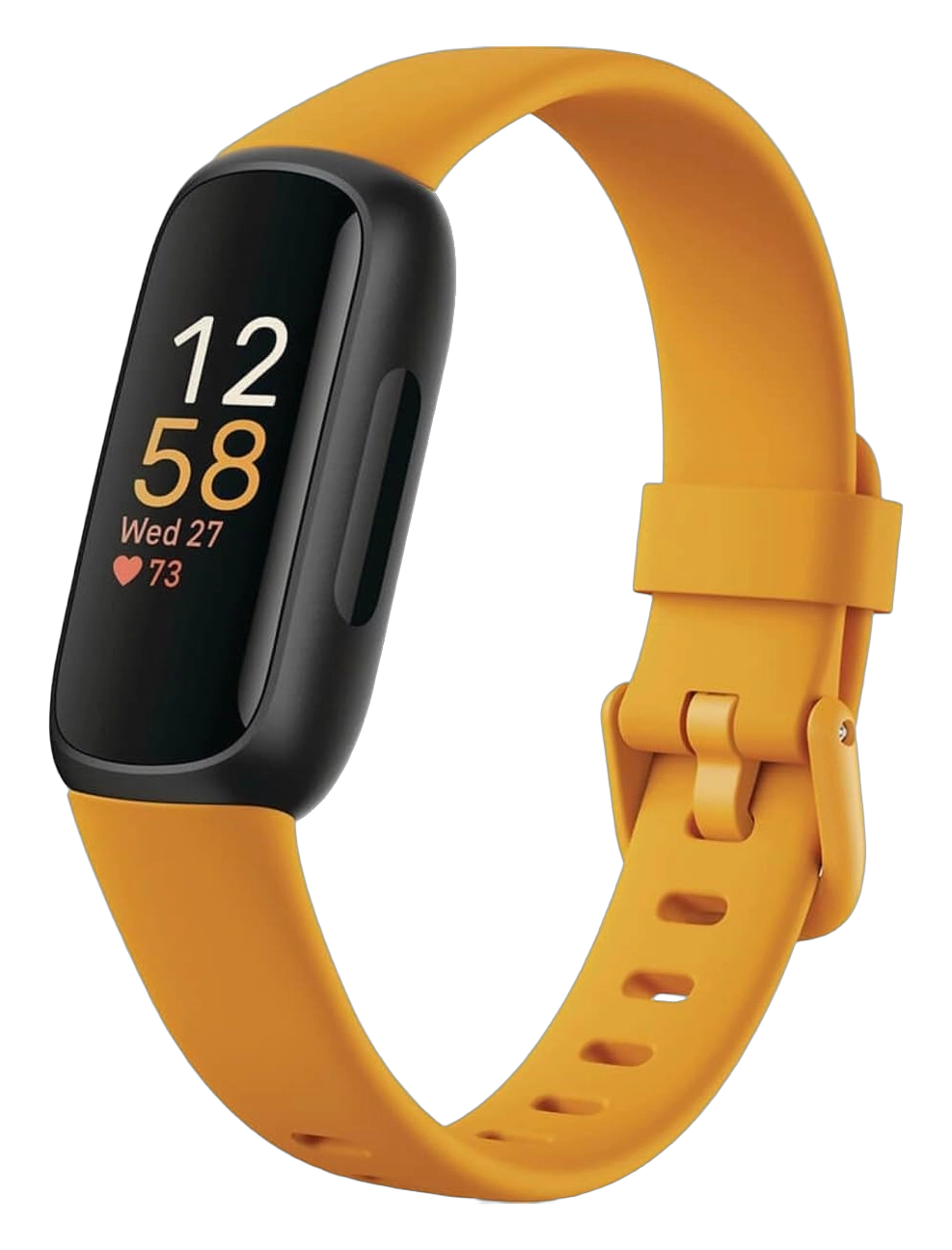
Fitbit Inspire 3 Specs
Best For | Entry-level lifters managing weight loss alongside strength training |
Battery Life | Up to 10 days |
Key Feature | Lightest design + integrated food log + Active Zone Minutes |
Subscription Required | Core features free; Premium adds Daily Readiness Score |
Key Features:
- Integrated food log syncs calorie burn data in real time
- Active Zone Minutes tracks lifting intensity beyond simple step counts
- Lightest and slimmest device in this roundup at approximately 21g
- 10-day battery life requires minimal maintenance
- Sleep staging across light, deep, and REM phases
The Inspire 3 tracks continuous heart rate, sleep staging across light, deep, and REM phases, and up to 20 exercise modes including strength training. The Active Zone Minutes system credits every minute spent above resting heart rate in a fat burn, cardio, or peak zone, providing a running tally of effective workout time that accounts for lifting intensity rather than just step count. For lifters whose sessions include a mix of compound work and conditioning, this system gives a more accurate representation of workout quality than steps or calorie estimates alone.
For weight management goals, the Fitbit app integrates food logging that syncs calorie burn data in real time alongside caloric intake, providing a unified calorie balance view. The Daily Readiness Score, available with Fitbit Premium, generates a morning recovery rating from sleep quality, recent activity load, and HRV. People who track both training and nutrition in the Fitbit ecosystem describe the integrated calorie balance view as one of the more intuitive progress tracking systems in the category.
Why We Chose This
We chose the Fitbit Inspire 3 as Best for Weight Loss because it keeps the focus on consistent, low-friction tracking rather than added bulk. In our research, Active Zone Minutes paired with a continuous optical heart rate sensor captured genuine training intensity rather than simple step counts, which matters for anyone pairing strength work with fat loss goals. At approximately 21g with a compact 0.86" color AMOLED display, it stays out of the way during both workouts and everyday wear, and its up-to-10-day battery keeps demands on charging low. Sleep staging and a stress score round out the recovery picture, with a Daily Readiness Score available for those who upgrade to Premium.
The Inspire 3 lacks built-in GPS, using connected GPS from a paired smartphone for outdoor session tracking. This is the primary hardware limitation for lifters who also run or cycle outdoors regularly. Battery life is rated at 10 days, making it one of the lowest-maintenance devices in this roundup. The charge time from empty is under two hours, so a quick midday charge during a rest day keeps it running without interrupting overnight sleep tracking. The 0.86-inch color AMOLED display is small by current smartwatch standards but delivers clear metric readouts during exercise. At its price point, the Inspire 3 is the right first step for lifters new to wearable tracking who want accessible data without smartwatch complexity.
I'd recommend the Inspire 3 as a starting point for lifters who are building the tracking habit and want something lightweight and low-friction before committing to a higher-cost device.
PROS | CONS |
Lightest and slimmest device in this roundup - barely noticeable on wrist | No built-in GPS - requires phone for outdoor tracking |
10-day battery life requires minimal maintenance | |
Active Zone Minutes tracks lifting intensity beyond step count | |
Integrated food log syncs calorie burn data in real time | |
Sleep staging across light, deep, and REM phases | |
Core tracking features require no subscription | |
Compatible with both iOS and Android |
Final Verdict: The Fitbit Inspire 3 earns Best for Weight Loss by pairing an integrated food log with Active Zone Minutes in the lightest, slimmest design in this roundup. For entry-level lifters balancing weight loss with strength training, it's a comfortable, low-maintenance daily companion.
Why Garmin Vívoactive 5 Might Be the Best Choice
We keep coming back to the Garmin Vívoactive 5 because it answers the question lifters actually ask: am I recovered enough to train heavy today? Body Battery turns overnight HRV and sleep data into one number you can act on before you load the bar.
I weighed that recovery layer more heavily than raw sensor specs, because managing fatigue across a training block moves strength further than any single-session metric.
Lifters who want a premium smartwatch with full GPS and advanced training load tools beyond what a standard tracker provides will find more options in our best fitness watch roundup.
Where it leads this list:
- Dedicated strength profile with automatic rep detection
- Body Battery and HRV Status with no subscription attached
- 11-day battery, so sleep tracking is never interrupted by charging
What Matters for Lifters | Garmin Vívoactive 5 |
Recovery scoring | Body Battery plus HRV Status, no subscription |
Strength tracking | Dedicated profile with automatic rep detection |
Battery | 11 days in smartwatch mode |
Where you might look elsewhere:
- You want multi-band GPS accuracy for outdoor training
- You want the largest premium display in this category
- You are locked into the Apple ecosystem
How to Choose the Best Fitness Tracker for Weight Lifting
This guide covers the six factors that separate a genuine training tool from a step counter dressed up as a sports watch, so you can match the right device to your actual needs.
For a broader look at top-rated devices across all training styles before narrowing to lifting-specific options, our best fitness tracker guide covers the full field.
Strength Training Detection and Rep Logging
The most important feature for a dedicated lifter is whether the device can recognize and log resistance training at a granular level. Basic trackers detect that a workout is occurring and log duration and heart rate. Advanced devices like the Garmin Vívoactive 5, Garmin fēnix® 8, and Amazfit Active 2 identify individual reps and sets through wrist-based accelerometer algorithms, reducing manual data entry between exercises.
Lifters who want rep logging and HRV-based recovery at a lower price point will find the most capable affordable options in our best budget fitness tracker guide.
Research on wrist-based motion tracking confirms that this capability is achievable with consumer hardware. Bunn et al. (2019) found that wrist-worn accelerometers provided valid measurements of exercise intensity during resistance training when algorithms were specifically optimized for the movement signatures of lifting rather than walking or running. When searching for the best fitness tracker for weight lifting primarily to track sets and reps, device selection matters because not all accelerometers are tuned for lifting cadences (1).
Heart Rate Accuracy During Heavy Sets
Optical heart rate sensors use photoplethysmography to detect blood flow changes through the wrist. During steady-state cardio, accuracy is generally strong across major brands. During resistance training, particularly heavy compound lifts where wrist tension increases and movement patterns differ from running, accuracy can degrade compared to chest strap references.
Chow and Yang (2020) reviewed commercial wearable heart rate sensor accuracy during moderate and vigorous physical activity and found significant variation across devices and activity types, with structured resistance training among the more challenging conditions for optical PPG sensors. For lifters using heart rate data to guide intensity or monitor inter-set recovery, optical sensor quality and strap placement both matter. A snug, high-wrist fit reduces motion artifact and improves accuracy across all devices in this roundup (2).
HRV and Daily Recovery Scoring
Heart rate variability is the variation in time between consecutive heartbeats, driven primarily by the balance between sympathetic and parasympathetic nervous system activity. High HRV is associated with good autonomic recovery; suppressed HRV after hard training sessions signals accumulated fatigue. The best fitness tracker for weight lifting with mature HRV implementation covers both overnight collection and multi-day trend analysis, not just single-night snapshots.
Lifters who also train CrossFit or functional fitness will find the same HRV and recovery criteria applied to that use case in our best fitness tracker for CrossFit guide.
Oberhofer et al. (2021) demonstrated that HRV-guided training improved performance outcomes in competitive athletes compared to predetermined training schedules, confirming that HRV monitoring delivers genuine training value beyond wellness tracking. Devices like the Garmin fēnix® 8 and Vívoactive 5 have particularly deep HRV implementations, drawing on Garmin's large longitudinal training dataset and multi-year algorithm development (3).
Sleep Quality and Strength Adaptation
Muscle growth and strength adaptation are driven by processes that occur during sleep, including growth hormone secretion, protein synthesis, and neural recovery. A tracker that accurately stages sleep into light, deep, and REM phases gives lifters data on whether their recovery architecture is supporting their training load. For lifters who want the best fitness tracker for weight lifting to serve dual recovery and performance monitoring functions, sleep staging quality is a meaningful selection criterion.
For lifters whose primary recovery strategy centers on sleep optimization, our best fitness tracker for sleep guide covers the devices built specifically around sleep stage accuracy and overnight HRV.
Zelman et al. (2020) found that sleep quality directly influences muscle protein synthesis rates and resistance training performance, reinforcing the case for monitoring sleep as a training variable rather than a lifestyle afterthought. Devices with advanced sleep staging include the Garmin Vívoactive 5, Garmin fēnix® 8, Samsung Galaxy Watch 6, and Apple Watch Series 11 (4).
Stress Monitoring for Recovery Optimization
Training stress is not the only stress the body integrates. Work pressure, poor nutrition, and illness all compete with training recovery. Chronic elevation of cortisol, driven by cumulative physiological and psychological load, actively suppresses the anabolic environment needed for muscle growth. The best fitness tracker for weight lifting that addresses cumulative stress, not just training stress, gives lifters visibility into their full recovery picture.
Achermann et al. (2023) found that wearable stress indices derived from HRV and electrodermal activity showed meaningful correlations with subjective stress reports and cortisol trends during high-load periods [PMID 37505612]. The Fitbit Charge 6 includes a dedicated EDA sensor for real-time stress detection, while Garmin devices use HRV-derived stress scoring. Both approaches provide actionable signals for adjusting training intensity when recovery is compromised (5).
GPS Accuracy for Outdoor Conditioning
Lifters who supplement resistance training with outdoor running, cycling, or conditioning work need accurate GPS for pace, distance, and route data. Built-in GPS eliminates the need to carry a phone. Multi-band GPS, available on the Garmin fēnix® 8 and Amazfit Active 2, delivers higher accuracy in complex signal environments such as urban areas with tall buildings or dense tree cover.
Lifters who combine resistance training with outdoor conditioning and want accurate calorie expenditure data across both will find relevant options in our best calorie tracker guide.
Xie et al. (2018) reviewed consumer GPS accuracy in fitness wearables and found that multi-channel GPS systems provided significantly better positioning accuracy in environments with signal multipath interference compared to single-channel systems. For lifters who run road or trail in dense urban environments, multi-band GPS is a meaningful functional upgrade (6).
Overall Wearable Accuracy - What the Research Shows
For lifters using the best fitness tracker for weight lifting to drive genuine training decisions, understanding the accuracy profile of wearable sensors is worth the context. Feehan et al. (2018) conducted a systematic review of wrist-worn consumer fitness devices and found that heart rate monitoring was among the strongest features across devices, while step counting and calorie estimation during structured exercise carried greater error margins. For lifters specifically, heart rate and HRV data from well-validated devices can support real intensity and recovery decisions, while calorie estimates during resistance training should be treated as directional rather than precise (7).
How We Evaluated the Best Fitness Trackers for Weight Lifting
- Strength tracking capability. We prioritized devices with dedicated strength training profiles, automatic rep and set detection, and structured session logging over devices that log only workout duration and calorie estimates.
- Heart rate sensor performance. Optical sensors perform differently during the brief, high-tension phases of heavy lifting versus steady-state cardio. We assessed each device on sensor architecture, sampling frequency, and buyer-reported accuracy during resistance training specifically.
- Recovery metric depth. Single-session performance is secondary to managing training load across weeks and months. We looked for HRV tracking methodology, sleep staging accuracy, and composite recovery scores with actionable value for day-to-day training decisions.
- Battery life relative to lifestyle friction. A tracker that requires daily charging creates friction for continuous sleep monitoring and 24-hour recovery tracking. We gave preference to devices offering five or more days of battery life under typical use conditions.
- Subscription requirements. We noted the line between free-tier and premium-tier features for each device. Devices that require a subscription for basic recovery data received a transparency note in the relevant product section.
- Platform openness. We set compatibility with both iOS and Android as the preferred baseline. Platform-exclusive devices like the Apple Watch were noted with specific context about what that limitation means for different buyers.
My Overall Verdict
I recommend starting with these three, ranked by how lifters actually train rather than by spec sheets alone.
Male lifters with additional preferences around display size, band durability, and sport-specific data depth will find gender-focused recommendations in our best fitness tracker for men guide.
- Garmin Vívoactive 5 [Best Overall] - Body Battery recovery scoring, dedicated strength profiles, and an 11-day battery with zero subscription fees make it the strongest capability-to-value combination here.
- Fitbit Charge 6 [Best Budget] - Built-in GPS, Active Zone Minutes, and native Google integration are difficult to match at this price tier.
- Garmin fēnix® 8 [Best Premium] - Training Readiness, a 16-day battery, and multi-band GPS justify the spend for serious multi-sport athletes.
Across all seven devices, the clearest pattern I found was that recovery data changes training decisions far more than sensor count does. I would buy for the recovery platform first and treat everything else as a bonus.
FAQs
Can fitness trackers detect atrial fibrillation?
Some fitness trackers can screen for irregular heart rhythms potentially consistent with atrial fibrillation, using an on-device ECG feature cleared for rhythm detection in supported markets. These features are screening aids rather than diagnostic tools, so any flagged irregularity should be reviewed by a qualified clinician before any conclusion is drawn.
What is the best fitness tracker for the gym?
The best fitness tracker for the gym is the one that logs resistance training as a distinct activity, holds heart rate accuracy between sets, and reports recovery without charging a subscription. Platform fit matters just as much, so the strongest choice is usually the device that pairs cleanly with the phone you already carry.
What is the best exercise app for perimenopause?
The best exercise app for perimenopause is one that logs cycle phase alongside training load, sleep quality, and daily readiness rather than treating symptoms and workouts as separate data sets. No consumer app is a clinical management tool, but overlaying cycle phase onto recovery metrics gives useful context for adjusting intensity during high-symptom weeks.
Can a Fitbit track weight lifting?
Fitbit devices track weight lifting through a dedicated strength training mode that logs session duration, continuous heart rate, and Active Zone Minutes during resistance work. Automatic rep and set counting is the main gap, so lifters who want wrist-level rep data should choose a tracker with rep detection built into the hardware.
References:
- Bunn JA, et al. Wrist-worn accelerometer validity during resistance training. Int J Exerc Sci. 2019. PMC6413847.
- Chow HW, Yang CC. Accuracy of optical heart rate sensing in wearables during physical activity. IEEE J Biomed Health Inform. 2020. PMC7218601.
- Oberhofer K, et al. HRV-guided training in competitive athletes. Front Physiol. 2021. PMC8471343.
- Zelman DC, et al. Sleep and muscle recovery in resistance-trained individuals. J Strength Cond Res. 2020. PMC7569449.
- Achermann M, et al. Wearable stress indices and cortisol correlates during high-demand periods. Sensors. 2023. PMID 37505612.
- Xie J, et al. Consumer GPS positioning accuracy in fitness wearables. Sensors. 2018. PMC5920198.
- Feehan LM, et al. Accuracy of Fitbit devices: systematic review of quantitative data. JMIR Mhealth Uhealth. 2018. PMC6107736.