

Peloton was once the undisputed leader in connected home fitness. A premium bike, a class library built around elite instructors, and a multi-million-rider community made it feel like a smart long-term investment. But in 2026, the landscape has shifted dramatically. Peloton's stock has fallen over 97% from its peak, competitors have improved substantially, and the mandatory subscription means ongoing costs that never stop. The question of whether Peloton is still worth it has never been harder to answer.
I spent months reviewing Peloton's hardware, subscription economics, and long-term rider outcomes to give you an honest, evidence-based answer. This guide covers the full cost breakdown, what science says about stationary cycling, where Peloton excels, where it falls short, and exactly who should and who should not buy one.
Medical Disclaimer: This content is for informational and educational purposes only. It is not a substitute for professional medical advice, diagnosis, or treatment. Always consult with your healthcare provider before starting any new fitness program.

Is Peloton Worth It - The Short Answer
For motivated home exercisers who commit to riding four or more times per week, Peloton is worth it. The class quality, instructor-driven energy, and gamified community create a home fitness experience that is genuinely difficult to replicate at this price tier. If your usage drops below that frequency, the math becomes hard to justify. Buyers who want to weigh Peloton against its closest connected platform before deciding can find a full side-by-side assessment in my NordicTrack and Peloton comparison.

Three core factors determine the answer for your specific situation:
- How often you'll actually ride. Riders who commit to four or more weekly sessions see a dramatically lower cost per session. Light users pay a premium for hardware that sits idle and a subscription that runs whether they ride or not.
- How instructor-led motivation fits your training style. Peloton's leaderboards, community challenges, and instructor personalities are the platform's true differentiator. Self-directed athletes who prefer unguided training often don't use these features enough to offset the cost.
- How well your budget handles the upfront cost and the ongoing subscription. The hardware purchase is just the beginning. A monthly membership runs whether you ride or not, and without it the bike functions as a basic stationary cycle with no live classes, no content library, and no community features.
Before comparing costs in detail, it is worth understanding where Peloton sits in the broader connected fitness landscape. Our guide on best treadmill for home provides useful context for how dedicated connected cardio equipment compares to other home fitness investments.
What Does Peloton Actually Cost
Understanding total cost of ownership is the most important part of this decision. Most people underestimate it significantly. The hardware is the visible cost; the subscription is where the long-term math gets serious.

Peloton currently sells three main hardware products:
- Peloton Bike: The original model, manual resistance, 21.5-inch screen, and the entry-level option in the lineup
- Peloton Bike+: Auto-follow resistance that adjusts to instructor cues, 23.8-inch rotating screen, significantly enhanced audio, and a higher price point
- Peloton Tread: The treadmill option, non-folding, weighs 290 pounds, with a deck length that feels short for runners above 6'2"
Beyond the hardware, expect these near-mandatory additional costs: compatible cycling shoes with Delta cleats (around $125), a protective floor mat, and delivery and professional setup fees that vary by region.
The subscription is where the decision gets serious. The All-Access Membership, required for live classes, the on-demand content library, leaderboards, and community features, runs approximately $44-$50 per month. Without it, the bike is a basic stationary cycle.
Estimated Total Cost of Ownership (Original Bike):
Timeframe | Estimated Total Cost |
Upfront (bike + accessories + delivery) | $1,600 - $1,900 |
Year 1 (upfront + 12 months subscription) | $2,200 - $2,500 |
Year 3 | $3,400 - $3,700 |
Year 5 | $4,600 - $5,000 |
Estimates based on current list pricing and standard subscription rates; regional variations apply.
The cost-per-session math matters here. A committed rider who logs 300+ sessions per year brings the per-session cost to a competitive level compared to boutique cycling studios charging $20-$35 per class. A casual rider averaging two sessions per week pays a far higher per-ride rate. Our guide on top budget smart home gym covers more affordable paths to connected home training for cost-conscious buyers.
What the Science Says About Stationary Cycling
Peloton hardware is a high-quality connected stationary bike. The research on stationary cycling is unambiguous: it produces meaningful fitness results across multiple outcome measures.

A 2019 systematic review of 13 controlled studies found that two to three indoor cycling sessions per week over 12 weeks improved maximal oxygen consumption (VO2 max) by 8-10.5%, reduced both systolic and diastolic blood pressure, improved HDL cholesterol, and decreased body fat while increasing lean muscle (1). These results came from modest commitment levels, not elite training protocols.
A prospective RCT involving participants with obesity found that a 3-month indoor cycling program significantly improved cardiovascular fitness (VO2 peak), body composition, glucose metabolism, insulin sensitivity, and inflammatory markers including C-reactive protein (2). The effects were meaningful across multiple body systems simultaneously.
Peloton's platform places heavy emphasis on high-intensity interval training (HIIT). That emphasis is evidence-backed. A 2023 meta-analysis of 36 randomized controlled trials found that HIIT cycling reduced body fat percentage by an average of 1.53% and fat mass by 1.72 kg over 8 or more weeks, with the best outcomes at three or more sessions per week (3). Visceral and abdominal fat respond particularly well. A separate meta-analysis of 39 studies confirmed significant reductions in total fat mass, abdominal fat, and visceral fat with no sex-based differences in response (4).
I find these findings directly relevant to evaluating Peloton because the platform's class structure, centered on HIIT rides, endurance blocks, and Power Zone intervals, mirrors the exact protocols that research shows produce the strongest outcomes. For context on how Peloton compares to other connected fitness systems, our guide on best smart home gym covers the full category.
What Peloton Does Exceptionally Well
There are areas where Peloton genuinely earns its premium positioning. These are the reasons motivated riders keep renewing year after year, and they are worth taking seriously.

The class library and instructor quality are best-in-class. Most long-term riders cite the instructors as the primary driver of consistent usage. The combination of coaching skill, energy, structured programming, and personality creates a studio-style experience that generic apps and free workout videos cannot replicate. The Power Zone methodology, in particular, attracts competitive cyclists looking for structured, output-based training.
The content goes well beyond cycling. An All-Access Membership includes strength training, yoga, HIIT, stretching, running (for Tread owners), and more. Riders who use multiple modalities get significantly more value per subscription dollar than pure cyclists.
The community and gamification drive real consistency. This is Peloton's most underappreciated feature. Leaderboards, milestone badges, live class community, and group challenges leverage psychological adherence drivers that matter more than most riders expect. Research confirms the effect. A systematic review of 10 RCTs found that digital fitness tools with social and tracking elements produced statistically significant adherence improvements in 70% of trials, with 100% of short-term studies showing positive outcomes (5). Peloton is built around this insight at a product level.
Our guide on top smart home gym for beginners covers how Peloton fits into the spectrum if you are starting your home gym from scratch.
The Real Downsides of Peloton
There are areas where Peloton genuinely earns its premium positioning. These are the reasons motivated riders keep renewing year after year, and they are worth taking seriously. A complete answer requires being honest about its weaknesses. Several of them are significant.

- Subscription dependency is a structural feature, not a bug. Peloton has designed the platform so that the hardware delivers minimal value without the membership. You are not just buying a product. What you are doing is essentially buying into a platform. Riders who travel frequently, take exercise breaks, or face financial changes find the ongoing subscription a liability rather than an asset.
- Company stability is a real concern in 2026. Peloton's stock decline, consecutive years of revenue contraction, and leadership instability raise legitimate questions about long-term platform continuity. If Peloton significantly restructures its subscription offering or exits the market, the hardware retains little standalone value. This is a risk worth factoring into a multi-year investment decision.
- The competition has improved substantially. NordicTrack, Schwinn, Echelon, and app-based platforms like Zwift offer competitive alternatives at lower monthly costs. Some competitors now include incline and decline cycling, better third-party app integration, and more flexible subscription tiers. Peloton no longer holds the technical lead it once did.
- Serious cyclists have meaningful limitations. Peloton bikes lack erg mode, do not integrate natively with Zwift, and do not support the structured racing or power-based training environment that data-focused athletes prefer. Riders coming from a Wahoo Kickr or structured power-meter setup will find Peloton's data ecosystem restrictive.
If you are weighing a connected strength alternative, our guide on whether Tonal is worth it provides a direct look at the Tonal platform for everybody who is considering strength-focused smart gym equipment.
If strength-focused AI training is the goal and the two top cable systems are under consideration, my Tonal versus Mirror comparison covers how each platform performs across coaching feedback, resistance range, and long-term content value.
Who Should Buy Peloton - And Who Should Not
This decision ultimately comes down to who you are as an exerciser. Here is a clear breakdown.

Peloton is worth it if you:
- Commit to riding four or more times per week consistently over months, not just weeks
- Thrive with instructor-led classes, community motivation, and structured programming
- Plan to use multiple content modalities beyond cycling (strength, yoga, HIIT, stretching)
- Have multiple household members who will share one subscription across devices
- Are currently paying $20 or more per boutique fitness class session on a regular basis
- Want a compact cardio solution that fits smaller spaces without sacrificing quality
Peloton is not worth it if you:
- Are a casual or seasonal exerciser likely to ride fewer than twice per week
- Prefer self-directed, uncoached training without social or gamification features
- Are a data-focused competitive cyclist who needs Zwift integration or power-targeting erg mode
- Are price-sensitive or uncertain about committing to a multi-year subscription
- Want complete hardware independence without platform lock-in
Peloton Worth-It Decision Table:
Rider Profile | Worth It? | Consider Instead |
4+ sessions/week, values coaching | Yes | - |
2-3 sessions/week, motivated | Maybe | Budget bike + lower-cost app |
Casual or seasonal exerciser | No | Gym membership |
Competitive or data-focused cyclist | No | Smart trainer + Zwift |
Budget-conscious buyer | No | Entry-level bike + app |
I want to be direct about the casual exerciser scenario: a rider who averages two sessions per week pays roughly $22-$25 per ride from the subscription alone. Our guides on best smart home gym for small spaces and best portable smart home gym cover flexible options for anyone who needs more versatility in their equipment.
New vs. Used - Is Buying a Used Peloton Worth It
The used Peloton market is an underutilized option that many buyers overlook entirely. Because a meaningful percentage of buyers overestimate their commitment and underuse the bike, a robust secondary market exists with well-maintained machines available at significantly reduced prices.
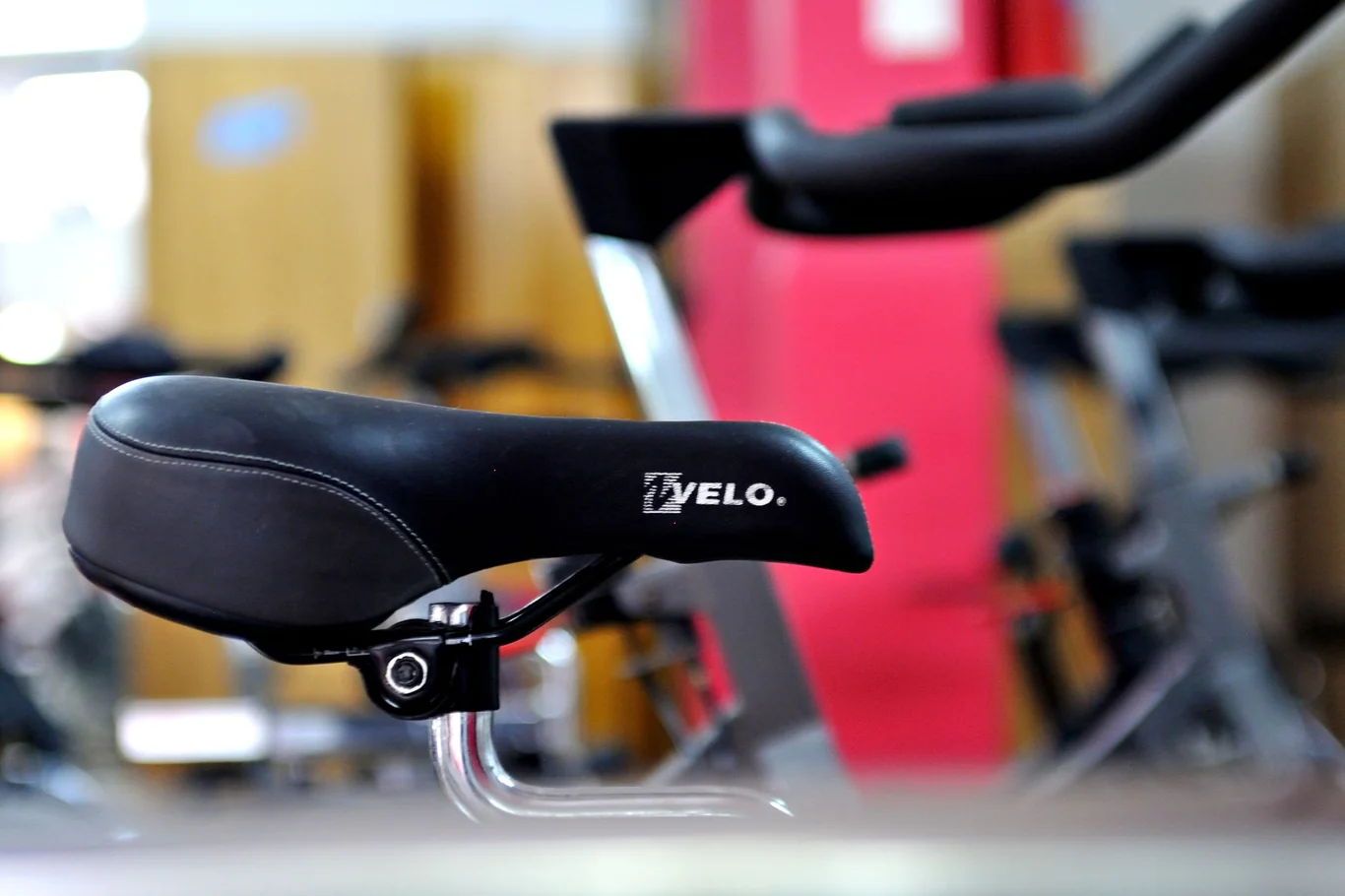
A used Peloton Bike in excellent condition typically sells at 50-60% of original retail price. Good condition units drop further. The bike displays cumulative ride count and total output in its metrics dashboard, giving buyers a reliable usage history check that most fitness equipment does not offer.
What to inspect before buying a used Peloton:
- Total ride count and total output displayed in the metrics dashboard
- Resistance mechanism responsiveness across the full resistance range
- Screen condition, touch response, and absence of dead pixels or cracks
- Cleat-clip mechanism and pedal security at both positions
- Handlebar and seat adjustment lock mechanisms for smooth function
One practical point: if you are buying from a private seller, the subscription will need to be set up as a new All-Access Membership at current pricing. There are no grandfathered subscription rates available through the secondary market.
For broader guidance on managing, moving, and eventually replacing large cardio equipment in a home gym, our guide on how to disassemble a treadmill covers practical principles that apply to most large home fitness machines.
Making Your Final Peloton Decision
Peloton is not the right choice for every home exerciser, and being honest about that is more important now than it was in 2020. The hardware is well-built, the content library is genuinely excellent, and the community drives real consistency for motivated riders. But the subscription dependency, company stability questions, and stronger competition mean the value calculation requires clear-eyed thinking about how you actually train. For riders who want to compare Peloton directly to its closest connected competitor, my Echelon vs Peloton guide breaks down the hardware, subscription costs, and class quality side by side.
My recommendation is straightforward: if you ride frequently, thrive with structured coaching, and can absorb both the hardware and ongoing subscription costs, Peloton remains one of the best connected cycling platforms on the market. If you are price-sensitive, self-directed, or uncertain about your usage commitment, a quality standalone bike paired with a lower-cost subscription app will serve you better per dollar spent. My how to set up a smart home gym guide covers space planning, equipment placement, and subscription setup for any home gym configuration.
How often you actually ride determines whether Peloton is a smart fitness investment or an expensive subscription to occasional motivation. For readers new to connected fitness, my what is a smart home gym guide explains how AI coaching, adaptive resistance, and real-time data work together in a home gym context.
If you choose Peloton or an alternative, our guide on what is a smart home gym and how to set up a smart home gym is a practical starting point for building a space that supports whatever equipment you invest in. Our comprehensive guide on top smart home gym equipment also covers the full range of connected fitness hardware: from bikes to all-in-one gym systems, so you can evaluate Peloton in proper context.
FAQs
Why Is Peloton No Longer Popular?
Peloton's declining popularity reflects a combination of converging factors: the post-pandemic return to in-person studios, leadership instability and a product safety recall that damaged brand trust, and the rise of more affordable connected fitness competitors that have closed the quality gap. The brand's peak coincided with 2020-2021 lockdowns when home fitness demand was unusually elevated, and the normalization of gym access has since reduced the urgency that drove those sales.
What Are the Negatives of a Peloton Bike?
The primary negatives of a Peloton Bike are a mandatory subscription that renders the hardware significantly limited without continued membership, the company's uncertain financial trajectory in 2026, and limited native integration with third-party cycling apps preferred by serious athletes. Consistent criticisms from long-term users also include the monthly subscription cost running higher than most competitors, the Tread's non-folding design and weight, and the delta-cleat shoe requirement that adds upfront cost. Buyers weighing Peloton against its closest connected platform can find a full side-by-side assessment in my iFIT vs Peloton guide.
Can You Lose Belly Fat on a Peloton?
You can reduce belly fat with consistent Peloton use, particularly through the platform's HIIT-based cycling classes, but not through spot reduction which is scientifically disproven a long time ago. Research consistently shows that high-intensity interval cycling significantly reduces total fat mass, abdominal fat, and visceral fat across diverse study populations, with the strongest results from protocols lasting 8 or more weeks at three or more sessions per week. Consistency matters most; sporadic riding will not produce the metabolic adaptations that drive fat loss.
If the cost and commitment of a dedicated platform do not align with your training frequency, my fitness tracker vs smartwatch breakdown covers flexible wearable alternatives that track the same cardio metrics without a monthly subscription.
Is It Better to Ride a Bike for 30 Minutes or Walk for 30 Minutes?
Riding a stationary bike at moderate-to-high intensity for 30 minutes produces greater cardiovascular adaptation and burns significantly more calories per session than walking at a typical pace for the same duration. That said, walking carries lower injury risk and is far more sustainable for beginners or individuals with joint limitations, making the better choice dependent on your current fitness level, injury history, and specific training goals.
References:
- Chavarrias M, Carlos-Vivas J, Collado-Mateo D, Pérez-Gómez J. Health benefits of indoor cycling: A systematic review. Medicina (Kaunas). 2019;55(8):452. doi:10.3390/medicina55080452
- Ratajczak M, Skrypnik D, Krutki P, Karolkiewicz J. Effects of an indoor cycling program on cardiometabolic factors in women with obesity vs. normal body weight. Int J Environ Res Public Health. 2020;17(23):8718. doi:10.3390/ijerph17238718
- Khodadadi F, Bagheri R, Negaresh R, et al. The effect of high-intensity interval training type on body fat percentage, fat and fat-free mass: a systematic review and meta-analysis of randomized clinical trials. J Clin Med. 2023;12(6):2291. doi:10.3390/jcm12062291
- Maillard F, Pereira B, Boisseau N. Effect of high-intensity interval training on total, abdominal and visceral fat mass: a meta-analysis. Sports Med. 2018;48(2):269-288. doi:10.1007/s40279-017-0807-y
- Lang S, McLelland C, MacDonald D, Hamilton DF. Do digital interventions increase adherence to home exercise rehabilitation? A systematic review of randomised controlled trials. Arch Physiotherapy. 2022;12:14. doi:10.1186/s40945-022-00148-z