

Tonal's worth for your home gym depends on two things: how much you value guided coaching and how comfortable you are with an ongoing subscription. Tonal is a wall-mounted smart home gym that uses electromagnetic resistance to simulate up to 200 lbs - or 250 lbs on Tonal 2 - while coaching you in real time, adjusting resistance mid-set, and logging every rep automatically.
I've spent considerable time reviewing the research, user feedback patterns, and real-world limitations of this machine to give you an honest answer. This article covers everything from the Tonal cost and membership fees to how it compares to alternatives like Speediance. By the end, you will know whether Tonal belongs in your home or your neighbor's.
Medical Disclaimer: This content is for informational and educational purposes only. It is not a substitute for professional medical advice, diagnosis, or treatment. Always consult with your healthcare provider before starting any new fitness program or using fitness technology for health monitoring.

Is Tonal Worth It - The Honest Short Answer
For most people who can commit to regular strength training and who value coached convenience over total exercise freedom, yes - Tonal is worth it. And here is my verdict upfront: yes for motivated beginners and intermediate lifters; no for advanced strength athletes, budget-conscious buyers, and powerlifters. It is not worth it if you are unwilling to pay an ongoing subscription fee or need the full movement variety of a barbell setup.
For a direct comparison of the two leading AI-powered smart gym platforms, my tonal vs mirror breakdown covers coaching quality, resistance ceiling, and subscription cost side by side.

Resistance training delivers measurable health benefits across dozens of outcome markers, including body composition, metabolic rate, bone density, and cardiovascular health (1). The relevant question is whether Tonal's delivery method justifies the price for your specific situation.
If you are also weighing a broader home exercise setup, our guide to the best treadmill for home covers a cardio category that pairs well with Tonal's strength focus.
What Is the Tonal Gym and How Does It Work
Tonal is a wall-mounted cable system that replaces a weight rack, cable machine, and personal trainer in a 21.5 x 50-inch footprint. The machine uses electromagnetic resistance - not physical weights - to create load. You control it through a 24-inch touchscreen console that runs guided workouts, tracks your metrics, and adjusts resistance in real time using an AI algorithm called Tonal Spotter.
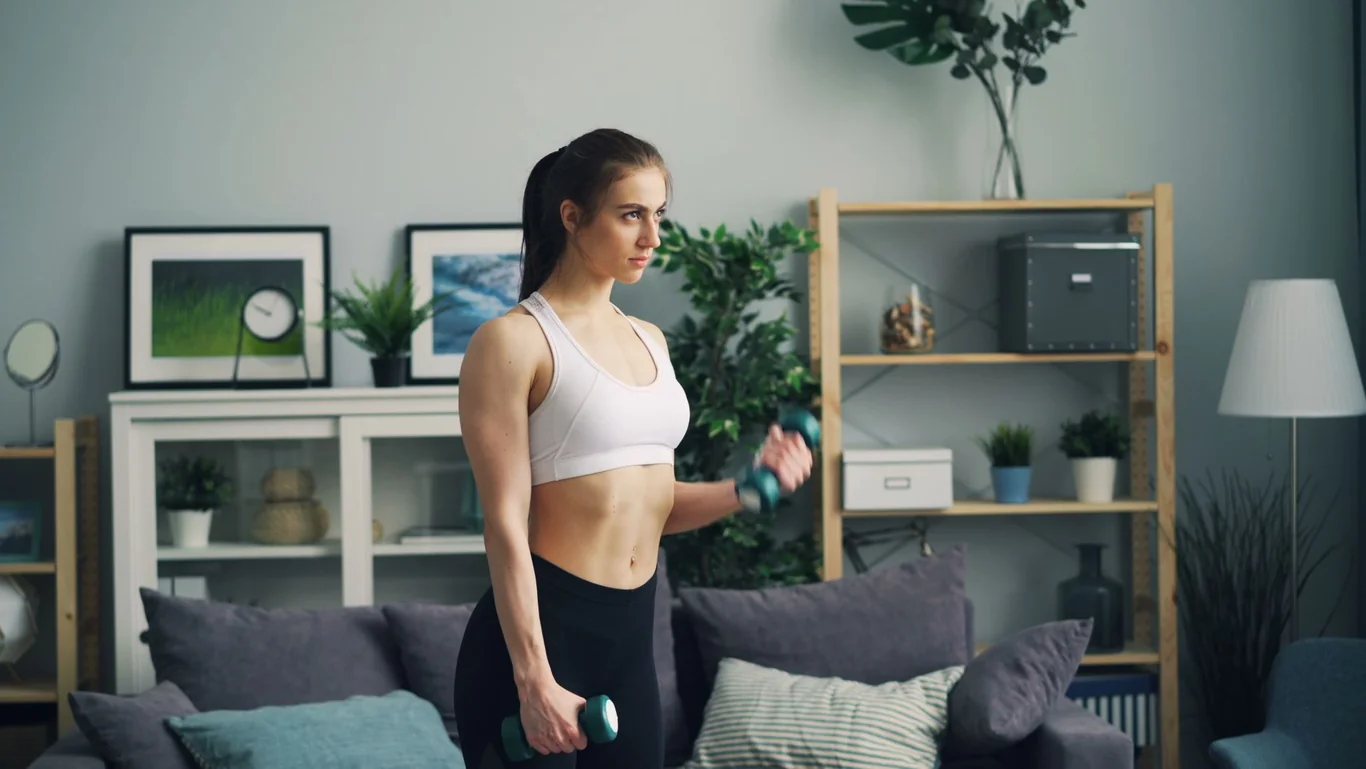
The entire unit mounts to wall studs and requires professional installation, which is sold separately. A full tonal gym setup includes:
- Two adjustable cable arms with interchangeable attachments (bar, rope, handles)
- 24-inch HD touchscreen with built-in speakers and microphone
- Tonal Spotter AI that adjusts resistance set-to-set based on performance
- Smart View camera for posture tracking and real-time form feedback (new on Tonal 2)
- Automatic rep and set logging synced to a personal dashboard
- Over 300 live and on-demand classes across strength, cardio, yoga, and mobility
For a broader look at leading smart home gym equipment options that complement a Tonal setup, those resources cover compatible accessories and complementary tools for a complete home training environment.
The workout library requires an active membership. This is the detail that changes the long-term economics most significantly.
Breaking Down the Tonal Cost
The Tonal cost is the most common barrier buyers cite before purchasing. Here is the full picture of what you actually pay:
Component | Estimated Cost |
Tonal 2 machine | $4,295 |
Professional installation | $295 |
Accessories bundle (bar, rope, mat) | $300-$500 |
First-year membership ($59.95/mo) | $719.40 |
Total first year | ~$5,610-$5,810 |
A refurbished Tonal 1 is available through Tonal's certified program and costs $1,000-$1,500 less than the Tonal 2 price, which makes it a lower-risk entry point for buyers who want to test the ecosystem. Tonal offers financing that bundles the machine and membership into a monthly payment. At financed rates, the effective monthly cost is comparable to a high-end personal training session - not a gym membership. I would treat the five-year total as the real price of ownership - the subscription compounds to approximately $3,600 over that period, which reshapes the comparison against alternative equipment.
Tonal Membership Cost
The tonal membership cost is $59.95 per month, billed as $719.40 annually or month-to-month after the initial 12-month commitment. This fee is not optional if you want the machine to function as designed. Without an active membership, you lose:
- All guided workout classes and programs
- Tonal Spotter AI weight recommendations
- Progress tracking and performance history
- Smart View form feedback and posture coaching
- Dynamic Weight modes (Eccentric, Burn Out, Chains)
You keep only manual mode, where you set resistance yourself with no coaching or tracking. For most buyers, manual mode alone does not justify the hardware investment. The subscription is structurally built into the product experience in a way that makes it unavoidable for the machine to deliver its core value.
Tonal 1 vs Tonal 2 - What Actually Changed
The tonal 1 vs tonal 2 comparison matters for users weighing refurbished hardware. This tonal 2 review focuses on what practically changed for training, not just spec differences:
Feature | Tonal 1 | Tonal 2 |
Maximum resistance | 200 lbs | 250 lbs |
Smart View camera | No | Yes |
Aero HIIT classes | No | Yes |
Weight accuracy at heavy loads | Off by ~23% | Improved |
Price (new) | Discontinued | $4,295 |
The weight accuracy improvement is the most important functional upgrade for serious lifters. Tonal 1's electromagnetic resistance feels approximately 23% heavier than equivalent dumbbells at heavy loads, which distorts strength benchmarks. Tonal 2 corrected this at most load levels. If you plan five or more years of consistent use, the Tonal 2 justifies the premium over a refurbished Tonal 1.
What Tonal Does Well
Tonal does well on progressive overload management, coaching accessibility, and space efficiency. In our review of customer feedback patterns and the published exercise science, these are the areas where the product genuinely outperforms self-directed alternatives.
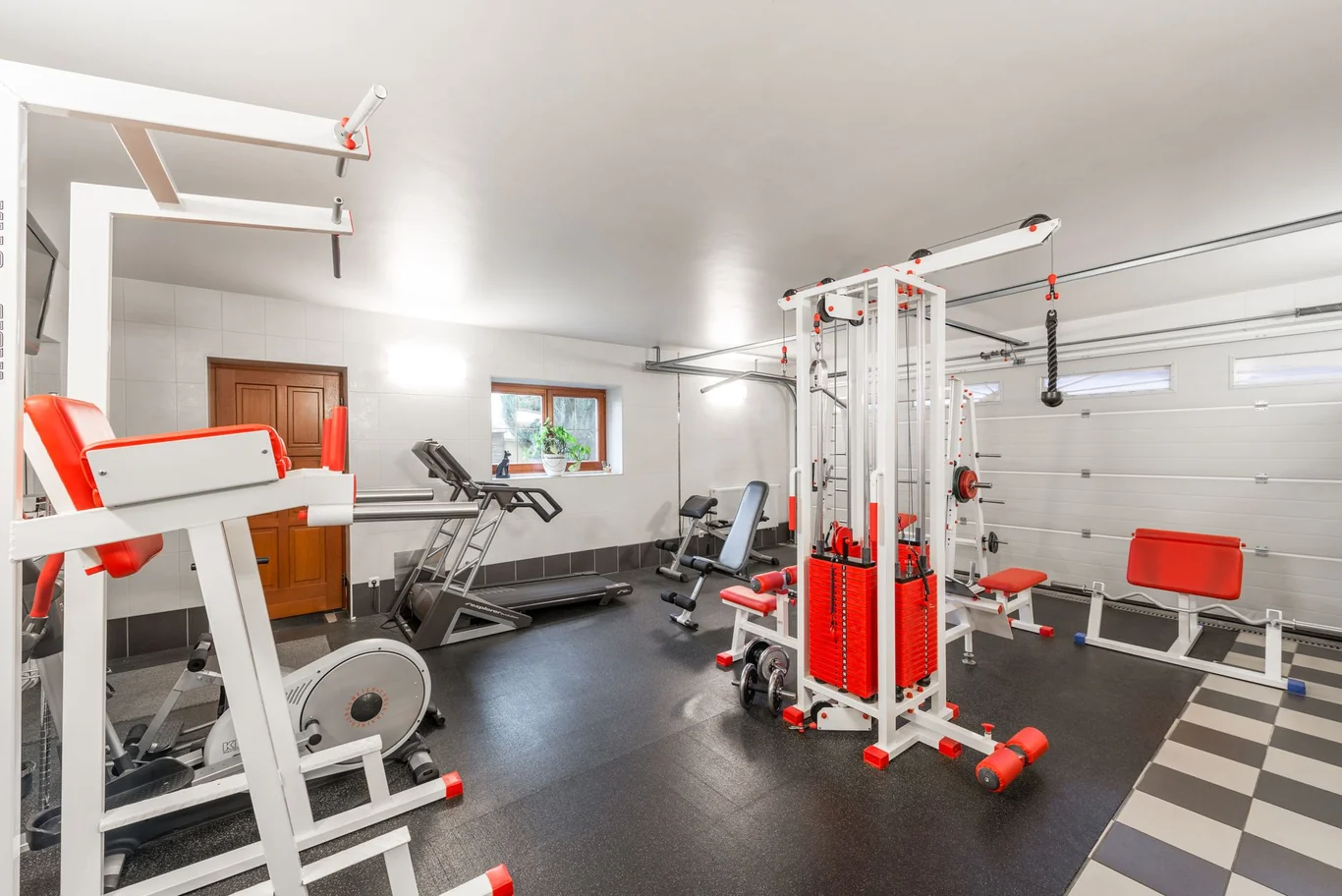
Progressive overload - systematically increasing training load over time - is the single most important driver of long-term strength and muscle gains. Research confirms that systematically progressing resistance produces significantly greater hypertrophy than training at a static load (2).
Tonal Spotter handles progressive overload automatically, which removes the guesswork that causes most self-directed home lifters to plateau. The method of progression also matters less than the consistency of it - research confirms that increasing load and increasing reps produce comparable hypertrophy, meaning Tonal's AI can alternate strategies and still deliver results (3).
The real-time coaching addresses a documented limitation of home training. A meta-analysis of 34 randomized controlled trials found that supervised and unsupervised exercise programs produced similar attendance rates and comparable strength outcomes in most categories (4). Tonal's AI-guided coaching sits between pure supervision and pure autonomy, which supports higher adherence for users who struggle with self-direction.
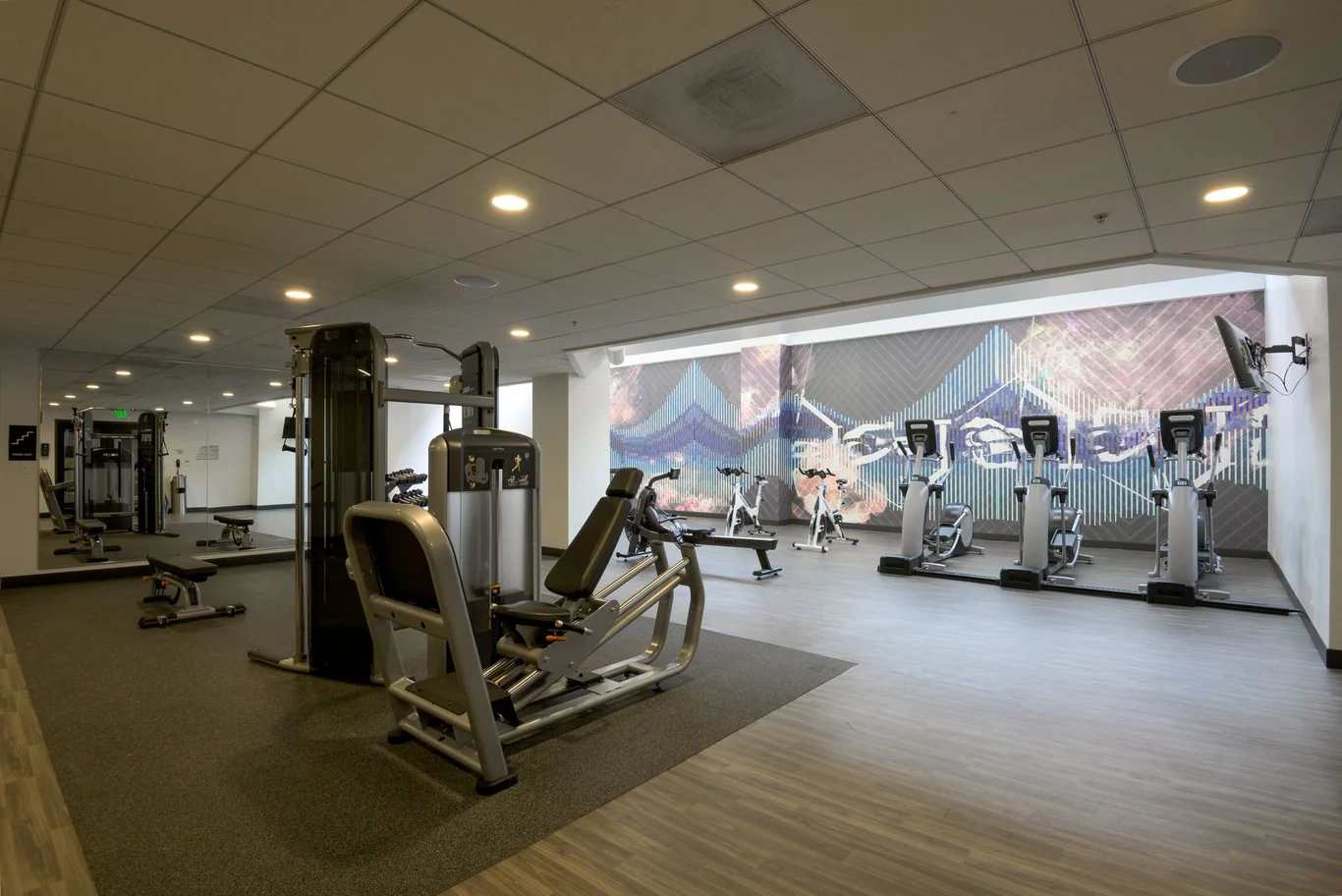
Space efficiency is the final practical advantage worth naming. Tonal takes up zero floor space beyond the wall mount footprint. A comparable cable machine, free weight set, and rack would require 80-100 sq ft and cost $1,500-$3,000 without coaching. For apartment dwellers or small-home owners, this is often the deciding factor. My connected home gym guide explains the full landscape of AI-coached systems and how they compare to standard home equipment for buyers new to this category.
What Tonal Does Not Do Well
The following limitations are real and consistently underreported in brand-sponsored coverage:
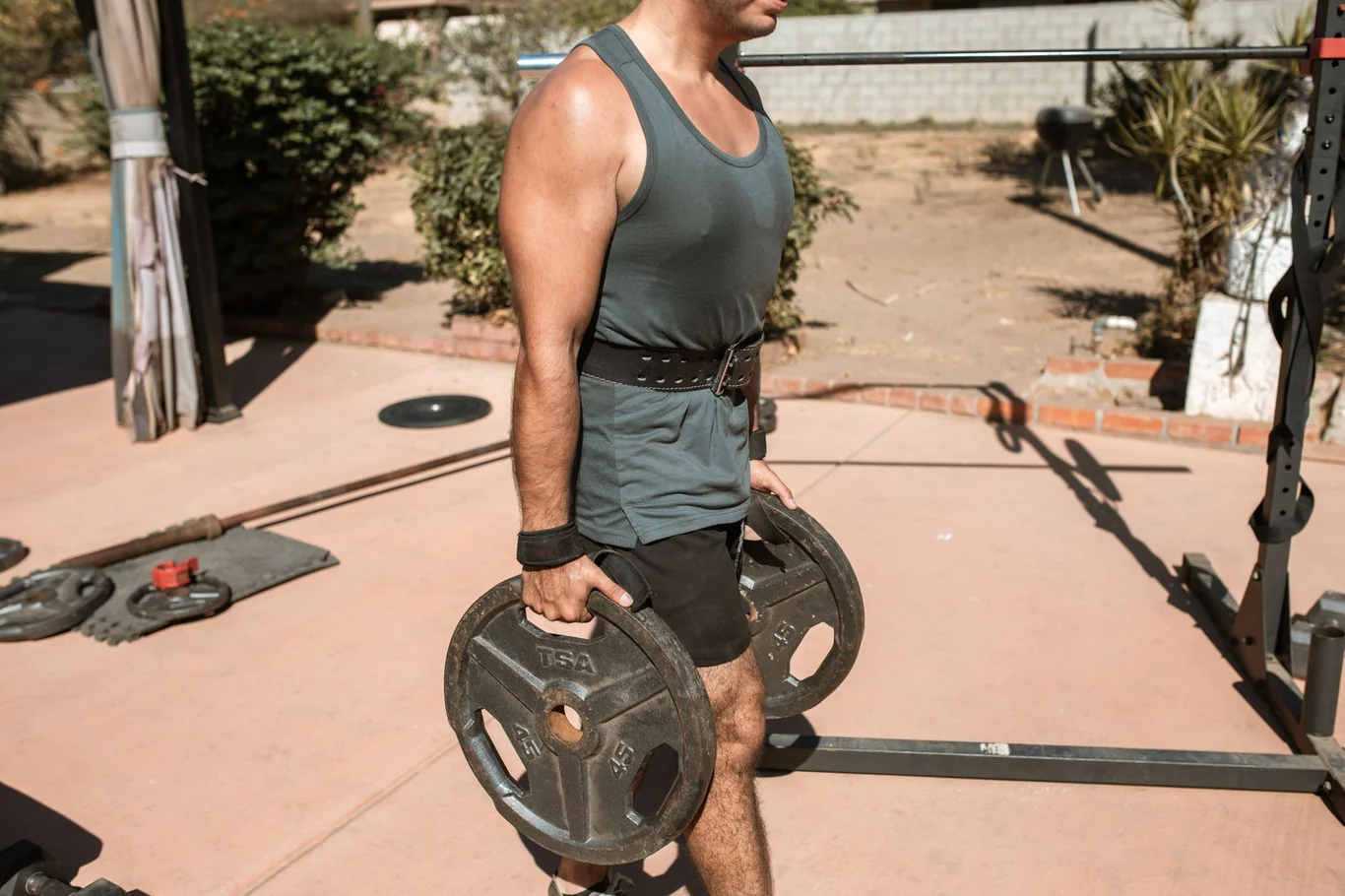
- Movement variety is genuinely limited. Two cable arms means lower-body exercises reduce primarily to squat and lunge variations. There is no horizontal pull from the floor, no barbell pressing, and no Olympic movements. Experienced barbell lifters will find the exercise menu restrictive over time. The tonal gym system is built for cable-based movement patterns, and anything outside that framework is either approximated or impossible.
- The weight ceiling matters for intermediate-to-advanced users. At 250 lbs maximum on Tonal 2, the machine is sufficient for most beginners and early intermediates. Users who come in with above-average strength in pressing or pulling movements may hit the ceiling within 18-24 months of consistent progressive training.
- The subscription dependency is the most important long-term factor. Canceling the membership disables nearly all smart features immediately. Over five years, the membership alone adds approximately $3,600 to the total cost. Tonal functions as a recurring infrastructure commitment over its lifetime.
- Customer service and installation quality varies by region. Third-party contractors handle physical setup, and there are documented patterns of cable mis-threading causing premature fraying. Verifying installer reputation before committing to purchase is a practical step many buyers skip.
Tonal vs Speediance - The Strongest Alternative Comparison
Here is how the two products compare across the factors that matter most. Before committing to a wall-mounted system like Tonal, my smart home gym setup walkthrough covers the structural and connectivity requirements specific to this installation type.
Factor | Tonal 2 | Speediance |
Max resistance | 250 lbs | 220 lbs |
Subscription required | Yes ($59.95/mo) | No (optional) |
Freestanding vs. wall-mounted | Wall-mounted | Freestanding |
AI coaching quality | High | Basic |
Camera and form feedback | Yes | No |
Estimated first-year cost | ~$5,600+ | ~$2,000-$2,500 |
Speediance wins on price and does not require a recurring subscription, which makes it a strong tonal alternative for users who want cable resistance without the paywall. Tonal wins on coaching quality, AI personalization, and form feedback. Our research consistently shows that users most satisfied with Tonal long-term entered the decision with clear expectations about the subscription dependency. My smart home gym roundup compares Tonal alongside other AI-coached systems across resistance, cardio, and hybrid formats for buyers evaluating the full category.
Home gym vs. commercial gym research also confirms that home-based training delivers comparable outcomes when programming structure is maintained (5). The advantage of Tonal over unstructured home equipment is exactly that structure.
Other Tonal Alternatives Worth Considering
Beyond Speediance, the strongest tonal alternatives for different buyer priorities include:
- Vitruvian Trainer+ - higher resistance ceiling at 440 lbs, cable-based, no subscription required for core features; best for advanced lifters who need room to progress
- OxeFit XS1 - combines cardio and strength in one unit; higher price point but eliminates the need for a separate cardio machine
- Tempo Studio - lower price entry, includes physical free weights, less AI sophistication; leading smart home gym for beginners who want equipment diversity
- Amp Home Gym - most affordable wall-mount cable option; stripped-down coaching but dramatically lower first-year cost

Whether Peloton is worth it is addressed in a separate comparison, since Peloton and Tonal target different training modalities and the decision tree looks quite different.
Making the Call - Who Should Buy Tonal in 2026
Buy Tonal if:
- You are a beginner or intermediate lifter who wants structured coaching without hiring a trainer
- You are a busy professional or parent with limited time for gym commutes and scheduling
- You live in a small space and need a full strength setup in minimal floor area
- You respond well to accountability through data, progress tracking, and guided programming
- You are committed to consistent training long enough to justify the hardware cost
Skip Tonal if:
- You are an experienced barbell or powerlifting-focused lifter who needs movement variety
- You are unwilling to pay $59.95/month ongoing on top of the hardware investment
- You rent your home and cannot mount equipment to load-bearing wall studs
- Your total first-year budget is under $3,000
- Your primary training goal is competitive or advanced sport performance
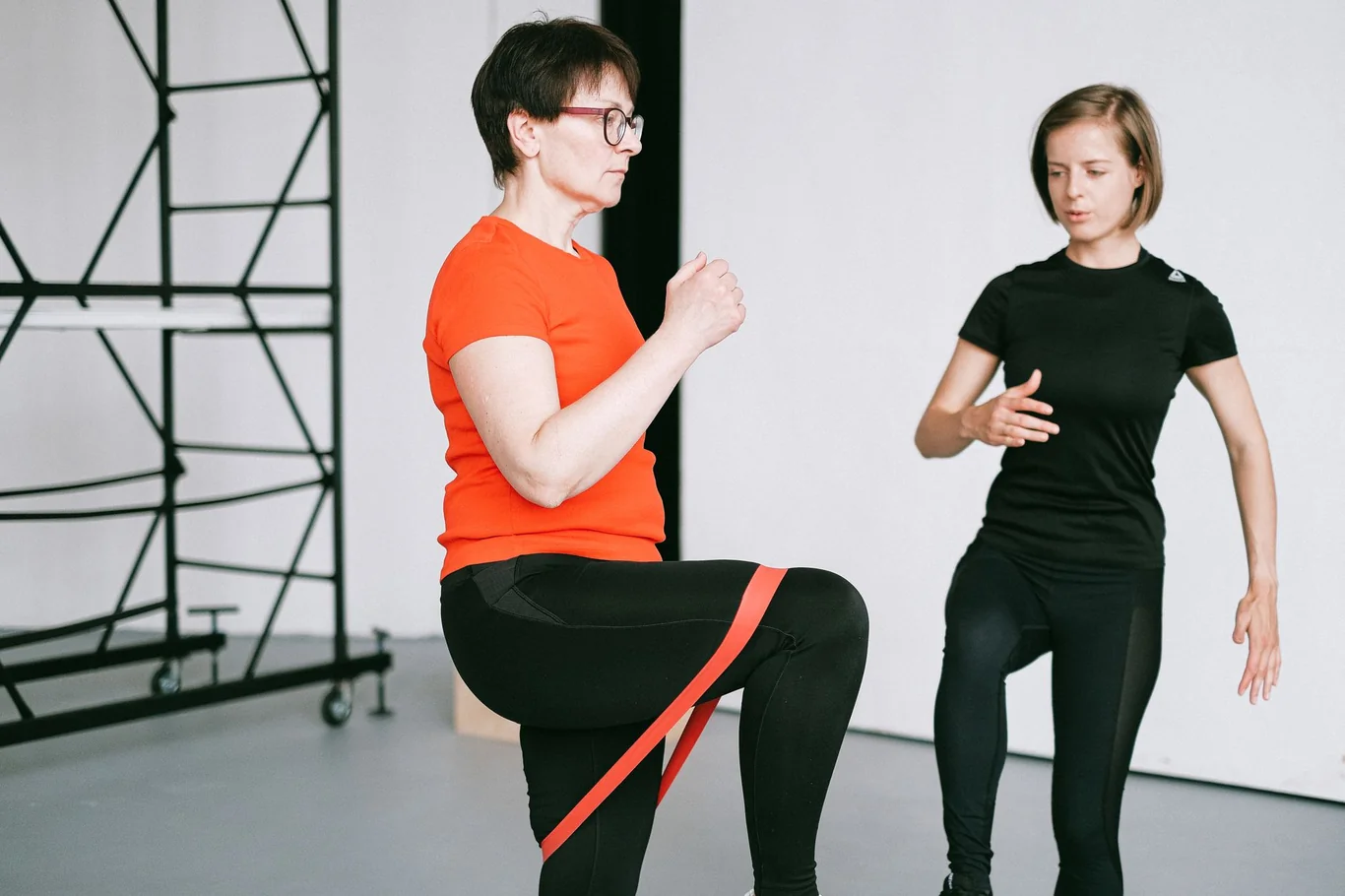
I've seen the pattern repeatedly in our research: users who enter with clear expectations about the subscription and movement limitations report far higher long-term satisfaction than those who expected a replacement for a fully-equipped gym. In essence, this review would be incomplete without acknowledging that the machine does what it promises. The real limitation comes down to fit between the product's design and your specific training goals and budget. Buyers working within a tighter budget will find a better fit in my budget smart home gym guide, which ranks connected systems that deliver coaching without Tonal's cost structure.
FAQs
What is better, Tonal or Peloton?
Tonal and Peloton serve different training goals and are not direct competitors. Tonal is built for guided strength training with progressive resistance, while Peloton is primarily a cardio platform centered on cycling, running, and rowing content. If your primary goal is strength development, Tonal delivers more relevant programming and coaching quality. If cardiovascular fitness and cycling classes are the focus, Peloton is the stronger fit.
Does LeBron James really use Tonal?
LeBron James is an investor and brand ambassador for Tonal, and has confirmed incorporating it into his training routine as part of broader athletic maintenance. His involvement reflects genuine brand investment but also a financial relationship that should be weighed accordingly when evaluating endorsement-based marketing claims.
Can you get ripped using Tonal?
You can achieve significant body composition change using Tonal, provided you follow a progressive resistance program consistently and maintain appropriate nutrition. The machine's AI-driven load progression is one of its strongest features for supporting hypertrophy over time, since progressive overload is the primary driver of muscle adaptation. Tonal is not uniquely capable of producing body composition change compared to other structured resistance programs - its value is in making progressive, coached training easier to sustain through built-in accountability and guidance.
For buyers who want real-time tracking without wall installation, my smartwatch vs fitness tracker guide covers the wearables that deliver comparable accountability at a significantly lower entry cost.
What are the cons of Tonal?
The primary disadvantages of Tonal are its high total first-year cost (approximately $5,600), the mandatory monthly subscription that locks essential features behind a paywall upon cancellation, limited lower-body exercise variety due to the two cable arms, a maximum resistance ceiling that advanced lifters may reach within 1-2 years, and the requirement for professional installation on load-bearing wall studs. Out-of-warranty repair costs and regional variation in installation contractor quality are additional long-term risk factors worth factoring in before purchase.
How much is tonal membership?
The tonal membership cost is $59.95 per month, totaling $719.40 annually, with a required 12-month commitment at the start of ownership. After the initial commitment period, the subscription converts to month-to-month billing. Without an active membership, you lose access to all coached programming, the AI weight recommendation system, progress tracking, form feedback, and the Dynamic Weight modes - effectively making the machine function only as a basic manual cable system with no coaching or data logging.
References:
- Westcott WL. Resistance training is medicine: effects of strength training on health. Curr Sports Med Rep. 2012;11(4):209-216. doi: 10.1249/JSR.0b013e31825daa8d
- Kassiano W, Santos-Melo V, Manske I, et al. Progressive overload affects the magnitude of muscle hypertrophy. Med Sci Sports Exerc. 2026;58(7):1556-1565. doi: 10.1249/MSS.0000000000003968
- Plotkin D, Coleman M, Van Every D, et al. Progressive overload without progressing load? The effects of load or repetition progression on muscular adaptations. PeerJ. 2022;10:e14142. doi: 10.7717/peerj.14142
- Gómez-Redondo P, Valenzuela PL, Morales JS, Ara I, Mañas A. Supervised versus unsupervised exercise for the improvement of physical function and well-being outcomes in older adults. Sports Med. 2024;54(7):1877-1906. doi: 10.1007/s40279-024-02024-1
- Jansons P, Robins L, O'Brien L, Haines T. Gym-based exercise and home-based exercise with telephone support have similar outcomes when used as maintenance programs in adults with chronic health conditions. J Physiother. 2017;63(3):154-160. doi: 10.1016/j.jphys.2017.05.018