
Treadmills
Showing 1–12 of 31 results
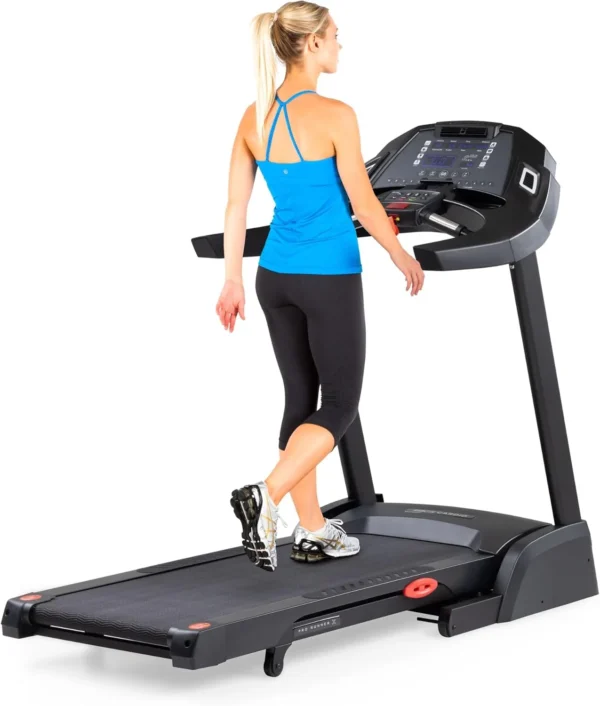
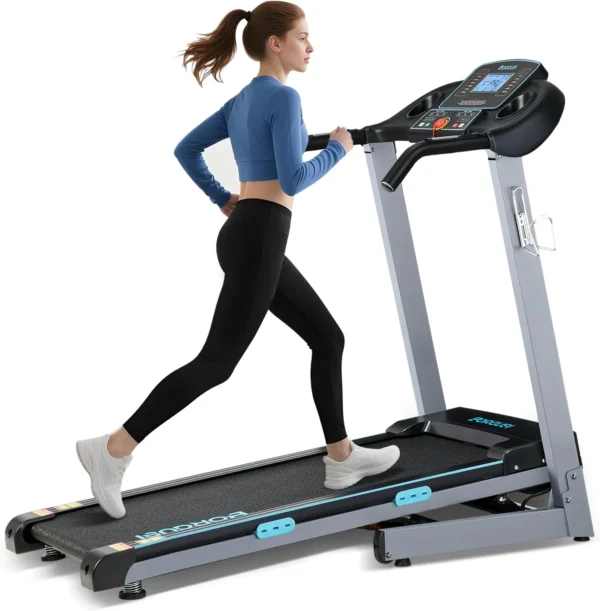
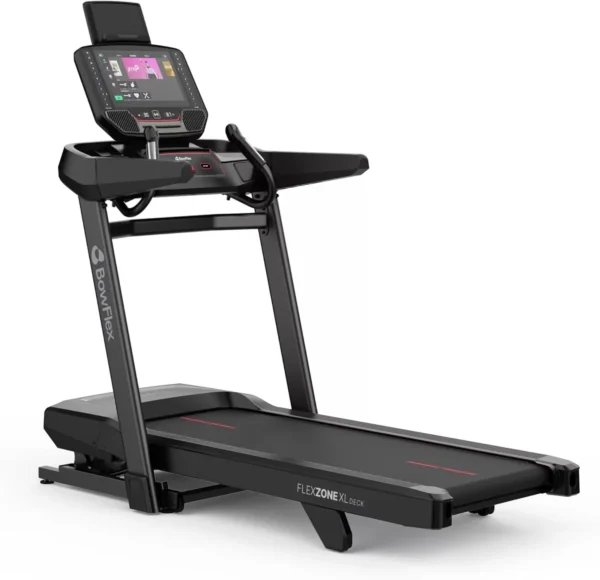
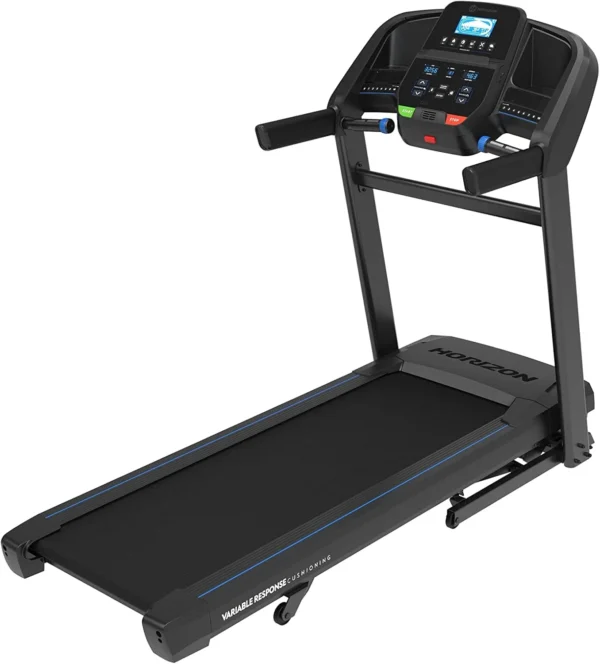
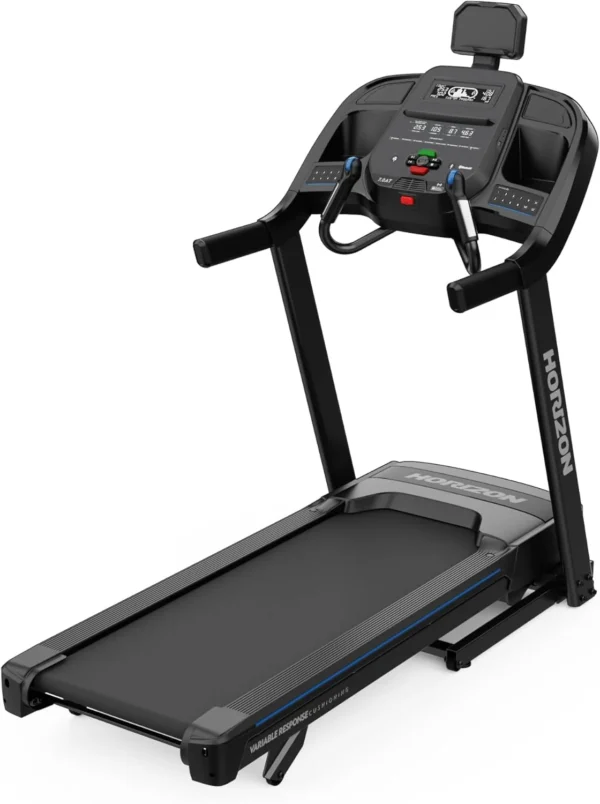
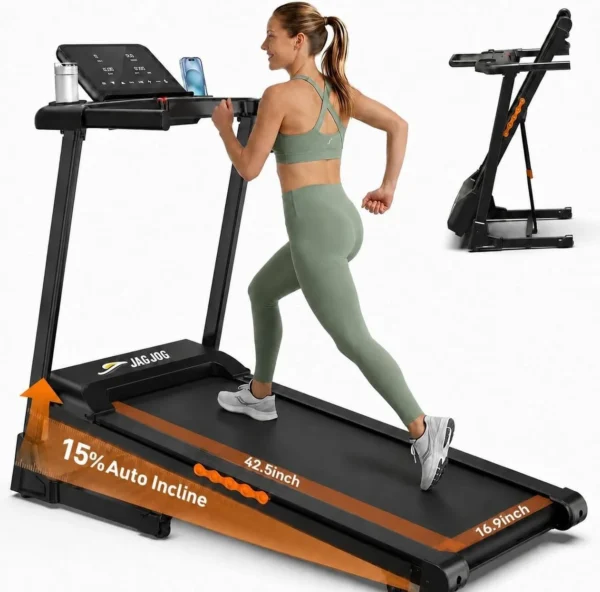
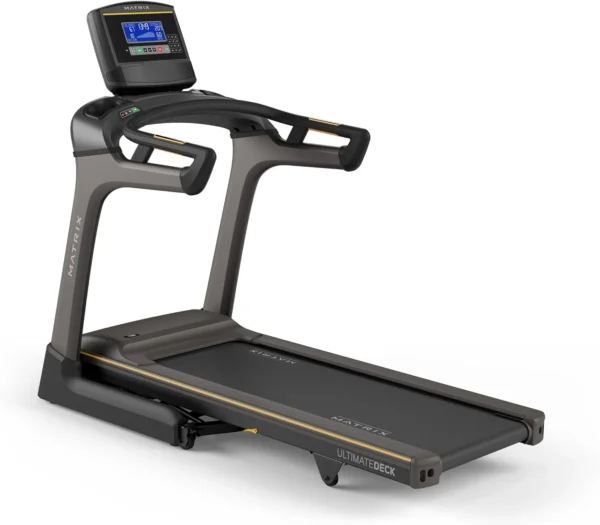
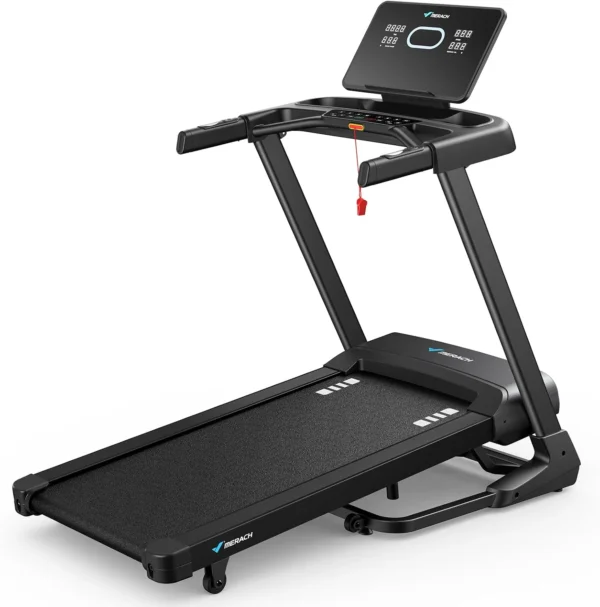
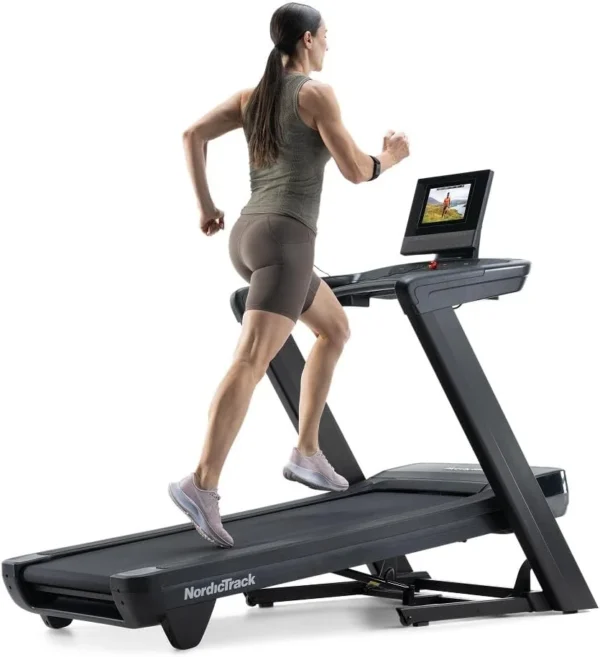
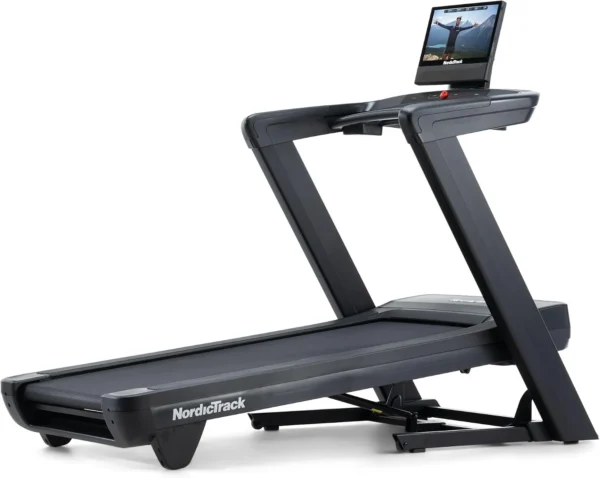
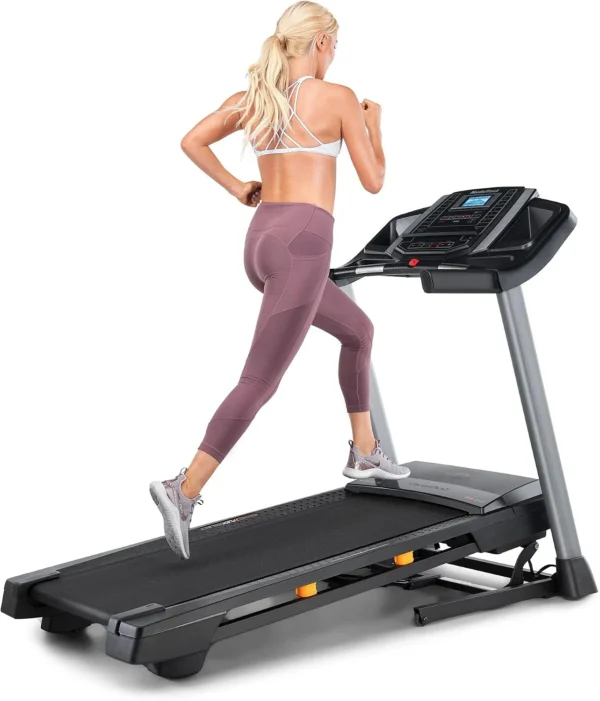
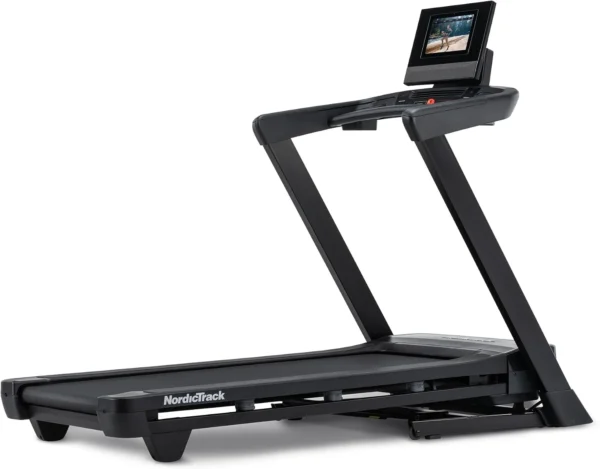
A treadmill on this page runs from compact folding decks built for walking and an occasional jog up to club-quality frames rated for daily hard running. We stock 31 treadmills across twelve tiers, and four of them, the TOPUTURE 4-in-1, the JAGJOG 15% Auto Incline Foldable Treadmill, and two WELLFIT models, sit right at the compact end: 8.6 to 10 mph on 3 to 4.5 hp motors with full handrails, built like a folding treadmill rather than the flatter, lighter walking pads on our separate Walking Pads page. If background movement during work hours is the goal, that page is the better start. Most of what's left is built to handle a real run, though a few entry and senior-focused models below suit walking and easy jogging instead.
The compact end: where walking pads stop and treadmills start
Four machines here run slower and lighter than the rest of this category, close enough to a walking pad that it's worth explaining why they're not listed as one. The TOPUTURE 4-in-1 tops out at 10 mph across a 300 lb capacity and a 41 by 16.5 inch belt. The JAGJOG 15% Auto Incline Foldable Treadmill reaches 8.8 mph on a 3.0 hp motor. The two WELLFIT models run 8.6 and 8.7 mph on 3.5 and 4.0 hp motors, one with adjustable 30.5 to 41 inch handrails. That combination, a folding deck, a motor at 3 hp or stronger, and full handrails, is the construction class of a compact treadmill, not a flat walking pad. The fastest machines on our Walking Pads page top out lower, around 7.5 to 7.6 mph, mostly without handrails, on smaller motors. If your plan is a steady desk-hours walk rather than a real run, that page fits better than any of the four above.
The decisions that actually separate one treadmill from another
Continuous duty motor rating, not peak
A treadmill motor can carry two different ratings: continuous duty, what it sustains hour after hour, and peak, a brief burst number manufacturers favor in bold print, but many listings here publish only the peak figure. The Matrix Fitness TF30 publishes a 3.25 hp continuous-duty motor rather than a peak figure, a rarer and more useful disclosure. NordicTrack rates its Commercial 1750 at 4.25 CHP against the Commercial 1250's 3.6 CHP, both continuous figures worth more than a peak number on a budget machine. If running is the plan rather than walking, favor a treadmill that discloses continuous duty over one that only advertises peak horsepower.
Deck length against your stride
The Spirit Fitness XT385 gives you a 22 by 60 inch belt, and the NordicTrack Commercial 1250 matches that at 22 by 60 inches too, both sized for full-stride running. Step down to the ProForm Carbon TL's 18 by 55 inch deck or the XTERRA TRX1000's compact 16 by 50 inch deck and you're better suited to walking and easy jogging than a longer stride at speed. Match deck length to what you'll actually do on it, not to the smallest footprint available.
Folding mechanism and what it costs you in stability
The NordicTrack T5 skips folding entirely for a fixed frame, and the 3G Cardio Pro Runner X pairs a heavier build with a lifetime frame and motor warranty, the kind of confidence a folding mid-range machine rarely offers. Most of this category folds, and hydraulic-assist decks that lock upright reduce one handling risk, the deck dropping suddenly when released, but a folded frame still flexes slightly more under a hard stride than a non-folding one does. If the machine has a permanent spot and sees regular hard running, a non-folding or heavy duty frame earns the floor space it costs.
Incline, decline, and the conflicting numbers to watch for
The Sunny SF-X7210 goes furthest here, with a 45% incline down to a -3% decline, well past what casual walking needs. Not every incline claim on this page holds up to scrutiny, though. The BORGUSI lists a 15% incline in one place and 12% in another on the same listing, and the Renestar's 0-25% claimed incline carries a similar conflict. Read the individual product page's incline figure rather than trusting the headline number alone.
The subscription question
The Peloton Tread requires a paid All-Access membership to unlock its training content. ProForm's Carbon TL and Carbon TLX both run iFIT's cheaper Train tier off your own phone or tablet, per their own listings, while the touchscreen-equipped Pro SpaceSaver needs the pricier Pro tier for the same coaching library. Several Horizon Fitness models in this lineup carry no subscription requirement at all. On the NordicTrack Commercial models and the Pro SpaceSaver, the belt and incline keep working without an active membership, per their own listings; on the Pro SpaceSaver, the touchscreen itself drops to a plain display once the trial ends.
Which tier fits which kind of buyer
- Entry folding machines like the XTERRA TRX1000 and the Horizon T202 suit anyone who wants a treadmill for walking and easy jogging without dedicating permanent floor space to it.
- Mid-range folding and mid-range incline, including the NordicTrack T 6.5 S and the Horizon 7.0 AT, step up deck length and incline range for buyers who run several times a week.
- Budget incline and budget heavy duty models, the Sunny SF-T722052 and MERACH T33 among them, add incline range at an entry price. Verify the duty rating actually matches daily running before you count on it.
- Premium incline trainer and premium connected machines, the NordicTrack Commercial 1250 and 1750 and the Peloton Tread, offer longer decks, higher continuous duty, and either steep incline or a subscription-first training experience.
- Heavy duty and club quality frames from 3G Cardio, Spirit Fitness, and Matrix Fitness use non-folding or reinforced builds for daily hard running or multiple household users.
- Seniors and recovery, the Redliro long-handrail model, prioritizes a 0.3 mph gentle start and continuous handrails over top speed.
- Compact walk/jog, the four machines detailed above, suits anyone who wants more speed than a walking pad but still a foldable, lighter-duty frame.
| Tier | Best for |
|---|---|
| Entry folding | Walking and easy jogging, smallest footprint |
| Mid-range folding / incline | Regular running with auto incline, still foldable |
| Budget incline / smart / heavy duty | Added features at entry price, verify the duty rating |
| Premium incline trainer / connected | Serious incline work or subscription-led coaching |
| Heavy duty / club quality | Daily hard running, multiple users, non-folding stability |
| Seniors / recovery | Stability-focused walking, long handrails |
| Compact walk/jog | Faster than a walking pad, still foldable and lighter duty |
What to check before you buy
- Continuous duty horsepower where the manufacturer publishes it, rather than just the peak number on the listing.
- Deck length against your height and stride, especially if running is part of the plan.
- Whether the listing's incline figure agrees with itself. Several in this category don't.
- Whether the model requires a subscription for the features you actually want, and whether you'll keep paying it.
- Warranty coverage broken out by frame, motor, and parts, since these are often covered for different lengths of time.
- Folded footprint and where it will actually live day to day.