

Zone 2 heart rate is the aerobic training zone that produces the deepest endurance adaptations, yet it's one of the most commonly misjudged targets in fitness. Most people either avoid it because it feels too slow, or push slightly above it without realizing they've left the zone entirely. If you've heard that low-intensity cardio builds a stronger aerobic base than high-intensity work in many contexts, this is the zone responsible for that result. This guide covers what zone 2 is, how to calculate your personal range, how to confirm you're actually in it, and how to structure your training around it for consistent progress.

Zone 2 Heart Rate - What It Is and Why It Works
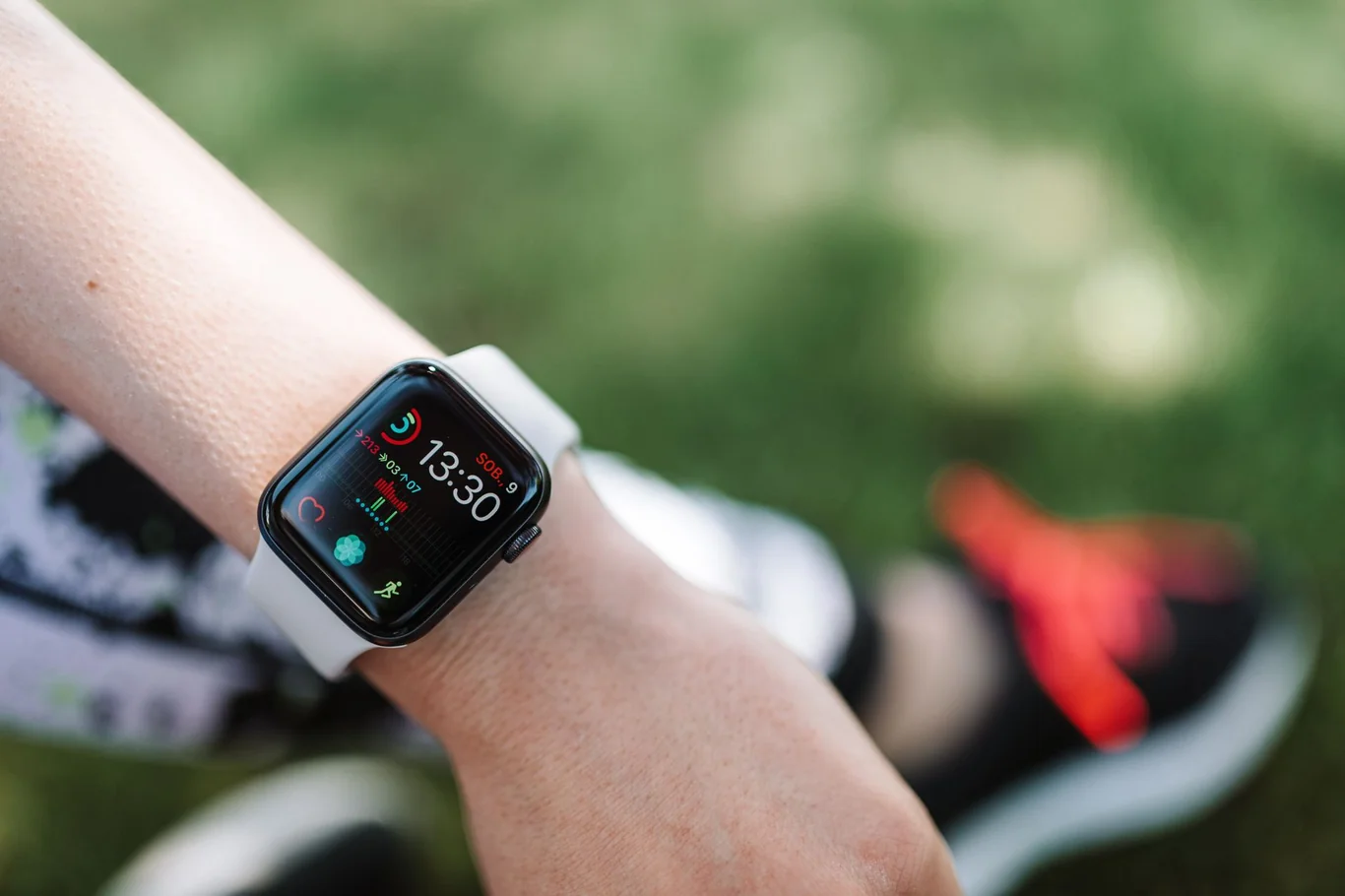
Zone 2 heart rate sits at roughly 60-70% of your maximum heart rate. That percentage places it in a physiologically distinct territory where fat is the dominant fuel source, oxygen supply meets oxygen demand, and the body can sustain effort for a long time without accumulating significant metabolic fatigue. Understanding this zone starts with the five-zone framework used across endurance sports.
The Five Heart Rate Training Zones
Heart rate zones are numbered 1 through 5, each with a different physiological profile and training purpose. The table below shows how they break down:
Zone | % of Max HR | Effort Feel | Primary Fuel | Training Purpose |
Zone 1 | 50-60% | Very easy | Fat | Active recovery |
Zone 2 | 60-70% | Light, conversational | Fat + small amount of carbs | Aerobic base building |
Zone 3 | 70-80% | Moderate | Carbs + fat | Tempo endurance |
Zone 4 | 80-90% | Hard | Primarily carbs | Lactate threshold work |
Zone 5 | 90-100% | Maximum | Carbs | VO2max, sprint power |
Zone 2 is the highest zone where fat remains the dominant fuel, which is why coaches call it the aerobic base zone. Understanding heart rate zones by age is important here: the zone percentages stay constant, but the actual beats per minute shift based on your maximum heart rate, which declines predictably with age.
Fitbit devices track heart rate zones across the full lineup, and my Fitbit wearable guide covers which tier gives you the best zone accuracy for structured training.
Why Zone 2 Produces Unique Adaptations
At zone 2 intensity, the body undergoes specific adaptations that do not occur at harder efforts. The central driver is mitochondrial biogenesis: muscle cells build more mitochondria in response to sustained, low-intensity aerobic stress. Mitochondria produce ATP through aerobic pathways, and higher mitochondrial density means greater capacity to sustain effort and recover between bouts.
A 2025 study demonstrated that aerobic training significantly increases mitochondrial DNA copy number, with 6 weeks of structured training producing a 321.6% increase in mtDNA compared to a 12.8% increase in controls (1). While this study used high-intensity protocols, the cellular mechanism (aerobic stress driving mitochondrial biogenesis) applies equally to zone 2 work, which is the most sustainable way to accumulate that aerobic stimulus over time.
Your aerobic threshold (the point where lactate begins accumulating faster than your body can clear it) also rises with repeated zone 2 training. When that threshold rises, you sustain faster paces at the same comfortable effort level. That is the definition of improved aerobic fitness.
Key adaptations produced by regular zone 2 training:
- Improved fat oxidation capacity and metabolic efficiency
- Enhanced lactate clearance rate during and after exercise
- Reduced resting heart rate over time
- Measurable improvements in VO2max across all fitness levels
- Lower blood pressure and improved lipid profiles in sedentary-to-active populations
Zone 2 vs Zone 3 - Why the Difference Matters
The distinction between zone 2 and zone 3 is more important than most exercisers realize. Zone 3, the moderate intensity most recreational athletes default to, accumulates enough fatigue to blunt recovery but not enough intensity to trigger the mitochondrial adaptations that come from zone 4-5 work. You end up paying a fatigue cost without the benefit of either end of the intensity spectrum.
For context on how a brisk daily walk converts to calorie expenditure, my guide on calorie output from 10,000 steps breaks down estimates by body weight and pace.
In my experience, athletes who shift from habitual zone 3 cardio to deliberate zone 2 sessions often feel like they're going embarrassingly slow, and then notice their aerobic capacity improving faster than it ever did at "moderate" effort. The adaptation comes from time in the zone, not from how hard the session feels. Zone 3 is where most people train; zone 2 is where the aerobic base gets built.
How to Calculate Your Zone 2 Heart Rate
Knowing your zone 2 heart rate calculation requires finding your maximum heart rate (MHR) first. Three widely used methods differ in accuracy and personalization.

The 220-Minus-Age Formula
The most common approach: subtract your age from 220. For a 35-year-old, that gives an estimated MHR of 185 bpm. Zone 2 at 60-70% of that range would be approximately 111-130 bpm.
This formula is easy to apply but uses population averages. Individual max heart rates can vary plus or minus 10-12 bpm from the estimate, meaning a 35-year-old's actual MHR could range from about 173 to 197 bpm. The zone boundaries shift accordingly.
The Tanaka Formula - A More Accurate Option
The Tanaka formula: 208 minus 0.7 times your age, was developed from a larger, more diverse dataset and performs better for adults over 40. For that same 35-year-old: 208 - (0.7 x 35) = 183.5 bpm, giving a zone 2 range of approximately 110-128 bpm.
Neither formula replaces a measured max heart rate test, but the Tanaka formula is the version most exercise scientists currently recommend for field estimates when lab testing isn't available.
The Karvonen Method - A More Personalized Zone 2 Heart Rate Calculation
The Karvonen method builds your zone 2 target from your heart rate reserve, which is the range between resting heart rate and max heart rate. It's more individualized than raw percentage calculations because it accounts for your resting cardiovascular fitness level.
Steps to calculate zone 2 using the Karvonen method:
- Measure your resting heart rate (ideally before getting out of bed)
- Estimate your max heart rate using 220-age or the Tanaka formula
- Subtract resting HR from max HR to get your Heart Rate Reserve (HRR)
- Multiply HRR by 0.60 and add resting HR for the zone 2 lower boundary
- Multiply HRR by 0.70 and add resting HR for the zone 2 upper boundary
Example for a 35-year-old with a 60 bpm resting heart rate: MHR = 185, HRR = 185 - 60 = 125 Zone 2 lower: (125 x 0.60) + 60 = 135 bpm Zone 2 upper: (125 x 0.70) + 60 = 147.5 bpm
Notice how different this is from the simple 220-age result (111-130 bpm). Because Karvonen uses a percentage of your heart rate reserve rather than raw maximum, it produces a higher target range for someone with a low resting heart rate. Any good zone 2 heart rate calculator should ask for both max HR and resting HR to generate accurate results.
A 2025 study of 50 cyclists confirmed that zone 2 markers show individual variability with coefficients of variation ranging 6-29%, and that ventilatory threshold 1 provides better alignment with true physiological zone boundaries than fixed max HR percentages (2). For accurate monitoring during sessions, first understand how accurate smart watches are for heart rate before relying on wrist-based readings.
For detailed guidance on finding your maximum heart rate, see how to calculate max heart rate, which covers lab test options and field test protocols.
Zone 2 Heart Rate Reference Chart by Age
The table below uses the 220-age formula and calculates zone 2 at 60-70%. These are starting estimates: adjust using Karvonen once you know your resting heart rate. This exercise heart rate chart by age and gender applies to both men and women using the same percentage method, though individual variation can shift your personal zone by 10-15 bpm.
Age | Estimated Max HR | Zone 2 Lower (60%) | Zone 2 Upper (70%) |
20 | 200 bpm | 120 bpm | 140 bpm |
25 | 195 bpm | 117 bpm | 137 bpm |
30 | 190 bpm | 114 bpm | 133 bpm |
35 | 185 bpm | 111 bpm | 130 bpm |
40 | 180 bpm | 108 bpm | 126 bpm |
45 | 175 bpm | 105 bpm | 123 bpm |
50 | 170 bpm | 102 bpm | 119 bpm |
55 | 165 bpm | 99 bpm | 116 bpm |
60 | 160 bpm | 96 bpm | 112 bpm |
Understanding normal heart rate by age matters here because resting heart rate feeds into the Karvonen calculation. A resting HR of 50 bpm (common in aerobically fit adults) produces meaningfully higher Karvonen zone boundaries than a resting HR of 75 bpm, even at the same age.
On gender differences: normal heart rate by age women tends to run 2-7 bpm higher than men's at rest. This doesn't change the percentage-based zone calculation, but it does affect the Karvonen result since the resting HR input differs. A heart rate zones calculator that accepts resting HR will automatically account for this variation.
Max heart rate by age declines at roughly 0.7-1 bpm per year after the mid-20s, which is why zone 2 boundaries shift downward in the table above. A 60-year-old's zone 2 upper boundary of 112 bpm is physiologically equivalent effort to a 25-year-old's 137 bpm upper boundary.
For running-specific bpm reference ranges that align with those zone calculations, my normal running heart rate guide covers the expected ranges by pace and fitness level.
How to Know You’re Actually in Zone 2
Calculating your zone 2 range gives you a target. Confirming you're actually in it during a workout requires practical checks, especially since heart rate monitors vary in accuracy and real-world conditions affect readings.

The Talk Test and Perceived Exertion
The simplest real-time check is the talk test: at zone 2 intensity, you can speak in complete sentences, but sustaining a long conversation would require conscious effort. You're clearly breathing harder than at rest, though not winded.
Signs that confirm you're in zone 2:
- Full sentences are possible without stopping for breath
- You could maintain the pace for 45-60 minutes without significant fatigue
- Effort feels "light to moderate": not comfortable, not hard
- RPE (Rate of Perceived Exertion) sits around 4-5 on a 1-10 scale
Signs you've drifted out of zone 2:
- Can only manage a few words between breaths (shifted into zone 3-4)
- Could easily hold a casual phone conversation with zero effort (dropped to zone 1)
- Feeling significant burning in your legs or lungs (likely zone 4+)
On the Borg 6-20 scale (the scale specifically designed for exercise intensity) zone 2 corresponds to roughly 11-13, described as "fairly light" to "somewhat hard." These subjective markers remain useful when heat, altitude, or fatigue make heart rate less reliable.
Using a Heart Rate Monitor Accurately
Wrist-based optical sensors are convenient but less accurate during high-movement activities. For precise zone 2 training, a chest strap heart rate monitor provides near-ECG accuracy during steady-state exercise.
For a direct comparison of ECG chest strap models and guidance on when that accuracy gap makes a real difference for zone training, my chest strap heart rate monitor guide covers the full breakdown.
Research on threshold measurement precision shows that noninvasive methods align better with lab benchmarks at higher-intensity thresholds than at zone 2 boundaries, where individual variability introduces meaningful error and can make zone boundaries appear wider than they truly are for a given person (3). For device comparisons, see our comparison of Garmin and Apple Watch accuracy for heart rate monitoring.
After testing the same 45-minute zone 2 session with both a chest strap and an optical wrist sensor, I consistently recorded 8-12 bpm higher readings from the wrist sensor during the first 10 minutes of variable arm movement, a gap wide enough to shift perceived zone 2 effort entirely out of the zone.
Choosing a device with lower steady-state drift reduces that error substantially, and my top fitness tracker guide evaluates the most consistent options for zone 2 monitoring.
If you use a smartphone for tracking, understanding how to check heart rate on iPhone through the Health app gives you an accessible backup option, though sensor-to-sensor consistency still applies. For workouts where wrist movement is steady, a chest strap heart rate monitor remains the most reliable tool for staying within the zone.
Zone 2 Training Benefits - What the Research Shows
Zone 2 heart rate training produces adaptations at cellular, cardiovascular, and metabolic levels. The research base here is unusually strong for a training methodology.
A fitness watch with accurate zone detection makes applying that research straightforward in practice, and my top fitness watch guide evaluates the platforms that hold accuracy across extended zone 2 sessions.
Mitochondrial Density and Fat Oxidation
More mitochondria in slow-twitch muscle fibers means greater aerobic ATP production capacity, which translates directly to improved endurance and faster recovery between efforts. This structural change is the foundation of every other benefit that zone 2 delivers.
For context on how those VO2 max ceiling improvements compare to age-group norms, my VO2 max by age guide breaks down the expected ranges across decades of training.
A meta-analysis of 14 studies on moderate-intensity continuous training found significant increases in mitochondrial volume density and citrate synthase activity, along with improvements in VO2max (4). Citrate synthase is a direct marker of mitochondrial content and aerobic enzyme activity.
Fat oxidation improves substantially with zone 2 training. Research on low-intensity exercise found that a 60-minute zone 2 session produced a 31% increase in routine mitochondrial respiration and a 65-76% increase in fatty acid oxidation-dependent respiration, with participants metabolizing 57% more fat compared to high-intensity exercise (5). These measurements were taken from blood mononuclear cells, which reflect systemic metabolic shifts during low-intensity aerobic work. This makes zone 2 the optimal intensity for target heart rate for fat burning, because fat contributes the highest proportion of fuel at this intensity, even though total calorie burn is lower than at higher intensities.
Cardiovascular and Metabolic Health Outcomes
Zone 2 heart rate training produces measurable cardiometabolic benefits beyond athletic performance. A 2026 meta-analysis of 50 studies on low-intensity endurance training found mean improvements of approximately 4.5 mL/kg/min in VO2max, along with significant reductions in systolic blood pressure (-4 mmHg), diastolic blood pressure (-3.6 mmHg), LDL cholesterol (-0.32 mmol/L), and triglycerides (6).
These are clinically meaningful outcomes. A 4 mmHg reduction in systolic blood pressure is comparable to the effect of low-dose pharmacological intervention for mild hypertension. Since VO2max is the strongest single predictor of all-cause mortality in population studies, zone 2's consistent ability to raise it positions this training as one of the most evidence-backed longevity tools available to non-athletes.
Metabolic efficiency also improves with sustained zone 2 work. A 2026 study demonstrated that aerobic exercise training produces multilevel metabolic adaptations including improvements in walking economy and increased mitochondrial content through both cellular and organ-level changes (7). In practice, this means trained aerobic athletes use less energy to perform the same movement at the same pace.
Tracking caloric intake alongside that metabolic shift makes the fat loss component more precise, and my top calorie tracker guide covers the most reliable tools for pairing zone 2 training with a dietary strategy.
Lactate management also responds to zone 2 training. A 2024 study confirmed that moderate-intensity continuous training significantly enhances lactate clearance at recovery intervals, supporting zone 2's role in developing the aerobic metabolism that underlies all higher-intensity work (8).
High-intensity interval training produced greater lactate clearance improvements in the same comparison, but zone 2 is sustainable daily in a way intervals are not. Heart rate variability by age is another metric that consistently improves with zone 2 training. Higher HRV correlates with aerobic fitness, and zone 2 work is among the most reliably HRV-positive training stimuli available.
For reference ranges that show how zone 2 training moves your score over time, my heart rate variability by age guide covers the population norms and what consistent HRV improvements indicate.
How to Build a Zone 2 Training Routine
Having a zone 2 target is useful. Having a structure around it is what produces results. Here is how to build one at three different levels of commitment.

How Long and How Often
Exercise guidelines and endurance research broadly support 150-300 minutes per week of zone 2-equivalent aerobic work for general cardiometabolic health. For meaningful aerobic base development, most coaches recommend extending toward 3-5 sessions per week of 45-90 minutes each.
Stationary cycling makes accumulating that volume easier on recovery days because resistance is adjustable and impact is low, and my top exercise bike guide covers the machines best suited for extended zone 2 sessions.
Goal | Sessions per Week | Duration per Session | Weekly Zone 2 Volume |
General health | 3-4 | 30-45 min | 90-180 min |
Aerobic base building | 4-5 | 45-60 min | 180-300 min |
Endurance performance | 5-6 | 60-90 min | 300-540 min |
For beginners, start with 20-30 minutes per session and increase by no more than 10% per week to avoid overuse injury. Progress in duration before increasing frequency. Zone 2 is recoverable: you should finish each session feeling like you could have continued for another 10-15 minutes.
Activities That Work Well for Zone 2
Any sustained, rhythmic activity can be performed at zone 2 intensity. Zone 2 is defined by the heart rate range, not the modality. Practical zone 2 options include:
- Running or jogging (beginners often need a walk-jog format initially to stay in zone)
- Cycling indoors or outdoors (stationary bikes offer consistent heart rate control)
- Rowing (full-body aerobic stimulus; sustained effort maps well to zone 2 when paced evenly)
- Brisk walking or incline treadmill walking (accessible entry point for deconditioned individuals)
- Swimming at a conversational lap pace
- Elliptical training at moderate resistance
- Cross-country skiing or ski erg
Zone 2 running heart rate specifically refers to any running pace where your heart rate stays within your calculated range. For many fit runners, this requires a pace that feels slow, which is the point. Adaptation comes from sustained time in the zone, not from subjective effort.
Knowing your actual pace and distance depends on an accurate step count, and my most accurate step counter breakdown compares how different wearables and phone apps perform for runners.
For runners tracking those zone boundaries on longer base-building runs, my top running fitness tracker guide covers the most accurate wearables for sustained pace and heart rate zone monitoring.
For low-impact variety, the benefits of walking backwards on a treadmill include a different joint loading pattern while remaining well within zone 2 for most people.
Understanding what muscles a rowing machine works helps explain why rowing makes a particularly effective zone 2 option: it recruits upper body, lower body, and core simultaneously, which distributes effort and keeps heart rate stable at lower absolute resistances.
Combining Zone 2 With Other Training
Zone 2 is an aerobic foundation, not a complete training program. A well-rounded week pairs zone 2 sessions with 1-2 higher-intensity efforts: zone 4-5 intervals, tempo work, or strength training sessions that address the power and structural fitness zone 2 alone doesn't develop. Elite endurance athletes typically follow an 80/20 split (roughly 80% of training volume in zone 1-2 and 20% in zone 4-5), largely skipping zone 3 altogether.
For a structured breakdown of how those HIIT intervals and Zone 2 sessions work together to raise aerobic ceiling over time, my VO2 max improvement guide covers the training methods with the strongest research support.
The key integration rule: always finish zone 2 sessions feeling capable of more. If zone 2 workouts leave you tired or sore, you're pushing above zone 2 or accumulating too much volume too quickly. True zone 2 should support recovery capacity across the week, not deplete it.
For athletes using wearables to monitor zones, understanding what a smartwatch does for heart rate tracking (beyond basic step counting) is useful for managing zone boundaries in real time across different activities. Normal heart rate when running varies by fitness level, temperature, and terrain. Tracking your typical zone 2 pace across different conditions builds a personal reference for managing the zone without relying purely on a device.
Swimming is one of the most effective zone 2 modalities, and for Apple Watch users training in the pool, my guide on Apple Watch waterproofing covers the depth rating and what it means for lap swimming and open-water sessions.
Zone 2 Is a Long-Game Investment
Zone 2 heart rate training delivers results that compound over months, not weeks. The mitochondrial adaptations, fat oxidation improvements, and aerobic threshold gains described above are all processes that build gradually with consistent exposure.

I've found that athletes who commit to genuine zone 2 pacing, even when it feels embarrassingly slow, show the clearest aerobic improvements over a 12-week period. The challenge is psychological, not physical. Going slow enough takes more discipline than going hard.
If you're using a wrist monitor to track your zone 2 heart rate during workouts, cross-check with the talk test at the start of each session. Device accuracy varies significantly by activity and wrist position, and training just a few beats above zone 2 consistently is enough to shift the training stimulus. Use the sensor as a guide, not a guarantee.
For athletes running multi-hour zone 2 blocks, device endurance matters as much as sensor accuracy, and my guide on long-battery smartwatches covers which GPS watches last through extended sessions without interruption.
If you are deciding which device to commit to for zone training, my Apple Watch cost breakdown covers current pricing across all models and what each configuration adds for fitness tracking.
For resting and active heart rate context across different age groups, see our normal heart rate by age resource, which breaks down what to expect across the lifespan.
FAQs
How do I find out my zone 2 heart rate?
To find your zone 2 heart rate, calculate 60-70% of your estimated maximum heart rate, starting with the 220-minus-age formula, then refine using the Karvonen method once they know their resting heart rate. The most accurate method is a lab or field test of your ventilatory threshold 1, but the formula-based approach gives a solid working estimate for most training purposes.
Can my zone 2 be 160 bpm?
Your zone 2 heart rate can reach 160 bpm if your maximum heart rate is high enough. A person with an MHR of 229-267 bpm would have zone 2 upper boundaries near that value, which is feasible for younger adults with a high aerobic ceiling. For most adults over 30, a sustained heart rate of 160 bpm falls in zone 3 or higher, so it's worth calculating your personal zone boundaries before assuming 160 is within your zone 2.
Is 30 minutes of zone 2 enough?
Thirty minutes of zone 2 training per session is enough to produce cardiovascular adaptations, particularly for beginners and those training 3-4 times per week; research supports meaningful VO2max and cardiometabolic improvements from low-intensity work at this volume. For more advanced aerobic base development, extending sessions to 45-90 minutes produces greater mitochondrial adaptation because the stimulus compounds with sustained duration.
Is zone 2 best for fat loss?
Zone 2 heart rate training is one of the most effective intensities for fat oxidation because it maximizes fat-to-carbohydrate fuel ratio, making it well-suited to fat loss as part of a broader approach. Caloric deficit remains the primary driver of fat loss, so zone 2's contribution is improving metabolic efficiency and building sustainable cardio habits rather than replacing total energy balance as the key variable.
What is a dangerous heart rate?
A dangerous heart rate during exercise is generally any sustained reading above 85-90% of your maximum heart rate without medical clearance for high-intensity work, and any resting heart rate consistently above 100 bpm or below 40 bpm warrants evaluation by a healthcare provider. If you experience dizziness, chest pain, shortness of breath disproportionate to your effort level, or irregular palpitations during exercise, stop immediately and seek medical attention.
This content is for informational and educational purposes only. It is not a substitute for professional medical advice, diagnosis, or treatment. Always consult with your healthcare provider before starting any new fitness program or using fitness technology for health monitoring.
References
- Sánchez Lorente IM, Yvert T, Iturriaga T, et al. Adaptation of mtDNA content to endurance training, a cross-sectional study and an endurance training intervention. Eur J Appl Physiol. 2025;126(4):2349-2359. doi:10.1007/s00421-025-06016-5.
- Meixner B, Filipas L, Holmberg HC, Sperlich B. Zone 2 Intensity: A Critical Comparison of Individual Variability in Different Submaximal Exercise Intensity Boundaries. Transl Sports Med. 2025;2025:2008291. doi:10.1155/tsm2/2008291.
- Santos Neves LN, Neto VHG, Araujo IZ, et al. Is There Agreement and Precision between Heart Rate Variability, Ventilatory, and Lactate Thresholds in Healthy Adults? Int J Environ Res Public Health. 2022;19(22):14676. doi:10.3390/ijerph192214676.
- Vabishchevich V, Smith RT, Bittel AJ. Markers of clinical and mitochondrial adaptation in response to moderate intensity continuous training: A systematic review and meta-analysis. PLoS One. 2026;21(1):e0339902. doi:10.1371/journal.pone.0339902.
- Liepinsh E, Makarova E, Plakane L, et al. Low-intensity exercise stimulates bioenergetics and increases fat oxidation in mitochondria of blood mononuclear cells from sedentary adults. Physiol Rep. 2020;8(12):e14489. doi:10.14814/phy2.14489.
- Nuuttila OP, Matomäki P, Raitanen J, Sievänen H, Vasankari T. Effects of Low-Intensity Endurance Training on Aerobic Fitness and Risk Factors of Cardiometabolic Health in Working-Age Adults: A Systematic Review and Meta-Analysis. Scand J Med Sci Sports. 2026;36(1):e70208. doi:10.1111/sms.70208.
- Knaan T, Ziv-Av E, Dubnov-Raz G, et al. Multilevel metabolic adaptation to exercise training. Commun Med. 2026;6:244. doi:10.1038/s43856-026-01502-z.
- Xie H, Mao X, Wang Z. Effect of high-intensity interval training and moderate-intensity continuous training on blood lactate clearance after high-intensity test in adult men. Front Physiol. 2024;15:1451464. doi:10.3389/fphys.2024.1451464.