
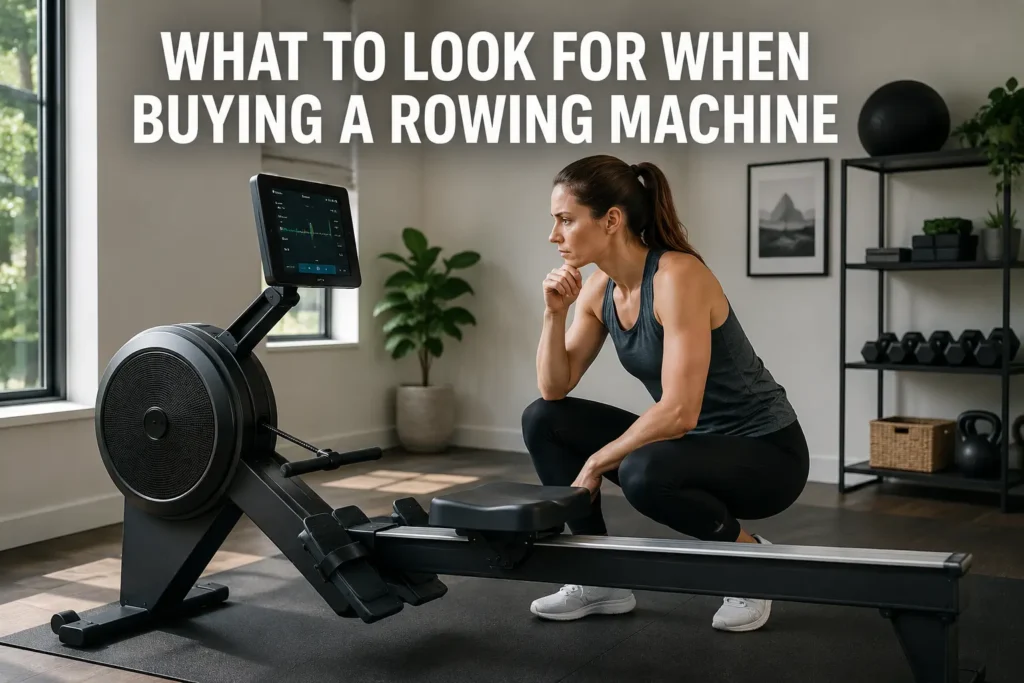
Knowing what to look for when buying a rowing machine can save you hundreds of dollars and months of regret. Rowing machines engage approximately 70% of your active muscle mass in every stroke (1), which makes them one of the most efficient cardio investments available for home gyms. But with four resistance types, a price range that spans from under $300 to over $3,000, and dramatic differences in size and noise, choosing the wrong machine is easy. In this guide, we cover every factor that matters before you buy, so you can make a confident decision the first time.

What to Look for When Buying a Rowing Machine - Six Core Factors
Understanding what to look for when buying a rowing machine starts with six core factors. Each one shapes your daily experience in a different way.
Our rowing machine catalog lists current models across the factors covered here.
- Resistance type - determines the feel, noise level, and price of the machine
- Floor space and storage - defines whether the machine physically fits your home
- Noise level - critical in apartments, condos, or homes with shared walls
- Build quality and weight capacity - the clearest predictor of long-term durability
- Console and connectivity features - affects how you monitor and track progress
- Budget and warranty - determines your true total cost of ownership
Our team has evaluated dozens of machines across all six of these criteria, and the gap between a well-matched and poorly matched purchase is substantial. Knowing what to look for in the best rowing machine for beginners turns six abstract factors into one confident purchase you won't regret. Getting the machine choice right is the foundation - everything else builds on top of that.
The 4 Types of Rowing Machine Resistance - Which One Matches Your Goals?
The resistance type is the most consequential decision you will make. It determines how the machine feels during every stroke, how loud it is, how much it costs, and how much maintenance it requires over time.
Resistance Type | Feel | Noise Level | Best For |
Air | Dynamic, scales with effort | Loud | Competitive training, CrossFit, serious athletes |
Magnetic | Smooth, consistent levels | Near-silent | Apartments, beginners, shared living spaces |
Water | Fluid, natural pull | Moderate (rhythmic) | Home gym enthusiasts who prioritize feel |
Hydraulic | Compact, limited range | Quiet | Very small spaces, casual or light users |
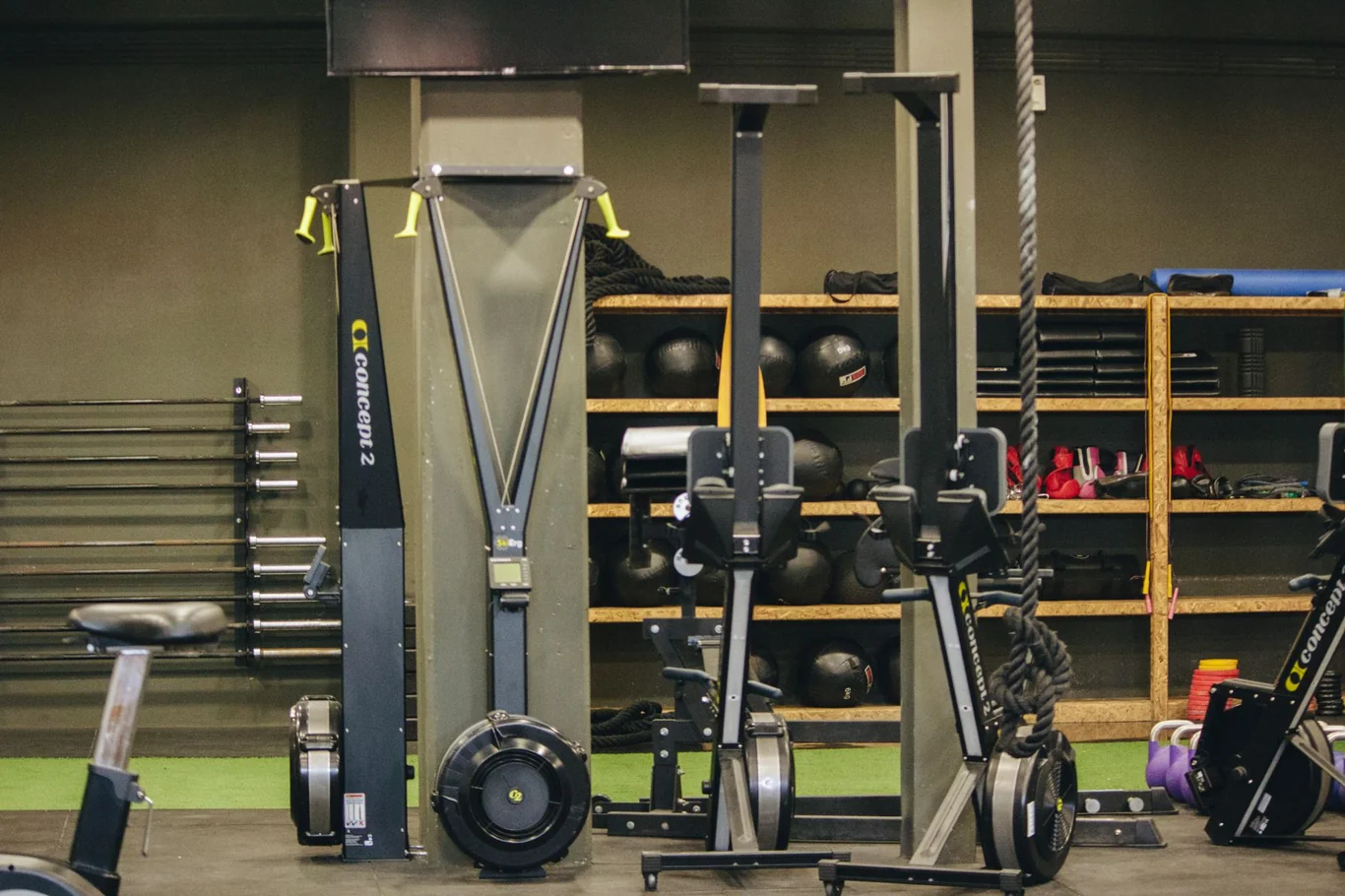
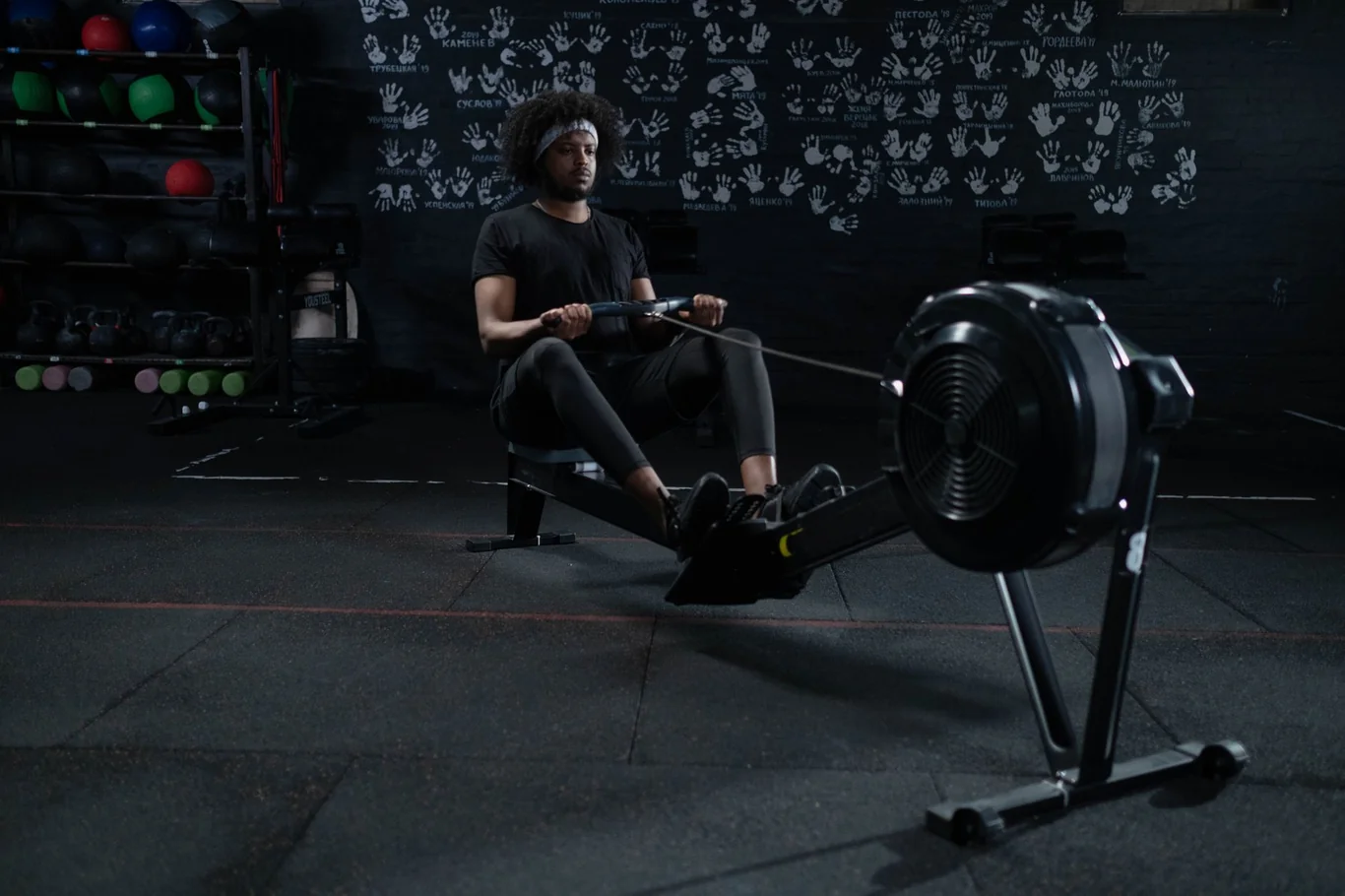
Air resistance machines use a spinning fan flywheel to generate drag. The harder you pull, the greater the resistance, which closely mimics the feel of on-water rowing. Concept2 rowers use this mechanism and remain the benchmark for competitive gyms and CrossFit facilities worldwide. The trade-off is sustained fan noise that travels through floors and walls, which makes air rowers a poor choice for apartment living or shared-wall homes.
For context on how a performance ergometer differs from a standard home rowing machine, my breakdown of what is an erg machine covers the monitor precision, resistance mechanism, and build standards that set the two apart.
Magnetic resistance creates drag using magnets and operates near-silently. The stroke feels smooth and consistent rather than dynamically scaling with effort, which we find makes it easier for beginners to focus on technique rather than managing intensity spikes. Magnetic rowers are the practical choice for apartment dwellers and anyone training in close proximity to sleeping family members. If you want the full range of options at this noise level, the best magnetic rowing machine breaks down which models offer the smoothest, most consistent stroke for an accessible, low-cost home training setup that's easy to sustain long-term.
Water resistance machines suspend paddles inside a tank of water. The drag feels genuinely similar to open-water rowing, and the rhythmic water sound is often described as meditative rather than irritating. Water rowers sit at the premium end of the market and require occasional tank maintenance to prevent algae buildup, which is a real but manageable commitment.
Our WaterRower Club page lists its solid wood construction, water resistance, and S4 BLE monitor.
Hydraulic resistance machines use pistons attached directly to the handles. They are compact, quiet, and the least expensive option. The trade-off is a narrower resistance range and a slightly less natural rowing motion compared to the other three types. Hydraulic rowers are best suited to users with very limited floor space and lighter training goals.
Space and Storage - How to Measure Before You Buy
Rowing machines are longer than most anyone expects when shopping online. Purchasing without measuring your available space first is the second most common buying mistake, after choosing the wrong resistance type.
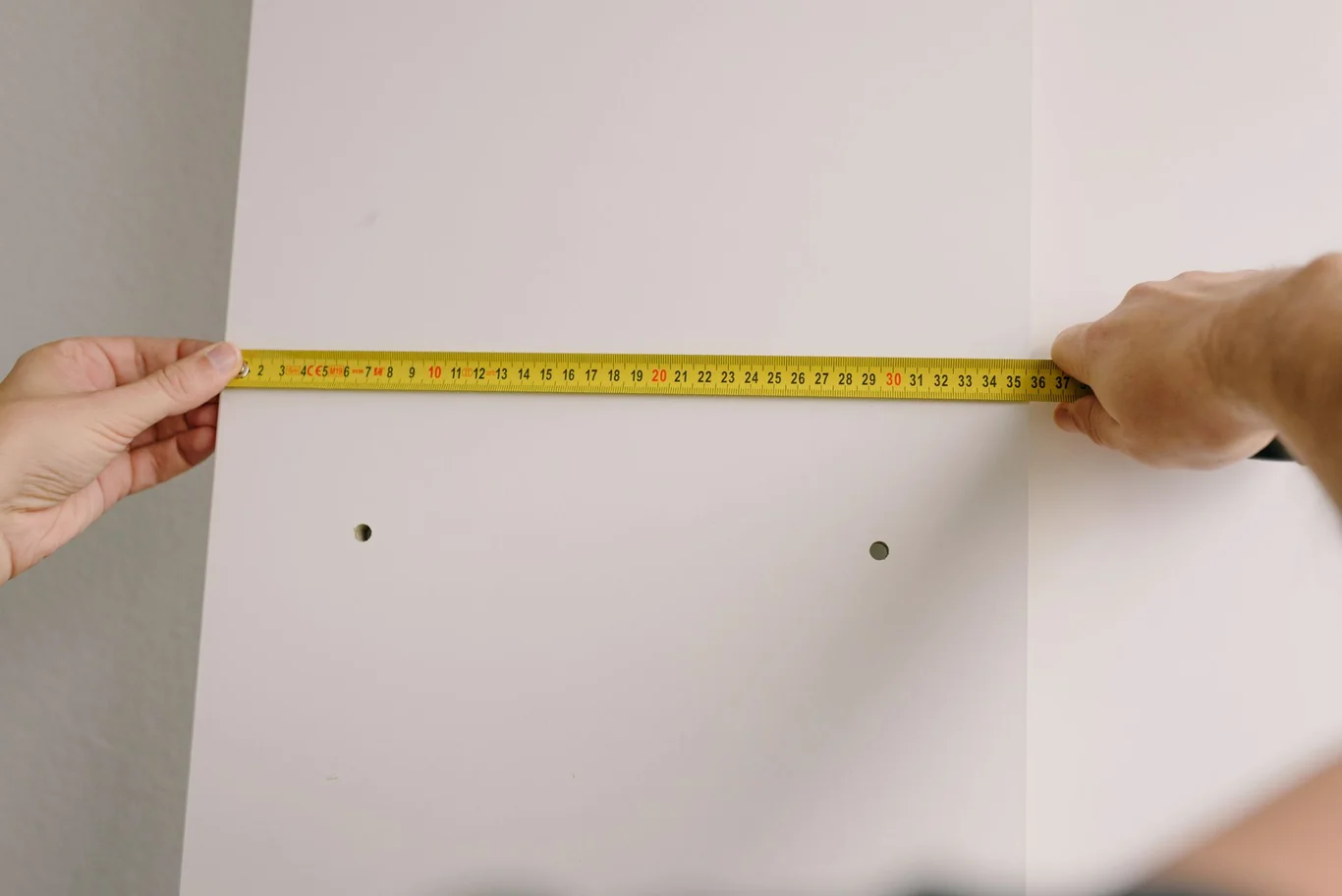
Minimum space checklist before you buy:
- Machine length: at least 8 feet (244 cm) of clear floor space
- Machine width: at least 2 feet (61 cm) for the seat rail
- Clearance behind: 2 to 3 feet for a full lean-back at the finish position
- Clearance overhead: at least 6 inches above your head while seated upright on the machine
- Comfortable rowing zone: approximately 9.8 feet x 4.9 feet (3 m x 1.5 m) total area
Measure the diagonal clearance in addition to the straight dimensions. A machine that technically fits a room may not leave enough room to sit down comfortably at the starting position without hitting a wall or piece of furniture. Foldable rowing machines store upright against a wall and compact to roughly 2 by 2.3 feet when folded. If post-workout storage is a daily requirement, specifically filter for models with vertical-fold designs and built-in transport wheels before looking at any other specs.
The AquaStrive Smart Water Rower folds flat for buyers who have suitable horizontal storage space.
Noise Levels - Planning for Your Living Situation
Noise determines whether you can realistically use the machine during your preferred workout window. Air rowers generate a sustained fan whoosh that most apartment dwellers and shared-wall households cannot tolerate. Water rowers produce a rhythmic water sound that many users describe as closer to white noise than mechanical disruption. Magnetic and hydraulic machines are the quietest options and are suitable for virtually any living situation.
Our XTERRA Fitness ERG200 Folding Magnetic Rower page covers a simple 8-level dial-adjustable option in that quieter magnetic category.
For a framework that weighs the fitness benefits against the practical constraints of home ownership, my post on deciding whether to get a rowing machine covers the questions that help you reach a confident decision.
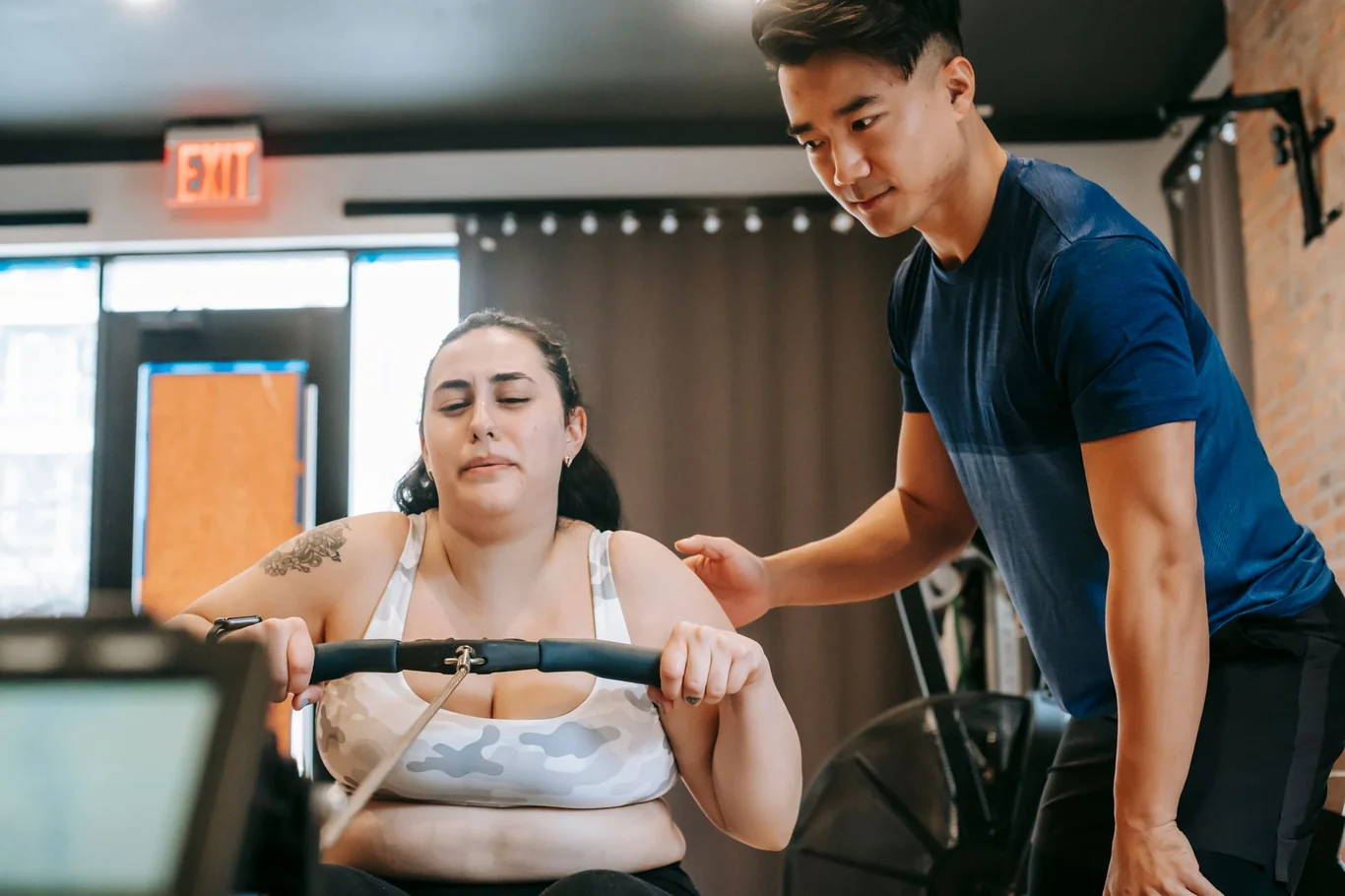
Think through your typical workout schedule specifically. Early-morning or late-evening rowing in an apartment or townhouse makes magnetic resistance a practical necessity, not just a preference. If you have a detached home with a dedicated gym room and flexible training hours, the feel of an air or water rower may justify the noise level. We always recommend that you think about your 6 a.m. training session - not an idealized version of rowing at a convenient hour.
For a direct look at how resistance type and damper setting affect stroke feel and training output, my post on the best resistance type for rowing covers the differences between air, magnetic, and water resistance in practical terms.
For a full breakdown of how all four resistance types differ in practical terms, my rowing machine type comparison covers air, magnetic, water, and hydraulic across noise, maintenance, stroke feel, and training suitability.
One often-overlooked noise source is seat movement along the monorail. Even near-silent magnetic rowers generate a rhythmic sliding or clicking sound as the seat travels the rail. Smooth-rolling seat wheels and a properly lubricated rail reduce this significantly. Reading user feedback specifically for rail noise in reviews is worth doing before finalizing any purchase.
Build Quality, Weight Capacity, and Budget
Frame construction and weight capacity are the most reliable proxies for durability. Steel frames outlast aluminum under sustained daily use, and welded joints hold longer than bolted connections that loosen with repetitive force. Higher-rated weight capacity machines typically use heavier-gauge steel throughout, which improves overall stability even for users well below the rated limit.
Weight capacity matters beyond just accommodating heavier users. A machine rated for 300 pounds provides a noticeably more rigid and stable experience for a 180-pound user than one rated at 250 pounds at the same actual body weight. We recommend choosing a machine with a rated capacity at least 50 pounds above your body weight for a stable, wobble-free stroke.
For a complete walkthrough of stroke mechanics, seat position, and foot strap setup, my guide on how to use a rowing machine covers the form cues that protect the lower back and make each session more effective.
Price Tier | Typical Resistance | Build Expectation | Warranty Typical |
Under $300 | Hydraulic | Basic frame, limited resistance range | 90 days to 1 year |
$300-$700 | Magnetic | Smoother stroke, better construction | 1-2 years |
$700-$1,500 | Air or water | Authentic feel, heavier frame, more durable | 2-5 years |
$1,500 and above | Water, air, or smart | Premium build, advanced console | 5+ year frame warranty |
Warranty length is one of the clearest indicators of manufacturer confidence in their product. Parts that wear out, including seat rollers, foot straps, and handle cables, are often excluded from budget-tier warranties. Investing slightly more upfront in the best rowing machine for your money usually costs less over a two- to three-year ownership window than replacing a poorly warrantied machine twice.
Console Features and Connectivity - What You Actually Need
A rowing machine console should display at least five core metrics during every session.
- Strokes per minute (SPM) - your stroke rate, the foundational metric of rowing performance
- 500-meter split time - pace expressed as how long it takes to cover 500 meters at your current effort level
- Distance - total meters or kilometers rowed in the session
- Elapsed time - session length from start
- Estimated calories burned - useful for energy expenditure tracking alongside an external wearable
More advanced consoles add heart rate monitoring via a compatible chest strap, interval programming, and compatibility with subscription coaching platforms like iFit, Ergatta, Hydrow, or CityRow. These platforms offer on-demand guided workouts that address the beginner's primary anxiety: am I performing the stroke correctly? Pairing a smart rowing machine with an ankle fitness tracker lets you cross-reference machine-side metrics with wearable heart rate data for a more complete performance picture.
Bluetooth-enabled rowers sync data wirelessly to apps like Apple Health and Google Fit, and third-party apps like Kinomap add virtual routes that make long solo sessions less tedious. For users who find empty-screen rowing mentally difficult to sustain, connected features meaningfully increase long-term adherence, which is a real and underrated factor in whether the purchase pays off.
Our Hydrow Rower 22in HD Touchscreen page covers a subscription-based option with a large rotating touchscreen for live and on-demand class content.
For machines designed around space efficiency, my guide to foldable rowing machine options covers the machines that store vertically or fold flat without affecting stroke performance.
The Health Benefits of Rowing - What the Research Shows
Rowing delivers measurable cardiovascular improvement faster than many people expect. A 12-week rowing intervention produced a 16% increase in peak oxygen consumption and a 27% increase in peak power output, with vascular improvements appearing within the first six weeks (2). Systematic research confirms that power output at lactate threshold explains a very large proportion of rowing performance variance, which means progressive rowing training creates genuine and trackable fitness adaptations over time (3).
The full-body muscle engagement profile of rowing is frequently misunderstood. Research on rowing biomechanics confirms that lower-body force production exceeds upper-body force production throughout every stroke (4). Approximately 60% of the power in each stroke comes from the legs, 20% from the core, and 20% from the arms and back combined. This makes proper technique essential for avoiding lower back strain, and it means the perception of rowing as an arm-dominant exercise is factually incorrect.
For a direct look at the two machines across cardio output, muscle engagement, and joint loading, my post on the recumbent bike vs rowing machine comparison covers which fits different fitness goals and physical limitations.
Body Region | Primary Muscles Engaged |
Legs | Quadriceps, hamstrings, gluteus maximus, calves |
Core | Erector spinae, obliques, transverse abdominis |
Back and shoulders | Rhomboids, trapezius, latissimus dorsi, rear deltoids |
Arms | Biceps, forearm flexors, grip muscles |
Low-impact mechanics make rowing suitable for users managing knee pain, hip sensitivity, or early-stage arthritis. There is no ground-strike force, unlike running or jump training. Research on rowing technique confirms that different stroke positions alter power output and mechanical efficiency significantly, which reinforces that good form protects joints and improves performance simultaneously (5).
For buyers training for conditioning or interval performance, my guide to the top rowing machine for conditioning covers the machines built for high-output, high-frequency training.
Who Should Buy a Rowing Machine?
Rowing machines are not the right fit for every fitness goal. Knowing where rowing excels and where it falls short helps you decide before committing several hundred dollars.
For a detailed breakdown of the muscle recruitment pattern across each phase of the stroke, my post on what muscles a rowing machine works covers the leg drive, core bracing, and pull sequence that make rowing a full-body exercise.
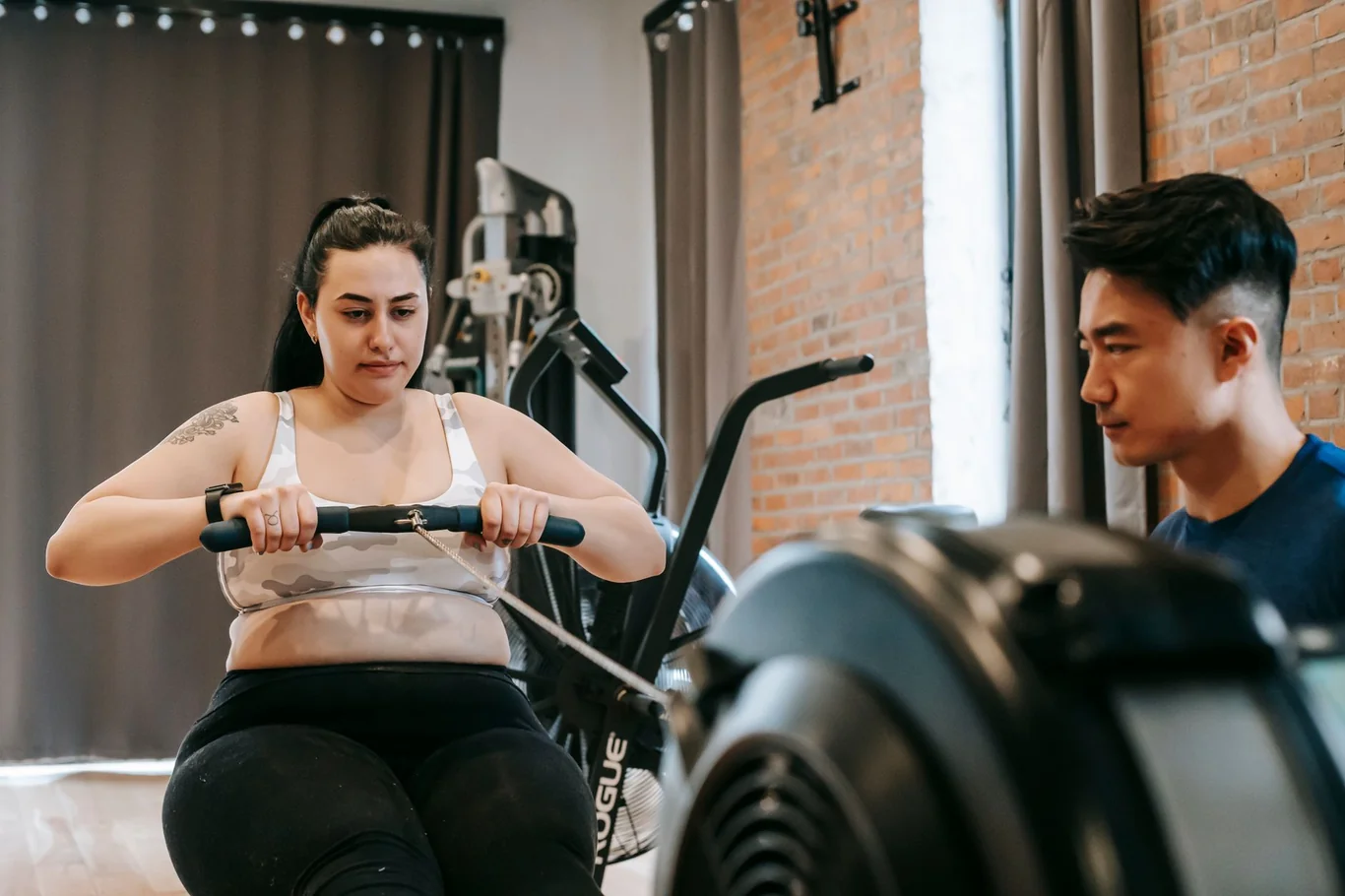
Rowing is a strong choice if you:
- Want full-body cardiovascular and muscular training in one session
- Have knee, hip, or ankle sensitivities that rule out running or jumping
- Need a home machine that stores compactly without occupying significant vertical space
- Prefer data-driven workouts where progress is measurable session to session
- Are returning from injury and need a low-impact conditioning alternative
Rowing may not be ideal if you:
- Have existing lower back problems or limited spinal mobility, as rowing demands consistent lumbar mechanics throughout the stroke
- Cannot perform a consistent four-phase stroke due to hip flexor tightness or balance limitations
- Are specifically seeking an upper-body-only conditioning tool
Older adults and seniors do particularly well on seated rowing machines because the seated position eliminates fall risk while still delivering meaningful cardiovascular and muscular stimulus. If bone density is a concern, our guide on whether a rowing machine is good for osteoporosis covers how to train safely within an appropriate intensity range for a first purchase.
Common Mistakes to Avoid When Buying a Rowing Machine
Most rowing machine regrets trace back to five avoidable mistakes. Knowing them before you buy is far easier than dealing with consequences after delivery.
For clarity on what the research shows and which setup factors reduce lower-back strain, my post on whether a rowing machine strains your back covers the form errors, machine settings, and seat adjustments that matter most.
- Buying on price alone - a budget hydraulic machine may technically function, but if you plan to row daily, a mid-range magnetic or air rower will outlast two or three budget replacements and feel better every session
- Skipping the space measurement - rowing machines are long; buying before measuring your room almost guarantees a cramped setup or a return shipment
- Underestimating noise - air rowers are significantly louder than most anyone expects; magnetic resistance is not optional for apartment living, it is necessary
- Overlooking warranty coverage - a 90-day warranty on a machine you plan to use daily is a meaningful risk; seat rollers, foot straps, and cables wear out over time
- Neglecting seat comfort - seat discomfort becomes apparent at the 20-minute mark, not the 5-minute mark; look for padded seats or budget for an aftermarket cushion before your first long session
Understanding the full rowing machine benefits keeps each session connected to a clear result, which makes it easier to stay consistent. Consistency is the only variable that separates people who get fit on rowing machines from those who don't, and equipment that fits your space, lifestyle, and noise tolerance is what creates that consistency.
Choosing the Right Rowing Machine for Your Home Gym
The decision process for buying a rowing machine works best when you apply it in a specific order. Start by ruling out entire categories based on noise tolerance and available floor space. From there, choose the highest build quality and longest warranty your budget can accommodate. Finalize your choice based on console features and connectivity based on whether you need guided coaching to stay motivated.
For the models that deliver on those basics without a premium price, my guide on the best budget rowing machines covers the options that hold up under consistent use without cutting corners on frame stability or monitor capability.
We've found that the biggest predictor of long-term satisfaction is not the investment level but whether the machine genuinely fits the space and daily schedule it has to live within. A mid-range magnetic rower with a two-year warranty in a quiet apartment beats a premium air rower that gets moved to a storage room after three weeks because of noise complaints. Make the practical choice first, and the fitness results follow naturally.
For buyers with limited floor space, my guide to top compact rowing machine options covers the short-rail and folding machines that maintain a usable stroke length in tighter rooms.
We cover the full range of fitness equipment that pairs well with home rowing setups, including wearables designed specifically for cardio-focused training. Understanding whether a rowing machine is good for weight loss helps you set realistic calorie and progress expectations before you buy, so your results stay visible and trackable across weeks and months.
FAQs
How much should a good rowing machine cost?
A good rowing machine for home use typically costs between $400 and $1,500 depending on resistance type, build quality, and included features. Budget-tier hydraulic machines start under $300, but mid-range magnetic and air rowers in the $400 to $800 range offer meaningfully better durability, stroke feel, and warranty coverage for regular daily use.
What type of rowing machine should I buy?
The type of rowing machine to buy depends primarily on your noise tolerance and available floor space, since these two constraints eliminate entire resistance categories before any other factors apply. Magnetic resistance is the best starting point for apartment dwellers and beginners who need quiet and consistent operation, while air and water resistance machines suit anyone with more space and a preference for a more authentic rowing feel.
Which is better, a hydraulic or magnetic rowing machine?
Magnetic rowing machines are better than hydraulic for most home users because they deliver a smoother, more consistent stroke, near-silent operation, and a wider resistance range at a similar or slightly higher price point. Hydraulic machines serve a specific role in very compact spaces where a full-length magnetic rower simply will not fit, which makes them a space constraint solution rather than a performance upgrade.
Which brand of rowing machine is considered the best?
Concept2 is the most widely recognized and respected brand in rowing, used in competitive clubs, CrossFit facilities, and elite training centers worldwide because of its consistent air resistance mechanism, reliable construction, and performance tracking ecosystem. For home users who prioritize quiet operation or app-connected coaching, brands like Hydrow, Ergatta, and MERACH offer strong alternatives across different price points and feature sets.
References:
- Winkert K, Steinacker JM, Koehler K, Treff G. High Energetic Demand of Elite Rowing - Implications for Training and Nutrition. Front Physiol. 2022;13:829757. doi: 10.3389/fphys.2022.829757
- Hansen RK, Samani A, Laessoe U, et al. Rowing exercise increases cardiorespiratory fitness and brachial artery diameter but not traditional cardiometabolic risk factors in spinal cord-injured humans. Eur J Appl Physiol. 2023;123:1383-1395. doi: 10.1007/s00421-023-05146-y
- Kilbey T, Vecchi E, Salbany P, et al. Associations Between Lactate Thresholds and 2000 m Rowing Ergometer Performance: Implications for Prediction - A Systematic Review. Sports Med Open. 2025;11(1):19. doi: 10.1186/s40798-024-00796-4
- Draghici AE, Picard G, Taylor JA, Shefelbine SJ. Assessing kinematics and kinetics of functional electrical stimulation rowing. J Biomech. 2017;53:120-126. doi: 10.1016/j.jbiomech.2017.01.007
- Bell G, Bennett J, Reynolds W, Syrotuik D, Gervais P. A Physiological and Kinematic Comparison of two Different Lean Back Positions During Stationary Rowing on a Concept II Machine. J Hum Kinet. 2013;37(1):113-120. doi: 10.2478/hukin-2013-0031