
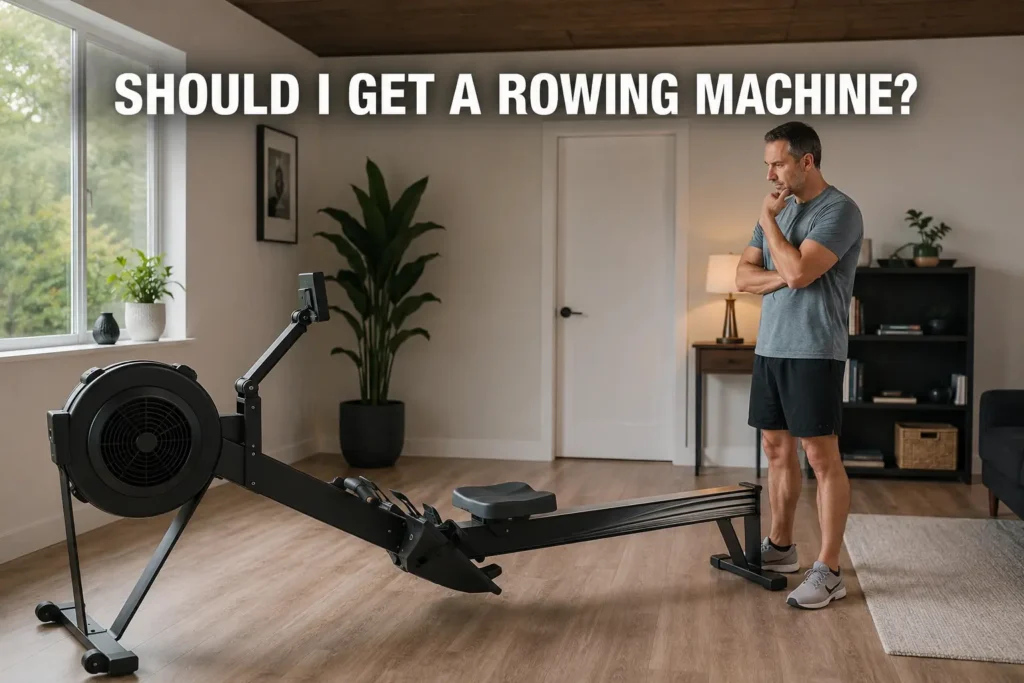
Should I get a rowing machine? It's one of the most practical fitness questions you can ask before committing to home gym equipment. Rowing machines are one of the few pieces of equipment that deliver cardiovascular conditioning and full-body resistance training in a single 20-30 minute session. The research behind rowing is solid, user satisfaction stays high across fitness levels, and the low-impact design makes it accessible to far more people than running or high-impact cardio.
I've reviewed the clinical evidence, dug into real user experiences, and mapped out the full picture, from what rowing does to your body and who gets the most value from it, to what beginners need to know before their first session.

Should I Get a Rowing Machine? How to Know If It’s the Right Fit
The answer is not "yes" for everyone, and treating it as a simple recommendation does you a disservice. Rowing machines make the most sense if you want full-body cardio in limited time, value low-impact mechanics, and have at least 7-8 feet of floor space to work with. The biggest predictor of whether you'll actually use one is not the machine itself but whether rowing matches how you prefer to move.
Browse our rowing machines page for current models if you want to see whether the space and price fit your setup.
If you are comparing a dedicated ergometer to a standard home rower, my breakdown of what an erg machine is covers how the performance monitor, resistance mechanism, and build quality differ from recreational rowing machines.
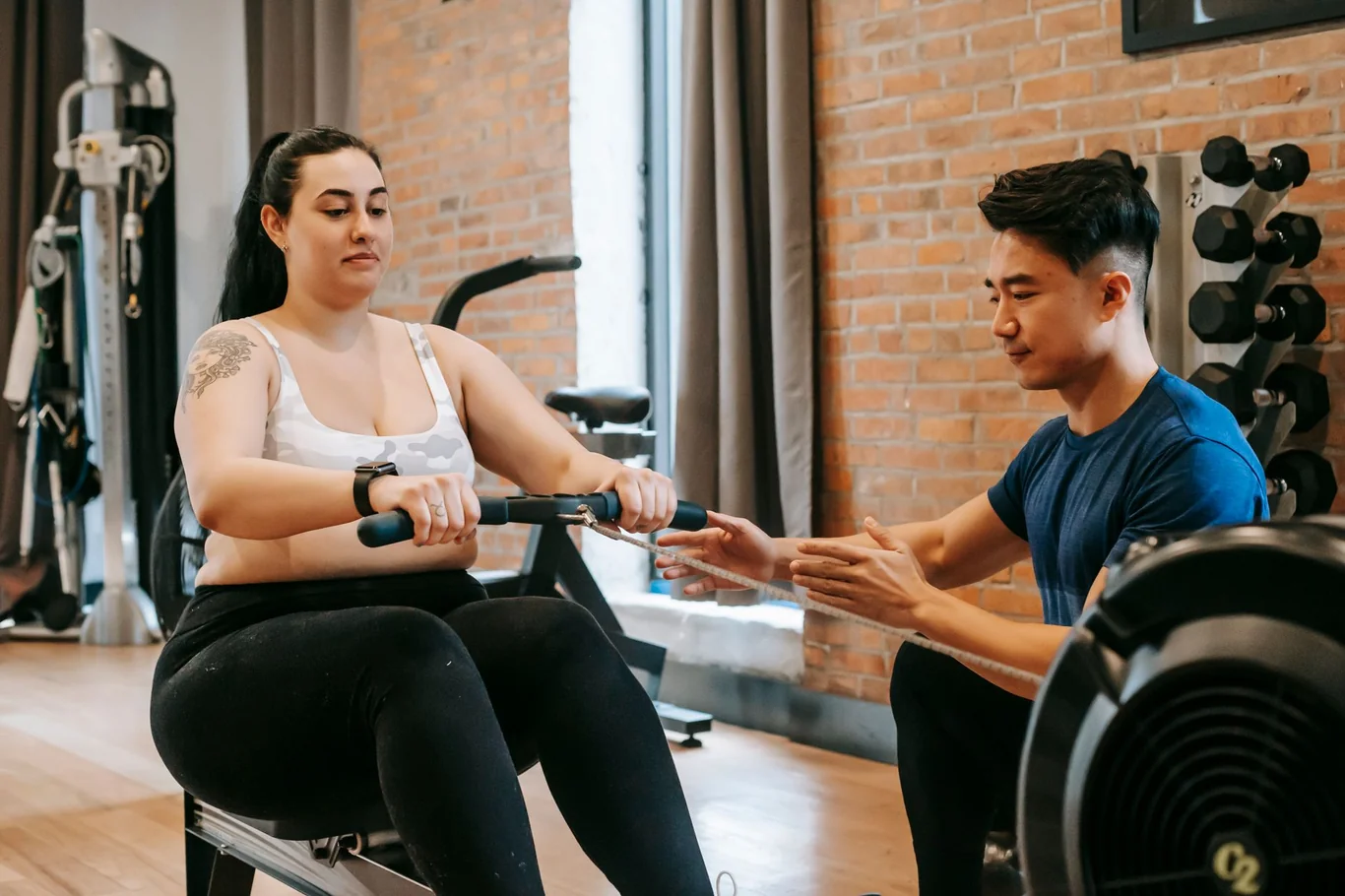
Before committing to a purchase, run through this honest self-assessment:
- Do you have 7-9 feet of unobstructed floor space, or a foldable storage option?
- Are you willing to spend 3-5 sessions learning proper rowing machine form before pushing intensity?
- Do your fitness goals include both cardiovascular endurance and upper-body strength?
- Is a lower-impact workout important to you, due to joint concerns or recovery needs?
- Can you commit to 3-4 sessions per week for at least the first 6 weeks?
Our JOROTO Foldable Water Rower 400lb Capacity page covers a water-resistance model that folds 180 degrees for storage.
Who Should Get a Rowing Machine | Who Should Consider Alternatives |
People wanting full-body cardio in 20-30 minutes | Anyone with less than 7 feet of usable floor space |
Runners or jumpers managing joint strain | People with unresolved lower-back injuries |
Beginners wanting a low-impact starting point | Those who need high-variety workout options |
Home gym users who want one versatile machine | Anyone who dislikes repetitive movement patterns |
Older adults seeking strength and cardio together | People focused primarily on upper-body isolation |
If you're weighing multiple home cardio options, our recumbent exercise bike vs rowing machine comparison can help you build a fuller picture before buying. Reviewing the full list of rowing machine benefits beforehand also helps set realistic expectations for what these early sessions feel like.
Rowing Machine Benefits - What the Research Actually Shows
Rowing machine benefits are frequently overstated in marketing and underappreciated in realistic fitness discussions. The truth is genuinely useful: a well-structured rowing session delivers cardiovascular and muscular benefits comparable to longer sessions on most other cardio machines, and the research supports this claim.
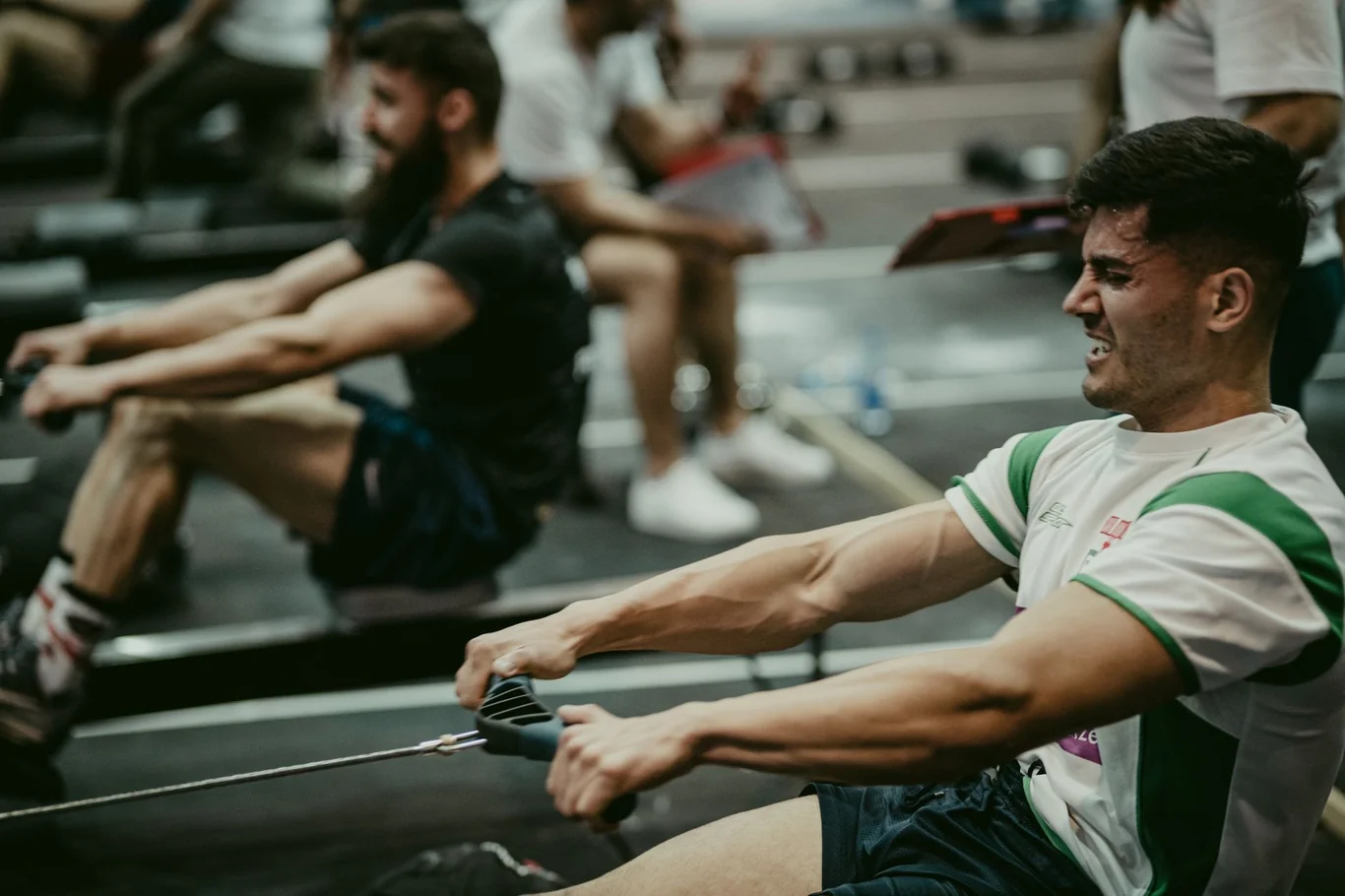
From a joint health perspective, a 2022 randomized controlled trial in BMC Geriatrics found that a 12-week computer-aided rowing intervention produced significant gains in hip and knee muscle strength, functional reach, and pain reduction in older adults with knee osteoarthritis compared to standard exercise controls (1).
The low-impact stroke avoids the ground-contact forces that make running problematic for people managing knee or hip conditions. On the cardiovascular side, a 2023 study in Frontiers in Pediatrics found that competitive rowers had superior left ventricular performance, VO2 uptake over 1,099 ml/min higher than recreational counterparts, and meaningfully lower arterial stiffness (2).
A 2024 study in Frontiers in Sports and Active Living comparing seven indoor cardio machines found rowing produced calorie burn comparable to upright cycling at submaximal intensities (3).
Additional rowing machine benefits that hold up consistently across user experience and research:
- Low-impact mechanics - no ground-contact forces that wear on knees, hips, or ankles over time
- Time efficiency - over 86% of major muscle groups are engaged in a single stroke
- Scalability - the same machine accommodates easy recovery sessions and high-intensity intervals without equipment changes
- Mental reset quality - the rhythmic stroke cycle creates a flow state many users find genuinely stress-reducing
- Posture reinforcement - rowing promotes thoracic extension and scapular retraction, which counteracts desk-posture patterns
In our review of the research and user feedback, we'd highlight low-impact mechanics as the benefit that surprises people most. Many users who start rowing for cardiovascular fitness end up staying with it because their knees and hips feel better than they did with running. Pairing a good budget fitness tracker with your rowing routine gives you heart rate zone data during sessions, which is the most useful tool for ensuring you're actually working at the intensity the research supports.
What Muscles Does a Rowing Machine Work?
The muscles a rowing machine works is the most misunderstood aspect of the equipment. Most people assume it's primarily an arm workout. It's not. The rowing stroke is approximately 65-75% lower body and 25-35% upper body, with the legs initiating the primary power phase and the arms finishing it.
Here's the complete breakdown:
Lower body (drive phase):
- Quadriceps - primary push driver at the catch position
- Hamstrings - engaged during the drive and recovery transition
- Glutes - power the hip extension through the main drive
- Calves - stabilize through foot plate contact
Upper body (finish phase):
- Latissimus dorsi - major pull muscle through the drive finish
- Biceps and forearms - complete the arm draw at the finish
- Trapezius and rhomboids - scapular retraction during the pull
- Deltoids - shoulder stabilization through the full stroke
Core (throughout all phases):
- Rectus abdominis and obliques - spinal stabilization across all four phases
- Erector spinae - lumbar extension at the drive finish
- Deep stabilizers - continuous engagement to maintain upright posture
A 2023 study in PLoS ONE analyzed lower extremity coordination in experienced rowers across four stroke rates and found that hip, knee, and ankle muscles shift their relative contribution based on intensity, with hip extension dominating at higher stroke rates (4).
In practical terms, increasing your stroke rate above 26 per minute shifts more demand to the glutes and hip extensors, which makes stroke rate a meaningful variable within rowing machine workouts and not just a pace indicator.
Tracking the full training load across these muscle groups can be useful. Our guide on what muscles a rowing machine works breaks down the upper-body exertion that most built-in rowing monitors don't capture.
Also, it would be valuable to learn whether a rowing machine is good for weight loss since it covers the total energetic cost of these multi-muscle sessions, which is often higher than users expect from a low-impact workout.
Rowing Machine Disadvantages to Know Before You Buy
Understanding the rowing machine disadvantages before purchasing is more useful than any list of benefits. These are real concerns, not marketing disclaimers, and knowing them upfront means you go in prepared rather than surprised.
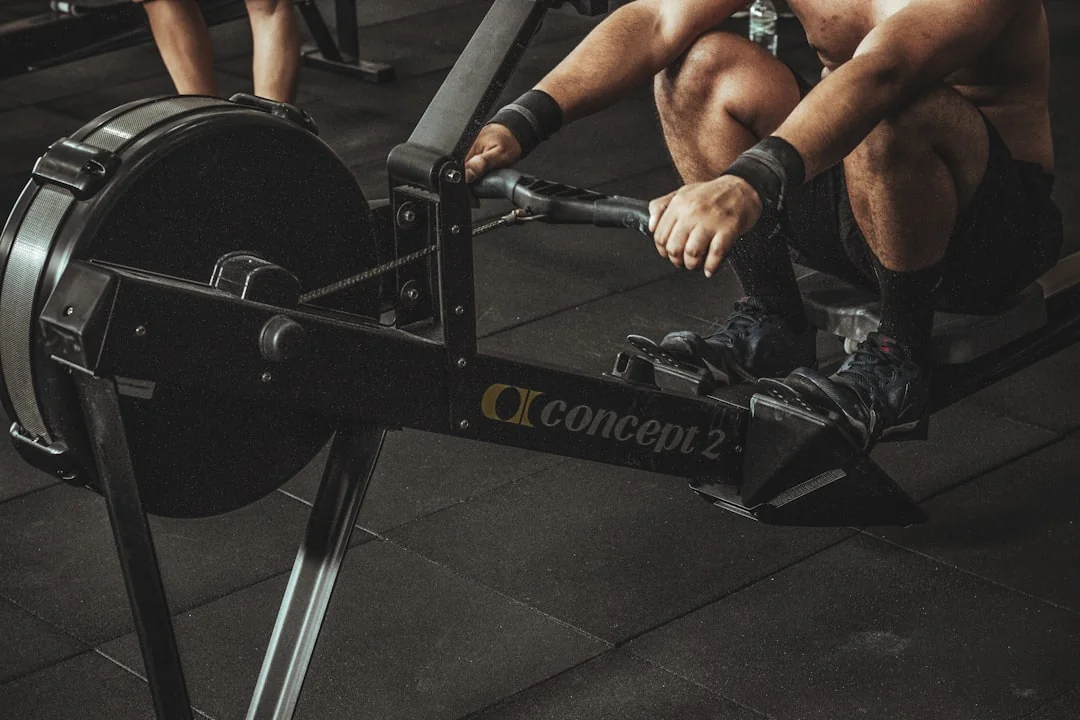
Lower back strain risk is the most significant drawback. A 2025 systematic review and meta-analysis in BMC Sports Science and Medicine Rehabilitation analyzed 10 studies covering 2,082 rowers and found that prior lower-back pain history was the only statistically significant risk factor for rowing-related LBP, with an odds ratio of 2.65 (5).
A 2023 cross-sectional study in the Journal of Sports Science and Medicine found that rowers with low back pain showed excessive erector spinae and latissimus dorsi activation during maximal rowing, which indicates that compensation patterns become entrenched if technique is not corrected early (6).
If you have a history of lumbar issues, rowing can still work for you, but technique precision matters considerably more for your situation than for someone starting from a neutral baseline.
Other genuine rowing machine disadvantages worth knowing:
- Space requirements - most machines need 7-9 feet of floor length; foldable models reduce stored footprint but some trade durability for compactness
- Learning curve - the drive-to-recovery sequence takes 3-5 sessions to feel natural; rushing it is the most common way beginners develop back strain
- Initial soreness - the first 2-3 sessions produce glute and upper-back soreness that catches many beginners off guard; this is normal and resolves quickly
- Hand callus formation - grip-based contact builds calluses over the first few weeks of regular sessions; most users adapt and stop noticing
- Motivation plateau - users frequently report enthusiasm dropping around weeks 3-4 if progress is not visible; structured programs with defined session goals solve this more reliably than willpower
We've noticed this plateau pattern consistently in user feedback: people who track metrics (heart rate, split times, session frequency) weather it significantly better than those who row by feel alone.
Choosing the best rowing machine for conditioning with a built-in program mode keeps progress visible during the weeks when motivation wavers. Think about what to look for when buying a rowing machine before you commit, since the right features make that consistency easier to maintain.
Rowing Machine for Beginners - What Your First Month Looks Like
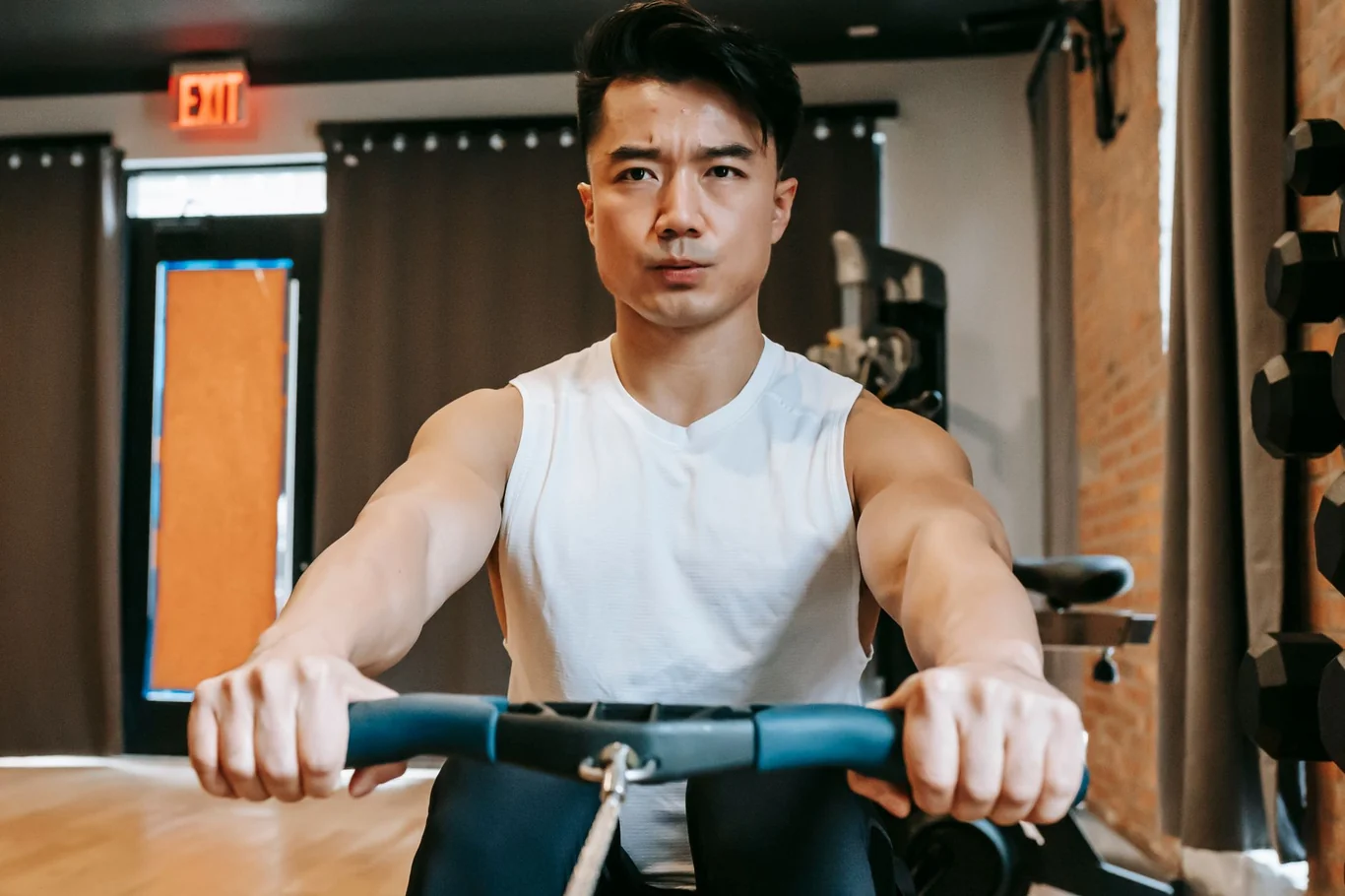
Rowing machine for beginners guidance often skips the honest part: the first two weeks feel awkward, and that is expected. The rowing stroke runs counter to what most people anticipate. You are not pulling yourself up a river - you are pushing with your legs, then swinging your torso, then drawing your arms, in a deliberate and specific sequence.
A realistic first-month progression looks like this:
- Week 1: 10-12 minute sessions at 18-22 strokes per minute. Watch your stroke in a mirror or phone camera. Focus entirely on the sequence, not your split time or calorie counter.
- Week 2: Extend to 15 minutes. Begin to feel the rhythm of the 1:2 drive-to-recovery ratio. Your back should feel engaged but never compressed or strained.
- Week 3: Add one interval session per week - 1 minute at moderate effort, 2 minutes easy, repeated 5-6 times. Cardiovascular adaptation starts here.
- Week 4: Work up to 20-minute continuous sessions and review your form again. Most bad habits establish in the first month and become very hard to unlearn after that.
Common beginner mistakes to correct from day one:
- Pulling with your arms before the leg drive is complete (the single most common error)
- Rounding the lower back at the catch position rather than maintaining a neutral spine
- Rushing the recovery phase, which destabilizes the catch and increases lumbar stress
- Gripping the handle too tightly, which causes forearm fatigue and reduces session endurance
- Starting too hard on the first session, creating soreness that derails the second session
Older adults who want to stay safe during this development phase should check whether a rowing machine is good for osteoporosis before increasing intensity. Knowing your heart rate prevents beginner overexertion, which is one of the primary reasons people abandon rowing in the first four weeks. Our guide on how to use a rowing machine covers the logging and form habits that keep early progress visible - the main antidote to the week-3-to-4 motivation plateau.
Rowing Machine Form - The Foundation Everything Else Builds On
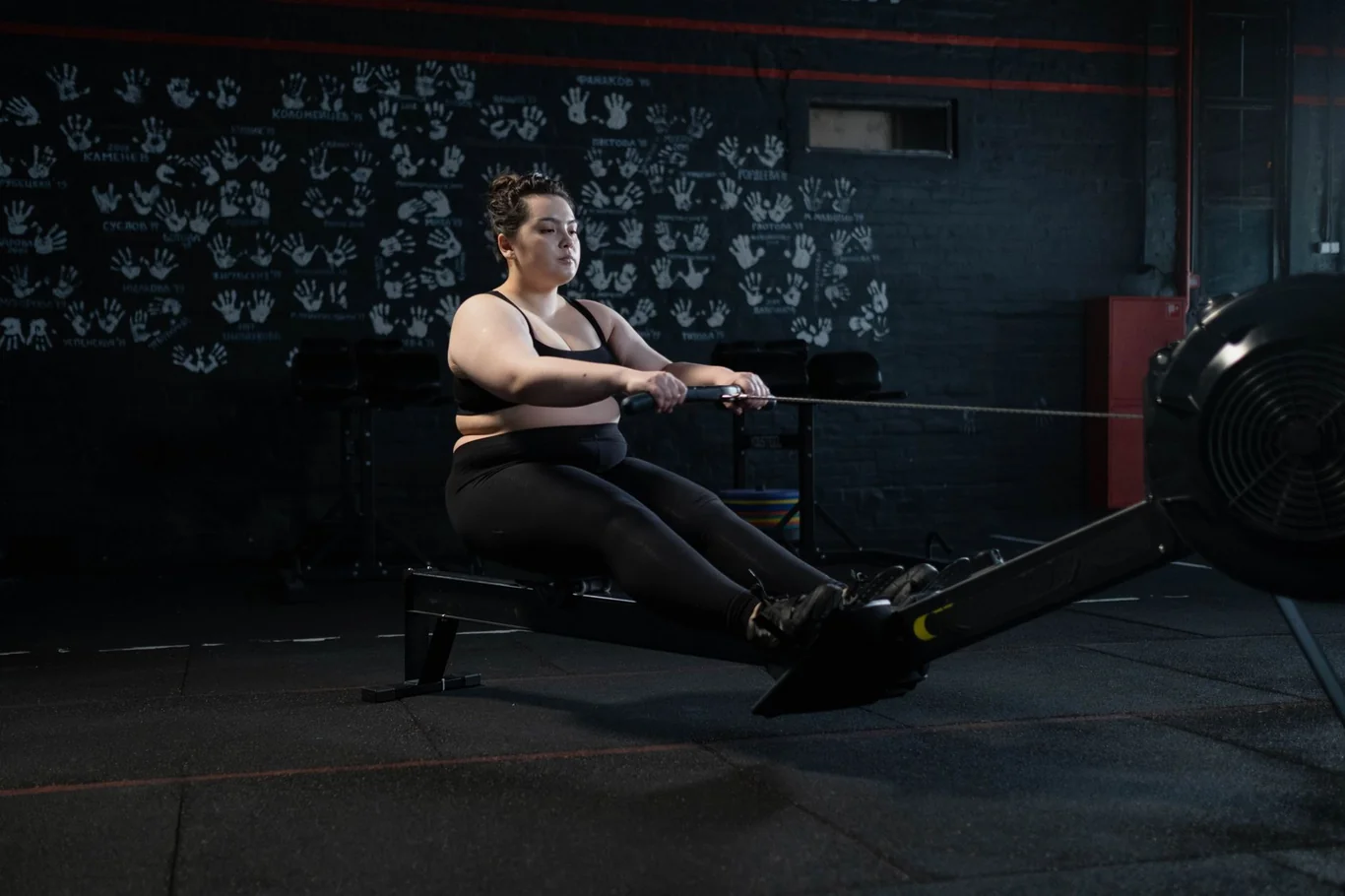
Rowing machine form is not optional or secondary to effort. It is the primary factor determining whether you build a sustainable habit or develop a back injury in the first three months. The stroke has four phases, and each has a specific body position that protects your spine and maximizes power transfer through the drive.
If budget is a constraint, my breakdown of the top budget rowing machines covers the models that deliver solid stroke mechanics without the premium price.
Catch position:
- Shins vertical, ankles dorsiflexed, heels may lightly lift
- Back flat with a slight forward hip hinge - this is a hip fold, not a spinal round
- Arms fully extended, grip relaxed, shoulders down
- Core braced before the drive begins
Drive phase:
- Legs push first - the movement pattern is identical to a leg press
- Once legs are 60-70% extended, hinge the torso back to approximately the 11 o'clock position
- Arms draw last, pulling to your lower ribcage (not your chest or stomach)
Finish position:
- Legs fully extended, but knees not locked aggressively
- Body leaned back slightly to 11 o'clock - more than vertical but not a dramatic lay-back
- Elbows past your torso, handle at lower ribcage, wrists flat
Recovery phase:
- Arms extend first, returning to full extension before the body moves
- Torso swings forward at the hips, following the arms
- Legs fold last, returning the body to the catch position
We'd emphasize the recovery sequence as the phase where the most technique errors accumulate. Most beginners instinctively slide forward with their legs before their arms are clear, which collapses the posture before the next drive begins. Aim for a 1:2 drive-to-recovery ratio - if your drive takes one second, your recovery should take two full seconds. This ratio builds timing and significantly reduces the lumbar stress that causes back pain in new rowers.
For a full breakdown of the research and the form corrections that matter most, my post on is a rowing machine bad for your back covers both the risk factors and the setup adjustments that protect the lower spine.
Resources on what is the best resistance for a rowing machine explain how magnetic, air, and water resistance differ in stroke feel, which affects how intuitive this technique sequence feels at different intensity levels.
For a direct comparison of how each resistance mechanism performs at different intensities and for different user types, my guide on which rowing machine resistance type to choose covers the full breakdown across air, magnetic, water, and hydraulic options.
For a direct answer with the research behind it, my post on what is the best resistance for a rowing machine covers how drag factor, damper setting, and resistance type interact with training goals.
Best Rowing Machine for Home - Key Features Worth Paying For
Choosing the best rowing machine for home means matching the machine to your space, budget, and goals rather than defaulting to the most recognized name. The Concept2 RowErg is the benchmark for air resistance performance and accuracy, used by competitive programs globally - but it is not the right machine for every home user.
Our Concept2 RowErg Tall Legs page covers the 20-inch tall-leg seat version for rowers who find the standard 14-inch seat height too low.
My rowing machine roundup covers the top options across resistance types, price ranges, and space requirements so you can compare them against your priorities.
Here is a practical comparison of resistance types:
Resistance Type | Best For | Key Trade-offs |
Air | Performance training, authentic stroke feel | Louder operation, larger footprint |
Magnetic | Apartments, quiet environments, beginners | Less natural at high intensity |
Water | Smooth and engaging feel, mid-level users | Heavier, requires periodic refilling |
Hydraulic | Minimal floor space, lowest price point | Limited resistance range, lower durability |
Key specifications worth prioritizing before you purchase:
- Weight capacity: Look for at least 250 lbs; higher if relevant for your body weight
- Seat rail length: Taller users over 6'2" need extended rails to complete a full stroke
- Monitor features: A display showing split time, stroke rate, and elapsed time is sufficient for most home users
- Warranty: A quality machine should have at least a 3-year frame warranty
- Foldability: Folding machines reduce stored footprint by 40-50%; useful when space is the primary constraint
The best rowing machine at the beginner and intermediate level is typically a mid-range magnetic resistance model. It is quiet enough for apartment use and has enough resistance variation to support 12-18 months of progressive development before most users outgrow it. As fitness develops, many users migrate toward air resistance machines for the more dynamic stroke feel - but that is not a day-one requirement.
For quieter home setups, my guide on the best magnetic rowing machines covers the low-noise options that perform consistently without the maintenance demands of air resistance.
For tracking rowing machine workouts over time, a machine's own monitor is often more reliable than a wrist-based tracker, since the handle grip creates inconsistent wrist readings during session logs. When comparing the best compact rowing machine options for tight spaces, seat rail length and weight capacity matter just as much as any companion device you pair with it.
Is a Rowing Machine the Right Choice for You?
After reviewing the research and the real-world experience of users across fitness levels, I'd say the answer is yes for most people who can accommodate the space and are willing to spend time on technique. Rowing machines deliver a combination of cardiovascular conditioning, full-body muscle engagement, and low-impact mechanics that is genuinely difficult to replicate with a single piece of equipment.
For homes where floor space is a limiting factor, my guide to top foldable rowing machine options covers the compact machines that store upright or fold flat without sacrificing stroke quality.
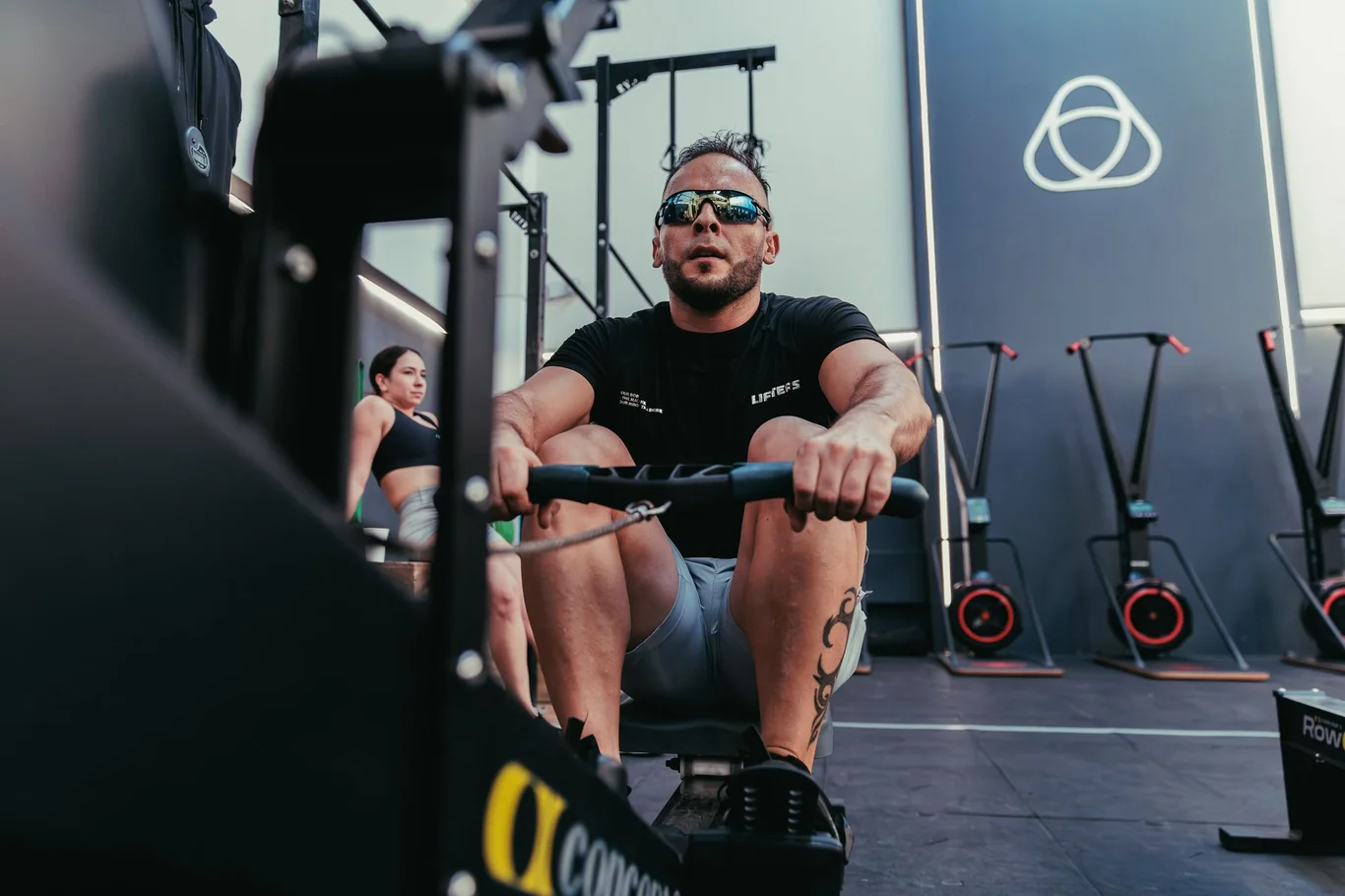
The strongest case for buying one is time efficiency. Twenty minutes of structured rowing machine workouts at moderate-to-high intensity burns comparable calories to upright cycling, engages over 86% of major muscle groups simultaneously, and scales from gentle recovery-pace sessions to high-intensity intervals without any equipment change. The strongest case against is the form dependency. If you rush the learning curve, the same mechanics that make rowing effective become a back-injury mechanism.
For a structured checklist before committing, my guide on what to look for when buying a rowing machine covers resistance type, footrest design, monitor capability, and the specs that separate durable machines from short-lived ones.
My recommendation: if you have access to a gym with a Concept2 or similar machine, put in four to five sessions before buying. Your intuitive response to the rowing stroke - whether it clicks or feels persistently awkward - is the most reliable predictor of whether you'll build a long-term habit at home. For anyone weighing this as a first home machine, our best rowing machine for beginners guide breaks down which models are worth the investment before you commit to daily sessions.
FAQs
Is it worth getting a rowing machine?
A rowing machine is worth getting if you want a single piece of home gym equipment that delivers full-body conditioning in 20-30 minutes without significant joint stress. The value proposition is strongest for people who want both cardiovascular fitness and muscular endurance from one machine, and who are willing to spend the first few weeks developing proper technique.
Do rowing machines help you lose belly fat?
Rowing machines contribute to fat loss across the body, including the abdominal area, by creating a meaningful calorie deficit when used consistently at moderate-to-high intensity. No single exercise targets belly fat specifically - overall fat reduction comes from a sustained calorie deficit, and rowing is effective at creating that deficit because it recruits a large proportion of the body's major muscle groups in every stroke.
What are the disadvantages of a rowing machine?
The main disadvantages of a rowing machine are the 7-9 foot space requirement, a technique learning curve of 3-5 sessions before the stroke feels natural, elevated lower-back strain risk for those who skip form fundamentals or have prior lumbar issues, and an initial soreness period in the glutes and upper back during the first week. Motivation plateau around weeks 3-4 is also a consistent pattern without a structured workout plan in place.
Is 20 minutes of rowing enough?
Twenty minutes of rowing at moderate-to-high intensity is enough to produce meaningful cardiovascular and caloric benefits for most recreational fitness goals. Research on rowing interventions typically uses 30-45 minute sessions for more significant physiological adaptation, but 20-minute sessions done consistently 3-4 times per week produce solid results, particularly at the beginner and intermediate stages.
How to use a rowing machine?
To use a rowing machine correctly, follow the four-phase stroke sequence: catch position (shins vertical, back flat, arms straight), drive phase (legs push first, then torso hinges back, then arms pull to lower ribcage), finish position (legs extended, slight lay-back, handle at lower ribs), and recovery phase (arms extend first, torso swings forward, then legs fold). Aim for 20-24 strokes per minute when starting out, and prioritize the leg drive over the arm pull from your very first session.
References:
- Lin PL, Yu LF, Kuo SF, Wang XM, Lu LH, Lin CH. Effects of computer-aided rowing exercise systems on improving muscle strength and function in older adults with mild knee osteoarthritis: a randomized controlled clinical trial. BMC Geriatrics. 2022;22:809. doi:10.1186/s12877-022-03498-2
- Falcioni L, Gallotta MC, Baldari C, et al. Influence of training status on cardiac and vascular functioning in young recreational and competitive male rowers. Frontiers in Pediatrics. 2023;11:1162594. doi:10.3389/fped.2023.1162594
- Prieto-Gonzalez P, Yagin FH. Energy expenditure, oxygen consumption, and heart rate while exercising on seven different indoor cardio machines at maximum and self-selected submaximal intensity. Frontiers in Sports and Active Living. 2024;6:1313886. doi:10.3389/fspor.2024.1313886
- Pakravan F, Abbasi A, Noorinezhad Z, et al. Effects of rowing stroke rates on lower extremity intra-joint coordination variability in experienced young rowers. PLoS ONE. 2023;18(12):e0286999. doi:10.1371/journal.pone.0286999
- Ze X, Zhang S, Long X, Zhou P. Risk factors associated with low back pain in rowers: a systematic review and meta-analysis. BMC Sports Science and Medicine Rehabilitation. 2025;17:157. doi:10.1186/s13102-025-01153-y
- Yamashita M, Ishida T, Osuka S, et al. Trunk Muscle Activities during Ergometer Rowing in Rowers with and without Low Back Pain. J Sports Sci Med. 2023;22(2):338-344. Published 2023 Jun 1. doi:10.52082/jssm.2023.338