

Is the elliptical good cardio? That question drives millions of gym sessions each year, and the evidence-based answer might surprise you. The machine has a reputation for being "too easy," but that perception almost always traces back to effort and resistance level, not the machine itself. This guide breaks down what peer-reviewed studies actually say, how the elliptical compares to the treadmill, and how to use it for real, measurable results.

Is the Elliptical Good Cardio - What Peer-Reviewed Research Actually Confirms
Yes, the elliptical is good cardio, and the evidence makes a strong case for it. A controlled study published in the International Journal of Sport Nutrition and Exercise Metabolism found that maximal oxygen consumption on the elliptical (48.0 ml·kg/min) was not significantly different from the treadmill (49.3 ml·kg/min) at matched submaximal workloads (1). Earlier research by Brown et al. confirmed that energy expenditure and oxygen uptake are similar between both machines when effort level - measured by perceived exertion - stays constant (2). The cardiovascular gap between the two machines is far smaller than most gym-goers assume.
If you are newer to this equipment, my overview of what is an elliptical machine covers how it works and how to set it up correctly before focusing on cardio intensity.

In our review of these findings, the word "good" undersells what the elliptical actually delivers. At moderate to high intensity, the elliptical produces cardiovascular stimulus on par with running. The critical variable is resistance, and most users set it far too low to generate real adaptation. I'd lean toward this machine for any user who needs low-impact cardio without sacrificing aerobic intensity - it covers both needs at once.
Our elliptical selection lets you compare the published resistance levels across models.
How Many Calories Does an Elliptical Burn per Session
Calorie burn on the elliptical varies by body weight, resistance level, stride rate, and whether you engage the arm handles, and each variable makes a meaningful difference. A 155-pound person burns roughly 270-400 calories in a 30-minute moderate-intensity session. Research by Mier and Feito demonstrated that both stride rate and resistance level independently increase oxygen uptake on the elliptical, and that using both arm and leg handles simultaneously raises metabolic demand significantly compared to leg-only motion (3). Increasing resistance by one level raises VO2 by approximately 0.7 ml·kg/min, which compounds across a full session.

The key takeaway is that calorie burn responds directly to how hard you push. Most people operate at a resistance level that's too low for meaningful cardiovascular gains, which explains the frustration many users experience when results don't materialize. Pairing your elliptical sessions with an accurate tracking device helps you monitor actual energy output rather than relying on console estimates. Our best calorie tracker roundup covers tools that provide more accurate reads than the built-in displays on most machines.
Treadmill or Elliptical for Cardio - How They Actually Compare
The treadmill or elliptical for cardio debate comes down to a few key mechanical differences and what matters most to you. At matched perceived effort, both machines produce similar cardiovascular adaptations over time, including improvements in VO2max, heart rate efficiency, and endurance capacity. The treadmill burns slightly more calories per session and engages the lower legs more directly through ground-contact mechanics. The elliptical removes impact forces entirely, which extends training tolerance for people whose joints or fitness level limit how much they can run.
My full elliptical and treadmill comparison goes deeper into calorie burn data, joint loading, and which machine suits different training goals.
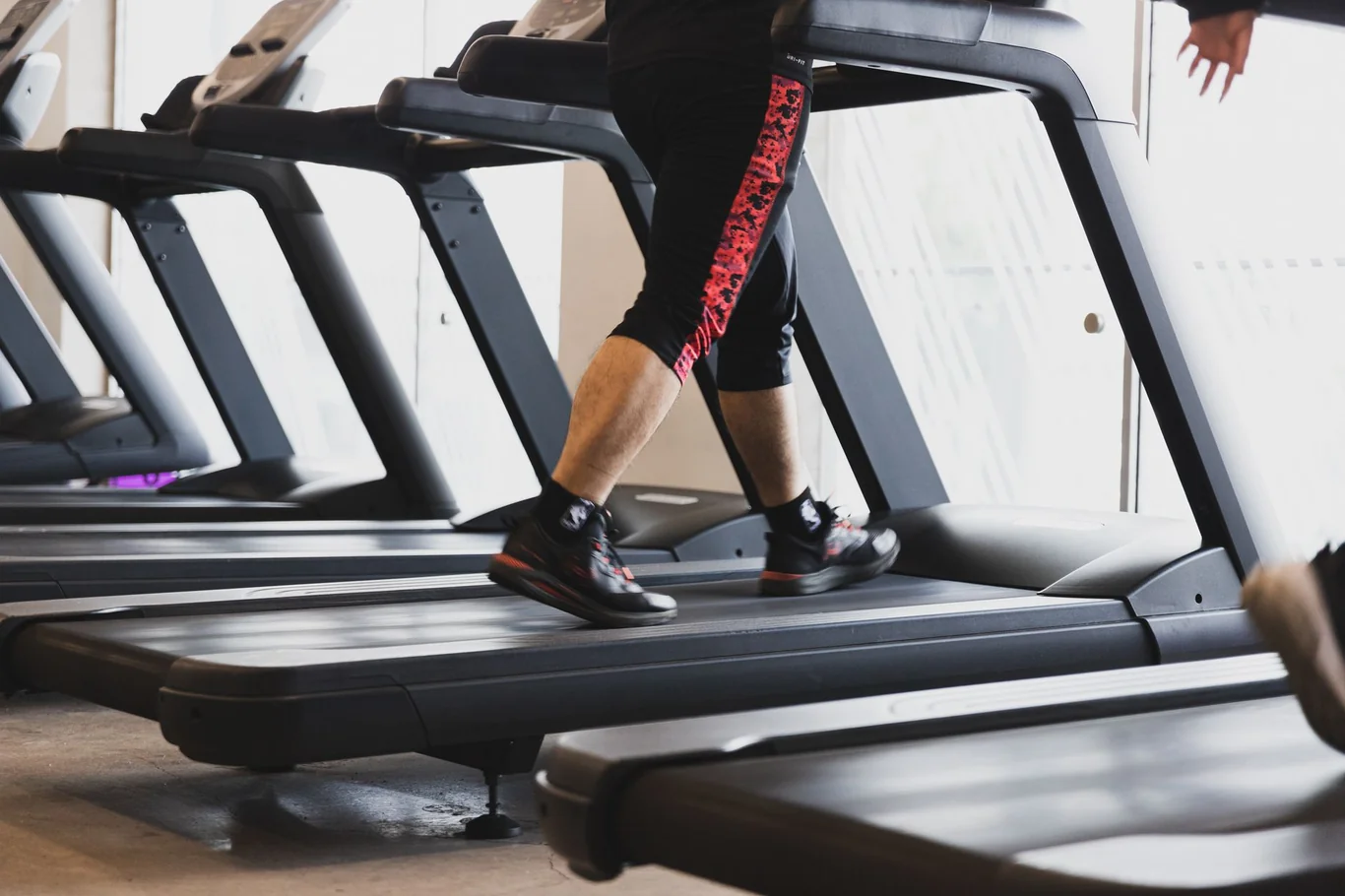
Research by Filipovic et al. found that maximal fat oxidation was 0.61 g per minute on the treadmill versus 0.41 g per minute on the elliptical (4). That difference is real, but workout intensity and session length have a larger influence on total calorie burn than machine choice does. The comparison below puts both machines side by side across the factors that matter most for cardio training decisions.
Feature | Treadmill | Elliptical |
Impact level | High (running impact) | None (gliding motion) |
VO2max achievable | ~49.3 ml·kg/min | ~48.0 ml·kg/min |
Calorie burn (30 min, 155 lbs) | 300-450 calories | 270-400 calories |
Maximal fat oxidation rate | 0.61 g/min | 0.41 g/min |
Muscle focus | Lower body, minimal upper | Full body with arm handles |
Joint stress | Moderate to high | Very low |
Recovery demand after session | Higher | Lower |
Best suited for | Running fitness, max calorie burn | Injury history, joint protection |
For anyone deciding between the two for a home setup, our best treadmill for home guide covers the full spectrum from budget runners to connected smart machines.
The Low-Impact Advantage - How the Elliptical Protects Your Joints
Here is how the elliptical actually protects your joints and what research suggests.
Joint-Loading Research
One of the most clinically significant advantages the elliptical offers is dramatically reduced joint loading compared to running. A biomechanical analysis published in Gait and Posture found that elliptical training produces lower extremity movement patterns more similar to overground walking than any other cardio machine tested, including stationary cycling (5). Running-related knee and hip pain is one of the most common reasons people abandon cardio routines, and the elliptical removes that barrier without sacrificing cardiovascular output.
Reducing Chronic Back Pain
The clinical benefits extend beyond joint preservation. A randomized controlled trial known as the POWER study found that progressive elliptical training significantly reduced chronic low back pain, with participants' pain scores dropping from 4.7 to 3.2 on a numeric pain scale over just four weeks (6).
For gym-goers carrying injury history or chronic discomfort, the elliptical is not a compromise option - it is a clinically validated training tool with measurable therapeutic effects. Our guide to the benefits of treadmill cardio puts the joint-loading comparison in full context across machine types.
Full-Body Engagement - Which Muscles the Elliptical Actually Works
The elliptical is one of the few cardio machines that activates both the upper and lower body simultaneously when you use the arm handles deliberately. Most people underutilize the handles, which leaves meaningful calorie burn and muscle engagement untapped. Mier and Feito (2006) confirmed that arm-plus-leg engagement raises oxygen consumption and ventilation significantly beyond leg-only elliptical use - the metabolic difference is real and measurable. Treating the handles as a passive balance point rather than a drive mechanism is one of the most common technique errors on this machine.
My elliptical machine benefits guide covers the full clinical picture across cardiovascular, musculoskeletal, and metabolic health.

Muscles the Elliptical Targets
The muscle groups the elliptical recruits include:
- Quadriceps - primary driver during forward pedaling motion
- Hamstrings and glutes - activated more with longer stride lengths and higher incline
- Calves - engaged consistently throughout the full pedal cycle
- Core - stabilizes the torso throughout upright posture demands
- Chest, shoulders, and upper back - driven by the arm handles when pushed and pulled actively
Stride length, resistance, and pedaling direction all shift the muscle emphasis across these groups. Reversing the pedaling direction activates the quadriceps and lower legs in a way forward motion alone doesn't fully replicate. For structured programming that applies these principles across a full training week, our elliptical and treadmill workout guide covers effective protocols for both machines.
Whether the Elliptical or Treadmill Is Better for Weight Loss
For weight loss, the elliptical or treadmill comparison comes down to one variable more than any mechanical difference: consistency. Both machines produce calorie deficits that drive fat loss when total energy expenditure exceeds intake. The machine you use more often, at higher intensity, across more weeks is the better weight loss tool for you. Users who find treadmill impact painful frequently abandon running routines entirely - switching to the elliptical often restores consistent training that delivers far better fat loss outcomes through sustained frequency alone.
My guide on using an elliptical for weight loss covers the session structures that produce the best fat-loss results over time.
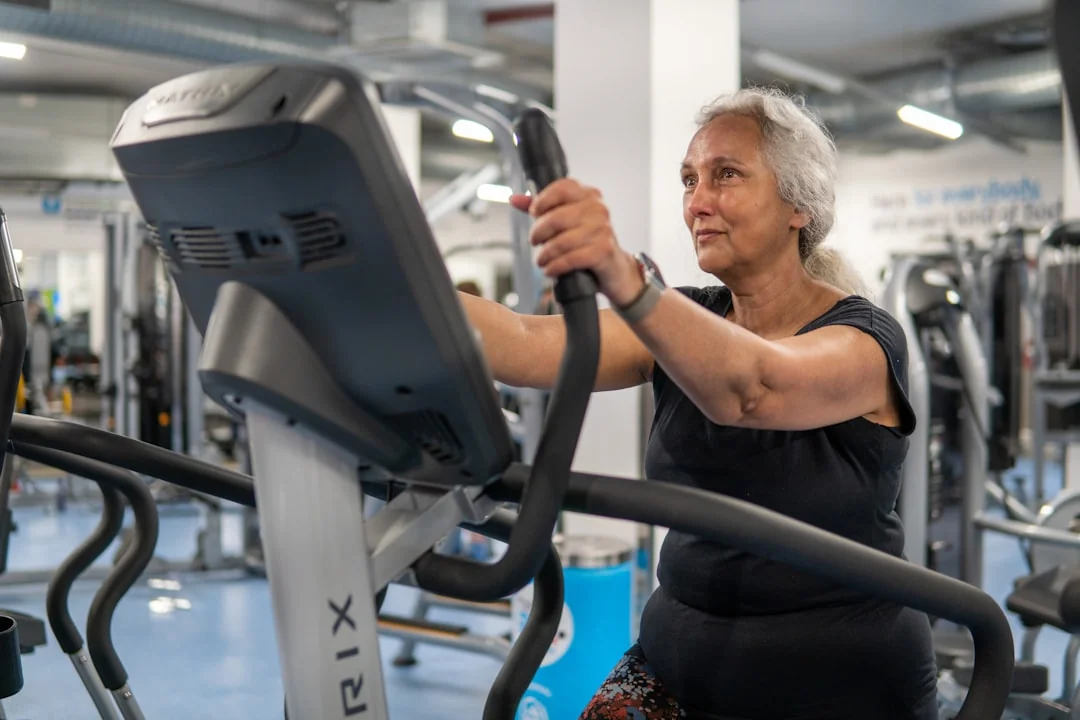
From a calorie-burn efficiency standpoint, the treadmill holds a modest edge at matched duration and perceived effort. The elliptical's lower joint stress supports longer sessions and faster recovery between workouts, which can close that gap within a weekly total. Adherence over months matters far more than calorie burn per session when fat loss is the goal.
Signs to Choose the Elliptical
Signs the elliptical is the better weight loss tool for your situation:
- Joint discomfort or injury history makes sustained treadmill running painful or unsustainable
- You find yourself cutting treadmill sessions short due to physical soreness rather than effort
- You want to train at high intensity without the recovery demand that running creates between sessions
Our treadmill weight loss guide covers how to structure fat-loss programming on either machine, with protocols adaptable to both.
How to Get More Out of Your Elliptical Cardio Sessions
Most people leave significant cardiovascular gains behind by training at low resistance with minimal variation. Resistance, incline, and stride rate are the three variables that separate an easy glide from a genuine cardio session. Research by Dalleck et al. confirmed that the elliptical is a valid tool for developing and assessing true aerobic capacity when intensity is progressed systematically over time (7). The machine can drive VO2max improvements comparable to any other cardio modality - but only if effort level is treated as the priority rather than comfort.
My picks for the top under-desk elliptical cover the models with sufficient resistance to keep intensity in a productive range.

Sample Interval Framework
A practical interval framework to start with:
- Warm up at low resistance for 3-5 minutes to establish rhythm and joint mobility
- Work intervals at resistance level 8-12 (on a typical 1-16 range) for 90 seconds at high cadence
- Recover at resistance 3-4 for 60-90 seconds at an easy pace
- Repeat 8-10 times for a complete 20-25 minute HIIT session
For those looking to extend the cardiovascular challenge beyond the elliptical, our best incline treadmill guide covers machines built specifically for high-gradient training that pushes cardiovascular demand further.
Elliptical Interval Training - Applying HIIT to This Machine
Interval training on the elliptical follows the same physiological principles as HIIT on any other cardio machine, but with one meaningful advantage: joint stress stays low regardless of intensity level. This makes high-intensity interval work accessible to people who cannot safely sprint on a treadmill due to knee, hip, or ankle conditions. The key is pairing resistance increases with faster stride rates, not relying solely on speed to create intensity. Working at 80-90% of your maximum heart rate during effort intervals is the target zone for meaningful cardiovascular adaptation.
For a full plan covering intensity progression and weekly structure, my guide to a structured elliptical workout lays out beginner through advanced frameworks.
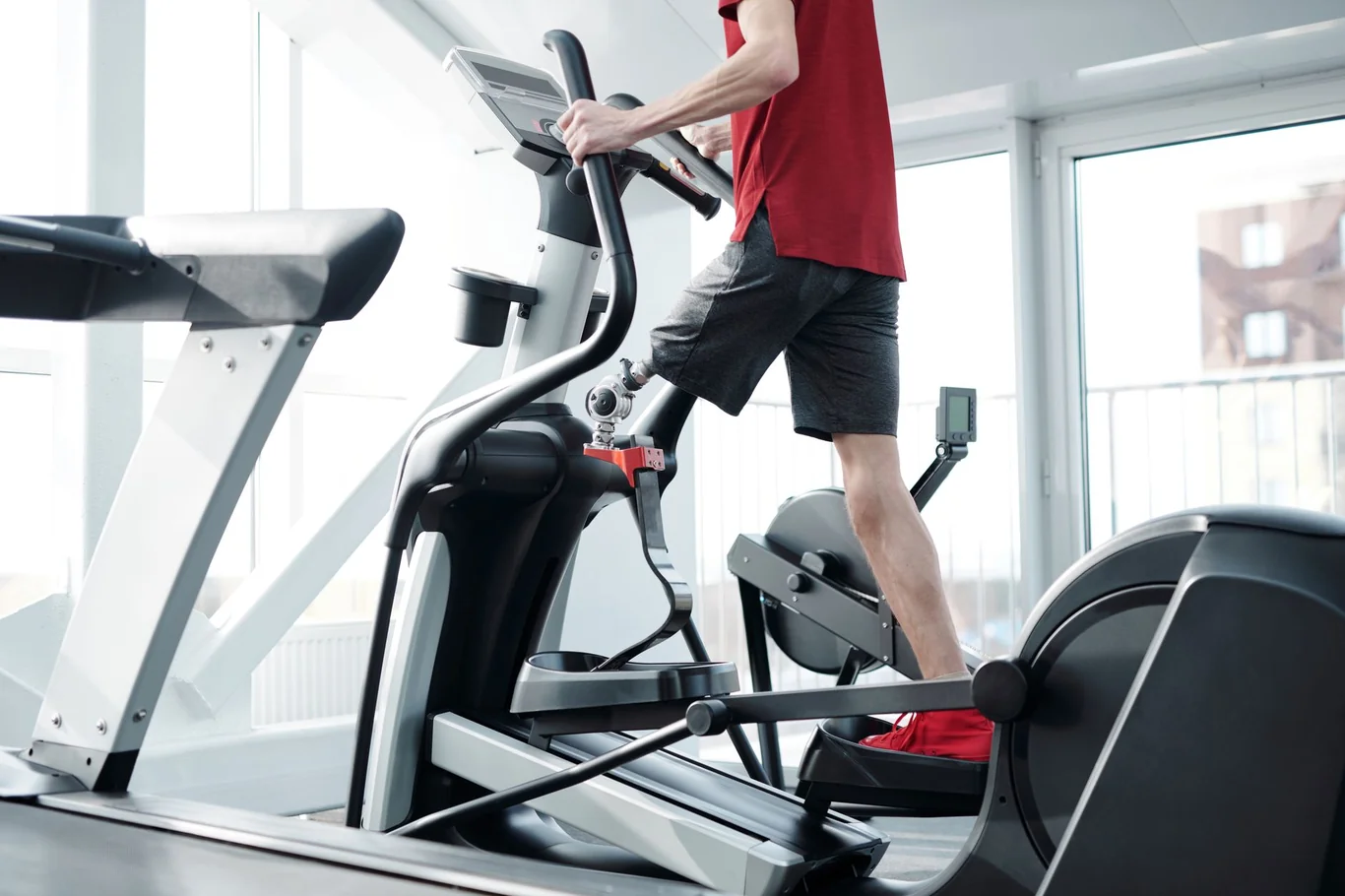
Users often find it easier to maintain interval effort on the elliptical than on the treadmill because the pace is self-determined rather than chased. That psychological factor drives better effort quality and more consistent session output over weeks of training. I weighed this consistency factor heavily when reviewing the research on long-term cardio adherence - the machine you'll actually push hard on beats the theoretically superior machine you avoid. For additional HIIT programming frameworks, our treadmill workout guide covers interval protocols easily adapted to the elliptical format.
Common Mistakes That Reduce Elliptical Cardio Effectiveness
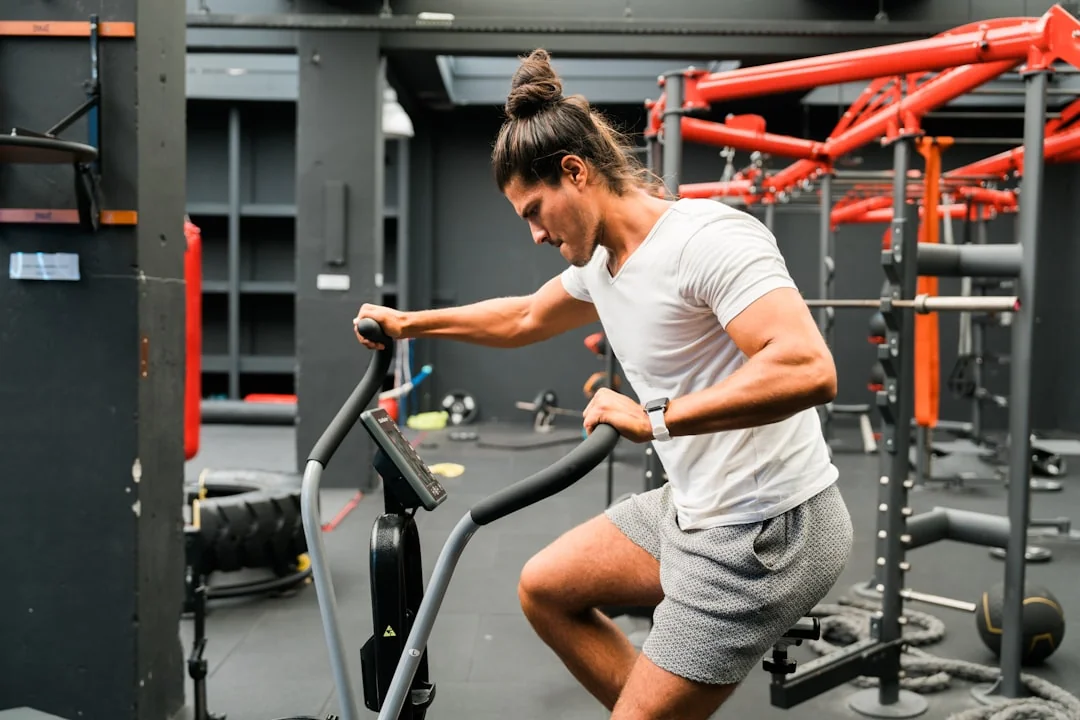
The most common mistake on the elliptical is leaning your body weight onto the stationary handles instead of driving the moving ones. When you offload weight onto the fixed bars, lower body muscle engagement drops and calorie burn per session falls significantly. The second most common issue is setting stride rate so fast that resistance engagement becomes impossible - speed without resistance does not equal intensity on this machine. Both mistakes produce the "I worked out, but nothing happened" feeling that leads people to dismiss the elliptical as ineffective.
Mistakes to Avoid
The most frequently ignored variable is resistance level itself. Most gym ellipticals have 16-24 levels, but the average user trains at level 3-5, which generates a smooth glide with minimal cardiovascular demand. Common technique mistakes to eliminate:
- Leaning body weight onto stationary handlebars instead of driving the moving handles
- Setting resistance so low that the motion feels effortless throughout
- Running at high stride rate without matching resistance to create real load
- Skipping backward pedaling, which adds muscle pattern variety and prevents adaptation
- Holding onto stationary rails during the entire session instead of letting go to challenge balance
Our guide to the benefits of walking backward on a treadmill explores the same principle of movement reversal to add variety and muscle activation across cardio platforms.
Who Gets the Most Out of Elliptical Training
The elliptical works well across a broad range of fitness profiles, but it delivers specific advantages to certain populations that other cardio machines cannot match. People recovering from lower-body injuries benefit from the non-impact load distribution that lets them maintain cardiovascular fitness during healing. Older adults gain access to high cardiovascular output without the fracture risk that running poses. Deconditioned beginners find the adjustable resistance and smooth motion easier to manage than the coordination demands of the treadmill.
Sunny Health & Fitness makes a Smart Recumbent Cross Trainer with a step-thru seat for exactly that kind of low-barrier access.
For a detailed breakdown of each of those specific advantages, including the cardiovascular, musculoskeletal, and metabolic outcomes the research supports, my post on what elliptical training is good for covers the full picture.
My guide to the best elliptical for seniors covers the models with the lowest step-on height, widest stride adjustment, and most stable frames.
Clinical Evidence for Back Pain
A randomized controlled trial published in Cureus confirmed the elliptical's clinical utility for populations with chronic conditions. In that study, 54 participants with chronic low back pain showed significant improvements in pain intensity and functional health after six weeks of progressive elliptical training (8). Athletes using the elliptical for active recovery also benefit from sustaining cardiovascular output without accumulating the mechanical stress of sport-specific training.
Population | Primary Benefit |
Recovering from injury | Low-impact training that maintains cardiovascular fitness without aggravating healing tissue |
Older adults | High cardiovascular output accessible without fracture or excessive fall risk |
Chronic back or joint pain | Pain reduction and functional improvement through progressive load |
Deconditioned beginners | Accessible motion pattern with adjustable resistance from the first session |
Athletes in recovery phases | Maintained VO2 output without accumulating sport-specific mechanical stress |
Our best folding treadmill guide adds context on compact home cardio alternatives for users who want to complement elliptical training with additional equipment in a limited space.
Is 30 Minutes on the Elliptical Enough for Cardio Results
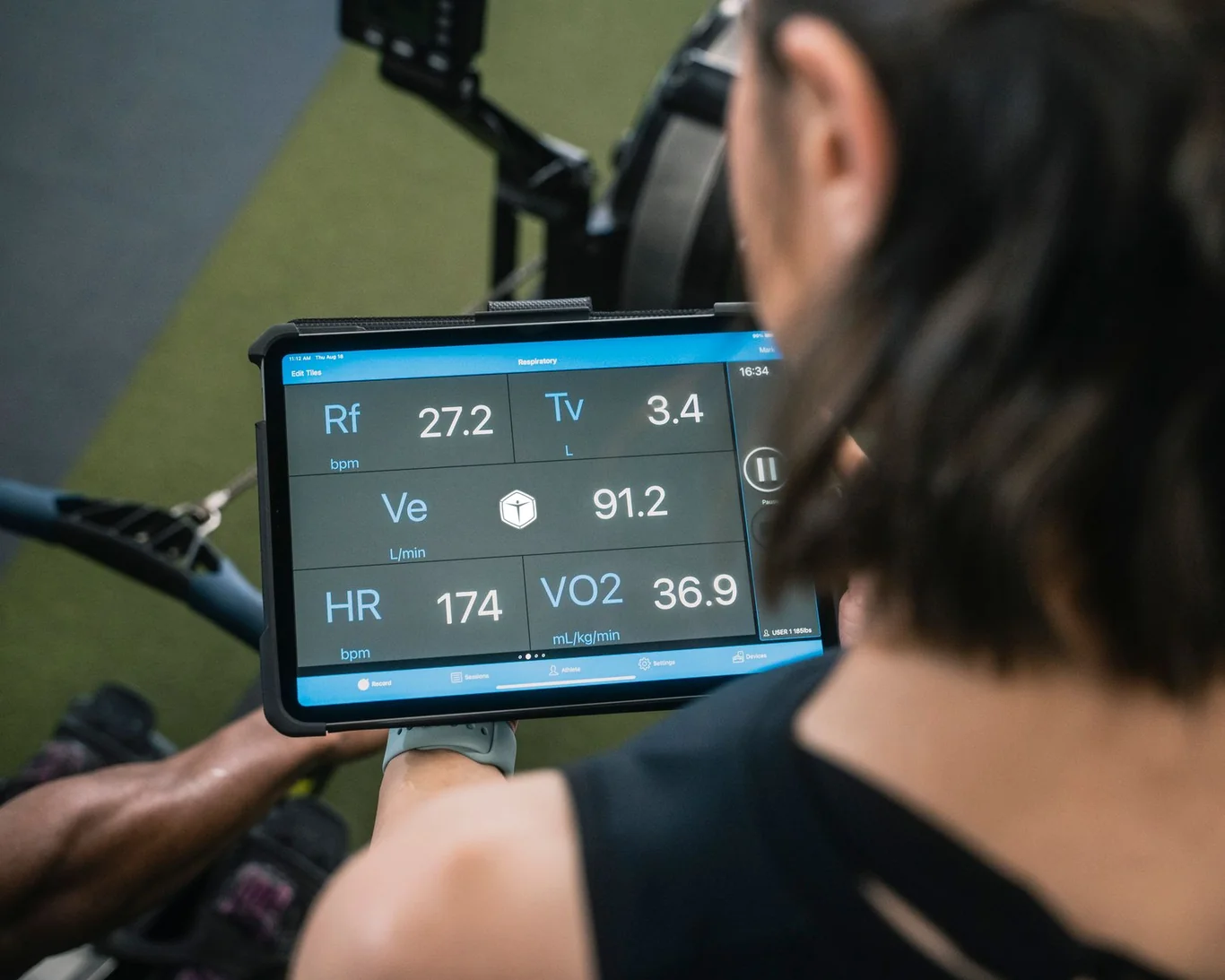
Thirty minutes is enough to produce meaningful cardiovascular benefits, but the quality of those 30 minutes matters more than the number itself. At moderate intensity, a 30-minute elliptical session elevates heart rate into the 60-70% maximum range for most users, meeting standard cardiovascular health guidelines. At higher intensity with interval structure, 30 minutes can drive significant improvements in VO2max, endurance capacity, and fat metabolism. The limiting factor is not duration but resistance and effort level applied within that time window.
Weekly Training Structure
A practical weekly structure based on fitness level:
- Beginners: 3 sessions per week, 20-30 minutes at moderate resistance (level 5-7)
- Intermediate: 4-5 sessions per week, mixing 2 steady-state and 2-3 interval sessions
- Fat loss focus: 5 sessions per week, with at least 2 HIIT sessions and 3 moderate steady-state
- Active recovery use: Daily 15-20 minute low-resistance sessions between higher-intensity training days
For users who prefer accumulating movement in shorter windows throughout the day, our best under-desk treadmill guide covers machines that let you build daily step volume without dedicated workout sessions.
The Bottom Line on Elliptical Cardio
The elliptical is a genuinely effective cardio tool when used at the right intensity. Research confirms it matches treadmill-level oxygen consumption at equivalent effort, burns significant calories per session, and removes the joint stress that pushes many people off running programs permanently. The most important variable is not the machine itself but the resistance and effort level you bring to each session. Low resistance produces low results regardless of duration.
My guide to the top elliptical machine options covers which models hold resistance consistently enough to support productive training.

I consistently see this pattern in the research: the elliptical underperforms expectations not because of equipment limits but because of user habits. Treat resistance as your primary intensity lever, incorporate interval work at least twice per week, and drive the arm handles deliberately rather than passively holding them. That combination turns a "soft cardio" reputation into measurable cardiovascular gains.
If you are ready to invest in a machine that you will use with that level of intentionality, my guide on choosing the right elliptical covers the specifications that determine how much control you have over resistance, stride, and training intensity.
FAQs
Is 30 minutes a day on elliptical enough?
Thirty minutes a day on the elliptical is enough to meet cardiovascular health guidelines when performed at moderate to vigorous intensity with meaningful resistance. The results you see depend heavily on your resistance level and consistency, so 30 minutes at a challenging resistance level five days per week will produce significantly better outcomes than 30 minutes at minimal resistance with no progression.
Are ellipticals good for losing belly fat?
Ellipticals are effective for reducing body fat - including abdominal fat - through the same mechanism as all sustained cardio exercise: they create a calorie expenditure that contributes to the energy deficit needed for fat loss. No cardio machine targets belly fat in isolation, but regular elliptical training combined with a calorie deficit drives total body fat reduction that includes the abdominal region over time.
Which is better for cardio, a treadmill or an elliptical?
The treadmill and elliptical deliver similarly effective cardio when effort level is matched, with research showing VO2max values of approximately 48.0 versus 49.3 ml·kg/min respectively under controlled conditions. Your choice should come down to injury history, joint tolerance, and which machine you will use most consistently over months of training - adherence is a larger factor than the modest mechanical differences between them.
Can you get in shape just using an elliptical?
You can get in good cardiovascular shape using just the elliptical, since it provides sufficient stimulus to improve endurance, burn calories, and build functional lower body strength when resistance is progressively increased over time. Combining elliptical cardio with resistance training produces more complete fitness results than cardio alone, but for pure aerobic fitness the elliptical is a complete tool when used at appropriate intensity.
Is elliptical good for weight loss?
The elliptical is effective for weight loss when used consistently at sufficient intensity to create meaningful calorie expenditure per session - research confirms it burns 270-400 or more calories in a 30-minute moderate-intensity session for a 155-pound person. That output increases substantially with higher resistance levels and interval training structure, making the elliptical a practical and sustainable fat-loss tool for most gym-goers.
References:
- Tschakert G, et al. Physiological and Metabolic Responses to Exercise on Treadmill, Elliptical Trainer, and Stepper: Practical Implications for Training. Int J Sport Nutr Exerc Metab. 2021;31(2):135-144. doi:10.1123/ijsnem.2020-0130
- Brown GA, Cook CM, Krueger RD, Heelan KA. Comparison of energy expenditure on a treadmill vs. an elliptical device at a self-selected exercise intensity. J Strength Cond Res. 2010;24(6):1643-1649. doi:10.1519/JSC.0b013e3181cb2854
- Mier CM, Feito Y. Metabolic cost of stride rate, resistance, and combined use of arms and legs on the elliptical trainer. Res Q Exerc Sport. 2006;77(4):507-513. PMID:17243225
- Filipovic M, Munten S, Herzig D, Gagnon DD. Maximal fat oxidation: Comparison between treadmill, elliptical and rowing exercises. J Sports Sci Med. 2021;20(1):170-178. doi:10.52082/jssm.2021.170
- Phalker V, Bowers RW, Damiano DL. Comparison of elliptical training, stationary cycling, treadmill walking and overground walking. Gait Posture. 2011;33(2):244-250. doi:10.1016/j.gaitpost.2010.11.012
- Dillingham TR, Kenia JW, Popescu AD, Plastaras CT, Becker SL, Shofer FS. Pain outcomes with an elliptical regimen (POWER) study: Identifying the proper dosage of exercise for therapeutic effect in persons with chronic back pain. J Phys Med Rehabil. 2020;2(2):23-28. PMID:32705088
- Dalleck LC, Kravitz L, Robergs RA. Development of a submaximal test to predict elliptical cross-trainer VO2max. J Strength Cond Res. 2006;20(2):278-283. PMID:16689620
- Ebrahimi A, Popescu A, et al. The effect of seated elliptical exercise on chronic low back pain: A randomized controlled trial. Cureus. 2025;17(12):e99064. PMID:40156457