
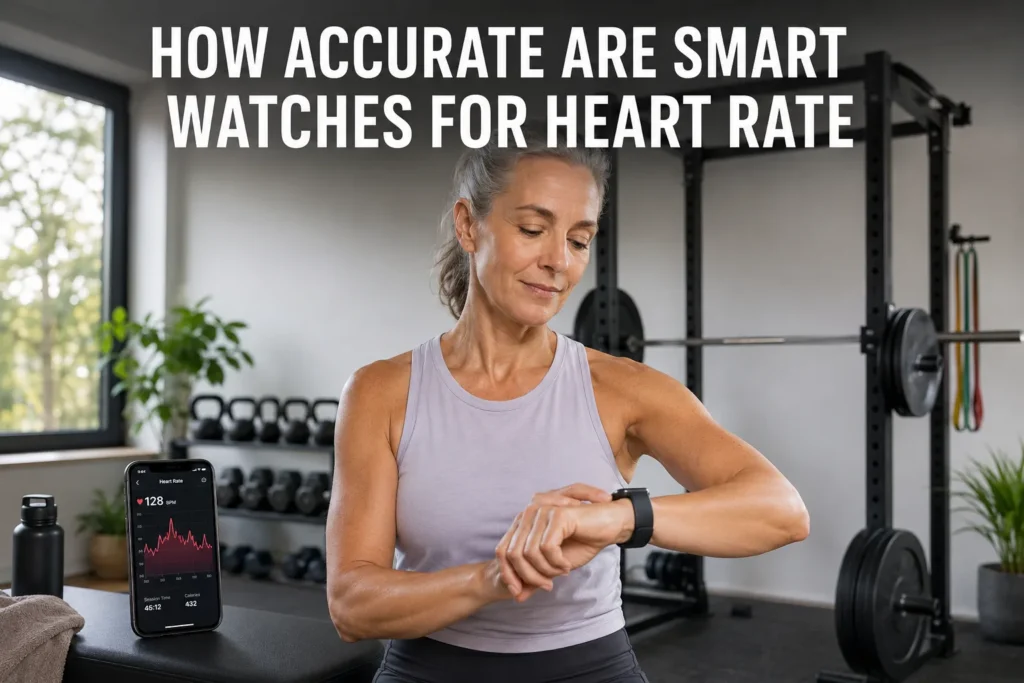
How accurate are smart watches for heart rate tracking is one of the most common questions we get from people adding wearables to their fitness routine. The short answer: surprisingly reliable at rest, meaningfully less so during intense activity. Smartwatches have moved well beyond step-counting novelties as millions of people now depend on them for real-time cardiovascular data. Understanding where those readings hold up, where they fall short, and what the numbers actually mean for your health is worth getting right. In this guide, we'll walk through what research says, which factors hurt accuracy the most, what heart rate ranges are normal for your age, and when a reading warrants a doctor's visit rather than a settings adjustment.

How Accurate Are Smart Watches for Heart Rate - The Research Breakdown
Research consistently shows that most consumer smartwatches achieve 91-95% agreement with clinical ECG monitors at rest (1). In a controlled 24-hour validation study covering over 100,000 individual heartbeats, Apple Watch Series 3 reached 95% agreement with ambulatory ECG, while Fitbit Charge 2 hit 91% agreement across five activity conditions, including sitting, walking, and sleep.
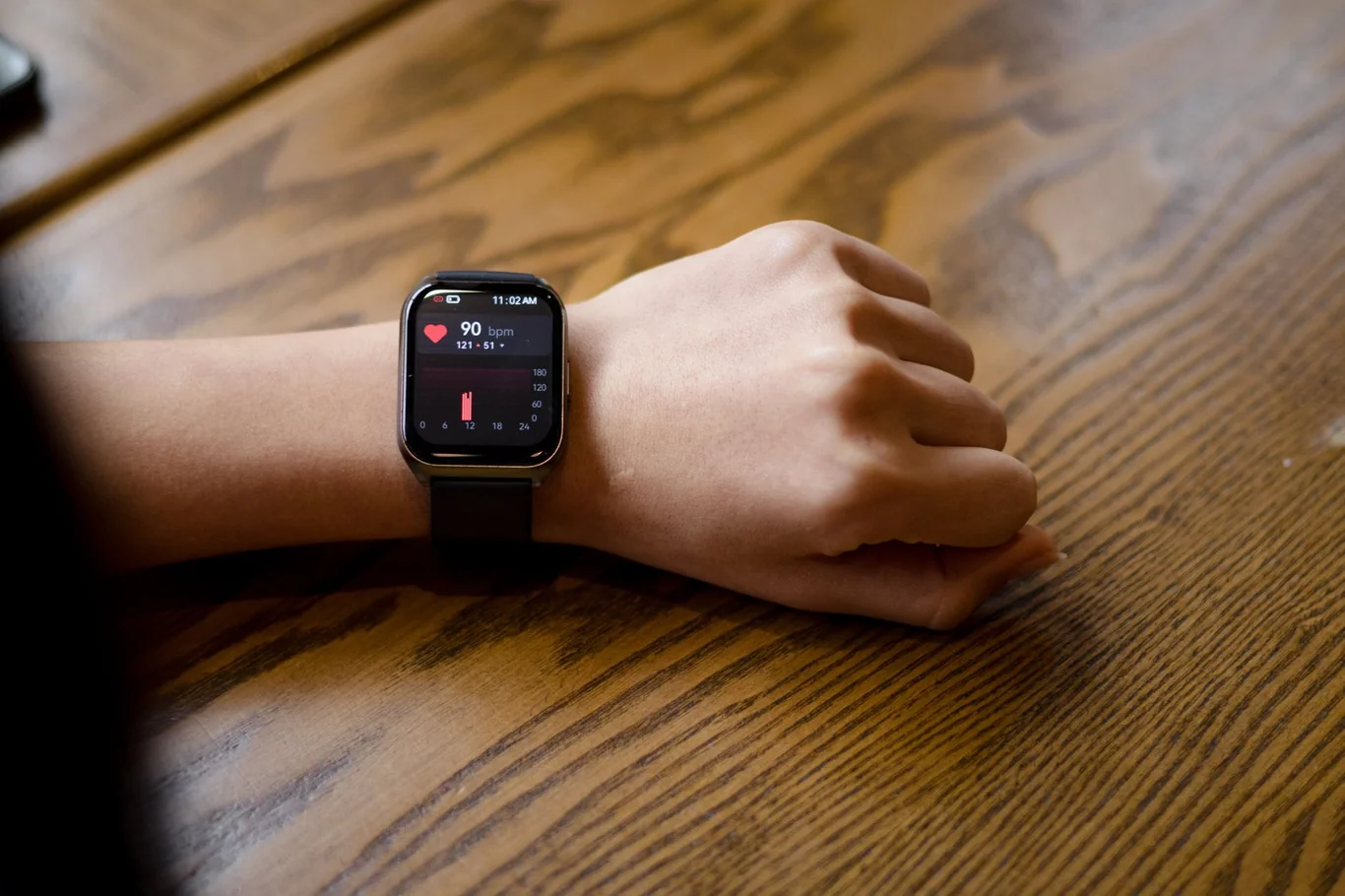
That is a genuinely useful level of accuracy for daily health tracking. For comparison, consumer blood pressure cuffs typically carry a ±5 mmHg margin, and we accept them as legitimate wellness tools. The smartwatch accuracy gap is comparable when conditions are right.
For those weighing which device category to buy, my comparison of fitness trackers and smartwatches covers the trade-offs in accuracy, battery life, and feature depth.
During exercise, the picture shifts. Motion artifacts during high-intensity activity can push error rates 30% higher than at rest (2). For the average person tracking general fitness trends, that margin is manageable. For anyone using their wearable to monitor a cardiac condition during workouts, it matters considerably more.
If you're researching devices specifically for heart rate accuracy, our guide to the best fitness tracker for women includes per-device accuracy data across real-world conditions and skin tone ranges.
How Smartwatch Heart Rate Sensors Work
Every mainstream smartwatch tracks heart rate through photoplethysmography (PPG) - a technology that shines green LED light into the skin and measures the reflected signal. Blood absorbs more green light than surrounding tissue. Each heartbeat creates a tiny but detectable change in that reflected pattern, and the device's processor translates the pulse rhythm into beats per minute.
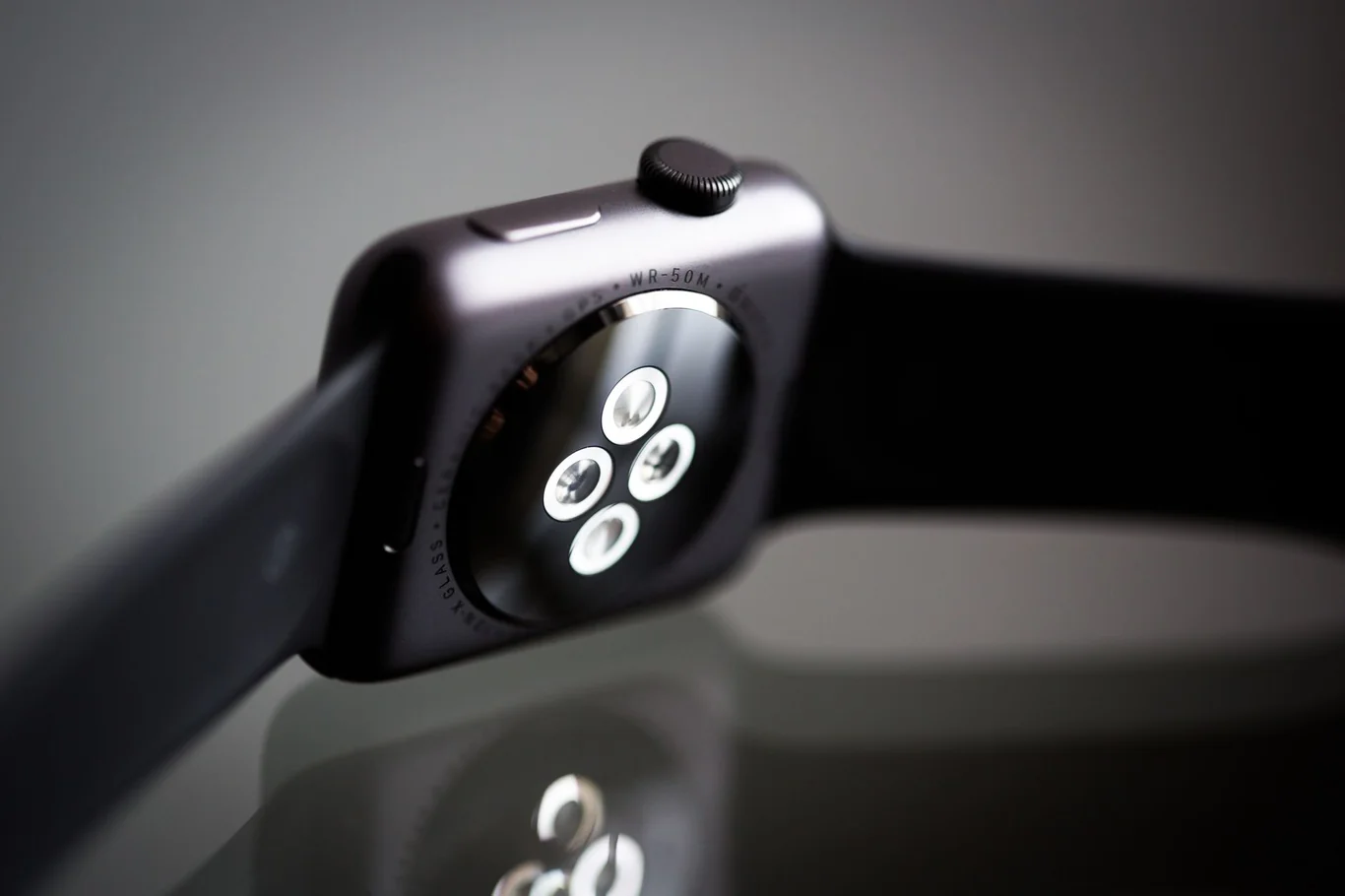
The smartwatch heart rate sensor built on PPG is fundamentally different from an electrocardiogram (ECG). An ECG captures the heart's electrical activity directly - it is the gold standard for rhythm analysis and arrhythmia detection. PPG measures blood flow as a proxy for heart rate, which is why its accuracy depends so heavily on what else is happening at the wrist during measurement - a limitation Bent et al. (2020) documented systematically across multiple device types and activity conditions.
For a look at when ECG was added and how sensor capabilities have changed across models, my Apple Watches in Order guide covers every model from the original to the current Series 10.
Key differences between PPG smartwatch sensors and clinical ECG:
- Sensor type: optical LED (smartwatch) vs. electrodes on skin (ECG)
- What is measured: blood volume pulse (smartwatch) vs. electrical cardiac signal (ECG)
- Motion tolerance: low - PPG degrades during movement (ECG is less affected in clinical settings)
- Data type: heart rate in bpm (PPG) vs. full waveform rhythm (ECG)
- Diagnostic value: trend monitoring (smartwatch) vs. arrhythmia diagnosis (ECG)
- Best use case: daily wellness tracking (PPG) vs. clinical cardiac evaluation (ECG)
Understanding this distinction sets realistic expectations. If you're asking what a smartwatch does beyond basic step counting, the heart rate sensor is typically the most clinically relevant feature - and its PPG foundation is both its strength and its limitation. Our best fitness tracker for men guide compares leading PPG-based devices specifically on resting and active heart rate accuracy across a range of wrist sizes and activity profiles.
What Affects Smartwatch Heart Rate Accuracy
I have successfully identified several reliable predictors of when a smartwatch reading will hold up and when it actually won't. Knowing these makes it easier to interpret the data your device gives you.
Blood pressure monitoring has a wider gap between wearable estimation and clinical measurement, and my Apple Watch and blood pressure guide covers the full picture.
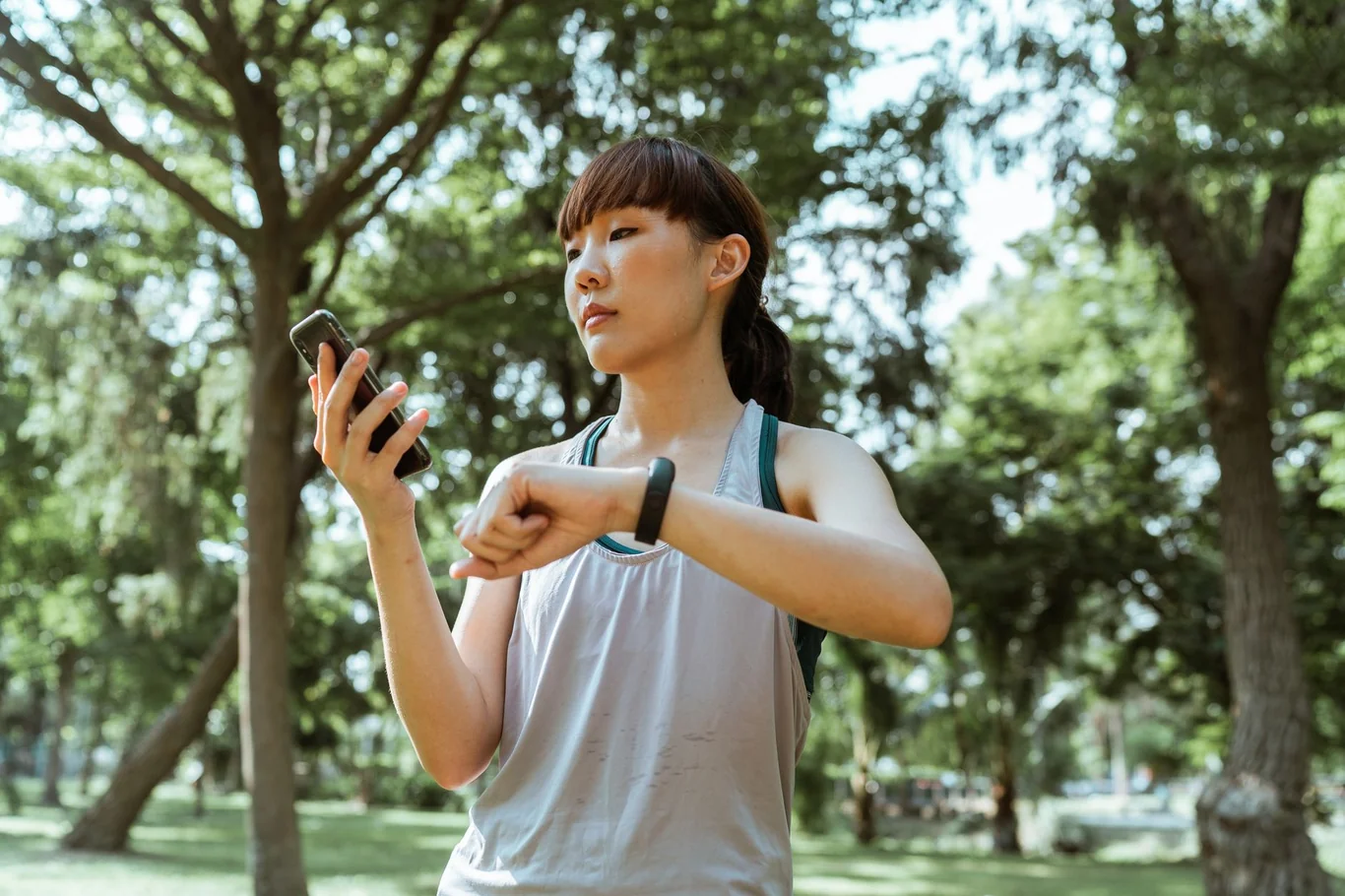
Motion artifacts are the biggest accuracy driver. Rhythmic movement during exercise can cause a PPG sensor to lock onto the motion signal rather than the pulse signal, which produces systematic over-reporting. Stop-start activities like interval training and wrist-heavy movements like weightlifting are the worst culprits.
For running, where wrist motion is rhythmic and predictable, purpose-built devices handle the pattern better, covered in my running fitness tracker guide.
Skin tone creates measurable differences. Melanin in darker skin absorbs more green light, which reduces the contrast the sensor needs to detect pulse changes accurately. A 2025 study found some devices underestimate heart rate by 10-15 bpm at rest and show error rates exceeding 20% during vigorous exercise in people with higher skin pigmentation (3). The gap across brands is real - some manufacturers have narrowed it significantly; others have not.
Fit and placement are more critical than most people realize. The sensor requires consistent contact about one finger-width above the wrist bone. Loose bands, sweat accumulation between sensor and skin, and cold-induced vasoconstriction all degrade the signal.
Activity type sets the accuracy ceiling. A 2026 validation study testing 10 commercial wearables across diverse conditions found intermittent walking degraded accuracy across every device tested, while steady-state activities like cycling returned the most reliable readings (4). Fitbit Charge 6 returned the lowest mean absolute error (4.5 bpm), with Google Pixel Watch 2 close behind.
Conditions that consistently reduce accuracy:
- High-intensity or stop-start exercise
- Elevated skin melanin concentration
- Loose band fit or placement off the wrist bone
- Cold ambient temperatures (vasoconstriction)
- Tattooed skin directly over the sensor
- Sweat or moisture buildup between sensor and skin
- Irregular cardiac rhythms during rate counting (though arrhythmia pattern detection remains strong - more on that below)
We noticed in our research that the fit-and-placement issue is the most fixable accuracy problem and the most frequently overlooked. Tightening the band one notch and shifting the watch up slightly can reduce resting measurement error by several bpm.
For those whose primary activity is resistance training, our best fitness tracker for weight lifting roundup evaluates which devices maintain sensor contact through heavy compound lifts - an underappreciated factor when comparing across categories.
Normal Heart Rate by Age - Understanding Your Baseline
Before any smartwatch reading means anything, you need context for what is actually normal. The standard clinical range for a normal heart rate for adults at rest is 60-100 beats per minute - but that range is broad, and where you land within it carries real meaning.
A trained endurance athlete's resting heart rate may sit comfortably at 40-55 bpm. A sedentary adult may hover around 80-90 bpm and still be within normal bounds. Fitness level, stress, caffeine, medications, hydration, and sleep quality all shift your daily baseline. Using a single reading as a reference point misses this. We've found that comparing a week's average resting heart rate trend is far more informative than any single measurement.
Age Group | Typical Resting Heart Rate (bpm) |
Newborns (0-1 month) | 100-205 |
Infants (1-11 months) | 100-190 |
Toddlers (1-2 years) | 98-140 |
Children (3-5 years) | 80-120 |
Children (6-11 years) | 75-118 |
Adolescents (12-15 years) | 60-100 |
Adults (18-64 years) | 60-100 |
Older adults (65+) | 60-100 |
For normal heart rate for women by age: women's resting rates run 2-7 bpm higher than men's across most age groups. The primary driver is anatomical - women's hearts are smaller on average and must beat more frequently to circulate the same blood volume. Hormonal fluctuations across the menstrual cycle, during pregnancy, and through menopause can shift baseline rates further.
For normal heart rate for men by age: men's rates trend slightly lower, and fitness level has a stronger moderating effect than age alone. A 45-year-old who runs regularly may have a lower resting rate than a sedentary 25-year-old.
If you're tracking heart rate for an older family member or monitoring your own data as you age, our guides to the best fitness tracker for seniors address the specific features and accuracy considerations that matter past 65.
What Is a Dangerous Heart Rate at Rest
Knowing your normal range means knowing when a reading warrants concern.
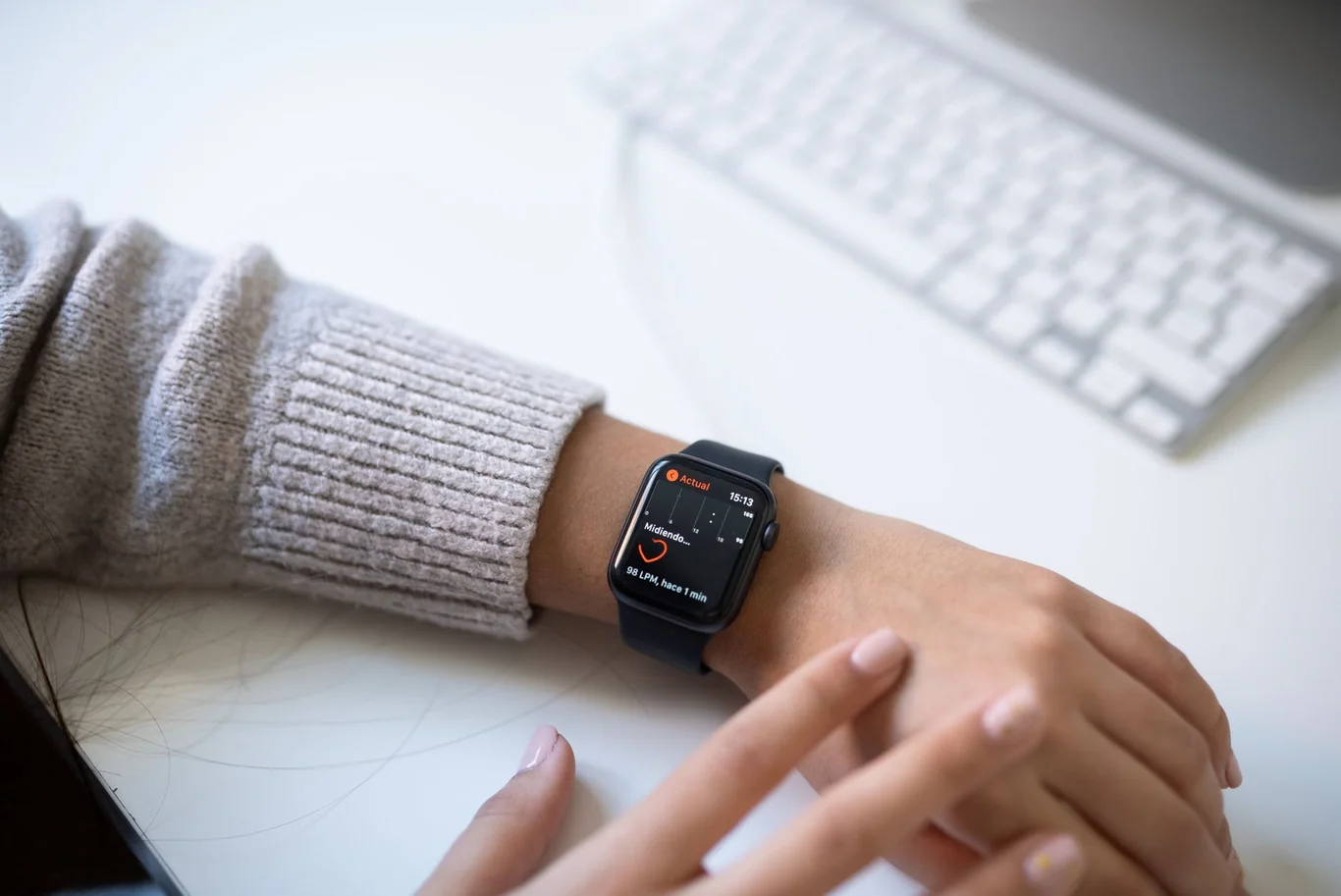
Here is what research and clinical guidelines identify as the key thresholds.
Tachycardia is defined as a resting heart rate consistently above 100 bpm. Occasional spikes from stress, caffeine, dehydration, or illness are expected and not alarming. A resting rate that sustains above 100 across multiple days of readings is worth discussing with a doctor.
What is a dangerous heart rate for adults - and for women specifically - comes down to context more than absolute numbers. A single reading of 110 bpm immediately after standing up is not worrying. The same number alongside chest pain, shortness of breath, or dizziness is a reason to seek care promptly.
What is a dangerous heart rate for a woman follows the same clinical thresholds, with one additional consideration: hormonal fluctuations can push resting rates legitimately higher at certain points in the cycle or during perimenopause. This does not mean elevated readings in women should be dismissed - but it does mean tracking context around the reading matters.
Warning signs to watch for alongside an elevated rate:
- Chest tightness or pain lasting more than a few minutes
- Shortness of breath at complete rest
- Lightheadedness or near-fainting episodes
- Rapid palpitations that do not resolve within minutes after stopping activity
- Heart rate above 150 bpm with no recent physical exertion
Bradycardia - a resting heart rate persistently below 50 bpm in someone who is not a trained athlete - is the opposite danger zone. Most smartwatches can flag this as well, though optical sensors are less reliable at very low pulse rates than at normal ranges.
If you're managing a diagnosed cardiac condition and considering a wearable, the best heart rate monitor watch for heart patients is a discussion to have with your cardiologist - accuracy requirements for medical monitoring differ from general wellness tracking. No consumer smartwatch is currently cleared for diagnostic use in managing arrhythmias or post-cardiac event monitoring without physician oversight.
When Smartwatch Heart Rate Readings Are Most Reliable
The accuracy picture varies substantially depending on what you're measuring and when.
Condition | Typical Accuracy | Reason |
Sleep and rest | High (MAE under 1 bpm) | Minimal motion; stable sensor contact |
Light walking | Moderate-high (MAE 4-5 bpm) | Low motion artifacts |
Steady cardio (cycling, steady run) | Moderate (MAE 5-8 bpm) | Rhythmic motion still causes some error |
High-intensity interval training | Lower (MAE 10+ bpm) | Stop-start motion and arm swing |
Atrial fibrillation detection | High (97% overall accuracy) | Pattern recognition, not just rate counting |
During sleep, PPG devices show a mean absolute error under 1 bpm against ECG reference (5). A study tracking 536 nights across 13 adults found Oura Ring Gen 3 and Gen 4 led on nocturnal resting heart rate accuracy, while WHOOP 4.0 showed more moderate ECG agreement (6). For best fitness tracker for sleep purposes, nocturnal heart rate accuracy is the metric that matters most - and dedicated sleep trackers often outperform general-purpose smartwatches here.
My guide to the best fitness trackers for sleep tracking covers the devices that consistently perform at the higher end of that accuracy range.
The most counterintuitive finding in recent research: smartwatches are surprisingly strong at detecting atrial fibrillation. A meta-analysis of 18 studies covering 424,371 participants found 100% sensitivity and 95% specificity for arrhythmia detection, with 97% overall accuracy (7). Pattern recognition in irregular rhythms is a different computational task than rate accuracy during motion - and smartwatches handle it well.
Smartwatch Heart Rate Compared to Clinical Monitoring
For healthy people tracking fitness trends, a 5 bpm margin of error rarely changes a training decision. For people with cardiac conditions who rely on precise, continuous readings, the stakes are different.
For everyday fitness use, my guide to the top fitness watches for heart rate monitoring covers the devices that consistently return the lowest margin of error in real-world testing.
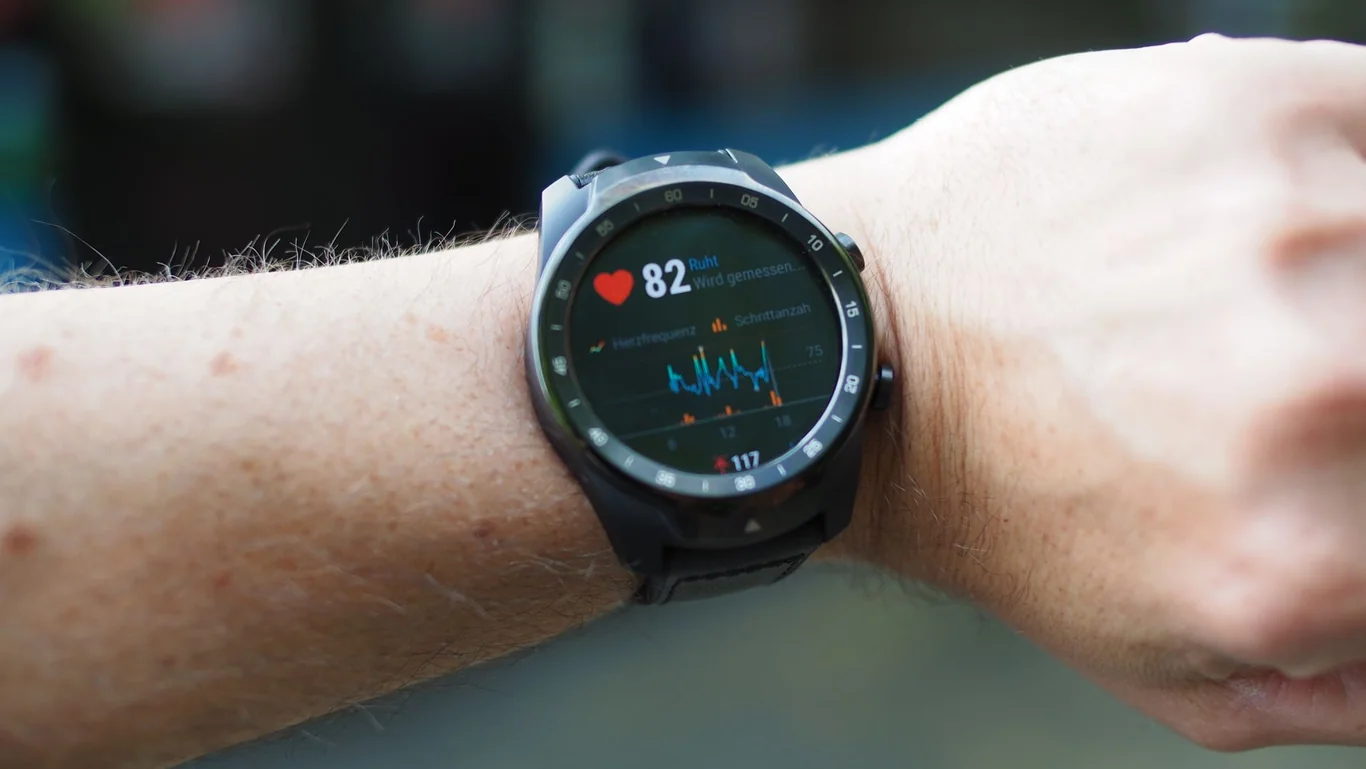
A prospective study of 50 hospital inpatients compared Fitbit Charge HR to continuous ECG monitoring over 24-hour periods. The device performed significantly worse in patients with irregular heart rhythms, and readings were systematically lower than ECG, with wider variability than pulse oximetry (8). This is not a failure of the technology for its intended use - consumer wearables are designed for wellness tracking, not clinical diagnosis.
For a head-to-head comparison of which platform performs best in practice, my breakdown of Garmin versus Apple Watch accuracy covers the differences across heart rate, GPS, and sleep tracking.
Situations where a smartwatch is sufficient:
- Monitoring resting heart rate trends over days and weeks
- Getting a rough sense of workout intensity zones
- Detecting unusually elevated or low patterns worth mentioning at a checkup
- AFib screening as a supplemental data point
Situations where a smartwatch is not sufficient:
- Post-surgical cardiac monitoring
- Diagnosing or managing known arrhythmias without additional clinical tools
- Confirming acute cardiac events (chest pain episodes, suspected MI)
- Medication dose titration based on heart rate response
A smartwatch that also monitors blood pressure and heart rate adds another layer of data, but the same limitations apply - blood pressure readings from wrist optical sensors carry even wider accuracy margins than heart rate. These remain wellness trend tools, not clinical measurement devices.
Whether that level of accuracy justifies the investment is addressed in my guide on whether a smartwatch is worth it for everyday health tracking.
Our best budget fitness tracker guide includes accuracy data for the most widely available models under $100. It is a useful reference if you want reliable resting heart rate tracking without premium pricing.
How to Get the Most Accurate Readings from Your Smartwatch
A few practical adjustments improve data quality without buying a new device.
For readers still deciding whether a full smartwatch or a simpler tracker better fits their needs, my guide on what a smartwatch does covers the complete feature range across major platforms.
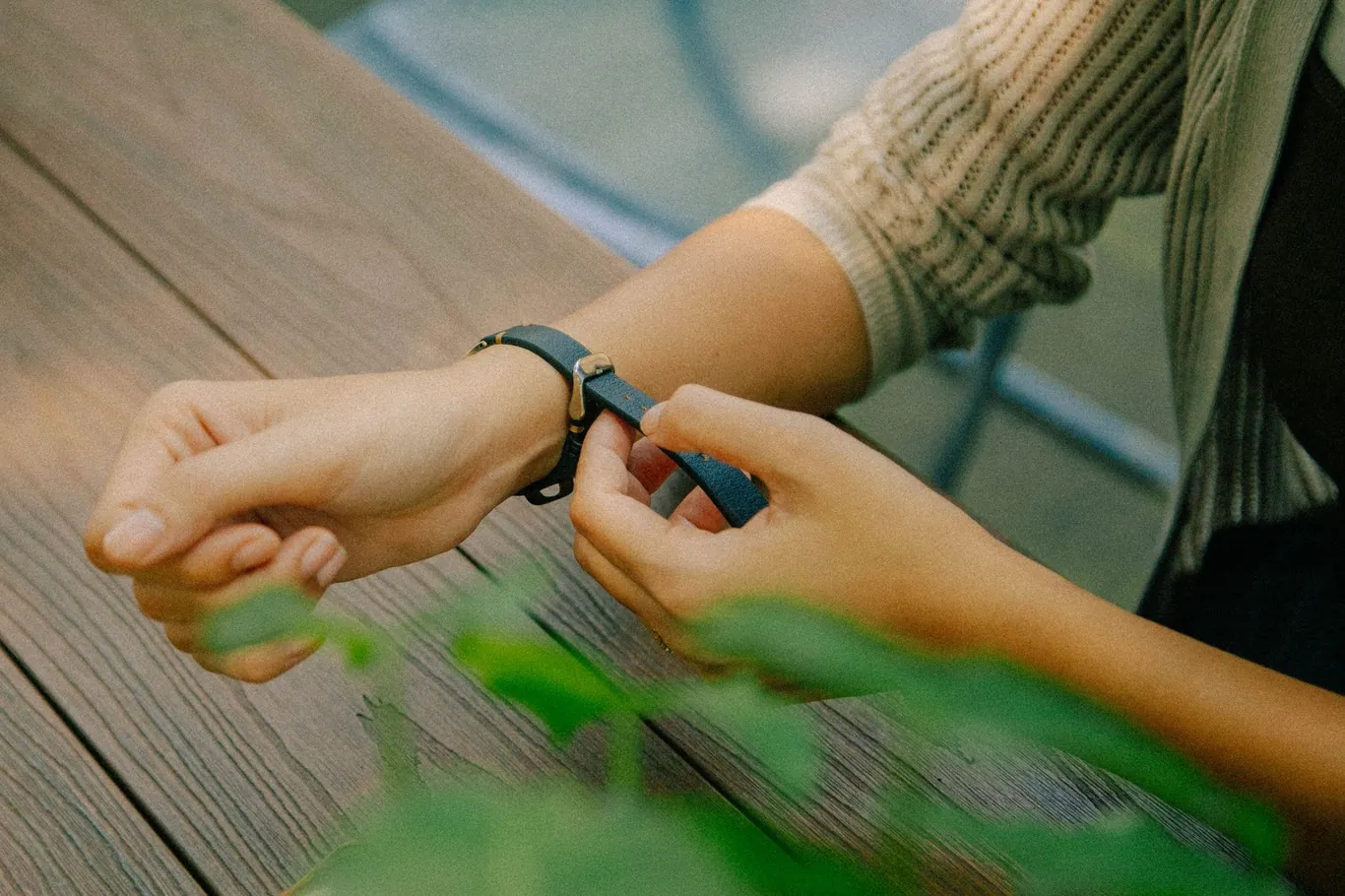
- Wear it snugly, about one finger-width above the wrist bone - this is the sweet spot for sensor contact without restricting circulation
- Take baseline readings first thing in the morning, before standing, after waking from sleep
- Stay still for at least 30 seconds before triggering a manual measurement
- Clean the sensor and wristband regularly - oil and sweat residue scatter the LED signal over time
- For high-accuracy workout data, pair your smartwatch with a chest strap heart rate monitor during demanding sessions
- Know what to look for in a fitness tracker before buying - validated accuracy data from independent studies matters more than brand claims, particularly for heart rate during exercise
We'd also suggest using the 7-day resting heart rate trend as your primary reference point, not individual readings. A resting rate that creeps up 8-10 bpm over two weeks - without a clear lifestyle reason - is more meaningful than any single high number. Your smartwatch's trend view is often better evidence than any one-off reading.
For those who prefer a purpose-built device over a full smartwatch, my guide to the best fitness trackers for heart rate accuracy covers the options with the most reliable optical sensors.
If you're evaluating ankle-worn alternatives that may provide different accuracy profiles for specific populations, our best ankle fitness tracker guide covers the options worth considering.
The Bottom Line on Smartwatch Heart Rate Accuracy
Smartwatches have closed the gap with clinical monitors considerably - but they remain wellness tools, not diagnostic devices. For healthy adults monitoring fitness progress, resting baselines, and sleep patterns, current accuracy is genuinely useful and improving with every generation. For anyone with a cardiac condition relying on precise real-time readings, the limitations are real and worth a frank conversation with a healthcare provider before relying on wearable data for medical decisions.

What to look for in a fitness tracker for heart rate monitoring comes down to a few practical factors: how the device performs during your specific activity types, whether its sensor design accounts for your skin tone, and whether its accuracy claims are backed by third-party validation - not just manufacturer marketing. The best fitness watch for heart rate is the one that fits your wrist correctly and gives you consistent enough data to spot meaningful changes over time.
My guide on tracking your workouts effectively covers how to combine heart rate data with session logs to build a complete picture of training progress.
How to track workouts and how to use a fitness tracker effectively both start with the same principle: trust trends, not single readings. Your smartwatch is a pattern detector, and that is where it earns its value. If you're also using your wearable to monitor calorie burn alongside heart rate, our best calorie tracker guide addresses which devices use heart-rate-informed algorithms for energy expenditure estimates - a feature where accuracy compounds on itself, for better or worse.
FAQs
Do cardiologists recommend smart watches?
The position most cardiologists take on smart watches is conditional support rather than broad endorsement - many find them useful for long-term trend monitoring and AFib screening, but caution against treating individual readings as diagnostic data. Research showing 97% overall accuracy for arrhythmia detection has shifted some clinical attitudes toward cautious acceptance as a supplemental monitoring tool.
Can you trust a heart rate on a smart watch?
You can trust smartwatch heart rate readings most reliably when you are at rest or during steady-state, low-motion activity, and least during high-intensity or stop-start exercise. Studies show 91-95% accuracy at rest against clinical ECG reference, with meaningful degradation during vigorous or arm-heavy activity - context always determines how much to weigh any given reading.
For activities where smartwatch accuracy is lowest, my chest strap heart rate accuracy guide covers how to get reliable readings during high-intensity effort.
What smartwatch has the most accurate heart rate?
Among recently validated consumer wearables, Fitbit Charge 6 returned the lowest mean absolute error (4.5 bpm) across diverse activity types and climate conditions in a 2026 multi-device study, with Google Pixel Watch 2 performing comparably. For nocturnal resting heart rate specifically, Oura Ring Gen 3 and Gen 4 have led in independent validation against ECG reference. Buyers narrowing down to Galaxy Watch or Apple Watch specifically can find a full sensor accuracy and platform comparison in my Galaxy vs Apple Watch guide.
Why are people ditching smart watches?
The most commonly cited reasons people stop wearing smart watches are health anxiety from habitual checking, discomfort from wearing a device continuously, and eroded trust after noticing large discrepancies during specific activities. Some users also describe feeling that the volume of data - heart rate, sleep, activity, stress scores - created more confusion than clarity about their health.
What is a dangerous heart rate?
A dangerous heart rate is generally a resting rate consistently above 100 bpm (tachycardia) or below 50 bpm in non-athletes (bradycardia), particularly when symptoms accompany the reading - chest pain, dizziness, shortness of breath, or palpitations that do not resolve. A single elevated reading without symptoms is rarely an emergency, but a sustained pattern over multiple days warrants a medical evaluation.
References:
- Nelson BW, Allen NB. Accuracy of consumer wearable heart rate measurement during an ecologically valid 24-hour period: intraindividual validation study. JMIR mHealth and uHealth. 2019;7(3):e10828. doi:10.2196/10828
- Bent B, Goldstein BA, Kibbe WA, Dunn JP. Investigating sources of inaccuracy in wearable optical heart rate sensors. NPJ Digital Medicine. 2020;3:18. doi:10.1038/s41746-020-0226-6
- Asif S, AlSaafeen A, Nadar S, et al. Photoplethysmography in diverse skin tones: evaluating bias in smartwatch health monitoring. Cureus. 2025;17(10):e94074. doi:10.7759/cureus.94074
- Gielen J, Van Oost CN, Debard G, et al. Accuracy of optical heart rate measurements for 10 commercial wearables in different climate conditions and activities: instrument validation study. JMIR Formative Research. 2026;10:e85186. doi:10.2196/85186
- Rehman ZUR, Chatterjee M, Manyakov NV, et al. Assessment of physiological signals from photoplethysmography sensors compared to an electrocardiogram sensor: a validation study in daily life. Sensors. 2024;24(21):6826. doi:10.3390/s24216826
- Dial MB, Hollander ME, Vatne EA, et al. Validation of nocturnal resting heart rate and heart rate variability in consumer wearables. Physiological Reports. 2025;13(16):e70527. doi:10.14814/phy2.70527
- Nazarian S, Lam K, Darzi A, Ashrafian H. Diagnostic accuracy of smartwatches for the detection of cardiac arrhythmia: systematic review and meta-analysis. Journal of Medical Internet Research. 2021;23(8):e28974. doi:10.2196/28974
- Kroll RR, Boyd JG, Maslove DM. Accuracy of a wrist-worn wearable device for monitoring heart rates in hospital inpatients: a prospective observational study. Journal of Medical Internet Research. 2016;18(9):e253. doi:10.2196/jmir.6025