
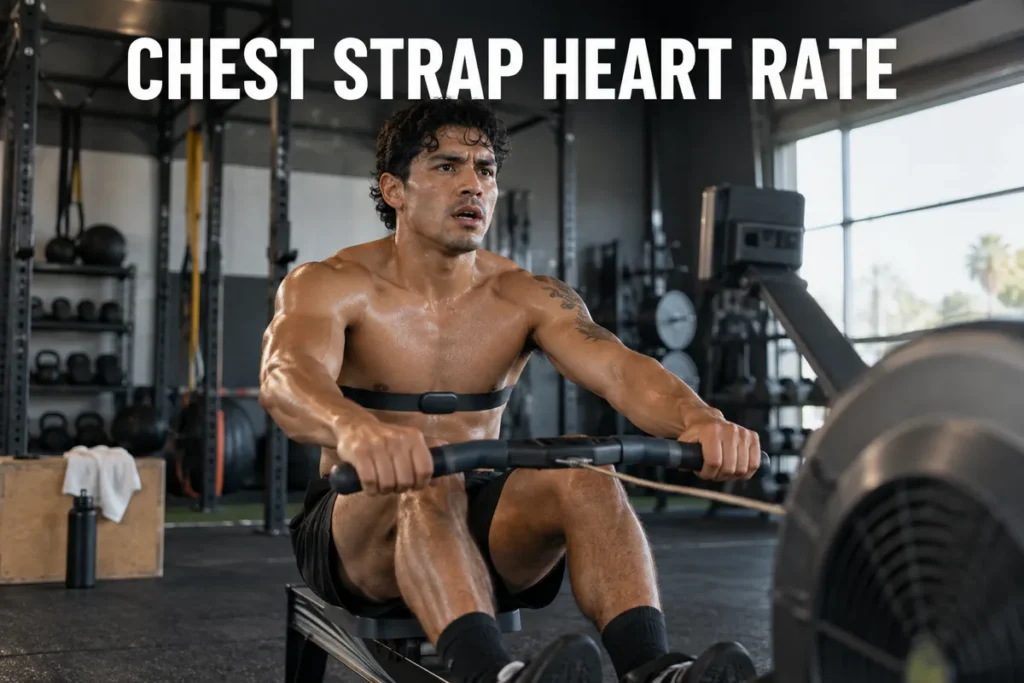
Chest strap heart rate monitors remain the most accurate way to measure cardiovascular effort during exercise. Wrist-based trackers and smartwatches have made heart rate monitoring more convenient than ever, but they use a fundamentally different sensor technology that introduces real accuracy trade-offs. This guide covers how both systems work, what peer-reviewed research reveals about the accuracy gap, and how to choose the right device for your training. You will find normal heart rate reference ranges by age, a breakdown of dangerous heart rate thresholds, and a direct comparison that cuts through the marketing noise.

Chest Strap Heart Rate Monitors - How the Technology Works
A chest strap heart rate monitor detects the electrical impulses produced by each heartbeat through electrocardiography, the same principle used in clinical ECG equipment. Two electrodes rest against the skin on either side of the sternum, capturing the electrical signal directly from cardiac muscle activity. This approach requires no interpretation and no estimation. The result is a beat-to-beat reading with extraordinary fidelity, even during rapid changes in effort.
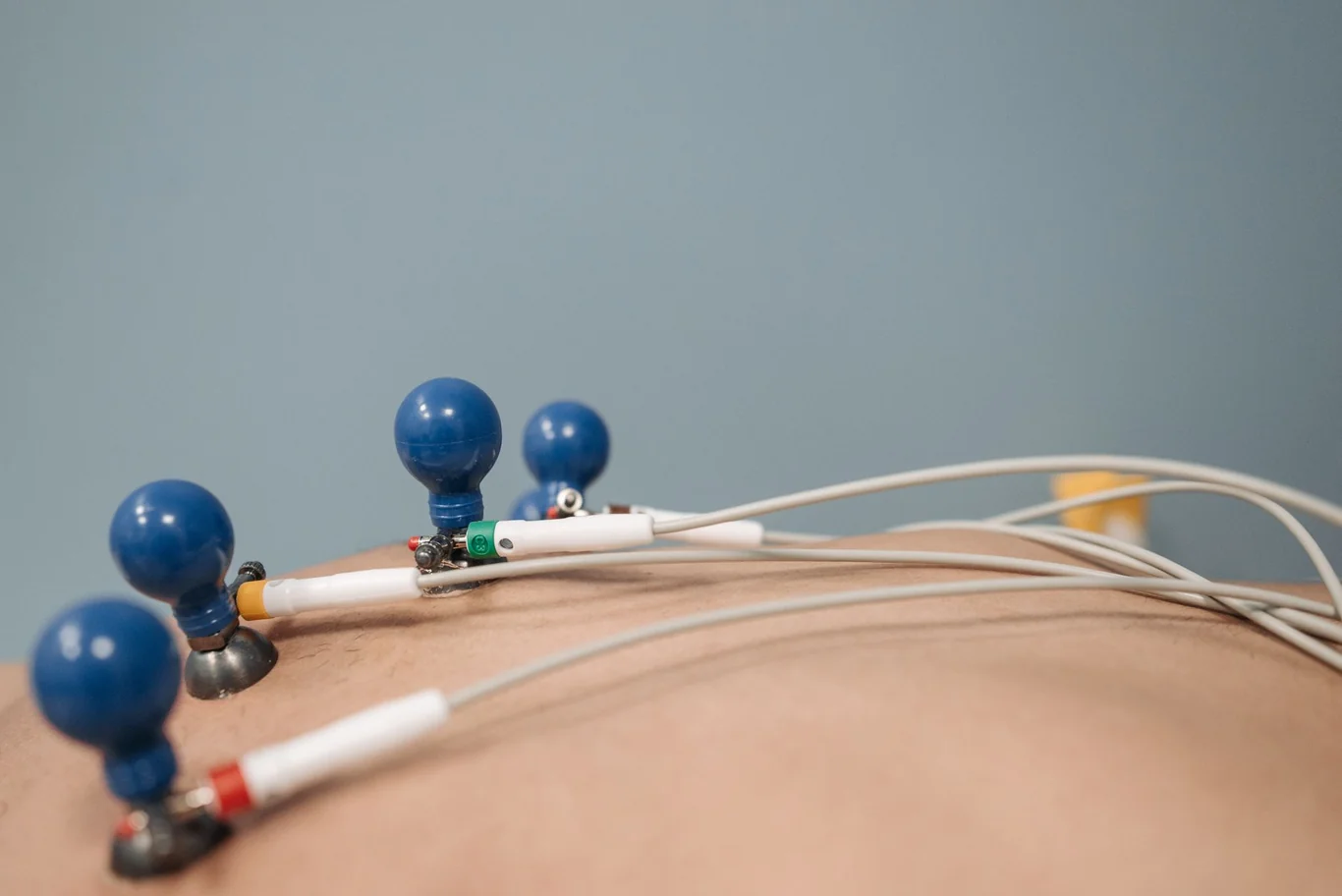
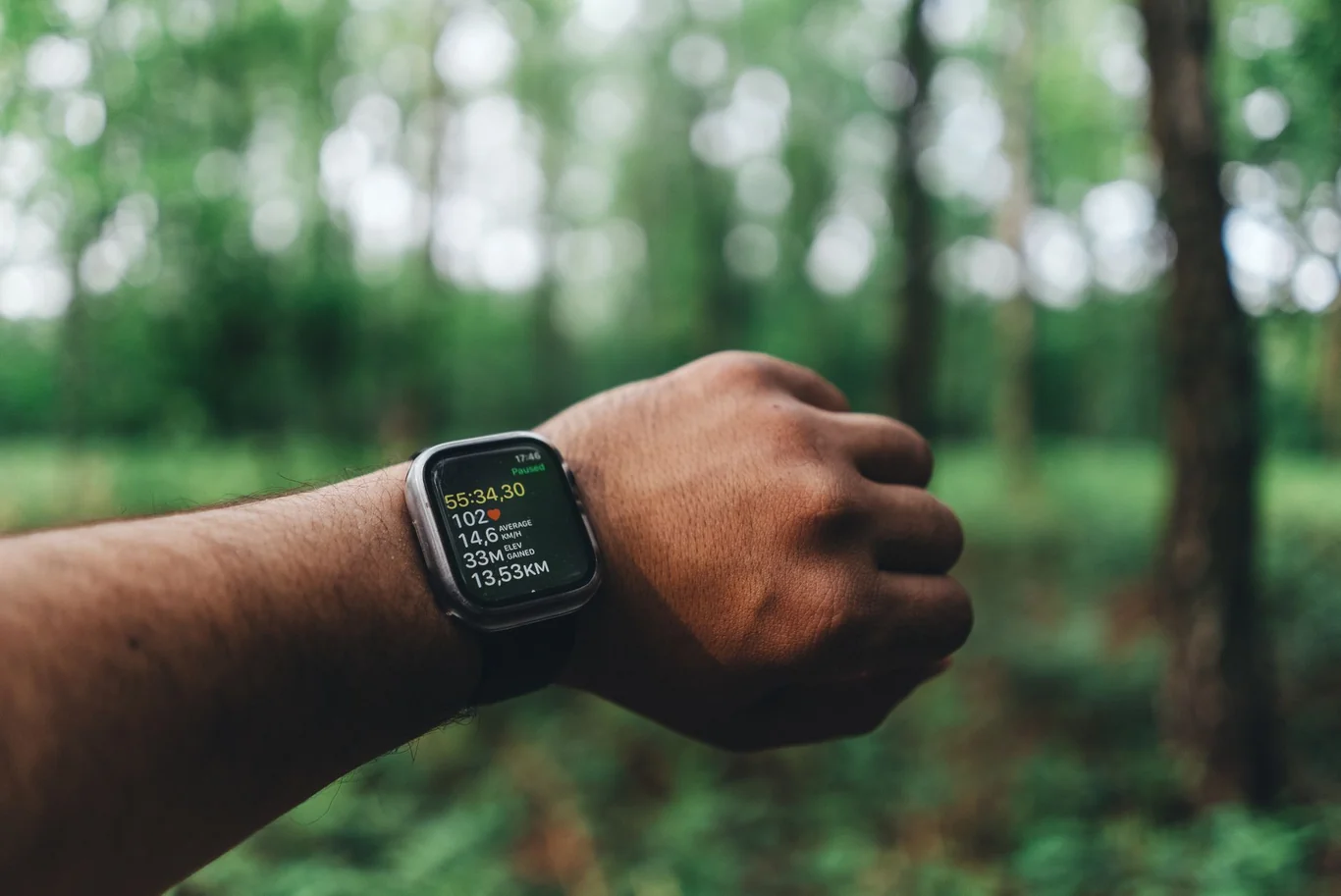
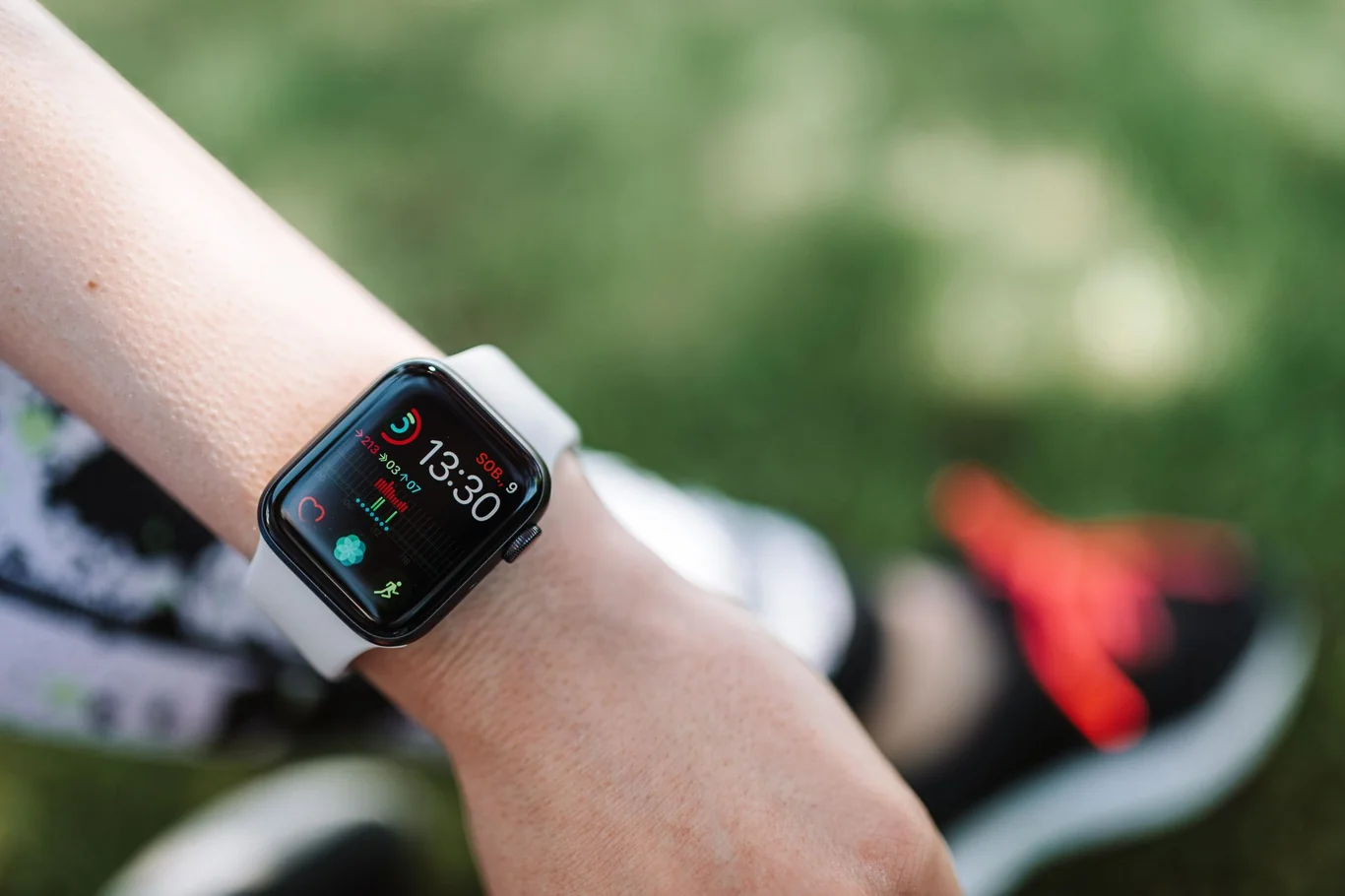
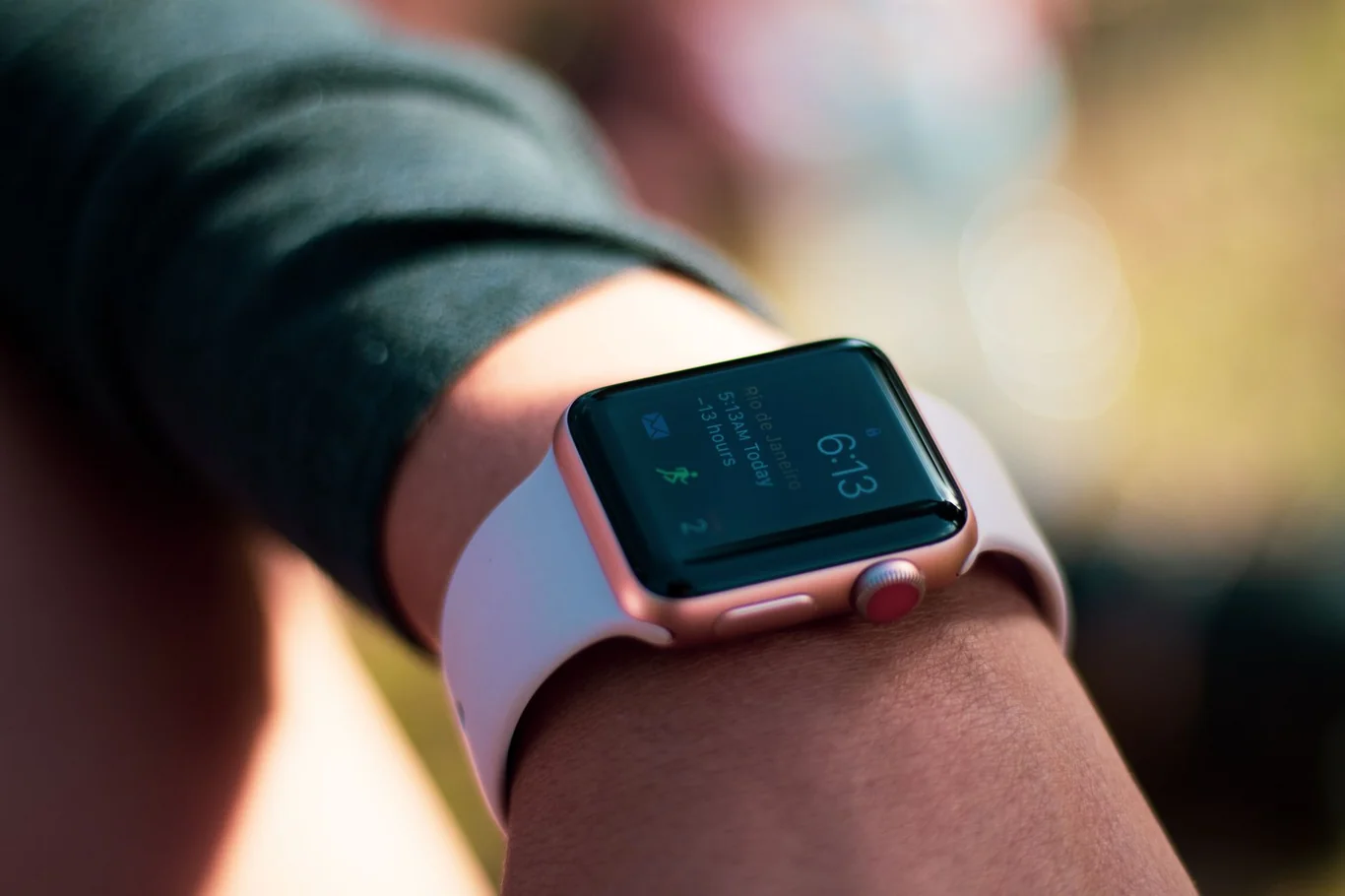
Wrist-based monitors, by contrast, use photoplethysmography (PPG), a light-based method that shines LEDs into the skin and measures how much light reflects back. Blood absorbs light differently depending on how much is flowing through the capillaries beneath the sensor, and the device infers your heart rate from those fluctuations. PPG estimates heart rate rather than measuring it directly. The technology performs reliably at rest and during steady-state activity, but its accuracy depends heavily on sensor placement, skin tone, movement artifacts, and tissue perfusion.
If you are already curious about real-world accuracy differences, our full breakdown of smartwatch heart rate accuracy covers the practical gap in detail.
The core mechanical difference between the two technologies is the signal source. Chest straps read discrete electrical pulses, one per heartbeat, with no ambiguity. Optical PPG reads continuous light absorption patterns in blood flow, a signal inherently susceptible to noise from arm movement, temperature changes, and skin characteristics. When you sprint, swing your arms, or change direction, motion artifacts overwhelm the optical signal. Algorithms built into modern smartwatches filter out this noise, but the filtering introduces lag and can miscount beats. Chest straps bypass this problem entirely because electrical cardiac signals carry no motion artifact at the source.
Key differences between ECG and optical PPG:
- ECG (chest strap): reads electrical impulses directly from cardiac muscle; beat-to-beat precision; no motion artifact risk
- PPG (optical wrist): estimates heart rate from blood flow patterns; susceptible to motion artifact, skin tone, and fit
- Accuracy at rest: both technologies perform comparably
- Accuracy during exercise: chest straps maintain accuracy; wrist-based accuracy degrades with intensity and movement
- HRV measurement: chest straps provide the RR-interval data needed for reliable heart rate variability tracking; wrist-based HRV is an estimate
How Accurate Are Chest Strap Heart Rate Monitors?
Research consistently demonstrates that chest strap heart rate monitors achieve near-medical-grade accuracy. A 2021 study in Sensors (Basel) tested the Polar H10 chest strap against a standard ECG reference across multiple exercise conditions and found a mean absolute percentage error of just 0.76% (1). A vest-based monitor tested in the same protocol produced a 3.32% error. At high exercise intensities of 171 to 190 beats per minute, the vest-based device produced errors of 5 to 7 beats per minute, enough to push a training session from one zone into another without the athlete noticing.

In our testing with the Polar H10 during high-intensity interval sessions, the live zone readings matched perceived effort consistently at intensities above 170 bpm - the same sessions where our Garmin watch lagged visibly before catching up to the actual effort level. That on-the-ground difference is what makes choosing the right device more than a spec-sheet question.
For heart rate variability tracking, accuracy requirements are even stricter because beat-to-beat timing needs to be precise. Schaffarczyk et al. (2022) validated the Polar H10 against a 12-channel ECG and found near-perfect heart rate correlation at rest (r = 1.00) and correlation above 0.93 during incremental exercise (2). That level of fidelity is what makes chest strap data the standard reference in exercise science research. For athletes tracking heart rate variability by age as a recovery metric, that precision matters every morning.
Accuracy During High-Intensity Exercise
Accuracy gaps between device types widen at high effort. Both optical PPG and chest strap readings hold up well during steady-state cardio such as a jog at consistent pace or a moderate cycling effort. The divergence becomes practically significant during intervals, sprint efforts, and any activity with high arm movement.
During high-intensity intervals, the optical sensor on a wrist tracker can lag noticeably behind your actual heart rate. Research on wrist PPG performance consistently documents this response delay at intensities above Zone 3, where the gap between displayed and actual heart rate is large enough to misclassify your training zone. A chest strap heart rate reading responds in real time, which matters directly for zone-based training where zone precision affects the outcome of every interval session.
Accuracy for Heart Rate Variability Tracking
Heart rate variability is the beat-to-beat variation in timing between heartbeats, a metric used to gauge nervous system recovery and training readiness. Consumer wearables that report HRV from an optical wrist sensor are estimating this value, and that estimation degrades significantly under any movement. Schaffarczyk et al. (2022) found DFA alpha-1 bias values ranging from 0.9% to 8.6% depending on exercise intensity, with limits of agreement reaching up to 14.7% at high effort (2). A chest strap heart rate monitor provides the RR-interval data needed for reliable HRV measurement, which an optical sensor simply cannot replicate under training conditions.
Chest Strap Heart Rate Monitor vs Wrist Tracker - Direct Comparison
The choice between these two device types is rarely straightforward. Here is how they compare across the factors that matter most for training.
Feature | Chest Strap (ECG) | Wrist Tracker (PPG) |
Exercise accuracy | Very high (MAPE <1%) | Variable (1-14% depending on activity) |
HRV measurement | Reliable RR-interval data | Estimated, limited reliability |
High-intensity accuracy | Maintains precision | Degrades with motion artifact |
Battery life | 400+ hours (replaceable coin cell) | 1-5 days (rechargeable) |
All-day wearability | Workout sessions only | All-day comfortable |
Price range | $50-$130 | $100-$500+ |
Connectivity | Bluetooth + ANT+ | Bluetooth / proprietary |
A 2022 systematic review in the Journal of Medical Internet Research analyzed 65 articles covering 72 commercial wrist-based devices and found that wrist tracker accuracy varies substantially by brand and device (3). Apple Watch models showed mean absolute percentage error of 1 to 7%, while Fitbit models demonstrated systematic negative bias ranging from -6 to -9 beats per minute. The best wrist monitors approach chest strap accuracy for moderate-intensity work; the worst fall far behind.
When Wrist Monitors Fall Short
Activity type is the strongest predictor of wrist tracker accuracy. Reddy et al. (2018) evaluated Fitbit and Garmin devices across treadmill running, cycling, and rowing in a controlled study (4). Treadmill running accuracy was strong at 0.5 to 1.7% mean relative error, but cycling accuracy dropped sharply to 11.4 to 14.3% error. Correlation coefficients ranged from 0.46 to 0.94 depending on exercise type. For cyclists, triathletes, or anyone performing activities with significant arm movement, the case for a chest strap heart rate monitor is considerably stronger.
For a breakdown of how zone targets shift with cadence and fatigue on the bike, my heart rate zones cycling guide covers the practical thresholds for every training level.
A 2025 study examining wrist PPG accuracy across multiple exercise modalities in cardiac patients found similar patterns, with walking producing only 3.8% MAPE but rowing producing 13.4% MAPE (5). The exercise-dependent accuracy pattern aligns with findings from healthy exerciser research, and the magnitude of the rowing gap holds practical significance for zone-based training. Our guide on what muscles a rowing machine works covers why this full-body modality demands precise training data.
Our own comparison during rowing intervals showed the wrist tracker consistently underreporting intensity during the first 20 to 30 seconds of each hard piece, often by a full training zone - exactly where accurate readings matter most.
Wrist-based optical monitors also struggle with:
- Cold temperatures that reduce peripheral blood flow and PPG signal quality
- Darker skin tones, which absorb LED wavelengths differently and reduce reading accuracy
- Loose or improperly positioned bands that allow light leakage into the sensor
- Wrist tattoos that interfere with the optical signal
- High-intensity activities with strong wrist and arm movement patterns
When a Wrist Monitor Is Accurate Enough
Wrist trackers have improved substantially in recent years. Hogue et al. (2026) conducted a PRISMA-compliant systematic review of 47 studies spanning 2002 to 2025 and found that modern devices now routinely achieve MAPE between 1.14% and 6.70%, with intraclass correlation coefficients exceeding 0.95 (6). Early devices from the mid-2000s produced correlations as low as r = 0.50; top-tier devices from 2017 onward now approach chest strap precision for moderate-intensity, steady-state work.
For daily step counting, light cardio monitoring, sleep tracking, and casual heart rate awareness, a quality wrist tracker performs well enough for most recreational fitness goals. The best heart rate monitor watch options from Garmin, Apple, and Polar now achieve 1 to 7% MAPE for steady-state work, making them a practical choice when zone precision is not the priority. Understanding how Garmin and Apple Watch compare on accuracy helps you choose wisely within the wrist-based category.
Heart Rate Training Zones and How Accuracy Affects Training
Heart rate training zones divide your cardiovascular effort into bands, each associated with a distinct physiological response.

Zone | Name | % Max HR | BPM (40-year-old*) | Training Purpose |
Zone 1 | Active Recovery | 50-60% | 90-108 | Warm-up, cool-down, recovery walks |
Zone 2 | Aerobic Base | 60-70% | 108-126 | Fat oxidation, aerobic base building |
Zone 3 | Aerobic Threshold | 70-80% | 126-144 | Aerobic fitness maintenance |
Zone 4 | Lactate Threshold | 80-90% | 144-162 | Tempo runs, threshold intervals |
Zone 5 | VO2 Max | 90-100% | 162-180 | Max-effort intervals, race-pace work |
*Approximate ranges for a 40-year-old using the 220 minus age formula. Individual variation is significant.
Zone calculations start with your maximum heart rate. The classic formula (220 minus age) provides an estimate - how to calculate max heart rate precisely involves field testing protocols that yield more accurate individual thresholds.
Zone 2 heart rate training has gained significant attention for aerobic base development and fat metabolism. A 10 to 15 beat-per-minute error from an optical wrist sensor during an interval session can push you into Zone 3 without the device registering the shift - Reddy et al. (2018) documented cycling errors up to 14.3% that produce exactly this kind of zone misclassification (4). For structured zone training, a chest strap heart rate monitor eliminates this ambiguity. For a deeper look at fat-burning ranges, our guide on target heart rate for fat burning covers the practical thresholds in detail.
Normal Heart Rate by Age - Reference Ranges
The heart rate normal range for healthy adults at rest is 60 to 100 beats per minute, according to established clinical guidelines. Well-trained endurance athletes often fall below 60 bpm at rest due to cardiac adaptations from sustained training volume.
Normal heart rate for adults varies by fitness level, age, medications, ambient temperature, and stress. The ranges below are population-based estimates used for general wellness screening, not diagnostic thresholds. Consult a healthcare provider for clinical interpretation.
Age Group | Typical Resting Heart Rate Range |
18-25 | 60-90 bpm |
26-35 | 62-90 bpm |
36-45 | 63-91 bpm |
46-55 | 65-92 bpm |
56-65 | 66-93 bpm |
65+ | 65-92 bpm |
Trained athletes (any age) | 40-60 bpm |
Reference: Population-based estimates for general wellness reference. Individual variation is expected and normal.
Normal heart rate by age follows a gradual upward trend as we get older, primarily because cardiac efficiency and aerobic conditioning tend to decline with age unless actively maintained. Normal heart rate for women by age typically runs 3 to 10 beats per minute higher than for men at equivalent fitness levels, due to differences in heart size and stroke volume. Men tend to sit at the lower end of each range for normal heart rate by age when fitness levels are comparable. These are general reference ranges, not diagnostic thresholds.
Our guide on normal heart rate and age covers pediatric, adult, and senior populations in greater depth, including factors that move resting rate above or below typical ranges.
Normal heart rate when running depends on your fitness level, pace, and conditions. Fit recreational runners typically maintain 130 to 160 bpm during moderate-effort runs, while beginners or those running in heat may regularly see 160 to 175 bpm at similar perceived effort.
What Is a Dangerous Heart Rate?
A resting heart rate consistently above 100 bpm is classified as tachycardia and warrants evaluation by a healthcare provider, particularly if it occurs without an obvious trigger such as illness, dehydration, or stimulant use. By contrast, a resting heart rate consistently below 60 bpm may indicate bradycardia in non-athletes, with rates below 50 bpm meeting the ACC/AHA/HRS clinical threshold regardless of fitness background. Highly trained endurance athletes with resting rates in the 40s should still discuss this with a healthcare provider to confirm it reflects a training adaptation rather than an arrhythmia.
What is a dangerous heart rate for a woman follows the same clinical framework as for men. Tachycardia and bradycardia thresholds are defined by rate, context, and symptom profile, not by sex. Women with cardiovascular risk factors or known cardiac conditions should discuss exercise heart rate targets directly with their healthcare provider.
Stop exercising and seek medical attention if you experience any of the following during or after a workout:
- Heart rate that remains above 100 bpm more than 10 minutes after stopping exercise
- Chest pain, pressure, or tightness at any heart rate
- Dizziness, lightheadedness, or near-fainting during effort
- Irregular heartbeat or sustained palpitations
- Heart rate exceeding 220 minus your age at any point during exercise
A chest strap heart rate monitor or wrist-based heart rate monitor gives you the real-time data to recognize when you are pushing past safe limits. Understanding your own ranges is one of the most practical reasons to monitor target heart rate for fat burning and zone training consistently.
Establishing a baseline with a structured VO2 max test gives you the personal data needed to set zones accurately and track aerobic fitness gains over time.
When that zone data is reliable, the next step is structuring it into a protocol that progressively raises your aerobic ceiling, and my guide on how to improve VO2 max covers the evidence-based methods for doing that.
How to Choose Between a Chest Strap and Wrist Monitor
Choosing between a chest strap heart rate monitor and a wrist tracker comes down to three factors: how you train, what accuracy level your goals require, and how you want to use your device outside of workouts.
For a detailed breakdown of the best-performing wrist options, my best fitness watch guide evaluates each device on accuracy, build quality, and sport-specific features.
How to Use a Chest Strap for Best Accuracy
Proper setup makes a meaningful difference in chest strap performance. Position the strap just below the pectoral muscles at the base of the sternum, with the sensor module centered or slightly to the left. Moisten the electrode pads with water or electrode gel before putting the strap on - this improves signal quality substantially, especially in cold weather or air conditioning. The strap should sit snug enough to stay in place during movement without restricting breathing. Pair via Bluetooth or ANT+ to your Garmin, Polar, or Wahoo head unit before starting your session. Popular ECG chest strap options include the Polar H10 (flagship accuracy, replaceable CR2032 coin cell lasting 400+ hours), the Garmin HRM-Pro (multi-sport, running dynamics), and the Wahoo TICKR X (rechargeable, motion data).
Choose a Chest Strap - When ECG Accuracy Matters
- You follow a structured training plan with specific heart rate zones
- You do interval training, cycling, or any activity with substantial arm or body movement
- You track HRV for recovery monitoring and need accurate beat-to-beat data
- You compete in endurance sports where data quality affects race-day pacing decisions
- You want compatibility across Garmin, Polar, Wahoo, and most major training platforms
Chow and Yang (2020) compared the Garmin Vivosmart HR+ and Xiaomi Mi Band 2 directly against the Polar H7 chest strap as the reference standard (7). Even the better-performing optical device (Garmin) showed MAPE of 3.77 to 4.73%, with concordance correlation coefficients of 0.80 to 0.92. When zone precision directly affects training outcomes, the heart rate monitor chest strap remains the stronger tool.
A heart rate monitor chest strap is particularly valuable for:
- Running, triathlon, and cycling training where zone data informs pacing decisions
- Structured running programs that require accurate Zone 2 monitoring
- Athletes who cannot afford an extended heart rate lag during intervals
- Competitive events where real-time zone data affects race strategy
Information on how to check heart rate on iphone and how to connect chest straps to mobile platforms is covered in our device pairing guides.
Choose a Wrist Monitor - When Convenience Is the Priority
- All-day activity tracking, step counting, and sleep monitoring are equal priorities to workout data
- Your training is moderate-intensity with consistent pacing such as walking, light jogging, or yoga
- Comfort and convenience matter more than maximum precision
- You want a single device that handles fitness tracking, notifications, and health metrics
A quality wrist-based heart rate monitor from Garmin, Apple, Fitbit, or Polar performs well for casual fitness goals. Top-performing options such as the Apple Watch Series 10 and the Garmin Forerunner 265 achieve some of the lowest MAPE values among wrist devices in the Hogue et al. (2026) systematic review. Understanding what a smartwatch does beyond heart rate tracking helps you evaluate whether all-in-one convenience justifies the accuracy trade-offs for your specific training.
Most modern chest straps connect directly to Strava, Garmin Connect, Apple Health, and other major platforms via Bluetooth or ANT+. A setup that pairs a chest strap with a Garmin or Polar watch gives you the best of both: ECG accuracy during key sessions and wrist-based convenience for daily use. If you train in activities with significant forearm movement, arm-band optical monitors such as the Polar OH1 or Wahoo TICKR FIT offer a middle ground - better sensor contact than the wrist with less restriction than a chest strap.
For a full ranking of which wrist devices deliver the best real-world accuracy, my most accurate fitness watch guide tests the top models for zone precision and consistency.
The Bottom Line on Chest Strap Heart Rate Monitoring
Chest strap heart rate monitors deliver the most accurate cardiovascular training data available outside a clinical setting. The research is consistent: ECG-based chest straps outperform optical wrist trackers on accuracy, particularly during high-intensity intervals, cycling, and any activity with significant arm movement. For athletes who train in zones, track HRV, or compete in endurance sports, that accuracy gap translates directly into better decisions.
For runners specifically, my best fitness tracker for runners guide covers the top options for pace, zone accuracy, and GPS performance.

Wrist trackers have closed the gap substantially for moderate-intensity work. For daily activity tracking and casual cardio, a quality wrist device from a reputable brand performs well enough for most goals. The right answer depends on how you train, not just what the marketing says.
For a shortlist of the top options at every price point, my best fitness tracker guide breaks down the current leaders by accuracy, battery life, and training features.
For the specific zones and percentages that define fat-burning training intensity, my fat-burning heart rate training guide gives you the age-adjusted thresholds to reference when configuring your device.
In our training setup, the chest strap goes on for every session above Zone 2 - intervals, threshold work, and any cycling. For easy recovery runs and all-day activity, a quality watch handles the rest. If you are unsure whether your wrist tracker is keeping up during hard efforts, pair it with a chest strap for one session and compare the two feeds side by side. The gap will tell you exactly how much it matters for your specific training.
For a zone 2 heart rate option that pairs well with any heart rate monitor setup, the benefits of walking backwards on a treadmill cover an underrated approach to controlled aerobic base work.
FAQs
Can a chest strap track heart rate?
A chest strap can track heart rate using electrocardiography, detecting the electrical impulses produced by each heartbeat through electrodes pressed against the skin. This method is more accurate than the optical PPG technology used in wrist trackers because it reads the heart's electrical signal directly rather than estimating rate from blood flow patterns.
Is a chest strap heart rate monitor worth it?
A chest strap heart rate monitor is worth it for athletes who train in specific zones, perform high-intensity interval work, or track heart rate variability as a recovery metric. For casual exercisers whose primary goal is general activity awareness, a quality wrist tracker is often sufficient for everyday training needs.
Which is better, a heart rate watch or a chest strap?
A chest strap delivers significantly more accurate real-time data during high-intensity exercise and activities with arm movement, while a heart rate watch offers greater convenience and all-day tracking capability. The better choice depends on whether your training demands zone precision or whether all-day wearability and smartwatch features are the higher priority for you.
Are chest strap heart rate monitors accurate?
Chest strap heart rate monitors are highly accurate, with research showing mean absolute percentage errors as low as 0.76% compared to clinical ECG equipment in controlled studies. This accuracy level holds even at high exercise intensities where wrist-based optical monitors can show errors of 5 to 14 beats per minute or more.
What is a dangerous heart rate?
A resting heart rate consistently above 100 beats per minute, or consistently below 60 beats per minute in non-athletes, warrants evaluation by a healthcare provider. During exercise, any heart rate accompanied by chest pain, dizziness, or palpitations requires you to stop immediately and seek medical attention, regardless of the actual number.
This content is for informational and educational purposes only. It is not a substitute for professional medical advice, diagnosis, or treatment. Always consult with your healthcare provider before starting any new fitness program or using fitness technology for health monitoring.
References
- Parak J, Salonen M, Myllymaki T, Korhonen I. Comparison of Heart Rate Monitoring Accuracy between Chest Strap and Vest during Physical Training and Implications on Training Decisions. Sensors (Basel). 2021;21(24):8411. doi:10.3390/s21248411.
- Schaffarczyk M, Rogers B, Reer R, Gronwald T. Validity of the Polar H10 Sensor for Heart Rate Variability Analysis during Resting State and Incremental Exercise in Recreational Men and Women. Sensors (Basel). 2022;22(17):6536. doi:10.3390/s22176536.
- Germini F, Noronha N, Borg Debono V, et al. Accuracy and Acceptability of Wrist-Wearable Activity-Tracking Devices: Systematic Review of the Literature. J Med Internet Res. 2022;24(1):e30791. doi:10.2196/30791.
- Reddy RK, Pooni R, Zaharieva DP, et al. Accuracy of Wrist-Worn Activity Monitors During Common Daily Physical Activities and Types of Structured Exercise: Evaluation Study. JMIR Mhealth Uhealth. 2018;6(12):e10338. doi:10.2196/10338.
- Vermunicht P, Buyck C, Naessens S, et al. Optimization and pre-use suitability selection for wrist photoplethysmography-based heart rate monitoring in patients with cardiac disease. Eur Heart J Digit Health. 2025;6(5):1024-1035. doi:10.1093/ehjdh/ztaf084.
- Hogue A, Khoury S, Njeim R, et al. Advancement in wrist worn physical activity trackers: technological developments and measurement accuracy: a systematic review. Front Digit Health. 2026;8:1820224. doi:10.3389/fdgth.2026.1820224.
- Chow HW, Yang CC. Accuracy of Optical Heart Rate Sensing Technology in Wearable Fitness Trackers for Young and Older Adults: Validation and Comparison Study. JMIR Mhealth Uhealth. 2020;8(4):e14707. doi:10.2196/14707.