
What Fitbit is comes up constantly among people deciding whether a wearable fitness tracker is worth their money, and the answer depends more on how you plan to use it than on the feature list. Fitbit is a wristband or clip-on device that continuously monitors your daily movement, heart rate, sleep, and other health metrics, then syncs that data to a smartphone app so you can see it in one place. Since Google acquired Fitbit in 2021, the product line has expanded, but the core purpose has stayed the same: give people a clearer picture of their daily activity and health patterns without requiring manual tracking. This guide breaks down exactly how Fitbits work, what the research says about accuracy, and whether one fits your situation.

What Is a Fitbit - Understanding the Core Features
A Fitbit is a wearable health and fitness tracker made by Fitbit Inc., now owned by Google. The device straps around your wrist and uses built-in sensors to passively collect health data around the clock.
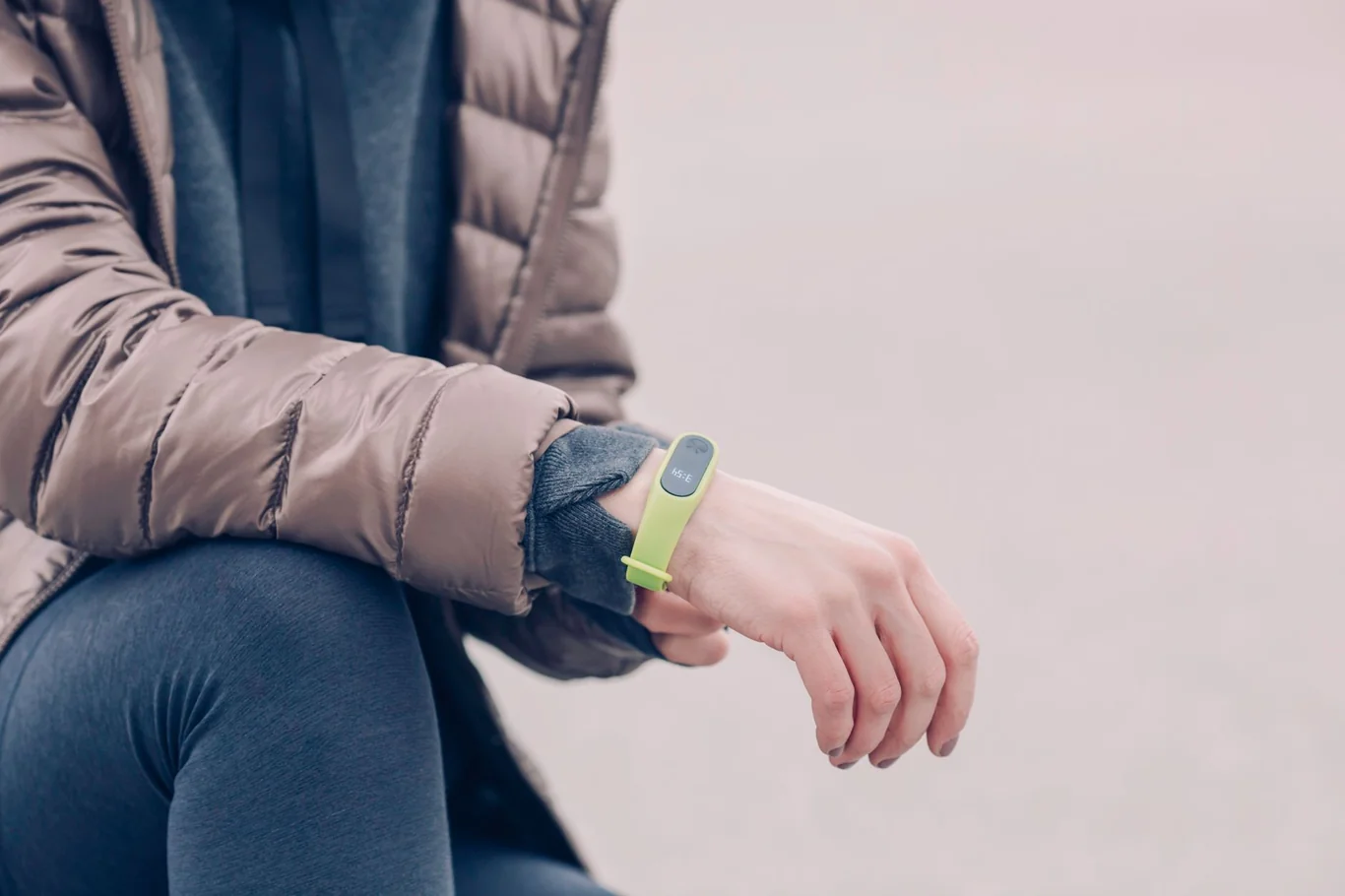
Most current Fitbit models include:
- Step counter - tracks daily steps using a 3-axis accelerometer that detects wrist motion patterns
- Heart rate monitor - measures beats per minute using photoplethysmography (PPG), which shines light through your skin to detect blood flow changes
- Sleep tracker - records when you fall asleep, when you wake, and on newer models, what sleep stages you cycle through
- Calorie estimator - combines step data, heart rate, age, height, and weight to estimate total daily calorie burn
- SpO2 sensor - estimates blood oxygen saturation overnight, available on most current models
- GPS - available on premium models; tracks distance and pace during outdoor activity without needing your phone
Data syncs to the Fitbit app on iOS or Android via Bluetooth. From the app, you can view daily trends, set step goals, log food, and track progress over months.
The Fitbit lineup divides into two main categories: dedicated fitness trackers (lighter, longer battery life) and smartwatches (larger displays, more features). Here is how the two types compare:
Feature | Fitness Tracker (Inspire, Charge) | Smartwatch (Versa, Sense) |
Battery life | 7-10 days | 4-6 days |
Core tracking | Steps, HR, sleep, SpO2 | All tracker features |
Added capabilities | None | App notifications, Alexa, contactless payments |
Best for | Everyday activity tracking | Users wanting phone-like wrist features |
Typical price tier | Entry-level to mid-range | Mid-range to premium |
The Fitbit Inspire 3 sits at the entry-level end and is a solid choice for first-time users who want passive tracking without complexity. The Fitbit Sense 2 and Versa 4 occupy the premium smartwatch category and add stress tracking, ECG capability, and deeper Google integration.
What Does a Fitbit Actually Track - Breaking Down Each Metric
Understanding what each metric means helps you decide whether those data points are useful in your daily life.
Step Tracking Explained
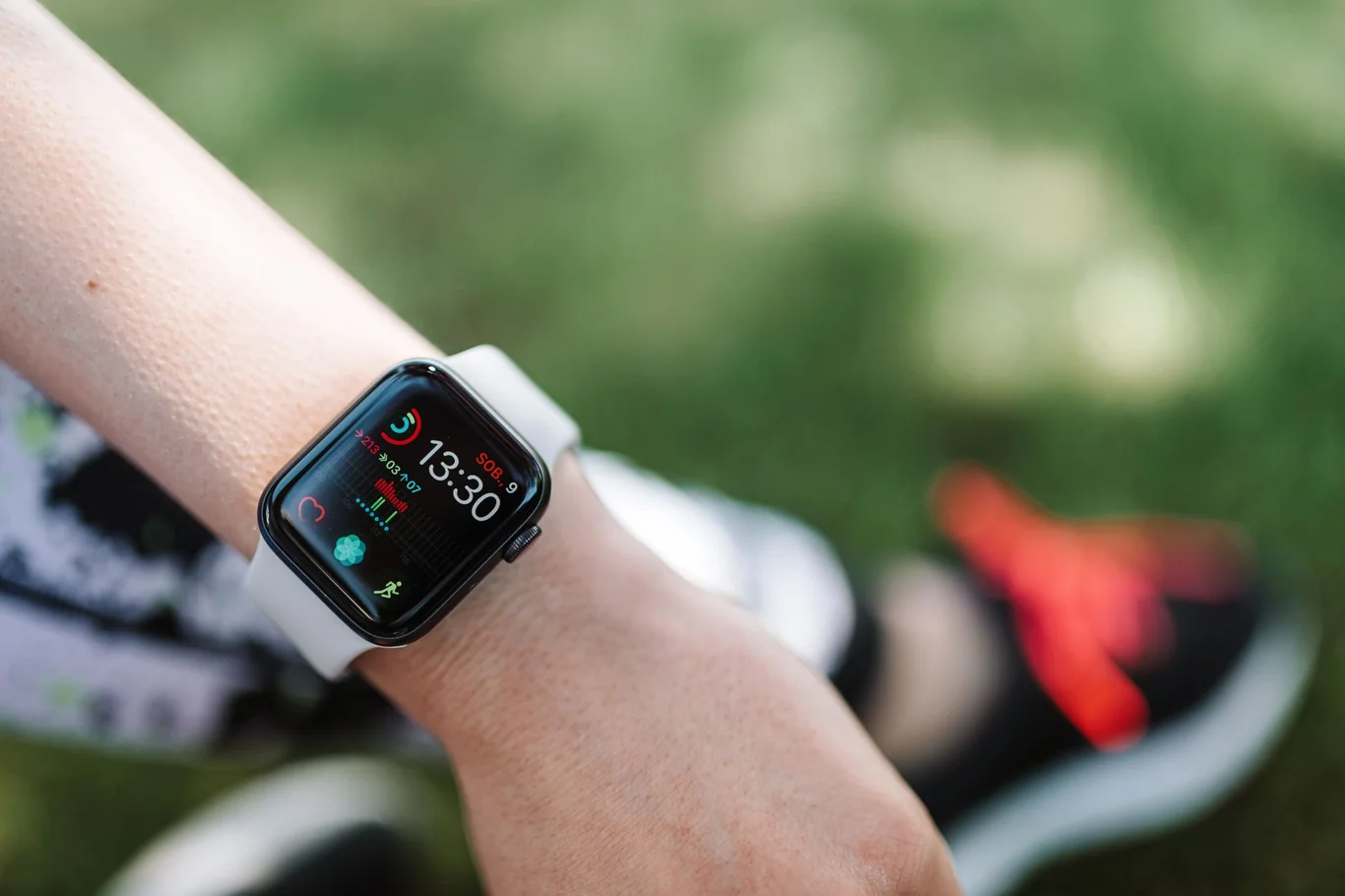
Steps: The accelerometer detects arm movement patterns and converts them into a step count. The feedback loop here is the core of Fitbit's behavioral value - you see a number, you have a goal, you move more. The underlying logic is well-supported: consistent step count awareness drives real behavior change, particularly in people who were previously sedentary.
Resting Heart Rate Insights
Resting heart rate: Fitbit monitors heart rate continuously on most current models. Resting heart rate trends are one of the most useful health indicators the device produces. A downward trend over weeks typically reflects improving cardiovascular fitness. A sudden spike in resting heart rate can signal illness before other symptoms appear. I'd consider this - alongside sleep - the most actionable data Fitbit provides.
How Sleep Tracking Works
Sleep: The sleep feature records total sleep time, light, deep, and REM stage breakdowns, and calculates a Sleep Score out of 100. Our review of user feedback shows this is where many people notice the most consistent value - not because the stage percentages are clinically precise, but because the trend data helps identify patterns (late-night screen time reducing REM, alcohol disrupting deep sleep cycles) that most people would never notice without tracking.
Calorie Burn Tracking
Calorie burn: Fitbit estimates your total daily energy expenditure, but this is the metric with the most caveats. It uses heart rate, movement, and your body stats as inputs, but the output is an approximation - useful as a directional indicator, not a number to base precise dietary calculations on.
Blood Oxygen (SpO2) Monitoring
SpO2: The blood oxygen sensor gives an estimated overnight average and tracks variation across the night. This feature is most relevant for people who want to monitor patterns that might indicate disrupted breathing during sleep, though it is not a medical-grade diagnostic tool.
How Accurate Is a Fitbit - What the Research Actually Shows
Accuracy is the most important practical question for any fitness tracker buyer.
Step Tracking Accuracy
Steps are where Fitbits perform best. A 2018 systematic review of Fitbit validation studies found reasonable step count accuracy in healthy adults in controlled lab settings, though accuracy decreased in older adults and clinical populations with altered gait (1). A separate meta-analysis of 37 step comparisons found an average underestimation of approximately 3 units per comparison versus direct observation reference standards (2).
Heart Rate Accuracy by Intensity
Heart rate accuracy is intensity-dependent. A systematic review of Fitbit Charge 2 validation studies found concordance of 26-92% depending on exercise intensity, with mean absolute percent error ranging from 9.21% to 68% (3). In plain terms: Fitbit heart rate is reasonably accurate at rest and during low-to-moderate effort. At high intensity, the numbers become unreliable. Serious athletes should use a chest strap for precision training zones.
Sleep Tracking Accuracy
Sleep tracking has improved with newer models. A systematic review and meta-analysis found that Fitbit devices incorporating heart rate variability data perform significantly better than older movement-only models, with improved accuracy distinguishing wake from sleep periods when compared to polysomnography (the clinical gold standard) (4). Total sleep time is often slightly overestimated.
For readers who prioritize overnight monitoring above other metrics, my guide to the top fitness tracker for sleep monitoring covers the models with the most accurate sleep stage detection and actionable morning reports.
Calorie Burn Accuracy
Calorie burn is consistently the weakest metric across studies. Research shows Fitbits underestimate energy expenditure when measured against indirect calorimetry. Treat the calorie number as a rough directional figure, not a precise measurement.
For women who want a tracker optimized for their health metrics and use patterns, my guide to the best fitness tracker for women covers the models with the strongest combination of menstrual tracking, sleep accuracy, and overall design.
Here is a summary of accuracy performance across the main metrics:
Metric | Accuracy Level | Key Limitation |
Step counting | Good to moderate | Reduced in older adults and altered-gait populations |
Heart rate (low-moderate intensity) | Moderate | Concordance 26-92% depending on intensity level |
Heart rate (high intensity) | Poor | Mean absolute error up to 68% in validation studies |
Sleep duration | Moderate to good | Newer HRV-equipped models outperform older movement-only versions |
Calorie burn | Poor | Consistent underestimation vs. indirect calorimetry reference |
SpO2 | Research-limited | Trend tracking only; not medical-grade diagnostic data |
One additional accuracy limitation worth naming: optical heart rate sensors - which all PPG-based wearables, including Fitbit, use - show reduced accuracy in people with darker skin tones due to how light interacts with melanin. Google has acknowledged this and stated ongoing efforts to improve sensor calibration, but it remains an active limitation users should be aware of.
Who Should Buy a Fitbit (and Who Should Skip It)
Fitbits are genuinely useful for a specific type of user. They are not right for everyone.
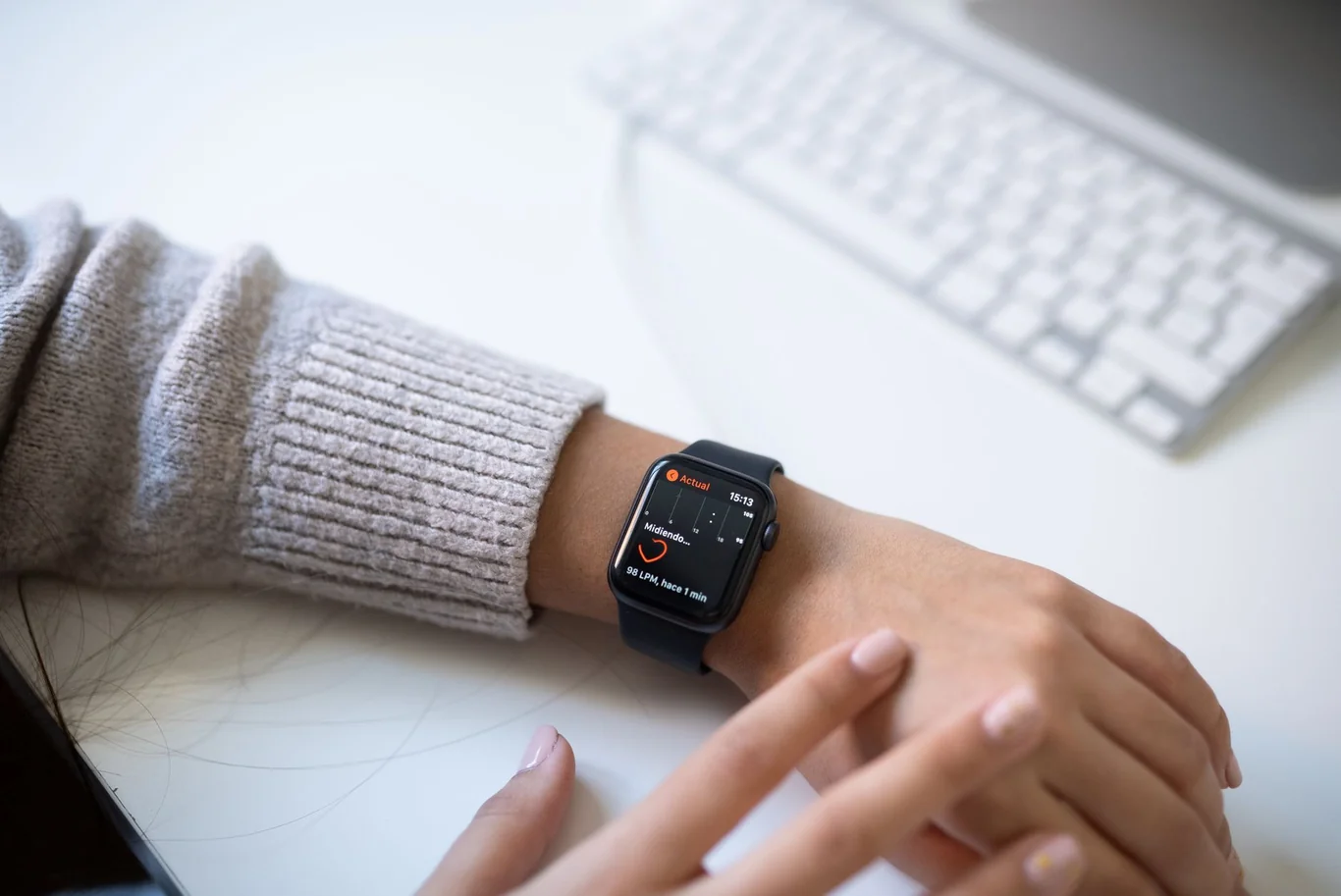
For context on the broader device category, my guide on what a fitness tracker actually does covers how these devices work and what distinguishes accurate options from unreliable ones.
Signs It Fits Your Routine
A Fitbit makes sense if you:
- Are newly active and want external motivation to hit daily step and activity goals
- Are curious about your sleep quality and want trend data over weeks and months
- Prefer passive tracking that requires no daily manual input
- Want a bird's-eye view of weekly activity without complex setup or subscriptions
- Manage a health condition where resting heart rate trends - not precision readings - are useful to monitor
- Are an older adult looking to increase daily movement with a data feedback loop
Research supports the motivational case. A 2023 randomized controlled trial found that Fitbit and similar tracker users significantly improved step counts and reduced sedentary time over 16 weeks compared to pre-intervention baselines (5). A meta-analysis of wearable tracker interventions in older adults across 23 RCTs (4,566 participants) found significant improvements in daily step counts, physical activity duration, body composition, and physical function compared to control groups (6). For people who have previously struggled to stay active, a Fitbit can function as a low-effort accountability system that does not require willpower or habit-stacking to maintain.
For practical guidance on turning tracking data into habit change, my guide on getting the most from a fitness tracker covers how to read trends, set realistic goals, and build consistent check-in habits.
When to Look Elsewhere
A Fitbit probably is not right if:
- You train at high intensity and need accurate heart rate zones - use a dedicated chest strap or sports watch
- You need precise calorie data for strict dietary tracking
- You have meaningful privacy concerns about Google holding your daily health data
- You are unlikely to check the app regularly and act on what you see
One behavioral consideration I'd flag based on our research: some users report developing an unhealthy relationship with step-counting after starting Fitbit use - checking the device repeatedly, feeling anxious when the daily goal is not met, or prioritizing step count over other forms of exercise that the accelerometer does not register as well. This is not the typical experience, but it is worth considering if you are prone to perfectionism or health anxiety.
For readers still evaluating whether a fitness wearable is the right category for them, my wearable technology guide covers the full landscape from basic step counters to clinical-grade monitors and clarifies where a device like Fitbit sits within that spectrum.
If you are deciding between a Fitbit and a full smartwatch, my breakdown of how fitness trackers compare to smartwatches covers accuracy, battery life, and long-term value across both categories.
For readers who want a complete picture of what smartwatches do before making that decision, my full feature breakdown covers fitness tracking, health monitoring, communication, and connectivity.
Is a Fitbit Worth Buying in 2026 - Subscription, Cost, and Realistic Expectations
Fitbit is free to use at the basic level after purchasing the device. Core tracking features (steps, heart rate, sleep, app history) require no subscription.
For a feature checklist before you buy, my guide on the key features to look for in a fitness tracker covers sensor accuracy, battery life, app quality, and the criteria that separate reliable trackers from poor ones.
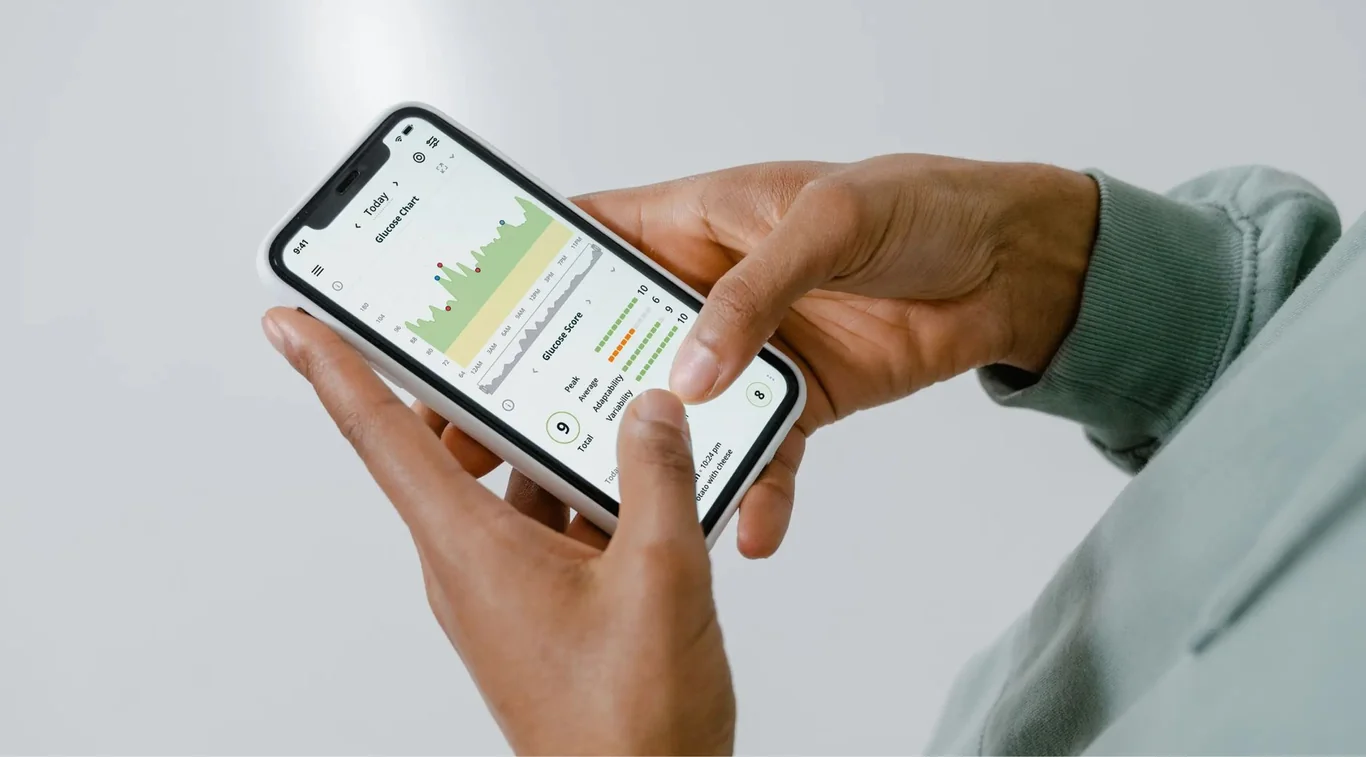
Fitbit Premium - currently rebranding as Google Health Premium in some markets - costs around $10 per month or about $100 per year. It adds advanced sleep analysis, a daily Readiness Score based on HRV and recovery data, guided wellness programs, and AI-powered insights via Gemini. New device purchases typically include a free trial of two to six months.
For older adults weighing a Fitbit against other options, my guide to the best fitness tracker for seniors covers the models with the largest displays, longest battery life, and most practical health monitoring features.
The honest verdict on Premium: The free tier covers roughly 80% of what makes a Fitbit useful for most people. Premium adds real value if you actively use the Readiness Score and stress management tools. If your primary use is checking daily steps and weekly active minutes, the subscription is hard to justify at around $100 per year.
For a broader look at whether wearable technology justifies the cost, my guide on whether a smart watch is worth the investment covers the value case by use type, including where smartwatches consistently deliver and where they underperform.
Fitbit Pricing by Model
Device prices as of 2026:
- Fitbit Inspire 3: entry-level price point
- Fitbit Charge 6: affordable mid-range tier
- Fitbit Versa 4 / Sense 2: mid-range to premium pricing
If you are building a broader connected fitness setup, our guide to what a smart home gym is covers how wearable data from devices like Fitbit can integrate with smart equipment to create a more complete health tracking environment.
The Research Behind Tracker Motivation
The behavioral science behind fitness trackers is well-documented. Research analyzing wearable activity trackers across the CALO-RE behavior change taxonomy found that devices including Fitbit use an average of 16 out of 40 recognized behavior change techniques, with all devices implementing self-monitoring, goal review, and performance feedback - the three core mechanisms tied to sustained motivation (7). The device works best for people who are already motivated to change - it gives that motivation a visible, measurable target.
If you are ready to compare the leading options, my guide to the top fitness trackers on the market covers the best-rated models across accuracy, battery life, and long-term reliability.
For those focused on accuracy specifically, my head-to-head on Garmin and Apple Watch accuracy covers which platform is more precise for heart rate, GPS, and calorie estimation.
Go in with realistic expectations: Fitbit is excellent for step and sleep trend tracking, solid for resting heart rate monitoring, and limited for precise calorie and intensity-zone data. Use it as a directional health awareness tool, not a clinical measurement device, and you are likely to find genuine value in it.
For readers who want the same step data without committing to a subscription device, my guide on step tracking without a fitness device covers the clip-on and phone-based methods that deliver reliable daily counts at no cost.
For the full breakdown of what Fitbit measures across each sensor, my guide on what does Fitbit track covers step counting, sleep stages, heart rate variability, SpO2, GPS, and model-specific features.
FAQs
Is there a monthly fee to have a Fitbit?
There is no monthly fee required to use a Fitbit - the basic app and all core tracking features are free after purchasing the device. Fitbit Premium (rebranding as Google Health Premium in some markets) is an optional subscription at around $10 per month or about $100 per year that adds advanced analytics, a daily Readiness Score, and guided wellness programs, though most new Fitbit device purchases include a free trial period.
What does a Fitbit actually do?
A Fitbit passively tracks your daily steps, heart rate, sleep stages, calories burned, and active minutes throughout the day, then syncs that data to the Fitbit app on your phone for trend review. It also auto-detects workouts, monitors blood oxygen saturation overnight, and on smartwatch models sends phone notifications to your wrist.
What are the disadvantages of a Fitbit?
The main disadvantages of a Fitbit include accuracy limitations (particularly for calorie burn and heart rate during intense exercise), device durability concerns over 2-3 years of daily use, privacy considerations tied to Google's data collection practices, reduced heart rate sensor accuracy in people with darker skin tones, and the potential for some users to develop an unhealthy obsession with step targets.
How much does Fitbit cost?
Fitbit devices range from entry-level pricing on the Inspire line to mid-range and premium pricing on the Sense 2 and Versa 4 smartwatch models. The optional Fitbit Premium (now partially rebranding as Google Health Premium) adds around $10 per month or about $100 per year on top of the device cost, though new purchases typically include a free trial.
References:
- Feehan LM, Geldman J, Sayre EC, et al. Accuracy of Fitbit devices: systematic review and narrative syntheses of quantitative data. JMIR Mhealth Uhealth. 2018;6(8):e10527. doi:10.2196/10527
- Chevance G, Golaszewski NM, Tipton E, et al. Accuracy and precision of energy expenditure, heart rate, and steps measured by combined-sensing Fitbits against reference measures: systematic review and meta-analysis. JMIR Mhealth Uhealth. 2022;10(4):e35626. doi:10.2196/35626
- Irwin C, Gray R. Systematic review of Fitbit Charge 2 validation studies for exercise tracking. Transl J Am Coll Sports Med. 2022;7(4):1-7. doi:10.1249/tjx.0000000000000215
- Haghayegh S, Khoshnevis S, Smolensky MH, Diller KR, Castriotta RJ. Accuracy of wristband Fitbit models in assessing sleep: systematic review and meta-analysis. J Med Internet Res. 2019;21(11):e16273. doi:10.2196/16273
- Ryan DJ, Ross MH, Simmich J, et al. TRACK and ACT: a pragmatic randomised controlled trial. J Act Sedentary Sleep Behav. 2023;2:12. doi:10.1186/s44167-023-00018-4
- Li R, Li Y, Wang L, et al. Wearable activity tracker-based interventions for physical activity, body composition, and physical function among community-dwelling older adults. J Med Internet Res. 2025;27(1):e59507. doi:10.2196/59507
- Mercer K, Li M, Giangregorio L, Burns C, Grindrod K. Behavior change techniques present in wearable activity trackers: a critical analysis. JMIR Mhealth Uhealth. 2016;4(2):e40. doi:10.2196/mhealth.4461