
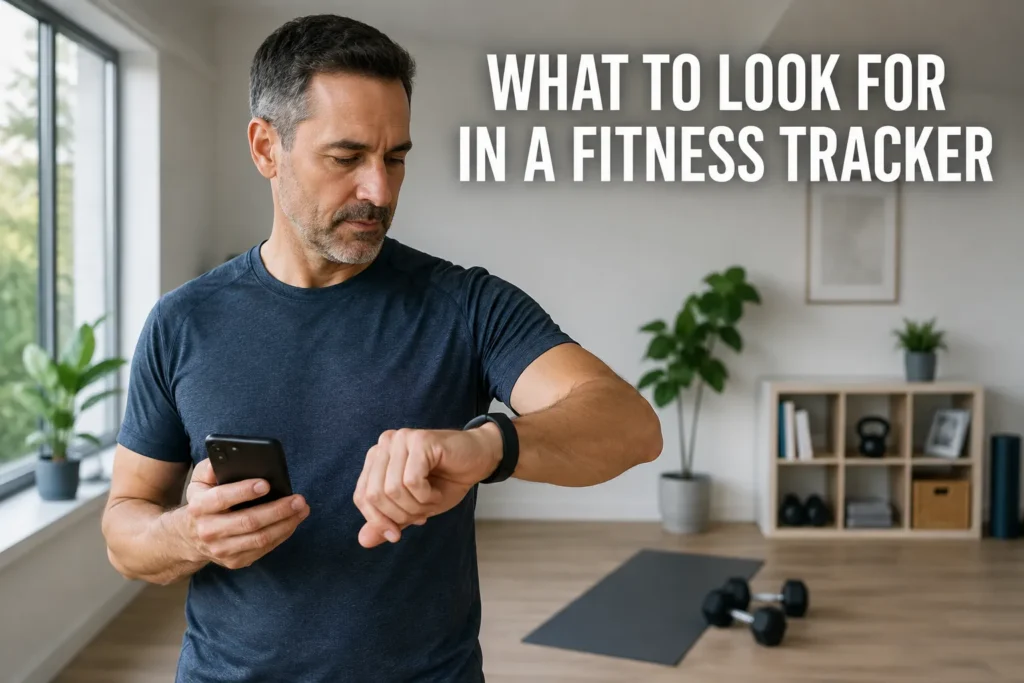
The fitness tracker market has never been more crowded, and most buyers discover the wrong tracker after they have already worn it for a week. Knowing what to look for in a fitness tracker before you buy protects you from the most common wearable mistake: spending $200 on a device that does not sync with your phone, dies before your morning alarm, or tracks metrics you never check.
This guide focuses on the specific factors that determine whether a tracker earns a permanent spot on your wrist in 2026 - or ends up in a drawer by spring. Every recommendation here is grounded in published research and real-world user patterns, not manufacturer claims.

What to Look for in a Fitness Tracker - Start with Your Use Case
Before comparing brands, specs, or form factors, define what you are actually trying to accomplish. We consistently find that buyers who skip this step end up owning a feature set they never use. Most buyers fall into one of three categories:
- General health monitoring - steps, sleep quality, resting heart rate, calorie estimates
- Structured exercise tracking - workout detection, heart rate zones, GPS routing, pace data
- Health-specific monitoring - AFib detection, blood oxygen saturation, stress tracking, menstrual health

Your category determines which specifications matter. Chasing the most accurate fitness tracker for step counts when you actually need AFib monitoring is a $300 mismatch. For a comparison of the smartwatch ecosystem versus dedicated tracker bands, see our best fitness watch roundup.
Feature | General Health | Structured Exercise | Health Monitoring |
Step Counting | Essential | Secondary | Optional |
GPS | Not needed | Essential | Optional |
Heart Rate Accuracy | Moderate | High | High |
Sleep Tracking | Essential | Useful | Useful |
Battery Life Priority | 7+ days | GPS life critical | 7+ days |
AFib / SpO2 | Optional | Optional | Essential |
Heart Rate Accuracy - What the Research Actually Shows
Optical heart rate sensors are standard in virtually every consumer tracker today. They work by shining LED light through your skin and measuring blood flow changes. The technology is reliable at rest and during steady-state cardio, but loses accuracy during rapid intensity shifts and certain wrist movements.
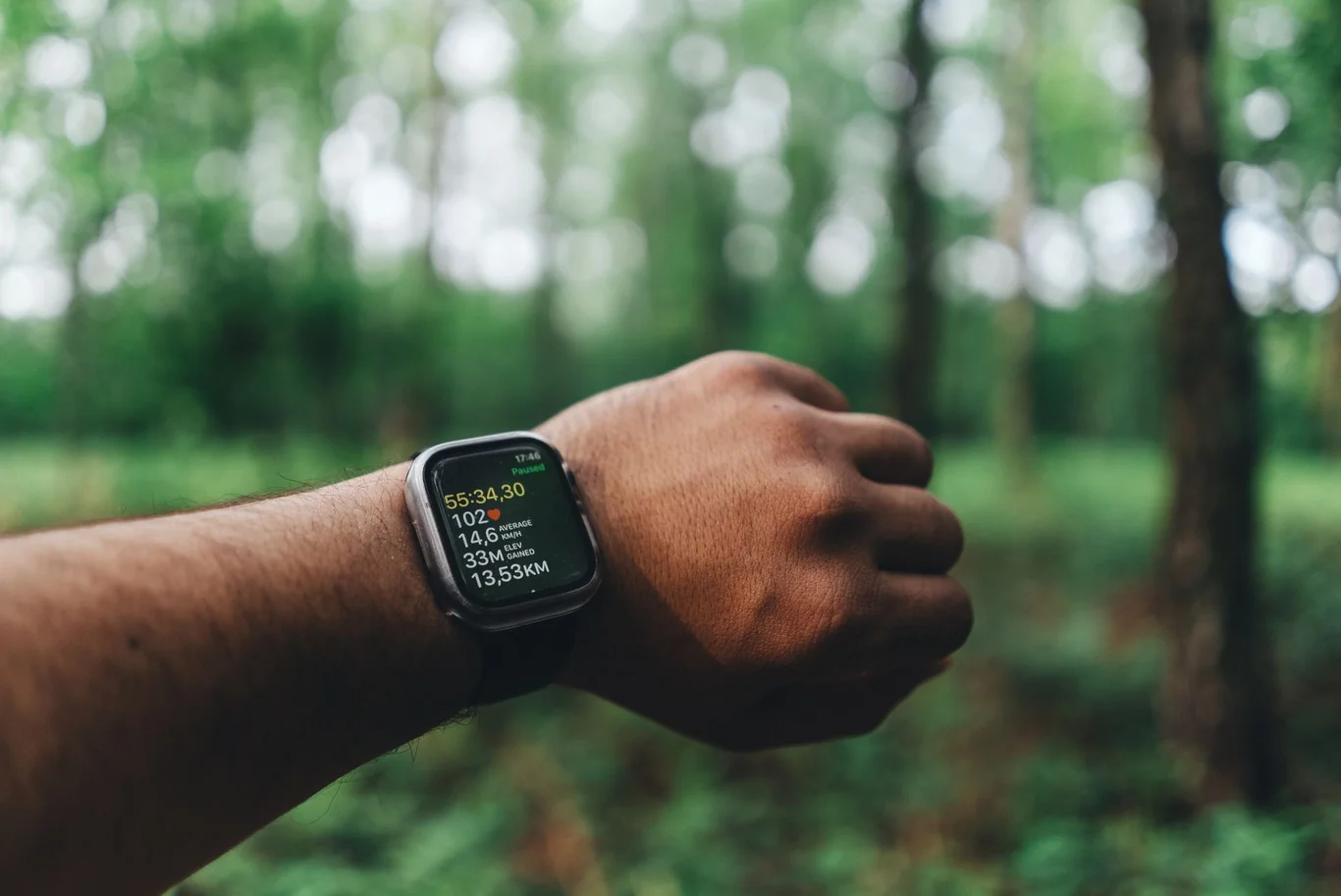
A prospective clinical trial comparing Apple Watch 7, Garmin Fenix 6 Pro, Withings ScanWatch, and Fitbit Sense against electrocardiography in 112 patients found all four devices showed high correlation (r≥0.95) and mean absolute percentage error under 5% (1). Across age groups, a validation study in younger adults and adults aged 65+ found both Garmin Vivosmart HR+ and Xiaomi Mi Band 2 achieved error under 10%, though accuracy varied by activity type - cycling and elliptical produced lower correlation than walking (2).
For readers new to wearables who want a full explanation of how these devices work at the sensor level before evaluating buying criteria, my overview of what is a fitness tracker covers the technology, metric types, and realistic accuracy expectations from the ground up.
Where trackers consistently underperform is calorie estimation. A validation study comparing Apple Watch, Fitbit Charge HR, and Garmin Forerunner 225 across three exercise intensities found energy expenditure errors ranging from 16.85% to 84.98% - with all three devices significantly overestimating calories burned (3). I consistently highlight this finding to readers who use tracker calorie data to adjust their diet: treat calorie burn as a directional estimate, not a precise measurement.
Three practices consistently improve optical sensor accuracy:
Once you have selected the right device, my guide to using a fitness tracker covers the full first-time setup process, correct wrist placement, and the weekly data review habits that turn raw tracking data into actionable progress.
- Wear the device snug against the wrist, two fingers above the wrist bone
- Keep it still during automated heart rate readings rather than moving mid-reading
- Be aware that dark skin tones, wrist tattoos, and cold temperatures each introduce additional variance
For a broader look at how trackers integrate with home gym equipment, our best budget smart home gym guide covers connected fitness setups that sync with most major tracker platforms.
Sleep Tracking Quality - Useful Data with Real Limitations
Sleep tracking is what most buyers want from a fitness tracker - and the feature most often misunderstood when evaluating options. Modern trackers perform reasonably well for total sleep time but are significantly less reliable for classifying individual sleep stages.

A meta-analysis of wristband Fitbit models against polysomnography (an overnight sleep study) found newer sleep-staging models incorporating heart rate variability showed no significant difference from the clinical gold standard for total sleep time and sleep efficiency (4). A 2024 systematic review comparing Fitbit Charge 4, Garmin Vivosmart 4, and WHOOP showed WHOOP had the smallest total sleep time disagreement at just -1.4 minutes, while Fitbit Charge 4 led on REM detection sensitivity at 86.5% - but all three required further refinement for accurate individual sleep stage classification (5).
For a hands-on breakdown of how the leading wearables perform across these accuracy dimensions, my guide to the best-reviewed fitness trackers covers 11 options with real-world testing across step counting, heart rate, and sleep staging.
In practice, this means: if you want to track whether you consistently average under 6 hours of sleep, any modern tracker serves that purpose well. If you intend to make clinical-level decisions based on specific deep sleep or REM percentages, consumer devices are not designed for that level of precision. Our best fitness tracker for sleep guide covers which devices prioritize recovery scoring and sleep consistency trends over raw stage estimates.
In our research, a battery-life tradeoff trips up a surprising number of first-time buyers: 24/7 sleep monitoring requires wearing the device overnight, which means a tracker requiring nightly charging forces a daily choice between sleep data and a fully charged device the next morning. Confirm the charge cycle before buying.
Form Factor - Choosing Between Fitness Watches, Bands, and Minimalist Options
Form factor is the most underrated purchase decision in fitness tracking. The best fitness band on the market is worthless if you stop wearing it after two weeks. The three main categories differ significantly in wearability, battery life, and data depth:
For a research-backed breakdown of how fitness trackers and smartwatches compare on battery, accuracy, and smart features, my fitness tracker and smartwatch comparison covers the specific use cases where each device type outperforms the other.
Form Factor | Battery Life | Display | Primary Strength |
Fitness Watch | 1-7 days (GPS: 3-15 hrs) | Full screen | Data depth, GPS, notifications |
Fitness Tracker Bracelet | 5-14 days | Small or minimal | Lightweight 24/7 wear, sleep |
Minimalist (ring/screenless) | 4-8 days | No screen | Passive monitoring, screen-free |
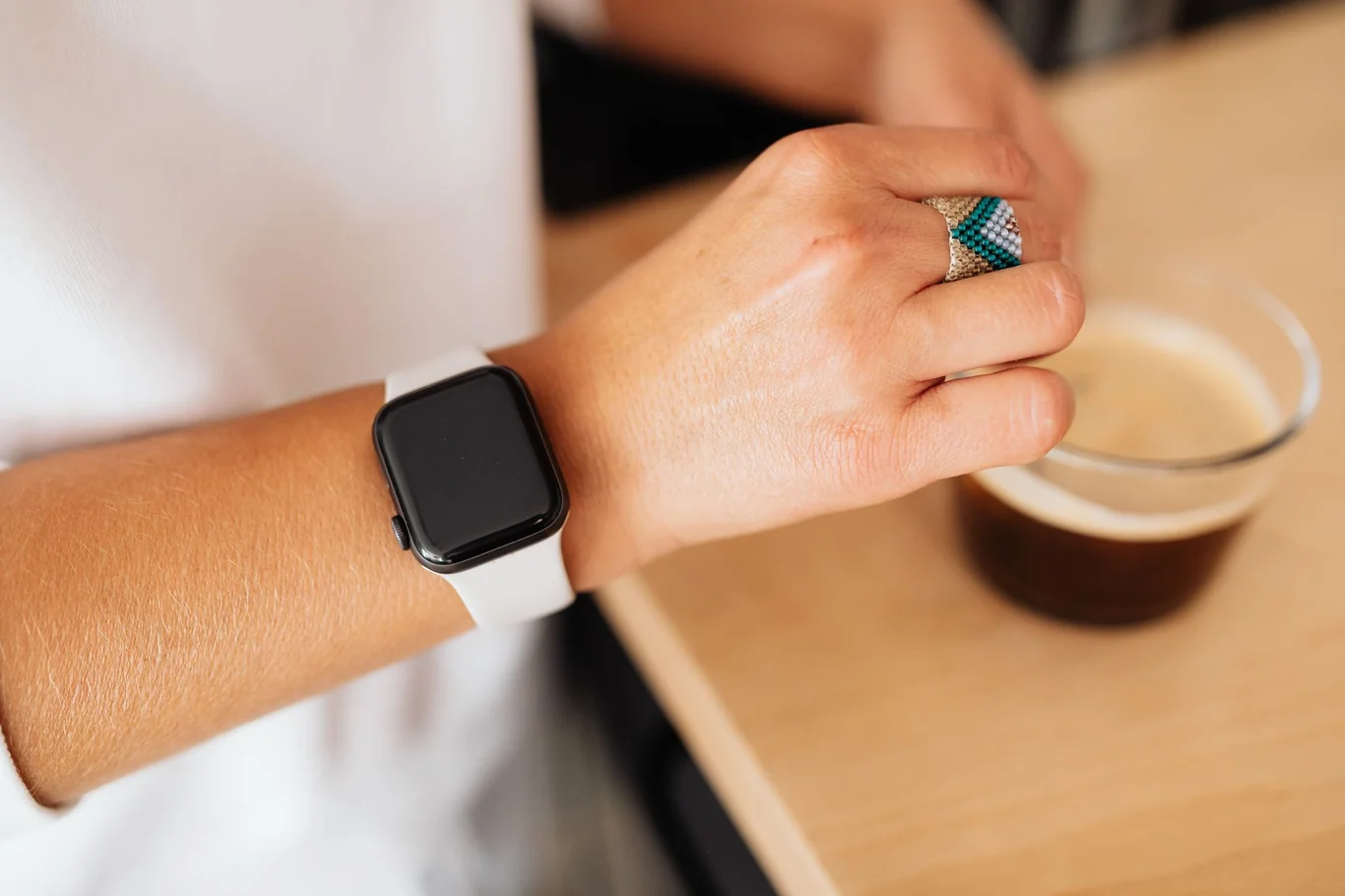
Fitness watches from Garmin, Apple, and Samsung provide the richest sensor data, full notification support, and built-in GPS. They are the natural choice for structured athletes who want training depth over daily wearability.
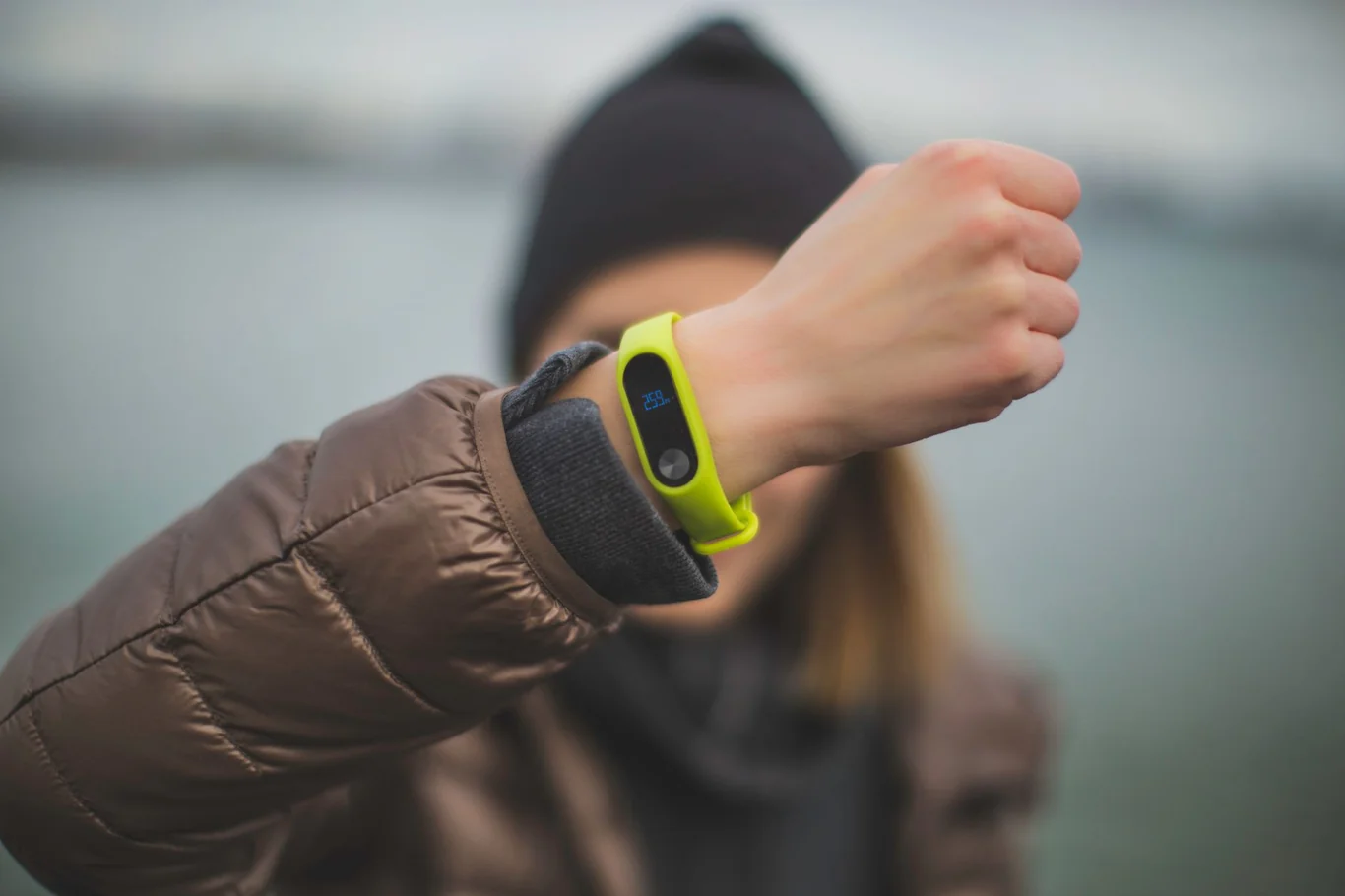
Fitness tracker bracelets from Fitbit, Xiaomi, and Huawei prioritize lightweight all-day wearability. The smaller profile means users are far more likely to wear them 24/7, which actually improves the quality of sleep and resting heart rate data over time compared to a heavier device some users take off at night.
Buyers weighing whether to stay with a fitness band or move to a full smartwatch can find a detailed cost and feature comparison in my guide on whether a smartwatch is worth buying.
Minimalist fitness trackers - smart rings like Oura and RingConn, screenless devices - collect passive health data with zero screen distraction. Fitness tracker watches designed for women typically come in smaller case sizes and include native menstrual health tracking rather than just app sync, which matters significantly for cycle data quality. Always check the feature specification sheet explicitly rather than relying on general marketing language. For a full breakdown of how tracker categories differ from each other, see our what is a fitness tracker guide.
Battery Life - The Feature Nobody Talks About Enough
Battery life determines how a tracker actually integrates into your routine, but receives less attention than it deserves during the purchase decision. Here is the real-world picture by device category:
- Fitness watches in daily tracking mode: 1-7 days typical (varies by brand and active settings)
- Fitness watches with GPS active: 3-15 hours continuous
- Fitness tracker bracelets: 5-14 days
- Minimalist trackers and smart rings: 4-8 days
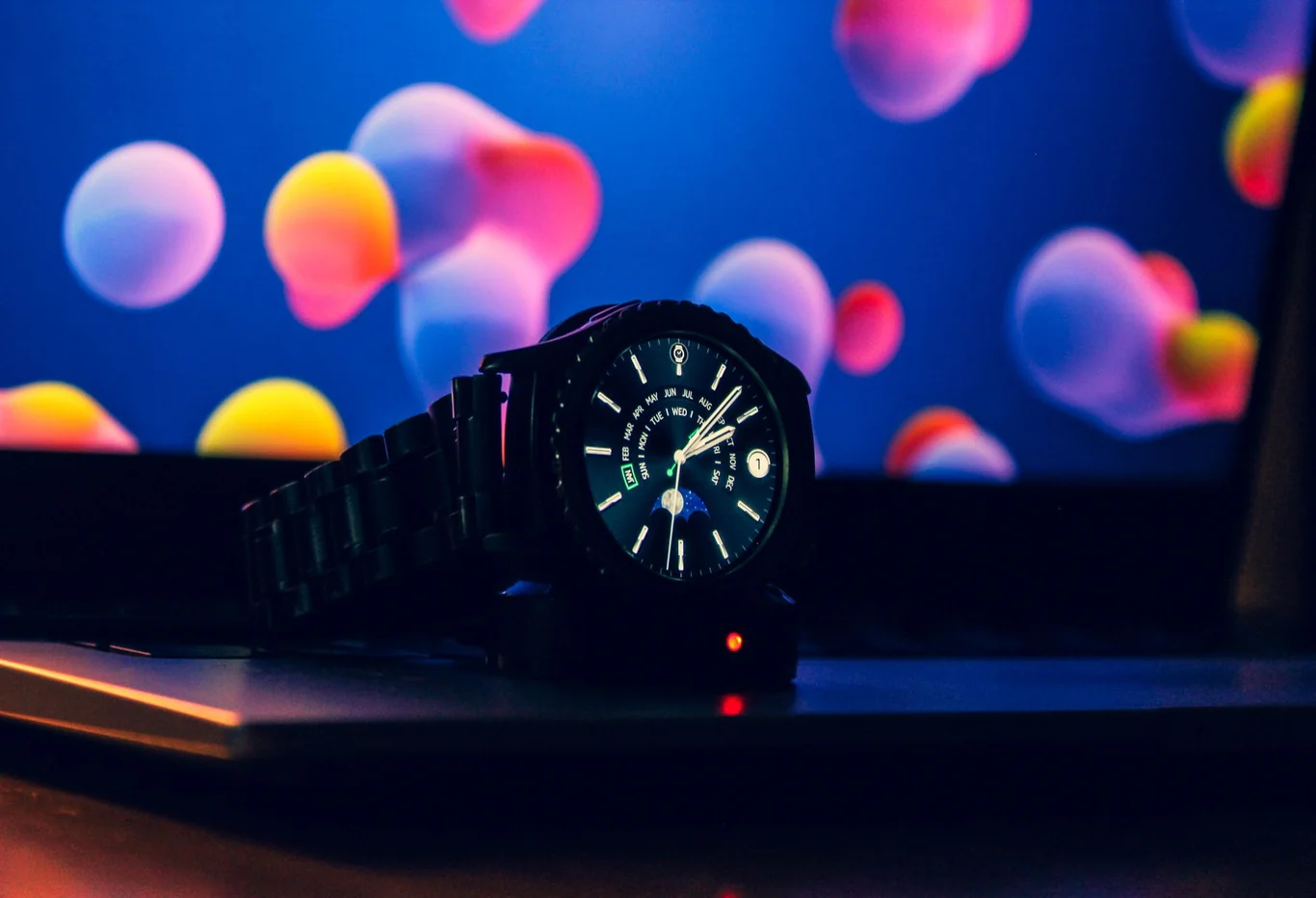
Always check the GPS-active battery life separately from the headline number - manufacturers lead with their best-case figure, which almost always reflects low-power daily tracking without GPS. For outdoor runners and cyclists, the GPS-active figure is the number that actually matters for training use.
Buyers whose primary goal is calorie burn accuracy during outdoor exercise will find device-specific comparisons organized around GPS quality and calorie model accuracy in my calorie tracker options guide.
We notice that users frequently discover the overnight charging tradeoff only after owning the device for a week. If sleep tracking is a priority and the tracker requires nightly charging, you will make this compromise every night of ownership. Our best fitness tracker for runners guide identifies devices that best balance GPS performance with charge frequency for high-mileage athletes.
Phone Compatibility, App Quality, and Subscription Costs
Phone compatibility is where the most expensive post-purchase mistakes happen. Apple Watch pairs only with iPhone - full stop. Most Garmin, Fitbit, Samsung Galaxy Watch, and Xiaomi devices work with both iOS and Android, though some features function only through the manufacturer's native app rather than third-party integrations.
For buyers leaning toward GPS sport watch functionality, my top fitness watch options covers 11 watches tested across heart rate accuracy, GPS precision, ECG reliability, and battery performance.

Before buying, confirm three things:
- OS compatibility - does the device officially support your phone's operating system?
- App experience - is the companion app well-reviewed for your specific platform?
- Third-party sync - can it push data to Apple Health, Google Fit, Strava, or your preferred health platform?
Subscription costs are an increasingly important factor that most buyers overlook. WHOOP operates on an ongoing subscription model - the hardware is low-cost or free, but data insights require continued monthly payment. Oura Ring charges a monthly fee for advanced analytics after an initial trial period. Fitbit Premium adds deeper analysis beyond the free tier. Calculate the 3-year total cost of ownership, not just the purchase price - a subscription-based tracker can cost substantially more over three years than a one-time-purchase device with similar core features.
For those integrating a tracker into a broader home gym setup, our guide on how to set up a smart home gym shows how fitness trackers plug into connected equipment ecosystems.
Step and Activity Tracking - What the Research Shows
Step counting is the most validated metric in consumer fitness tracking. A systematic review of Fitbit and Jawbone trackers found high accuracy for step counting (correlation r≥0.80) and reliable distance measurement - though the same review identified consistent underestimation of energy expenditure across all tested devices (6).
Activity type detection tells a more complex story. A validation study of four Fitbit and Garmin trackers across eight activity types found 93-100% accuracy for outdoor walking and running, but only 36-62% accuracy for complex activity sequences. Duration measurement error ranged from 4.9% to 144.8% depending on activity type (7). Swimming, cycling, and mixed-activity sessions showed the most variance in both detection accuracy and duration tracking.
For a detailed look at how well wearable sensors perform in real-world conditions, my breakdown of how accurate smartwatches are for heart rate covers the research across device categories and activity types.
For buyers choosing Fitbit specifically, my guide to Fitbit tracking capabilities covers which activity types it detects reliably, where accuracy drops, and what the data is genuinely useful for in a daily training context.
Strength training remains the weakest category for most consumer trackers. Optical wrist sensors were designed for cardiovascular cadence, not resistance training movement patterns. Gyroscope-enhanced rep counting has improved in recent device generations, but the gap between cardio and resistance training detection remains meaningful. If weight training is your primary activity, our best fitness tracker for weight lifting guide covers the devices that have made the most meaningful progress in resistance movement detection.
For readers who find wrist-sensor limitations a dealbreaker, my post on tracking steps without a tracker covers the clip-on and phone-based methods that avoid wrist placement entirely.
Health Monitoring - AFib Detection and Medical Considerations
Consumer fitness trackers have moved meaningfully into health monitoring territory over the past five years. Atrial fibrillation detection is the most clinically validated advance: a 2024 meta-analysis of 28 studies across 1.2 million participants found consumer wearables achieved pooled AFib detection sensitivity of 94.22% and specificity of 95.28%, comparable to electrocardiogram performance (8). Devices with FDA-cleared AFib algorithms - select Apple Watch models, Withings ScanWatch, and certain Garmin devices - can flag irregular rhythms for medical follow-up.
For buyers who want to avoid subscription costs entirely and keep hardware spend low, my best value fitness tracker picks cover seven sub-$100 options with strong app ecosystems and no mandatory recurring fees.
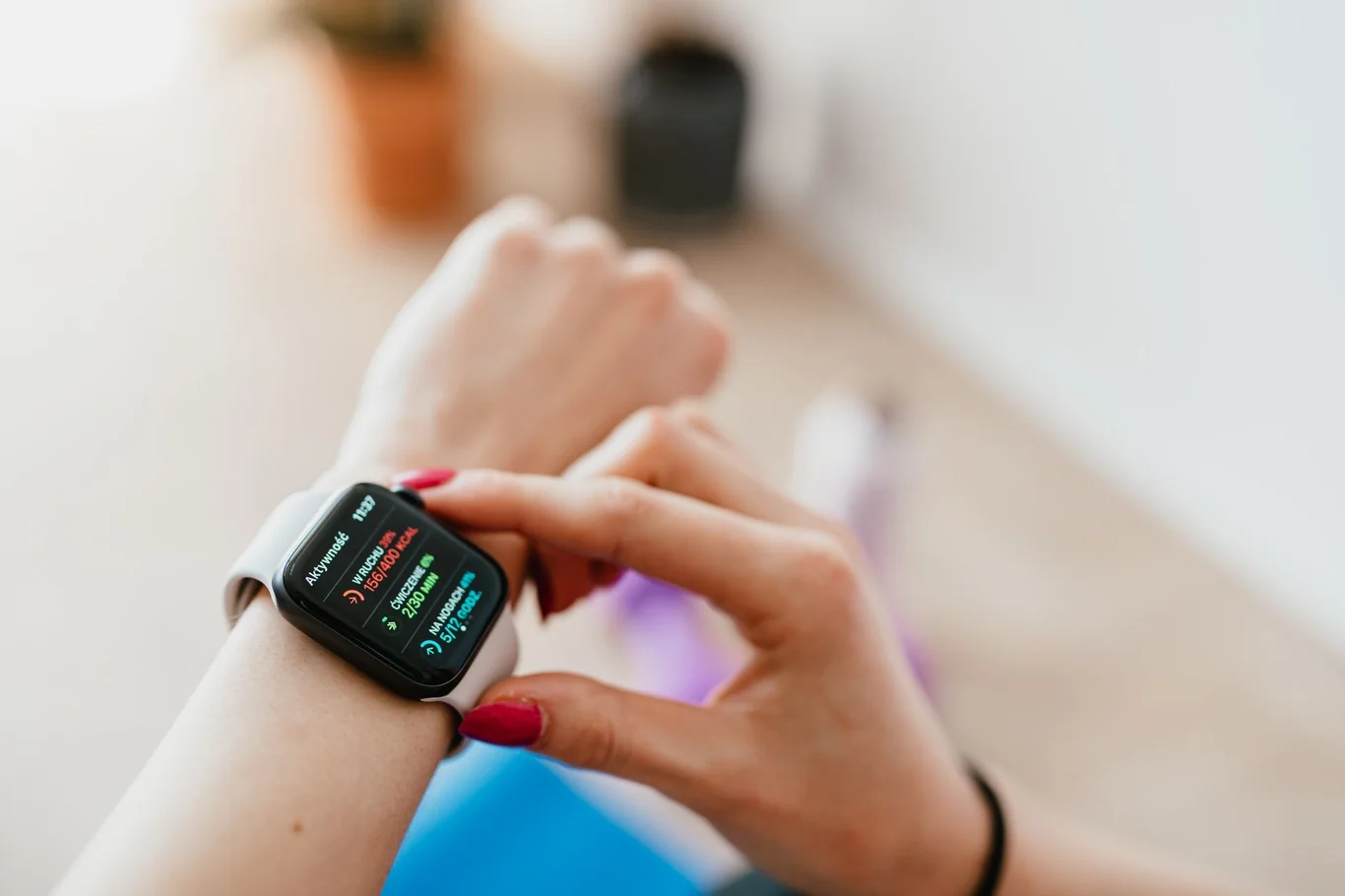
Blood oxygen (SpO2) monitoring is heavily marketed across mid-to-high-range trackers. I want to flag an important gap: the same 2024 meta-analysis did not identify validated real-world accuracy studies for consumer SpO2 readings. This does not mean the feature is useless, but buying decisions based on SpO2 accuracy claims should weigh manufacturer specifications carefully rather than assuming clinical-grade precision.
The same precision question applies when comparing leading brands: my Garmin vs Apple Watch accuracy breakdown covers which platform handles heart rate, GPS, and step counting with fewer errors.
Consumer trackers with health monitoring features now commonly include:
- AFib detection (FDA-cleared, available in select Apple Watch, Withings, and Garmin models)
- SpO2 monitoring (widespread but not independently validated for real-world consumer accuracy)
- Stress tracking via heart rate variability (common, but methodology varies by manufacturer)
- Fall detection (primarily Apple Watch and select Garmin models)
If you have an existing cardiac condition, consult your physician before purchasing any tracker with electromagnetic sensors. Users with pacemakers need device-specific compatibility guidance from their cardiologist, since Bluetooth and photoplethysmography sensors in certain wearables can interact with specific pacemaker models. Our best fitness tracker for seniors guide covers medically oriented monitoring options for users who prioritize health features over fitness features.
Choosing by Lifestyle - Seniors, Runners, Swimmers, and Women
Different priorities call for different devices. Here is how the main buyer groups should weigh the decision:
Seniors looking for picks prioritized around ease of navigation, health alerts, and emergency contact support will find that comparison in my fitness tracker options for seniors guide.
- Seniors - Fall detection, emergency SOS, large display readability, simple interface, and step-to-stand reminders matter more than raw sensor precision.
- Runners - GPS route accuracy, VO2 max estimation, cadence, training load, and post-run recovery scoring are the critical metrics. A fitness watch with GPS outperforms a slim band for this group.
- Swimmers - Water resistance ratings matter enormously. Look for 5ATM or 50m waterproofing minimum, not just IPX4 splash resistance. Stroke detection and lap counting quality vary widely by device..
- Women - Native menstrual cycle tracking, fertility window estimates, pregnancy mode, and smaller case sizing all improve usability. Tracking quality differs significantly between devices with native features versus third-party app sync..
- Budget-conscious buyers - Core metrics (steps, heart rate, sleep) are well-covered by devices in the $50-$150 range.

Our smart home gym guide explains how fitness trackers fit into broader connected fitness setups - useful context if you are building out a full home workout environment.
The Right Tracker Is the One You Actually Wear
What to look for in a fitness tracker ultimately comes down to one question: which metrics will you check often enough to actually change your behavior? Research consistently shows that step tracking and sleep monitoring drive the most consistent behavior changes for general users. Heart rate accuracy matters most for structured training; for everyone else, trend data over weeks matters far more than precision at any single moment.
We find that buyers who try to maximize every specification end up with a device that excels at nothing in particular. A fitness tracker bracelet worn 24/7 with solid sleep and resting heart rate data typically delivers more actionable insights than a $400 smartwatch that spends three nights per week on the charger. The fitness tracker vs smartwatch decision is where most confusion starts - our how to use a fitness tracker guide walks through setup and daily use patterns that help buyers match device type to actual behavior. For broader home fitness equipment context, our guide on disassembling a treadmill is one example of TechFitnessLab's coverage across fitness equipment decisions beyond wearables.
Start with wrist tolerance (will you actually wear it every day?), then must-have metrics, then battery life. Everything else is secondary to those three filters.
For readers still orienting themselves in the category, my guide to wearable technology covers how fitness trackers, smartwatches, smart rings, and medical devices differ across those same three criteria.
Women for whom cycle tracking and hormone-aware health monitoring are must-have metrics should also review my guide to fitness tracker picks for women.
FAQs
Can fitness trackers detect AFib?
Fitness trackers with FDA-cleared algorithms can detect atrial fibrillation with high accuracy - pooled sensitivity reaching 94.22% and specificity of 95.28% across large-scale studies - making them useful screening tools for flagging irregular rhythms for medical follow-up. These devices function as early-warning systems rather than diagnostic instruments, so any flagged reading should be confirmed with a physician and a clinical electrocardiogram.
What smart watch is best for pacemaker?
The best smartwatch for pacemaker users requires physician consultation before purchase, since electromagnetic sensors and Bluetooth signals in consumer wearables can interact with certain pacemaker models depending on the specific device pairing. Most major pacemaker manufacturers publish device-specific compatibility guidance, and checking with your cardiologist before wearing any wrist tracker is the only safe approach.
Can I wear a fitness tracker on my ankle?
You can wear a fitness tracker on your ankle if the device supports an ankle-compatible band or clip-on housing, but most wrist-based optical sensors produce less accurate heart rate and step data in that position due to differences in blood flow dynamics and movement patterns.
For users whose occupation or medical equipment makes wrist wear impractical, my ankle-worn fitness tracker options cover the dedicated ankle devices and adapter-compatible bands designed for this specific use case.
Which fitness tracker is right for me?
The right fitness tracker for you depends on your primary use case, phone operating system, and your tolerance for charging frequency - slim bands in the $50-$150 range cover general health monitoring well, GPS-capable fitness watches serve structured athletes, and minimalist smart rings suit passive health trend monitoring without screen distraction.
Men whose primary criteria center on training load management, VO2 max estimation, and stress-based recovery scoring will find picks built around those metrics in my guide to fitness tracker picks for men.
References:
- Helmer P, Hottenrott S, Rodemers P, et al. Accuracy and systematic biases of heart rate measurements by consumer-grade fitness trackers in postoperative patients: Prospective clinical trial. J Med Internet Res. 2022;24(12):e42359. doi:10.2196/42359
- Chow HW, Yang CC. Accuracy of optical heart rate sensing technology in wearable fitness trackers for young and older adults: Validation and comparison study. JMIR Mhealth Uhealth. 2020;8(4):e14707. doi:10.2196/14707
- Dooley EE, Golaszewski NM, Bartholomew JB. Estimating accuracy at exercise intensities: A comparative study of self-monitoring heart rate and physical activity wearable devices. JMIR Mhealth Uhealth. 2017;5(3):e34. doi:10.2196/mhealth.7043
- Haghayegh S, Khoshnevis S, Smolensky MH, Diller KR, Castriotta RJ. Accuracy of wristband Fitbit models in assessing sleep: Systematic review and meta-analysis. J Med Internet Res. 2019;21(11):e16273. doi:10.2196/16273
- Schyvens AM, Van Oost NC, Aerts JM, et al. Accuracy of Fitbit Charge 4, Garmin Vivosmart 4, and WHOOP versus polysomnography: Systematic review. JMIR Mhealth Uhealth. 2024;12:e52192. doi:10.2196/52192
- Evenson KR, Goto MM, Furberg RD. Systematic review of the validity and reliability of consumer-wearable activity trackers. Int J Behav Nutr Phys Act. 2015;12:159. doi:10.1186/s12966-015-0314-1
- Dorn D, Gorzelitz J, Gangnon R, Bell D, Koltyn K, Cadmus-Bertram L. Automatic identification of physical activity type and duration by wearable activity trackers: A validation study. JMIR Mhealth Uhealth. 2019;7(5):e13547. doi:10.2196/13547
- Singh B, Chastin S, Miatke A, et al. Real-world accuracy of wearable activity trackers for detecting medical conditions: Systematic review and meta-analysis. JMIR Mhealth Uhealth. 2024;12:e56972. doi:10.2196/56972