
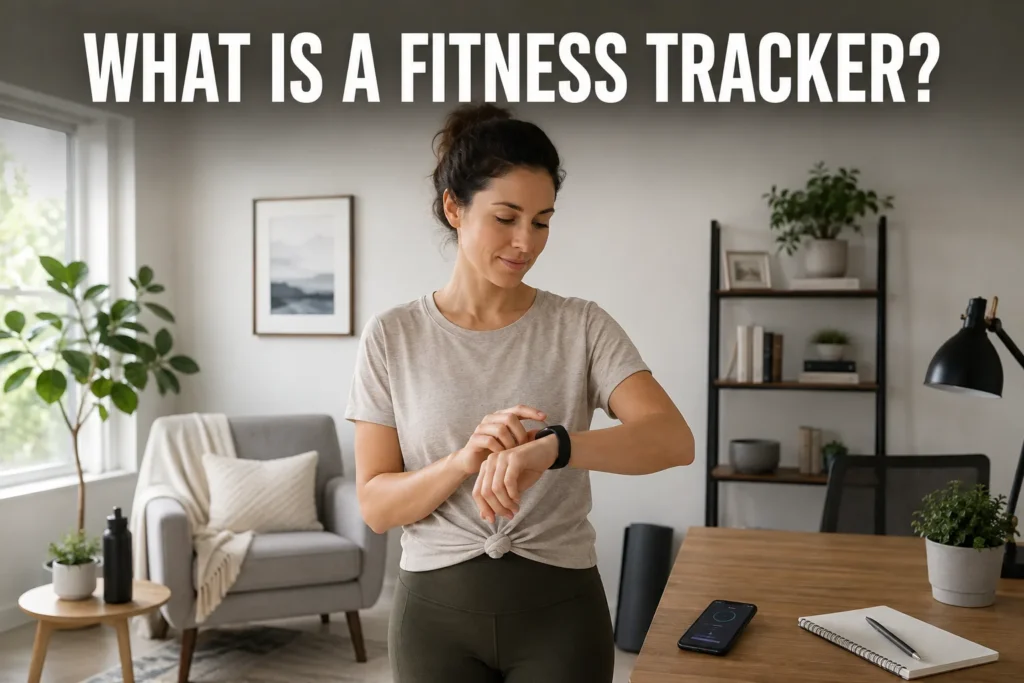
A fitness tracker is a wearable device that monitors your physical activity, heart rate, sleep quality, and other health metrics continuously throughout the day. More than 500 million people worldwide now use them - from casual walkers logging daily steps to clinical patients screening for atrial fibrillation. In this guide, I'll explain exactly how they work, what they measure accurately and what they don't, and how to pick the right one for your goals.

What Is a Fitness Tracker - The Technology Behind Every Reading
A fitness tracker is any wearable device that collects data about your movement and health using embedded sensors. Most take the form of a wrist-worn band or smartwatch, though rings and clip-on devices also exist. At its core, a fitness tracker is a miniature sensor platform: it captures raw data continuously, syncs it to a companion app via Bluetooth, and surfaces patterns you can act on.
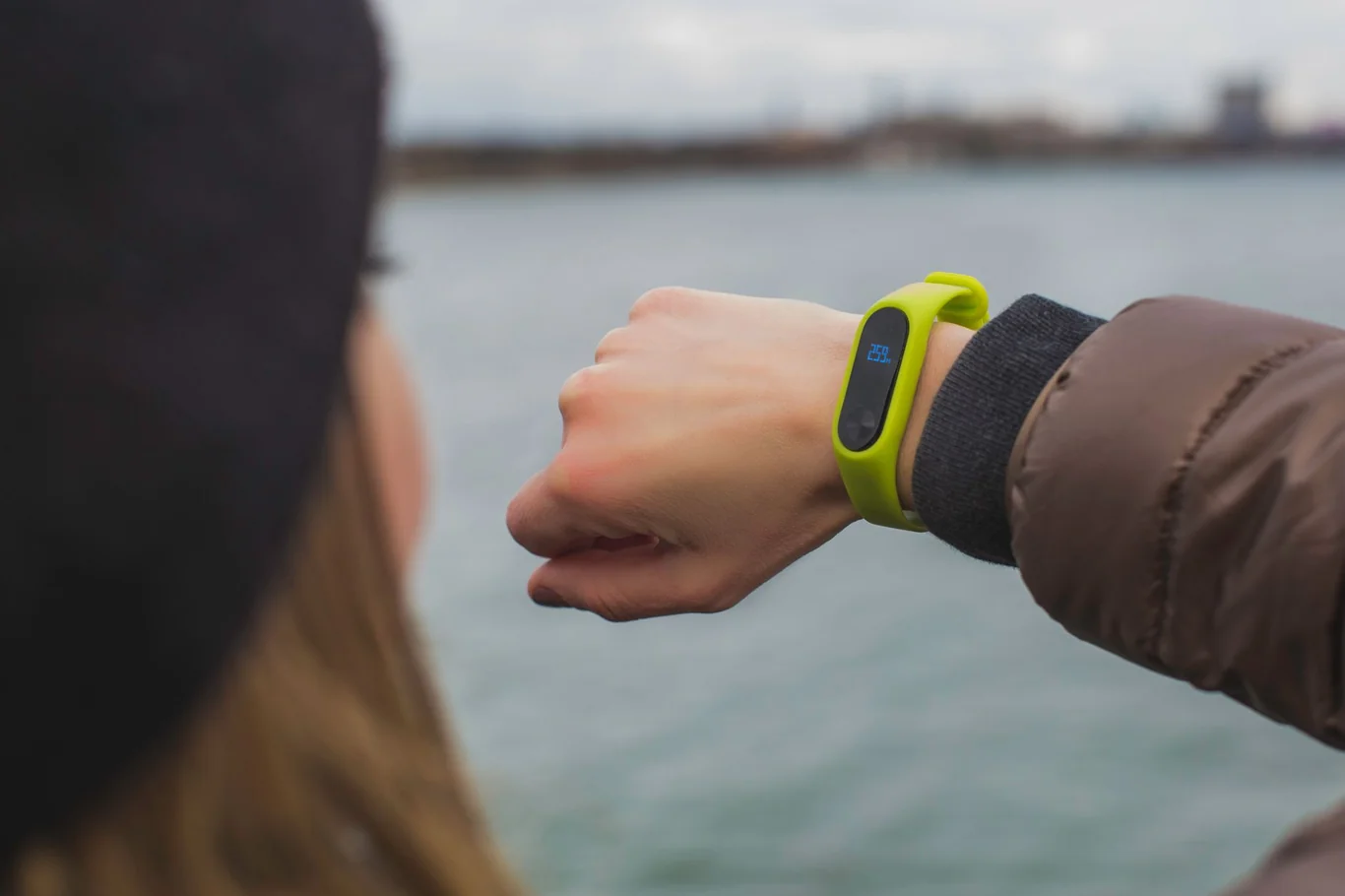
Three sensors do most of the work. An accelerometer detects motion in three dimensions, which is how the device counts your steps and identifies activities like walking, cycling, or swimming. A photoplethysmography (PPG) sensor - the green LED light on the underside of your wrist - shines light into your capillaries and measures blood flow speed, producing your heart rate and SpO2 readings. Premium trackers add an electrical heart sensor (ECG) that reads the heart's electrical activity directly, enabling atrial fibrillation screening.
Your data doesn't stay local. Firmware processes raw sensor readings into metrics - steps, sleep stages, heart rate zones, VO2 max estimates - and syncs them to a companion app where you track trends over time. Apple, Garmin, Fitbit, Samsung, and Oura all run proprietary algorithms on this data, which is why two devices worn simultaneously can report slightly different numbers even from identical sensor hardware.
Fitness trackers are increasingly part of a broader connected fitness ecosystem. If you're also exploring dedicated home gym equipment, our guide to the best budget smart home gym covers connected equipment that pairs well with a wearable tracker.
What Does a Fitness Tracker Measure - Core Metrics Explained
Modern fitness trackers pack a remarkable range of sensors into a surprisingly small package.
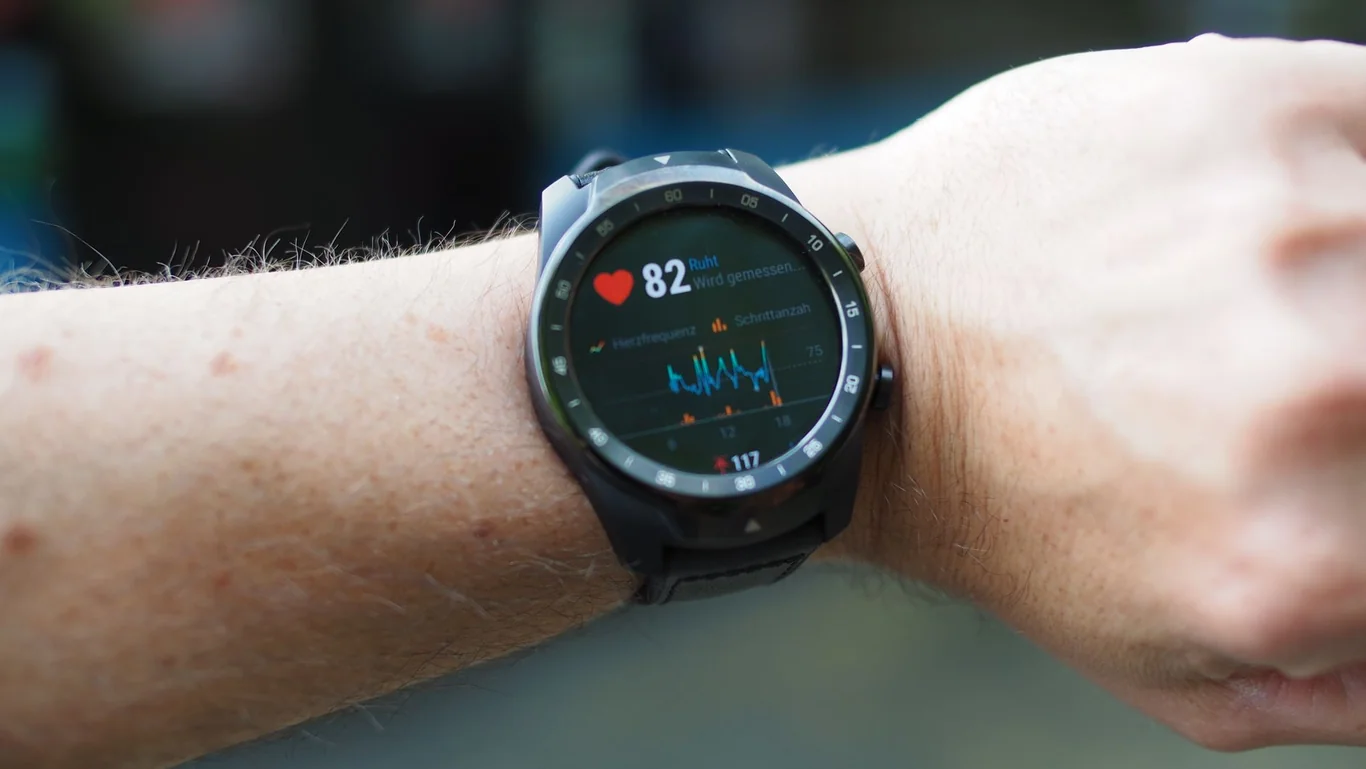
Here is what most devices can measure and the sensor each relies on:
Metric | What It Measures | Sensor Used |
Steps | Daily movement count | Accelerometer |
Heart rate | Beats per minute (resting + active) | PPG optical sensor |
Sleep | Duration and stages (light, deep, REM) | Accelerometer + heart rate |
Calories burned | Estimated energy expenditure | Accelerometer + HR + user profile |
SpO2 | Blood oxygen saturation | Red + infrared PPG |
HRV | Heart rate variability (stress/recovery proxy) | PPG optical sensor |
ECG | Electrical heart activity (AFib screening) | Electrical heart sensor |
Active minutes | Time in moderate-to-vigorous activity | Accelerometer + HR |
Entry-level devices focus on steps, basic heart rate, and sleep. Mid-range and premium fitness trackers layer in SpO2, ECG, HRV, skin temperature, and even menstrual cycle tracking. The gap in capability between a $50 band and a $350 smartwatch is significant. Advanced sensors available on premium devices include:
- SpO2 monitoring for overnight blood oxygen dips
- ECG electrode for irregular rhythm and AFib screening
- Skin temperature tracking for illness detection and cycle monitoring
- GPS for real-time distance and pace without a phone
Not every metric needs to be on your shortlist. A fitness tracker bracelet built for daily step counting and sleep monitoring will cost less, weigh less, and last longer on a charge than a device with every sensor on the market.
Buyers who specifically want calorie data and need help choosing the device that handles it most accurately can find a targeted comparison in my calorie tracking guide.
Types of Fitness Trackers - Band, Watch, or Ring
The form factor you choose affects everything from comfort to battery life to data depth. Three main categories exist:
For a deeper breakdown of the specific accuracy thresholds, subscription cost structures, and form factor decisions that determine long-term satisfaction, my fitness tracker selection guide covers the full buying criteria across every major tracker category.
Type | Battery Life | Best For | Examples |
Fitness tracker band | 7-14 days | Steps, HR, sleep, budget-conscious buyers | Fitbit Charge 6, Xiaomi Smart Band 9 |
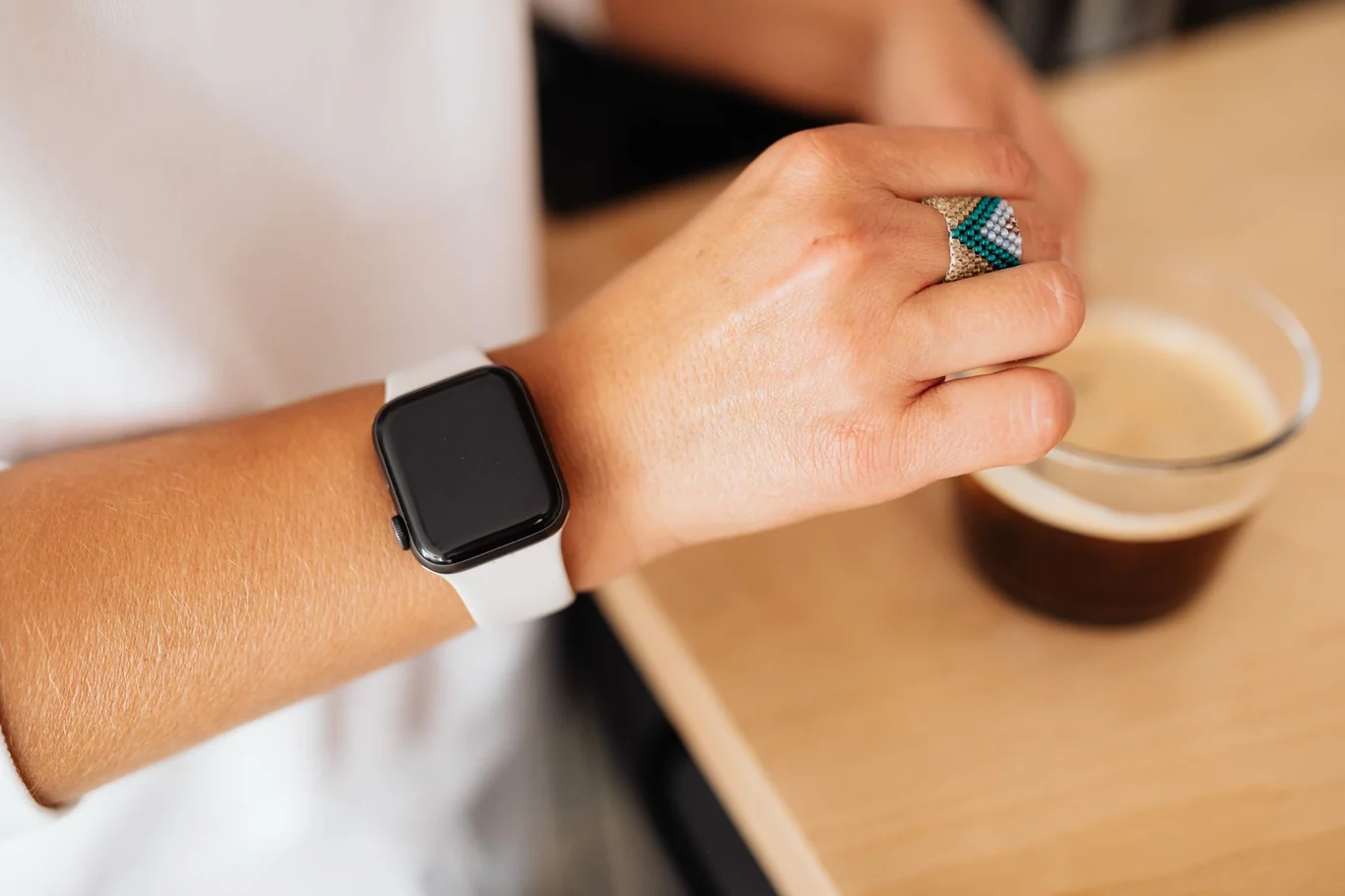
Smartwatch with tracking | 1-3 days | GPS, workouts, apps, notifications | Apple Watch Series 10, Samsung Galaxy Watch 7, Garmin Forerunner 265 |
Smart ring | 4-7 days | Discreet 24/7 monitoring, HRV, sleep quality | Oura Ring 4, Samsung Galaxy Ring |
Each form factor involves a fundamental trade-off. The key decisions before you choose include:
- Battery life versus sensor density - more sensors drain faster; a 14-day band means continuous data without missed nights from dead batteries
- Display size versus comfort - larger screens are more useful for workout metrics but less comfortable for all-day wear
- Subscription model risk - Oura Ring and WHOOP both require monthly subscriptions to access full analytics; Garmin and Amazfit do not
- Activity type match - a band is enough for walking and sleep; dedicated athletes need a watch with GPS, sport profiles, and recovery metrics
For context on how wrist-based trackers fit into a larger connected fitness setup, our guide to what a smart home gym really represents explains the full connected home fitness ecosystem.
The Real Benefits of Wearing a Fitness Tracker
The research on whether fitness trackers actually change behavior is encouraging. A meta-analysis in Lancet Digital Health covering 163,992 participants found that wearing an activity tracker increased daily steps by an average of 1,800, added 40 minutes of walking per day, and produced about 1 kilogram of weight loss - with sustained benefits over time (1). These are modest effects, but they are consistent and replicated across diverse populations.

In clinical populations, the impact runs deeper. A meta-analysis of 35 randomized controlled trials in cancer survivors found that wearable trackers produced moderate-to-large improvements in physical activity levels, quality of life, fatigue, and aerobic fitness (2). The key mechanism is accountability: when you can see your data, you are more likely to act on it.
For everyday users, the practical benefits compound over time:
- Awareness that drives behavior change - most people dramatically underestimate how sedentary their day is until they see step data. Seeing a low count at 6 PM has been shown to trigger increased movement for the rest of the day.
- Sleep pattern visibility - seeing your sleep stages and total duration across weeks helps you identify what wrecks your sleep and what preserves it.
- Resting heart rate trends - a declining resting HR over weeks is one of the most reliable non-invasive signals that your cardiovascular fitness is improving.
- Motivation through visible progress - streaks, goal completion, and weekly summaries provide the feedback loop that makes habit-building sustainable.
- Cardiac arrhythmia screening - modern fitness trackers with ECG capability can detect atrial fibrillation. The Fitbit Heart Study confirmed a 98.2% positive predictive value for AFib detection across 455,699 participants (3).
I consistently recommend fitness trackers to readers who are building exercise habits from scratch. The data removes guesswork: you know, with numbers, whether you hit your goal or not. That is a powerful tool for people who struggle with consistency.
Fitness Tracker Accuracy - What Research Actually Says
Accuracy is the most important and most misunderstood topic in fitness tracking. No consumer wearable perfectly replicates a clinical measurement. Here is what the research says about each metric.
For a research-backed breakdown of how dedicated trackers and smartwatches compare on battery endurance, sensor accuracy, and smart feature depth, my fitness tracker vs smartwatch guide covers the specific use cases where each device type outperforms the other.
Steps - Reliable Enough for Goal Tracking
Step counting is the most accurate metric across all fitness trackers. A systematic review of 158 peer-reviewed publications found that approximately 45% of step count measurements fell within plus or minus 3% accuracy, with a median error of -2% (4). In practical terms: if you walk 10,000 steps, your tracker likely reads between 9,700 and 10,300. Accuracy drops in low-intensity, grip-dependent activities like pushing a shopping cart, where intraclass correlation coefficients fall below 0.60 (5). For standard walking and running, step counts are trustworthy.
Heart Rate - Accurate at Rest, Less So During HIIT
Resting and moderate-intensity heart rate accuracy in leading devices is strong. A prospective clinical trial comparing four consumer devices (Apple Watch 7, Garmin Fenix 6 Pro, Withings ScanWatch, Fitbit Sense) against ECG in 201 postoperative patients found mean absolute percentage error below 5% across all four devices (6). During high-intensity intervals or heavy strength training, optical PPG sensors lose accuracy because increased wrist movement and blood flow changes interfere with the light-based reading. The most accurate fitness tracker for interval training is typically one paired with a chest-strap heart rate monitor for the hardest sessions.
Sleep Tracking - Detection Is Strong, Staging Is Variable
Fitness trackers are good at detecting that you are asleep, but less consistent at accurately classifying sleep stages. A prospective multicenter study of 11 commercial sleep trackers compared against polysomnography found sleep detection sensitivity above 95%, but F1 scores for sleep stage classification ranged from just 0.26 to 0.69 across devices (7). Treat sleep stages as directional insight, not precise measurement. Total sleep time and sleep efficiency scores are the most reliable outputs for practical use.
Calorie Burn - The Weakest Metric Across All Brands
Energy expenditure tracking is where every fitness tracker falls short, without exception. Fuller et al. found that fewer than 10% of calorie measurements across tested devices fell within an acceptable accuracy range - a finding consistent across brands. Calorie estimates rely on your personal metabolic profile (age, weight, fitness level, lean body mass), and consumer sensors cannot replicate laboratory metabolic measurement. I find calorie data most useful as a rough directional reference - whether your active output is trending up or down week to week - rather than a precise number to guide daily intake decisions.
For a full step-by-step walkthrough of first-time pairing, wrist placement, profile setup, and the weekly data review habits that determine long-term results, my guide to how to use a fitness tracker covers every setup and usage decision a new owner faces in the first month.
AFib Detection - Clinically Meaningful Accuracy
Among advanced metrics, atrial fibrillation detection is where fitness trackers deliver genuine medical value. A randomized controlled trial in stroke and TIA survivors found 92.9% overall accuracy, 95% specificity, and a negative predictive value of 97.4% for AFib detection (8). Several devices have received FDA clearance for this feature, and cardiologists increasingly acknowledge it as a useful screening tool for detecting intermittent arrhythmias that standard clinical checkups often miss.
Here is a summary of where the research actually lands:
Metric | Accuracy Level | Evidence Quality |
Step count | Good (median error -2%) | Strong - systematic review, 158 studies |
Resting heart rate | Good (under 5% error) | Strong - prospective clinical trial |
High-intensity HR | Moderate (PPG limitations) | Moderate |
Sleep detection | Good (over 95% sensitivity) | Strong - multicenter study, 11 devices |
Sleep staging | Variable (F1: 0.26-0.69) | Strong - multicenter study |
Calorie burn | Poor (under 10% within range) | Strong - systematic review |
AFib detection | Strong (92.9% accuracy) | Strong - RCT, 120 participants |
Who Should Use a Fitness Tracker
Fitness trackers offer something useful to most active adults, but they deliver the highest value in specific situations.
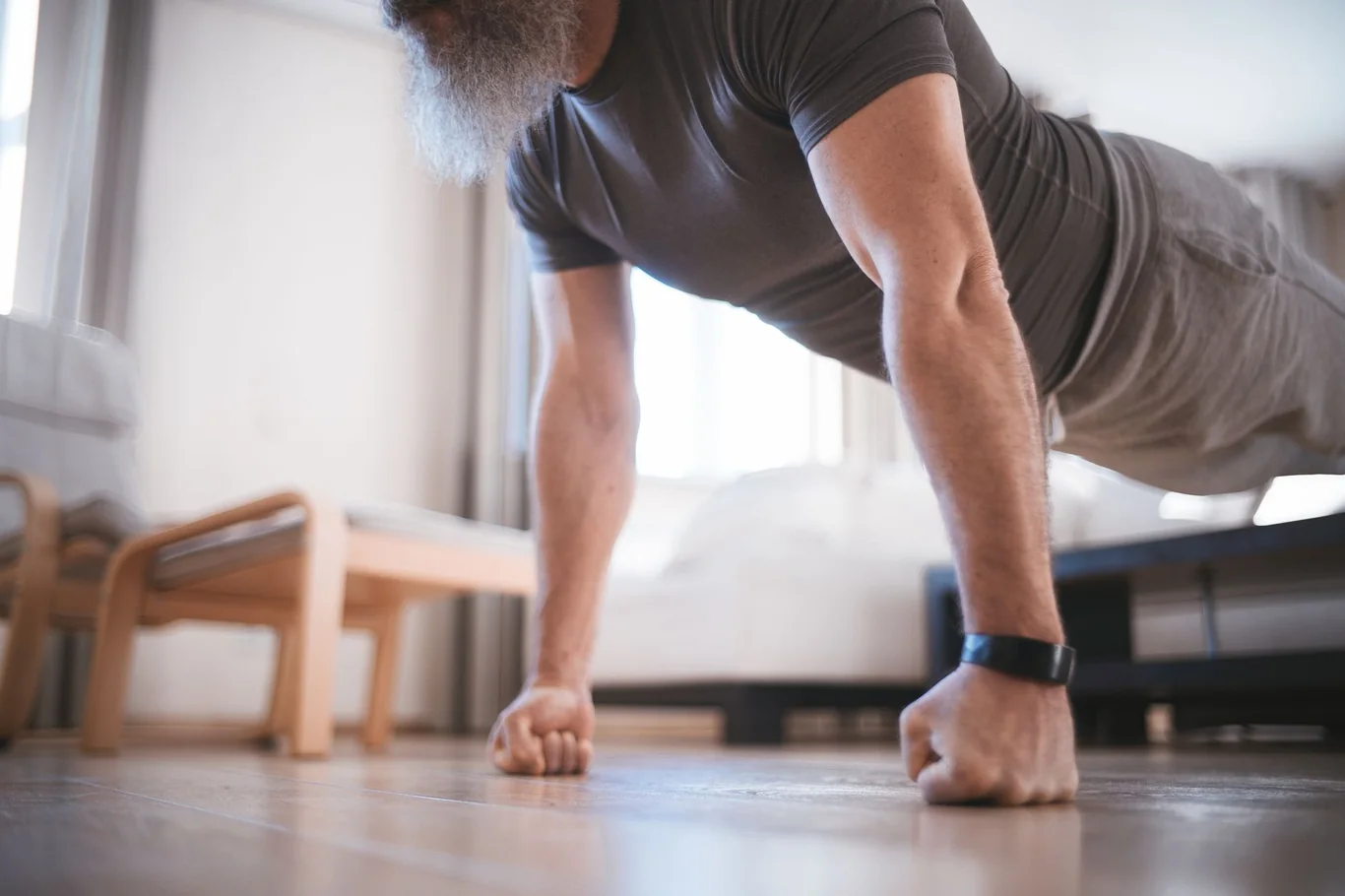
Our research consistently shows these groups benefit most:
- People building a new exercise habit who need external accountability and visible progress data
- Adults managing cardiovascular risk factors where heart rate trends and resting HR changes matter
- Older adults interested in passive health monitoring, particularly for AFib screening - a best fitness tracker for seniors recommendation often prioritizes optical ECG capability and simple interface design
- People with sleep problems who want to identify environmental or behavioral patterns across weeks
- Athletes monitoring recovery through HRV, resting HR trends, and sleep quality between training blocks
- Anyone pursuing weight management who wants to understand their movement volume even outside formal workouts
If you are a casual user who doesn't exercise yet, a basic fitness tracker bracelet still delivers value - it shows you the gap between your current activity and a healthy baseline, which is often the most motivating data point of all.
For a broader look at where fitness trackers sit alongside smartwatches, smart rings, and medical monitors in the wider ecosystem, my overview of wearable devices covers the full category with its key trade-offs and use cases.
For users considering Fitbit as their first tracker, my Fitbit tracking breakdown details every metric the platform records and which outputs are most useful for building the baseline awareness described here.
Older adults looking for a tracker matched to a lower-intensity lifestyle rather than performance training will find picks scaled to that profile in my senior fitness tracker guide.
How to Choose the Best Fitness Tracker for Your Goals
The right device depends on a few concrete questions that most buyers skip. A best fitness tracker 2026 list should factor in these criteria - and the answers are different for every buyer:
For a hands-on ranked comparison of the leading options, my fitness tracker buying guide covers 11 wearables tested across step accuracy, heart rate reliability, sleep staging, and battery endurance, organized by use case.
Fitbit is the most commonly chosen starting point for new buyers; my full Fitbit guide explains the hardware range, app ecosystem, and how the brand compares to the other major options in this category.
- Which metrics matter most? Steps and sleep only? A band under $100 works well. ECG, SpO2, HRV, and GPS? You need a mid-range to premium device.
- Battery life trade-off. A best fitness tracker bracelet with a 14-day battery means you never miss overnight sleep data. A smartwatch with a 24-hour battery means you charge every night - and likely miss the data.
- Subscription model. Oura Ring and WHOOP require monthly fees to access analytics. A best fitness tracker without subscription, like Coros or Amazfit devices, charges you once. The lifetime cost difference over two years is often larger than the hardware price gap.
- Ecosystem fit. Apple Watch integrates best with iPhone and Apple Health. Samsung Galaxy Watch is optimized for Android. Cross-ecosystem use is possible but limits app depth.
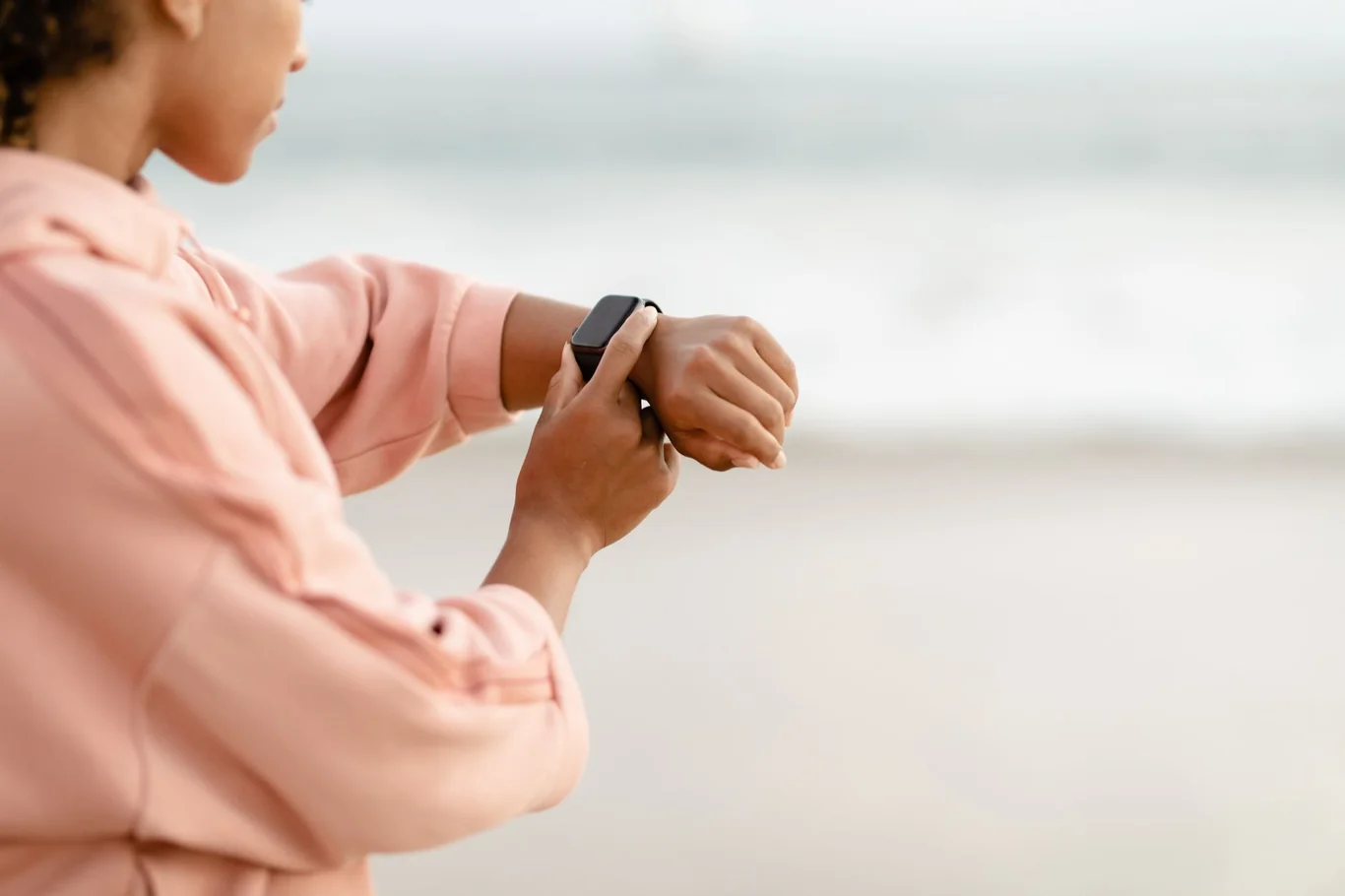
- Form factor preference. Standard wrist bands are universal. An ankle fitness tracker is available for users with wrist sensitivity. Smart rings require sizing before ordering and have a firm return window.
If you're planning a full home gym setup alongside your tracker, our guide to setting up a smart home gym covers equipment planning in a way that complements a wearable-based health monitoring approach.
Privacy and Subscription Costs - What You Should Know
Most fitness tracker reviews focus on hardware without covering data privacy - but your tracker collects sensitive biometric data continuously, and where that data goes matters. Key considerations before you purchase:
- Data ownership varies significantly by brand. Read each company's privacy policy before buying. Some brands sell aggregated, anonymized health data to third parties including pharmaceutical researchers and insurers.
- Subscription platforms collect more data. Services like WHOOP and Oura operate full analytics platforms and have broader data access than standalone device manufacturers. The convenience of advanced insights comes with deeper data sharing.
- Fitness tracker reviews rarely cover data portability. Switching from Fitbit to Garmin means starting over unless you manually export your history. Fitness trackers with no subscription fee that store primary data locally give you more control over your own health records.
- Employer wellness programs require scrutiny. Some programs offer premium incentives for sharing tracker data. Participation is voluntary in most markets, but understand what you are sharing and who sees it before enrolling.
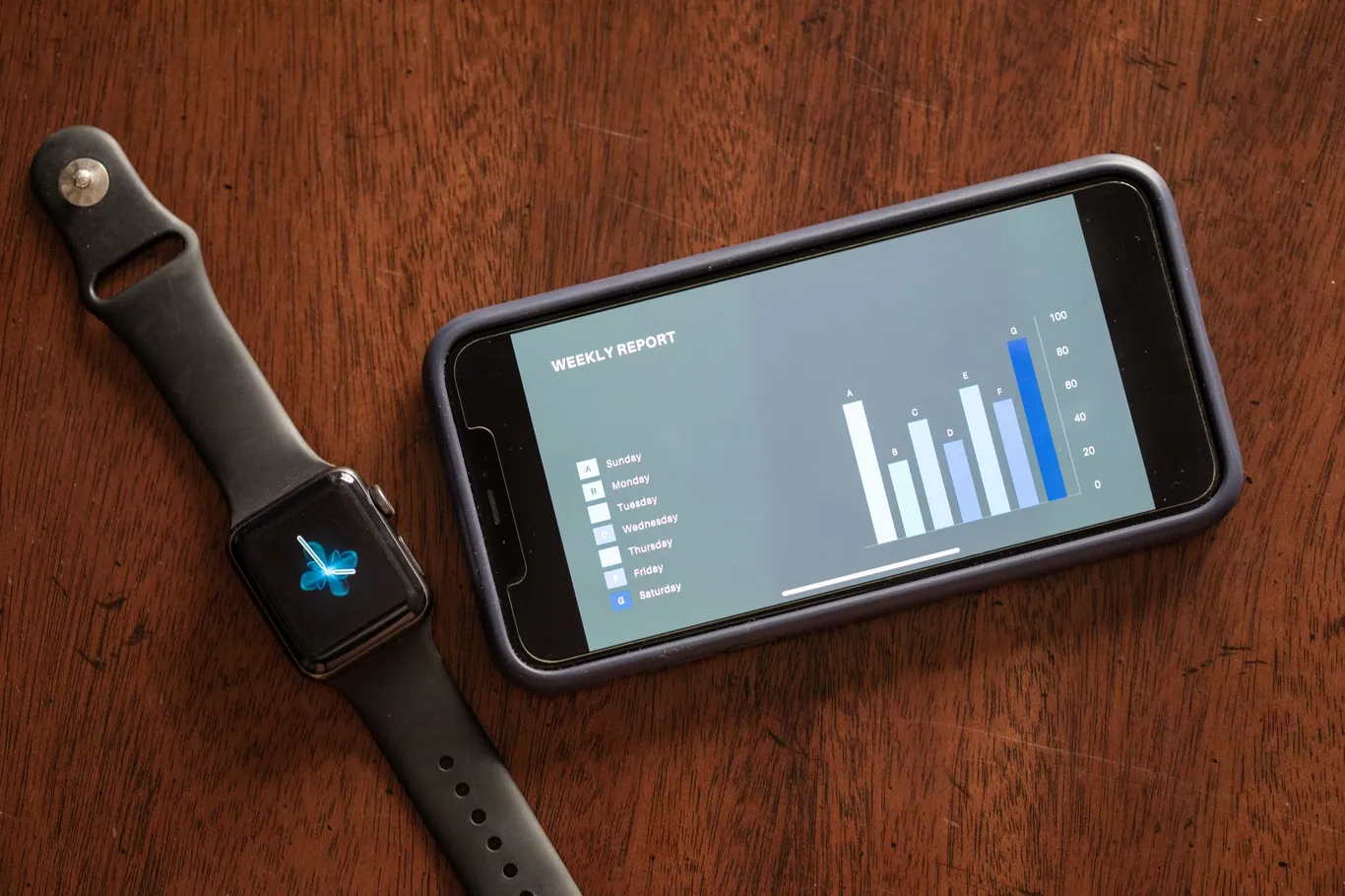
A best fitness tracker without subscription is not just a financial preference because it often also means fewer data-sharing obligations and simpler privacy terms.
For buyers weighing subscription costs, data-sharing trade-offs, and whether the added features of a smartwatch justify the price, my analysis of whether a smartwatch is worth the cost covers each factor in detail.
Women who want subscription-free picks that also include cycle tracking and hormone-aware health monitoring can find relevant options in my guide to tracker options for women.
Your First 30 Days with a Fitness Tracker
A fitness tracker will not replace a training plan or a doctor - and no wearable should try to. What it does is give you data that makes better decisions easier - and the research consistently shows that visibility alone drives behavior change. If you are new to tracking, buy a mid-range band and wear it for 30 days before evaluating its value. The first two weeks are calibration. By week four, you will see your patterns clearly enough to act on them.
My workout tracking guide covers the methods and logging habits that turn raw wearable data into a structured, reliable training record.
For a full ranked comparison of the top GPS sport watches and hybrid smartwatches, my fitness watch comparison guide covers 11 options tested across cardiovascular monitoring depth, GPS accuracy, and subscription cost.
My smartwatch feature breakdown covers the complete range of what these devices do, from health monitoring to notifications and connectivity, so the comparison with a dedicated tracker is easier to make.
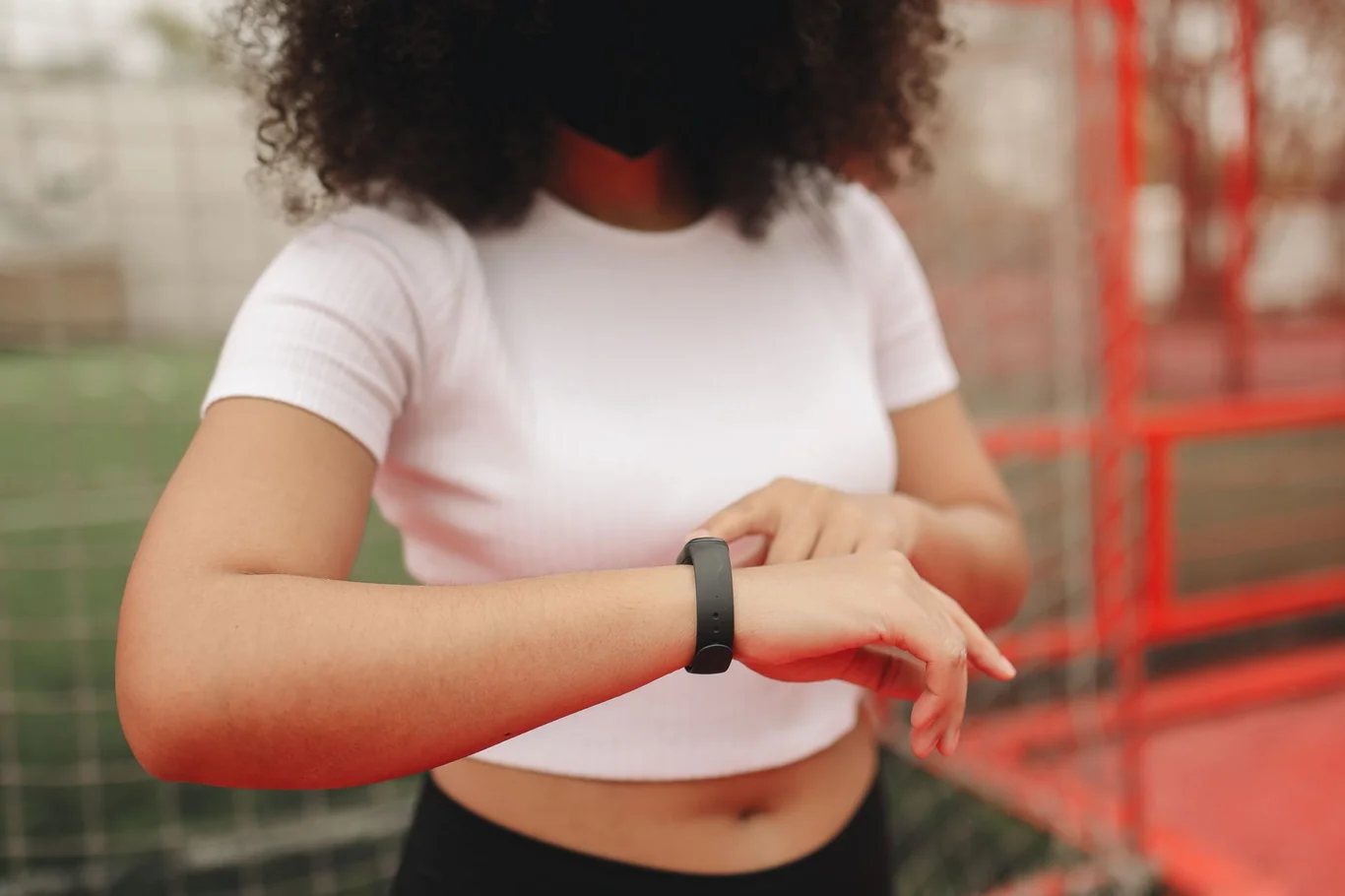
Start with two metrics: daily step count and resting heart rate. Track them for a month before diving into sleep stages, HRV, or calorie data. Complexity is the enemy of consistency. The best calorie tracker or best fitness tracker app is the one you actually keep using.
For readers who find step and resting heart rate data is all they need, my post on the dedicated pedometer watch covers the simpler devices that deliver only that data, with longer battery life and no subscription.
Men who prioritize VO2 max estimation and Body Battery energy scoring alongside those baseline metrics can find picks built around those criteria in my guide to tracker options for men.
FAQs
What is a fitness tracker and how does it work?
A fitness tracker is a wearable device that uses embedded sensors - primarily accelerometers and optical heart rate monitors - to measure physical activity, heart rate, sleep quality, and other health metrics in real time throughout the day. The device syncs collected data wirelessly to a companion smartphone app, where algorithms process raw sensor readings into actionable metrics including step count, sleep stages, calorie estimates, and heart rate zone breakdowns.
Can fitness trackers detect AFib?
Fitness trackers equipped with ECG sensors or irregular rhythm detection can identify atrial fibrillation with clinically meaningful accuracy, though not with the precision of a hospital-grade ECG system. The Fitbit Heart Study confirmed a 98.2% positive predictive value for AFib detection across 455,699 participants, and several wearable devices have since received FDA clearance for this specific feature, making consumer-grade AFib screening a legitimate and growing clinical use case.
What are the downsides of fitness trackers?
The main downsides of fitness trackers are inaccurate calorie burn estimates, variable sleep staging data, and ongoing subscription costs for premium platforms like Oura Ring and WHOOP. Hardware limitations also cause frustration: optical heart rate sensors lose accuracy during high-intensity movement, and smartwatch-style trackers with 24-hour battery life require nightly charging, which means missing overnight sleep tracking if you forget to plug in.
For buyers who want to avoid subscription costs and keep hardware spend low from the start, my affordable fitness tracker picks cover seven sub-$100 options with no mandatory recurring fees.
What are the top 5 fitness trackers?
The leading fitness trackers in 2026 include the Apple Watch Series 10, Garmin Forerunner 265, Fitbit Charge 6, Oura Ring 4, and Samsung Galaxy Watch 7, each earning top marks in different categories from GPS accuracy to clinical-grade sleep monitoring. The best fitness tracker 2026 for your specific needs depends on whether you prioritize battery life, medical-grade sensors, subscription-free analytics, or smartphone ecosystem integration.
What is a fitness tracker used for?
A fitness tracker is used to monitor daily physical activity, track health metrics like resting heart rate and sleep duration, and provide the visibility and accountability that drive consistent behavior change. Beyond general wellness, fitness trackers are used in clinical and research settings to screen for cardiac arrhythmias, support cancer rehabilitation programs, manage chronic conditions, and generate longitudinal health data that is difficult to capture through routine medical appointments.
For users who need wrist-free wear due to occupation or medical requirements, my ankle fitness tracker comparison covers dedicated ankle devices and adapter-compatible bands that track steps and activity from the ankle.
References:
- Ferguson T, Olds T, Curtis R, et al. Effectiveness of wearable activity trackers to increase physical activity and improve health: a systematic review of systematic reviews and meta-analyses. Lancet Digital Health. 2022;4(8):e589-e600. doi:10.1016/S2589-7500(22)00111-X
- Singh B, Zopf EM, Howden EJ. Effect and feasibility of wearable physical activity trackers and pedometers for increasing physical activity and improving health outcomes in cancer survivors: A systematic review and meta-analysis. Journal of Sport and Health Science. 2021;10(6):682-691. doi:10.1016/j.jshs.2021.07.008
- Lubitz SA, Faranesh AZ, Selvaggi C, et al. Detection of Atrial Fibrillation in a Large Population Using Wearable Devices: The Fitbit Heart Study. Circulation. 2022;146(19):1415-1426. doi:10.1161/CIRCULATIONAHA.122.060291
- Fuller D, Colwell E, Low J, et al. Reliability and Validity of Commercially Available Wearable Devices for Measuring Steps, Energy Expenditure, and Heart Rate: Systematic Review. JMIR mHealth and uHealth. 2020;8(4):e18694. doi:10.2196/18694
- Alinia P, Cain SM, Fallahzadeh R, Shahrokni A, Cook DJ, Ghasemzadeh H. How Accurate Is Your Activity Tracker? A Comparative Study of Step Counts in Low-Intensity Physical Activities. JMIR mHealth and uHealth. 2017;5(11):e161. doi:10.2196/mhealth.6321
- Helmer P, Hottenrott S, Rodemers P, et al. Accuracy and Systematic Biases of Heart Rate Measurements by Consumer-Grade Fitness Trackers in Postoperative Patients: Prospective Clinical Trial. JMIR Cardio. 2023;7:e42359. doi:10.2196/42359
- Lee T, Cho Y, Cha KS, et al. Accuracy of 11 Wearable, Nearable, and Airable Consumer Sleep Trackers: Prospective Multicenter Validation Study. JMIR mHealth and uHealth. 2023;11:e50983. doi:10.2196/50983
- Ding EY, Tran K-V, Lessard D, et al. Accuracy, Usability, and Adherence of Smartwatches for Atrial Fibrillation Detection in Older Adults After Stroke: Randomized Controlled Trial. JMIR Cardio. 2023;7:e45137. doi:10.2196/45137