
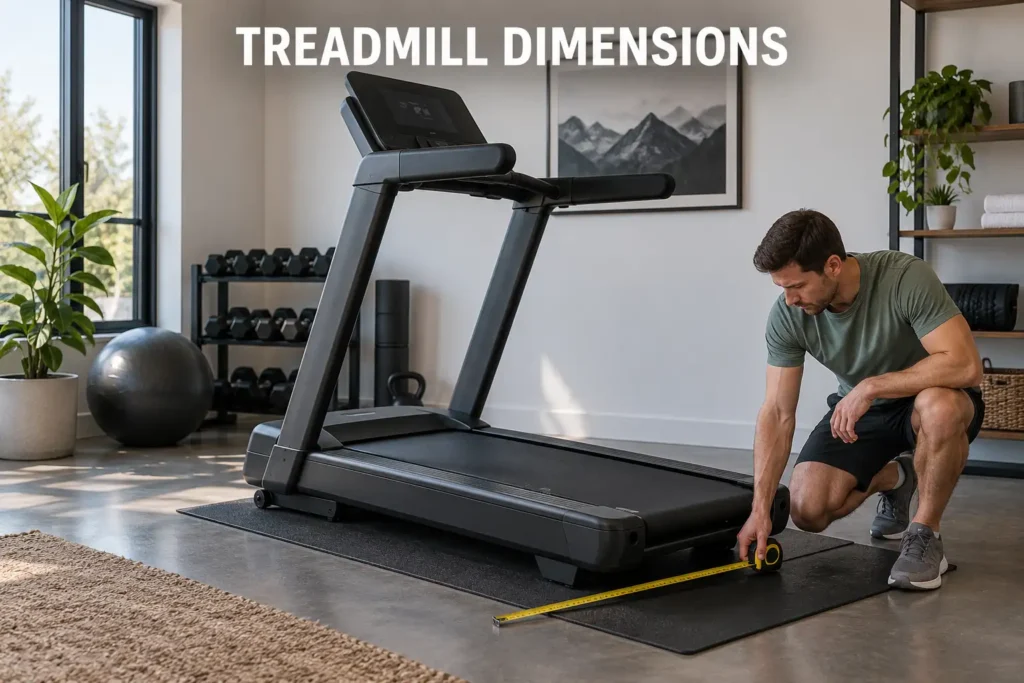
Knowing the exact treadmill dimensions before you buy can save you from an expensive return and months of frustration with a machine that does not fit the room you planned for. The footprint of the machine is only part of the equation - surrounding clearance zones, ceiling height, and doorway access all determine whether a specific model works in your home.
Buyers frequently underestimate total space requirements, often by a significant margin once safety clearance is factored in on all sides. A standard home treadmill runs 70 to 80 inches long and 28 to 34 inches wide - but with required safety clearance added on all sides, the total floor allocation climbs to roughly 7 feet wide and 14 feet long.
This guide covers standard treadmill dimensions by category, clearance requirements backed by safety data, folding options for tight spaces, and a treadmill size chart to help you plan confidently before placing an order.

Treadmill Dimensions - Standard Sizes for Every Home Setup
Standard treadmill dimensions vary by category, but most home models fall within a predictable range. The two measurements that matter most are the running belt dimensions - the surface your feet contact - and the overall machine dimensions, which include the console, uprights, and motor housing at the front. These two numbers are rarely the same, and confusing them is the most common planning mistake I see buyers make when researching treadmill sizes.
I have watched buyers plan a basement gym around belt length, then discover on delivery day that the total assembled machine length exceeds their measurement by 12 to 18 inches. Always request assembled dimensions from the retailer, not belt-only figures. If you are browsing options now, our guide to the best treadmill for home lists assembled dimensions for every recommended machine.
Running Belt Width and Length
Running belt dimensions directly affect stride comfort, joint loading, and how naturally you move at various speeds. A belt that is too narrow forces your feet to crowd laterally; one that is too short compresses your natural stride and increases impact on the hips and knees.
Recommended belt dimensions by use type:
Use Type | Belt Width | Belt Length |
Light walking | 16-18 in | 45-50 in |
Jogging | 18-20 in | 50-55 in |
Running | 20-22 in | 55-60 in |
Tall runners | 22+ in | 60-62 in |
A treadmill width of 20 inches is the versatile starting point for most adults. Anything narrower than 18 inches creates noticeable gait disruption over longer sessions. The widest treadmill belt options available in consumer-grade home models reach 24 inches - standard on commercial gym equipment and offered on a small number of premium residential units.
Average treadmill length for the running belt runs from 55 to 60 inches in the standard home category. For users above 6 feet tall or for sessions exceeding 45 minutes, a 60-inch belt minimizes stride truncation and reduces cumulative fatigue. Treadmill length affects runners more than walkers - if training for a marathon on a treadmill is part of your plan, prioritize a belt of at least 58 inches. Runners focused on treadmill weight loss will find that a properly sized belt supports natural stride mechanics across longer sessions, which reduces injury risk and keeps weekly workouts consistent.
My treadmill type comparison covers how motorized, folding, curved, and commercial categories differ in belt length, deck dimensions, and the training goals each machine format best supports.
Overall Machine Dimensions
Overall machine dimensions include the full frame length, treadmill width, height, and all structural components. Here is where treadmill sizes diverge significantly by category:
- Walking pads (under-desk models): 45-58 inches long, 18-25 inches wide, 4-8 inches tall
- Compact home treadmills: 60-70 inches long, 26-30 inches wide, 48-55 inches tall
- Standard home treadmills: 70-80 inches long, 28-34 inches wide, 52-62 inches tall
- Commercial-grade treadmills: 78-90 inches long, 34-40 inches wide, 56-68 inches tall
Average treadmill dimensions for a typical home machine land at approximately 77 inches long, 33 inches wide, and 55 inches tall when fully assembled. The treadmill standard size in the home category effectively begins at 70 inches in length - anything shorter qualifies as a compact or under-desk model. Standard treadmill dimensions in the commercial category are roughly 15 to 20 percent larger across all three planes.
Treadmill weight in the standard home category runs from 150 to 300 pounds. Compact models and walking pads weigh as little as 35 to 75 pounds. If you are installing on an upper floor, plan around the high end of the listed weight - how much does a treadmill weigh for your specific model matters for both floor loading and delivery logistics.
If you are evaluating a walking pad specifically, my guide on what walking pads are covers the typical size, weight range, and motor specs across the category, and how these compact machines compare to standard motorized treadmills.
How Much Clearance Does a Treadmill Really Need?
Treadmill clearance requirements are not arbitrary suggestions - they reflect documented safety margins built around the most common treadmill accident: a user losing balance and stepping or falling off the rear of the moving belt. Analysis of US emergency department records found that home exercise equipment injuries account for tens of thousands of annual ED visits, with treadmills involved in the majority of those incidents (1). Pediatric treadmill injuries at home are particularly serious, with hand and arm entrapment between the moving belt and adjacent surfaces among the most documented mechanisms in published clinical series (2).
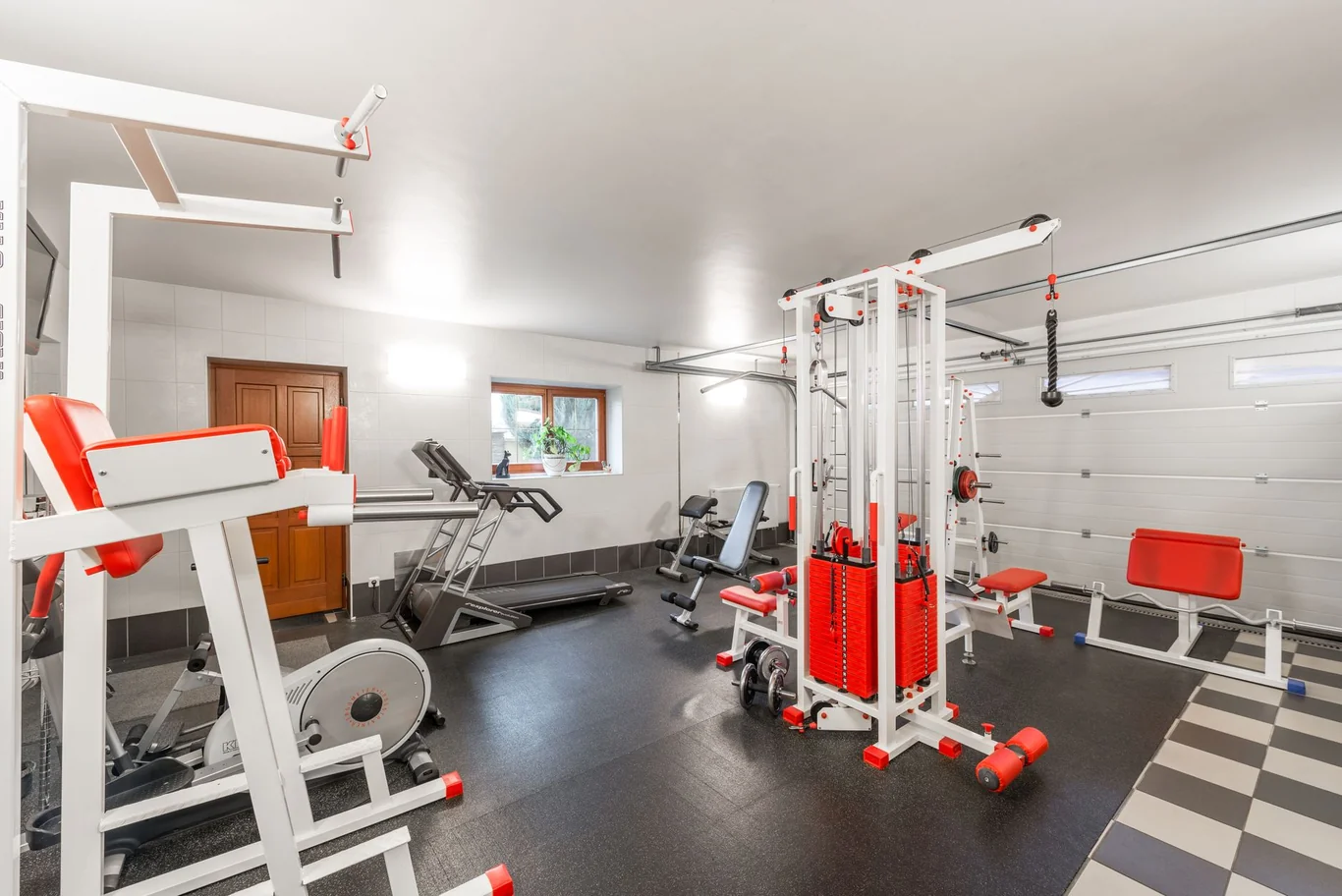
Building proper clearance into your room layout before the machine arrives is the single most important planning step in the entire process. I have seen setups pushed against the wall to save space in nearly every home gym consultation I have done - and every one created problems, from blocked maintenance access to genuine fall hazards when a runner stepped off the rear edge.
Side and Rear Clearance Requirements
The ASTM International F2115 standard for home treadmill placement specifies a minimum rear treadmill clearance of 78 inches between the back of the running belt and the nearest wall (5). Industry guidance adds at least 24 inches of side clearance on each side. Front clearance of at least 24 inches is required specifically for motor ventilation - without adequate airflow the motor overheats, and that failure is typically not covered by warranty if the clearance requirement was not met. In practical terms, calculating total room requirement means adding those clearance zones to the machine's assembled treadmill dimensions:
Clearance Zone | Minimum | Recommended |
Rear | 78 in | 84 in |
Each side | 24 in | 36 in |
Front | 24 in | 30 in |
Total length | ~14 ft | ~15 ft |
Total width | ~7 ft | ~8.5 ft |
Most manufacturers recommend a dedicated floor area of at least 7 feet wide by 12 feet long as a practical floor space minimum for the machine's footprint - but the full safe zone including clearance on all sides runs closer to 14 feet long. A treadmill on carpet requires the same full clearance zones - in fact, carpet slightly reduces machine stability, making full margins even more important. See treadmill on carpet for surface-specific placement guidance.
For maintenance access - treadmill belt tension checks, how to lubricate a treadmill procedures, and how to replace treadmill belt repairs - plan for at least 24 inches of rear access even when the machine is not in use. Pushing a treadmill against the wall to save floor space eliminates your ability to perform basic maintenance safely.
Ceiling Height for Treadmill Use
Ceiling height for treadmill workouts is the dimension most overlooked during the planning phase. The machine's deck platform adds 6 to 9 inches of standing height above floor level before incline elevation is even factored in. Standard incline-capable treadmills then raise a user's effective height by a further 2 to 6 inches when the deck is at maximum incline. For a 6-foot user on a machine with a 9-inch deck platform running at full incline, the safe ceiling clearance requirement climbs to approximately 8 feet 6 inches.
Use this checklist before finalizing your placement location:
- Measure ceiling height at the exact spot where the treadmill will stand
- Add your standing height in shoes
- Add 6-9 inches for the deck platform height above floor level
- Add 6 inches for maximum incline elevation
- Add 6 inches of safety margin above your extended stride height
- Confirm the total stays below the actual ceiling height
A minimum 8-foot ceiling clears most adults up to 6 feet tall for incline training. For users above 6'2" or for basements with exposed joists or mechanical ductwork, aim for at least 8.5 feet before committing to a location.
Folding Treadmill Dimensions - Compact Options for Tight Spaces
Our picks for the best folding treadmill address one of the most common treadmill dimensions challenges for apartment and small-home setups: reclaiming floor space when the machine is not in use. When unfolded for use, a standard foldable treadmill has assembled dimensions nearly identical to a non-folding home model - 70 to 78 inches long and 28 to 34 inches wide. The payoff comes in storage, where the depth footprint collapses by approximately 50 percent.
One trade-off worth noting before you commit to the folding category: folding treadmills are typically less stable than non-folding equivalents at the same motor and belt specs, and often carry a cost premium for the hydraulic mechanism. For heavy users or high-intensity interval work, a non-folding model is often the more durable long-term investment.
Buyers who want to understand what separates a durable motor from a failure-prone one, and how to address problems when they arise, will find the full breakdown in my guide to treadmill motor problems.
Subscription costs are another hidden budget factor worth reviewing before purchase; my guide on treadmills without subscriptions breaks down which brands offer complete console access without a monthly service fee.
Standard Folding Treadmill Dimensions
Most foldable treadmill designs use a hydraulic assist mechanism to swing the running deck upright. Here is what standard treadmill dimensions look like across folded and unfolded states:
Configuration | Length | Width | Height |
In use | 70-78 in | 28-34 in | 52-60 in |
Stored (folded) | 30-42 in | 28-34 in | 58-68 in |
Note that folding reduces depth but increases height - important if you plan to store the machine under a staircase or in a low-clearance closet. The standard treadmill size for a folding home model matches the non-folding category in most belt dimensions but typically sheds 20 to 30 pounds of frame weight to make the hydraulic mechanism manageable for solo use.
Under-Desk and Apartment-Sized Treadmill Dimensions
An apartment-sized treadmill - also called a walking pad or under-desk model - represents the most compact treadmill size category. These machines prioritize portability and storage over high-speed running capability. If you are looking for the best treadmill for walking at a steady low-impact pace throughout the workday, under-desk options in this category are purpose-built for that use. Many users pair their walking sessions with a fitness tracker to log steps and calories - if you are unsure what wearables add to a home workout setup, what does a smartwatch do covers the basics.
Typical apartment-sized treadmill dimensions:
- Overall length: 45-58 inches
- Overall width: 18-25 inches
- Height in use: 4-7 inches
- Belt width: 16-20 inches
- Belt length: 40-50 inches
- Treadmill weight: 35-75 pounds
- Treadmill weight limit: 200-300 pounds (vs. 250-400+ pounds on standard models)
These treadmill dimensions allow the machine to slide under a standard desk, which typically provides 24 to 28 inches of floor clearance. Maximum speed ranges from 4 to 6 mph - appropriate for walking and light jogging but not sustained running. Using a treadmill calorie counter with these models requires working within the lower speed range; treadmill pace chart targets must be adjusted accordingly. If you are ready to compare specific models, the best under-desk treadmill roundup covers top-rated walking pads across every budget.
How to Match Treadmill Dimensions to Your Home
Selecting treadmill dimensions that work for your specific space comes down to four measurements: room length, room width, ceiling height, and available doorway width for delivery. I would add a fifth for anyone with stairs between the front door and the destination room - measure the staircase landing turn radius, because a 250-pound machine on a pallet cannot navigate a tight corner.
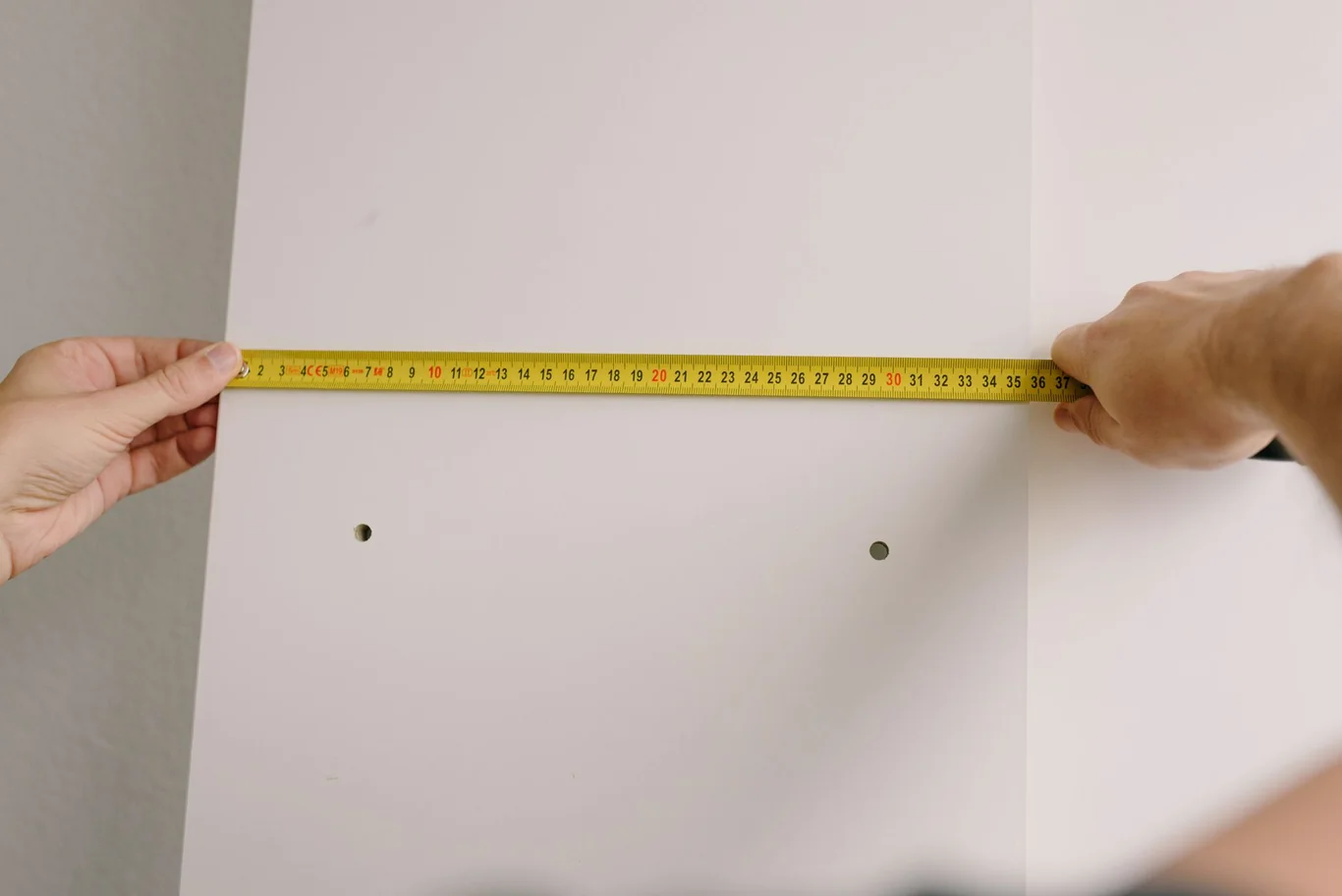
Here is the systematic approach our team uses when helping readers plan home gym setups:
- Measure the room (length, width, ceiling height at the planned machine location)
- Subtract required clearance zones (78 inches rear, 24 inches each side, 24 inches front)
- The remaining dimension is your maximum viable treadmill footprint
- Cross-reference against the treadmill size chart in the section above
- Confirm doorway access - most standard interior doors are 32-36 inches wide; assembled treadmill width runs 28-36 inches
- Verify the full delivery path from street to room including hallways, stairwells, and elevator dimensions
Treadmill Belt Width and Your Running Style
The width of treadmill belt directly influences biomechanics - narrower belts cause lateral crowding of the stride that compounds over extended sessions. For most adult users, the practical breakdown is:
- 16 to 18 inches: walking only; does not accommodate a natural jogging gait for most adults
- 18 to 20 inches: walking and jogging up to 6 mph; the most common home treadmill range
- 20 to 22 inches: jogging and running; most comfortable for users with a longer or wider natural stride
- 22+ inches: high-performance running and interval work; commercial standard; available on select home models
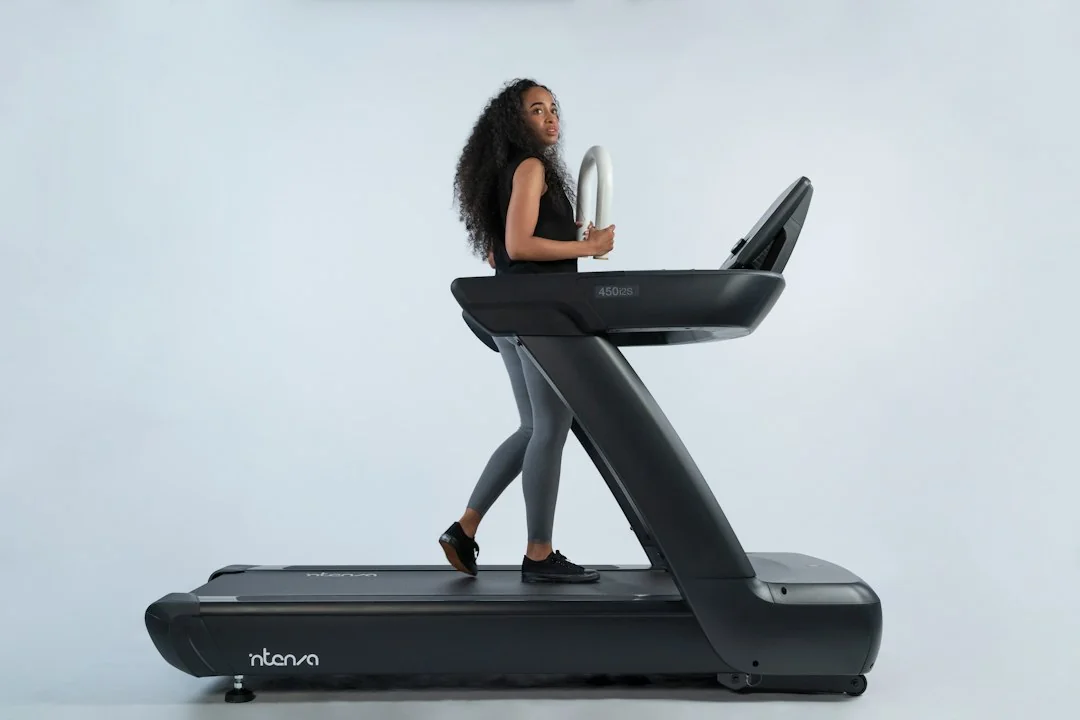
For incline training specifically, belt width matters more than on flat-surface workouts. The best incline treadmill options all feature 20-inch or wider belts because incline walking amplifies lateral foot placement variance. Tracking a treadmill pace chart through interval sessions also benefits from a wider belt - the extra margin allows natural foot placement variation at higher speeds without clipping the edge.
What to Expect in the Shipping Box
How large the shipping box is for a treadmill consistently surprises first-time buyers. A standard home treadmill typically ships in packaging measuring 75 to 90 inches long, 30 to 38 inches wide, and 12 to 18 inches tall. This packaging often cannot fit through standard residential hallways without partial disassembly or creative maneuvering.

Key delivery planning steps:
- Measure door widths, hallway widths, and staircase landings before scheduling delivery
- Confirm whether inside delivery is available - most carriers stop at the garage or front door
- Request white-glove delivery for machines over 200 pounds - it adds a notable premium above standard shipping rates but eliminates the risk of stair-related damage and injury during solo handling
- Plan for 30 to 60 minutes of floor-level assembly work before the machine is upright
- Budget for a high-density rubber mat to distribute treadmill weight and protect flooring from vibration
How much does a treadmill cost when white-glove service is added depends on the retailer and distance, but comparing that premium against the risk of a solo-delivery mishap on a heavy machine is worth doing before you book. If you qualify for FSA benefits, fsa eligible treadmill purchases require medical necessity documentation - check with your benefits administrator before purchase.
If your benefits plan covers fitness equipment under a health account, my guide on FSA covered treadmill purchases covers which conditions qualify, how to obtain the required documentation, and which account types apply.
For a full breakdown of the hardware costs across all treadmill categories before adding delivery or installation fees to your estimate, my treadmill cost overview covers the budget, mid-range, and premium tiers with realistic price ranges.
Floor Loading and Treadmill Weight Considerations
Treadmill weight combined with the dynamic load of a user running creates concentrated point loading on residential floors. A 250-pound treadmill with a 200-pound user running at 7 mph generates dynamic impact forces that can exceed twice the combined static weight of the machine and user - concentrated across the machine's four contact feet.
Most residential floors are rated for 40 to 60 pounds per square foot of distributed load. The concentrated footprint of a treadmill without a mat can exceed this threshold at each contact point. A high-density rubber mat spreads that load across a broader surface area and significantly reduces the continuous vibration transmission to the floor structure below.
Proper setup also supports the long-term consistency that makes a home treadmill worthwhile. In clinical walking programs, home-based exercise on correctly installed equipment has been shown to be safe and effective across a range of health conditions, with adherence comparable to supervised alternatives when equipment is accessible and properly set up (3). Structured home-based programs have demonstrated functional outcomes matching those of supervised exercise when equipment is correctly configured (4). Getting treadmill dimensions and placement right from day one builds the foundation for consistent, sustainable use. For ongoing care, how to use treadmill guides cover setup basics, while fixing treadmill motor and how many steps in a mile on a treadmill are useful reference points once your machine is logging regular sessions.
Your Complete Treadmill Space Planning Guide
After helping readers plan home gym setups across every room type and budget over several years, the single planning error I see most often is measuring the machine footprint and forgetting to add the full clearance envelope on every side. Getting treadmill dimensions right before you buy is the difference between a machine that becomes part of your daily routine and one that collects dust in a hallway corner. Before you order, lay painter's tape on your floor to mark the full footprint - including all clearance zones on every side - to confirm the space works in your actual room before the box arrives.
Key takeaways from this guide:
- Standard home treadmill dimensions run 70 to 80 inches long and 28 to 34 inches wide for most residential models
- Total room allocation needs at least 7 feet wide and 14 feet long once all safety clearance zones are added on every side
- Belt width - the treadmill width that directly affects your stride - should be 20 inches or wider for jogging and running
- Folding treadmills cut storage depth by approximately 50 percent with minimal trade-off in belt size or belt length
- Ceiling height must be at least 8 feet for standard incline-capable models; users above 6 feet 2 inches need at least 8.5 feet
A stairmaster vs treadmill comparison is worth consulting if you are still deciding between cardio equipment categories, as different equipment types have distinct footprints that affect your room layout. If you are narrowing to treadmills specifically and space is the primary constraint, walking backwards on a treadmill can help you extract more training variety from a compact setup once your machine is in place.
FAQs
Is 20 inches wide enough for a treadmill?
A 20-inch belt is wide enough for most adults walking, jogging, and running at moderate speeds up to 7 mph. For users with a naturally wide gait or running sessions at speeds above 7 mph, a 22-inch belt delivers noticeably more lateral room and reduces the risk of clipping the belt edge during fatigue.
How far should a treadmill be from the wall?
The minimum rear distance from the back of a treadmill to the nearest wall is 78 inches per ASTM International safety standards, representing the safe-fall zone behind the moving belt. Side clearance should be at least 24 inches on each side to allow safe dismounting without contact with walls or nearby furniture.
What is the typical size of a treadmill in inches?
The typical home treadmill measures approximately 77 inches long, 33 inches wide, and 55 inches tall when fully assembled and in use. Running belt dimensions within that machine average 55 to 60 inches long and 18 to 22 inches wide, with commercial and premium home models at the upper end of both ranges.
How much space do you need for a treadmill?
You need a minimum floor area of roughly 7 feet wide by 14 feet long to safely operate a standard home treadmill once all clearance zones are factored in. That total accounts for the machine's footprint plus 78 inches of rear clearance, 24 inches on each side, and 24 inches in front of the motor housing.
What treadmill should I buy quiz?
The right treadmill for your needs comes down to three core factors: your primary use type (walking, jogging, or running), your available floor space based on the treadmill size chart in this guide, and your budget tier. Mapping those three factors to available models - rather than relying on a single quiz - produces a more reliable match for how you will actually use the machine long term.
Shoppers still deciding between a treadmill and a bike will find a complete side-by-side analysis in my treadmill vs stationary bike comparison, covering calorie burn, joint impact, space requirements, and maintenance costs.
Medical Disclaimer
The information in this article is for educational purposes only and does not constitute medical advice. Consult a qualified healthcare provider before beginning any new exercise program, especially if you have a pre-existing health condition, joint injury, or cardiovascular concern. Treadmill placement guidance reflects published safety standards and general best practices; individual circumstances may vary. Always follow the manufacturer's installation instructions for your specific model.
References
- Graves JM, Iyer KR, Willis MM, Ebel BE, Rivara FP, Vavilala MS. Emergency department-reported injuries associated with mechanical home exercise equipment in the USA. Inj Prev. 2014;20(4):281-285. doi:10.1136/injuryprev-2013-040833
- Lohana P, Hemington-Gorse S, Thomas C, Potokar T, Wilson YT. Paediatric injuries due to home treadmill use: an emerging problem. Ann R Coll Surg Engl. 2012;94(2):121-123. doi:10.1308/003588412X13171221501942
- Waddell A, Seed S, Broom DR, McGregor G, Birkett ST, Harwood AE. Safety of home-based exercise for people with intermittent claudication: A systematic review. Vasc Med. 2022;27(2):186-192. doi:10.1177/1358863X211060388
- Gardner AW, Parker DE, Montgomery PS, Scott KJ, Blevins SM. Efficacy of quantified home-based exercise and supervised exercise in patients with intermittent claudication. Circulation. 2011;123(5):491-498. doi:10.1161/CIRCULATIONAHA.110.963066
- ASTM International. Standard Consumer Safety Specification for Motorized Treadmills. ASTM F2115-06(2012). West Conshohocken, PA: ASTM International; 2012. doi:10.1520/F2115-06R12