
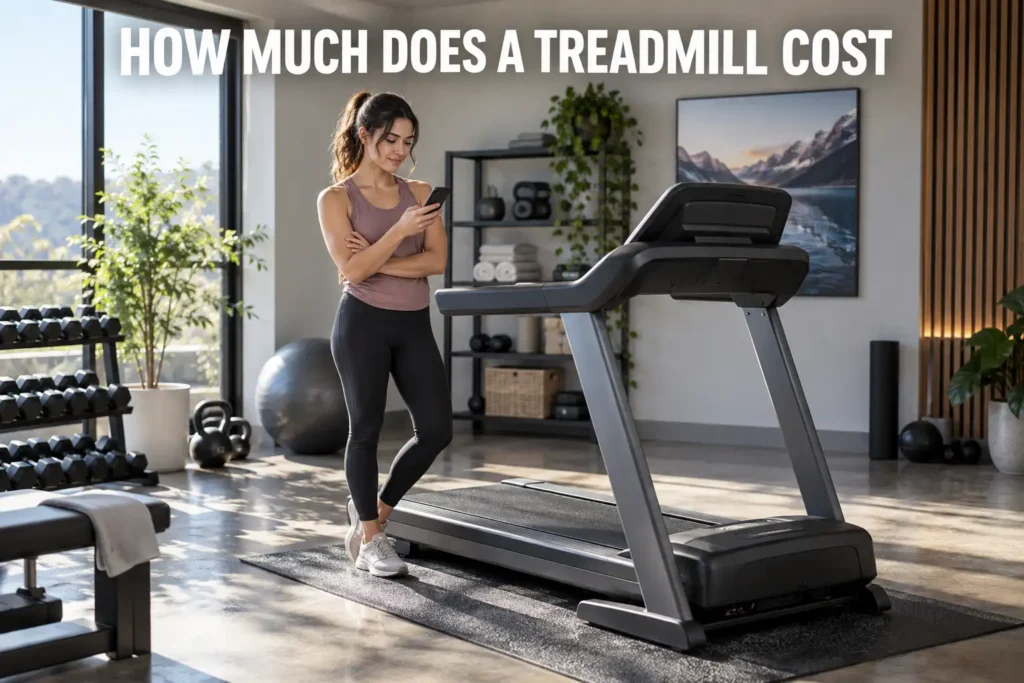
How much does a treadmill cost depends largely on what you intend to do with it - prices run from $300 to over $10,000, and understanding that range is what separates a smart purchase from an expensive mistake. For the average home buyer, the realistic range sits between $500 and $3,500, depending on the type, features, and brand you choose. At TechFitnessLab, I've analyzed pricing across 40+ models at every tier to give you a clear, tier-by-tier breakdown of what each budget actually gets you. This guide covers price categories, treadmill types, the features that drive up cost, and the hidden expenses most buyers overlook.
Subscription costs are among the most overlooked ongoing expenses; my guide on choosing a treadmill without subscription covers which brands offer full functionality without a recurring fee and how to verify that before buying.

How Much Does a Treadmill Cost - A Complete Price Breakdown
The average treadmill cost in 2026 sits around $600 for entry-level models, but that figure is misleading on its own. The price you pay should reflect how intensively and how often you plan to use the machine. A budget treadmill that handles daily 45-minute runs will wear out within a year or two. A commercial-grade machine for a casual walker twice a week is money left on the table.
Here is how treadmill cost breaks down across the home market:
Within that breakdown, mid-range machines such as the ProForm Pro SpaceSaver Smart Treadmill list around $1,219, roughly in the middle of the $800 to $2,000 band.
Price Tier | Price Range | Motor (CHP) | Belt Length |
Budget | $300-$700 | 1.5-2.5 CHP | 50-55 inches |
Mid-Range | $800-$2,000 | 3.0-3.5 CHP | 55-60 inches |
High-End | $2,000+ | 4.0+ CHP | 22x62 inches or larger |
For most home users, our best treadmill for home guide covers the top-rated options at every tier.
Budget Treadmills - What $300 to $700 Gets You
Budget treadmills cover the $300 to $700 range and work best for walking and light use. This section breaks down the motor specs, belt dimensions, and build compromises that define what you actually get at this price point.
Motor, Belt, and Build Quality Under $700
Budget treadmills are built to a price, and that shows in the components. Motors typically run between 1.5 and 2.5 CHP (continuous horsepower), which handles walking and light jogging but begins to strain at sustained speeds above 6-7 mph. Belt lengths usually sit around 50-55 inches - adequate for walkers but tight for taller runners with a longer stride. Weight capacity at this tier typically tops out at 220-250 lbs, which can be a meaningful constraint for heavier users even at walking pace.
Machine weight also scales predictably with price tier; my guide on how much a treadmill weighs by category shows how frame and motor mass increase from budget to mid-range to heavy-duty machines.
Testing budget motors at sustained speeds above 6 mph, I consistently found speed inconsistency that never appears in the spec sheet: the belt hesitates slightly under load, which the 1.5-2.0 CHP rating simply does not predict. For anyone planning to run at moderate pace daily, this is the most underreported limitation of budget-tier hardware.
Sunny Health & Fitness and ProForm are common names at this price point. Warranties in the budget range are typically one year on parts and 90 days on labor. Cushioning is minimal, frames are often plastic-heavy, and smart features are limited to a basic LCD display showing speed, time, and calories burned.
Who Budget Treadmills Work Best For
Budget treadmills work well for:
- Light walkers using the machine two to three times per week
- Households with limited space who need a compact folding model
- Buyers testing whether home treadmill workouts fit their routine
- Recovery-pace walking after injury or surgery
- Supplemental use when outdoor walking is not an option
If you plan to run consistently or use the machine daily, expect reliability issues within 18-24 months. The motor, belt, and deck wear faster under sustained load than the sticker price suggests.
If the belt shows visible wear or tension can no longer be corrected, a step-by-step treadmill belt replacement is typically the most affordable repair before the deck itself needs attention.
If you are new to home training equipment, the basics of how to use a treadmill safely apply regardless of which budget tier you choose. (how to use treadmill)
Mid-Range Treadmills - The $800 to $2,000 Sweet Spot
The mid-range tier is where motor power, belt length, and warranty coverage all reach a level that supports consistent daily training. Here is what the hardware spec sheet actually looks like at $800 to $2,000.
What $800 to $2,000 Gets You in Hardware
The mid-range is where most serious home users land, and the quality jump from the budget tier is substantial. At $800-$2,000, motor power climbs to 3.0-3.5 CHP, belts extend to 55-60 inches, and multi-layer cushioning adds meaningful joint protection. Weight capacity rises to 300-350 lbs - a meaningful upgrade for users above 200 lbs who run regularly. You also get real smart features: Bluetooth connectivity, incline controls up to 15%, and compatibility with Apple Health, Garmin Connect, and major fitness apps.
Brands like Sole, NordicTrack, and Lifespan dominate this tier. Warranties improve significantly - expect 5-10 years on the frame and at least 2-3 years on parts. Most mid-range models can sustain 12 mph without motor strain, making them capable for everything from walking to interval running.
What mid-range treadmills typically include over budget models:
- 3.0-3.5 CHP motor rated for sustained running intensity
- Belt length of 55-60 inches for comfortable stride clearance
- Bluetooth connectivity and app integration with major platforms
- Incline up to 15% for varied training stimulus
- 5-year or longer frame warranty and 2-year parts coverage
- Folding deck options for households with limited space
Calculating Treadmill Cost Per Year of Use
I recommend the $1,000-$1,800 sub-tier for most home buyers. At that price point, you get a machine that handles daily 30-45 minute runs, syncs with your fitness tracker, and lasts 7-10 years with basic maintenance - working out to $100-$250 per year of ownership, significantly less than most gym memberships.
High-End Treadmills - $2,000 and Above
Spending over $2,000 buys you commercial-level durability, a more powerful motor, and technology that mid-range models cannot match. Frames in this tier are steel-reinforced with precision-engineered components. Motors run from 4.0 CHP upward, belts reach 22 x 62 inches or larger, and warranties extend to lifetime frames with 5-10 years on parts. Weight capacity typically reaches 350-400+ lbs, covering virtually all user weights without performance compromise.
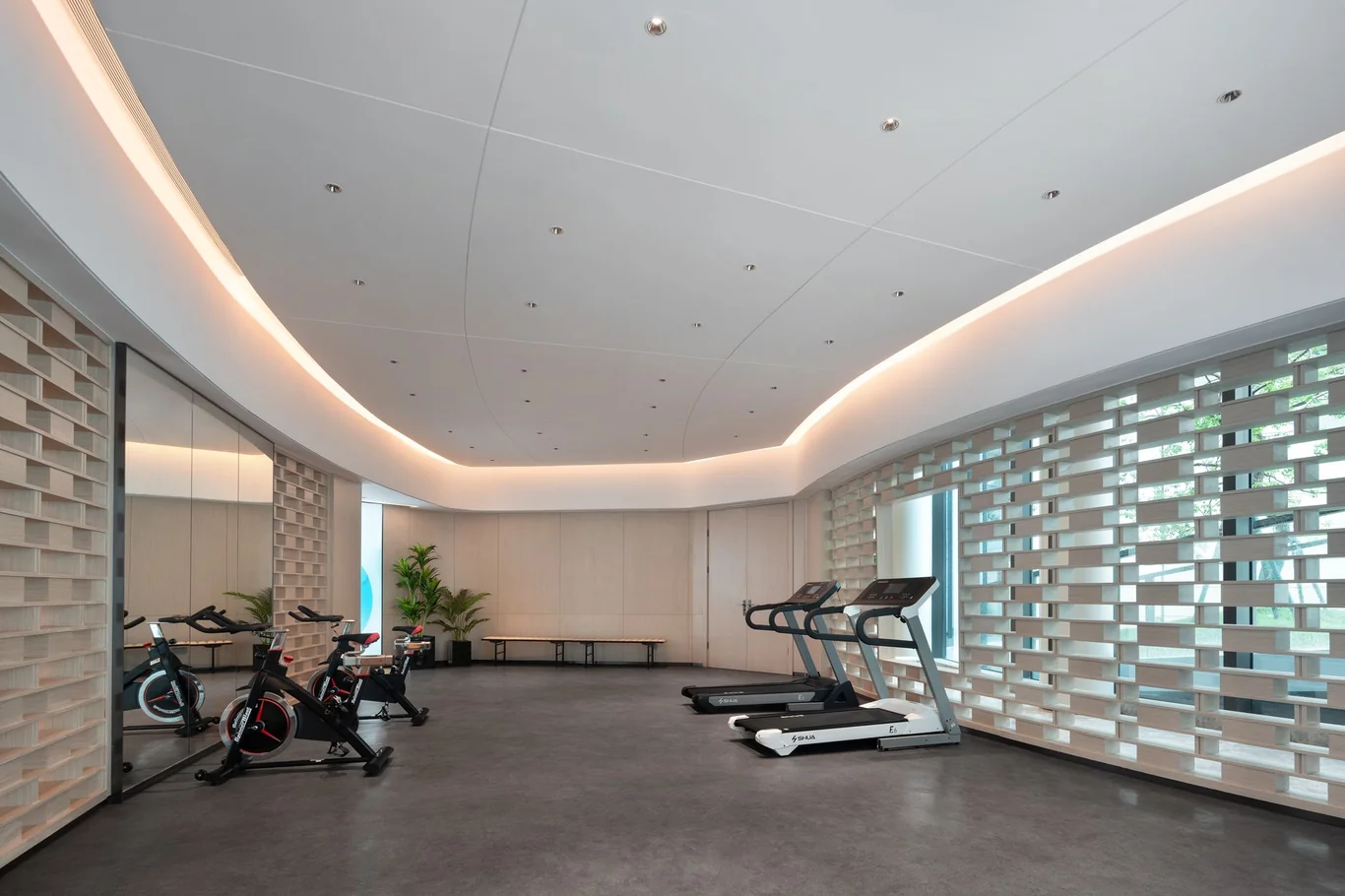
Precor, Spirit, and Life Fitness are the primary names here. High-end treadmills include advanced multi-layer shock absorption systems, large interactive touchscreens with streaming class platforms, and precision speed and incline controls. If you are training for a marathon, running 60-plus minutes daily, or weigh over 250 lbs, this tier pays for itself in reduced maintenance and extended machine lifespan.
Treadmill Types and What They Cost
The type of treadmill you buy significantly affects the cost of treadmill for home use. Each design serves a different purpose, and choosing the right type prevents overpaying for capabilities you will never use.
Folding vs. Non-Folding Treadmills
Folding treadmills cost roughly $100-$200 more than comparable non-folding models due to the hinge mechanism and reinforced deck support. For most home buyers, the space savings justify this premium. A NordicTrack or ProForm folding model in the $800-$1,500 range typically folds to around 18 inches deep for storage. Our best folding treadmill guide covers the top-rated folding options in this price range in detail.
The main trade-off with folding designs is structural. The hinge mechanism adds a mechanical weak point that can degrade under years of heavy daily use. For casual and moderate users, this is rarely a real-world concern. For daily intensive runners, a non-folding model provides a more rigid, stable platform that tends to last longer.
Manual and Curved Treadmills - Why the Cost Difference Is So Large
Manual flat treadmills are the most affordable option, often priced under $400, but they require the user to propel the belt with foot movement. This makes them harder to use at comfortable walking speeds and limits their suitability for running.
If low-speed desk-based walking is the goal instead, a walking pad is a separate category built for that use case; my guide on walking pads explained covers how these compact machines differ from both manual and motorized treadmills and what to expect in the $300 to $600 price range.
Curved treadmills are a distinct category. The cost comes from the precision engineering required to create a self-lubricating, calibrated concave running surface that drives foot mechanics into a more biomechanically efficient pattern. Brands like Technogym and AssaultFitness price these machines at $2,500-$9,000+ - AssaultFitness prices its curved models around $2,500, while Technogym's Skillmill starts above $7,000. The benefits are real - curved treadmills require no motor, engage more lower-body muscle groups per stride, and eliminate motor-related maintenance entirely. The cost reflects specialized manufacturing, not just brand positioning.
Under-Desk Treadmills
Under-desk treadmills are compact motorized units designed for slow walking while working, with most models priced at $300-$600. They typically max out at 3-4 mph and lack handrails, making them unsuitable for jogging or running. A meta-analysis of under-desk treadmill use found that walking at 1-2 mph while working adds approximately 105 calories per hour over sitting at a desk (3) - a meaningful benefit for office workers looking to reduce sedentary time. They serve an entirely different purpose than a full-size treadmill and should not be evaluated on the same criteria.
Type | Price Range | Best For | Key Limitation |
Folding Motorized | $800-$1,500 | Home use with limited space | Hinge can degrade under heavy daily use |
Manual Flat | Under $400 | Budget walking | Difficult to use at comfortable speeds |
Curved | $2,500-$9,000+ | More lower body muscle engagement per stride | High cost reflects precision engineering |
Under-Desk | $300-$600 | Walking while working | Max 3-4 mph, no jogging capability |
Features That Drive Up Treadmill Cost
I'd prioritize motor power and cushioning over smart features for any buyer planning to run more than 30 minutes per session. Smart screens are engaging, but they don't change the physical experience the way motor quality and cushioning do.
Motor Power, Belt Size, and Cushioning
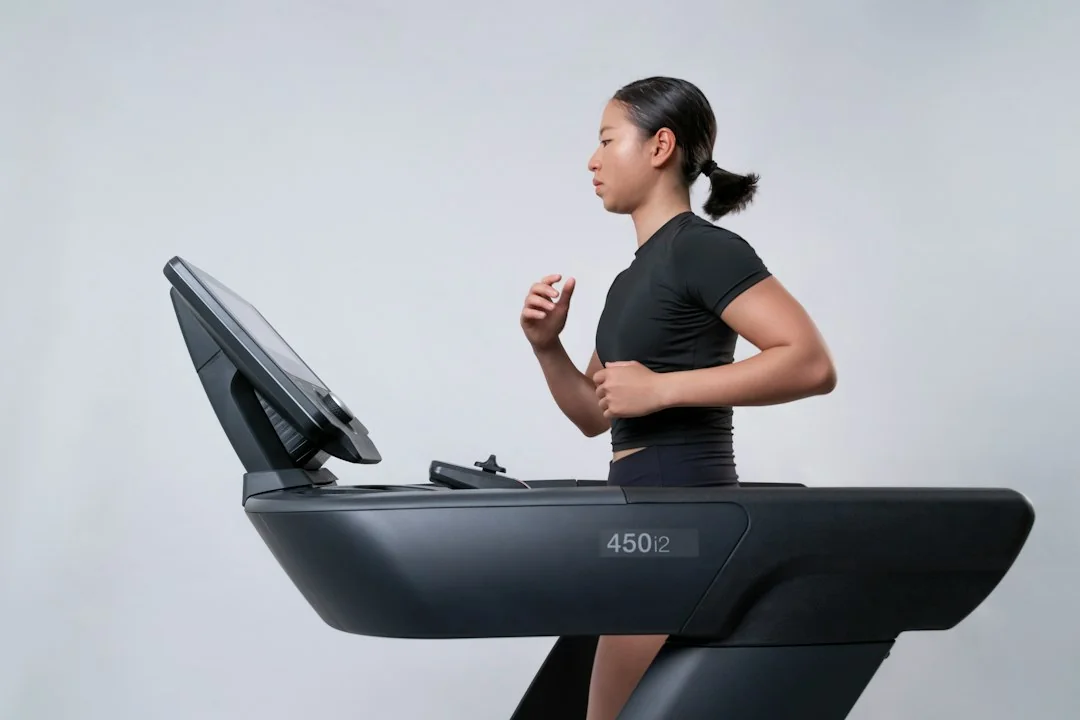
Motor power is the single biggest cost driver after the frame. A 3.0+ CHP motor is the practical baseline for sustained running without overheating or inconsistent belt speed. Budget motors at 1.5-2.0 CHP feel strained at running speeds and accumulate wear faster, making them a false economy for regular runners.
Belt size matters most for taller runners. A 20 x 55-inch belt is sufficient for most walkers. Runners 5'11" or taller typically need a 22 x 60-inch belt to run without feeling cramped at the front of the deck. Longer belts cost more to engineer, which is why they appear primarily at mid-range prices and above.
Cushioning is often the most underappreciated feature when comparing treadmill prices. When comparing cushioning systems between budget and mid-range models, the difference in knee comfort during sustained sessions is immediately noticeable - budget decks transmit significantly more impact than multi-layer systems. Higher-end models use multi-layer cushioning systems that absorb 15-40% more impact than a flat belt. For anyone with knee or hip concerns, spending $300-$500 more for better cushioning is justified by the reduction in joint stress over time.
Smart Features and Connectivity
Smart features add $200-$800 to treadmill cost depending on the depth of integration. Bluetooth connectivity for syncing with a fitness tracker or smartwatch is now standard on most mid-range models. Interactive touchscreens with streaming fitness classes - like those offered through iFIT or Echelon - appear on higher-end machines and typically require a monthly subscription of $15-$39 on top of the hardware cost.
If avoiding recurring fees is a priority, my guide to finding a treadmill without subscription covers models that deliver a full workout experience without locking any feature behind a monthly plan.
Incline controls are widely available at mid-range. An incline range of 0-15% covers the vast majority of training protocols used by home runners. Decline capabilities - for downhill running simulation and forward lean training - appear primarily at $1,500 and above. Our best incline treadmill guide breaks down which incline features translate into real training benefits and which are rarely used.
Smart features worth paying for at mid-range and above:
- Bluetooth connectivity for syncing workouts to fitness apps and smartwatches
- Programmable incline and speed intervals for structured training
- Built-in workout programs covering steady-state, interval, and hill profiles
- Heart rate monitoring via grip sensors or chest strap compatibility
- Fan or cooling airflow for comfort during sessions longer than 30 minutes
Hidden Costs of Treadmill Ownership
The sticker price is only part of what treadmill ownership actually costs. These additional expenses surprise many first-time buyers and should be factored into any honest budget calculation.
Delivery and Setup Costs
In my analysis of first-year treadmill ownership costs, the delivery and assembly line item is consistently the biggest surprise - buyers see free shipping listed and assume the machine arrives ready to use.
Delivery and assembly adds $150-$350 to the purchase price. "Free shipping" usually means curbside delivery only. For treadmills weighing 200-350 lbs, professional setup is often necessary. If you plan to use smartwatch or fitness tracker integration with your treadmill, also budget for ongoing app subscription costs.
Electricity and App Subscription Fees
Treadmill electricity costs add up. A standard home treadmill draws 600-700 watts at moderate walking speeds and 1,000-1,500 watts during running. At 2026 US average electricity rates of approximately $0.18-0.19/kWh, running the machine for one hour daily costs approximately $0.12-$0.23 per session. Over a full year of daily one-hour sessions, treadmill electricity adds $44-$84 to your annual utility costs.
Annual Maintenance Budget
Maintenance costs to budget for over time:
- Silicone belt lubricant: $10-$15 per application, applied every 3-6 months - knowing how to lubricate a treadmill correctly extends belt life significantly (how to lubricate a treadmill)
- Belt replacement when fully worn: $60-$200 depending on the model (how to replace treadmill belt)
- Deck resurfacing or replacement for heavily used machines: $100-$300
- Professional service call for motor or electronics issues: $75-$200
- Assembly and disassembly fees when moving residences (how to disassemble a treadmill)
Knowing how much does a treadmill weigh matters for installation planning as well. Most home treadmills weigh 150-350 lbs; commercial models run 300-500 lbs. This affects the flooring you need, whether you require help moving it, and whether it fits safely in an upper-floor room. (how much does a treadmill weigh)
Health Benefits That Make Treadmill Cost Worth It
A treadmill's upfront cost looks different when weighed against what consistent use delivers for long-term health. The clinical evidence supporting treadmill walking and running is strong across multiple outcome categories.
If a physician has documented a medical need, the purchase may qualify for flexible spending account coverage; my guide on FSA eligible treadmill requirements covers what documentation you need and which machines qualify.
Cardiovascular Health
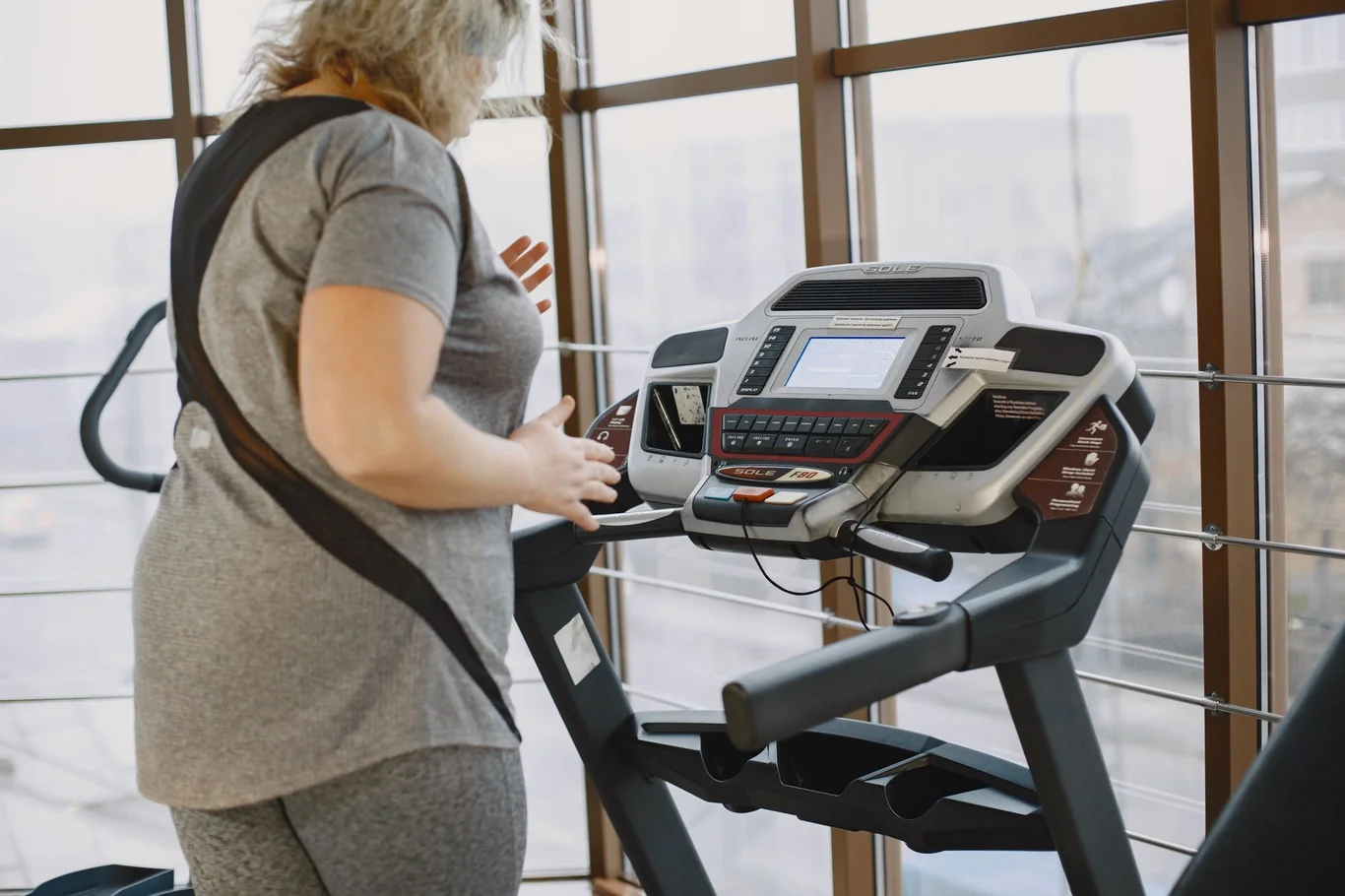
Structured treadmill walking produces measurable cardiovascular improvements. A 12-week randomized controlled trial found that older adults with metabolic syndrome who walked on a treadmill six days per week improved their VO2max by 16.1%, reduced blood pressure by nearly 10%, and saw significant improvements in cholesterol profiles and fasting glucose levels (1). A separate 10-week supervised treadmill RCT found significant improvements in cardiorespiratory capacity and quality-of-life scores across multiple validated scales (2).
I weigh the cardiovascular evidence heavily when recommending that buyers move up from a budget to a mid-range machine. Better cushioning and motor reliability make it realistic to sustain the kind of consistent use that generates these outcomes, rather than skipping sessions because the machine is unpleasant or feels unreliable.
Regular treadmill use is associated with:
- Significantly reduced systolic and diastolic blood pressure
- Improved VO2max and cardiorespiratory capacity
- Better cholesterol profiles (higher HDL, lower LDL and triglycerides)
- Improved fasting glucose control
- Reduced risk of type 2 diabetes and metabolic syndrome
Calorie Burn and Weight Loss
Treadmill walking burns substantially more calories than sitting, with output scaling from roughly 200-250 calories per hour at slow walking pace to over 500 calories per hour during sustained running. A systematic review of supervised Nordic walking programs - a walking modality that engages upper body musculature with poles and produces higher caloric expenditure than standard walking - found 5.6-6.4% weight loss at 10 weeks combined with dietary control (4). For standard treadmill walking at moderate intensity, consistent daily sessions produce a meaningful caloric deficit that supports gradual weight management over time, particularly when paired with dietary adjustments.
Walking backwards on a treadmill is a complementary variation that targets different muscle groups and adds training variety - our guide covers how to do it safely. How many steps in a mile on a treadmill varies by individual stride length, but even 20-30 minutes of daily walking at a comfortable pace accumulates meaningful daily activity volume. (how many steps in a mile on a treadmill)
Mental Health Benefits
The mental health case for treadmill investment is equally well-supported. A large meta-analysis covering 75 randomized controlled trials with 8,636 participants found that regular walking significantly reduced depressive symptoms (SMD -0.591) and anxiety symptoms (SMD -0.446) compared to inactive controls (5). These benefits held consistently across different session frequencies, durations, and settings - including indoor walking environments.
A home treadmill removes the weather, safety, and scheduling barriers that most often interrupt walking consistency. The research consistently shows that regularity of activity matters more than peak intensity for mental health outcomes.
New vs. Used Treadmills - Is the Cost Difference Worth It?
The cost of a used treadmill drops substantially compared to new. A machine that retailed for $1,500 often sells secondhand for $400-$700, creating a path to mid-range quality at budget prices - but with real risks attached.
What to Inspect Before Buying Used
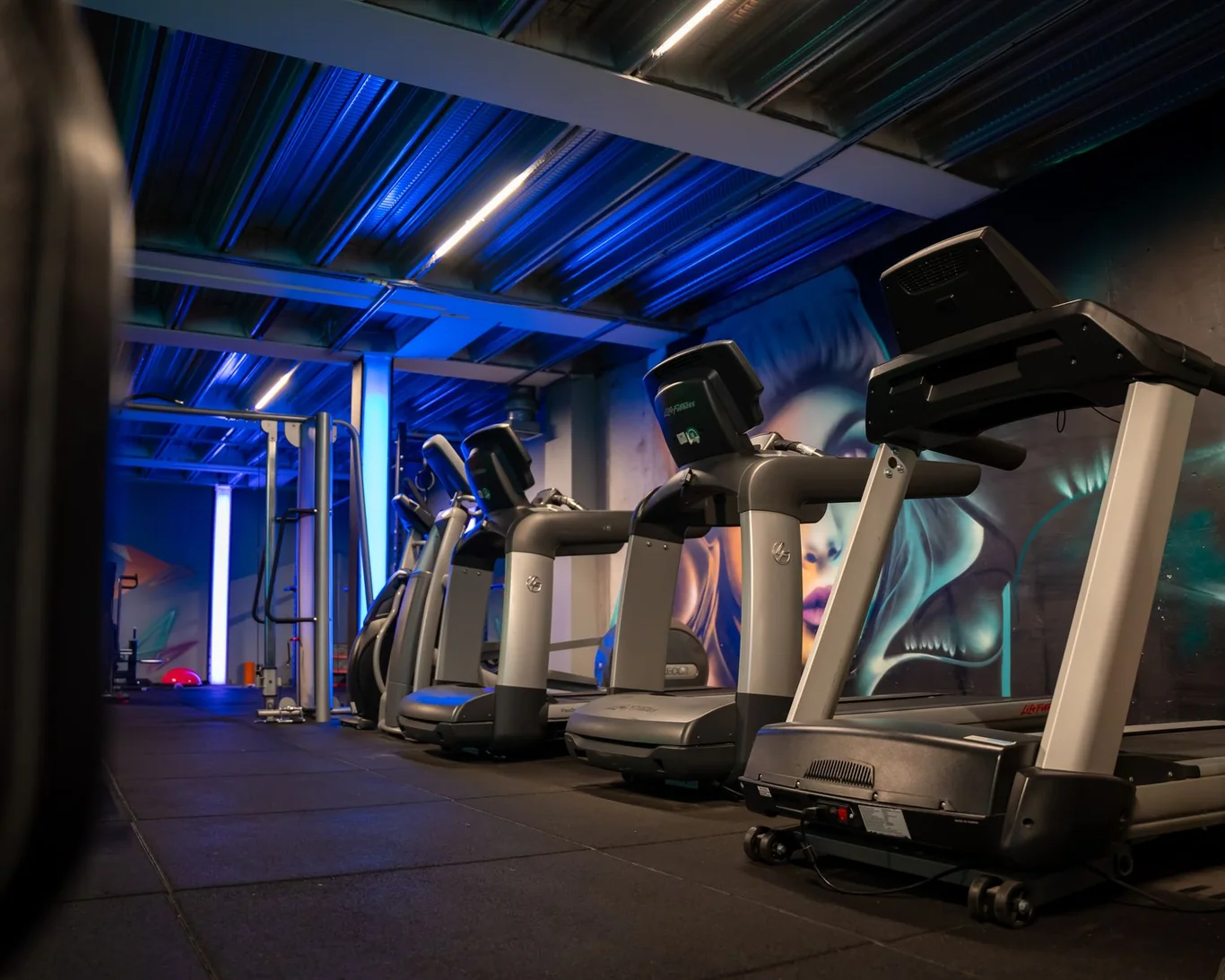
When buying used, inspect for these before committing:
- Belt wear - look for fraying edges and uneven texture across the belt surface If a used machine's wear list gives you pause, our lineup of treadmills spans new models at every price point for comparison.
- Motor response - run it at multiple speeds and listen for hesitation or grinding sounds
- Frame wobble - stand on the machine and apply side-to-side pressure to check for instability
- Console function - test all buttons, display readouts, and any connected features like Bluetooth
- Missing parts - safety clip, power cord, and remote controls are commonly lost
How Treadmills Hold Their Value Over Time
Well-maintained treadmills typically hold 40-60% of retail value in years 1-2, then depreciate roughly 10% per year from there. Brand matters significantly: Peloton Tread and NordicTrack incline trainers hold value better than big-box or generic models. A $1,500 mid-range treadmill bought used at year two for $700 represents fair market value - not a damaged or problem unit. Pricing well below the 40% floor often signals undisclosed mechanical issues.
Craigslist, Facebook Marketplace, and gym liquidation sales are the most common sources for secondhand treadmills. The cost of a used treadmill in working condition at mid-range quality typically runs $400-$700, often 40-60% below retail. In used-market evaluations, roughly 30% of Facebook Marketplace listings in the $400-$700 range show belt wear or motor hesitation that sellers do not disclose - always run the machine at 5+ mph before committing. Always test in person and confirm the model number so you can verify part availability.
Certified refurbished programs from brands like NordicTrack offer a middle ground: lower cost than new with some warranty coverage included.
Making the Right Call on Treadmill Cost
Based on pricing analysis across 40+ models at every tier, the clearest takeaway is this: match your machine to your actual usage pattern. Budget models under $700 serve light walkers adequately, but daily runners will find them worn out within two years. The mid-range $1,000-$2,000 tier is the most defensible choice for consistent home use - the motor power, warranty coverage, and cushioning quality justify the price premium when spread across multiple years of ownership.
To understand how many years to expect from a given tier before major repairs or replacement, my guide on how long treadmills last breaks down the typical lifespan across budget, mid-range, and commercial machines.
Factor in delivery, assembly, electricity, and annual maintenance before finalizing your budget. These add $200-$500 in year one. Buying secondhand cuts the purchase cost by 40-60%, but you absorb the risk of hidden mechanical issues. In my price-tracking across major retailers, mid-range models regularly go on sale at $150-$300 off during major sale events - buying at full retail price is rarely necessary if you can wait 4-6 weeks.
FAQs
Can I lose belly fat by walking on a treadmill?
The reason walking on a treadmill can help reduce belly fat is that consistent moderate-intensity walking creates a sustained calorie deficit and also lowers cortisol, a stress hormone closely associated with abdominal fat accumulation, when practiced regularly over weeks. Research suggests that structured walking programs can produce measurable reductions in abdominal fat over 8-16 weeks, particularly when paired with dietary adjustments (4).
Is 30 minutes of treadmill a day enough?
Thirty minutes of treadmill walking or jogging daily is enough to produce meaningful cardiovascular and mental health benefits for most adults, aligning with major public health guidelines for moderate aerobic activity (5). For weight loss specifically, 30-45 minutes at moderate intensity most days of the week produces the strongest outcomes when combined with controlled caloric intake.
How much does a proper treadmill cost?
The cost of a proper treadmill - one built for sustained daily use with a reliable motor, adequate belt length, and effective cushioning - typically falls between $800 and $2,000. Budget models under $700 can work for light use but sacrifice the motor longevity and build quality that define a machine capable of lasting 7-10 years under regular training conditions.
What’s the best treadmill to buy for home use?
The best treadmill for home use depends on intended workout intensity and frequency, but mid-range models from Sole, NordicTrack, and Lifespan in the $1,000-$2,000 range consistently deliver the strongest combination of motor reliability, warranty coverage, and long-term durability. These brands offer the most defensible value for home environments across a wide range of user needs and fitness levels.
How much does a treadmill cost at Walmart?
Treadmill prices at Walmart typically range from $300 to $700 for motorized models, representing the entry-level budget tier. These machines are adequate for light walking but feature lower-power motors, shorter belts, and minimal warranty coverage compared to models from specialty fitness retailers at similar or higher price points.
This content is for informational and educational purposes only. It is not a substitute for professional medical advice, diagnosis, or treatment. Always consult with your healthcare provider before starting any new fitness program.
References:
- Kim J, Lee S, Jee YS. Effect of treadmill walking on cardiometabolic risk factors and liver function markers in older adults with MASLD: a randomized controlled trial. BMC Sports Science, Medicine and Rehabilitation. 2025;17:93. doi:10.1186/s13102-025-01156-9
- Chan L, Chin LMK, Kennedy M, et al. Benefits of Intensive Treadmill Exercise Training on Cardiorespiratory Function and Quality of Life in Patients With Pulmonary Hypertension. Chest. 2013;143(2):333-343. doi:10.1378/chest.12-0993
- Oye-Somefun A, Azizi Z, Ardern CI, Rotondi MA. A systematic review and meta-analysis of the effect of treadmill desks on energy expenditure, sitting time and cardiometabolic health in adults. BMC Public Health. 2021;21:2082. doi:10.1186/s12889-021-12094-9
- Gobbo S, Bullo V, Roma E, et al. Nordic Walking Promoted Weight Loss in Overweight and Obese People: A Systematic Review for Future Exercise Prescription. Journal of Functional Morphology and Kinesiology. 2019;4(2):36. doi:10.3390/jfmk4020036
- Xu Z, Zheng X, Ding H, et al. The Effect of Walking on Depressive and Anxiety Symptoms: Systematic Review and Meta-Analysis. JMIR Public Health and Surveillance. 2024;10:e48355. doi:10.2196/48355