
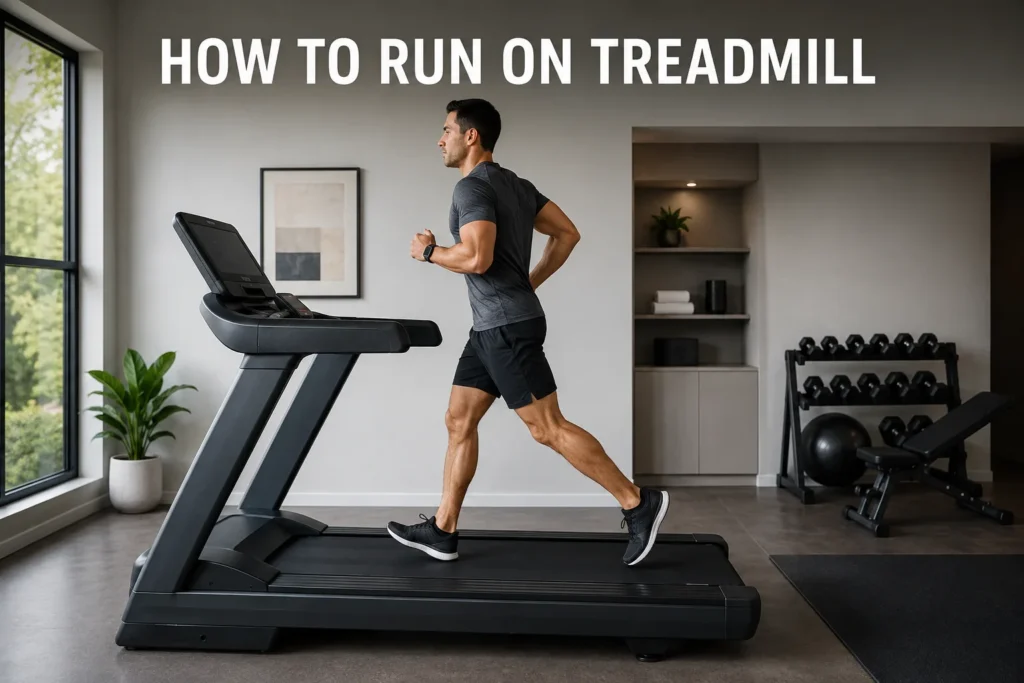
Knowing how to run on treadmill correctly is the difference between effective, sustainable training and a frustrating experience that stalls your progress. Most people step onto the belt, hit start, and figure the rest will sort itself out. It does not. Posture, foot placement, speed selection, and incline settings all affect your results, your safety, and whether running on a treadmill actually feels sustainable. This guide covers proper technique, realistic speed benchmarks, weight loss strategies backed by research, knee safety, and how to use the control panel to your advantage - so your sessions deliver what you are actually training for.

How to Run on Treadmill - The Right Technique from Day One
Here is the full step-by-step guide that clearly explains how to run on a treadmill.
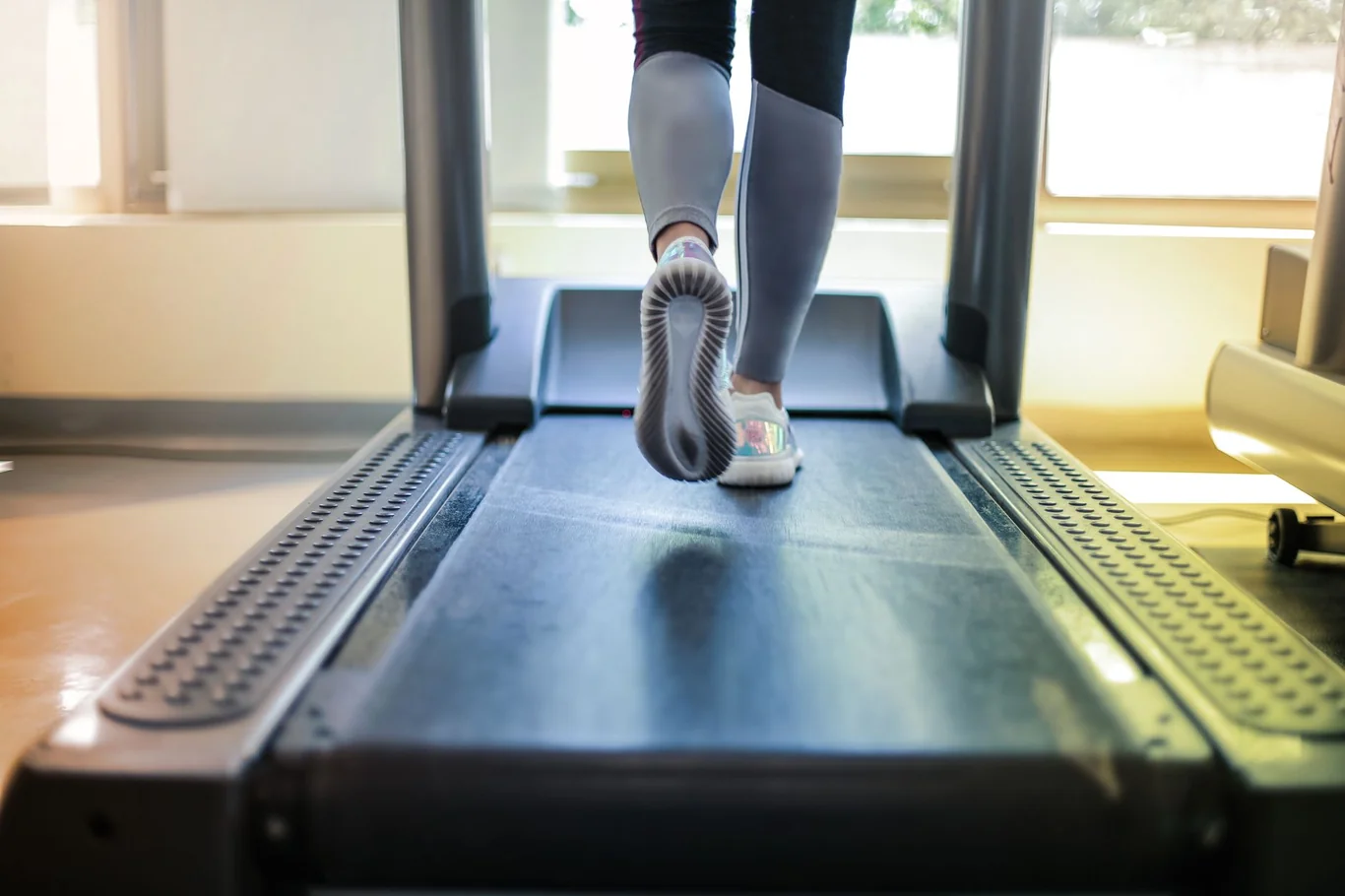
Body Position and Warm-Up
Getting technique right from the start prevents the compensations that lead to early fatigue and overuse injuries. The single most common positioning mistake is standing too close to the console, which forces a shortened stride and an awkward forward lean. Center yourself on the belt with enough clearance to run at your natural stride length.
If you're still shopping for your machine, our treadmill shop lists belt dimensions and motor specs for every model we carry.
Start with a 5-minute walking warm-up at 2.5-3.5 mph before increasing to a jog. This matters more than most runners acknowledge - your cardiovascular system and connective tissue need a graduated ramp-up before absorbing the impact of sustained running. At TechFitnessLab, we consistently observe that runners who skip warm-ups overshoot their initial pace and abandon good form within the first 10 minutes.
Setting Your Incline Baseline
Set your incline to 1-2% as a baseline. This compensates for the absence of air resistance and makes your treadmill effort more accurately reflect outdoor running demands. A completely flat belt at 0% slightly underestimates the cardiovascular load of running at the same pace outdoors. If you are shopping for a machine that gives you full incline range for varied training, our best treadmill for home guide covers models that deliver responsive incline adjustment and reliable belt cushioning for runners at every level.
For a detailed look at whether training at higher inclines can substitute for or complement running in cardiovascular output, my analysis of incline walking compared to running covers the calorie burn, joint impact, and heart rate evidence across both methods.
Treadmill Options for Small Spaces
Space is a real constraint for many runners. A full-size treadmill is not the only option - folding machines can match the belt length and motor quality that proper running form requires without permanently occupying a room. Our best folding treadmill roundup covers the models worth considering for smaller homes and apartments. If incline training is central to your goals, dedicated incline machines operate differently from standard models and are worth a separate look through our best incline treadmill review.
Tips for Running on a Treadmill - Form Details That Matter Most
Here are the best tips for running on a treadmill.
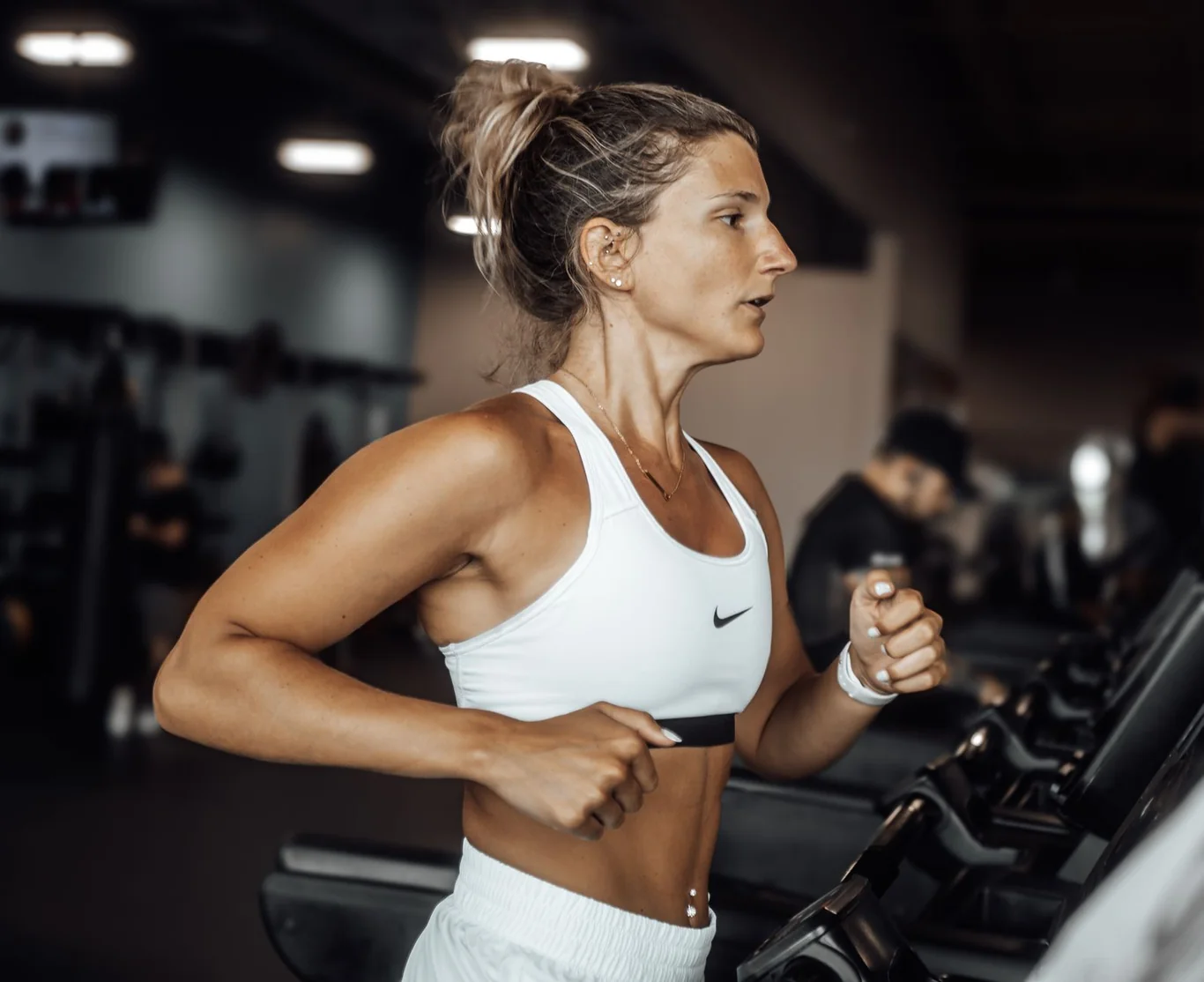
Upper Body Mechanics - Shoulders, Arms, and Head Position
Keep your shoulders relaxed and your gaze level, directed toward the display or a point on the wall ahead - not down at the belt or your feet. Looking downward causes the chin to drop, which rounds the upper back and restricts breathing mechanics. Your shoulders should sit back and down, not hunched forward toward the console.
Arm swing follows naturally from shoulder position. Drive your elbows back and forward at approximately 90 degrees, keeping your hands relaxed - not clenched. Arms that cross the body's midline cause rotational torque through the trunk, which is inefficient and increases lateral hip loading over long sessions.
Maintain a light core engagement throughout each run. Think of it as holding a tall posture rather than aggressively bracing. Dropping your core leads to an anterior pelvic tilt that redistributes load to the lower back. A 2024 motion analysis study identified forward head posture as a secondary predictor of running-related injuries, with pelvic asymmetry from poor trunk mechanics creating downstream stress on the knees and ankles (1).
Foot Strike, Stride Length, and Cadence
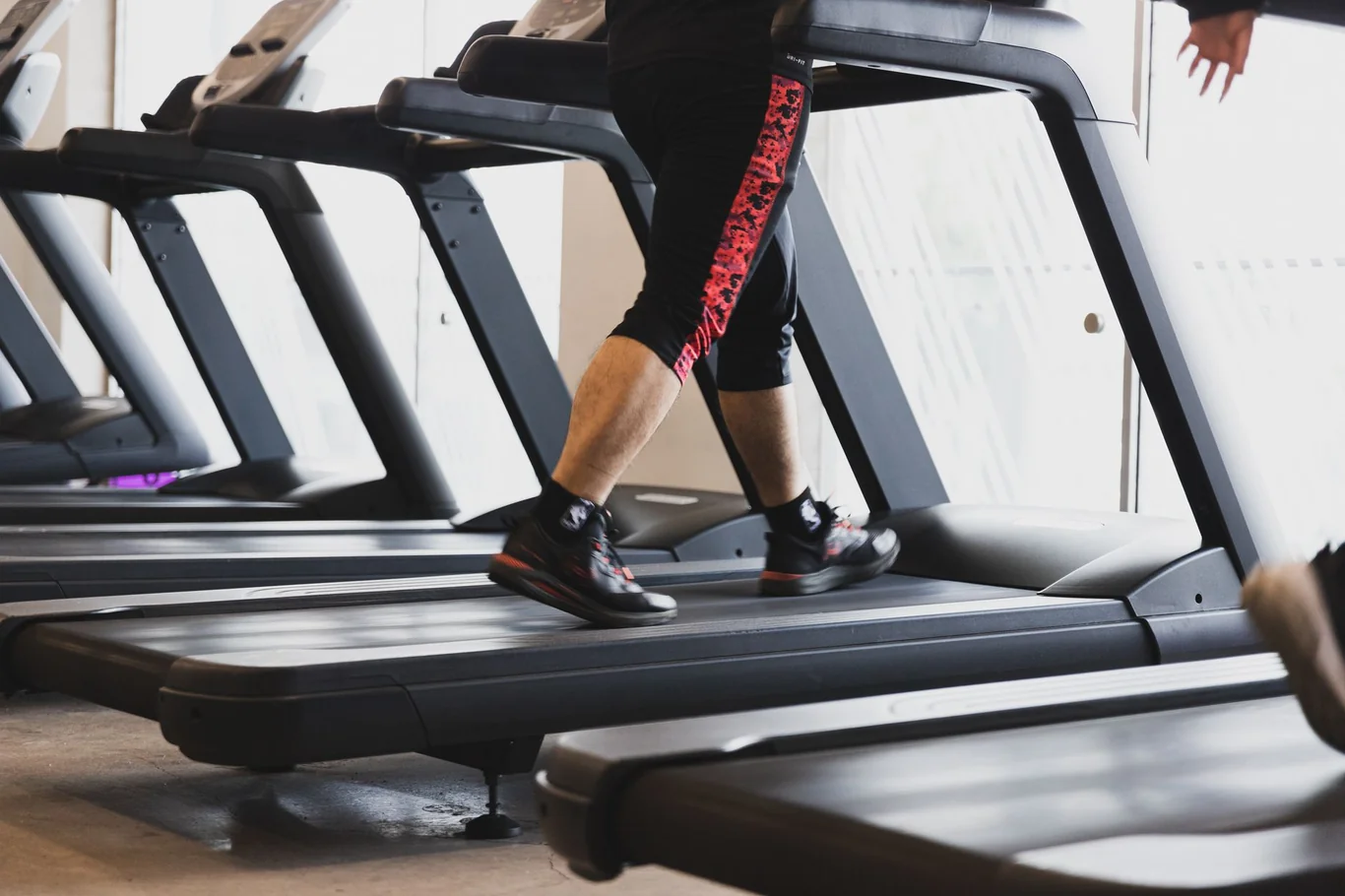
Overstriding - reaching forward and landing heel-first well in front of your center of mass - is the most biomechanically costly habit in treadmill running. The moving belt exaggerates this tendency because runners unconsciously try to grip the belt rather than moving naturally. Aim for a midfoot landing that falls directly under your hip, with a slight forward lean from the ankle (not the waist).
Cadence is a useful correction tool. Most recreational runners benefit from 170-180 steps per minute, which naturally shortens stride length and discourages overstiding. A systematic review and meta-analysis of 33 crossover studies (n=494) found that treadmill running produced only minor biomechanical differences compared to overground running - approximately 5ms longer ground contact time and 2 degrees more knee flexion - confirming that good treadmill form transfers directly to outdoor running (2).
For structured workout protocols to pair with your form work, our treadmill workout guide covers session programming for aerobic base building, interval training, and progressive distance goals.
Treadmill Running Speed - What Each Number Means for Your Training
Speed on a US treadmill is measured in miles per hour (mph). Understanding what each speed represents for your effort level prevents two common errors - running too fast to maintain form or too slow to create a meaningful training stimulus.
Speed (mph) | Approx. pace | Effort level | Best used for |
2.5-3.5 | 17-24 min/mile | Very light | Warm-up, cool-down, recovery |
3.5-5.0 | 12-17 min/mile | Light | Easy jog, beginner running |
5.0-6.5 | 9:12-12 min/mile | Moderate | Aerobic base building |
6.5-8.0 | 7:30-9:12 min/mile | Hard | Tempo and threshold training |
8.0+ | Under 7:30/mile | Very hard | Intervals and racing pace |
Running at 6.5 mph places most recreational runners in a moderate-to-hard aerobic zone at approximately a 9:12 per-mile pace. This is a solid aerobic base benchmark, but what it feels like depends on your current conditioning. A beginning runner will find 6.5 mph near-maximal; an experienced runner may use it as an easy recovery pace.
Calibrating Speed to Real Effort
One calibration note worth knowing: research studying elite distance runners found that treadmill running economy was 8.8% less efficient than track running at equivalent displayed speeds, partly due to different mechanical demands and muscle recruitment patterns (3). Your displayed treadmill speed may not perfectly match your outdoor performance. Use perceived effort and heart rate as your primary guides, not the speed number alone. Our treadmill benefits guide covers the cardiovascular advantages of consistent training across these effort zones.
Is 30 Minutes on Treadmill Enough to Lose Weight?
Thirty minutes is a viable and productive session duration for most people, but the intensity during those 30 minutes determines whether it drives weight loss or simply maintains your current baseline.
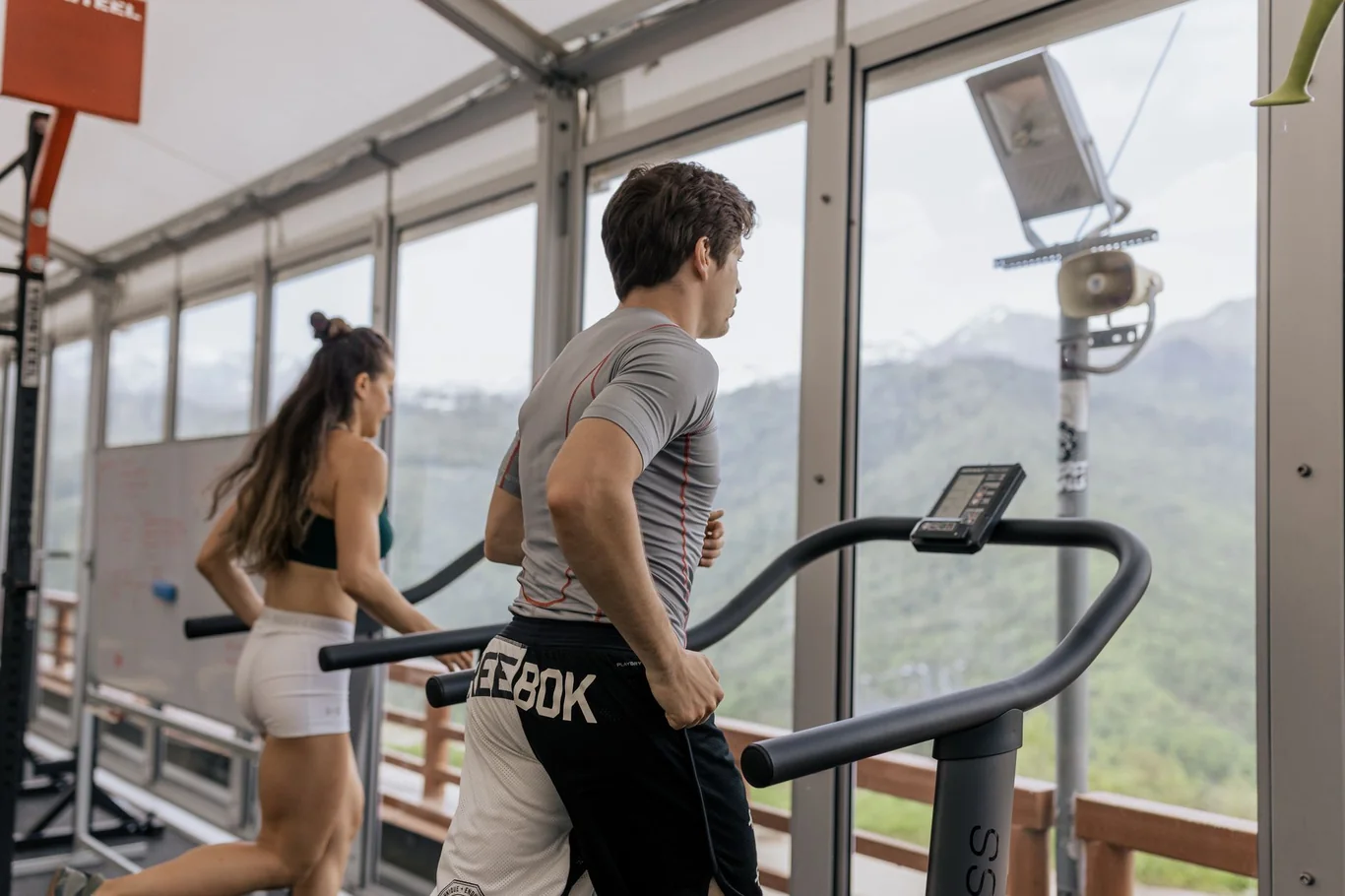
A 2025 study comparing the popular 12-3-30 protocol (12% incline, 3 mph, 30 minutes) to self-paced treadmill running found that the walking protocol required significantly more time to match the caloric output of running, while producing a higher proportion of fat oxidation and lower carbohydrate utilization (4). The practical takeaway: 30 minutes of vigorous running creates a larger acute calorie deficit than 30 minutes of moderate incline walking, even though the walking protocol burns fat at a higher percentage of its total energy use.
For most adults working toward weight management, a 30-minute treadmill session translates to:
- 280-400 calories burned at a moderate running pace (5.5-7 mph), depending on body weight
- 150-220 calories burned at brisk walking pace at 1-2% incline
- Greater post-exercise calorie burn (EPOC) from higher-intensity sessions that extends fat burning for hours after the run
Consistency across 4-5 weekly sessions matters more than any single session's duration. Our treadmill weight loss guide covers how to structure weekly programming for sustainable fat loss, including caloric deficit targets matched to training intensity.
Running on Treadmill to Lose Weight - Research-Backed Strategies
Here are the best research-backed strategies for losing weight while running on a treadmill.
How to Use Treadmill to Lose Belly Fat
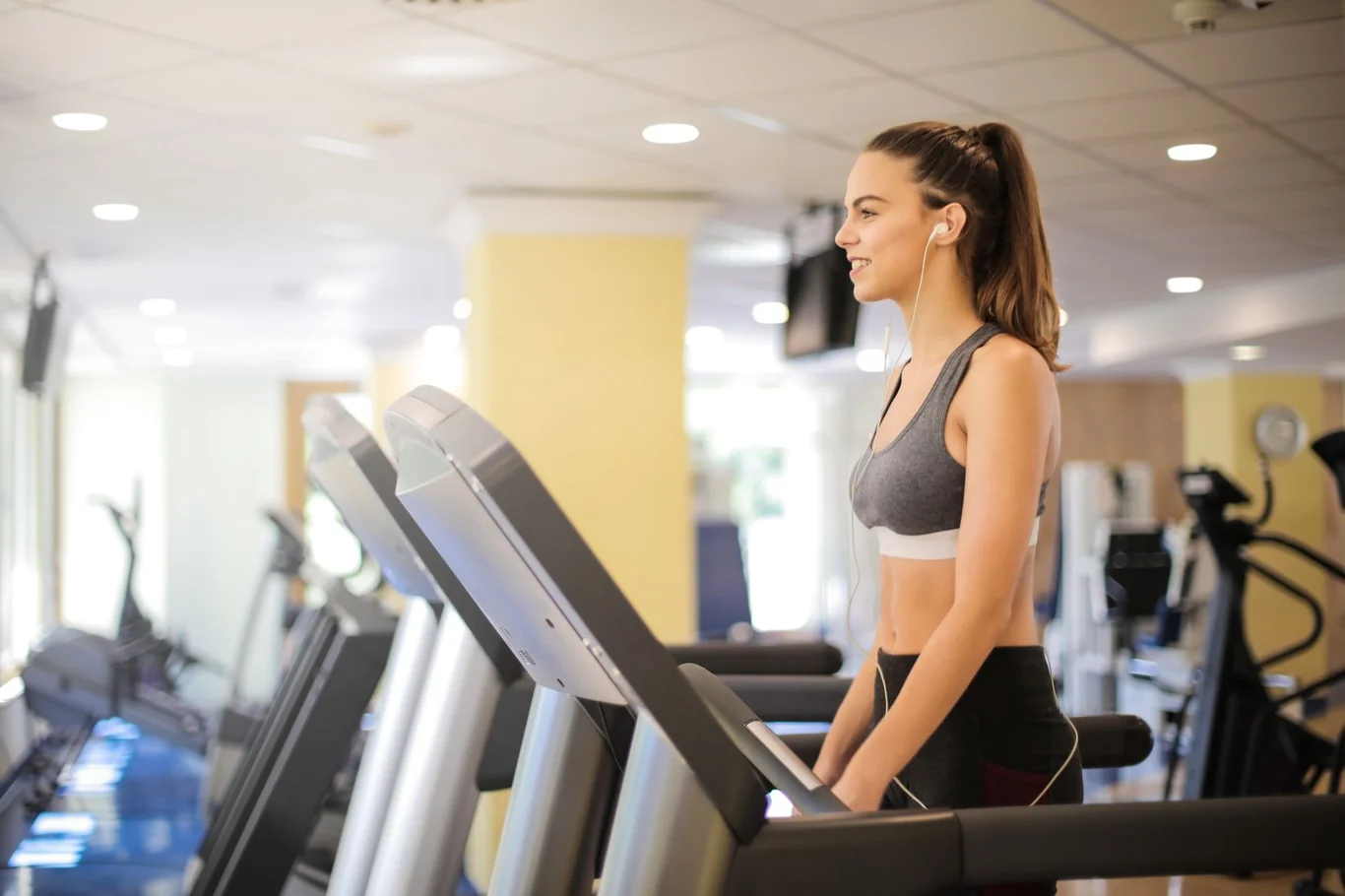
Spot reduction is a MYTH - treadmill running does not target abdominal fat specifically. What regular treadmill running does produce, over consistent weeks of training, is total body fat reduction, including visceral fat in the abdominal region. This is driven by the caloric deficit and hormonal changes that sustained aerobic exercise creates.
A study comparing energy expenditure and substrate metabolism in treadmill versus overground running found that treadmill running at moderate speeds produced a higher proportion of fat contribution to energy expenditure compared to outdoor running, which relied more heavily on carbohydrate oxidation (5). Running at 60-70% of your maximum heart rate optimizes fat oxidation per session.
Effective treadmill strategies for fat loss:
- Run at 60-70% max heart rate for 30-45 minutes, 3 days per week, to maximize fat oxidation per session
- Add 2 weekly interval sessions - 30 seconds at high intensity followed by 90 seconds of recovery jogging, repeated 8-10 times
- Progress total weekly volume by no more than 10% per week to avoid overtraining
- Pair treadmill sessions with a caloric deficit of 300-500 calories per day through diet adjustments
- Track your calorie burns accurately - our best calorie tracker review covers the monitors that pair well with treadmill training data
How to Lose Weight on a Treadmill in 2 Weeks
Two weeks of focused treadmill training can absolutely produce measurable weight loss, but realistic expectations matter more than aggressive promises. Most healthy adults can achieve 0.5-1.5 pounds per week through a combined exercise and diet approach, which translates to 1-3 pounds over a structured 2-week period.
A 6-week pilot study comparing outdoor versus treadmill running found both groups improved body composition through reduced fat percentage, with treadmill runners showing meaningful fat loss over the study period (6). Running 1 hour on a treadmill every day for a month produces more significant results than shorter sessions - but sustainability at that volume requires building your base progressively, not jumping straight to daily hour-long runs.
For a deeper look at the physiological and biomechanical differences that inform how you should structure each session, my guide on how treadmill and outdoor running compare covers the calorie gap, gait alterations, and speed correction that apply across all experience levels.
A focused 2-week protocol for treadmill weight loss:
- Frequency: 5 sessions per week, 30-45 minutes each
- Intensity: 3 moderate aerobic sessions (65-70% max HR) and 2 interval sessions per week
- Nutrition: maintain a 300-500 calorie daily deficit without eliminating food groups
- Recovery: 2 complete rest days per week to prevent overtraining and injury
For low-impact variation that burns significantly more calories than standard forward walking, our guide to the benefits of walking backwards on a treadmill covers a research-backed technique that can complement your running sessions on recovery days.
Is Running on a Treadmill Bad for Your Knees?
This is among the most frequently searched concerns for new treadmill runners, and the research consistently provides a reassuring answer. Running is not inherently harmful to your knees. The cushioned deck surface of most treadmills reduces peak ground reaction forces compared to concrete or asphalt, which makes treadmill running one of the more joint-friendly running environments available.
Runners who want a full picture of what the treadmill delivers beyond joint safety, including cardiovascular, metabolic, and weight loss outcomes, will find it in what a treadmill is good for.
What the Injury Research Shows
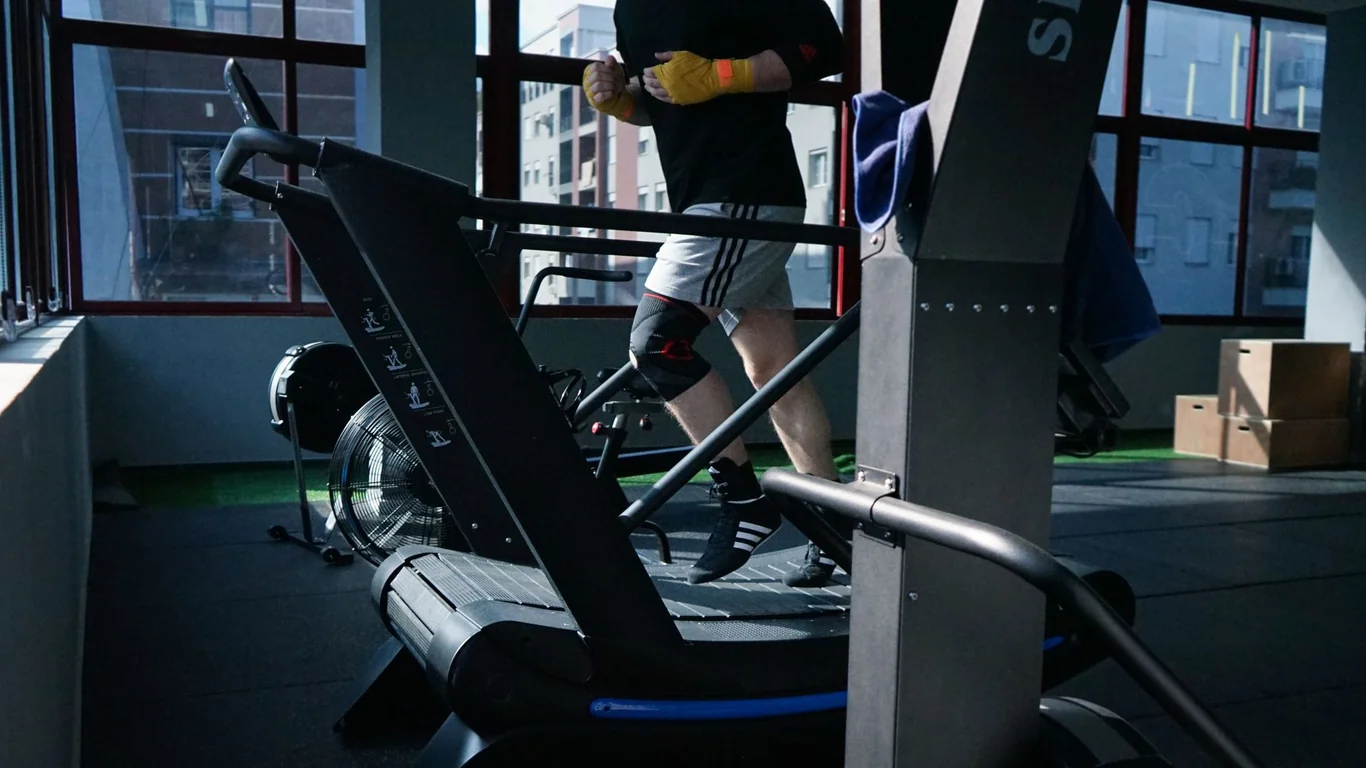
A systematic review of 9 RCTs involving 1,904 endurance runners found that structured, progressive exercise programs significantly reduced running-related injury risk (p < 0.001), confirming that proper treadmill training protects joints rather than harming them (7). Injury risk rises from overtraining, inadequate recovery, and poor form - not from the treadmill surface itself.
Biomechanical research comparing joint mechanics between treadmill and overground running found that the gastrocnemius and soleus muscles work harder on a treadmill during running, reflecting greater plantar flexion demands on the calf complex (8). Runners new to treadmills often experience more calf fatigue initially, which is normal and resolves as the body adapts.
Knee Protection Tips
To run with maximum knee protection on the treadmill:
- Land midfoot, with your foot under your hip rather than reaching forward with a locked knee
- Avoid sustained running at negative incline (below -1%) for extended periods, which increases anterior knee loading
- Follow the 10% rule - increase weekly mileage by no more than 10% per week
- Replace running shoes every 300-500 miles as cushioning compresses and reduces shock absorption
- Include at least 1-2 full rest days between hard running sessions each week
Maintaining your treadmill's belt tension and deck lubrication directly affects impact absorption. A worn or dry belt reduces the machine's cushioning effectiveness. Our treadmill maintenance guide covers the belt care schedule that preserves these joint-protective properties over years of use.
How to Use Treadmill Control Panel Effectively
The control panel is your primary tool for managing intensity, and understanding its functions eliminates the distraction of troubleshooting settings mid-run. Most modern treadmills share a consistent set of core controls.
Control | What it does | When to use it |
Speed +/- | Adjusts belt speed in 0.1-0.5 mph increments | Every session - match to your target effort zone |
Incline +/- | Adjusts deck angle (0-15% on most models) | Start at 1-2%, increase for outdoor simulation |
Start/Stop | Initiates or ends belt movement | Always stop the belt before stepping off |
Quick Speed | Preset speed buttons (2, 3, 4, 5, 6 mph) | Rapid transitions during interval training |
Quick Incline | Preset incline buttons (1%, 2%, 3%) | Efficient switching during hill sessions |
Programs | Built-in interval, hill, and weight loss modes | Guided sessions without manual adjustment |
Heart Rate | Handlebar sensors or chest strap input | Confirming you are in your target HR zone |
Safety Rules Before You Start
Safety first: never step on or off a moving belt. Reduce speed to 1-2 mph, step to the side rails, and then stop the belt completely. Clip the emergency stop cord to your clothing before every run - this is not optional and takes three seconds.
Runners choosing their first home machine will find a detailed breakdown of motor specs, cushioning, and belt dimensions in the treadmill buying guide.
First Session Checklist
Before your first running session on a new machine, run through this quick familiarization checklist:
- Walk at 2-3 mph for 2 minutes while observing how the console responds to button inputs
- Test each quick-speed button to understand the increment size your machine uses
- Locate the emergency stop clip and attach it to your clothing before increasing pace
- Check that the belt tracks centered - a misaligned belt drifts to one side during running
For a deeper look at treadmill internal mechanics - useful for understanding belt slippage, deck wear, and motor performance over time - our treadmill disassembly guide covers the components that most affect your running surface quality.
Building Your Treadmill Running Foundation
The fundamentals covered in this guide - proper form, appropriate speed, consistent frequency, and safe progressive overload - are not complicated, but they require deliberate application session after session. The runners who see genuine, lasting results share one habit: they progress slowly and consistently rather than aggressively and inconsistently.
Runners looking for a compact machine to walk on between running days or during desk work can find purpose-built options in the best under-desk treadmill guide.
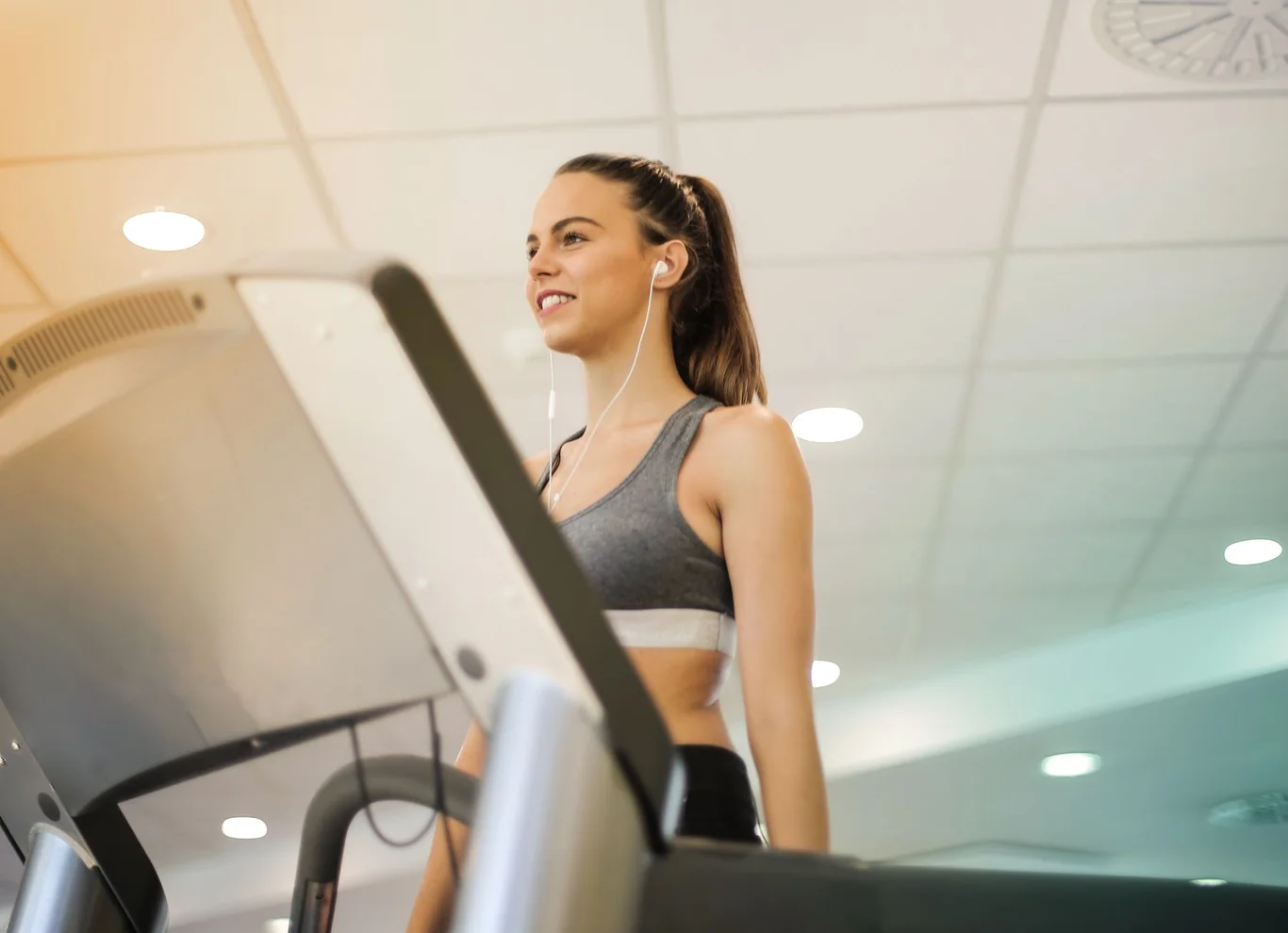
I've found in reviewing customer feedback and the supporting research that the most common early mistake is doing too much too soon. Starting at a pace and duration that allows you to maintain correct form throughout the session, then adding 5 minutes or 0.5 mph every 1-2 weeks, produces compounding results that aggressive early training does not. Begin at a comfortable conversational jog, hold it for the full session duration, and build from there.
TechFitnessLab tests and reviews treadmills across every price tier and use case, so you can match your equipment to your actual training goals from the start.
If you are still choosing your machine, our best treadmill for home guide covers the models that provide the belt quality, cushioning, and control responsiveness that proper treadmill running form requires. For assembly guidance once you have your machine, our treadmill assembly guide covers setup from box to first run.
FAQs
What is the correct way to run on a treadmill?
The correct way to run on a treadmill is to position yourself in the center of the belt, maintain an upright posture with relaxed shoulders, and land with a midfoot strike directly under your hip rather than reaching forward with a locked heel. Setting the incline to 1-2% more accurately replicates outdoor running effort and helps you engage your posterior chain in a pattern that transfers to road and trail running.
What is the 3-3-3 rule for running?
The 3-3-3 rule for running is a beginner-friendly interval structure that has you run for 3 minutes, walk for 3 minutes, and repeat the cycle 3 times per session as an introduction to continuous running. This approach allows beginners to accumulate 9 total minutes of running time while keeping heart rate and perceived effort manageable enough to maintain good form throughout each running interval.
What is the 30 minute treadmill rule?
The 30 minute treadmill rule is the widely cited recommendation that 30 minutes of cardiovascular exercise at moderate-to-vigorous intensity is sufficient to produce measurable health and weight management benefits for most adults. Research supports 30 minutes of vigorous treadmill running as an effective session duration for fat oxidation and cardiovascular conditioning, though total weekly volume and consistent frequency across the week matter more than any single session's length.
Is 2 miles on the treadmill the same as running?
Two miles on a treadmill is biomechanically comparable to 2 miles of overground running, with research showing only minor mechanical differences - primarily slightly more knee flexion and approximately 5ms longer ground contact time on the treadmill. The cardiovascular and muscular training stimulus is essentially equivalent, though treadmill running tends to develop slightly less running economy improvement than outdoor training due to the absence of wind resistance and terrain variability.
How to use treadmill to lose weight?
The most effective way to use a treadmill to lose weight is to combine 4-5 weekly sessions with a mix of moderate aerobic runs and higher-intensity intervals, paired with a caloric deficit of 300-500 calories per day through dietary adjustments. Running at 60-70% of your maximum heart rate for 30-45 minutes oxidizes the highest proportion of fat as fuel, while 2 weekly interval sessions elevate metabolism and improve cardiovascular efficiency over time.
References:
- Nam HW, Yang JH, Park SG, Rhim HC, Kim HJ. Is There a Pathologic Running Motion Associated with Running-Related Injuries? A Methodological Study Using a Motion Analysis System Without Sensors. Medicina (Kaunas). 2024;60(8):1249. doi:10.3390/medicina60081249
- Van Hooren B, Fuller JT, Buckley JD, Miller JR, Sewell K, Rao G, Barton C, Bishop C, Willy RW. Is Motorized Treadmill Running Biomechanically Comparable to Overground Running? A Systematic Review and Meta-Analysis of Cross-Over Studies. Sports Med. 2019;50(4):785-813. doi:10.1007/s40279-019-01237-z
- Mooses M, Tippi B, Mooses K, Durussel J, Maestu J. Better economy in field running than on the treadmill: evidence from high-level distance runners. Biology of Sport. 2015;32(2):155-159. doi:10.5604/20831862.1144418
- Wong MWH, Davis DW, Perez OR, Weyers B, Green DM, Garcia AV, Navalta JW. An Exploratory Study Comparing the Metabolic Responses Between the 12-3-30 Treadmill Workout and Self-Paced Treadmill Running. International Journal of Exercise Science. 2025;18(6):56-64. doi:10.70252/UBIX5911
- Li S, Xue JJ, Hong P, Song C, He ZH. Comparison of energy expenditure and substrate metabolism during overground and motorized treadmill running in Chinese middle-aged women. Scientific Reports. 2020;10:1815. doi:10.1038/s41598-020-58791-0
- Singh B, Kushwah S, Singh G, Ramirez-Campillo R, Thapa RK. Effects of six weeks outdoor versus treadmill running on physical fitness and body composition in recreationally active young males: a pilot study. PeerJ. 2022;10:e13791. doi:10.7717/peerj.13791
- Wu H, Brooke-Wavell K, Fong DT, Paquette MR, Blagrove RC. Do Exercise-Based Prevention Programs Reduce Injury in Endurance Runners? A Systematic Review and Meta-Analysis. Sports Med. 2024;54(5):1249-1267. doi:10.1007/s40279-024-01993-7
- Yao J, Guo N, Xiao Y, Li Z, Li Y, Pu F, Fan Y. Lower limb joint motion and muscle force in treadmill and over-ground exercise. BioMedical Engineering OnLine. 2019;18:89. doi:10.1186/s12938-019-0708-4