
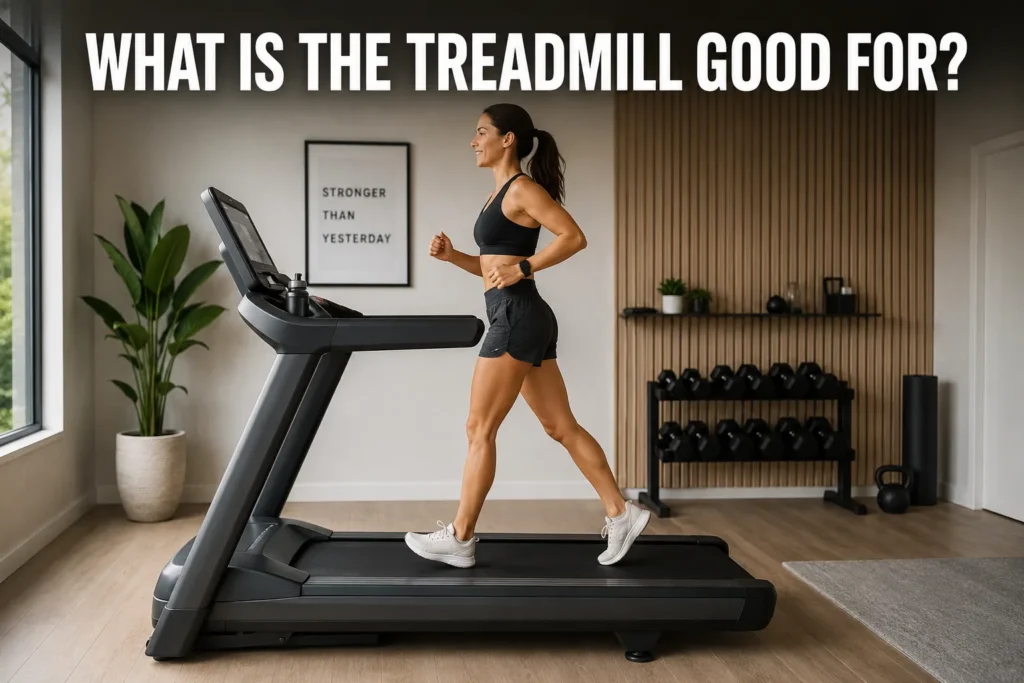
What is the treadmill good for? You’d be surprised, but actually way more than most people realize. We have evaluated dozens of treadmills and tracked the health outcomes tied to regular use, and the research points to a wide range of measurable benefits, from improved cardiovascular fitness to meaningful fat loss and better mental health. This guide covers the eight key health benefits of treadmill exercise, what the research actually shows, and how to get the most out of every session.

What Is the Treadmill Good For - 8 Key Health Benefits
The treadmill has earned its place in gyms and homes because it delivers consistent, measurable results across multiple fitness goals simultaneously. Below are the eight primary areas where research and real-world use confirm treadmill exercise as a meaningful intervention, from heart health to clinical rehabilitation.
If you want to compare specs before choosing a model for any of these goals, browse our treadmill catalog for every machine we carry.
Our guide to the best treadmill for home covers top-rated options vetted by our team across budget, mid-range, and premium categories.
1. Cardiovascular Endurance
Treadmill exercise is one of the most effective tools for improving cardiovascular capacity. A 2019 randomized controlled trial of 44 healthy men found that both high-intensity interval training and moderate-intensity continuous treadmill training improved maximal oxygen consumption (VO2max) significantly, with HIIT gaining 3.5 ml/kg/min and moderate training gaining 1.9 ml/kg/min over 24 sessions (1). A higher VO2max means the heart and lungs deliver oxygen more efficiently, which directly reduces cardiovascular disease risk and improves daily energy levels.
Consistent treadmill use trains your heart to work more efficiently at rest, not just during exercise. In our review of the cardiovascular evidence across multiple training studies, I found that aerobic adaptation from treadmill training is among the most consistent, reproducible benefits in the fitness literature.
For a focused comparison of how incline walking stacks up against running specifically for cardiovascular adaptation, my incline treadmill and running comparison covers the VO2 response, heart rate data, and what the evidence shows for each training method.
2. Weight Loss and Abdominal Fat Reduction
For calorie burning and fat loss, treadmill exercise is among the most studied interventions available. A 12-week randomized controlled trial found that moderate-intensity treadmill walking, 30 minutes a day five days per week, produced significant reductions in body weight, waist circumference, and visceral fat thickness in overweight and obese women (2). The mechanism is caloric deficit over time: running burns roughly 400-600 calories per hour for a 150-pound person, while brisk walking burns 200-300. I consistently recommend treadmill exercise to anyone prioritizing fat loss because the scalability from walking to running means it fits virtually every starting fitness level.
Readers focused on using the treadmill specifically for fat loss can find research-backed protocols and caloric deficit targets in the treadmill weight loss guide.
3. Mental Health and Stress Relief
Regular treadmill exercise produces documented mental health benefits. A meta-analysis of 12 randomized controlled trials found that high-intensity interval treadmill training significantly improved depression symptoms in cardiovascular disease patients compared to standard care (3). Reduced anxiety, improved mood, and lower cortisol are all associated with regular aerobic exercise, and the treadmill delivers these benefits in a controlled, repeatable environment. Users in our research consistently describe the treadmill as a reliable stress-release tool, citing how even a 20-minute moderate session shifts mental state perceptibly.
4. Lower Body Muscle Engagement
Walking and running on a treadmill engage the quadriceps, hamstrings, glutes, calves, and hip flexors with every stride. At moderate flat-belt speed, this builds muscular endurance in the lower body over weeks of consistent training. Adding incline dramatically amplifies the effect: walking at 8-15% grade shifts more load onto the glutes and hamstrings, turning a cardiovascular session into a combined strength and cardio workout without adding meaningful joint impact stress.
5. Metabolic Health and Insulin Sensitivity
The treadmill supports metabolic health even before visible body weight change occurs. A pilot study of 16 non-diabetic women with obesity found that low-dose anti-gravity treadmill walking over 10-12 weeks significantly improved fasting triglycerides and insulin resistance markers before meaningful weight reduction occurred (4). This makes the treadmill particularly valuable for people managing pre-diabetes, metabolic syndrome, or blood sugar instability. We prioritize this benefit when advising users in metabolic risk categories, because it shows the health improvements begin earlier than the mirror does.
6. Rehabilitation and Physical Recovery
In clinical settings, the treadmill is a core rehabilitation tool. A 2025 meta-analysis of 59 randomized controlled trials found that treadmill training produced significant improvements in walking speed and endurance in stroke survivors, with the strongest gains in participants who trained with minimal physical support (5). Precise speed and incline control makes the treadmill ideal for graduated recovery protocols, letting clinicians increase load incrementally without exposing patients to unpredictable terrain or uncontrolled surface variation.
7. Convenience and Year-Round Accessibility
A treadmill removes the friction of weather, gym travel, and seasonal disruption from exercise adherence, which is the primary driver of long-term fitness gains. A 2021 systematic review and meta-analysis confirmed that treadmill desk use significantly increased energy expenditure and metabolic rate compared to sitting, with consistent cardiometabolic benefits across 13 controlled studies (6). Equipment you actually use consistently beats superior equipment you avoid. I find that users who train on home treadmills maintain significantly higher weekly training frequency than those who rely exclusively on gym visits.
Runners training at home will get more from every session by learning proper running mechanics, covered step by step in the right way to run on a treadmill.
8. Flexible Intensity for Every Fitness Level
The treadmill scales from a gentle walk at 2 mph to high-speed running at 12+ mph, with incline settings up to 15% on most home models. This range accommodates fitness beginners in their first week of exercise and trained athletes running threshold intervals. Modern treadmill platforms also integrate app connectivity, structured workout programs, and heart rate zone guidance, making sessions goal-directed rather than casual. Our team's analysis consistently shows this scalability is what drives long-term user retention with treadmill equipment more than any single feature.
Anyone planning to buy a home treadmill based on the range of uses covered here should read through what to look for when buying a treadmill before committing to a specific model.
What a Treadmill Does to Your Body Over Time
Regular treadmill exercise produces both immediate changes and long-term structural adaptations. Understanding both helps set realistic expectations and plan training progression rather than chasing short-term results.
For a detailed breakdown of each documented health change and the research behind it, the treadmill benefits guide covers 17 outcomes with full citations.

Acute and Chronic Adaptations
Acute changes during and right after a session include elevated heart rate, increased calorie burn, muscle activation, and endorphin release. Chronic adaptations build over weeks and months:
Timeframe | Primary Adaptation | What You Notice |
2-4 weeks | Resting heart rate begins to drop | Easier recovery between sessions, lower perceived effort |
6-8 weeks | VO2max improvement of 5-15% | Faster pace at the same heart rate |
8-12 weeks | Fat oxidation rate increases | Visible body composition changes |
6+ months | Cardiac structural adaptation, tendon strengthening | Higher training capacity, sustained fat loss |
These changes require consistency over time. Sporadic sessions produce limited adaptation. Our team's experience reviewing long-term training data shows that structured, progressive frequency is the single most reliable predictor of meaningful health change from treadmill use.
For incline-specific training, which accelerates lower body adaptation and increases calorie burn at lower running speeds, our review of the best incline treadmill models covers which machines deliver reliable gradient control and motor power for sustained incline sessions.
How to Get the Most From Your Treadmill Workouts
Here is how to get the most out of your treadmill workouts.
Avoid These Common Form Mistakes
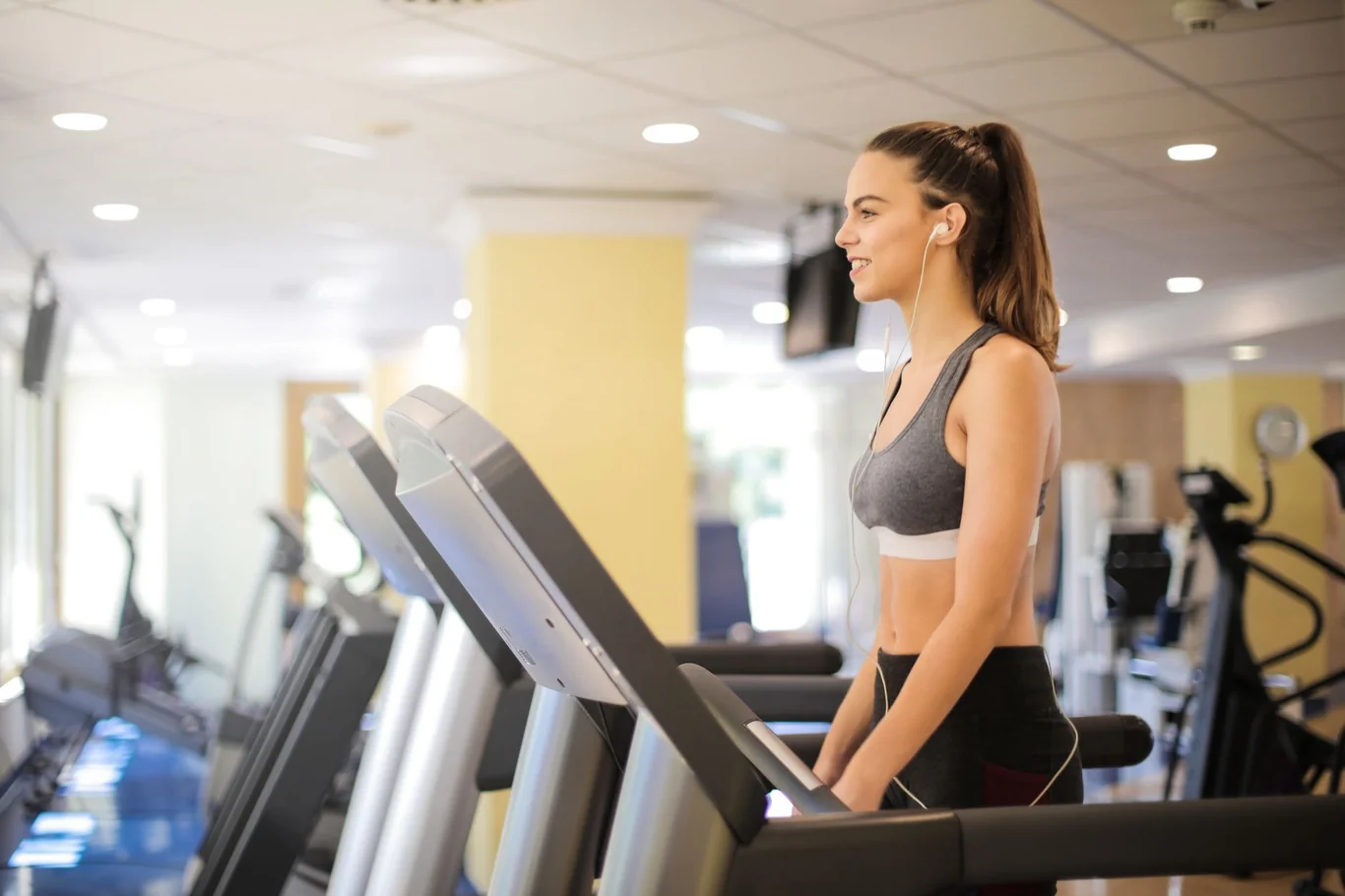
Poor technique reduces results and raises injury risk. The most frequently observed mistakes on the treadmill include:
- Gripping the handrails - reduces calorie expenditure by 20-30% and disrupts natural gait mechanics
- Looking down at your feet - strains the cervical spine and throws off upright posture alignment
- Over-striding - landing the heel too far ahead of the center of gravity increases knee impact significantly
- Jumping straight to high speed - leads to compensated, shortened stride and elevates injury risk before the body adapts
Match Workout Type to Training Goal
Not all treadmill sessions are equally effective for every goal. Choosing the right training format saves time and accelerates results:
For session-by-session protocols across each of those goal types, the treadmill workout guide covers structured programs from beginner intervals to advanced distance work.
Workout Type | Duration | Intensity | Primary Goal |
Steady-state walking | 30-60 min | Low (60-65% max HR) | Fat oxidation, active recovery |
Moderate-intensity running | 20-40 min | Moderate (70-80% max HR) | Cardio endurance, calorie burn |
High-intensity interval training | 15-25 min | High (85-95% max HR) | VO2max improvement, time-efficient fat loss |
Incline walking | 30-45 min | Low-moderate | Glute and hamstring development |
Build a Progressive Overload Plan
To avoid fitness plateaus, increase training demand gradually rather than all at once. A practical four-stage progression framework:
- Weeks 1-2: Walk at 3.0-3.5 mph on a flat belt for 20-30 minutes per session, three to four days per week
- Weeks 3-4: Increase pace to 3.5-4.0 mph or add 2-3% incline to the same session duration
- Weeks 5-6: Introduce 5-minute running intervals alternating with 3-minute walking recovery periods
- Weeks 7 and beyond: Shift to continuous running or sustained incline work based on your primary training goal
For a variation that challenges the posterior chain differently and improves balance, our guide on the benefits of walking backwards on a treadmill covers how reverse walking adds a low-impact, coordination-based challenge to standard flat-belt routines.
Who Benefits Most from Treadmill Exercise
Treadmill training serves a broad population, but the research evidence is especially strong for these groups:
- People managing cardiovascular risk factors such as hypertension, elevated cholesterol, or pre-diabetes, where aerobic exercise is a primary clinical recommendation
- Adults pursuing consistent weight loss who need a scalable, weather-independent calorie-burning tool they can use year-round
- Older adults seeking to maintain mobility, leg strength, and balance through controlled, low-impact movement
- Rehabilitation patients recovering from stroke, joint surgery, or cardiac events where surface precision and intensity control matter clinically
- Busy professionals and remote workers who benefit from treadmill desk use or under-desk walking during the workday
- Fitness beginners who need a controlled environment with adjustable speed and zero outdoor hazards
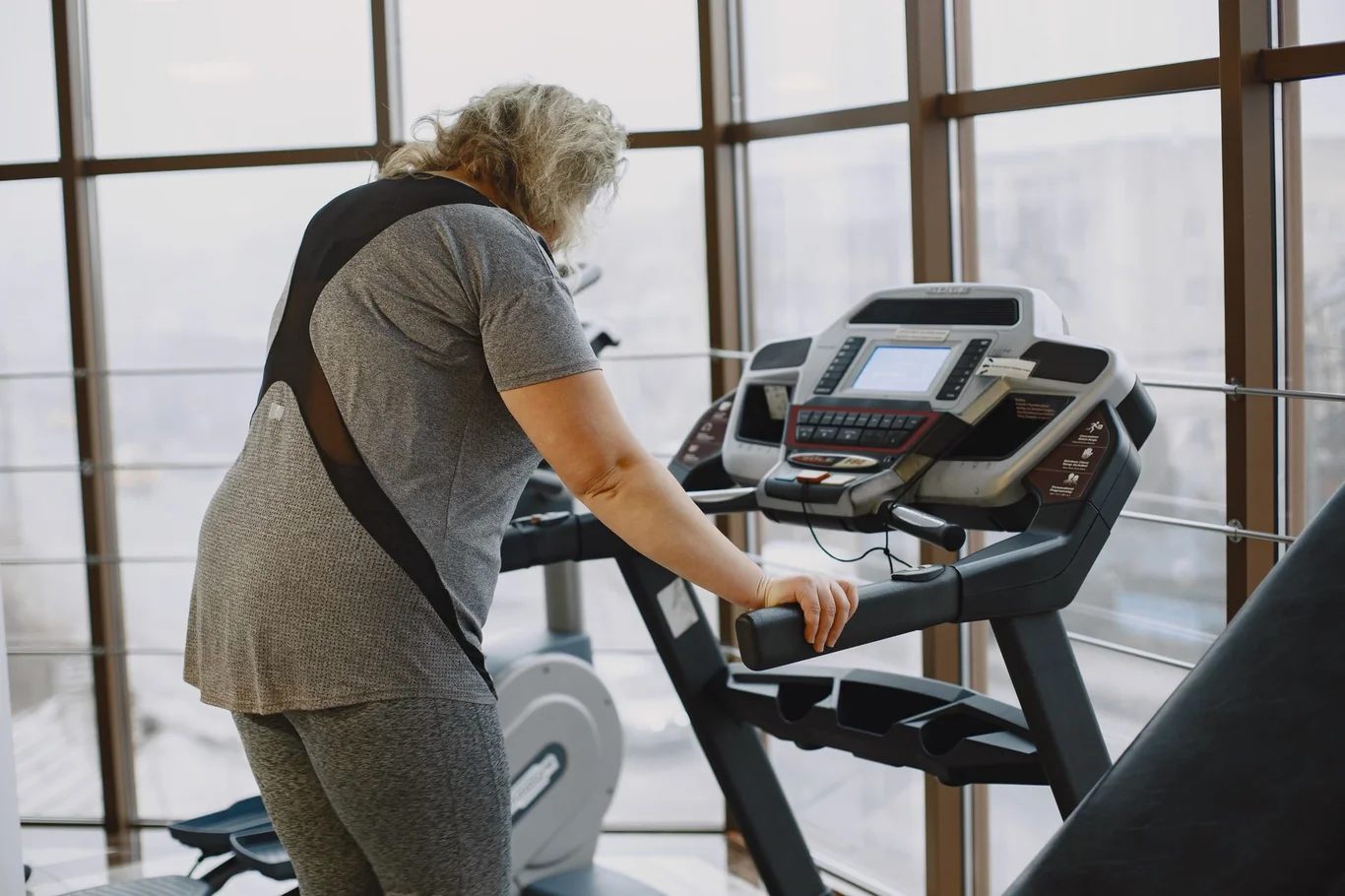
Our team's analysis of the under-desk treadmill market shows this segment growing fastest among remote workers managing cardiovascular risk - our best under-desk treadmill guide reviews the top flat-belt options designed for long-duration, low-speed walking during work hours.
Where the Treadmill Falls Short
One user group that finds the treadmill less suitable is experienced outdoor runners training specifically for trail races, where terrain variability, uneven surface response, and hill diversity are central to race preparation. For virtually everyone else, the treadmill covers the full spectrum of training needs.
For the science behind that performance gap and a full breakdown of how treadmill and outdoor running differ in calorie cost and biomechanics, my post on whether treadmill running is easier than outdoor covers the research and the practical corrections that minimize the gap for race-focused runners.
For anyone still weighing a treadmill against an elliptical, the treadmill vs elliptical comparison breaks down the key differences in impact, calorie burn, and muscle engagement.
The Bottom Line on What Treadmills Are Good For
What is the treadmill good for? Cardiovascular endurance, fat loss, mental health support, lower body muscle development, metabolic regulation, and clinical rehabilitation. Research published across randomized controlled trials, systematic reviews, and meta-analyses consistently confirms these benefits across age groups, fitness levels, and health conditions.
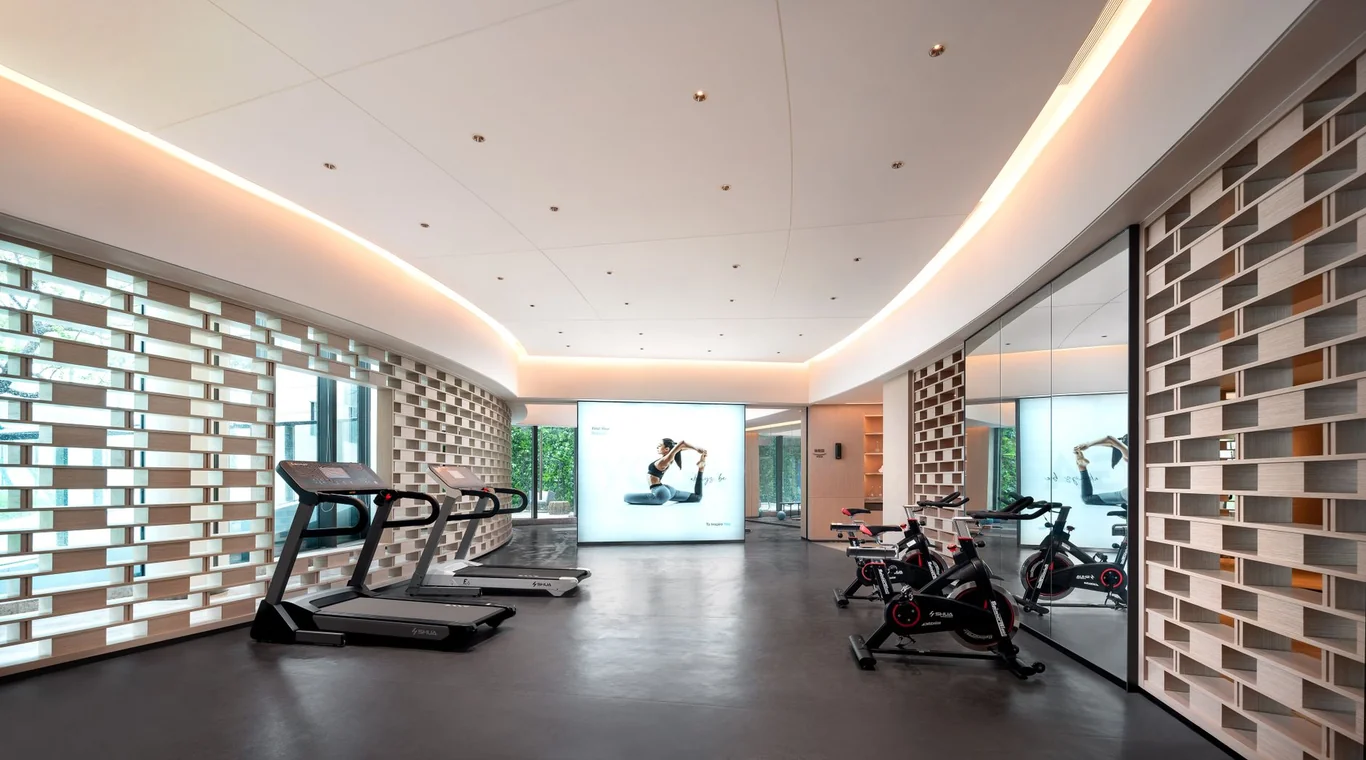
The single most important variable in achieving any of these outcomes is consistency. A 30-minute treadmill session three to five times per week, maintained over months, compounds into meaningful cardiovascular, metabolic, and body composition changes that isolated occasional workouts cannot replicate. Start at a pace and duration that feels genuinely sustainable, add load gradually, and track progress monthly rather than session to session.
For anyone ready to invest in home equipment, our guide to the best folding treadmill covers compact options that deliver consistent performance without requiring a dedicated gym room.
FAQs
Is a treadmill good for losing belly fat?
A treadmill is an effective tool for reducing belly fat when paired with a consistent caloric deficit from diet and sustained training frequency over time. Research shows that moderate-intensity treadmill walking for 30 minutes, five days per week, produced significant reductions in waist circumference and visceral fat thickness in overweight women over 12 weeks, confirming that regular treadmill use contributes meaningfully to abdominal fat reduction.
Is 30 minutes on the treadmill enough?
Thirty minutes on the treadmill is enough to produce measurable cardiovascular, metabolic, and mood benefits for most adults. The American College of Sports Medicine recommends 150 minutes of moderate-intensity exercise per week, meaning five 30-minute sessions meet the full weekly target and are sufficient for improving fitness, managing body weight, and reducing long-term disease risk.
What does a treadmill do to the body?
A treadmill session does several things to the body at once: it raises heart rate, increases calorie expenditure, engages lower body muscle groups including the quadriceps, hamstrings, glutes, and calves, and triggers endorphin release that improves mood. Over weeks of consistent use, regular treadmill exercise lowers resting heart rate, improves cardiovascular efficiency, increases VO2max, and drives fat loss through sustained caloric output.
Is walking on a treadmill every day good?
Walking on a treadmill every day is generally safe and beneficial for most people at moderate intensity and reasonable session length. Daily low-intensity walking supports cardiovascular health, metabolic function, and mental wellbeing with minimal injury risk, though incorporating rest or active recovery days becomes increasingly important as intensity and duration increase, allowing adequate muscular recovery and preventing overuse injury.
References:
- Arboleda-Serna VH, Feito Y, Patiño-Villada FA, Vargas-Romero AV, Arango-Vélez EF. Effects of high-intensity interval training compared to moderate-intensity continuous training on maximal oxygen consumption and blood pressure in healthy men: A randomized controlled trial. Biomédica. 2019;39(3):361-373. doi:10.7705/biomedica.v39i3.4412
- Göçer E, Ardıç F, Akkaya N, Herek D. Efficacy of moderate-intensity walking provided feedback by ECE PEDO on abdominal fat in overweight and obese women: A randomized, exercise study. Turkish Journal of Physical Medicine and Rehabilitation. 2017;63(4):340-347.
- Gu T, Hao P, Chen P, Wu Y. A systematic review and meta-analysis of the effectiveness of high-intensity interval training in people with cardiovascular disease at improving depression and anxiety. Evidence-based Complementary and Alternative Medicine. 2022;2022:9894215. doi:10.1155/2022/9894215
- Godwin EM, Uglialoro AD, Ali A, Yearwood L, Banerji MA, Kral JG. A pilot study of metabolic fitness effects of weight-supported walking in women with obesity. PLoS One. 2019;14(3):e0213965. doi:10.1371/journal.pone.0213965
- Shi C, Xiao Y, Zang D, Ren H. Effectiveness of treadmill training intervention for the management of patients with stroke: A systematic review and meta-analysis. International Journal of Nursing Practice. 2025;31(3):e70020. doi:10.1111/ijn.70020
- Oye-Somefun A, Azizi Z, Ardern CI, Rotondi MA. A systematic review and meta-analysis of the effect of treadmill desks on energy expenditure, sitting time and cardiometabolic health in adults. BMC Public Health. 2021;21:2082. doi:10.1186/s12889-021-11750-2