
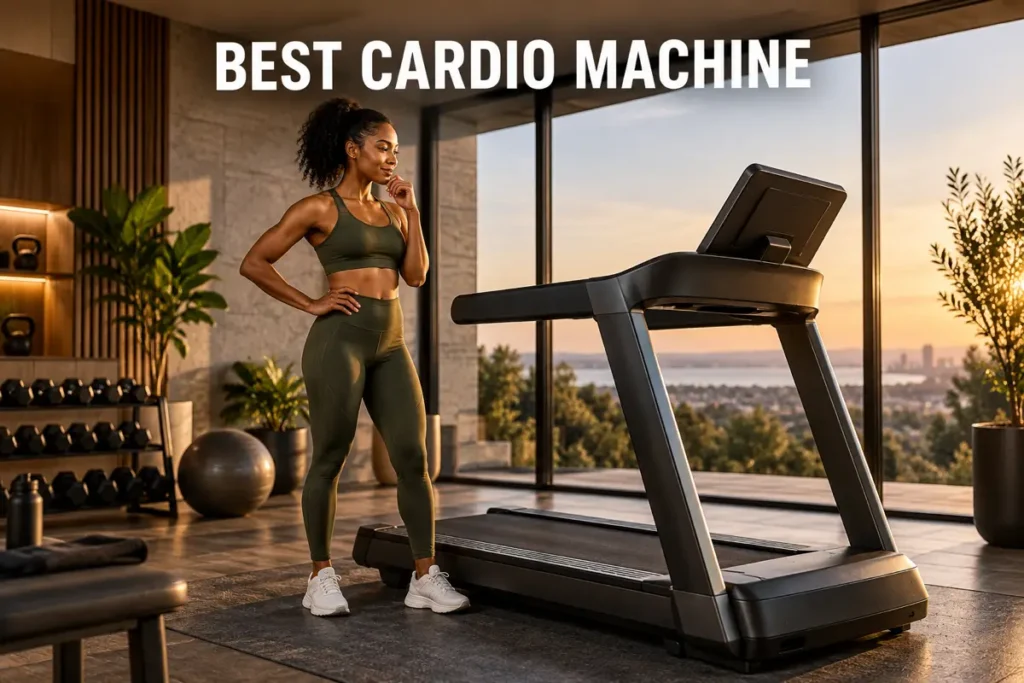
Choosing the best cardio machine comes down to one question I ask every client: which machine will you actually use consistently enough to drive real results. I have spent 15+ years in exercise science and coaching, with a degree from the Faculty of Sport and Physical Education Novi Sad, and I have watched people succeed or fail based almost entirely on equipment-goal mismatch. In this guide, I compare treadmills, ellipticals, stationary bikes, and rowing machines across calorie burn, joint impact, space, and goal-fit - so you can choose with confidence.

Best Cardio Machine for Your Goals - Treadmill, Elliptical, Bike, or Rower?
Not every cardio machine serves the same purpose. Each type delivers a different combination of calorie burn, muscle engagement, and joint stress, and the right pick depends entirely on what you are trying to accomplish. I have broken this down by the four machines most commonly found in home gyms and commercial facilities, covering all the major goals: weight loss, home training, joint protection, and full-body conditioning. The stair climber and air bike are also effective cardio options, though less common in home gym setups.
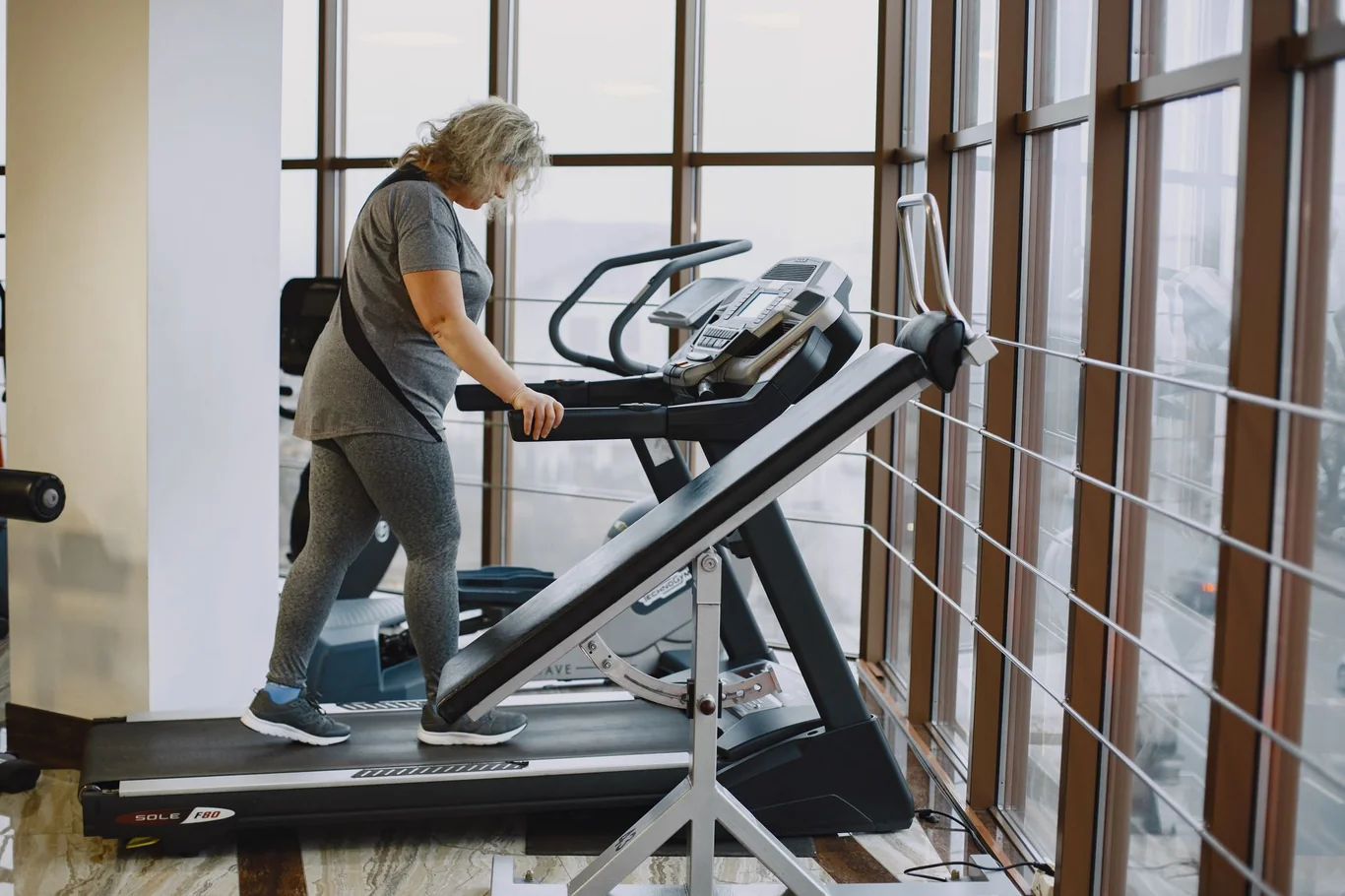
Research comparing seven cardio machines found that the treadmill produces the highest energy expenditure and oxygen consumption at standardized intensities, followed by the stair climber and elliptical, with the rowing machine ranking toward the lower end at controlled submaximal effort (1). This hierarchy shifts at high intensities, where rowing's full-body demand drives calorie burn upward significantly.
For a hands-on comparison of specific treadmill models across all budgets and use cases, our best treadmill for home guide applies the same machine-type criteria to individual products.
Treadmill - The High-Calorie-Burn Cardio Classic
The treadmill is the most widely recognized piece of cardio equipment for good reason. It delivers natural movement mechanics - you walk or run exactly as you would outdoors - and scales from a 2.5 mph recovery walk to an 8+ mph training run. That range, combined with incline options that can multiply calorie burn by 30-50% above flat walking, makes the treadmill one of the most adaptable single machines available. I list the top incline treadmills for this kind of incline training.
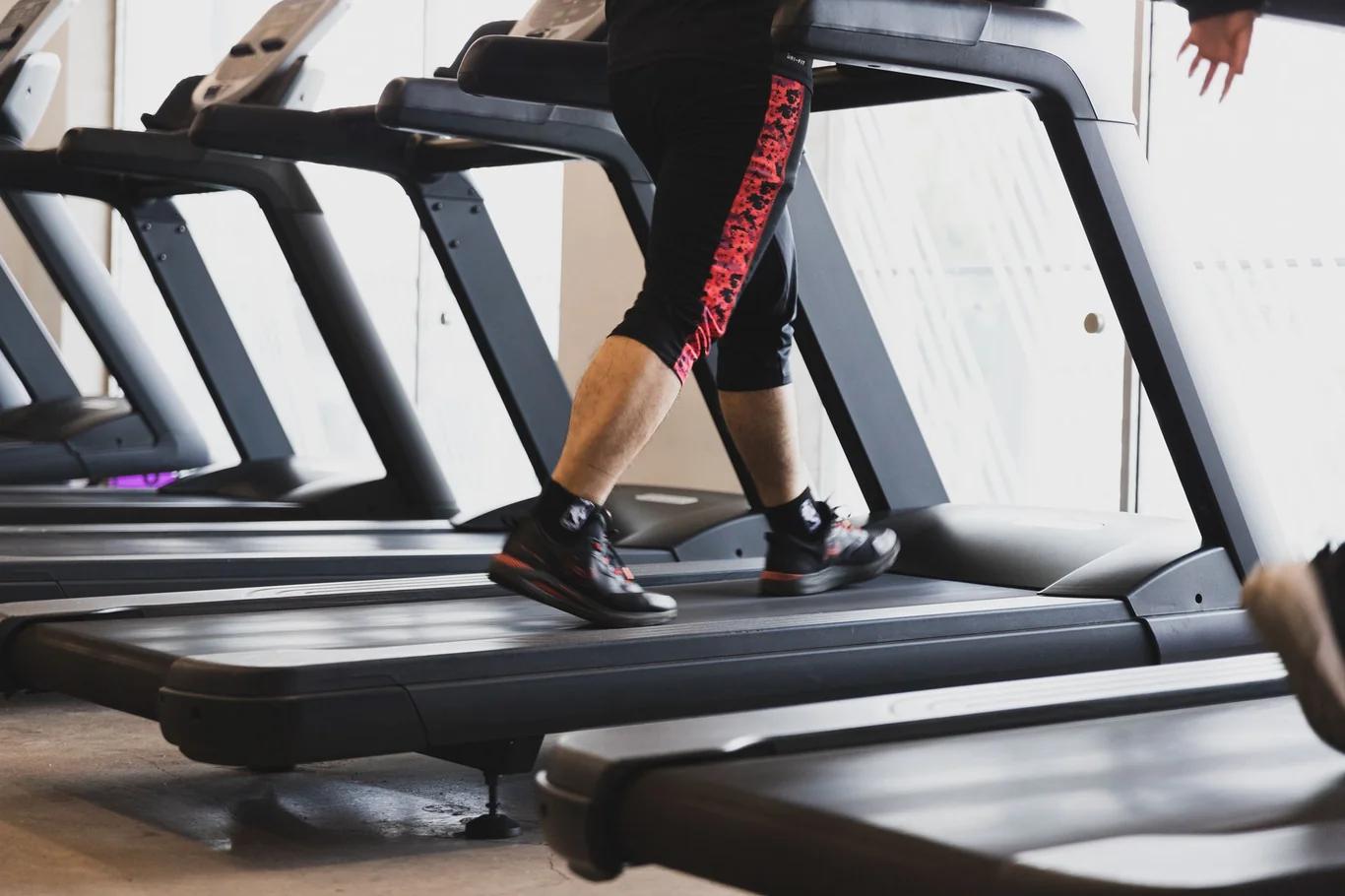
The primary trade-off is joint impact. Running places 2 to 3 times your body weight through your knees and hips with every stride. For healthy joints, this is beneficial over time - it stimulates bone density and strengthens connective tissue. For anyone with existing knee pain, osteoarthritis, or a recent lower-body injury, that repeated compressive loading is a meaningful risk factor that warrants medical clearance before use, and I explain how treadmills affect your knees in a separate breakdown.
Who the Treadmill Is Right For
The treadmill suits people who: Are training for outdoor running events and need consistent year-round mileage. Want the highest raw calorie burn among the four main machine types. Prefer speed and incline as primary progression variables. Have healthy lower-body joints with no history of chronic pain. I describe the different types of treadmills in a separate breakdown.
For those in good joint health, walking at a 10-12% incline produces calorie burn comparable to jogging at 5-6 mph - without the joint loading. This makes incline walking an underused option for people who want treadmill calorie burn without running impact. The treadmill benefits guide covers this and 16 other evidence-based advantages across weight categories and fitness levels.
I've found that clients who switch from running to 10-12% incline walking consistently log more weekly training volume - the lower joint recovery demand allows 4-5 training days per week instead of 3, which compounds into a larger calorie deficit over a month than the higher-intensity option they replaced. I compare incline treadmill versus running in a separate article.
Treadmill Calorie Burn and Weight Loss
For the best cardio machine for weight loss among impact-tolerant users, the treadmill consistently ranks at the top. Running at 6 mph burns approximately 500-550 kcal per hour for a 150-pound person. Interval training - alternating sprint and recovery periods - elevates post-exercise oxygen consumption for hours after the session, adding to total daily calorie deficit beyond what steady-state running produces. I explain how to run on a treadmill, maintain proper form, and choose a suitable speed.
If treadmill weight loss programming is your focus, our treadmill weight loss guide covers the exact speed, incline, and session frequency combinations with the strongest fat loss evidence behind them.
Elliptical - The Low-Impact All-Rounder
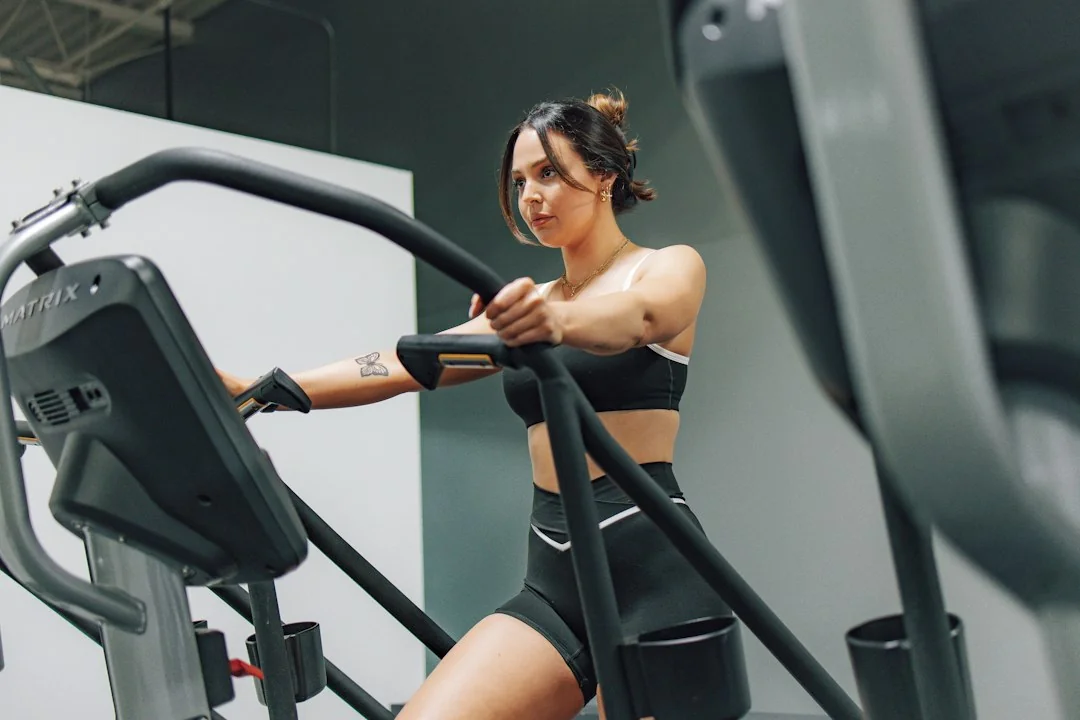
The elliptical trainer solves one specific problem extremely well: delivering meaningful cardiovascular training without joint impact. The oval pedal path mimics the natural motion of walking and running while keeping your feet in contact with the footpads throughout the stroke, eliminating the landing force that treadmill running creates. For people who want to elevate heart rate and burn significant calories without the repetitive pounding, this is one of the most consistently practical choices available.
Elliptical Calorie Burn and Upper Body Engagement
A study comparing treadmill and elliptical at self-selected exercise intensity found no significant difference in energy expenditure or VO2 between the two machines when perceived exertion was matched (2). In practical terms: push at the same effort level on the elliptical as you would on the treadmill, and you can expect comparable calorie burn. The difference is that the elliptical delivers that result without joint stress, a point I expand on in my guide to the benefits of an elliptical machine.
Most modern ellipticals also include moving handlebars, adding upper-body engagement that treadmills cannot provide. This muscle recruitment advantage is meaningful for anyone wanting to maximize total work per session or improve upper-body cardiovascular fitness alongside lower-body conditioning. For a side-by-side analysis on every major metric, our elliptical vs treadmill comparison goes deeper than I cover here.
Why the Elliptical Works for Bad Knees
The elliptical is one of my most frequent recommendations for clients with knee sensitivity or who are in the later stages of rehabilitation. The zero-impact stride eliminates the compressive loading that running creates, while still moving the knee through its full natural range of motion - which promotes joint lubrication and maintains mobility without aggravating inflamed tissue. For session ideas, I cover elliptical workout plans, including HIIT, in a separate guide.
For anyone returning to higher-intensity cardio after knee surgery or managing early-stage osteoarthritis, the elliptical offers a middle ground: more cardiovascular challenge than the stationary bike at equivalent effort, with far lower joint stress than the treadmill. Our best elliptical machine roundup covers models across budget ranges with notes on stride length and joint comfort.
Stationary Bike - The Top Choice for Bad Knees and Rehabilitation
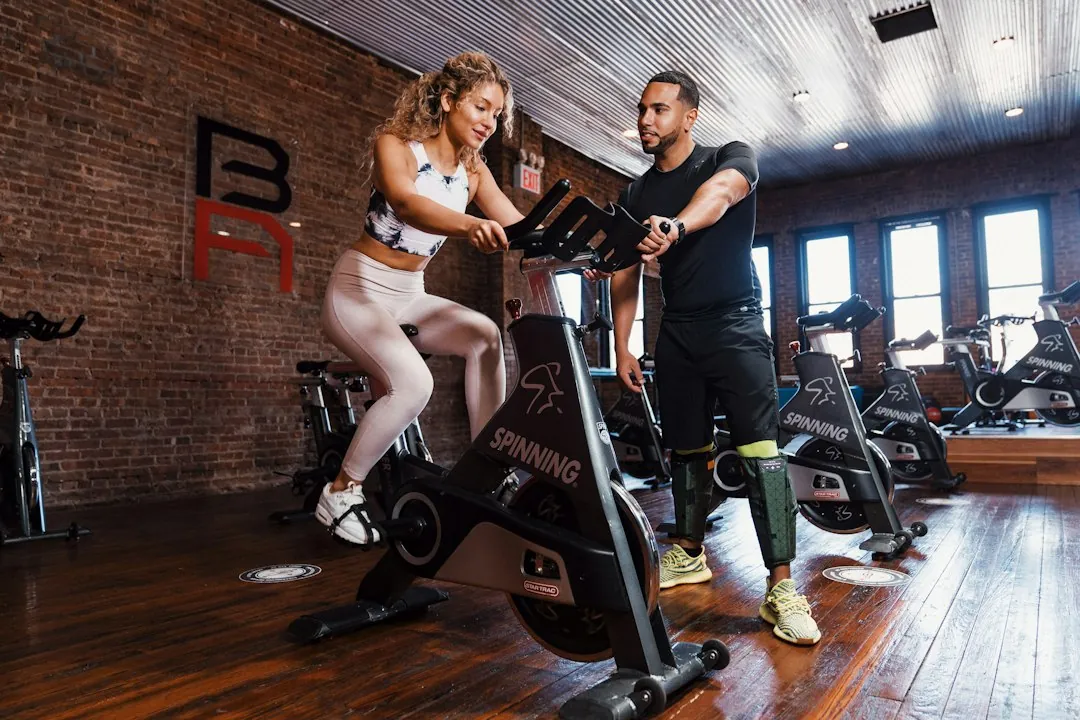
The stationary bike - whether upright or recumbent - produces the lowest joint stress of any cardio machine in this comparison. Cycling keeps the knee in a supported, controlled range of motion with minimal compressive loading, making it the standard recommendation in both clinical rehabilitation and general fitness for anyone with chronic knee or hip pain.
Research Evidence for Stationary Bike Benefits
A systematic review and meta-analysis of 11 studies (724 participants) found that stationary cycling significantly reduced pain and improved functional performance in people with knee osteoarthritis compared to a control group (3). A separate biomechanical study found that cycling produces significantly lower peak knee compressive forces and torques than elliptical training (4). The best exercise machine for knee rehabilitation, based on the current evidence, is the stationary bike.
A large systematic review of 47 studies (28 RCTs, over 2,500 participants aged 60+) found that stationary bike interventions significantly improved aerobic capacity, cardiovascular fitness, mobility, and quality of life in older adults (5). These findings are especially relevant for seniors beginning cardio training or for anyone resuming exercise after a prolonged break. If you are managing knee issues specifically and need guidance on which equipment handles joint protection best, our guide covering the best exercise machine for bad knees addresses this angle in more clinical detail.
Upright vs Recumbent - Which Stationary Bike Is Better?
The two main stationary bike subtypes serve different populations and goals: Upright bike advantages: More compact footprint (often under 40 inches in length). Closer to the natural cycling position for riders who already cycle outdoors. Higher core engagement due to unsupported posture. Greater calorie burn at equivalent resistance settings. I explain which muscles an exercise bike works across upright, recumbent, and spin bikes.
Recumbent bike advantages: Seat back provides lumbar support - critical for lower back issues. Lower entry point reduces fall risk for seniors and those with balance limitations. Extended sessions are more comfortable for longer duration cardio. Slightly lower knee flexion angle, which may reduce patellofemoral discomfort further. I explain who benefits from a recumbent exercise bike in my breakdown.
Feature | Upright Bike | Recumbent Bike |
Footprint | Compact (often under 40 in) | Larger |
Core Engagement | Higher; unsupported posture | Lower; seat back support |
Calorie Burn | Greater at equivalent resistance | Slightly lower |
Session Comfort | Standard | More comfortable for extended cardio |
Lower Back Support | None | Lumbar support; essential for back issues |
For home use, the stationary bike is one of the best cardio equipment options available because magnetic-resistance models operate nearly silently, require minimal space, and have no meaningful skill barrier for new users. Our best budget rowing machine guide covers the cost comparison point for people deciding between a stationary bike and a rowing machine at entry-level price points.
Stationary Bike for Weight Loss and Fat Reduction
The stationary bike is an effective weight loss tool, though not the highest-calorie-burn machine in this comparison. Its primary advantage for sustained fat loss is adherence - low joint stress means fewer training interruptions from pain or injury, and consistent sessions accumulate a meaningful calorie deficit over time. A 22-week RCT (84 participants) found that combined strength and endurance training with a calorie-controlled diet significantly reduced total fat mass and improved VO2 peak (6). The best cardio machine for belly fat is consistent effort on whichever machine you can use at the highest sustainable intensity.
Rowing Machine - The Best Full Body Cardio Machine for Home
The rowing machine stands apart from every other cardio machine in one important way: it recruits an estimated 70-86% of the body's muscle mass in a single coordinated movement. Every stroke engages the legs through the drive phase, the core at the midpoint, and the arms and back through the pull - creating a cardiovascular and muscular demand that no other single machine can match. This makes it the best full body workout machine for home for people who want maximum return per minute of training.
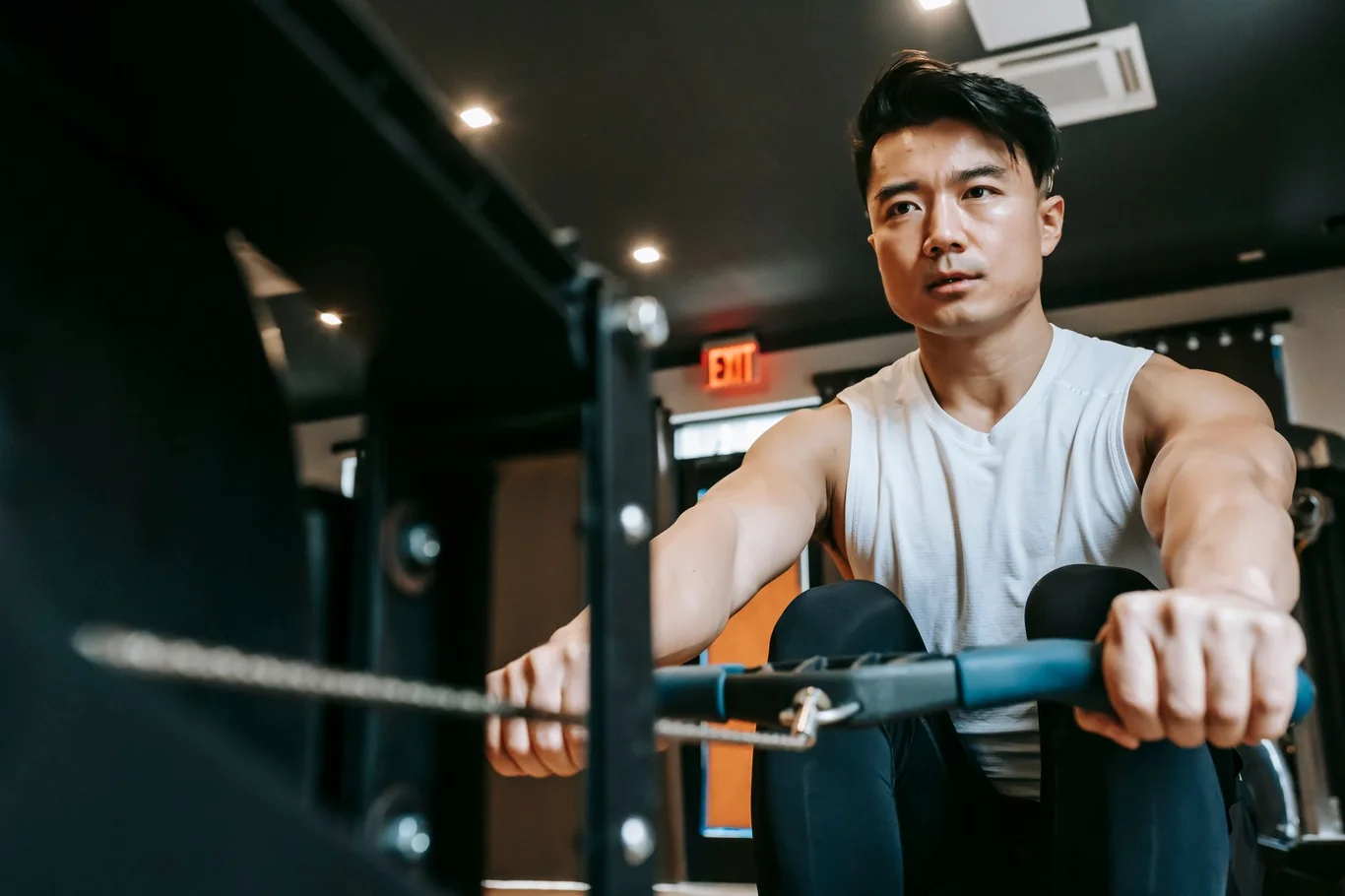
The rowing machine is also genuinely low-impact. The smooth sliding seat and controlled pulling motion place minimal stress on the knees and hips, making it far more joint-friendly than the treadmill at equivalent intensity. A study found that rowing produces distinctive cardiovascular demands, with large fluctuations in cardiac stroke volume during the stroke-and-recovery cycle that reflect the high metabolic cost of full-body coordination (7).
Rowing Machine Calorie Burn and Practical Home Use
At vigorous effort, a 150-pound rower burns approximately 400-600 kcal per hour - comparable to the elliptical and stationary bike at matched effort, though the full-body muscle recruitment means greater muscular fatigue per session alongside the cardiovascular work. This combination of cardiovascular and muscular demand makes the rowing machine particularly time-efficient for people with limited training windows.
After 12 supervised sessions with a client transitioning from a stationary bike to a rowing machine, session calorie burn increased by approximately 30% at the same perceived exertion level - the coordinated leg-core-arm drive was loading muscle groups that had not previously been part of their cardio routine, which accounted for most of the difference.
Who the Rowing Machine Is Right For
The main practical limitation for home use is floor space: most rowing machines require 8 feet of length when in use, which is more than any other machine in this comparison. Technique also requires a learning period before you can push hard enough to generate peak calorie burn - most beginners take 4-6 weeks to develop a fluid stroke. If you are new to rowing, I list rowing machines for beginners that suit new rowers.
The rowing machine is best suited for people who: Want cardiovascular and muscular training from a single piece of equipment. Have healthy lower-body joints and can learn a coordinated movement pattern. Have at least 8 feet of available floor space, or can store a foldable model vertically. Are willing to invest 4-6 weeks developing technique before training at high intensity.
- For space-conscious home use, our best compact rowing machine guide covers models with the smallest footprints.
- Foldable options that store vertically are reviewed in our best foldable rowing machine guide.
- For quieter home use, magnetic-resistance models are compared in our best magnetic rowing machine roundup.
Best Cardio Machine for Weight Loss - How Each Machine Compares
If fat loss is the primary goal, the best exercise machine for weight loss is the one that allows you to train at the highest sustainable intensity, consistently, over weeks and months. No single machine has a monopoly on fat burning - the key variable is the effort and duration you apply to it, not the machine itself. People searching for the best exercise machine to lose belly fat often expect a specific recommendation, but abdominal fat reduction is driven by total calorie deficit, not by any machine's specific targeting ability. I look at an elliptical for weight loss in a separate article, including what the science says.
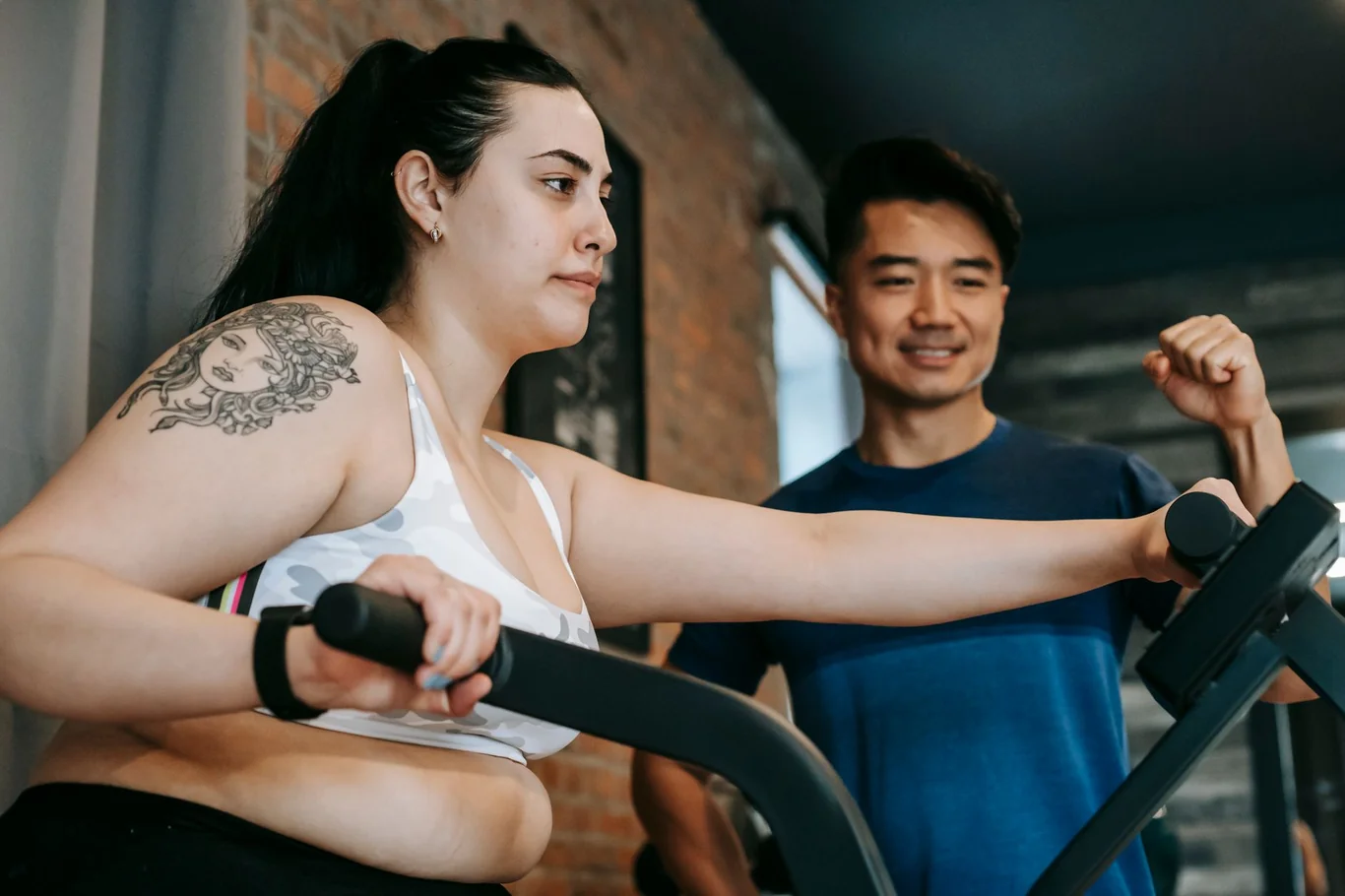
The best cardio machine for weight loss for most people is the elliptical or stationary bike, because both deliver high calorie burn with no joint stress barrier that would interrupt training frequency. For people with healthy joints who can sustain running, the treadmill offers the highest ceiling. To accurately track calorie expenditure across any of these machines, our best calorie tracker guide covers devices with the strongest accuracy evidence for cardio machine sessions.
Machine | Calorie Burn (150 lb, vigorous) | Joint Impact | Weight Loss Advantage |
Treadmill | 500-550 kcal/hr (running at 6 mph) | High (2-3x body weight) | Highest raw calorie ceiling |
Elliptical | Comparable to treadmill | None (zero impact) | High burn with no joint barrier |
Stationary Bike | Lower; consistent with adherence | Minimal | Fewest training interruptions |
Rowing Machine | 400-600 kcal/hr | Low | Full-body demand per session |
Best Cardio Machine for Home - Space, Noise, and Budget Compared
Choosing the best cardio machine for home requires balancing fitness goals against three practical constraints: available floor space, noise tolerance, and starting budget. I cover how much a treadmill costs at every budget level in a separate breakdown.
Home Gym Breakdown by Machine Type
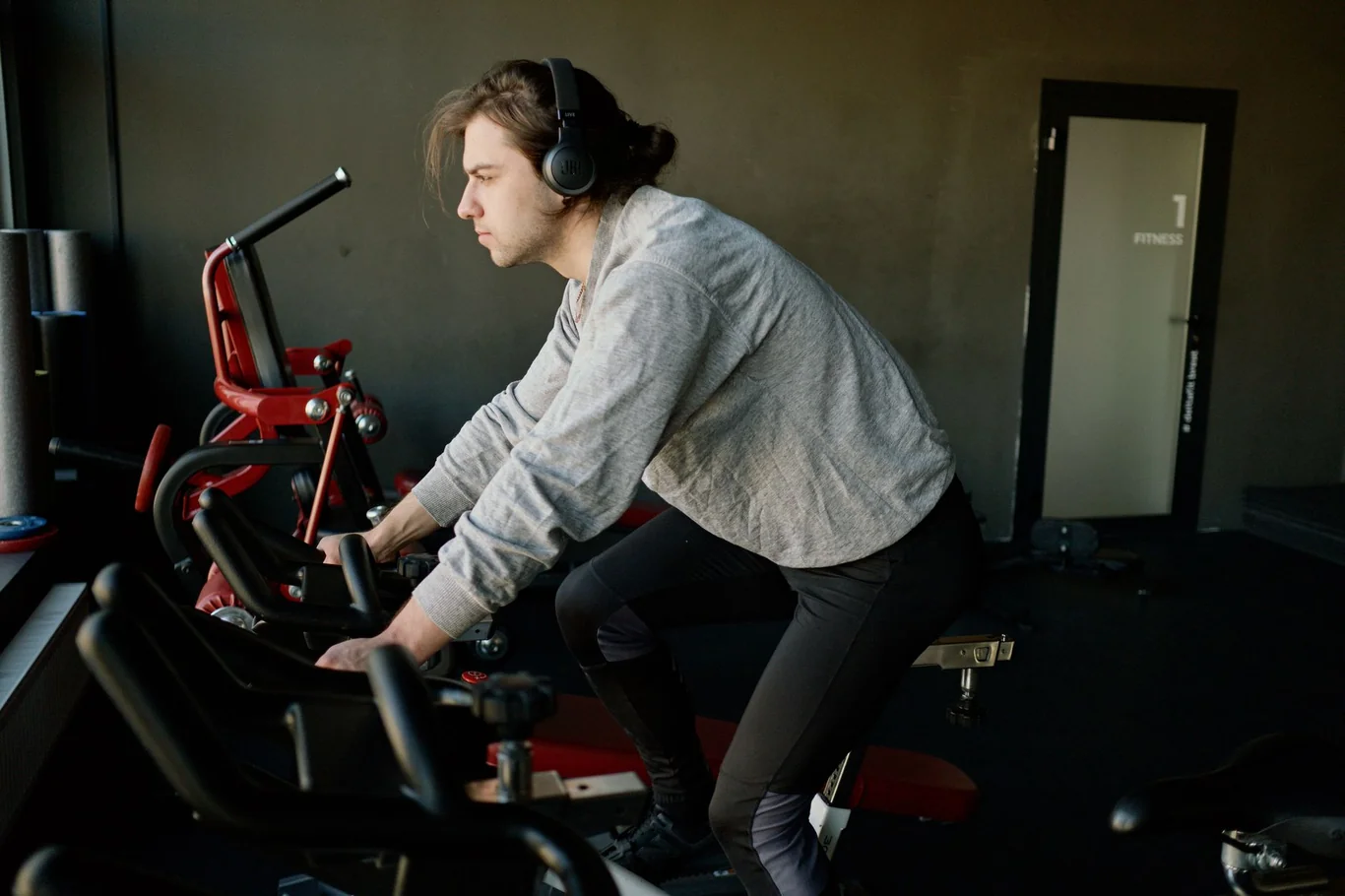
Here is how each machine compares across those three factors: Stationary bike: Footprint roughly 40 x 24 inches, near-silent on magnetic resistance, most affordable entry point, no assembly expertise needed - the most practical home machine for most people. Rowing machine: Footprint of 8 feet in use (many fold to 2-3 feet for storage), quiet on magnetic resistance, mid-range budget, requires technique development. Elliptical: Footprint typically 6 x 2 feet, moderate noise level, mid-to-premium budget, highly intuitive for most users from the first session. Treadmill: Largest footprint at 6-7 feet, highest noise floor of all four machines, widest price range, most demanding on flooring and electrical load.
Machine | Footprint | Noise Level | Entry Budget | Skill Required |
Stationary Bike | ~40 x 24 in | Near-silent (magnetic) | Lowest | None |
Rowing Machine | 8 ft in use; folds to 2-3 ft | Quiet (magnetic) | Mid-range | 4-6 weeks |
Elliptical | ~6 x 2 ft | Moderate | Mid to premium | None |
Treadmill | 6-7 ft | Highest of the four | Widest range | Low |
Choosing the Right Machine for Your Home
For apartment dwellers or shared living situations, the stationary bike or magnetic rowing machine win on noise. For those with a dedicated home gym room, all four machines are viable, and the choice narrows entirely to fitness goals and personal preference.
The best cardio equipment for home is the machine you will reach for consistently. I have watched premium treadmills become clothing racks and entry-level stationary bikes log thousands of hours because the owner simply found cycling more sustainable over the long term. Long-term home machine reliability also depends on basic maintenance habits; our treadmill workout guide includes session-structure tips for building sustainable training habits on cardio equipment.
How to Choose the Best Workout Machine for Your Situation
Before making a final decision, work through these five questions: What is your primary goal? Weight loss, joint rehabilitation, full-body conditioning, running training, or general cardiovascular health? Do you have joint issues? If yes, rule out the treadmill as a primary machine unless a clinician has cleared you for impact activity. I consider a stationary bike or an elliptical safer starting points, with specific bike options in my top exercise bikes roundup. How much dedicated floor space do you have? Under 45 square feet means prioritizing the stationary bike or a foldable rowing machine. What is your realistic budget? Entry-level stationary bikes are the most affordable option; motor-suitable treadmills for running require a mid-range budget; quality rowing machines and ellipticals start at a similar entry-level to mid-range price point. What will you actually enjoy? Sustained enjoyment and habit formation outweigh every other variable in long-term cardio results.
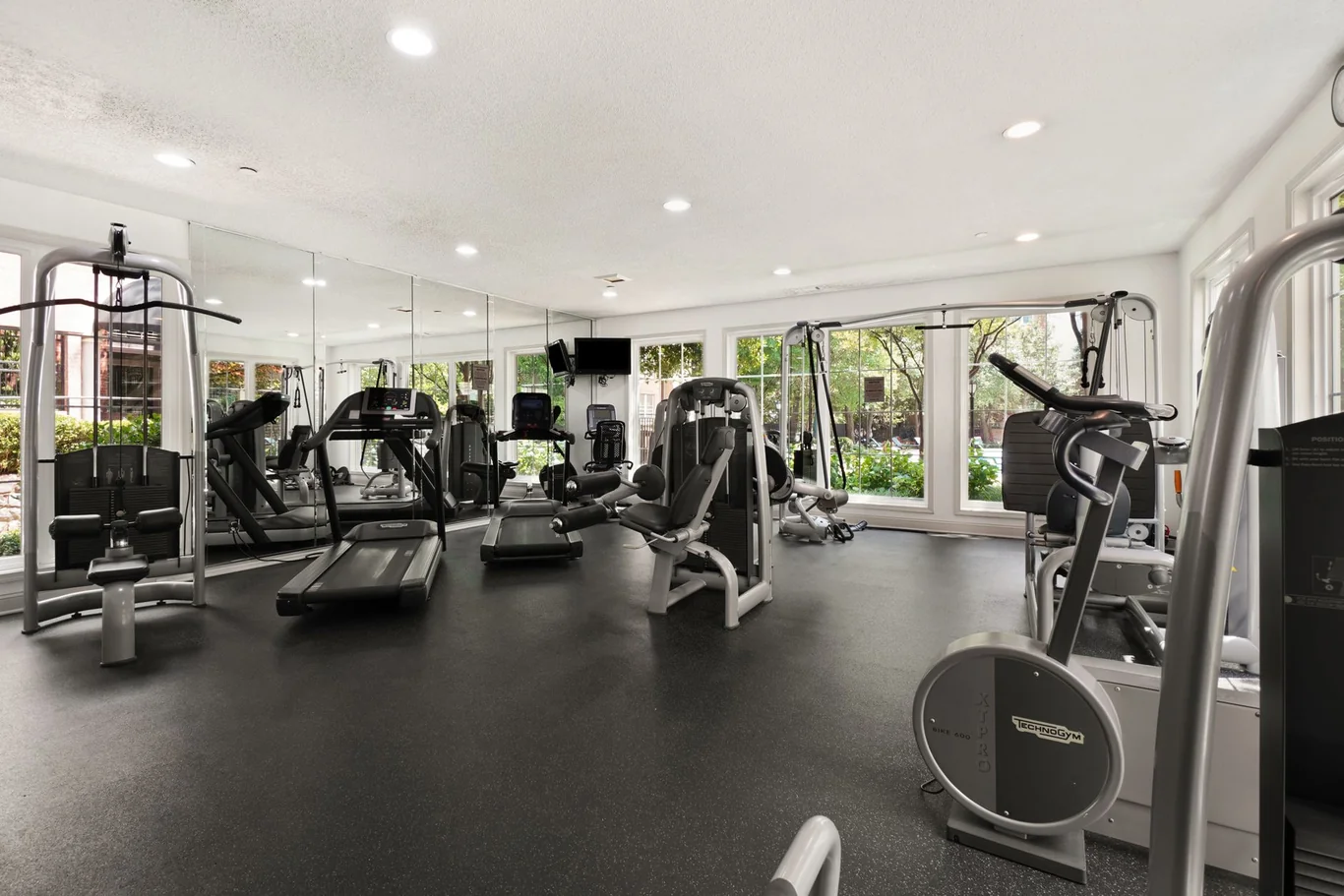
For full-body muscle engagement at home, I consider a rowing machine the best option, provided you have the floor space and patience to develop technique before pushing hard.
The Cardio Machine That Actually Fits You
I come back to the same conclusion after reviewing client histories and the research behind each machine type: the best cardio machine is the one you can use consistently at a challenging enough intensity to drive adaptation over time. That sounds obvious, but it eliminates a lot of expensive mismatches.
Best Cardio Machine for Weight Loss and Healthy Joints
For weight loss with healthy joints: the treadmill wins on raw calorie burn, but only if you can sustain it without injury interruptions. If running feels unsustainable or causes pain, the rowing machine delivers comparable results with better full-body engagement. If a treadmill suits your goals and joints, I suggest comparing the options in the treadmills category.
Best Cardio Machine for Bad Knees and Joint Issues
For bad knees or joint issues: the best cardio machine for bad knees is the stationary bike - it has the strongest rehabilitation evidence and the lowest joint stress of the four options. Once joint health stabilizes, the elliptical is a natural progression that adds upper-body engagement without adding impact.
Best Home Cardio Machine for Limited Space
For home use with limited space: a magnetic stationary bike at an entry-level price point is my first recommendation for someone starting out. No learning curve, no noise, minimal space, reliable performance for years.
I've found that clients who commit to 20-minute sessions on a magnetic upright bike 4 days per week are still training on the same machine 2 years later at a noticeably higher rate than those who started with a treadmill - the absence of setup friction and joint soreness removes the two most common reasons people skip sessions. I compare treadmill versus bike for home use in a separate article.
Best Cardio Machine for Full Body Efficiency
For maximizing time efficiency with full-body demand: the rowing machine is the best cardio equipment for home if you have 8 feet of floor space and four to six weeks to invest in learning the stroke. Nothing else recruits that many muscles per session while keeping joint stress low. For conditioning work, I list rowing machines for conditioning that suit hard sessions.
Whatever machine you choose, consistent effort over weeks and months produces results that no single equipment choice can shortcut.
FAQs
Which gym machine is best for cardio?
The best gym machine for cardio depends on your goals, but the treadmill produces the highest energy expenditure and VO2 demand at maximum effort, making it the top choice for pure cardiovascular intensity. If joint impact is a concern, the elliptical or rowing machine delivers comparable cardiovascular challenge with significantly lower joint stress.
Which is the best cardio machine for home?
The best cardio machine for home is the stationary bike for most people, because it combines a small footprint, near-silent magnetic resistance, low entry cost, and no skill requirement - all of which translate to consistent long-term use without barriers. The rowing machine is the stronger option for those who want full-body engagement and have the floor space.
Which cardio machine burns the most fat?
The cardio machine that burns the most fat is the one you push at the highest sustainable intensity with the most consistency. At standardized submaximal effort, the treadmill ranks highest for total calorie expenditure per hour. For most people, the elliptical or stationary bike delivers comparable fat loss results with lower injury risk, which translates to fewer training interruptions over time.
Is an elliptical better than a treadmill?
The elliptical is better than the treadmill specifically for low-impact cardio, joint protection, and upper-body engagement, but research shows no significant difference in calorie burn between the two when effort level is matched. For runners or people seeking bone-density benefits from impact training, the treadmill remains the stronger choice.
This content is for informational and educational purposes only. It is not a substitute for professional medical advice, diagnosis, or treatment. Always consult with your healthcare provider before starting any new fitness program or using fitness technology for health monitoring.
References
- Prieto-González P, Yagin FH. Energy expenditure, oxygen consumption, and heart rate while exercising on seven different indoor cardio machines at maximum and self-selected submaximal intensity. Front Sports Act Living. 2024;6:1313886. doi:10.3389/fspor.2024.1313886.
- Brown GA, Cook CM, Krueger RD, Heelan KA. Comparison of energy expenditure on a treadmill vs. an elliptical device at a self-selected exercise intensity. J Strength Cond Res. 2010;24(6):1643-1649. doi:10.1519/JSC.0b013e3181cb2854.
- Luan L, Bousie J, Pranata A, Adams R, Han J. Stationary cycling exercise for knee osteoarthritis: a systematic review and meta-analysis. Clin Rehabil. 2021;35(4):522-533. doi:10.1177/0269215520971795.
- Orekhov G, Robinson AM, Hazelwood SJ, Klisch SM. Knee joint biomechanics in transtibial amputees in gait, cycling, and elliptical training. PLoS One. 2019;14(12):e0226060. doi:10.1371/journal.pone.0226060.
- Akter T, Moneruzzaman M, Maduray K, Kader M. Acceptability and effectiveness of stationary bike intervention on health outcomes among older adults: a systematic review of intervention studies. BMC Geriatrics. 2026;26:130. doi:10.1186/s12877-025-06757-0.
- Benito PJ, López-Plaza B, Bermejo LM, et al. Strength plus endurance training and individualized diet reduce fat mass in overweight subjects: a randomized clinical trial. Int J Environ Res Public Health. 2020;17(7):2596. doi:10.3390/ijerph17072596.
- Sejersen C, Fischer M, Mattos JD, Volianitis S, Secher NH. Fluctuations in cardiac stroke volume during rowing. Scand J Med Sci Sports. 2021;31(4):790-798. doi:10.1111/sms.13901.