
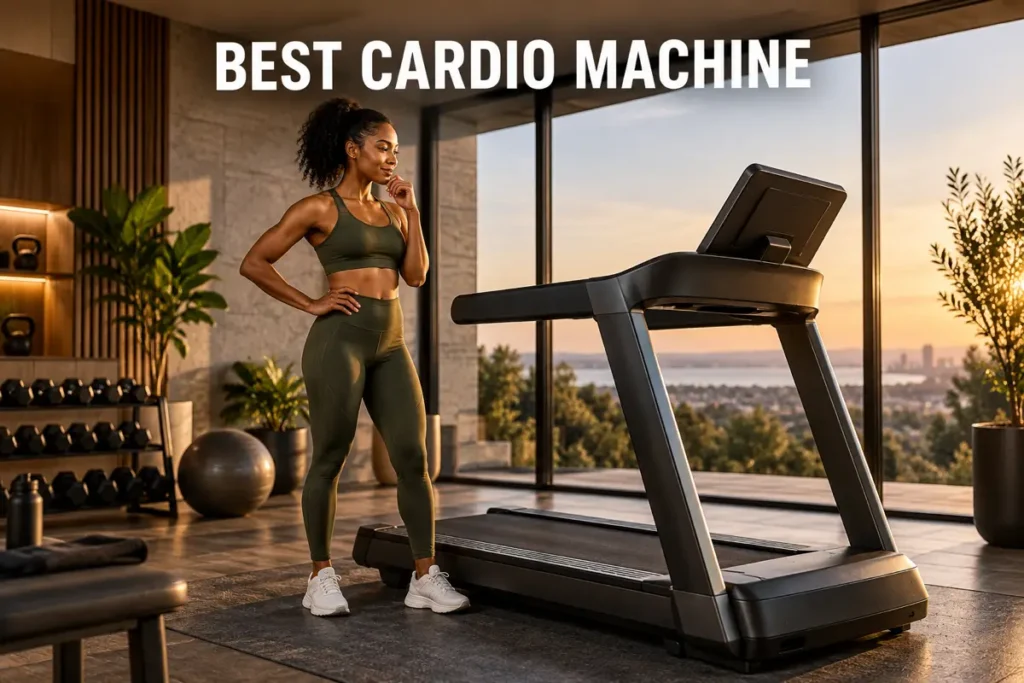
No single cardio machine is best for everyone: in one study of 30 men at the same very hard felt effort the treadmill used the most energy, while the bike takes your weight off your feet and, in my view, needs the least space. The elliptical sits between them, and the rower trades some burn for full-body work.
The best cardio machine is the one that fits your joints, your space and your goal, because no machine wins on every measure. In 30 recreationally active men exercising for 12 minutes at the same felt hard effort, the treadmill used the most energy and the bikes and the rower used less (1). Energy cost is one of four things I weigh: calorie cost, impact on the body, space and who each machine suits. This guide compares treadmills, ellipticals, stationary bikes and rowing machines on those four.
Best Cardio Machine for Your Goals - Treadmill, Elliptical, Bike, or Rower?
Each machine trades calorie cost, muscle use and impact differently, so the right pick depends on what you want from it. I compare the four machines found most often in home gyms across weight loss, home use, joint comfort and full-body work.
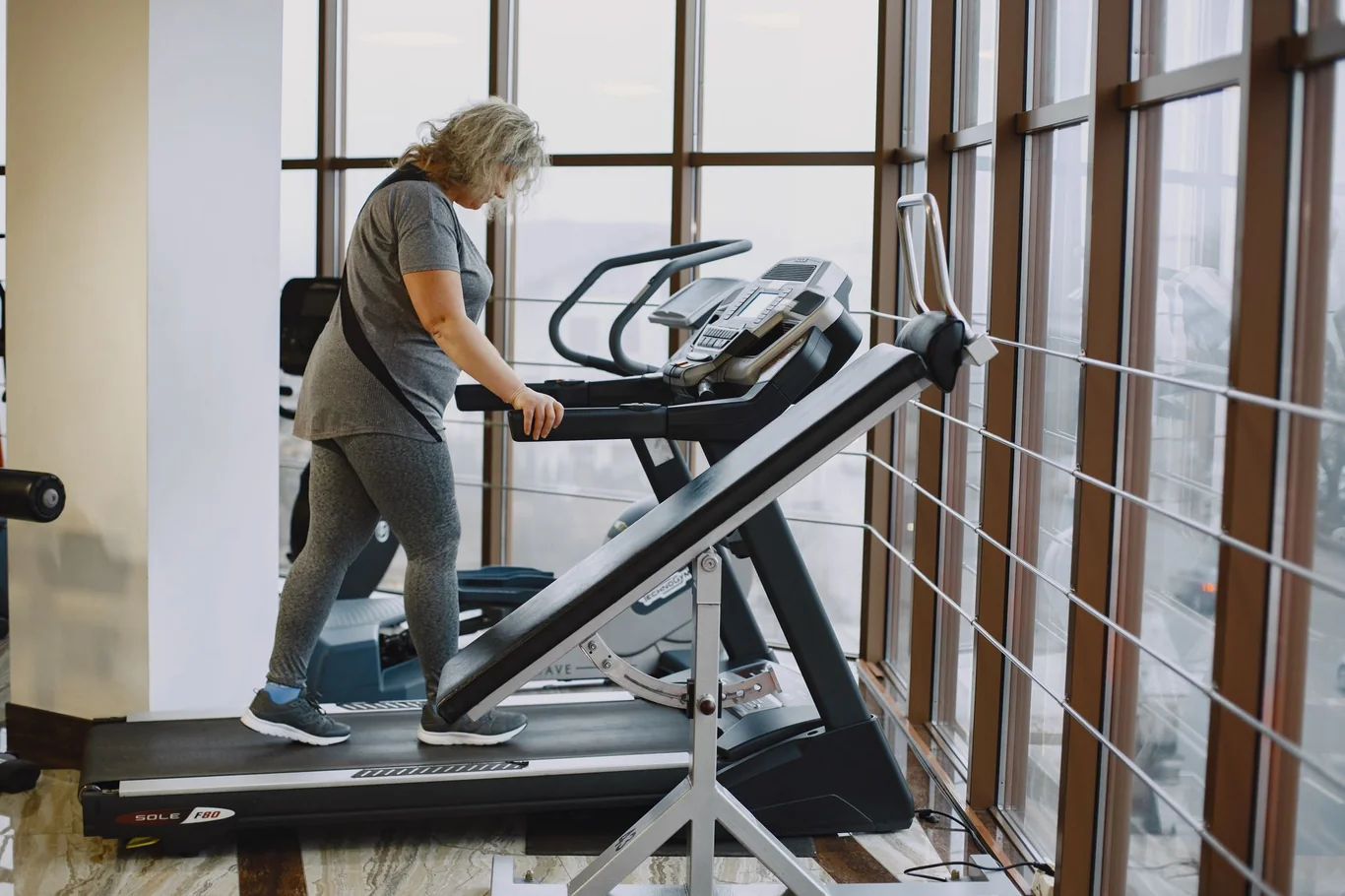
In the seven-machine comparison, 30 recreationally active men with an average age near 42 exercised for 12 minutes on each machine at a rating of 17 on the 6 to 20 perceived-exertion scale, which is "very hard". The treadmill produced the highest energy expenditure, oxygen use and heart rate. The stair climber, elliptical, spin bike, upright bike, rower and recumbent bike followed in that order (1). At that effort the treadmill cost 15.2 kcal per minute, the elliptical 12.8, the rower 11.5 and the recumbent bike 11.1 (1).
The order held at all-out effort, where the treadmill reached 17.4 kcal per minute and the recumbent bike 13.3 (1). At all-out effort the rower did not differ significantly from the upright bike or the recumbent bike (1). Heart rate followed the same order at the very hard effort: about 160 beats per minute on the treadmill against 129 on the recumbent bike (1). The same felt effort therefore gives different heart rates on different machines, so compare a heart-rate zone only within one machine.
The sample limits what this shows. Every participant was a middle-aged man, each bout lasted 12 minutes, effort was set by feel rather than by a fixed speed or wattage, and the machines were chosen because every participant knew them (1). Women, beginners and older adults may rank the machines differently. The order is a guide to relative effort at matched exertion, not a promise of what you will burn.
Individual models are compared in the best treadmill for home guide.
Treadmill - The High-Calorie-Burn Cardio Classic
The treadmill scales from an easy walk to a hard run on a surface that behaves the same every session, so progress is easy to measure with speed or incline. The 2024 Compendium of Physical Activities rates treadmill walking at 3.5 to 3.9 mph at 4.8 METs and running at 6 to 6.3 mph at 9.3 METs (2). At 1 kcal per kilogram per hour for each MET, that is about 330 and about 630 kcal per hour for a 150 lb (68 kg) adult. Models built for incline work are compared in the top incline treadmills guide.
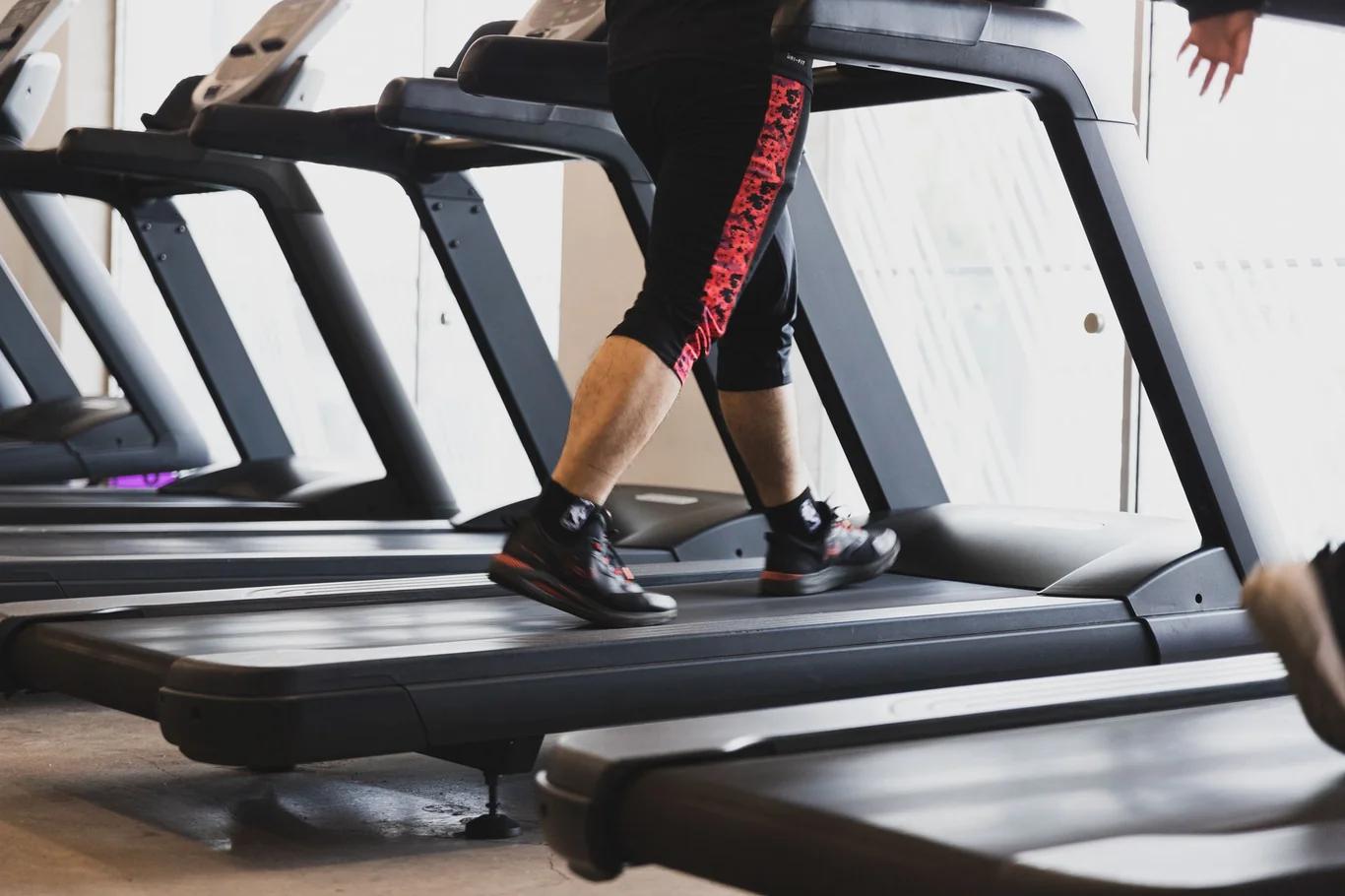
Running is the highest-impact way to use these machines. Jogging, running and stair climbing are classed as high-impact weight-bearing exercise (3). Weight-bearing exercise is the kind that works bone, and in my view running is also the kind that sore knees tolerate least. With knee pain, osteoarthritis or a recent lower-body injury, I would get a clinician's clearance before starting a running plan. How treadmills affect your knees is covered in its own guide.
Who the Treadmill Is Right For
In my judgement the treadmill suits runners who want year-round mileage, people who want the highest energy cost per minute, and anyone who prefers speed and incline as the ways to progress. It asks for lower-body joints that tolerate running. The different types of treadmills are explained in a separate guide.
Raising the incline makes walking harder while you keep walking instead of running. The calorie figures on this page cover level walking and running only, so read an incline session as harder than the walking figure, not as a known number. Wider benefits of the machine are covered in the treadmill benefits guide.
If running hurts but you still want a hard treadmill session, I would try incline walking first and hold the effort to a level you can repeat several times a week. The comparison of incline treadmill versus running has its own article.
Treadmill Calorie Burn and Weight Loss
For weight loss among people who tolerate impact, the treadmill had the highest energy cost per minute at matched effort in the study of 30 men (1). Form and speed choice are covered in how to run on a treadmill.
Speed, incline and weekly frequency for fat loss on a treadmill are covered in the treadmill weight loss guide.
Elliptical - The Low-Impact All-Rounder
The elliptical keeps both feet on the footpads for the whole stroke, so there is no landing phase as in running. Elliptical training is classed as low-impact weight-bearing exercise (3). The path is set by the machine, and a fixed stride path is one proposed reason why the treadmill, where stride length is free, drew more effort at high intensity (1). For people who want a hard session without running impact, it is a practical choice.
Elliptical Calorie Burn and Upper Body Engagement
At a matched, moderate effort the elliptical and treadmill cost similar energy. In 9 men and 9 women, untrained and of college age, who exercised for 15 minutes at a perceived exertion of 12 to 13, oxygen use and energy expenditure did not differ between the machines, while heart rate was higher on the elliptical, about 164 against 145 beats per minute (4). At a very hard effort in 30 men, the treadmill was ahead: 15.2 against 12.8 kcal per minute (1). The two studies differ in people and effort, so a wider gap at hard effort is likely, not proven. The benefits of an elliptical machine are covered in a separate guide.
Most ellipticals add moving handlebars that bring the arms in. The elliptical ranked above the upright bike, the rower and the recumbent bike in the seven-machine comparison, and the authors suggest that using arms and legs together, and standing, is part of the reason (1). Side-by-side detail is in the elliptical vs treadmill comparison.
What the Elliptical Means for Bad Knees
I would pick the elliptical over the treadmill for a knee that dislikes running, because both feet stay on the pedals and there is no landing. It is a lower-impact option, not a proven safe one: no study cited here measured whether an elliptical spares a painful knee, and it heals nothing. Session ideas are in the elliptical workout plans guide.
After knee surgery, with osteoarthritis or with knee pain that is new or getting worse, see a clinician before you choose a machine. In the seven-machine comparison the elliptical cost more energy than the upright and recumbent bikes at the same very hard effort, 12.8 against 11.9 and 11.1 kcal per minute in 30 men (1). Skip it as a first step if standing work itself aggravates the knee; in my view the bike is the better start then. Models are compared in the best elliptical machine roundup, with notes on stride length.
Stationary Bike - for Bad Knees and Rehabilitation
Cycling is not weight-bearing exercise (3), and the saddle carries your body weight. I would make the stationary bike the first machine to try with sore knees, because it takes body weight off the joint and the knee osteoarthritis evidence below is for cycling. That evidence covers knee osteoarthritis only and promises nothing for other knee problems, and pain that is new, sharp or getting worse needs a clinician before any machine.
Research Evidence for Stationary Bike Benefits
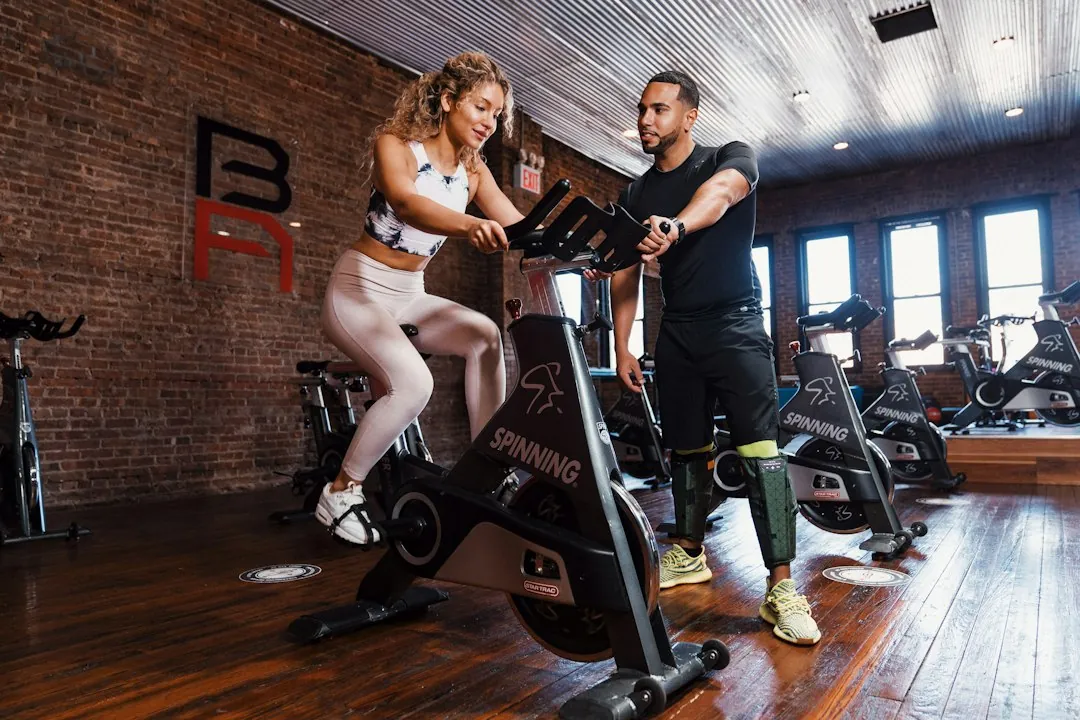
In knee osteoarthritis, a meta-analysis of randomized trials (11 studies found, 724 participants, 8 pooled) found that stationary cycling reduced pain and improved sport function compared with no exercise. It may be less effective for stiffness, daily activity and quality of life (5). In the 10 people with a below-knee amputation and the 10 controls, maximum knee compressive force, extension torque and abduction torque were lowest in cycling and highest in walking (6). That is a measurement in a small sample, not proof that cycling protects every knee.
In adults aged 60 and over, a review of 47 studies (28 randomized trials) found that stationary biking improved aerobic capacity, cycling efficiency, cognition, executive function, quality of life and mobility, each reported in at least five studies (7). In my judgement that makes the bike a reasonable first machine for an adult over 60 who is starting out. For knee problems in particular, our guide covering the best exercise machine for bad knees goes further.
Upright vs Recumbent - Which Stationary Bike Is Better?
An upright bike has you sitting over the pedals with no seat back, so your trunk holds you up, and it is the closer match to outdoor cycling. At a very hard effort in the seven-machine comparison the upright bike cost 11.9 kcal per minute, the recumbent bike 11.1 and the spin bike 12.5 (1). The muscles an exercise bike works are covered in a separate guide.
A recumbent bike has a seat back and a low entry, which in my judgement suits people with lower-back pain, balance limits or a plan for long sessions. It had the lowest energy cost of the seven machines at the same effort (1), so a longer session is the lever if burn matters to you. Who benefits from a recumbent exercise bike is covered in its own breakdown.
| Feature | Upright Bike | Recumbent Bike |
|---|---|---|
| Footprint | Usually smaller | Usually longer, with a seat back |
| Core Engagement | Trunk holds you up | Seat back holds you up |
| Very hard effort, study of 30 men | About 11.9 kcal per minute | About 11.1 kcal per minute |
| Session Comfort | Saddle, no seat back | Wider seat with a back |
| Lower Back Support | None built in | Seat back supports the lower back |
A bike is easy to live with at home: it is usually the smallest of the four machines and has almost nothing to learn. Anyone weighing a bike against a rower can read the best budget rowing machine guide for the rower side.
Stationary Bike for Weight Loss and Fat Reduction
The bike is not the highest-burn machine here. At a very hard effort the spin bike cost 12.5 kcal per minute and the upright bike 11.9, against 15.2 on the treadmill (1). The Compendium rates general stationary cycling at 6.8 METs, about 460 kcal per hour for a 150 lb adult, and a spin class at 9.0 METs, about 610 (2).
Rowing Machine - Full Body Cardio Machine for Home
The rower uses legs, trunk and arms in a single stroke: the legs drive, the trunk swings back and the arms pull. That does not make it the highest-burn machine. At a very hard effort the rower cost 11.5 kcal per minute, lower than the treadmill at 15.2, the stair climber, the elliptical, the spin bike and the upright bike, and higher only than the recumbent bike at 11.1 (1). More muscle working at once does not translate into the highest calorie count.
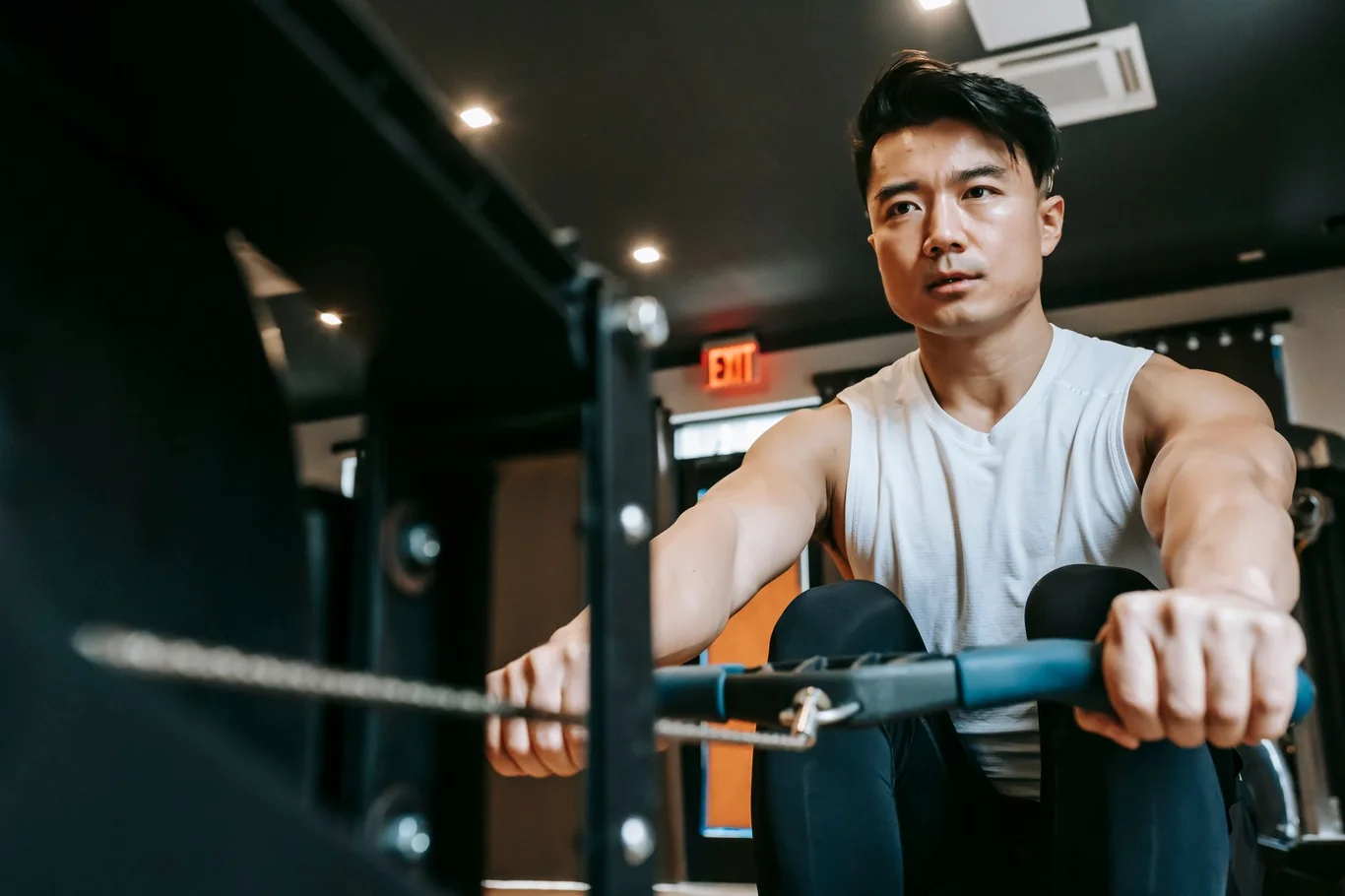
The rower is a seated, sliding movement with no foot strike, though its knee loading has not been measured in the evidence cited here.
Rowing Machine Calorie Burn and Practical Home Use
The Compendium rates stationary rowing by power: under 100 W is 5.0 METs, about 340 kcal per hour for a 150 lb adult; 100 to 149 W is 7.5 METs, about 510; 150 to 199 W is 11.0 METs, about 750 (2). The range is wide because rowing burn follows the watts you hold. Pick a monitor that shows watts, so you know which row you are doing.
Who the Rowing Machine Is Right For
The Concept2 RowErg needs 8 ft by 2 ft assembled, with 9 ft by 4 ft of clear floor to use it, and it separates into two pieces for storage (8). The stroke is a coordinated movement, so I would keep the first sessions easy and add effort only when the sequence feels smooth. Options for new rowers are in rowing machines for beginners.
In my judgement the rower suits people who want leg, trunk and arm work from one machine, are willing to learn a coordinated movement, and have the floor space or a model that stores upright.
- For space-conscious home use, our best compact rowing machine guide covers models with the smallest footprints.
- Foldable options that store vertically are reviewed in our best foldable rowing machine guide.
- Magnetic-resistance models are compared in our best magnetic rowing machine roundup.
Best Cardio Machine for Weight Loss - How Each Machine Compares
Fat loss follows total energy balance over weeks and months, so the machine's job is to let you train at an effort you can repeat. In the seven-machine comparison the treadmill, stair climber and elliptical cost the most energy at matched effort (1). I would not choose a machine because it claims to target belly fat. The question of an elliptical for weight loss is covered in a separate article.
Picking the machine with the highest calorie figure and then skipping it. A gentler machine you use four days a week gives you more than a hard one you avoid.
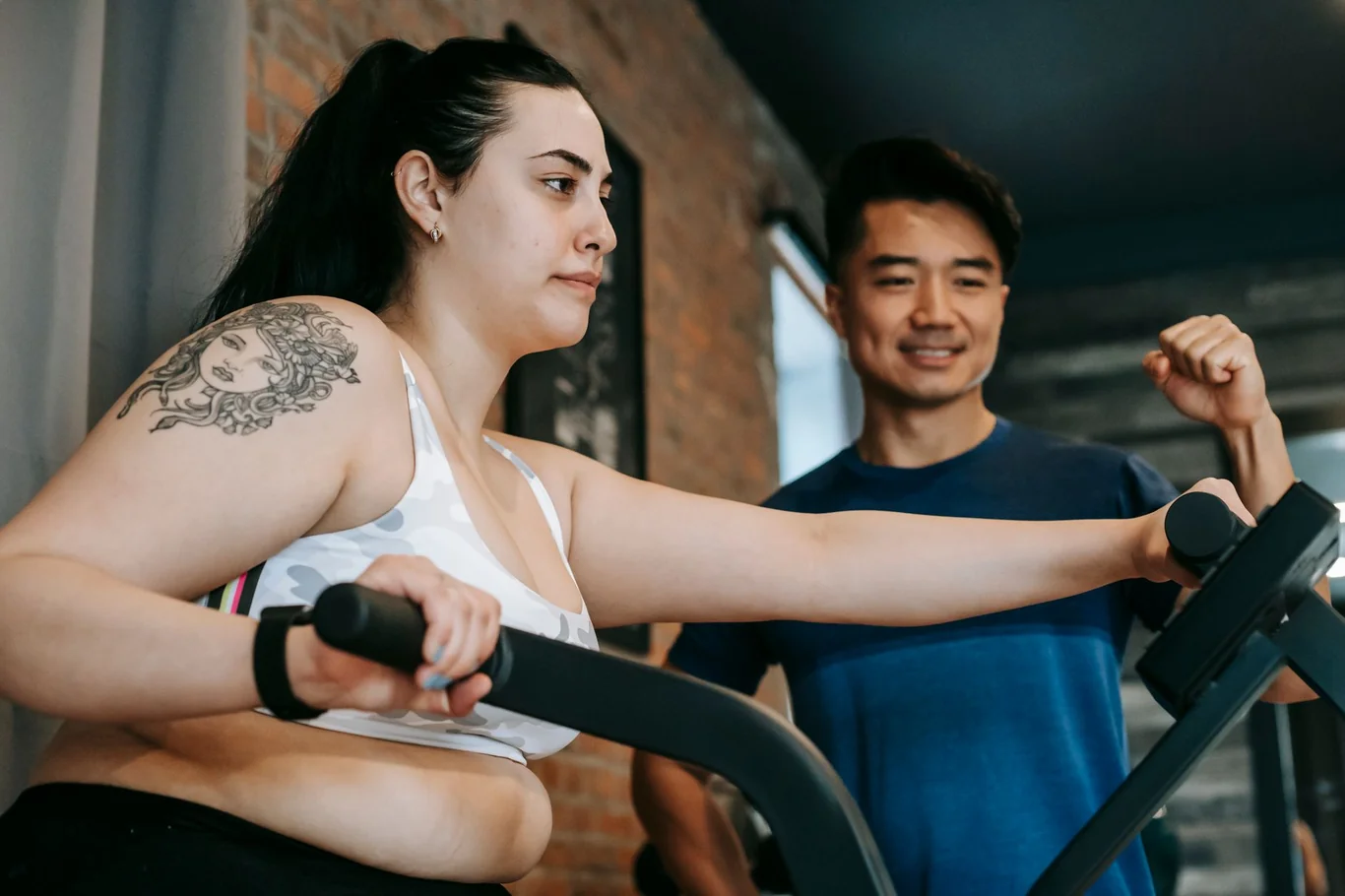
In my view the best cardio machine for weight loss is the one you will use most often within what your joints allow. If your joints tolerate running, the treadmill had the highest energy cost per minute at matched effort in the study of 30 men (1). The elliptical comes next among the low-impact options, and the bike is the easiest to repeat. The table gives about kcal per hour for a 150 lb (68 kg) adult from 2024 Compendium MET values at 1 kcal per kilogram per hour, rounded to the nearest 10 (2), and the study's kcal per minute at a very hard effort. Devices that estimate energy use across these machines are covered in the best calorie tracker guide.
The two sources rank the machines differently in places. The study matched felt effort, while the Compendium sets each figure by speed or watts, so a rower held at 150 to 199 W comes out above running at 6 mph (2), while in the study the rower sat near the bottom. The hourly column is what a pace or power costs; the study column is which machine pays most for the same effort.
| Machine | Calorie Burn (150 lb, per hour) | Impact class | Study, 30 men: kcal per minute at very hard effort |
|---|---|---|---|
| Treadmill | About 330 walking 3.5 to 3.9 mph; about 630 running 6 mph | High-impact when running | Highest: 15.2 kcal per minute |
| Elliptical | About 340 moderate; about 610 vigorous | Low-impact | 12.8 kcal per minute |
| Stationary Bike | About 460 general; about 610 spin class | Not weight-bearing | 11.1 to 12.5 kcal per minute, by bike type |
| Rowing Machine | About 340 under 100 W; about 750 at 150 to 199 W | Seated, no landing | 11.5 kcal per minute |
Best Cardio Machine for Home - Space, Noise, and Setup Compared
Choosing the best cardio machine for home means balancing your goal against floor space and noise. The question of how much a treadmill costs has its own breakdown.
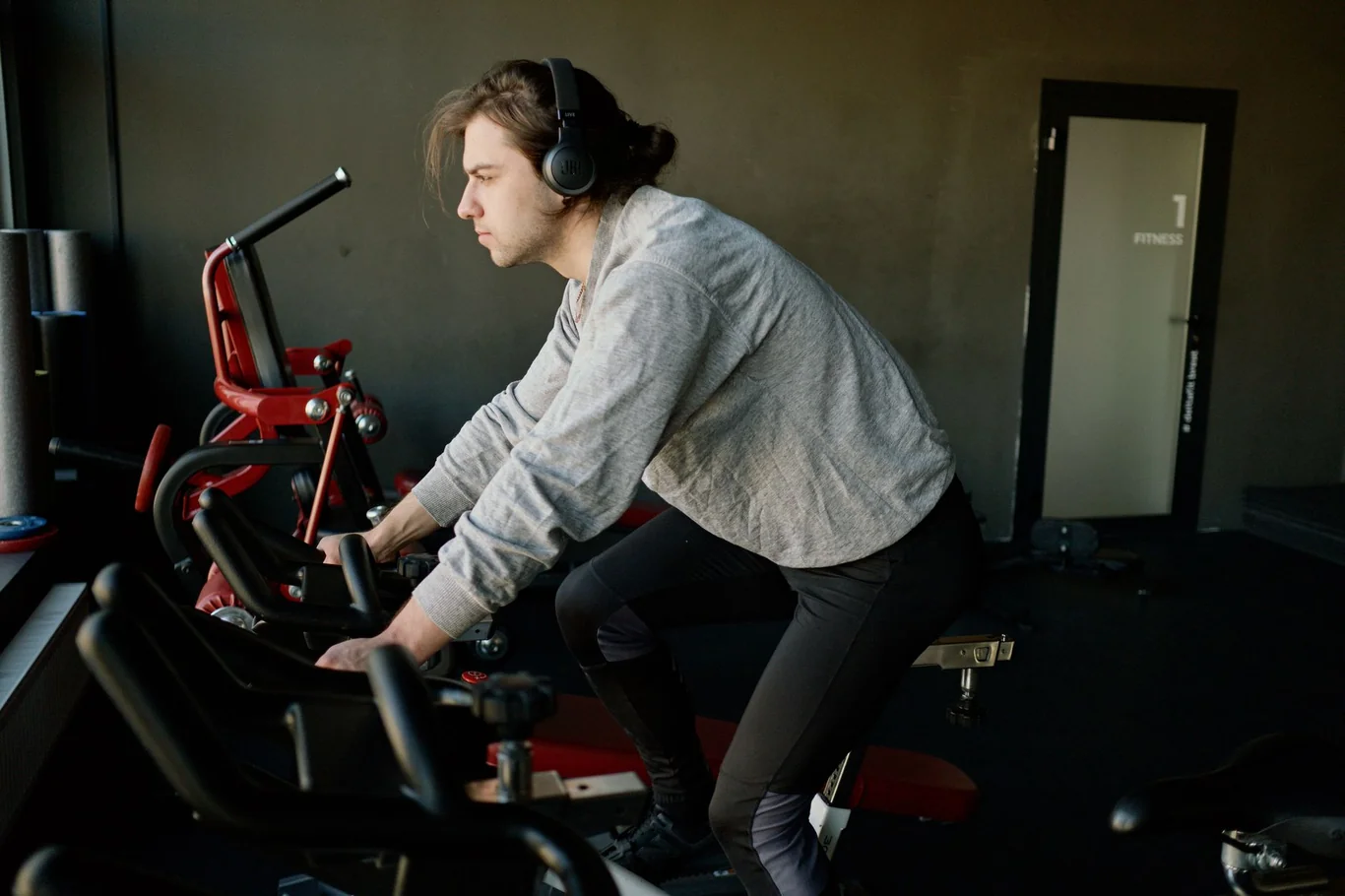
Home Gym Breakdown by Machine Type
Here is how the four compare on space and noise, as my judgement and not as a measurement. The bike is usually the smallest and the simplest to live with. The rower is long in use: the Concept2 RowErg needs 8 ft by 2 ft assembled and separates into two pieces for storage (8). The elliptical is tall as well as long, so check ceiling height. The treadmill usually needs the most floor space and is, in my view, the loudest of the four because of the motor and the footfall. Check each maker's clearance and floor guidance before you buy.
| Machine | Footprint | Noise Level (my rating) | Storage | Skill Required |
|---|---|---|---|---|
| Stationary Bike | Usually the smallest | Usually the quietest | Stays out | Almost none |
| Rowing Machine | 8 ft by 2 ft on a Concept2 RowErg | Usually quiet to moderate | Two pieces on a Concept2 RowErg | Stroke to learn |
| Elliptical | Usually long and tall | Usually moderate | Stays out | Quick to pick up |
| Treadmill | Usually needs the most floor space | Usually the loudest | Many models fold | Low |
Choosing the Right Machine for Your Home
For an apartment or shared walls, I would start with the bike. Skip it if your goal is running fitness or bone loading, since cycling is not weight-bearing. With a dedicated room, any of the four works, and the choice narrows to your goal and your joints.
The authors of the seven-machine comparison add that an exercise people enjoy may help them stick with it, a point their study did not measure (1). Session structure for building the habit is in the treadmill workout guide.
How to Choose the Best Workout Machine for Your Situation
Work through four questions before you decide. What is your main goal: weight loss, joint comfort, full-body conditioning, running training or general fitness? Do you have joint problems? If so, a clinician should clear impact work before a treadmill becomes your main machine, and in my view the bike is the place to start, with options in the top exercise bikes roundup. How much floor space do you have? A small room points to the bike, or to a rower that stores upright. What will you enjoy? In my view, enjoyment is what keeps a routine going.
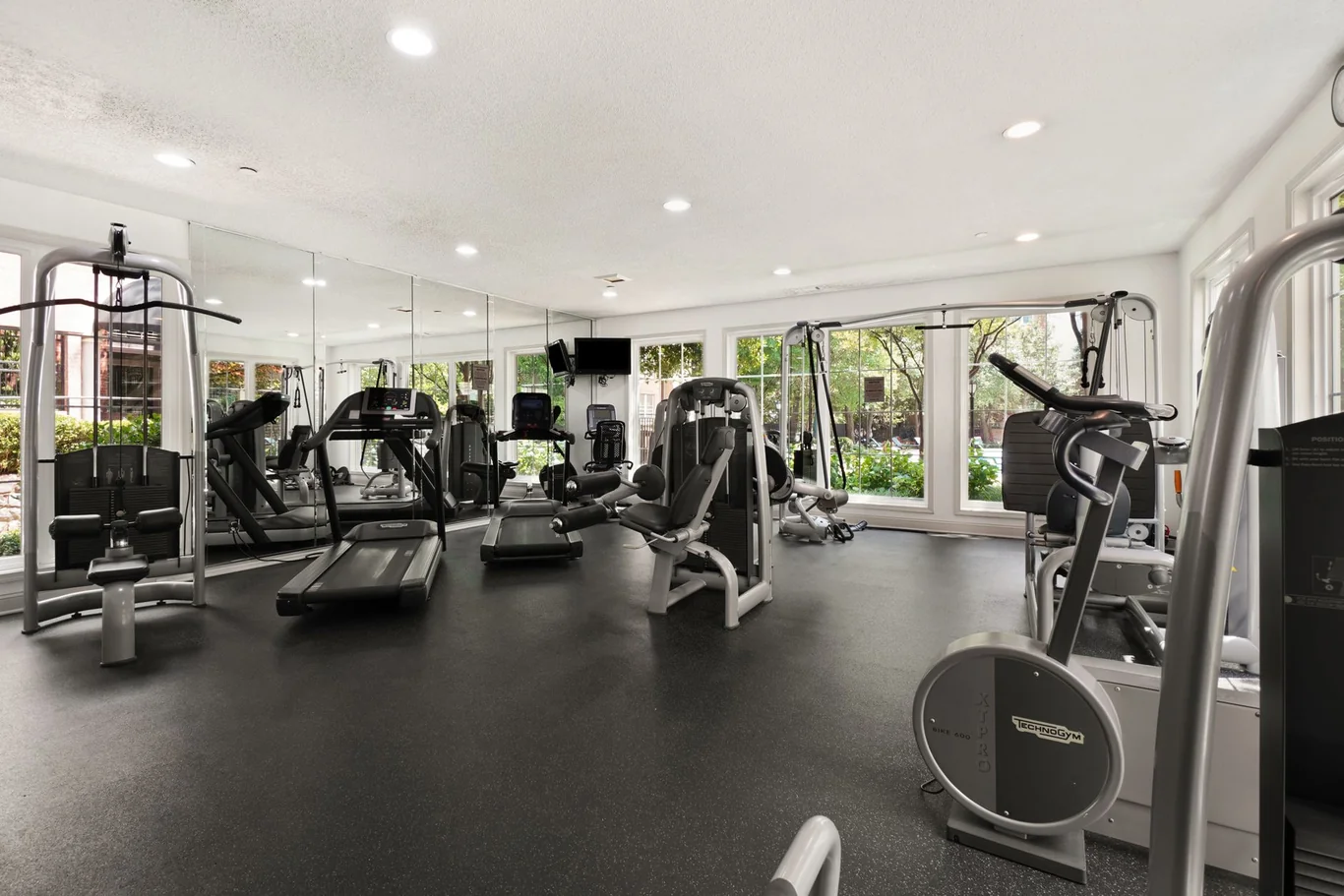
For full-body work at home I would pick the rowing machine, provided you have the floor space and will practise the stroke before pushing hard. In the study of 30 men it cost less energy per minute than the treadmill at the same effort (1). Skip it if the room is short on length or you want a machine with nothing to learn.
The Cardio Machine That Actually Fits You
The best cardio machine is the one you will use consistently, at an effort hard enough to keep improving.
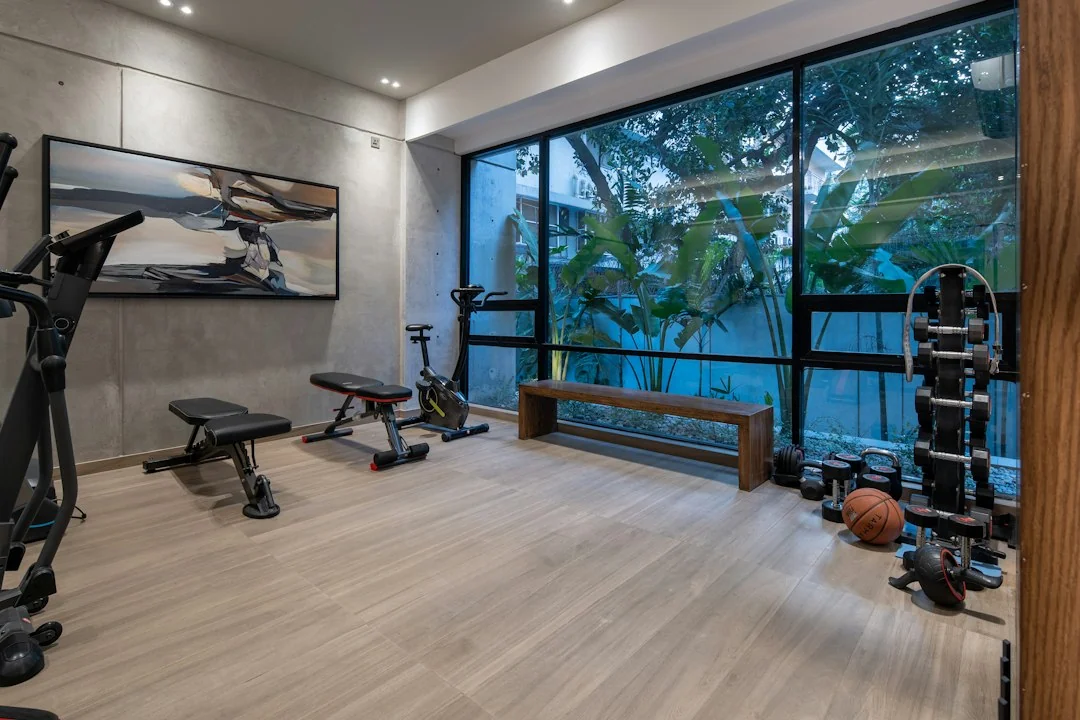
Best Cardio Machine for Weight Loss and Healthy Joints
With healthy joints I would pick the treadmill if you enjoy running, because it had the highest energy cost per minute in the study of 30 men (1). Skip it as the main machine if running leaves your knees or hips sore: the elliptical is the closest low-impact option in that comparison, at 12.8 against 15.2 kcal per minute at a very hard effort (1). I would start with the treadmills category if a treadmill suits you.
Best Cardio Machine for Bad Knees and Joint Issues
For bad knees, I would start with the stationary bike, because it is not weight-bearing (3) and it is the machine here with randomized-trial evidence in knee osteoarthritis (5). That evidence shows less pain than no exercise, not a healed or protected knee, and any knee problem needs a clinician's clearance first. Skip the bike as your only machine if you want bone loading. Once the clinician agrees, the elliptical is a next step that adds the arms (1), though its knee loading has not been measured in the evidence cited here.
Best Home Cardio Machine for Limited Space
For limited space I would pick a stationary bike, because it is usually the smallest of the four machines and needs no technique. Skip it if you train for running or want upper-body work, where a folding treadmill or a rower that stores upright fits better.
The comparison of treadmill versus bike for home use has its own article.
Best Cardio Machine for Full Body Efficiency
For full-body work in the least time, I would pick the rower if you have the space, 8 ft by 2 ft assembled on a Concept2 RowErg (8), and will spend early sessions learning the stroke. It cost less energy per minute than the treadmill in the study of 30 men (1), but it trains legs, trunk and arms in one movement. Skip it if you cannot give it that length or want a machine with nothing to learn. Hard-session options are in rowing machines for conditioning.
Consistent effort over weeks and months matters more than which of the four machines you pick.
Frequently Asked Questions
Which gym machine is best for cardio?
It depends on the goal, because no machine wins on every measure. In 30 recreationally active men at a very hard effort the treadmill had the highest energy cost, followed by the stair climber and the elliptical, with the bikes and the rower lower.
Which is the best cardio machine for home?
In my judgement the stationary bike suits most homes, because it is usually the smallest of the four machines, simple to learn and not weight-bearing. The rower suits people who want full-body work and have the floor space, and a runner is better served by a treadmill.
Which cardio machine burns the most fat?
No study cited here measures fat loss by machine, so the measurable part is energy cost: in one study of 30 men at matched effort the treadmill was highest, then the stair climber and the elliptical. Fat loss also depends on how often you can train, which favors the machine your joints and schedule allow.
Is an elliptical better than a treadmill?
At a moderate matched effort they cost similar energy: in 9 men and 9 women the two did not differ, though the treadmill pulled ahead at a very hard effort in 30 men. The elliptical is the low-impact option, and the treadmill is the machine for running.
 Tech Fitness Lab
Author
Vanja Vukas
I founded Tech Fitness Lab and hold a master's degree from the Faculty of Sport and Physical Education in Novi Sad. I have competed in sport and coached clients, and my writing has appeared on Fitness Volt and BOXROX. I research products from their manuals, spec sheets and warranty terms, and I flag thin evidence.
This content is for informational and educational purposes only. It is not a substitute for professional medical advice, diagnosis, or treatment. Always consult with your healthcare provider before starting any new fitness program or using fitness technology for health monitoring.
References
- Prieto-González P, Yagin FH. Energy expenditure, oxygen consumption, and heart rate while exercising on seven different indoor cardio machines at maximum and self-selected submaximal intensity. Front Sports Act Living. 2024;6:1313886. doi:10.3389/fspor.2024.1313886.
- Herrmann SD, Willis EA, Ainsworth BE, et al. 2024 Adult Compendium of Physical Activities: a third update of the energy costs of human activities. J Sport Health Sci. 2024;13(1):6-12. doi:10.1016/j.jshs.2023.10.010.
- Bone Health and Osteoporosis Foundation. Exercise for your bone health. Bone Health and Osteoporosis Foundation; 2022.
- Brown GA, Cook CM, Krueger RD, Heelan KA. Comparison of energy expenditure on a treadmill vs. an elliptical device at a self-selected exercise intensity. J Strength Cond Res. 2010;24(6):1643-1649. doi:10.1519/JSC.0b013e3181cb2854.
- Luan L, Bousie J, Pranata A, Adams R, Han J. Stationary cycling exercise for knee osteoarthritis: a systematic review and meta-analysis. Clin Rehabil. 2021;35(4):522-533. doi:10.1177/0269215520971795.
- Orekhov G, Robinson AM, Hazelwood SJ, Klisch SM. Knee joint biomechanics in transtibial amputees in gait, cycling, and elliptical training. PLoS One. 2019;14(12):e0226060. doi:10.1371/journal.pone.0226060.
- Akter T, Moneruzzaman M, Maduray K, Kader M. Acceptability and effectiveness of stationary bike intervention on health outcomes among older adults: a systematic review of intervention studies. BMC Geriatrics. 2026;26:130. doi:10.1186/s12877-025-06757-0.
- Concept2. Concept2 RowErg: specifications and space recommendations. Concept2. Accessed November 17, 2026.