
Oura Ring has become one of the most discussed health wearables in fitness and recovery circles. Oura Ring is a titanium smart ring worn on the finger that passively monitors sleep, heart rate variability, body temperature, and activity around the clock, then distills all that data into a single daily Readiness Score. As someone with over 15 years in fitness coaching and a master's degree in physical education, I've examined how this device stacks up against its health-tracking claims. In this guide, I'll walk you through exactly how the ring works, what it tracks, how accurate its data is, and whether the price and membership make sense for your goals.

What Is Oura Ring - A Smart Ring Built Around Recovery
The Oura Ring is not a smartwatch, and treating it as one is the most common source of buyer disappointment I encounter. It is a passive biometric monitoring device worn on your finger, collecting health data continuously throughout the day and night without any screen, notifications, or required interaction. The ring syncs wirelessly to the Oura app on your phone, where raw sensor data is processed into sleep scores, activity scores, and trend charts. If wearables are new to you, I explain what a fitness tracker is and how it works.
Why the Finger Location Improves Measurement Accuracy
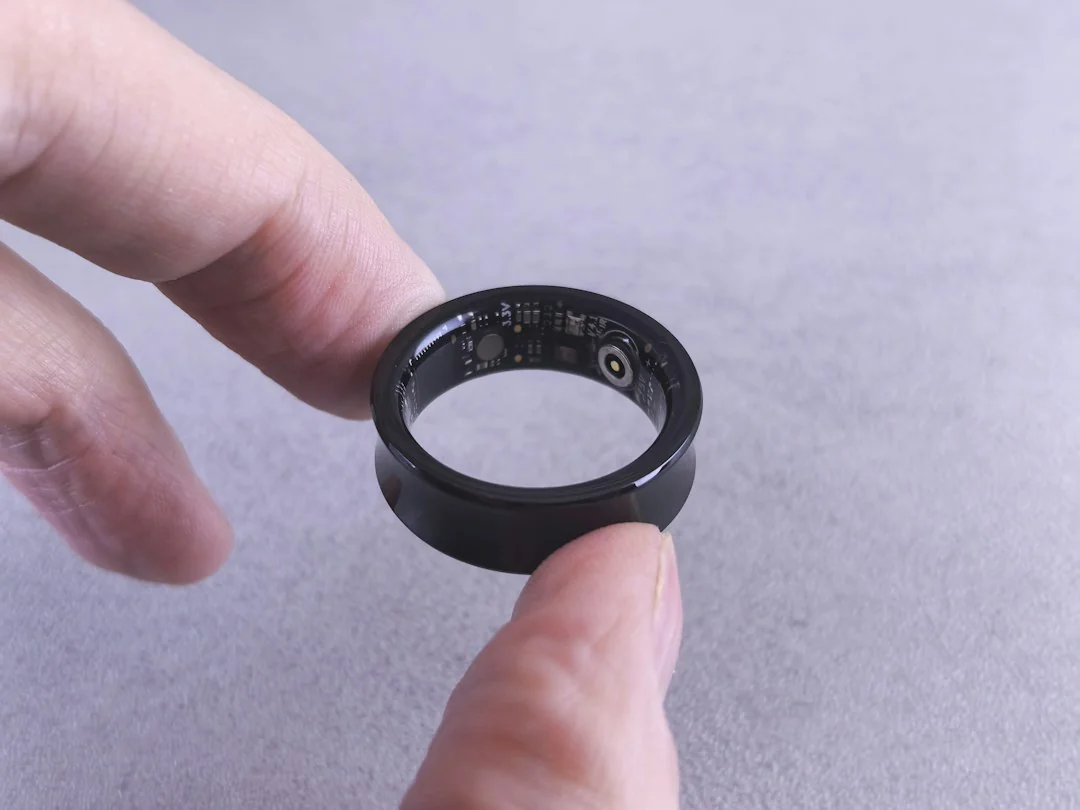
Oura Health, the Finnish company behind the ring, launched its first generation in 2015 on the premise that the finger is a physiologically superior measurement site compared to the wrist. Arteries in the finger sit just 1 to 2 mm beneath the skin surface, compared to 4 to 6 mm at the wrist, giving the ring's optical sensors a cleaner pulse signal with significantly less motion artifact during rest and sleep.
The titanium shell weighs approximately 3 to 5 grams depending on size and generation, making the ring genuinely forgettable during wear. The trade-off is direct: you sacrifice real-time display and workout guidance for stronger signal quality during rest. Before deciding between these approaches, a fitness tracker vs. smartwatch breakdown is worth reading, since the Oura Ring occupies a third category closer to a medical-grade recovery monitor than either conventional device type.
Oura Ring Generations - Gen 3, Gen 4, and Gen 5 Compared
The current active lineup includes the Oura Ring 4 (launched October 2024) and the Oura Ring 5 (launched June 2026). The Oura Ring 3 has been discontinued but remains in widespread use among existing members. Ring sizes do not transfer between generations - upgrading from a Gen 3 or Gen 4 requires a new sizing process using the Oura Ring 5 sizing kit.
Key differences across the active lineup:
- Oura Ring 3: Discontinued, still supported on membership.
- Oura Ring 4: Size range 4-15, battery up to 8 days, 18-channel PPG sensor array.
- Oura Ring 5: Size range 6-13, battery 6-9 days, 12 signal pathway sensor design, exclusive Gen 5 health features. The Oura Ring 5 price sits at a premium over the Gen 4 entry point.
Premium colorway finishes - including the Oura Ring 4 silver and select Gen 5 options - carry a higher price than standard finishes. When weighing the Oura Ring 4 vs 5, note that the Gen 5's narrower size range excludes hands smaller than size 6.
Feature | Oura Ring 4 | Oura Ring 5 |
Size Range | 4-15 | 6-13 |
Battery Life | Up to 8 days | 6-9 days |
PPG Architecture | 18-channel array | 12 signal pathway |
Status | Active | Active |
How Does Oura Ring Work - Sensors and Signal Processing
The Oura Ring collects biometric data through three sensor types embedded in its inner surface: an optical PPG array, a skin temperature sensor, and a 3D accelerometer. Research published in Physiological Measurement found that the ring's PPG sensor achieves whole-night resting heart rate tracking with an r² of 0.996 against simultaneous medical-grade ECG, with a mean bias of just -0.63 beats per minute (1). That level of precision establishes the ring's architecture as genuinely research-grade for nocturnal cardiovascular monitoring.
The PPG Optical Sensor System
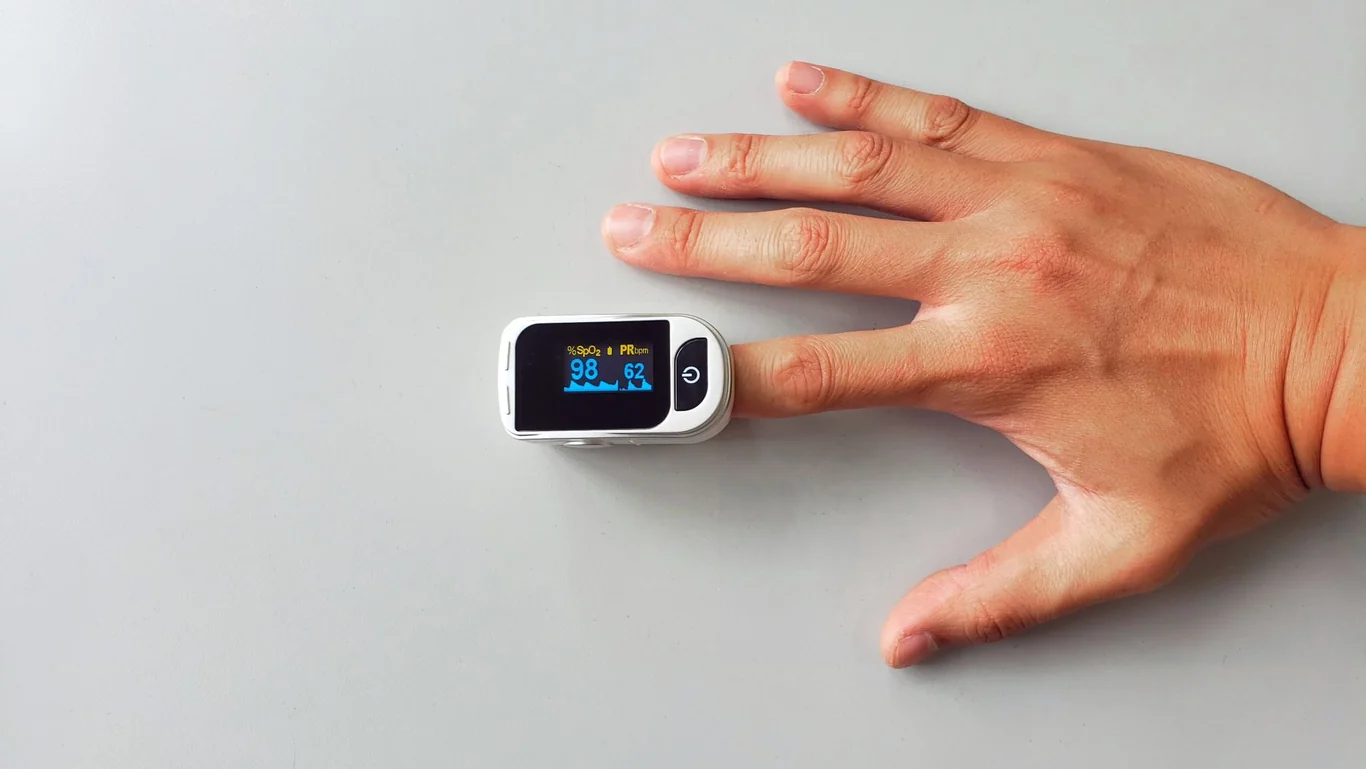
At the core of the ring's accuracy is its photoplethysmography (PPG) system - paired infrared and green LED sensors that detect beat-to-beat changes in blood volume at the fingertip surface. The Gen 4 uses an 18-channel PPG architecture that improves signal consistency across different skin tones, finger sizes, and ring positions. The Gen 5 moves to a 12 signal pathway design with comparable accuracy improvements while enabling the ring's slimmer profile. A comprehensive look at smartwatch heart rate accuracy illustrates why placement matters, and the ring's finger-arterial positioning gives it a structural advantage over wrist-based devices.
From this sensor system, the ring derives:
- Resting heart rate and continuous 24/7 heart rate readings
- Heart rate variability (HRV), specifically rMSSD - the metric used in recovery and autonomic science
- Blood oxygen saturation (SpO2), measured through differential infrared light absorption
- Respiratory rate, derived from breathing-induced changes in PPG amplitude
The manufacturer reports 99.6% accuracy for resting heart rate and 98% for HRV - figures that align closely with the independent peer-reviewed data cited above.
Skin Temperature and Motion Sensing
The NTC (negative temperature coefficient) sensor tracks nightly deviations from your personalized 3-month rolling baseline rather than absolute temperature. A deviation of +0.5°C or more typically signals early illness, sleep disruption, or physiological stress before other symptoms appear. In women, the natural post-ovulation temperature rise of approximately 0.2 to 0.3°C is detectable by this sensor and powers the ring's cycle tracking features.
The 3D accelerometer monitors body movement during sleep and daytime activity. At night, it distinguishes periods of stillness from restless movement and contributes motion data to the sleep staging algorithm alongside PPG and temperature signals. During the day, it tracks steps and estimates activity intensity zones.
What Does Oura Ring Track - All Metrics Explained
The ring condenses dozens of biometric data points into three daily scores covering sleep, activity, and readiness. I break down each category and what the newest generation adds on top of that.
Core Metrics and the Three Daily Scores
The Oura Ring tracks more than 50 individual biometric data points organized into three daily scores: Sleep Score, Activity Score, and Readiness Score. I find the Readiness Score the most practically useful of the three, since it synthesizes overnight recovery data into a single morning number telling you how prepared your body is for demanding training or high-stress cognitive work. If you are weighing a screenless band instead, I explain how the WHOOP band works and what it tracks.
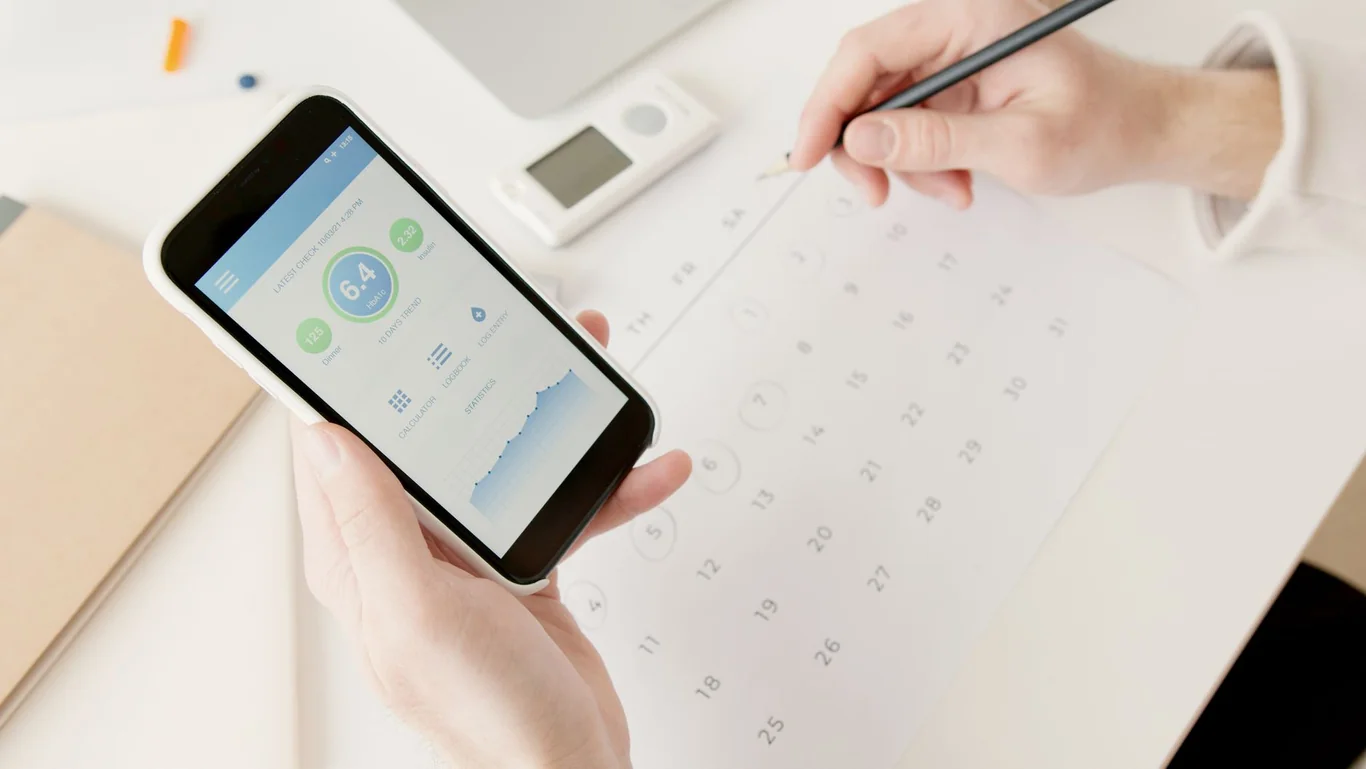
The ring's tracking categories break down as:
- Sleep: duration, efficiency, onset latency, wake-after-sleep-onset, stage breakdown (light, deep, REM), sleep regularity
- Recovery: resting heart rate, HRV (rMSSD), body temperature deviation, Readiness Score (0 to 100)
- Stress and resilience: daytime HRV variability and recovery load balance; the Resilience Score tracks how consistently you recover from physical and psychological stressors over time, giving a medium-term view of adaptive capacity
- Activity: steps, active calories, training frequency, intensity distribution, inactive time
- Respiratory health: respiratory rate, nighttime SpO2, breathing regularity patterns
- Women's health: cycle phase, basal temperature trends, fertile window, predicted ovulation date
The Oura app syncs with Apple Health, Google Fit, Strava, and Natural Cycles, allowing the ring's data to flow into broader health records or training platforms without manual entry. I compare apps, tools, and ways to track workouts in a separate guide.
New in Gen 5 - Exclusive Tracking Features
The Oura Ring 5 introduced several capabilities not found on earlier generations:
- Health Radar - flags unusual deviations across multiple metrics simultaneously
- Blood Pressure Signals - derived estimates (marked as a research feature, not a clinical measurement)
- Nighttime Breathing insights - deeper sleep-time respiratory pattern analysis
- GLP-1 medication tracking - correlates dosing logs with recovery metrics for users on weight management medications
- Live Activity Tracking - real-time workout metrics via the companion app
These features are exclusive to Gen 5 hardware and unavailable on Gen 4 or Gen 3.
Sleep Tracking and Stage Detection
Sleep tracking is the Oura Ring's most scientifically validated and competitive feature. A large independent validation study testing the Gen 3 against polysomnography across 96 participants and 421,045 sleep epochs found REM sleep detection accuracy of 90.6%, deep sleep at 88.6%, and wake/sleep sensitivity of 94.4% (2). Light sleep accuracy came in at 75.5%, consistent with the inherent difficulty of distinguishing light-sleep boundaries without EEG. A separate algorithm study confirmed 79% four-stage sleep classification accuracy when combining PPG, accelerometer, and temperature data, surpassing the approximately 57% seen with accelerometer-only models (3). Users who make sleep quality a training priority will find the roundup of top-rated sleep tracking wearables helpful for comparing how Oura stacks up against WHOOP, Garmin, and Apple Watch.
Sleep Stage | Detection Accuracy |
REM Sleep | 90.6% |
Deep Sleep | 88.6% |
Wake/Sleep Sensitivity | 94.4% |
Light Sleep | 75.5% |
HRV and Daily Readiness Score
Heart rate variability is the metric the Oura Ring is most thoroughly validated for. A 2024 study across 114 participants confirmed high agreement between the ring's PPG-derived rMSSD and simultaneous ECG when an 80% data quality threshold per 5-minute segment is met (4). The ring samples HRV continuously overnight and reports a nightly average alongside a trend line relative to your personal 3-month baseline, which filters out single-night outliers caused by alcohol, illness, travel, or unusual stress. The guide on HRV ranges by age provides population context for understanding where your nightly rMSSD numbers sit relative to your age group.
Activity, Workout, and Calorie Tracking
The Oura Ring tracks daily steps, active calorie burn, and sedentary time through its accelerometer. A systematic review of 158 publications on commercially available wearables confirmed that step counting achieves high correlation with validated reference measures, while energy expenditure estimation shows meaningfully lower validity (5). Step counts from the Oura Ring are reasonably reliable; calorie burn figures carry significant uncertainty and should be treated as directional estimates only. I cover six reliable ways to track steps without a phone in a separate guide.
For dedicated fitness tracking during weight training or high-intensity workouts, a purpose-built fitness watch covers metrics the ring simply cannot capture from a finger. If granular workout calorie data is your priority, a dedicated calorie tracker with exercise modes will serve that need more precisely.
Cycle and Reproductive Health Insights
The ring's temperature sensor enables its Cycle Insights feature by detecting the natural luteal-phase temperature rise following ovulation. A pilot validation study using 22 women over an average of 114 days detected a mean skin temperature differential of 0.30°C between follicular and luteal phases, with ovulation detection sensitivity of 83.3% within a fertile window and menstruation detection sensitivity ranging from 71.9% to 86.5% (6). These are preliminary figures from a small sample, but they establish the biological plausibility of ring-based cycle detection. For women comparing ring-based cycle tracking against dedicated wristband options, the roundup of fitness trackers designed for women covers leading alternatives with comparable reproductive health features.
Oura Ring Price, Sizing, and Membership Cost
Buying the ring is only half the cost equation, since an ongoing membership gates most of the data behind a paywall. Here is how the hardware and subscription pricing break down, along with sizing guidance.
Hardware Price and the Membership Model
The Oura Ring price covers two components: the hardware ring itself and an ongoing membership subscription. I've seen this structure catch buyers off-guard after purchase. Before buying any wearable, I explain what matters when choosing a fitness tracker.
The membership is required for full feature access. Without a paid subscription, the ring continues collecting data, but most analytical value sits behind the paywall. The following features require an active membership:
- Detailed Readiness Score with trend analysis
- Advanced sleep stage breakdown with nightly accuracy reports
- Long-term HRV trends and baseline comparison
- Cycle Insights for reproductive health and ovulation tracking
- Health Radar anomaly monitoring (Gen 5 only)
A simplified health summary remains visible on the free tier, but the ring's core value proposition is inaccessible without a subscription. US residents with HSA or FSA accounts can use pre-tax dollars to purchase both hardware and membership. The Oura Ring 5 price sits at a premium over the Gen 4 entry point. If the first-year combined hardware and membership total feels steep, the roundup of budget fitness tracker alternatives may reveal options delivering comparable sleep and HRV data at a lower combined cost.
Feature | Free Tier | Membership Required |
Readiness Score | Simplified summary | Full score with trend analysis |
Sleep Breakdown | Simplified summary | Advanced stage breakdown with accuracy reports |
HRV Trends | Simplified summary | Long-term trends and baseline comparison |
Cycle Insights | Not available | Full cycle phase and ovulation tracking |
Health Radar | Not available | Gen 5 with active membership |
Ring Sizing and Getting the Right Fit
On sizing: the ring must maintain consistent contact with the inner finger surface for accurate readings. Oura provides a free sizing kit on request - use it, and wear the trial rings for at least 24 hours before ordering, since finger circumference changes with temperature, sodium intake, altitude, and hydration. The Gen 5 size range of 6 to 13 is narrower than the Gen 4's 4 to 15, which excludes users with smaller hands from the latest generation.
Is Oura Ring Worth It - Who Benefits and Who Should Look Elsewhere
The return on investment for the Oura Ring depends almost entirely on your primary tracking goal. Oura Ring reviews from recovery-focused athletes consistently highlight the Readiness Score as the most actionable daily output the device produces, while users who primarily need real-time fitness metrics frequently feel underserved.
Research consistently supports the ring's core capability. A Brigham and Women's Hospital study found it the most accurate of three consumer devices tested for four-stage sleep classification against polysomnography (7). In my own coaching practice, I have worked with athletes who transformed their recovery protocols using the ring's readiness data - and with others who returned it within a month because it did not match their actual needs. For a wrist-based comparison, I look at whether Apple Watches track sleep well enough to trust.
When Oura Ring Is the Right Choice
The ring delivers its best return for people in these situations:
- Recovery-focused athletes who train by HRV data and treat sleep as a primary performance input
- People with demanding or irregular schedules who need an objective daily signal for when to push hard and when to back off
- Sleep-quality prioritizers tracking long-term patterns in latency, stage composition, and overnight breathing
- Women monitoring reproductive health, including cycle phases, fertile window estimation, and hormonal temperature patterns
- Anyone who dislikes wearing a watch to sleep but still wants detailed overnight biometric data
The guide on Zone 2 heart rate training explains how readiness scores can inform your effort distribution across a training week - particularly useful for athletes balancing multiple training stressors.
When a Different Wearable Makes More Sense
The Oura Ring is not the right tool for every user. Consider a different device if your priority is:
- GPS and route data for running, cycling, or outdoor sports - Garmin and Apple Watch cover this; Oura has no GPS
- Real-time workout metrics on a display - the ring has no screen; the Gen 5's Live Activity requires keeping your phone nearby during exercise
- Grip-based training such as deadlifts, barbell work, or rock climbing - the ring must come off, and tracking stops
- Avoiding recurring subscription costs on top of a premium hardware purchase
- A direct smart ring alternative - the Samsung Galaxy Ring targets the same passive monitoring category at a comparable price point
- Tight data privacy preferences - the ring uploads all biometric data to Oura's cloud servers, and users with strict data sovereignty requirements should review Oura's privacy policy before purchasing
For a direct comparison of accuracy across the broader wearables category, the analysis of the most accurate fitness watches available covers how leading devices compare on calories, sleep, and heart rate side by side.
Oura Ring Side Effects and Known Complaints
Most complaints about wearing the ring trace back to fit and habits rather than any flaw in the hardware itself. I cover the physical wear issues users report most often, plus battery and subscription friction.
Physical and Practical Wear Issues
The most common Oura Ring side effects are physical tolerance issues that typically trace back to fit or wear habits rather than the device itself. In my experience reviewing wearable technology, these complaints appear consistently across Oura Ring reviews and user feedback.
The most frequently cited issues are:
- Sizing inconsistency: finger circumference shifts throughout the day with temperature changes, sodium intake, and hydration. Incorrect fit reduces sensor contact against finger arteries and degrades measurement accuracy.
- Moisture trapping: despite the IP68 water resistance rating, water and soap accumulate under the ring during prolonged showers or swim sessions. Trapped moisture causes skin irritation and, in some cases, minor fungal inflammation. Users who swim frequently should evaluate one of the purpose-built waterproof fitness trackers designed to sit flush against the wrist.
- Workout interference: the ring must come off for grip-dependent exercises - deadlifts, pull-ups, kettlebell swings, Olympic lifting, climbing. All biometric tracking stops during those sessions.
Battery Life, Tracking Fatigue, and Subscription Friction
- Battery degradation: advertised battery life of 6 to 9 days (Gen 5) or up to 8 days (Gen 4) shortens noticeably after 18 to 24 months as the lithium-ion cell degrades through charge cycles.
- Tracking fatigue: constant visibility of daily scores can shift attention toward metric optimization at the expense of genuine wellbeing. Setting a weekly rather than daily review cadence is an effective workaround.
- Subscription cost perception: paying a recurring annual membership fee on top of a premium hardware purchase is a common friction point, particularly for users who primarily want basic sleep data that sits on the free tier anyway.
No established medical safety concerns apply to the Oura Ring for healthy adults. Users with pacemakers or implanted cardiac devices should consult their physician before wearing any PPG-based wearable.
Making the Right Call on Your Recovery Wearable
The Oura Ring earns its position at the top of the recovery-tracking category because it delivers on its core promise: research-validated sleep staging, clinically comparable HRV measurement, and continuous skin temperature monitoring in a form factor light enough to forget you are wearing it. If you are comparing wearables, my fitness tracker picks cover steps, sleep, and every goal.
My practical suggestion: request the free sizing kit, engage seriously with the one-month membership trial that comes with every ring purchase, and track whether your Readiness Score actually changes training decisions day to day. If it does, the subscription is worth renewing. If you ignore the score and train the same regardless, the ring is telling you something about the fit between this tool and your goals. For a broader comparison of accuracy across the wearables category, the guide to the most accurate fitness watches available provides context on how the ring stacks up against alternatives.
FAQs
How much does Oura Ring cost monthly?
The Oura Ring membership costs $5.99 per month on a month-to-month plan or $69.99 per year on an annual subscription, which works out to approximately $5.83 per month. The first month of membership comes free with any new ring purchase, and US residents with HSA or FSA accounts can use pre-tax dollars to purchase both the hardware and the membership subscription.
What are the disadvantages of Oura?
The main disadvantages of the Oura Ring are the absence of a screen or GPS, the need to remove it during grip-based exercises, finger size fluctuation that can reduce sensor contact accuracy, and the mandatory membership fee required for full insight access. Battery degradation after 18 to 24 months and the Gen 5's narrower size range of 6 to 13 are additional limitations that affect certain buyers disproportionately.
Why are people ditching Oura rings?
The most common reasons people stop using the Oura Ring include battery failure or degradation after one to two years, frustration with the ongoing membership cost on top of a premium hardware price, and psychological fatigue from constant metric monitoring. Privacy concerns about biometric cloud storage, difficulties reaching customer service for warranty resolutions, and switching to alternatives with stronger fitness-tracking features are also frequently cited factors.
Is the Oura Ring actually worth it?
The Oura Ring is worth it for recovery-focused athletes, sleep-quality prioritizers, and health-conscious individuals who want continuous passive biometric monitoring without a smartwatch. It is not worth it for users who need GPS data, real-time workout metrics on a display, or want to avoid recurring subscription costs, since full feature access requires a paid membership in addition to the hardware purchase price.
Is Oura Ring waterproof?
The Oura Ring is water-resistant rather than fully waterproof, rated to 100 meters (IP68) and safe for showers, swimming, saunas, and most water sports. Despite that rating, water and soap can pool under the ring during extended submersion and cause skin irritation. Scuba diving and continuous submersion beyond 12 hours fall outside the ring's intended use parameters.
This content is for informational and educational purposes only. It is not a substitute for professional medical advice, diagnosis, or treatment. Always consult your healthcare provider before using fitness technology for health monitoring.
References:
1. Kinnunen H, Rantanen A, Kenttä T, Koskimäki H. Feasible assessment of recovery and cardiovascular health: accuracy of nocturnal HR and HRV assessed via ring PPG in comparison to medical grade ECG. Physiol Meas. 2020;41(4):045008. doi:10.1088/1361-6579/ab840a.
2. Svensson T, Madhawa K, Nt H, Chung UI, Svensson AK. Validity and reliability of the Oura Ring Generation 3 (Gen3) with Oura sleep staging algorithm 2.0 when compared to multi-night ambulatory polysomnography: A validation study of 96 participants and 421,045 epochs. Sleep Med. 2024;115:251-263. doi:10.1016/j.sleep.2024.01.020.
3. Altini M, Kinnunen H. The Promise of Sleep: A Multi-Sensor Approach for Accurate Sleep Stage Detection Using the Oura Ring. Sensors. 2021;21(13):4302. doi:10.3390/s21134302.
4. Liang T, Yilmaz G, Soon CS. Deriving Accurate Nocturnal Heart Rate, rMSSD and Frequency HRV from the Oura Ring. Sensors. 2024;24(23):7475. doi:10.3390/s24237475.
5. Fuller D, Colwell E, Low J, et al. Reliability and Validity of Commercially Available Wearable Devices for Measuring Steps, Energy Expenditure, and Heart Rate: Systematic Review. JMIR Mhealth Uhealth. 2020;8(9):e18694. doi:10.2196/18694.
6. Maijala A, Kinnunen H, Koskimäki H, Jämsä T, Kangas M. Nocturnal finger skin temperature in menstrual cycle tracking: ambulatory pilot study using a wearable Oura ring. BMC Womens Health. 2019;19(1):144. doi:10.1186/s12905-019-0844-9.
7. Robbins R, Weaver MD, Sullivan JP, et al. Accuracy of Three Commercial Wearable Devices for Sleep Tracking in Healthy Adults. Sensors. 2024;24(20):6532. doi:10.3390/s24206532.