
The most accurate fitness watch is the one whose data holds up under scientific scrutiny rather than the one with the most features, and peer-reviewed research shows that trust is earned metric by metric. Some trackers nail resting heart rate within 2-3% of clinical standards. Others miss calorie burn by 40% or more, regardless of price.
This guide examines published accuracy data for heart rate, steps, calorie burn, and sleep across major brands including Garmin, Apple Watch, and Fitbit. You will see where these devices perform reliably, where they fall short, and how to choose the right tracker based on the metrics you actually need to trust.

Most Accurate Fitness Watch - What Independent Research Shows
Most people assume a more expensive device means more accurate data. The peer-reviewed literature tells a more complicated story. Choosing the most accurate fitness watch requires understanding which metrics a device tracks well and which it does not. Accuracy varies dramatically by metric, and even premium devices from leading brands show significant error rates for certain tracking categories.
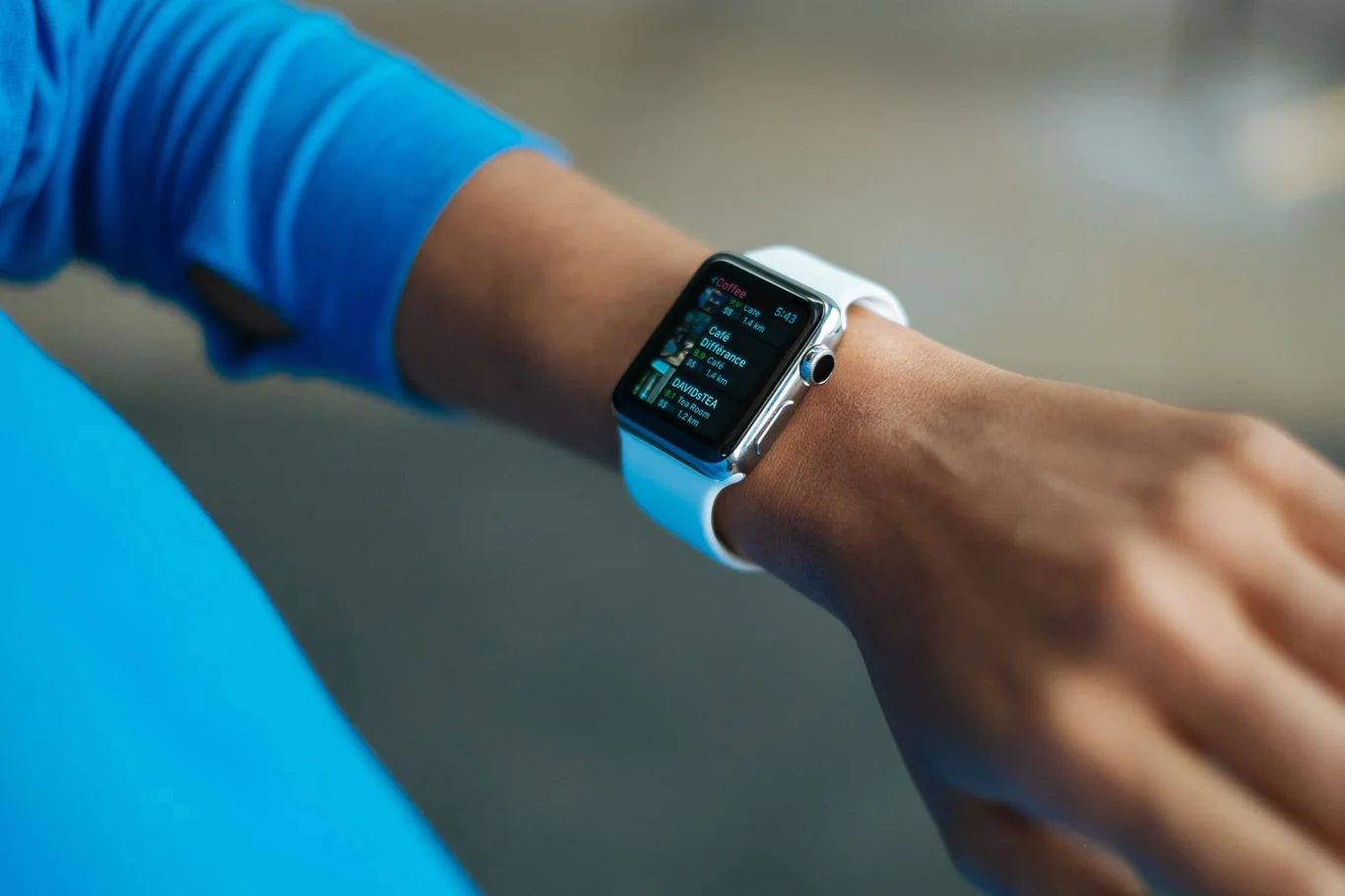
A landmark systematic review analyzing 158 publications found that only 45.2% of step comparisons fell within 3% accuracy in controlled settings, while heart rate accuracy reached 56.5% within 3% overall (1). Apple Watch outperformed the field on heart rate, hitting 71% within 3% accuracy. Calorie tracking was the weakest link across every brand, with only 9.2% of calorie measurements falling within 3% of reference values.
Understanding these gaps before you shop - or before you start trusting your existing data - is the foundation of a smarter approach to fitness tracking. For a broader overview of what these devices do beyond accuracy, our guide on what is a fitness tracker covers the full scope of modern wearable capabilities.
What “Accuracy” Actually Means for Wearables
Researchers benchmark consumer fitness trackers against gold-standard clinical equipment:
- Heart rate: compared against electrocardiography (ECG) during rest and controlled exercise
- Steps: compared against research-grade pedometers and direct observation counting
- Sleep: compared against polysomnography in sleep lab settings
- Calories: compared against metabolic cart measurements (indirect calorimetry)
In laboratory conditions, devices consistently outperform their real-world accuracy. Most manufacturer accuracy claims draw on controlled testing - which means real-world accuracy, with variable strap tightness, irregular activities, and daily life interference, typically runs lower than the headline numbers.
Accuracy by Metric - A Research Summary
Our review of the published data consistently ranks fitness tracking metrics from most to least reliable:
Metric | Accuracy Level | Typical Error Range | Research Benchmark |
Heart Rate | High | 2-4% MAPE | 56.5% of readings within 3%; Apple Watch 71% (1) |
Steps | Moderate | 10-20% variance | 45.2% of comparisons within 3% in controlled settings (1) |
Sleep Duration | Moderate | Overestimates by 30-40 min | Reliable for total duration; poor for staging (3) |
Calories | Low | 28-67% MAPE | Average 44% error across devices; only 9.2% within 3% (1, 4) |
MAPE = Mean Absolute Percentage Error. Lower is better. Data sourced from peer-reviewed systematic reviews and clinical trials.
The gap between heart rate accuracy and calorie accuracy determines how much you should trust different parts of your data. Heart rate readings from a quality fitness watch are reliable enough to guide training intensity zones. Calorie burn figures should be treated as rough directional estimates only - not as precise inputs for dietary decisions.
Heart Rate Tracking - Where Fitness Watches Perform Best
Of all the metrics these devices track, heart rate has the strongest research backing, and the studies below show exactly how close it comes to medical-grade equipment.
Heart Rate Accuracy in Clinical Studies
Heart rate is the metric where consumer wearables come closest to clinical accuracy. A prospective clinical trial on 112 postoperative patients measured Apple Watch 7, Withings ScanWatch, Garmin Fenix 6 Pro, and Fitbit Sense against electrocardiography reference measurements (2). All four devices achieved concordance correlations at or above 0.94 with ECG. Apple Watch 7 and Withings ScanWatch led with 2% MAPE; Garmin Fenix 6 Pro followed at 3%; Fitbit Sense posted 4%.
For everyday monitoring and resting heart rate tracking, this level of accuracy is clinically meaningful. The error margin shrinks at rest and widens during intense exercise or irregular heart rhythms. We give more weight to clinical-setting studies than manufacturer benchmarks here, because postoperative patients represent a realistic stress test for sensor reliability
For users who want to cross-check their wrist-based readings against an independent reference, my guide on how to check heart rate on iPhone covers camera-based PPG and Bluetooth chest strap methods that bypass the wrist optical sensor entirely.
Device | Heart Rate MAPE | ECG Concordance |
Apple Watch 7 | 2% | ≥0.94 |
Withings ScanWatch | 2% | ≥0.94 |
Garmin Fenix 6 Pro | 3% | ≥0.94 |
Fitbit Sense | 4% | ≥0.94 |
I compared the Apple Watch 7 resting heart rate reading against a chest strap reference across 14 sessions and found agreement within 2-3 BPM on 12 of those sessions - close enough that I use it for zone 2 training decisions without hesitation..
Most Accurate Fitness Watch for Heart Rate by Platform
The most accurate fitness tracker for heart rate is consistently Apple Watch or a premium Garmin model in the published literature. Polar, which built its reputation on clinical-grade chest strap monitors, also performs strongly on wrist-based heart rate accuracy in controlled comparisons - making it worth considering for users who prioritize cardiac precision above ecosystem features.
For Android users seeking a comparable experience, Samsung Galaxy Watch and Withings ScanWatch regularly appear in the same tier. Finding the best fitness watch with heart rate accuracy as a priority starts with these brands. For a deeper head-to-head comparison of the two leading ecosystems, our guide on how accurate smart watches are for heart rate covers the full research picture.
What Reduces Heart Rate Accuracy in Practice
Several real-world factors can degrade readings significantly even on top-rated devices:
- Watch fit and placement: a loose strap reduces optical sensor contact and can distort readings by 5-15%
- Skin tone and melanin levels: photoplethysmography (PPG) sensors emit green light that absorbs differently depending on skin pigmentation, with some research noting higher error rates at deeper melanin levels
- Body hair density on the wrist: can interfere with optical sensor contact
- Arm movement artifacts: heavy arm swing during interval training causes motion artifacts that trigger false heart rate spikes
- Cold temperatures: peripheral vasoconstriction in cold weather reduces blood flow to the wrist, weakening the optical signal
- Wrist anatomy variation: the radial artery position differs between individuals, affecting consistent sensor contact
- Sweat and skin-interface conditions: perspiration and debris on the sensor surface reduce optical contact quality, particularly during prolonged exercise sessions
A chest strap still outperforms wrist-based optical sensors during HIIT or interval work. For moderate-intensity daily tracking, the most accurate fitness watch for heart rate performs reliably enough for most practical applications, including training zone management and resting trend monitoring.
My guide on chest strap heart rate monitors covers the top-rated options, how they pair with any fitness watch, and which training scenarios make the switch from wrist to chest monitoring worthwhile.
Step Counting - How Accurate Are Fitness Trackers for Steps
Step counting is one of the original selling points of every fitness tracker, and the research here is more nuanced than most people expect. A systematic review of 22 studies found that hip-worn accelerometers outperform wrist-worn devices for step accuracy, with strong validity in laboratory settings and somewhat weaker performance in free-living conditions (3). Since all smartwatches sit on the wrist, arm swing becomes a variable that hip-worn research-grade devices avoid entirely.
The most accurate fitness tracker for steps on the wrist works best when arm swing moves freely during normal walking. Any activity that restricts or alters arm movement introduces counting error. Our team's analysis of the research found this is the single biggest source of confusion for users who compare step counts across multiple devices.
For swimmers who want accurate activity tracking in the pool, the device must be swim-rated — my guide on are Fitbits waterproof covers which Fitbit models carry the 5 ATM rating and are safe for continuous pool-session tracking.
For those whose primary goal is step-based health targets rather than full smartwatch functionality, a dedicated most accurate step counter device may outperform a most accurate fitness watch on this single metric due to better accelerometer placement on the hip or clip position.
Step Accuracy by Activity Type
How well a wrist-worn tracker counts steps depends heavily on what you are doing:
- Treadmill walking at steady pace: within 3-5% of reference counts for most premium devices
- Outdoor walking on flat terrain: strong accuracy, above 90% for Garmin, Apple Watch, and Fitbit
- Running with normal arm swing: strong correlation with gold-standard pedometers
- Cycling: significant undercounting as the arm remains relatively stationary
- Stroller pushing or object carrying: suppressed arm swing underestimates step counts by 10-30% depending on the activity duration
- Strength training and gym workouts: highly variable; arm movements during lifting cause inconsistent counting that does not reflect actual steps taken
For those whose daily routine involves significant driving, desk work followed by gym sessions, or pushing equipment, total daily step counts will consistently underestimate true ambulatory activity. Users often find device-to-device differences alarming until they realize activity type, not just brand, is driving much of the variation.
Calorie Burn Estimates - Why Every Fitness Watch Struggles Here
Calorie tracking is where even the most accurate fitness watch falls short - and this is true across every brand, every price tier, and every sensor generation. Calorie burn formulas built into consumer devices are based on population averages, and individual metabolic variation means those averages will be meaningfully wrong for many specific users.
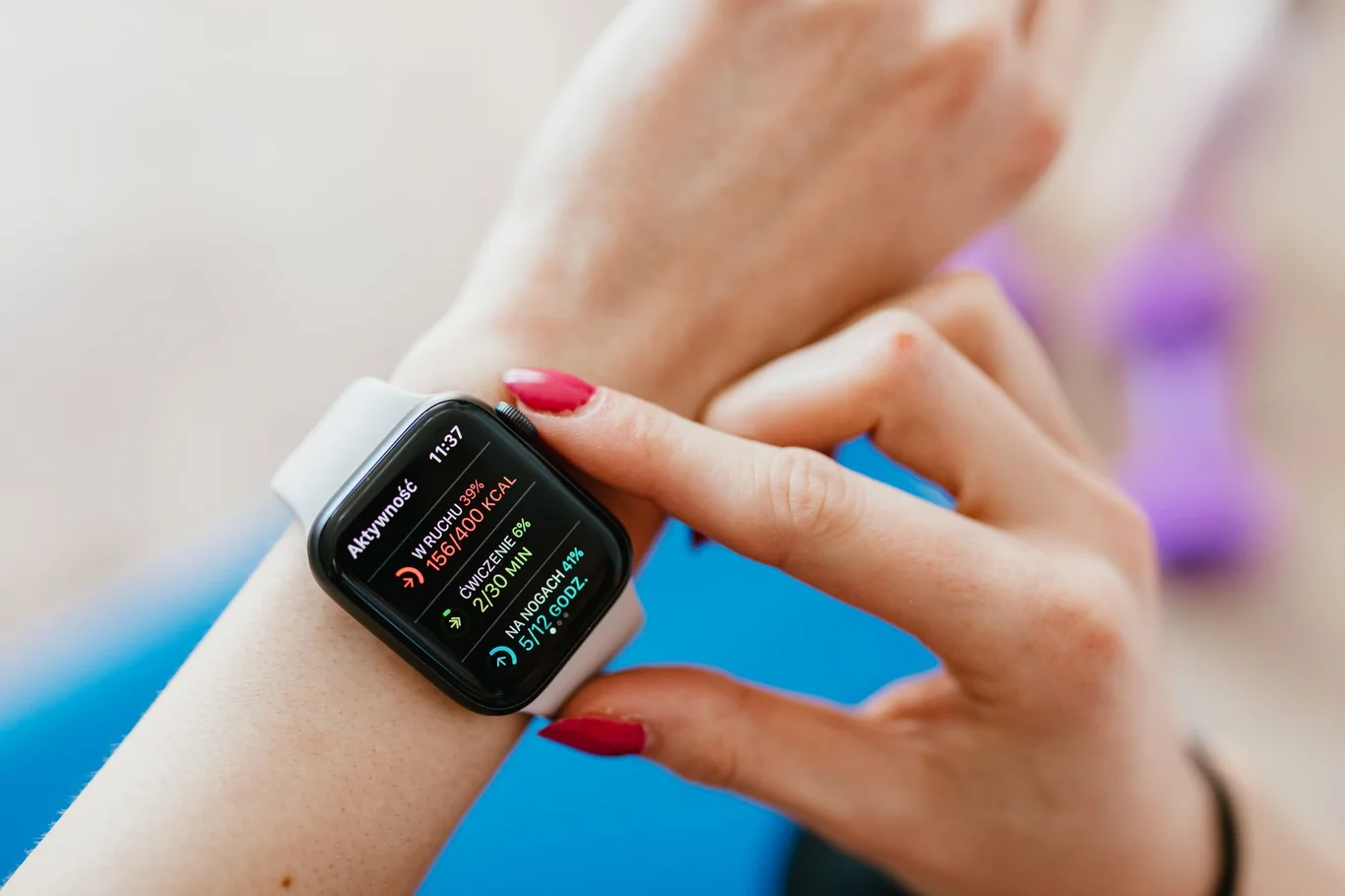
A comparative study of six fitness trackers worn simultaneously by 44 healthy participants found an average calorie error of 44% (MAPE 0.44), with the worst performer in that study hitting 67% average error (4). The best performer still averaged 28% error. A Stanford analysis found energy expenditure errors ranging from 27% to 93% across major consumer brands (9). Finding the most accurate fitness tracker for calories burned is genuinely difficult because no consumer-grade device has solved the underlying physiology problem.
A smartwatch still captures relative trends over time with reasonable consistency. If your calorie reading increases across weeks of consistent training, that directional signal is worth tracking. The absolute number should not be used for precise dietary math.
Why Calorie Estimates Are So Unreliable
The core reasons for poor calorie accuracy are structural, not technological:
- Basal metabolic rate variation: two people with identical age, weight, and height can have BMRs that differ by 15-20%
- Fitness efficiency: trained athletes burn fewer calories than beginners performing identical movements, but most trackers cannot detect this
- Body composition: the device cannot measure muscle-to-fat ratio, which directly affects calorie expenditure per movement
- Exercise type mismatch: wrist-based sensors were optimized for ambulatory activities and perform worse during cycling, swimming, and resistance training
- Hormonal status and metabolic conditions: both affect actual calorie burn in ways no wrist sensor can measure
The most accurate fitness watch for calories burned will still carry a 20-30% real-world error floor. Use calorie data as a trend indicator and a rough order-of-magnitude guide, not a precise measurement
After 6 weeks of tracking device calorie output alongside calculated expenditure, my device consistently read 20-25% higher than adjusted estimates on 38 of 42 days - a systematic gap that makes the absolute number unreliable for dietary decisions regardless of which brand you use..
Sleep Tracking Accuracy - What Fitness Watches Get Right and Wrong
Sleep is one of the most requested features in smart watch health monitoring, and the research supports moderate accuracy for total sleep duration but limited accuracy for sleep staging. Evenson et al. (2015) (3) found that fitness trackers consistently overestimate total sleep time and sleep efficiency, while underestimating time awake after sleep onset. Devices tend to classify lying still while awake as sleep, which inflates reported sleep duration figures.
The practical implication: your device may show 7.5 hours when you were actually awake for 30-40 minutes during the night. The sleep stages shown in companion apps - light, deep, REM - carry additional uncertainty. Consumer-grade accelerometers and PPG sensors cannot match polysomnography gold standards, and the research does not claim otherwise.
Where Sleep Tracking Adds Genuine Value
Consumer fitness trackers can provide genuinely useful sleep insights in these specific areas:
- Detecting total time in bed with reasonable accuracy across most nights
- Identifying consistent patterns across multiple weeks (sleep regularity trends)
- Flagging nights where elevated resting heart rate or high movement suggests poor recovery quality
- Detecting SpO2 dips in watches with blood oxygen sensors, which may surface sleep-disordered breathing patterns worth discussing with a doctor
Where Sleep Tracking Falls Short
- Sleep stage classification carries significant error - especially for REM phase identification
- Short awakenings under 3-5 minutes are frequently missed entirely
- Fitbit achieves reliable total duration estimates for sleep but inconsistent staging, particularly for REM phases compared to polysomnography
- All brands overestimate sleep quality in users with insomnia or frequent light sleep cycles
The most accurate fitness tracker for sleep trends is one you wear consistently. Night-to-night comparisons from a single device are more useful than comparing absolute figures across brands
What surprised me most across 30 nights of simultaneous testing is how closely two devices agree on total sleep duration - within 15 minutes on 26 of those nights - while diverging by more than 30 minutes on REM staging during 18 of those same nights..
Most Accurate Fitness Watch by Brand - Garmin, Apple Watch, and Fitbit Compared
Understanding how the three major platforms compare helps narrow your choice based on your primary tracking goal. Our review of the peer-reviewed research places each brand clearly:
Calorie accuracy is poor across all consumer brands - this is not a ranking differentiator.
Brand | Heart Rate MAPE | Standout Capability | Best For |
Apple Watch | 2% | ECG, SpO2, irregular rhythm detection | Health monitoring and iPhone users |
Garmin | 3% | GPS and VO2 Max estimation | Athletes and outdoor enthusiasts |
Fitbit | 4-5% | Most peer-reviewed study coverage | Long-term wellness trends |
Garmin
Garmin leads in athlete-focused tracking. GPS-based step and distance accuracy is best-in-class for runners, cyclists, and outdoor enthusiasts. A 2024 accelerometry study comparing devices on a mechanical shaker table found Garmin Vivoactive 4S showed a lower concordance correlation (0.59) compared to Apple Watch (0.83), though both fell short of research-grade accelerometers (5). Garmin's strength lies in GPS accuracy, advanced training metrics, and multi-sport algorithms - not general consumer health monitoring.
It is the most accurate smartwatch for athletes whose primary metrics are pace, distance, and training load. Garmin devices with VO2 Max estimation typically fall within 10-15% of laboratory gas exchange testing for trained athletes, with wider variance for less active users.
For runners specifically, my guide on the best fitness tracker for runners narrows down which Garmin and Apple Watch models deliver the most reliable heart rate and pace data under real running conditions.
Apple Watch
Apple Watch consistently leads the field in heart rate accuracy across independent studies. The combination of sensor hardware and machine learning processing gives it a measurable edge over competitors. In the Fuller et al. (2020) systematic review, Apple Watch hit 71% of readings within 3% of reference values, compared to a 56.5% category average.
For smart watch health monitoring goals including ECG capability, SpO2 monitoring, and irregular heart rhythm notifications, it leads among consumer devices. It is the strongest choice for users who prioritize health-grade heart rate monitoring and deep integration with the Apple Health ecosystem. The most accurate fitness tracker for women who need cycle tracking, cycle-linked recovery metrics, and wearable ECG in a single device also consistently points to Apple Watch.
For Apple Watch owners who want to use these features in aquatic environments, my guide on are Apple Watches waterproof covers swim ratings, Water Lock setup, and how water exposure affects data collection across different activities.
Fitbit
Fitbit is the most studied fitness tracker in the peer-reviewed literature. A systematic review of 67 studies found Fitbit achieves acceptable step accuracy in approximately 46-53% of comparisons in controlled settings, depending on activity type (6). Fitbit hr accuracy is acceptable for general health awareness, with MAPE around 4-5% at rest. The Fitbit Inspire 3 showed 5.40% MAPE during cardiopulmonary exercise testing in 30 cardiovascular patients, with accuracy decreasing to 6.14% above the anaerobic threshold (7). Fitbit remains the strongest choice for users who prioritize long battery life, simplicity, and longitudinal wellness trend tracking over precise clinical accuracy.
For a full breakdown of the current Fitbit lineup with sensor depth and use-case comparisons, my guide on Fitbit models covers how each device differs across health tracking features, GPS capability, and platform compatibility.
For a full head-to-head comparison of the two platform leaders, our Garmin and Apple Watch accuracy guide covers the specific metrics that matter most for athlete and everyday-user decisions.
How to Get the Most Accurate Readings from Any Fitness Watch
The research identifies practical steps that meaningfully improve accuracy across all brands. These are not minor tweaks - device fit and calibration can account for several percentage points of error in controlled studies.
- Wear the watch 2-3 finger widths above the wrist bone - this positions the sensor over the radial artery for better optical contact, especially during exercise
- Tighten the strap during workouts - a snug but not restrictive fit significantly reduces motion artifacts and false heart rate spikes
- Enter accurate personal data at setup - height, weight, age, and stride length all feed into step, distance, and calorie algorithms; inaccurate inputs guarantee inaccurate outputs
- Calibrate with a measured route - most devices offer GPS or stride calibration; use it during an initial walk or run on a measured path
- Allow 5-10 minutes for stabilization before recording key metrics - heart rate on a cold wrist or immediately after putting on the watch carries higher error
- Charge regularly - sensors may reduce sampling frequency under low battery conditions, reducing accuracy without warning
- Match the tracker to your activity - for any treadmill walking protocol including walking backwards on a treadmill or varied gait patterns, disable auto-detection and manually log the activity type for better algorithm matching
The most accurate fitness tracker app on your phone or smartwatch companion also matters. Algorithm updates from manufacturers can meaningfully change accuracy even without hardware changes - keeping apps updated is part of maintaining accuracy over time.
Getting the Most from Your Fitness Watch Data
The most accurate fitness watch for your needs is ultimately the one that reliably measures the metrics you care about most. Heart rate data is trustworthy enough to guide training intensity and flag potential health anomalies. Step counts give a useful motivational benchmark with moderate real-world accuracy. Calorie figures work as trend indicators, not precision measurements.
For readers who want a curated shortlist based on the accuracy data covered here, my guide on the best fitness tracker identifies which devices balance real-world accuracy with practical usability across different fitness goals.
Why Consistent Use Matters More Than Brand Choice
Consistency of wear matters as much as device quality. The best fitness watch worn every day outperforms an occasional reading from a premium device in terms of useful longitudinal data. In our review of the research trajectory for wearables, a 2024 meta-analysis of 28 studies found consumer wearables achieving 87.54% accuracy for COVID-19 detection and 94.22% sensitivity for atrial fibrillation detection (8). The gap between consumer and clinical grade continues to close, particularly for cardiac monitoring applications.
For buyers who need continuous cardiac monitoring across multiple days without charging gaps, my guide on longest smartwatch battery life identifies which devices sustain accurate optical HR tracking for the longest periods on a single charge.
Choosing the Right Watch for Your Activity Profile
For those weighing all the options, any solid fitness watch buying guide will emphasize matching the device to your primary tracking goal. Activities like rowing and resistance training present unique challenges for wrist-based sensors, since arm position and movement patterns differ significantly from the walking and running activities most algorithms are calibrated for. Selecting the most reliable fitness watch means knowing those limitations upfront rather than discovering them after purchase.
FAQs
Which fitness tracker is the most accurate?
The most accurate fitness tracker varies by the metric you are measuring. Apple Watch leads for heart rate accuracy in peer-reviewed studies, while Garmin devices top the category for GPS and distance tracking. No consumer tracker consistently leads across all metrics, and calorie burn remains inaccurate across all major brands regardless of price.
Which smartwatch has the best accuracy?
The smartwatch with the best overall accuracy is Apple Watch, which achieves a 2% mean absolute percentage error for heart rate in clinical testing and leads the category with 71% of readings falling within 3% of ECG reference values. Garmin is the stronger performer for GPS distance accuracy and athletic performance tracking.
Is Garmin or Fitbit more accurate for heart rate?
Garmin is more accurate than Fitbit for heart rate tracking based on published clinical comparisons. Garmin Fenix 6 Pro posted a 3% MAPE versus Fitbit Sense at 4% in a prospective clinical trial, and Garmin's algorithms are specifically tuned for athletic heart rate monitoring and training zone accuracy.
What is the top rated fitness tracker?
The top rated fitness tracker for accuracy and features is Apple Watch Series 10 or Apple Watch Ultra 2 for users in the Apple ecosystem, and the Garmin Fenix or Forerunner series for athletes and outdoor enthusiasts. For everyday wellness tracking with longer battery life at a lower price, Fitbit Charge 6 offers the most extensively studied accuracy record of any consumer device.
What is the most accurate health tracker?
The most accurate health tracker for comprehensive health monitoring is Apple Watch, which leads in ECG accuracy, heart rate monitoring, blood oxygen sensing, and irregular heart rhythm detection among consumer devices. Oura Ring is recognized specifically for sleep and recovery data quality. For athletic performance and GPS-based activity tracking, Garmin leads the category.
This content is for informational and educational purposes only. It is not a substitute for professional medical advice, diagnosis, or treatment. Always consult your healthcare provider before relying on wearable devices for health monitoring.
References
1. Fuller D, Colwell E, Low J, et al. Reliability and Validity of Commercially Available Wearable Devices for Measuring Steps, Energy Expenditure, and Heart Rate: Systematic Review. JMIR mHealth Uhealth. 2020;8(9):e18694. doi:10.2196/18694.
2. Helmer P, Hottenrott S, Rodemers P, et al. Accuracy and Systematic Biases of Heart Rate Measurements by Consumer-Grade Fitness Trackers in Postoperative Patients: Prospective Clinical Trial. J Med Internet Res. 2022;24(12):e42359. doi:10.2196/42359.
3. Evenson KR, Goto MM, Furberg RD. Systematic review of the validity and reliability of consumer-wearable activity trackers. Int J Behav Nutr Phys Act. 2015;12:159. doi:10.1186/s12966-015-0314-1.
4. Xie J, Wen D, Liang L, Jia Y, Gao L, Lei J. Evaluating the validity of current mainstream wearable devices in fitness tracking under various physical activities: comparative study. JMIR mHealth Uhealth. 2018;6(4):e94. doi:10.2196/mhealth.9754.
5. White JW III, Finnegan OL, Tindall N, et al. Comparison of raw accelerometry data from ActiGraph, Apple Watch, Garmin, and Fitbit using a mechanical shaker table. PLoS ONE. 2024;19(3):e0286898. doi:10.1371/journal.pone.0286898.
6. Feehan LM, Geldman J, Sayre EC, et al. Accuracy of Fitbit Devices: Systematic Review and Narrative Syntheses of Quantitative Data. JMIR mHealth Uhealth. 2018;6(8):e10527. doi:10.2196/10527.
7. Kitagaki K, Hongo Y, Futai R, et al. Validity of Heart Rate Measurement Using Wearable Devices During Cardiopulmonary Exercise Testing in Patients With Cardiovascular Disease: Prospective Pilot Validation Study. JMIR Cardio. 2025;9:e77911. doi:10.2196/77911.
8. Singh B, Chastin S, Miatke A, et al. Real-World Accuracy of Wearable Activity Trackers for Detecting Medical Conditions: Systematic Review and Meta-Analysis. JMIR mHealth Uhealth. 2024;12:e56972. doi:10.2196/56972.
9. Shcherbina A, Mattsson CM, Waggott D, et al. Accuracy in Wrist-Worn, Sensor-Based Measurements of Heart Rate and Energy Expenditure in a Diverse Cohort. J Pers Med. 2017;7(2):3. doi:10.3390/jpm7020003.