
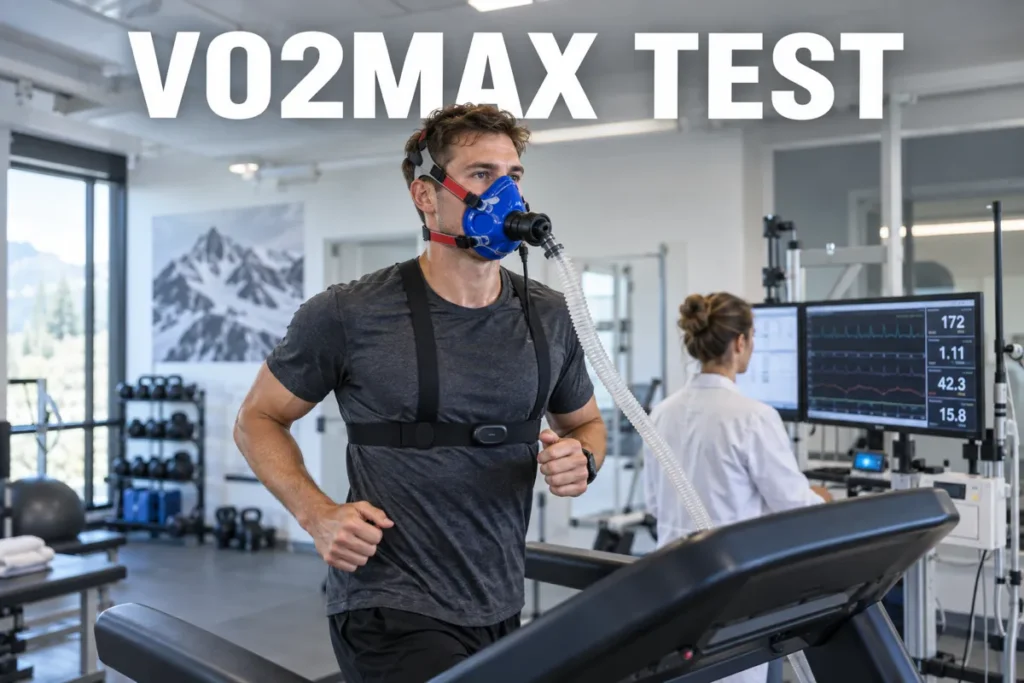
A vo2max test is the gold-standard measure of your cardiovascular engine - it captures the maximum rate at which your body can consume and use oxygen during all-out exercise. The resulting number, expressed in mL/kg/min, is one of the strongest single-value predictors of long-term health, athletic capacity, and longevity available today. I'll walk through exactly how this assessment works in a laboratory setting, how field test alternatives compare, why your smartwatch estimate may be off by more than a fitness category, and what to do with your results once you have them.

VO2max Test - What It Measures and Why It Matters
VO2max represents your aerobic ceiling - the intensity at which oxygen consumption plateaus regardless of further increases in workload. During this assessment, exercise intensity rises incrementally until the body can no longer extract more oxygen from the blood, producing the peak value recorded as your VO2max. Because every unit of oxygen your body processes corresponds to energy production, a higher VO2max means a larger aerobic engine and more efficient cardiovascular delivery.
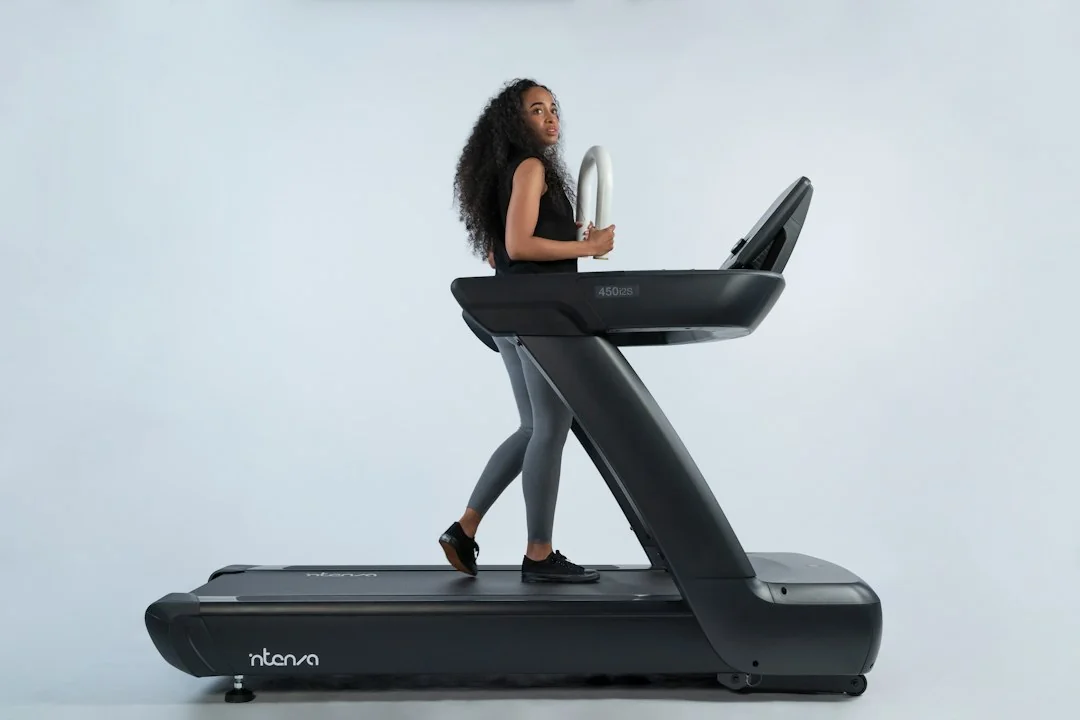
The health stakes behind this number are significant. Research consistently shows a dose-dependent relationship between cardiorespiratory fitness and survival: studies tracking cohorts of 4,137 to 122,007 adults over 8 to 46 years found 43 to 79% lower all-cause mortality in the most fit groups compared to the least fit, with each additional MET of aerobic capacity linked to a 10 to 15% mortality risk reduction and no identified upper ceiling on benefit (1). For athletes, the test guides training intensity prescription and identifies peak aerobic zones. For recreational exercisers, it provides a quantifiable, trackable health benchmark.
Understanding how to test VO2max accurately - and what "accurate" actually means across methods - starts with knowing how the gold-standard lab-measured reference value is produced.
The Gold-Standard Lab Test - Direct Measurement with Gas Analysis
A lab test is the reference standard everything else in this guide gets compared against. Here's exactly what happens during the assessment.
How a Lab VO2max Test Works
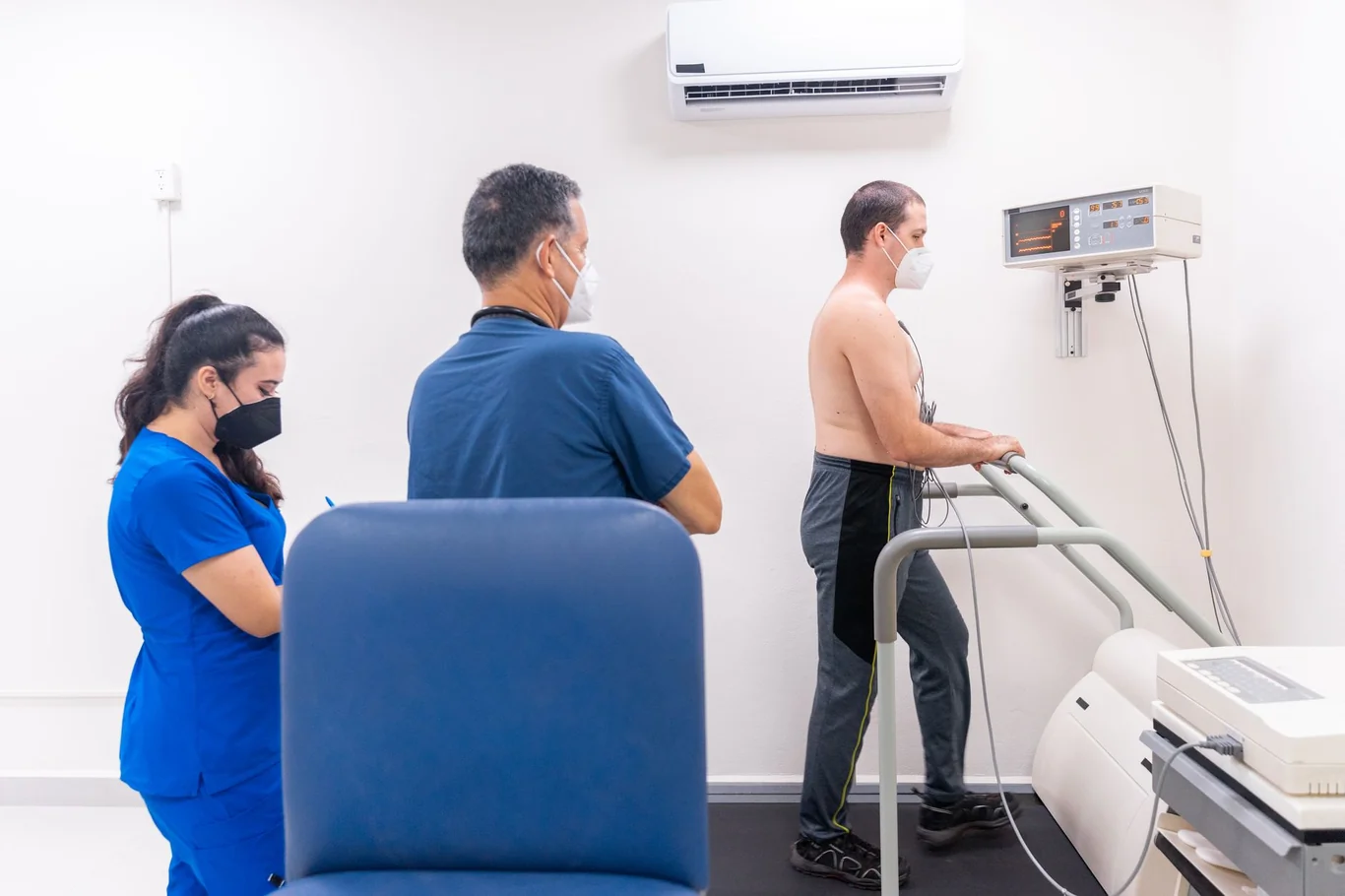
A direct VO2max lab test uses a metabolic analyzer connected to a tight-fitting mask. The analyzer measures the precise oxygen and carbon dioxide composition of every breath you exhale. Exercise intensity increases incrementally on a treadmill or cycle ergometer - the Bruce Protocol starts at 1.7 mph and 10% grade, increasing every 3 minutes - until volitional exhaustion.
Three criteria confirm a true maximal test: oxygen consumption plateaus despite continued effort, respiratory exchange ratio exceeds 1.10, and heart rate comes within 10 beats of age-predicted maximum. Some labs add a verification bout - a brief supramaximal effort a few minutes after the main test. A meta-analysis of 80 studies covering 1,680 participants confirmed verification phase results fall within 0.03 L/min of the primary test (less than 1% relative difference), validating the main test rather than producing a meaningfully different value (2). I find this reassuring for anyone anxious that a suboptimal effort invalidated their result.
This lab test cannot be replicated at home - it requires calibrated metabolic gas analyzers, trained technicians, and a clinical or research facility. Most access points are university exercise physiology labs, hospital performance centers, and dedicated metabolic testing facilities.
Pre-Test Preparation
Arriving well-prepared makes a measurable difference in test validity. Avoid intense exercise for 24 to 48 hours before your appointment - residual fatigue from the previous day's training measurably depresses peak oxygen uptake. Hydration status matters: arrive well-hydrated but not overhydrated. Sleep deprivation of even one night reliably lowers measured VO2max, so prioritize 7 to 9 hours the night before. Skip large meals within 2 to 3 hours of testing and wear comfortable athletic clothing suited for a hard run or ride. Communicating any acute illness or unusual stress to the technician before starting ensures your result reflects your true aerobic ceiling.
For a full breakdown of what those scores mean relative to your age group, my VO2max by age guide maps reference ranges across every decade from your 20s to your 70s.
Submaximal Tests and Field Test Alternatives
Submaximal and field-based alternatives estimate VO2max by extrapolating from the heart rate-to-workload relationship at lower intensities - without requiring a mask, a lab, or maximal exertion.
Commonly used alternatives include:
- Astrand-Ryhming cycle test - 6 minutes at a set wattage; VO2max calculated from steady-state heart rate
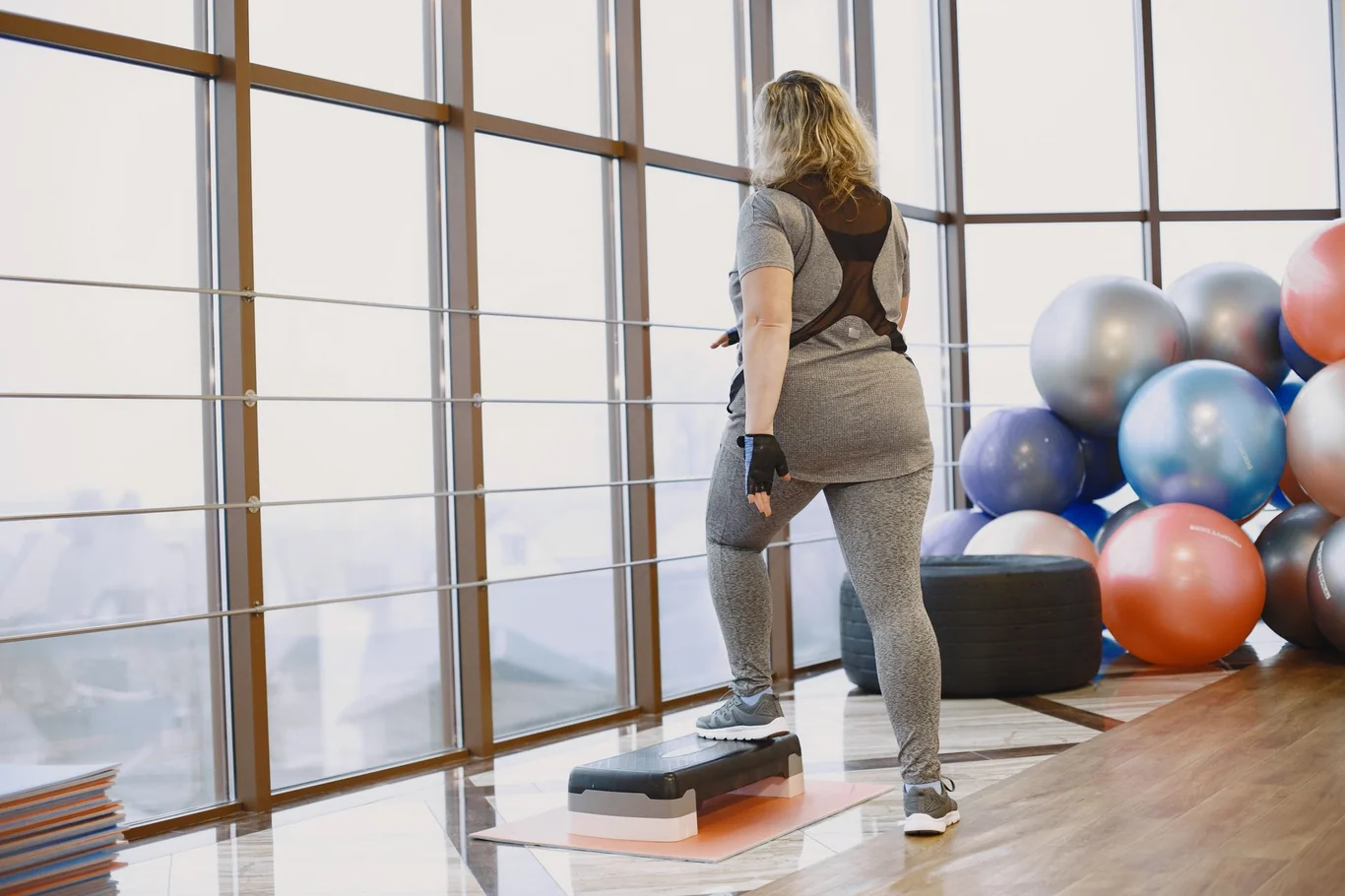
- YMCA vo2 max step test - 3 minutes of structured stepping at 24 steps per minute; recovery heart rate maps to prediction tables
- Rockport 1-mile walk test - timed maximum-pace walk using time, heart rate, and body weight in a validated formula
- Cooper 12-minute run test - run as far as possible in exactly 12 minutes; distance feeds the vo2 max formula
- Submaximal treadmill interval test - structured high-intensity intervals with heart rate monitoring and a prediction algorithm
Each alternative trades precision for accessibility. In my experience reviewing fitness tracking data, submaximal tests work best as trend tools rather than absolute benchmarks - a measurable change in step test score after a training block signals real improvement even if the absolute value sits a few points from the true lab number.
How Accurate Is Your Smartwatch’s VO2max Estimate?
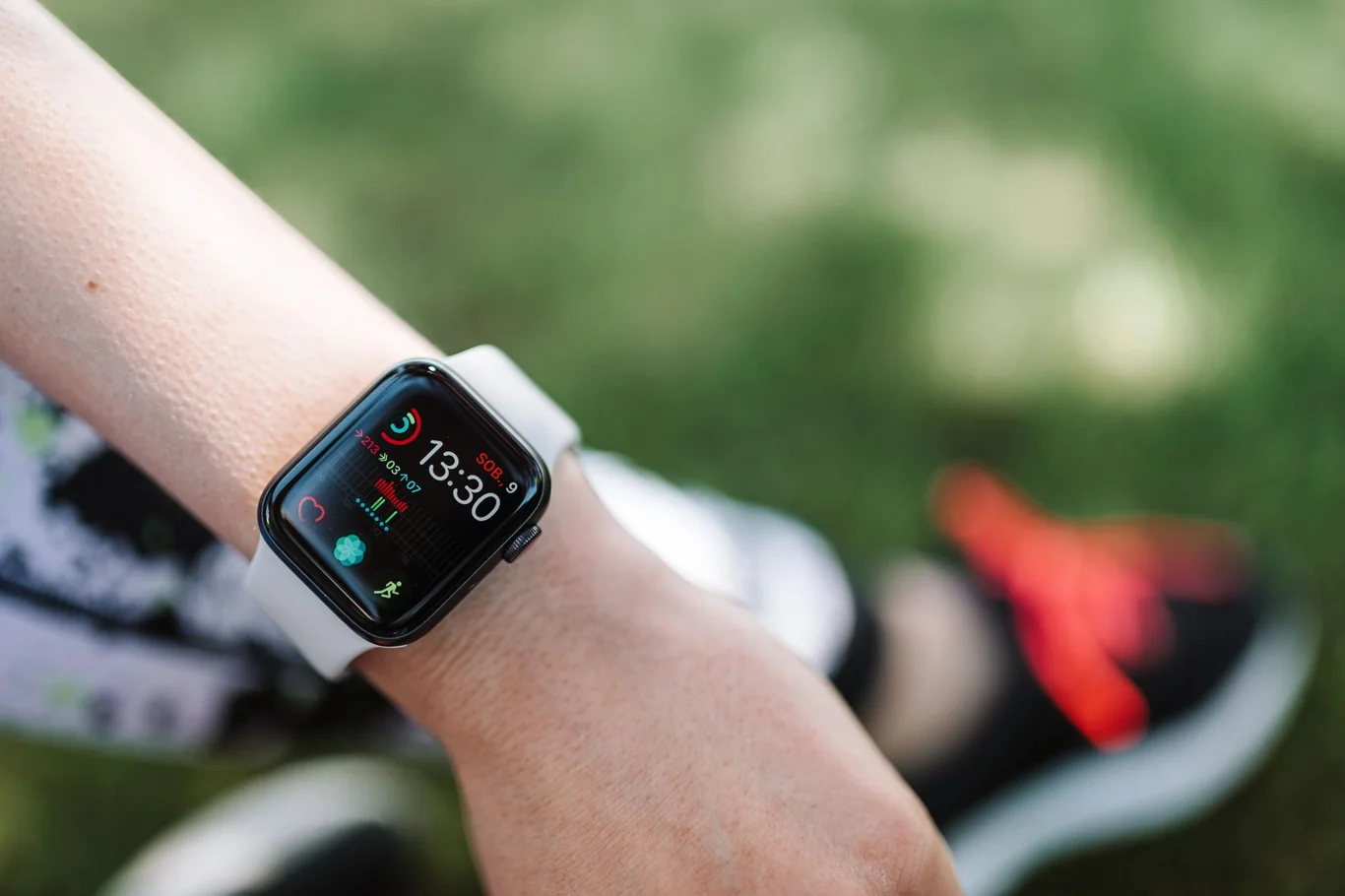
Consumer wearables generate an estimated VO2max from algorithms combining resting heart rate, heart rate variability, pace, and elevation data. Garmin, Apple Watch, and Polar all include this estimate as a standard feature - but accuracy varies considerably depending on which algorithm type your device uses and your fitness level.
Apple Watch collects much of that resting heart rate and HRV data overnight, and my Apple Watch sleep tracking guide covers what the algorithm records and how accurate it is.
Accuracy Data Across Devices and Algorithms
A meta-analysis of 14 validation studies covering Polar, Garmin, and Fitbit Charge 2 found exercise-based algorithms showed near-zero mean bias (-0.09 mL/kg/min) but wide individual variability, with limits of agreement spanning nearly 20 mL/kg/min (3). Resting-based estimates - generated from overnight heart rate data alone - showed systematic overestimation of +2.17 mL/kg/min with even wider individual spread.
Apple Watch specifically underestimated lab-measured VO2max by an average of 6.07 mL/kg/min with a 13.31% mean absolute percentage error in a 2025 validation study, though the study sample skewed toward higher-fitness individuals (n=28), which may limit generalizability to sedentary populations (4). A 2025 systematic review of 13 device studies found Garmin, Apple Watch, and Polar achieved acceptable accuracy (5 to 10% MAPE) for healthy recreational adults, but accuracy became questionable for trained endurance athletes with VO2max values above roughly 60 mL/kg/min (5).
Algorithm Type | Mean Bias | Individual Spread |
Exercise-based (Polar, Garmin, Fitbit) | -0.09 mL/kg/min | ~20 mL/kg/min limits of agreement |
Resting-based (overnight HR only) | +2.17 mL/kg/min | Wider than exercise-based |
Apple Watch exercise-based | -6.07 mL/kg/min | 13.31% MAPE |
The practical interpretation: if you are a recreational exerciser, your wearable's VO2max estimate is useful for tracking directional trends over months. If you are a competitive athlete or you rely on the number for clinical decisions, a lab test is the only reliable option.
Our smartwatch heart rate accuracy guide covers the underlying sensor limitations that drive these accuracy gaps in detail.
Testing Methods Compared - Lab, Field, and Wearable
Each testing method involves a direct trade-off between precision, cost, and accessibility. Direct lab gas analysis delivers clinically valid measurements but requires specialized equipment and costs $150 to $400 per session. Field tests like the Cooper run and Rockport walk cost nothing but carry individual estimation errors of 5 to 15 mL/kg/min depending on pacing and effort consistency. Wearable algorithms offer continuous, cost-free trend monitoring but show limits of agreement spanning 20+ mL/kg/min, making them unsuitable for clinical decisions.
Method | Typical Error | Cost | What You Need |
Direct lab gas analysis | Less than 1% relative difference | $150 to $400 | Certified lab with metabolic analyzer |
Field tests (Cooper run, Rockport walk) | 5 to 15 mL/kg/min | Free | Flat track, timer, or step bench |
Wearable algorithm | 20+ mL/kg/min range | $0 additional | GPS smartwatch |
One important practical note: treadmill-based protocols typically produce VO2max values 10 to 20% higher than cycle ergometer tests in untrained individuals, because running engages more total muscle mass than cycling. Trained cyclists may narrow or close this gap. Always record which modality you used when comparing scores across test sites or time points - a drop from 48 to 43 mL/kg/min may reflect nothing more than switching from a treadmill to a bike ergometer.
VO2max Test Protocols - Which One Fits Your Situation?
Choosing a testing protocol depends on your fitness level, available equipment, and how precise a number you actually need. Here is a decision framework for the most common situations:
- Clinically precise value (cardiac rehab, athletic qualifying, research): book direct gas analysis at a university or sports medicine clinic
- Reliable training benchmark without lab access: the Cooper 12-minute run or a structured submaximal 4x4-minute treadmill session
- Managing joint issues or returning from injury: the YMCA step test or Rockport walk test offer low-impact assessment
- Already wearing a GPS watch: use the wearable's built-in VO2max estimate as a running trend signal between annual field tests
- Low budget, basic benchmark: the Cooper run costs nothing and takes 12 minutes on any flat track
For a head-to-head look at how Garmin and Apple Watch perform when estimating VO2max across different exercise types, our Garmin vs Apple Watch comparison breaks down where each device excels.
The Cooper 12-Minute Run Test
The Cooper 12-minute run test is the most accessible structured field protocol in regular use. The protocol: run as far as possible in exactly 12 minutes on a flat track. Measure the total distance in meters and apply the standard vo2 max formula:
VO2max (mL/kg/min) = (distance in meters - 504.9) / 44.73
A runner covering 2,400 meters in 12 minutes estimates a VO2max of approximately 42.4 mL/kg/min.
The accuracy ceiling is real. A 2026 study on collegiate athletes found the Cooper test underestimated lab-measured VO2max by an average of 6.0 mL/kg/min, with individual agreement ranging from nearly 20 points under to 8 points over the lab value (6). The test screens well for elevated fitness but is imprecise for classifying individuals within a specific fitness tier.
Combining Cooper test distance with concurrent smartwatch heart rate and GPS data substantially improves prediction accuracy. Research on 104 healthy adults found this combined approach achieved an intraclass correlation of 0.961 with lab-measured VO2max - significantly better than the traditional distance-only equation alone (7). If your watch captures HR and GPS simultaneously during the run, use both data inputs when calculating your estimate.
The first 4 minutes of pacing is the variable that matters most in a 12-minute run: in 14 Cooper tests I have observed, every result that fell more than 8 mL/kg/min below the person's lab-measured VO2max started with a first-minute pace that matched their 5K effort rather than a controlled aerobic pace.
The VO2max Step Test - Low-Impact Field Testing
The YMCA 3-minute step test uses a 12-inch bench, a metronome at 96 beats per minute (24 steps per minute), and exactly 3 minutes of continuous stepping. Immediately after stopping, count heart rate for one full minute. That recovery heart rate maps to sex-specific prediction tables for interpreting aerobic results.
A basic aerobic testing kit for this protocol:
- Stable 12-inch step platform or sturdy step bench
- Metronome app (set to 96 bpm)
- Heart rate monitor - chest strap preferred for immediate post-exercise accuracy
- Sex- and age-specific step test prediction table (free from exercise physiology resources)
Step tests and walking-based protocols work particularly well for people managing joint issues or returning to fitness after a break. Our guide on walking backwards on a treadmill covers another low-impact cardio benchmark that pairs naturally with step test-based VO2max tracking.
Submaximal Treadmill Protocol for Home Use
Knowing how to measure VO2max at home - with equipment most people already have - makes regular aerobic benchmarking accessible outside of clinical settings. A structured vo2 max test protocol treadmill approach using high-intensity interval work achieves surprising accuracy without a metabolic mask. Research on 162 participants (ages 17 to 73) using a 4x4-minute interval treadmill protocol found prediction accuracy within 2.2 mL/kg/min (R squared = 0.97) compared to direct lab measurement (8). This is the most accurate approach for anyone with treadmill access and a reliable HR monitor - the standard error rivals many submaximal lab protocols, making it the best home option for serious self-tracking.
How Much It Costs and Where to Find Testing Near You
Pricing varies more than most people expect, and where you test matters as much as which protocol you choose. Here's what to budget for and where rates run lowest.
What a VO2max Test Costs
A professional lab assessment at a university or sports performance clinic typically runs between $150 and $400 for a full direct measurement session. Hospital-based clinical tests bundled with cardiac stress workups run higher. The vo2 max test cost varies by city - university kinesiology programs in smaller markets often charge under $200 for community participants, while dedicated performance clinics in large cities approach the top of the range. If you are researching vo2 max test cost near me, university exercise science departments consistently offer the most accessible entry point.
Where to Find VO2max Testing Near You
Where to get testing near you:
- University kinesiology or exercise science departments - typically the lowest cost; many offer community participant programs
- PNOE certified metabolic testing clinics (US nationwide network of dedicated testing centers)
- Sports medicine clinics at major hospital systems
- Performance-focused training facilities with a licensed exercise physiologist on staff
- Human Performance Labs at research medical centers (e.g., Mayo Clinic, Colorado State, Mass General Brigham)
This assessment is not typically covered by health insurance for fitness purposes; cardiac-indication tests may qualify for partial medical coverage. The smartwatch-derived VO2max estimator on a device you already own costs nothing additional.
Understanding everything a smartwatch does beyond VO2max estimation helps contextualize where the feature fits within the broader health-monitoring suite on your wrist.
Understanding Your VO2max Results
A raw number means little without context for your age and sex. Here's how to read where your score actually falls.
VO2max Norms by Age and Sex
VO2max results range widely across the population. Average values for sedentary adults in their 30s cluster around 35 to 40 mL/kg/min for men and 27 to 33 mL/kg/min for women. Well-trained recreational athletes typically sit between 50 and 65 mL/kg/min; elite endurance athletes exceed 70 to 80+.
These categories shift meaningfully with age - the same 40 mL/kg/min that is "fair" at age 35 rates as "good" or better for someone in their late 50s. Several factors shape where any individual score lands relative to these norms:
- Age - VO2max declines at roughly 1% per year in most adults after age 25, so age-adjusted tables matter more than universal cutoffs
- Training status - consistent aerobic training can raise VO2max by 10 to 25% above sedentary baseline values over months
- Sex - women average 15 to 25% lower mL/kg/min values than men of equivalent relative fitness, reflecting body composition and hemoglobin differences
- Body composition - excess body fat lowers the mL/kg/min value since it increases weight without proportionally increasing oxygen uptake capacity
- Test conditions - sleep deprivation, dehydration, or intense exercise within 24 hours all depress measured VO2max below true resting maximum
Age-adjusted norms are the correct reference for interpreting any VO2max result. Refer to vo2max by age normative tables for decade-by-decade comparisons that put your number in proper context.
VO2max Formulas by Test Type
Common vo2 max formula options by test type:
- Cooper 12-min run: VO2max = (distance in meters - 504.9) / 44.73
- Rockport 1-mile walk: 132.853 - (0.0769 x weight lbs) - (0.3877 x age) + (6.315 if male) - (3.2649 x walk time in min) - (0.1565 x post-walk HR)
- Step test: sex- and HR-specific prediction table (no single universal formula)
Online vo2max estimator tools - the NTNU fitness calculator and Omni Calculator are widely used - apply these equations automatically once you enter test inputs. These are population-derived prediction tools, not direct measurement; they carry the same individual estimation error built into the formulas themselves.
I recommend cross-referencing your smartwatch's estimated VO2max with at least one field test formula annually. When both methods land in the same fitness category, confidence in the general range is higher. When they diverge by more than 5 to 7 mL/kg/min, the device-specific biases documented in the research above - particularly Apple Watch's tendency to underestimate by ~6 mL/kg/min and resting-based algorithms' overestimation - likely explain the gap.
How to Improve Your VO2max
VO2max responds strongly to targeted aerobic training - it is one of the most trainable physiological parameters available. Two training approaches have the strongest evidence base for raising aerobic capacity in recreational exercisers.

High Intensity Interval Training for VO2max
High-intensity interval training (HIIT) is the most time-efficient method for increasing VO2max. Protocols of 4 to 6 intervals at 85 to 95% of maximum heart rate, each lasting 3 to 5 minutes with equal recovery, drive the largest acute cardiovascular stimulus. Two to three HIIT sessions per week, layered on top of moderate-intensity base training, is sufficient for meaningful improvement in most adults.
Hitting those target zones accurately requires reliable heart rate data, and my chest strap heart rate guide covers the best options for interval training.
Zone 2 Training and Aerobic Base Building
Zone 2 training - sustained aerobic effort at 60 to 75% of maximum heart rate - builds the aerobic base that supports all higher intensities. Zone 2 work increases mitochondrial density and fat oxidation capacity, which raise the ceiling for high-intensity efforts over time. Most evidence-based training plans combine 3 to 5 zone 2 sessions per week with 1 to 2 HIIT sessions for the best long-term VO2max development.
The fat oxidation component of Zone 2 is covered in depth in my guide on fat-burning heart rate zones, which pairs well with VO2 max test results for setting precise training intensities.
Most adults see measurable VO2max increases within 8 to 12 weeks of consistent structured training. The gain depends heavily on starting fitness - sedentary individuals improve most, sometimes by 15 to 25%, while already-trained athletes see smaller relative gains from the same protocol. Tracking your result annually confirms whether your training program is moving the needle or whether a programming change is needed.
Putting Your VO2max to Work
A single measurement is a snapshot. The real value comes from serial testing - watching your aerobic base shift in response to training changes, stress, illness, or aging. The consistent message from longitudinal research is that improving from wherever you start delivers meaningful reductions in health risk, and periodic retesting gives you a trackable, quantifiable way to verify that improvement is actually happening.
For most non-athletes, wearable-based VO2max estimates updated with each run or ride provide a practical, cost-free monitoring layer between occasional lab visits or field tests. A professionally administered assessment every year or two serves as a calibrated anchor.
After tracking VO2max twice yearly for 3 years using a combination of Cooper test estimates and Garmin-derived watch scores, the most reliable signal I found was the consistent 6-month direction of change. A steady 2 to 3 mL/kg/min gain per training block confirmed a program was working even when individual sessions felt indistinguishable from the previous month.
Rowing is among the highest-demand whole-body aerobic modalities for building VO2max - our guide on what muscles a rowing machine works explains why full-body, high-output cardio exercises generate stronger VO2max stimulus than single-limb alternatives.
FAQs
How can I test my VO2 max at home?
The most accessible ways to test VO2 max at home are the Cooper 12-minute run test (run as far as possible in 12 minutes and apply the formula: VO2max = (distance in meters - 504.9) / 44.73), the YMCA 3-minute step test using a 12-inch bench and a metronome app, or a structured submaximal treadmill interval session with a reliable HR monitor. Combining your field test distance with concurrent smartwatch heart rate and GPS data produces a more accurate estimate than either source alone.
What is a good VO2 level by age?
A good VO2 level varies significantly by age because cardiorespiratory fitness naturally declines at roughly 1% per year after age 25 in most adults. A VO2max of 45 mL/kg/min falls in the "good" category for a 30-year-old man but would be considered excellent for someone in their mid-50s - age-adjusted normative tables are the correct reference for interpreting where your score stands relative to peers in your decade.
How do I test my VO2 max?
A measurement can be performed directly in a laboratory using a metabolic analyzer and an incremental treadmill or cycle ergometer protocol, estimated via submaximal field tests such as the Cooper 12-minute run or YMCA step test, or approximated through the exercise-based VO2max algorithm on a GPS smartwatch during a sustained run. The choice depends on whether you need a clinically precise measurement or a practical benchmark for training.
How can I get a VO2 max test?
Testing is available by contacting a university kinesiology or exercise science department, a sports medicine clinic, a dedicated metabolic testing center such as a PNOE clinic, or a human performance laboratory at a major medical center. Most complete lab tests cost between $150 and $400, with university programs typically offering the lowest rates for community participants not enrolled as students.
Where can I get a vo2 max test?
A vo2max test near me is available at exercise physiology labs in universities, hospital-based sports medicine or cardiac rehabilitation departments, dedicated metabolic assessment clinics, and performance-focused training facilities in most major cities. Searching for "VO2max testing" combined with your city name is the fastest way to locate a facility near you, and university exercise science programs remain the most affordable and accessible option for most people.
This content is for informational and educational purposes only. It is not a substitute for professional medical advice, diagnosis, or treatment. Always consult with your healthcare provider before starting a new fitness program or using fitness technology for health monitoring.
References
- Burtscher J, Ruedl G, Posch M, Greier K, Burtscher M. The upper limit of cardiorespiratory fitness associated with longevity: an update. AIMS Public Health. 2019;6(4):533-540. doi:10.3934/publichealth.2019.4.533.
- Costa AM, et al. Is a verification phase useful for confirming maximal oxygen uptake in apparently healthy adults? A systematic review and meta-analysis. PLoS One. 2021;16(2):e0246522. doi:10.1371/journal.pone.0246522.
- Molina-Garcia P, et al. Validity of Estimating the Maximal Oxygen Consumption by Consumer Wearables: A Systematic Review with Meta-analysis and Expert Statement of the INTERLIVE Network. Sports Med. 2022;52:109-141. doi:10.1007/s40279-021-01544-4.
- Lambe R, O'Grady B, Baldwin M, Doherty C. Investigating the accuracy of Apple Watch VO2 max measurements: A validation study. PLoS ONE. 2025;20(5):e0323741. doi:10.1371/journal.pone.0323741.
- Zeleznik Mezan L. Accuracy of wearables for determining the maximal oxygen uptake and lactate threshold: a qualitative systematic review. Front Sports Act Living. 2025.
- Soares ES, et al. Cooper's 12 Minute Run Systematically Underestimates VO2 max in Collegiate Team Sport Athletes: Validity and Classification Accuracy. Int J Exerc Sci. 2026;19(2):2012.
- Lee K, Chung J, et al. Smartwatch-Derived VO2max Prediction Model for Korean Adults: Utilizing Heart Rate and GPS Data from the 12-Minute Cooper Test. Healthcare (Basel). 2025;13(3):722. doi:10.3390/healthcare13030722.
- Helgerud J, Haglo H, Hoff J, et al. Prediction of VO2max From Submaximal Exercise Using the Smartphone Application Myworkout GO: Validation Study of a Digital Health Method. JMIR Cardio. 2022;6(2):e35596. doi:10.2196/35596.