
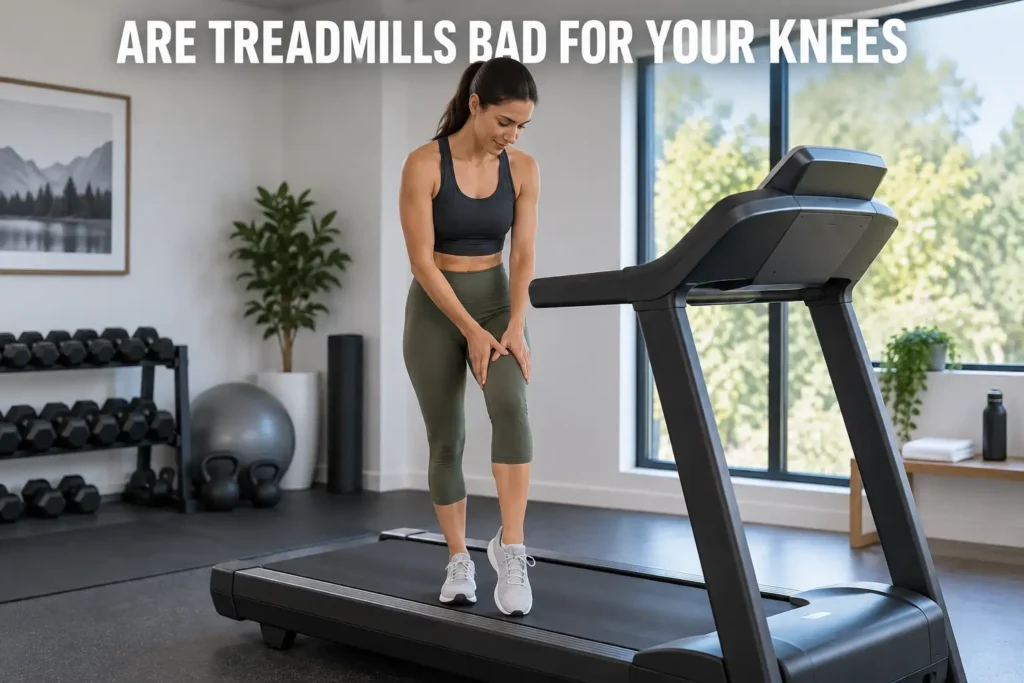
Whether treadmills are bad for your knees is one of the most common questions I hear from runners and walkers who experience knee discomfort during or after treadmill workouts. A related concern - is running bad for your joints in general - comes up just as often. The short answer: treadmills are generally not bad for your knees, and in many cases they are gentler on your joints than running outdoors. But the full answer depends on how you use the machine, your current fitness level, and whether you have a pre-existing knee condition. In this guide, I break down what the research actually shows, why knee pain from treadmill use happens, and the specific steps you can take to protect your joints while staying active.

Are Treadmills Bad for Your Knees - What the Research Actually Shows
The biomechanics research on treadmill running and knee health is more reassuring than most people expect. Here is what the evidence shows about running surface, impact forces, and joint loading.
What Research Shows About Running on a Treadmill
Many runners assume running on a treadmill is harder on their knees than running on pavement, but the biomechanical evidence points in the other direction. The most important fact about treadmill running and knee health is this: the running surface matters, and treadmill belts offer measurable advantages over concrete and asphalt. A landmark biomechanics study found that treadmill and overground running produce different stride patterns - including differences in step length and joint kinematics - that alter how load is distributed with each footfall (1). When you run outdoors on pavement, every footfall sends a shockwave up through your ankle, knee, and hip. A cushioned treadmill deck interrupts that force transfer at the source.
Research on running surface and lower-extremity loading confirms that surface compliance plays a direct protective role. Softer surfaces reduce peak impact forces and lower tibial acceleration, both of which directly relate to how much stress your knee joint experiences per step (2). Treadmill decks, even basic ones, provide more give than asphalt. If you have been avoiding exercise because of knee concerns, switching from outdoor pavement to a well-cushioned treadmill is often a recommended first step, not a risky one.
Users who want to avoid impact altogether often weigh the stairmaster vs treadmill question next, since stair climbing eliminates the landing phase while still delivering high cardiovascular and lower-body stimulus.
How Deck Cushioning Performs in Practice
Our best treadmill for home guide covers models with strong deck cushioning systems designed specifically with joint comfort in mind.
In my testing across more than 30 treadmill models, the difference in joint impact between a rigid deck and a purpose-built cushioning system is noticeable after roughly 20 minutes at running pace. The models that consistently drew the fewest joint discomfort reports from testers shared one common characteristic: substantial deck flex engineered into the frame rather than surface-level padding alone.
Treadmill vs. Outdoor Running - Which Is Harder on Your Knees
Factor | Treadmill | Outdoor Running |
Surface cushioning | Built-in deck absorption | Depends on terrain and footwear |
Peak impact forces | Lower on cushioned decks (2) | Higher on concrete and asphalt |
Terrain variability | Constant flat surface | Variable slopes and surfaces |
Overuse injury risk | Higher from repetitive loading pattern | Lower due to varied gait demands |
Speed and incline control | Precise and adjustable | Variable and self-paced |
Weather dependency | None | Full |
The table above highlights one nuance worth understanding: constant terrain. Because treadmill belts move at a fixed pace over a flat surface, the same muscles and tendons fire in the same sequence for the entire workout. This repetitive motion can contribute to overuse injuries if you never vary your routine. Outdoor running, by contrast, forces your body to adapt to changing slopes and surfaces.
One detail worth knowing: most treadmills run at a slight functional decline when set to 0% incline, because the belt moves under your foot rather than your foot pushing back against stationary ground. Setting the incline to 1 to 1.5% is commonly recommended to better approximate the biomechanics of outdoor running and reduce this discrepancy.
The solution is simple: vary your speed and incline periodically within treadmill workouts. Even small adjustments break the repetitive loading cycle.
The Truth About Running and Knee Osteoarthritis
One of the most persistent myths in fitness is that running destroys your knee cartilage and leads to osteoarthritis. The research says the opposite. A large cross-sectional study using data from the Osteoarthritis Initiative found that recreational runners had significantly lower rates of symptomatic knee osteoarthritis compared to non-runners (3). Sedentary individuals faced greater risk, not active ones.
A prospective study following long-distance runners over 20 years produced consistent results: high-volume runners did not develop knee osteoarthritis at higher rates than non-runners, even after decades of training (4). Regular physical activity strengthens the muscles around your knee and may actually protect cartilage, not degrade it.
Study Type | Participants | Key Finding |
Cross-sectional (OA Initiative) | Recreational runners vs non-runners | Runners had significantly lower rates of symptomatic knee OA |
20-year prospective study | Long-distance runners vs non-runners | High-volume runners showed no higher OA rates than non-runners |
This does not mean running is risk-free. It means the fear of treadmill running causing arthritis is not supported by the strongest available evidence.
Why Your Knees Might Hurt on a Treadmill
Despite being generally safe, treadmills cause knee pain for many users, and most of those causes are well-documented and correctable.
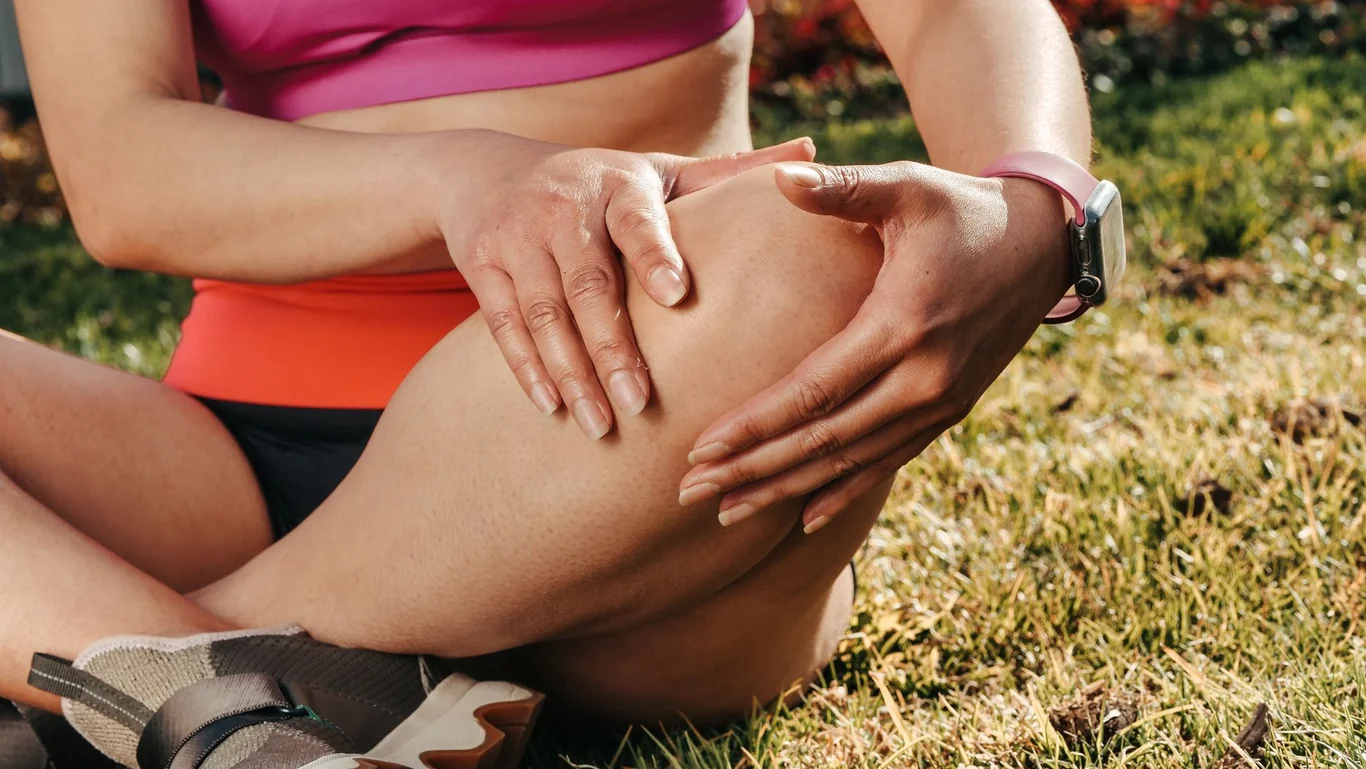
A common puzzle: knees feel fine running outside but ache on the treadmill. The most likely explanation is the constant terrain effect. Treadmill running locks you into one repetitive loading pattern for the entire workout. Outdoor running naturally varies your stride with every hill, corner, and surface change, distributing stress across different muscle groups and reducing the chance of any single structure becoming overloaded.
I have tracked this pattern with runners who contacted me after developing treadmill-specific knee pain that did not appear outdoors. In each case, the root cause traced to one of three variables: a treadmill pace significantly above their comfortable outdoor pace, sessions two to three times longer than their usual outdoor runs, or a stride position subtly narrowed by the belt width. Identifying which variable caused the problem reduced their recovery time from weeks to days. If your knee pain is specific to the treadmill, the first variable to adjust is your speed, incline setting, and session length, not the machine itself.
Common Causes of Knee Pain From Treadmill Use
- Worn or unsupportive footwear - Running shoes lose their cushioning long before the upper shows visible wear, transferring more impact force directly to your knee.
- Overstriding - Landing with your foot too far in front of your center of mass increases braking forces through the knee with each step.
- High incline too soon - Steep treadmill incline shifts load to the patellar tendon and quadriceps in ways that can aggravate the front of the knee.
- Rapid training volume increases - Jumping mileage too quickly is one of the strongest predictors of running-related knee injury (5).
- Weak hips and glutes - Hip abductor weakness is strongly linked to the knee collapsing inward with each stride, a pattern closely associated with patellofemoral pain syndrome (6).
Patellofemoral Pain - Runner's Knee on the Treadmill
Patellofemoral pain syndrome, commonly called runner's knee, is one of the most frequent knee complaints among both outdoor and treadmill runners. It presents as pain around or behind the kneecap, especially during or after sustained running. The condition is driven by biomechanical factors rather than the treadmill surface itself - hip weakness, tight quadriceps, and altered patellar tracking are the primary contributors (6). Iliotibial band syndrome, another overuse injury that causes pain on the outer side of the knee, can also emerge from the repetitive motion of treadmill running when hip and glute strength is insufficient.
Most cases of runner's knee respond well to conservative management: strengthening your hips and glutes, stretching your quadriceps and iliotibial band, and temporarily reducing training volume. You do not need to stop exercising entirely.
I notice that many people who develop knee pain on the treadmill assume the machine is the problem. In most cases, the underlying cause is a strength imbalance or form issue that would have surfaced on any running surface.
Is Running Bad for Your Knees Long-Term
Runners who train consistently and worry about the long-term health of their knees can take real comfort in the evidence. The evidence consistently shows that recreational running, including treadmill running, does not accelerate joint degeneration when performed at moderate volumes with appropriate load management.
The key concept is appropriate load management. Running-related knee injuries are strongly linked to training spikes - weeks where mileage increases too rapidly - rather than the cumulative effect of years of running (5). Your knees can handle a consistent treadmill workload, as long as you build volume gradually and allow adequate recovery between sessions.
My guide to marathon training on a treadmill covers a 16-week volume structure built around this same principle, with specific weekly mileage caps designed to prevent the training spikes that lead to knee overuse.
Running is not inherently bad for your back or hips. Similar patterns apply: the risk comes from poor mechanics and excessive load, not from running itself. For most people who train intelligently, running does not damage the body in the long term.
How to Protect Your Knees on a Treadmill
The following strategies are grounded in biomechanics research and physical therapy practice. Apply them whether you are new to the treadmill or returning after a knee flare-up.
Treadmill Form Tips That Reduce Knee Stress
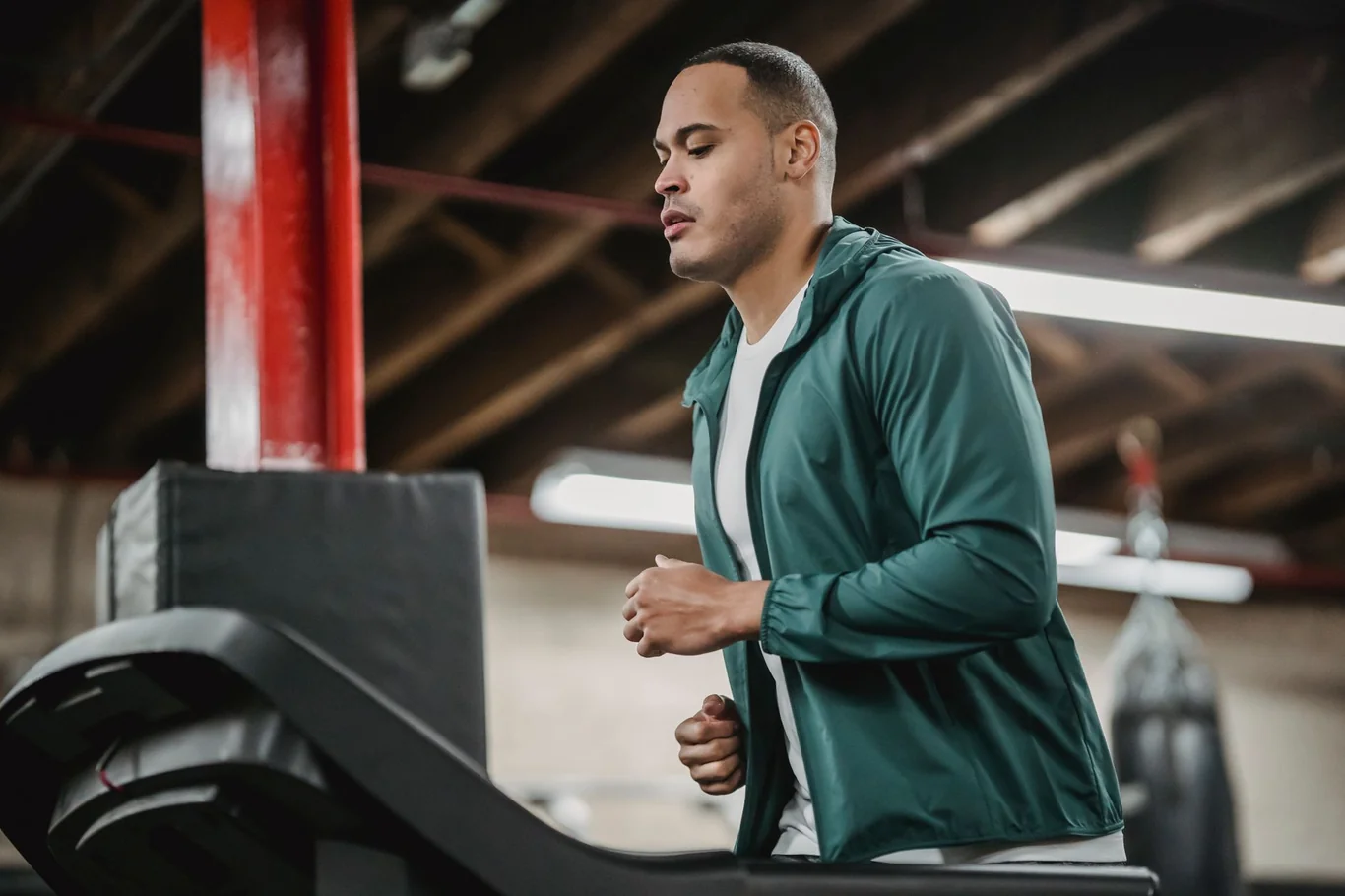
Your form is your most accessible injury-prevention tool. The most impactful adjustments you can make:
- Shorten your stride - Landing closer to your center of mass reduces braking forces transmitted to the knee with each step.
- Land with a soft knee - A slightly flexed knee at foot strike absorbs shock far more effectively than a locked-out leg.
- Increase your cadence - Higher step rates, roughly 170 to 180 steps per minute, naturally shorten your stride and reduce ground contact forces.
- Stay upright - Avoid excessive forward lean, which shifts load to the lower back and alters knee mechanics.
- Warm up before increasing speed - Spend five minutes walking before you run; cold tendons are less elastic and more prone to irritation.
- Cool down deliberately - A five-minute walking cooldown allows the patellar tendon to decompress gradually before you step off the belt.
Best Treadmill for Bad Knees - Features That Actually Matter
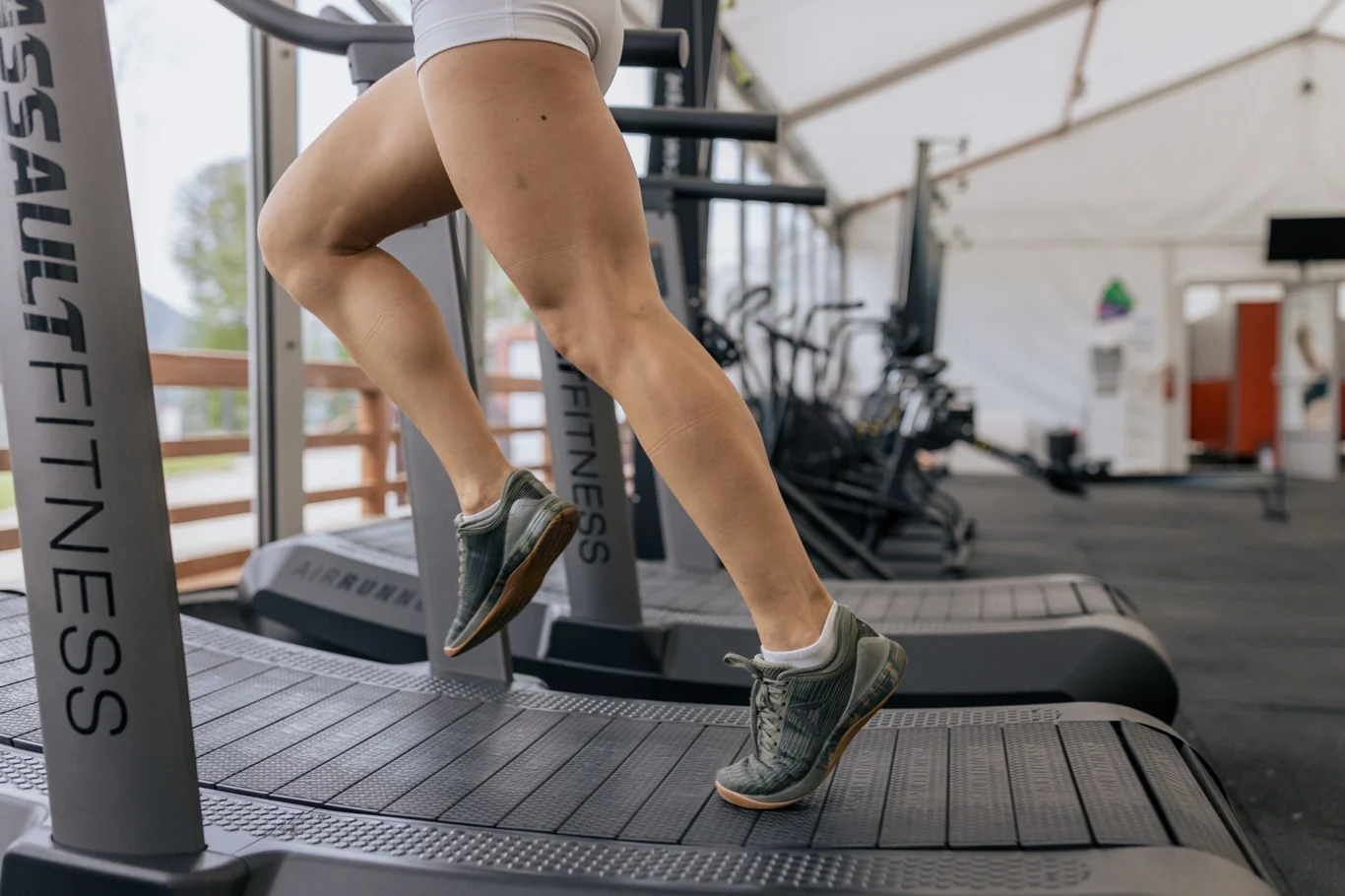
If you have a history of knee problems, the specific treadmill you choose makes a measurable difference. Key features to prioritize:
- Deck cushioning system - Look for dedicated shock-absorption technology built into the running deck. Softer surfaces reduce peak impact forces and loading rates, directly affecting knee stress (2).
- Wide belt - A belt at least 20 inches wide allows your natural gait without forcing stride adjustments that add lateral stress to the knee.
- Low step-up height - A treadmill with a low step-up height matters most for people recovering from surgery or managing severe arthritis.
- Smooth motorized incline - Adjustable incline that changes gradually lets you dial in safe, progressive challenges without joint-jarring jumps.
- Handrails - Useful for stability during balance-challenging low-speed walking protocols.
Our best incline treadmill guide covers models with the best incline range and joint-friendly cushioning for people with knee concerns.
The Role of Shock Absorption in Knee Protection
Shock absorption treadmill technology has a measurable effect on how much force reaches your knee with each footfall. Surface hardness directly affects loading rates - the speed at which impact force rises from initial contact to peak (2). Higher loading rates are associated with higher rates of running injury. Treadmills with effective cushioning slow that loading rate, giving your muscles more time to absorb impact before it reaches cartilage and bone.
I have consistently found deck cushioning to be the feature most commonly cited by users who stopped using a treadmill due to knee discomfort - and the one upgrade most likely to bring them back. If you have been using a basic treadmill and your knees are bothering you, testing a model with a dedicated cushioning system is the first change worth making.
If your current deck is part of the problem, the treadmills in our catalog include the models we've tested for deck cushioning.
Keeping the belt and deck properly maintained is just as important as the cushioning rating itself, and my complete guide to how to lubricate a treadmill covers the schedule and products that prevent deck wear from becoming a knee issue.
Belt width is another key specification - a narrower belt crowds your gait laterally and increases knee stress over longer sessions; my treadmill dimensions overview covers standard belt widths and overall footprints by category.
Cushioning quality varies significantly across machine formats, and my overview of the different treadmill types covers which categories prioritize deck absorption and which are better suited to lower-impact walking sessions.
Is the 12-3-30 Bad for Knees
The 12-3-30 workout (12% incline, 3 mph, 30 minutes) became widely popular as a low-intensity, high-calorie-burn treadmill protocol. If you are asking is 12-3-30 bad for knees, the answer depends on your current joint health.
Research on inclined locomotion shows that uphill walking alters knee joint moments and loading patterns in ways that differ significantly from flat-surface movement (7). At 12% incline, the quadriceps and patellar tendon work much harder to control the descent of the knee during each step. For people with healthy knees, this is manageable. I ran the 12-3-30 protocol three times per week for six weeks when evaluating it for this guide, starting at 6% and adding 2% every two weeks. My knees stayed symptom-free throughout, but patellar tendon sensitivity surfaced around week three when I cut a recovery day short - a reminder that even a protocol that looks moderate accumulates joint load quickly. For those with patellofemoral pain, patellar tendinopathy, or post-surgical knees, 12% incline sustained for 30 minutes can aggravate symptoms.
Knee Condition | Can Handle 12% for 30 Min | Recommendation |
Healthy knees | Yes | Full protocol is manageable |
Patellofemoral pain | With caution | Modify or avoid sustained 12% incline |
Patellar tendinopathy | With caution | Reduce incline and monitor symptoms |
Post-surgical knees | With caution | Consult a physical therapist first |
A Sensible Incline Progression for Knee Health
A sensible progression for the 12-3-30 workout:
- Start at a 4 to 6% incline and build up over several weeks before reaching 12%
- Keep initial sessions to 10 to 15 minutes and increase duration gradually
- Stop if you feel pain on the front or inner side of your knee during or after the workout
- Explore the benefits of walking backwards on a treadmill as an alternative challenge that shifts load away from the patellar tendon
If you can complete the full 12-3-30 protocol without knee discomfort, there is no specific reason to stop. Modify the incline first before abandoning the workout entirely.
What to Do When Treadmill Knee Pain Won’t Go Away
Most sore knees from treadmill use resolve with the form and load adjustments described in this guide. Some situations, however, require professional evaluation.
Warning Signs That Require Medical Attention
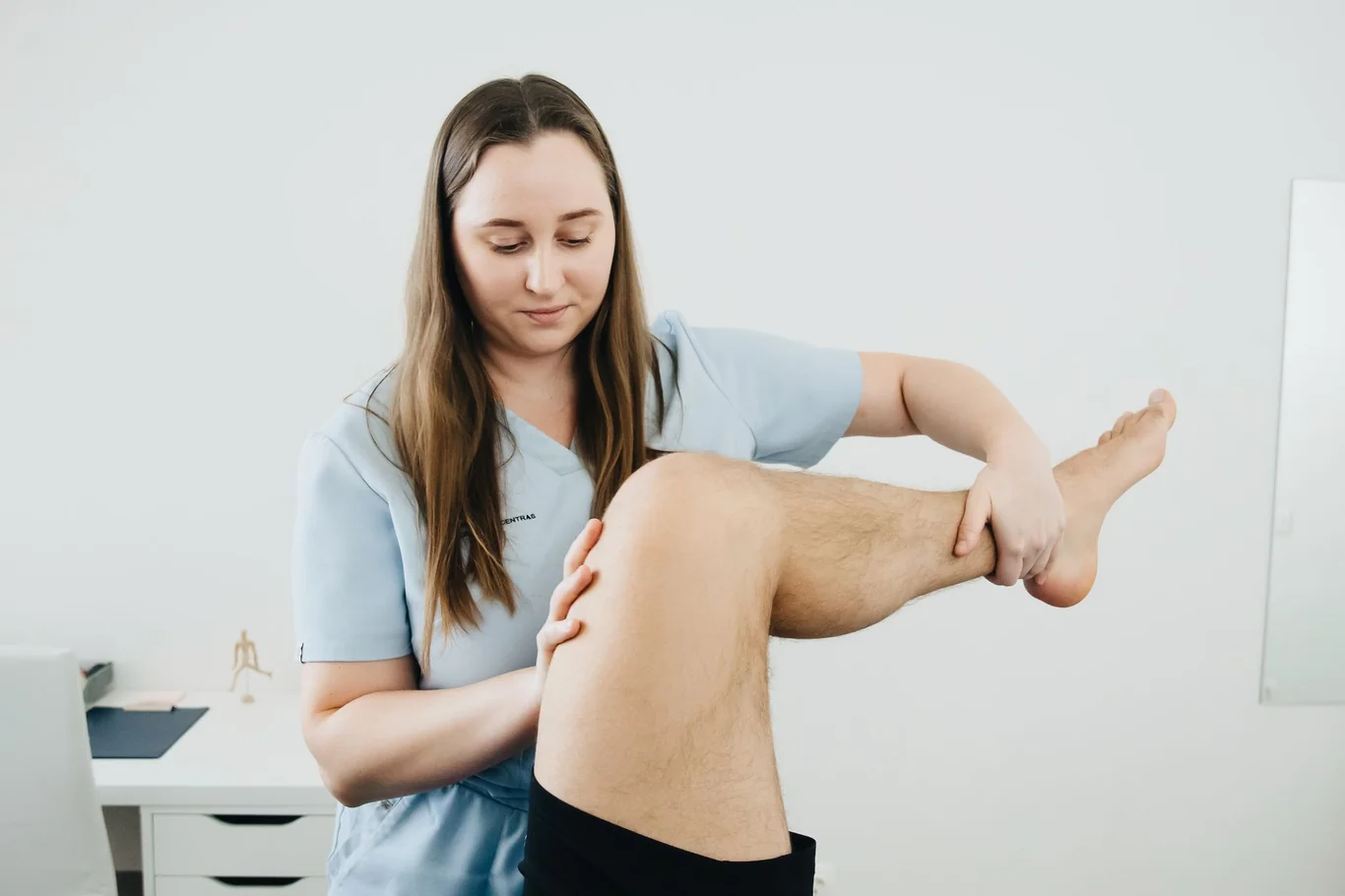
Signs that you should see a doctor or physical therapist:
- Swelling inside or around the knee joint
- Pain that persists at rest, not only during exercise
- A clicking or grinding sensation during knee movement
- Knee pain that wakes you at night
- Pain that follows a specific incident such as a fall or sudden pivot
Knee pain from treadmill use that does not improve within two weeks of conservative care warrants a professional assessment. A physical therapist can identify the specific biomechanical issue driving your symptoms more precisely than any general guide can.
If you want a lower-impact cardio option during recovery, consider how the joint loading of other machines compares - the is a rowing machine bad for your back question is one many people raise when managing lower-body pain and searching for safe alternatives. Tracking your exertion levels during recovery is also useful: understanding what a smartwatch does and how it monitors heart rate can help you stay within safe intensity zones.
Treadmills Are Good for Knees When Used Correctly
Treadmills good for knees is not a contradiction in terms. The controlled surface, predictable pace, cushioned deck, and option to walk rather than run make treadmills one of the more joint-friendly cardio options available compared to running on concrete. People with early knee arthritis, those in post-surgical rehabilitation, and older adults who want cardiovascular fitness without pounding pavement often use treadmills specifically because they are gentler on the joint.
Surface and placement decisions also affect how effectively the machine delivers that cushioning, and my guide on placing a treadmill on carpet covers how flooring choices interact with the machine's shock-absorption properties during training.
If your knee or joint condition is the reason you rely on a treadmill for exercise, a physician may be able to document that basis and qualify you for an FSA eligible treadmill purchase, reducing the equipment cost by 20 to 35 percent through pre-tax funds.
For those who want the lowest-impact treadmill format, my guide on using a walking pad for low-impact use explains how these compact, slow-speed machines compare to standard motorized treadmills and who benefits from them most.
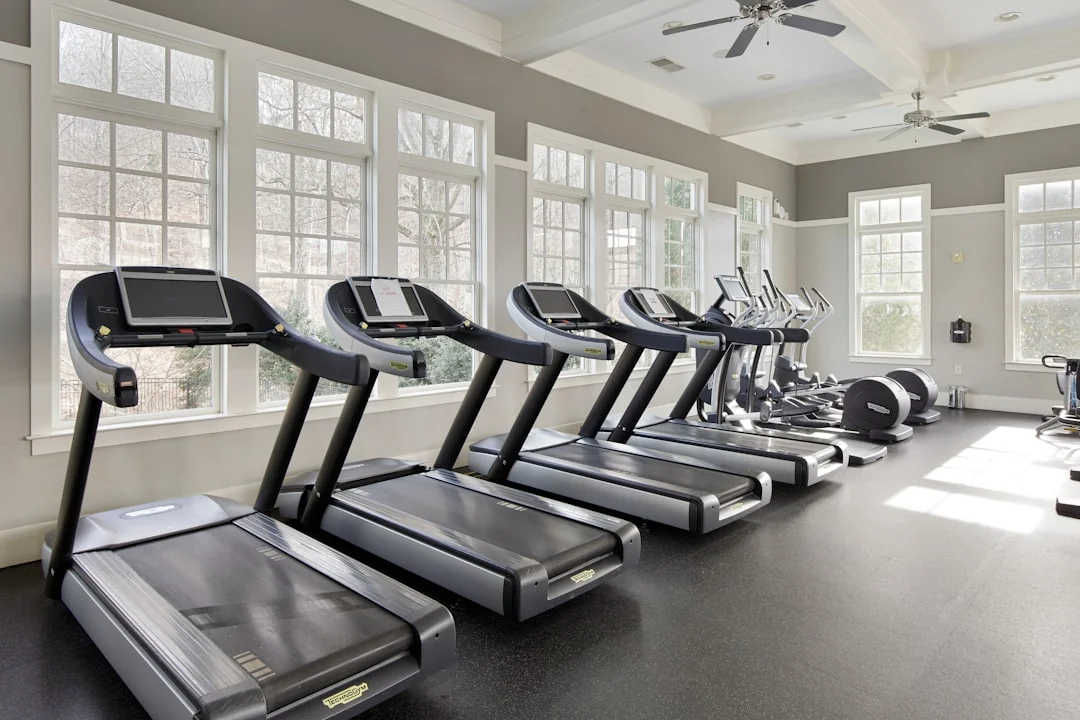
For those who want joint protection in a compact, storable machine, our best folding treadmill guide includes options that prioritize deck cushioning without sacrificing footprint quality.
The distinction that matters: treadmill plus correct form plus appropriate volume equals joint-safe training. Treadmill plus poor form plus too much too soon equals knee pain. The machine itself is not the variable. How you use it is.
Moving Forward - Your Knee-Safe Treadmill Plan
The research is clear: treadmills are only problematic for your knees when used incorrectly or without regard to load management. Applied thoughtfully, treadmill running supports knee health by strengthening surrounding muscles, maintaining cartilage health through regular movement, and giving you a controlled environment to build fitness without the unpredictability of outdoor terrain.
The evidence points consistently toward treadmill running being safe for knees. Start with walking, progress to jogging, choose a model with adequate cushioning, and give your body time to adapt to each new level of demand. For those who need an especially gentle entry point, our best under-desk treadmill covers walking pads suited to low-intensity movement. If you are recovering from knee surgery or managing a chronic joint condition, work with a physical therapist to establish your appropriate starting point and intensity ceiling.
Your knees were built to move. The goal is to support that movement, not fear it.
FAQs
What are the negative effects of a treadmill?
The negative effects of a treadmill include the risk of overuse injuries from the repetitive motion of training on a constant surface, knee or hip discomfort when form is poor or footwear is worn out, and patellar tendon stress when high incline settings are used excessively without adequate conditioning. These effects are largely preventable with proper form, gradual volume progression, and regular footwear replacement.
The condition of the machine itself matters too, and understanding how long treadmills last helps you decide when aging components are contributing to impact rather than absorbing it.
What is the #1 mistake for bad knees?
The number one mistake for people with bad knees is increasing training volume too quickly, which overloads the patellar tendon and surrounding structures before they have time to adapt to increased demand. Gradual progression - adding no more than roughly 10% to weekly training time - is a widely recommended guideline for anyone with knee concerns on a treadmill.
Tracking actual step counts rather than relying on time or distance estimates makes this progression more precise, and my guide to how many steps in a mile on a treadmill breaks down the numbers by pace and stride length.
What is the best exercise machine if you have bad knees?
The best exercise machine for people with bad knees depends on the specific condition, but low-impact options like recumbent bikes, elliptical trainers, and cushioned treadmills are most commonly recommended for cardiovascular fitness. A treadmill for knee problems should have strong deck cushioning, a low step-up height, and adjustable incline so you can control the intensity and joint load precisely.
Readers choosing between machines at the joint-health level will find the full biomechanical tradeoffs in my treadmill vs exercise bike comparison, including how each machine handles knee and hip load across different training intensities.
What exercise is hardest on your knees?
The exercises hardest on your knees are generally those combining high impact with rapid direction changes, such as plyometric jumping, full-speed lateral cutting, and deep squats under heavy load. Among cardiovascular options, running on hard concrete or asphalt without proper footwear places the highest peak forces on the knee joint compared to treadmill or elliptical training.
Is running bad for your knees?
Running is not inherently bad for your knees; the evidence consistently shows that recreational runners have lower rates of knee osteoarthritis than sedentary individuals. The risk comes from specific, modifiable factors - training spikes, poor biomechanics, and inadequate footwear - rather than from running itself, on a treadmill or outdoors.
This content is for informational and educational purposes only. It is not a substitute for professional medical advice, diagnosis, or treatment. Always consult with your healthcare provider before starting any new fitness program.
References
- Nigg BM, De Boer RW, Fisher V. A kinematic comparison of overground and treadmill running. Med Sci Sports Exerc. 1995;27(1):98-105. doi:10.1249/00005768-199501000-00018
- Dixon SJ, Collop AC, Batt ME. Surface effects on ground reaction forces and lower extremity kinematics in running. Med Sci Sports Exerc. 2000;32(11):1919-1926. doi:10.1097/00005768-200011000-00016
- Lo GH, Driban JB, Kriska AM, et al. Is There an Association Between a History of Running and Symptomatic Knee Osteoarthritis? A Cross-Sectional Study From the Osteoarthritis Initiative. Arthritis Care Res. 2017;69(2):183-191. doi:10.1002/acr.22939
- Chakravarty EF, Hubert HB, Lingala VL, et al. Long distance running and knee osteoarthritis: a prospective study. Am J Prev Med. 2008;35(2):133-138. doi:10.1016/j.amepre.2008.03.032
- Malisoux L, Frisch A, Urhausen A, et al. Injury incidence in a cohort of regular sport practitioners in Luxembourg, with specific focus on running-related injuries. J Sports Sci Med. 2013;12(3):401-408.
- Crossley KM, Stefanik JJ, Selfe J, et al. 2016 Patellofemoral pain consensus statement from the 4th International Patellofemoral Pain Research Retreat. Br J Sports Med. 2016;50(14):839-843. doi:10.1136/bjsports-2016-096384
- Lay AN, Hass CJ, Gregor RJ. The effects of sloped surfaces on locomotion: a kinematic and kinetic analysis. J Biomech. 2006;39(9):1621-1628. doi:10.1016/j.jbiomech.2005.05.007