

The most accurate step counter you can buy might already be on your wrist, in your pocket, or clipped to your waistband - but each type performs very differently under real research conditions. I've reviewed published validation studies across every major device category, and the results might surprise you: expensive doesn't always mean accurate. Walking speed, sensor placement, and whether you shuffle or stride all matter more than the price tag.
This guide compares smartwatches, phone apps, and clip-on pedometers using real accuracy data so you can choose the right device for how you actually move.

Most Accurate Step Counter - How Watches, Phones, and Clip-Ons Actually Compare
No single device type wins in every situation, and the research makes that clear. Smartwatches lead for features and integration. Clip-on pedometers consistently win for hip-worn accuracy at normal walking speeds. Smartphone apps fall in the middle - convenient but accuracy depends heavily on how you carry your phone.
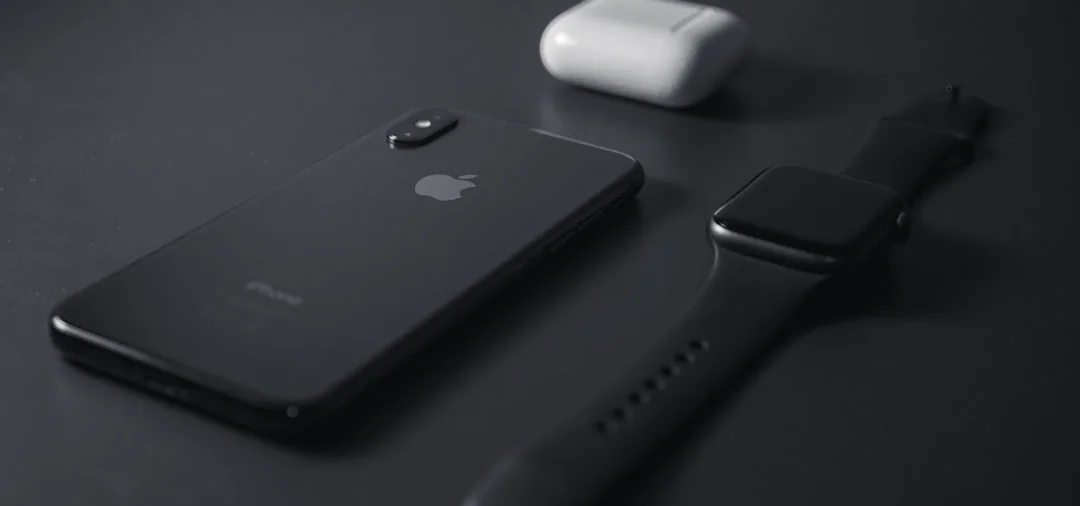
Researchers conducted a real-world test wearing six fitness watches simultaneously for 6,000 steps, then repeated the experiment with ten devices for 10,000 steps. The results showed dramatic variation: some Garmin models came within 15 steps of the actual count, while others missed by hundreds. A 2021 study published in PLOS ONE found that even popular consumer devices overestimated daily steps by 17.1% to 35.5% in free-living conditions (1). That gap matters when you're aiming for a specific daily target or tracking activity for a health goal.
For a detailed head-to-head between the two most popular wearable brands, our Garmin vs. Apple Watch accuracy comparison covers both step counting and heart rate data.
Table 1: Most Accurate Step Counter Options by Device Type
Device Type | Typical Accuracy Range | Best Condition | Worst Condition |
Clip-on pedometer (hip/waist) | Within 0.5-2% error | Normal walking 2-4 mph | Slow shuffling below 2 mph |
Smartwatch (wrist-worn) | 5-20% error range, varies by device | Running at normal pace | Slow or altered gait |
Smartphone app (in pocket) | 85-95% in everyday use | Phone in pants pocket at hip level | Phone in bag or held in hand |
Research-grade accelerometer | Below 2% error | All controlled conditions | Loose or incorrect attachment |
Smartwatch Step Trackers
Smartwatches use three-axis accelerometers combined with proprietary software algorithms to estimate step counts from wrist movement. Accuracy is genuinely strong at normal and fast walking speeds - research consistently shows under 10% error above 3 mph. The challenge is that wrist movement does not perfectly mirror foot strikes, especially when someone pushes a cart, types at a desk, or walks slowly.
Fitbit's wrist-worn devices share those limitations, and my Fitbit model comparison breaks down which current device best balances step accuracy with other health features.
A 2025 study tested 12 wearable devices across normal and altered gait conditions and found that Apple Watch performed best overall, achieving a 5.8% mean absolute percentage error when worn at the waist - even at slower, compromised walking speeds (2). Garmin and Samsung devices trailed slightly but still performed within acceptable ranges for daily tracking. The main limitation of wrist-worn trackers is false step detection: moving your arms in a car, typing, or carrying groceries can register as movement on some devices - a filtering problem that varies considerably across brands and firmware versions.
Clip-On Pedometers
A dedicated step counter pedometer worn at the hip or waistband is one of the most precise options available for normal walking. The Yamax pedometer has served as the gold-standard reference device in multiple research studies because of its reliability at standard walking speeds - other consumer devices are measured against it to establish their accuracy benchmarks. Hip-worn clip-on placement consistently delivers the highest step-count precision of any consumer device type at speeds above 2 mph.
The limitation is speed sensitivity. Traditional spring-loaded pedometers miss steps at speeds below 2 mph - a real problem for older adults or anyone with a shuffling gait. For tracking daily walking at normal pace on flat terrain, a quality hip-worn clip-on pedometer is the most accurate step counter option for users who want reliable results without any app, charging, or Bluetooth requirement.
Smartphone Step Counter Apps
Your iPhone or Android phone already counts steps using its built-in accelerometer, feeding data into Apple Health or Google Fit automatically. Research shows phone-based step counting achieves 85-95% accuracy in everyday use when the phone is carried consistently in a pants pocket at hip level. A mobile phone application validation study published in PLOS ONE found that both iOS and Android native pedometer apps struggled at short distances and slow walking speeds, though custom algorithms improved performance significantly (3). Unlike a pedometer step counter that measures vertical hip displacement directly, a smartphone app estimates movement from wherever the phone happens to be at any given moment.
I found that the biggest accuracy gap across the research consistently comes from inconsistent phone placement throughout the day - which is rarely in the same optimal position from hour to hour. Finding the most accurate step counter in the phone-app category ultimately comes down to how consistently you can keep it at hip level.
Best Step Counter Watch - What Separates Accurate from Unreliable
The best step counter watch options share a few key traits regardless of brand. Garmin devices have earned a strong reputation for step counting precision - independent real-world testing recorded the Garmin Forerunner 265 just 15 steps off target in a 6,000-step evaluation. Apple Watch leads in accuracy for users with altered or slow gait, while Samsung and Fitbit offer solid mid-range performance.
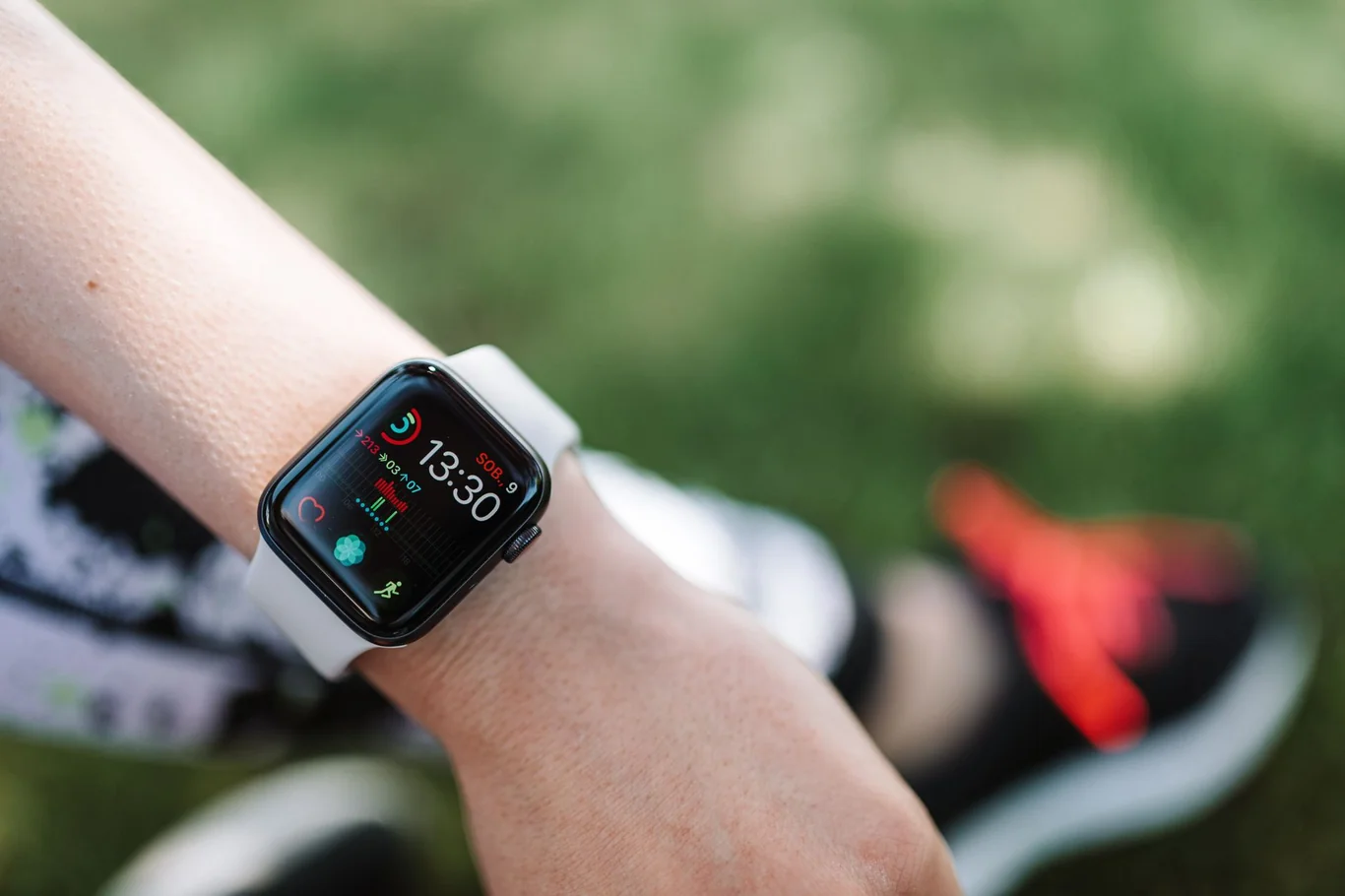
The most accurate step counter watch on the market pairs a high-quality three-axis accelerometer with regularly updated firmware algorithms. I gave more weight to real-world accuracy data than spec sheet claims when comparing these devices - manufacturer specifications and independent testing results often diverge considerably.
What to look for in a most accurate fitness tracker for step counting:
- Three-axis accelerometer with firmware-level step detection algorithms
- Regular over-the-air updates that improve accuracy over time
- Heart rate integration that helps filter false steps during sedentary periods
- Wrist circumference settings that reduce slippage-based errors
- Published third-party validation data rather than brand-only claims
Garmin smartwatches consistently lead in step accuracy for runners and active walkers. Apple Watch is the best most accurate step counter watch for anyone with slow or irregular gait. Fitbit wrist models remain reliable for general daily goal tracking, though independent research shows higher error rates than top-tier smartwatches.
For runners who want step accuracy paired with running-specific metrics, my best fitness tracker for runners guide covers the top options across the field.
If you're evaluating what a smartwatch actually does beyond step counting, our smartwatch features and capabilities guide covers the full picture - from sleep tracking to GPS navigation. The "most accurate fitness watch" category also includes devices with GPS that can cross-reference step count against distance covered, catching errors pure accelerometer data would miss.
Step Counter Pedometer vs. Smartwatch - Which Wins for Your Walking Style
The right choice between a dedicated pedometer step counter and a smartwatch depends on your specific walking habits, not on brand reputation. Both device types have concrete strengths and limitations that become clear from the published research.

Advantages of a dedicated step counter pedometer:
- Battery life of weeks or months with no daily charging
- No app pairing, Bluetooth setup, or account creation required
- Hip or waist placement delivers higher accuracy than wrist placement
- Lower price point with no subscription fees attached
- Simple enough to use daily as a straightforward, distraction-free step counter
- Passive step detection with minimal false positives from vehicle travel
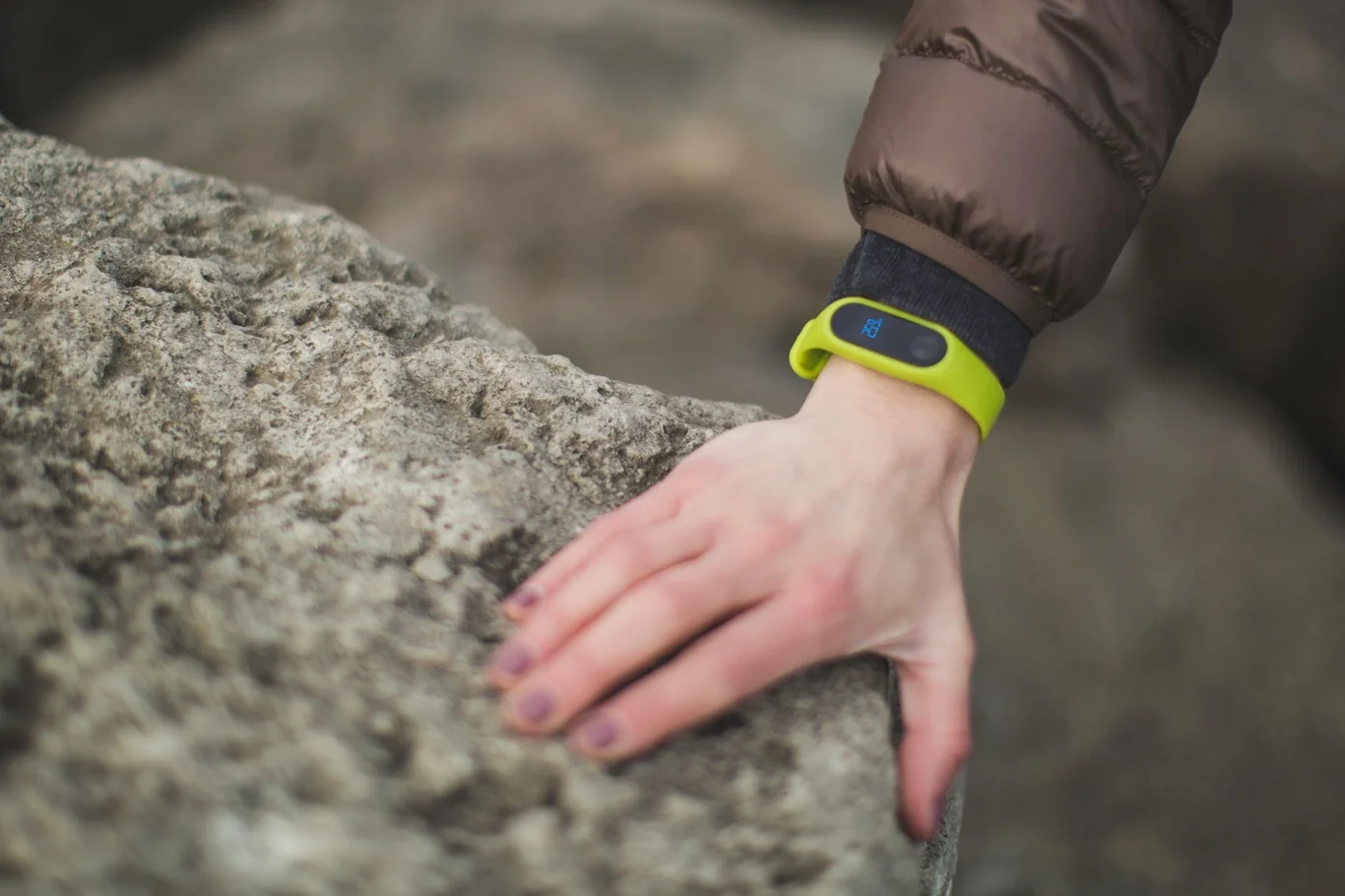
Step counter bracelets and wristband-style dedicated trackers occupy the middle ground between full smartwatches and clip-ons. They are typically simpler than Apple Watch or Garmin but more accurate than relying on your phone alone, and they are worn consistently on the wrist rather than left in a bag. For users who want something more visible than a clip-on but less expensive than a smartwatch, a step counter bracelet is an effective daily tracking tool.
For context on how wrist placement affects all health metrics - not just steps - our smartwatch heart rate accuracy guide explains why placement and body contact matter for both heart rate and motion sensing.
Step Counter for Seniors - Accuracy at Slower Walking Speeds
Slow walking speed accuracy is a critical gap that most device reviews overlook. Standard mechanical pedometers lose reliability at speeds below 2 mph - speeds that are entirely normal for older adults, people recovering from surgery, or anyone with a mobility limitation.
For older adults who want a reliable tracker built around their pace, my best fitness tracker for seniors guide covers the devices that perform best at slower speeds.

A 2018 study specifically validated an accelerometer-based device in adults aged 65 and older across real-life functional movements including timed-up-and-go tasks and stair climbing. The device achieved 1.3-1.9% error at slow speeds typical of this population, with intraclass correlations between 0.931 and 0.985 (4). I found these results more compelling than typical treadmill tests because they measured accuracy during real daily movements rather than controlled lab conditions. Selecting the most accurate step counter for seniors means prioritizing devices that perform reliably below 2 mph, since that is where most consumer trackers lose precision.
For seniors or anyone walking at a slower pace, these factors matter most in a step counter:
- Step detection at speeds below 1 mph
- Large display that is readable without adjusting glasses
- Setup that does not require a smartphone or Bluetooth pairing
- A clip or strap that attaches easily with limited hand strength
- Long battery life to avoid daily charging routines
Apple Watch outperformed most competitors at slow gait speeds in Rowe et al. (2025), but it still requires charging, setup, and a higher investment. A quality electronic clip-on pedometer often delivers a better day-to-day experience as a step counter for seniors who prioritize simplicity and reliability over features.
Factors That Shape the Accuracy of Step Counters
Understanding what causes step counter inaccuracy helps you get better results from whichever device you choose. The accuracy of step counters is not fixed - it shifts based on how you move, where you wear the device, and what activities you perform throughout the day.
Walking Speed and Gait Type
Walking speed is the single biggest accuracy factor. Research suggests the relationship is nearly linear: the faster you walk, the more accurate most devices become (5).
Table 2: Step Counter Accuracy by Walking Speed
Walking Speed | Accuracy Range | Notes |
Above 3 mph (fast walking) | 96%+ accuracy | Nearly all devices reliable at this range |
2-3 mph (normal adult pace) | 74-91% accuracy | Standard range for healthy adult walkers |
Below 2 mph (slow walking) | 60-71% accuracy | Significant drop especially for mechanical pedometers |
Below 1 mph (shuffling gait) | Highly variable | Most consumer devices become unreliable |
This pattern explains why devices perform better during deliberate exercise than during casual movement throughout the day. A morning walk at 3 mph gets counted near-perfectly. Gentle movement around the house under 2 mph can be missed entirely. Gait irregularity compounds the problem further - Storm et al. (2015) found that the worst-performing devices showed error rates above 30% during slow, irregular movement patterns, compared to under 2% for the best-performing device at faster speeds (5).
I weighted slow-speed accuracy heavily when reviewing these studies because a daily 10,000-step goal involves far more casual, slow movement than dedicated fitness walking.
For context on the calorie impact of those daily steps, my how many calories does 10,000 steps burn guide breaks down what the research shows at different walking speeds and body weights.
Body Placement and Wearing Position
After walking speed, body placement is the next most important accuracy variable. Hip and waist placement consistently outperforms every other position in research. Wrist placement adds convenience but introduces up to 20% additional error. Phone placement in a bag shows the most variable results of any common carrying method.
For users who prefer a non-wrist option, my best ankle fitness tracker guide covers how ankle placement compares to hip and wrist positions for step accuracy.
If you incorporate walking backward on a treadmill or any lateral movement into your routine, expect step counts to read lower than actual since most device algorithms are calibrated specifically for forward walking patterns.
How to maximize step counter accuracy - in priority order:
- Wear the device at its optimal position (waist or hip for clip-ons, dominant wrist snug for smartwatches)
- Enter your correct height and stride length in the companion app settings
- Keep device firmware updated regularly - algorithm improvements ship silently
- Secure the strap or clip firmly to prevent bounce during movement
- Use GPS mode on outdoor walks when available to cross-reference step estimates with distance
- Recalibrate stride length settings if you switch frequently between walking and running workouts
Stair Climbing and Irregular Movement
Step counter accuracy drops measurably during stair climbing, lateral movement, and other non-forward-walking activities. Most device algorithms are calibrated specifically for forward walking patterns, which means climbing stairs, moving sideways, or carrying heavy loads can cause significant undercounting. This accuracy gap matters for anyone who lives or works in multi-story buildings.
For seniors or rehabilitation patients tracking stair climbing as part of a recovery program, a smartwatch with a built-in altimeter reports floor count separately from step count - giving a more complete picture of daily vertical movement than a simple step counter pedometer alone can provide.
Best Step Counter App - Free Options for iPhone and Android
The best step counter app options depend on your platform and how much you want to invest. Your phone's native health app - Apple Health on iPhone or Google Fit and Samsung Health on Android - is a reliable baseline that requires no download and works automatically in the background. Every major platform now includes a step counter app free of charge as part of its native health suite.
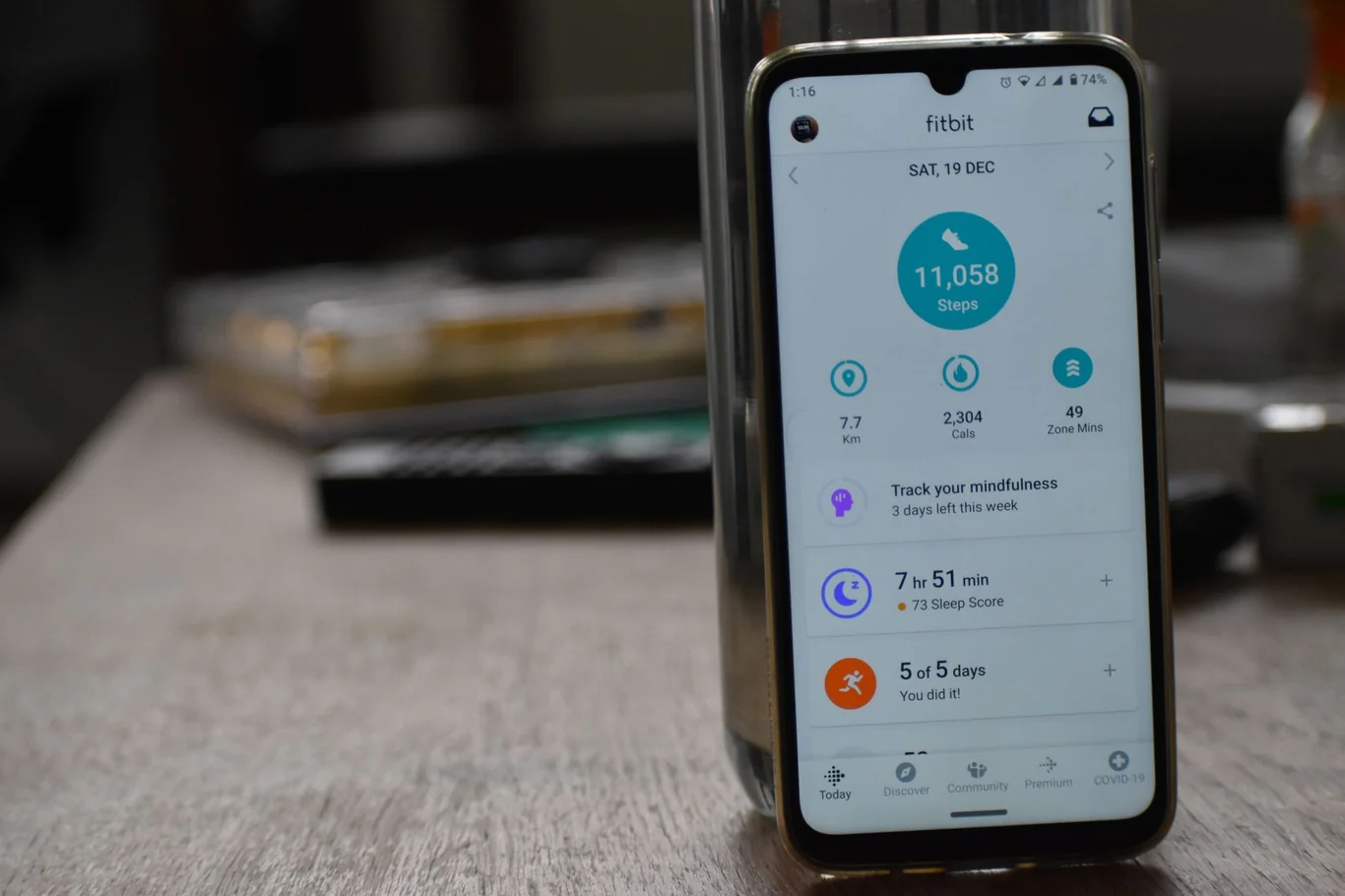
Research has found that phone-based apps are competitive with many standalone wearables when the phone is carried consistently in a pants pocket. The free step counter app options below represent the best available in 2026 without a subscription:
- Apple Health / Fitness App - native iPhone step tracking with Apple Watch integration; automatically syncs and cross-references data from both devices
- Samsung Health - the best free step counter app for Android users; includes step challenges, weekly summaries, and heart rate integration
- Google Fit - clean, simple Android step counter with Heart Points integration; ideal for users who want straightforward daily tracking
- StepsApp - available on both platforms; clean display and multi-week historical data; popular among users switching between devices
- Pacer Pedometer - includes community challenges and coaching features; the best step counter app free version covers core step tracking without requiring a paid tier
For Android users who want a free step counter app for Android that works offline without a cloud account, several lightweight pedometer apps use the phone sensor locally without syncing to any external service.
Combining step data with other movement metrics gives a more complete picture of daily activity. If you track strength training alongside your walking, understanding what muscles a rowing machine works alongside your step goals can help you balance calorie output and muscle activation across your full weekly routine.
Picking the Most Accurate Step Counter for Your Needs
For everyday walking accuracy, a hip-worn clip-on pedometer outperforms wrist devices at the same price point. For health features, sleep data, and smartphone integration, a smartwatch from Garmin or Apple offers the best step counting among wearable options. If budget matters, your phone with its native health app is a capable and accurate step counter when kept in your pocket throughout the day.
If sleep tracking is part of your reason for buying a smartwatch, my do apple watches track sleep guide covers what the algorithm actually measures overnight.
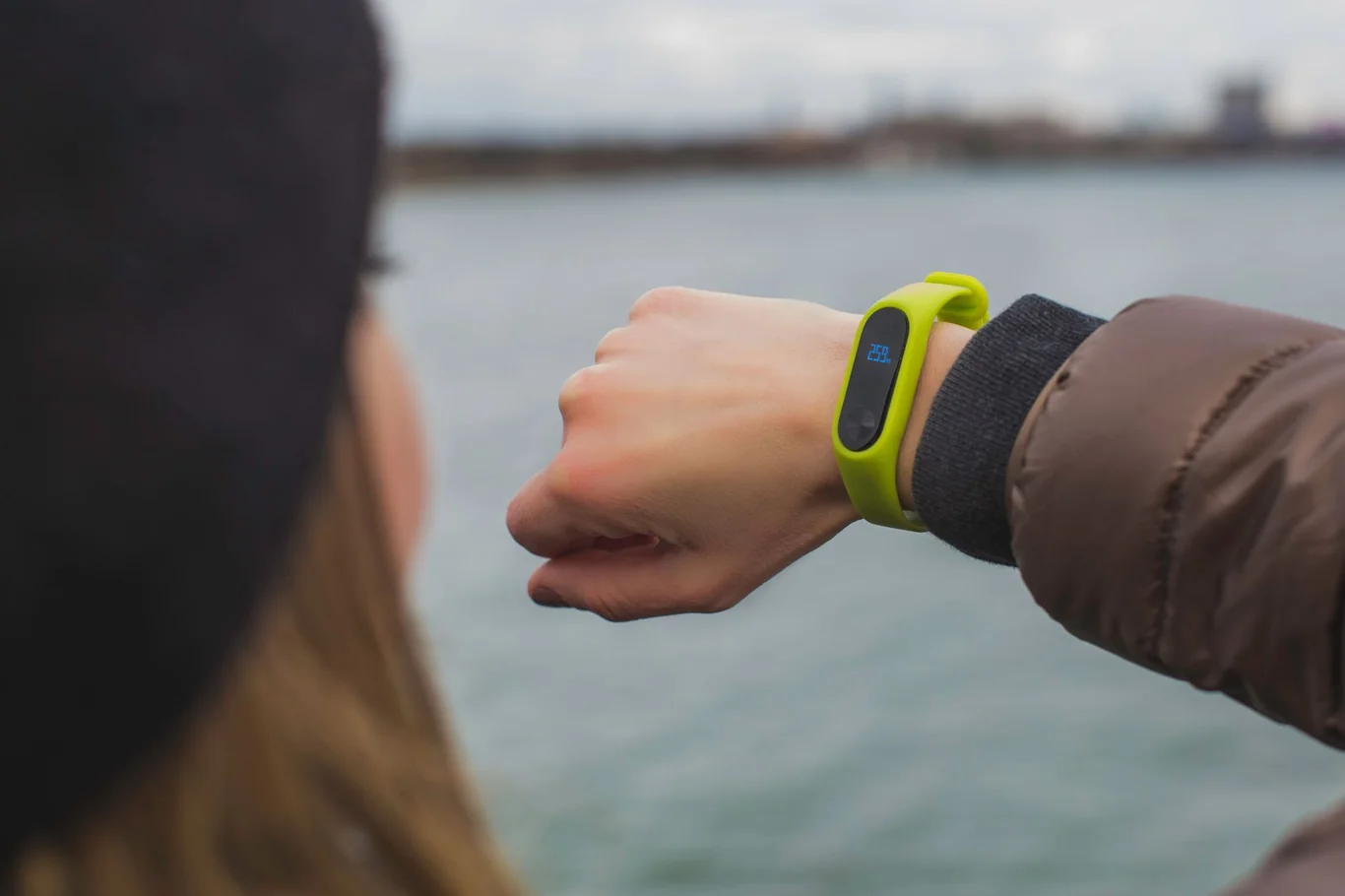
The research I reviewed points to one consistent finding: consistent wearing habits matter more than brand. A Garmin Forerunner 265 sitting on your desk counts zero steps, while a simple clip-on pedometer worn all day delivers useful data.
For long-term tracking goals, check recent independent validation data rather than older comparison reviews - algorithms improve significantly through firmware updates. Our Garmin vs. Apple Watch accuracy comparison covers how both brands have evolved in step accuracy across recent firmware updates.
FAQs
Does swinging your arms count as steps?
Arm swinging does not automatically count as steps on most modern wrist-worn devices, since current algorithms filter out low-intensity arm movement. Rapid, rhythmic arm swinging at a consistent pace can sometimes register false steps on some trackers - particularly during car rides on rough roads or during activities like vigorous hand gestures that mimic a walking cadence.
Is Fitbit or iPhone more accurate for steps?
A Fitbit device worn on the wrist and an iPhone carried in a pants pocket perform comparably in research, though both fall short of a hip-worn dedicated pedometer. Fitbit wrist-worn models show higher error rates in published studies, while iPhone native step counting achieves 85-95% accuracy when the phone stays consistently in a pocket - giving the phone a slight accuracy edge in optimal carrying conditions.
What is the most accurate way to track my steps?
The most accurate way to track your steps is to use a hip- or waist-mounted device - either a clip-on pedometer or a smartwatch attached at the waistband - while walking at a consistent pace above 2 mph. Hip placement consistently outperforms wrist placement in published research, and adding GPS during outdoor walks improves precision further by cross-referencing estimated steps with actual distance traveled.
Which step counter app is most accurate?
The most accurate step counter app on iPhone is the native Apple Health app when paired with Apple Watch, since the two devices cross-reference wrist and phone accelerometer data together. For Android users without a wearable, Samsung Health and Google Fit consistently rank as the most accurate free options, both using the phone's built-in sensor and performing reliably when the phone is carried in a pocket. For users who want the best step counter app free of subscriptions, either native platform covers the essentials without a paid tier.
What is the most accurate smart watch for fitness?
Garmin smartwatches consistently rank as the most accurate fitness tracker for step counting in independent testing, with models like the Garmin Forerunner 265 missing only 15 steps in a 6,000-step real-world evaluation. Apple Watch is the best most accurate step counter watch for slow-speed and altered gait conditions, outperforming all 11 competitors in a 2025 validation study of 12 wearable devices - Rowe et al. (2025).
This content is for informational and educational purposes only. It is not a substitute for professional medical advice, diagnosis, or treatment. Always consult with your healthcare provider before starting any new fitness program or using fitness technology for health monitoring.
References
- Bai Y, Tompkins C, Gell N, Dione D, Zhang T, Byun W. Comprehensive comparison of Apple Watch and Fitbit monitors in a free-living setting. PLOS ONE. 2021;16(5):e0251975. doi:10.1371/journal.pone.0251975.
- Rowe G, Weight D, Rea A, Conlon J, Wood FM, Edgar DW. Accurate measurement of simulated slow and altered walking activity: Apple Watch best in class wearable devices. PLOS ONE. 2025;20(10):e0333504. doi:10.1371/journal.pone.0333504.
- Hurt CP, Lein Jr. DH, Smith CR, Curtis JR, Westfall AO, Cortis J, Rice C, Willig JH. Assessing a novel way to measure step count while walking using a custom mobile phone application. PLOS ONE. 2018;13(11):e0206828. doi:10.1371/journal.pone.0206828.
- Magistro D, Brustio PR, Ivaldi M, Esliger DW, Zecca M, Rainoldi A, Boccia G. Validation of the ADAMO Care Watch for step counting in older adults. PLOS ONE. 2018;13(2):e0190753. doi:10.1371/journal.pone.0190753.
- Storm FA, Heller BW, Mazzà C. Step detection and activity recognition accuracy of seven physical activity monitors. PLOS ONE. 2015;10(3):e0118723. doi:10.1371/journal.pone.0118723.