
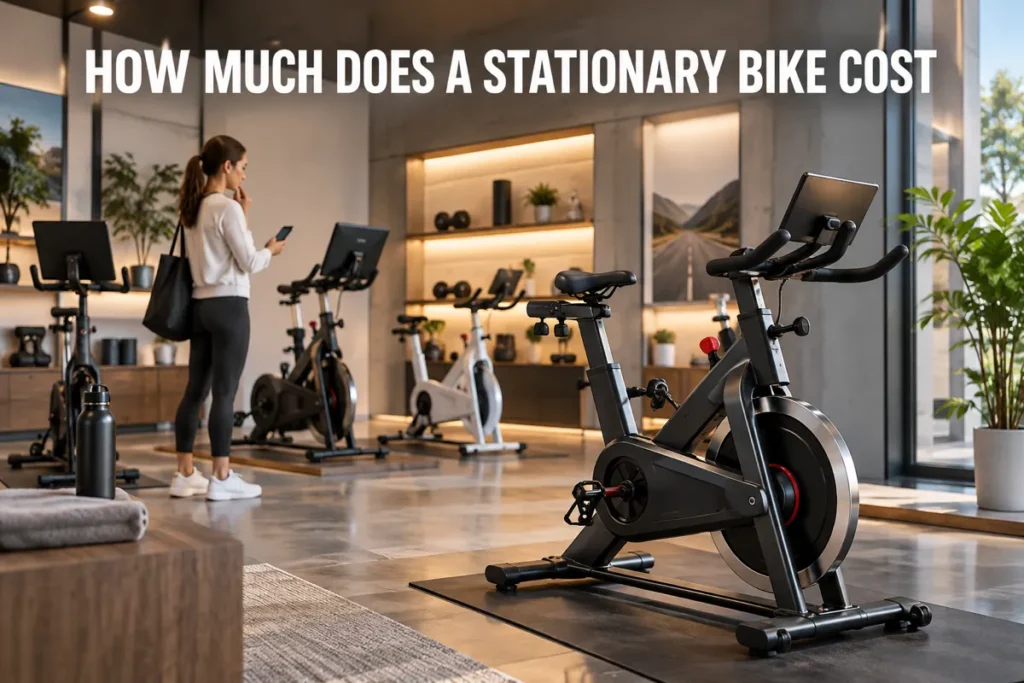
How much a stationary bike costs is the first question every buyer asks - and the answer spans a wider range than most expect. Most people searching this question are weighing one of three decisions: whether to buy at all, how much to spend, or which type fits their goals. This guide answers all three, with price data covering every tier, type, and brand. A basic upright starts around $100, while a connected smart bike with a live-instructor touchscreen can run $3,500 or more. The real value for most home riders sits between $300 and $700, where frame stability, magnetic resistance, and basic connectivity combine without paying a premium for content subscriptions over hardware.

How Much Does a Stationary Bike Cost - What Your Budget Gets You
The price is a spectrum shaped by resistance type, flywheel weight, frame rigidity, display technology, and brand positioning. Every jump in price tier delivers a meaningful upgrade in at least two of these areas, which is why the strategy of buying the cheapest available option frequently produces a bike that wobbles, squeaks, and gets abandoned within a few months.
For a detailed breakdown of how to compare these features side by side, our how to choose an exercise bike guide walks through every spec that actually matters.
Price Tier | Range | Best For | What You Get |
Ultra-Budget | $80-$150 | Trial users, minimal commitment | Manual friction resistance, basic LCD, 4-10 lb flywheel, plastic pedals |
Budget | $150-$300 | Casual cardio, 1-3 sessions per week | Magnetic resistance, 8-16 levels, 12-20 lb flywheel, LCD display |
Mid-Range | $300-$700 | Regular home riders, structured training | Bluetooth, 20+ resistance levels, 25-40 lb flywheel, ergonomic adjustment |
Premium | $700-$1,500 | Committed athletes, daily users | 40-50 lb flywheel, near-silent operation, advanced app integration, durable frame |
Ultra-Premium | $1,500-$3,500+ | Connected fitness users | HD touchscreen, auto-resistance, live instructor classes, full content ecosystem |
Ultra-Budget and Budget Bikes ($80-$300)
Sunny Health & Fitness, Yosuda, and Marcy are the dominant exercise bike brands at this price range. Ultra-budget bikes at $80-$150 use friction or direct-contact resistance, which is louder, less consistent, and wears out faster than magnetic systems. The step up to the budget tier at $150-$300 brings true magnetic resistance: quieter, maintenance-free, and noticeably smoother across the full resistance range.
What to expect at the budget tier:
- Resistance range of 8-16 levels (adequate for light to moderate cardio)
- Basic LCD display showing time, speed, distance, and estimated calories
- Flywheel between 12 and 20 pounds (smooth enough for casual pace, less stable during sprints)
- Standard cage pedals (a clip-in pedal upgrade improves efficiency significantly)
- Frame weight around 30-45 pounds with adequate stability for seated riding at low effort
If you plan to ride more than twice a week, the extra $50-$100 for a true magnetic-resistance bike pays for itself in the improved experience within a month. In evaluating budget-tier bikes for this guide, I found that the jump from friction to magnetic resistance is the single most impactful upgrade available under $300 - buyer feedback patterns consistently identify mechanical noise as the primary complaint within 60 days for friction-resistance bikes, while magnetic-resistance models at the same tier generate almost no noise-related returns.
Mid-Range Bikes ($300-$700)
The mid-range is where stationary bike cost and value converge for most home riders. The frame handles vigorous riding, the resistance is smooth across the full range, and Bluetooth connectivity opens the bike to free and low-cost apps without requiring a proprietary subscription. Echelon and comparable connected bikes are the clearest representatives of this tier; Schwinn IC4 and Bowflex C6 are frequently referenced here but typically price at $700-$900, putting them at the upper mid-range or entry-premium boundary rather than the core $300-$700 range.
Flywheels at this tier run 25-40 pounds, which creates the rotational inertia needed for a smooth, continuous pedal stroke during high-intensity intervals. Most mid-range bikes are compatible with Zwift ($19.99/month) and YouTube fitness channels at no cost, giving you structured workouts without mandatory subscription fees that can double the total ownership cost over three years.
Premium and Ultra-Premium Bikes ($700+)
At $700 and above, frame quality becomes genuinely excellent and marginal improvements become increasingly specific to content and connectivity rather than hardware. A Peloton Bike (currently starting at approximately $1,695 for the Cross Training Bike model) delivers very good hardware, but a substantial portion of the price reflects the content ecosystem rather than the physical bike. Sole Fitness models in the $800-$1,200 range offer comparable hardware with less branding premium and no mandatory subscription.
At the ultra-premium tier, stationary bikes typically cost $1,500-$3,500. Peloton Bike+ is often listed around $2,500 and includes a rotating HD touchscreen, auto-resistance adjustment, and access to a large live and on-demand class library. These bikes make financial sense only if you use the interactive class library consistently and treat the subscription cost as replacing gym class fees, which typically run $20-$35 per session.
Stationary Bike Cost by Bike Type - Upright, Recumbent, Spin, and Air
The price tiers above use upright bikes as the baseline. Different types of stationary bikes shift the price floor and ceiling based on frame complexity, market size, and target use case. Understanding how much an exercise bike costs across types helps you choose the right design for your body before comparing specs.
Bike Type | Entry Price | Mid-Range | Premium | Best For |
Upright | $100 | $300-$500 | $1,200+ | General cardio, weight loss |
Recumbent | $200 | $500-$900 | $1,500+ | Back pain, arthritis, seniors, rehab |
Spin/Indoor Cycling | $150 | $400-$700 | $2,500+ | High-intensity training |
Air/Fan Bike | $300 | $600-$900 | $1,400+ | HIIT, full-body conditioning |
Folding | $100 | $250-$400 | $700+ | Small apartments, storage |
How Much Does a Recumbent Bike Cost
If you are comparing a recumbent bike to an equivalent upright, budget roughly 30-50% more for the same quality tier. The recumbent's larger back-support frame, wider seat mechanism, and ergonomic engineering add manufacturing cost, and the smaller market means less pricing competition. A functional recumbent starts at approximately $200, but the practical minimum for adequate lumbar support and smooth resistance is around $400-$500. Schwinn 270 and Marcy ME-709 are among the most purchased options at their respective price points.
Recumbent bikes are the top recommendation for stationary bike for seniors with arthritis and anyone managing chronic lower back or hip problems: the reclined position eliminates compressive spinal load and distributes body weight across a wider seat surface, reducing stress on the knees and hips. A 2026 systematic review of 47 intervention studies found stationary biking produced significant improvements in mobility, aerobic capacity, and quality of life in older adults, including notable reductions in pain scores and improved balance (1). If you are managing an existing joint condition, speak with your healthcare provider before starting a cycling program to confirm the right approach for your specific situation.
Spin Bikes and Air Bikes
Indoor cycling or spin bikes use a road-bike geometry that creates a more athletic, forward-leaning riding position. This design burns more calories per session than an upright at equivalent perceived effort, but it is harder to sustain for long durations at lower fitness levels. Entry-level spin bikes from Sunny Health & Fitness and Yosuda start around $150, but the minimum viable quality for a spin bike that feels stable and smooth under maximum effort is approximately $400-$600.
Air bikes use a large fan blade for resistance: the harder you pedal, the more resistance you feel. Air bikes require a baseline fitness level above most other cardio equipment, and they rank among the most effective options for interval training and total calorie burn. Assault AirBike and Rogue Echo Bike are well-regarded models in the $500-$900 range. They require no subscription and have no screen complexity, making them ideal for riders who want intensity over interactivity.
If you are deciding between a stationary bike and a rowing machine for home cardio, it helps to understand which muscles a rowing machine works: the rowing machine recruits significantly more upper-body musculature, while the stationary bike's lower-body focus makes it easier to sustain for longer sessions at lower perceived exertion.
Stationary Bike Trainers and Stand Workouts
An alternative to a purpose-built stationary bike is a bicycle trainer - a stand that converts a standard outdoor road or mountain bike into a stationary setup. A stationary bike stand workout on a trainer delivers the same primary muscle engagement and cardiovascular demand as a dedicated machine while leveraging a bike you already own. Wheel-on trainers start at $80-$300 and clamp the rear wheel without modification; direct-drive trainers ($400-$1,600) remove the rear wheel entirely for more realistic power transfer and quieter operation. The primary limitation is that trainers require an existing bicycle, making them impractical for riders without a cycling background.
Exercise Bike Brands - What You Pay and Why It Matters
Stationary bikes from major brands cost significantly more than generic alternatives, and the reasons behind the spread are not always what buyers expect. Brand premium at the ultra-premium tier is primarily about content platform access, not hardware quality: a $2,500 Peloton and a $700 Sole Fitness bike are closer in mechanical quality than their prices suggest.
The major exercise bike brands break down into three tiers:
Budget brands ($150-$300):
- Sunny Health & Fitness - widest product line at this tier; consistent quality for the price; models under $200 use friction resistance
- Yosuda - known for quiet belt-drive systems and clean display; well-rated in the $200-$300 range
- Marcy - durable steel-frame uprights and recumbents; better frame rigidity than most at this price
Mid-range brands ($300-$700):
- Echelon - connected bikes with optional class subscriptions; a capable bike even if you never pay for the platform; the clearest representative of the true mid-range
- Schwinn - strong Bluetooth integration; the IC4 is a well-regarded spin bike at the upper end of mid-range, typically pricing at $700-$900
- Bowflex - the C6 delivers premium-comparable specs at entry-to-mid-premium pricing, typically $800-$999
Premium brands ($700+):
- Peloton - best content ecosystem available; hardware quality is excellent but the class library accounts for significant pricing premium
- Sole Fitness - lower marketing spend, higher hardware investment; recommended for riders who do not need a class platform
- NordicTrack - bundles iFIT subscription; strong touchscreen quality; value depends entirely on whether you use iFIT
Where to Buy a Stationary Bike
Budget and mid-range bikes are widely available across major retail channels. A Walmart search for a stationary bike surfaces Sunny Health & Fitness, Yosuda, and Marcy models at competitive prices with in-store pickup available at many locations - a significant advantage for avoiding $50-$150 shipping fees on larger frames. An Amazon search for a stationary bike returns the widest available selection with verified buyer reviews across hundreds of units per model, which provides useful durability data not available from brand websites. For premium bikes, purchasing directly from the manufacturer gives access to financing options and certified refurbished programs, often at 20-30% off retail.
Understanding how much a treadmill costs relative to a stationary bike is useful context if you are choosing between the two for a home cardio setup: the two categories overlap significantly in mid-range pricing but diverge considerably at the premium tier.
Hidden Costs That Affect Total Ownership Cost
The sticker price of a stationary bike is rarely the final cost. First-year ownership costs routinely run $150-$500 above the base purchase price when delivery, accessories, and optional subscriptions are included, and many buyers are caught off guard by these additions.
Delivery and Assembly
Standard shipping for a stationary bike runs $50-$150 depending on retailer and region. White-glove delivery, where the carrier brings the bike inside, assembles it, and removes packaging, adds $150-$300 and is not included with most mid-range purchases. Professional assembly services through major retailers typically charge $60-$180.
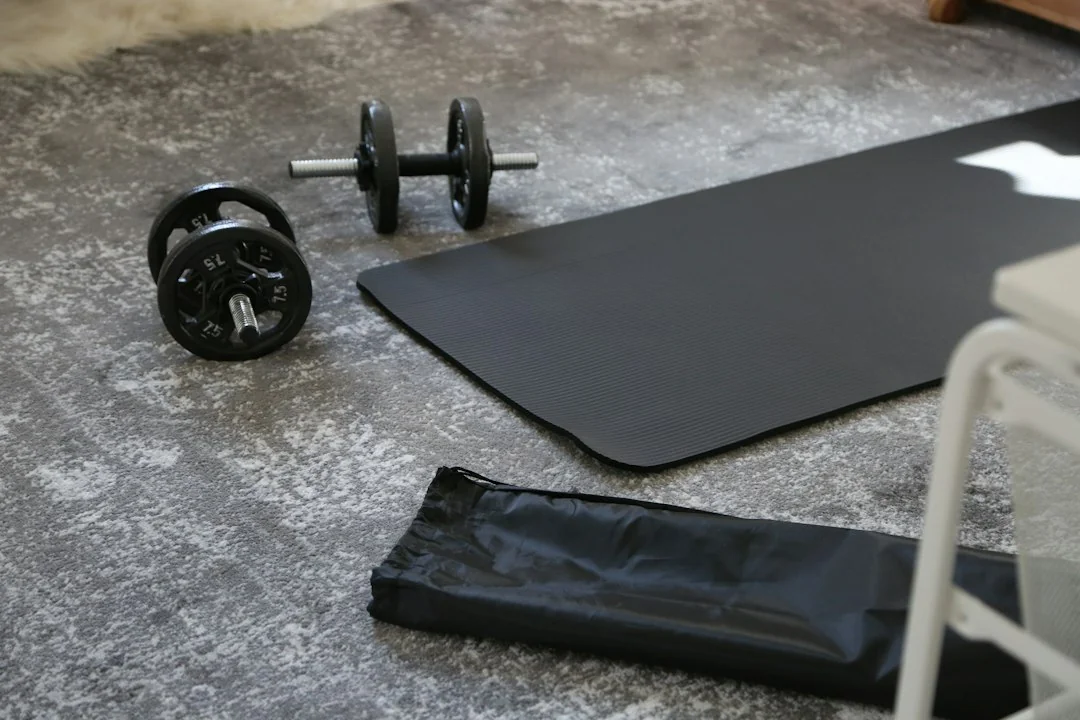
Most mid-range bikes require 30-90 minutes of self-assembly using basic tools. If you live in a third-floor apartment without an elevator or own a smaller vehicle, white-glove delivery quickly becomes worth the premium. A protective floor mat ($30-$80) is a worthwhile separate purchase: vibration from the bike can damage hardwood floors, and knowing how a magnetic resistance exercise bike works explains why magnetic systems produce less vibration than friction systems (the magnet never contacts the flywheel, eliminating mechanical wear and the associated noise).
Subscription Costs
Smart bikes with proprietary platforms are the most significant source of ongoing hidden cost. Here is the three-year subscription comparison for the main platforms:
Service | Monthly Cost | 3-Year Total | Notes |
Peloton All-Access | $49.99 | $1,800 | Required for full class library |
Echelon Premier | $40 | $1,440 | Optional; bike works without it |
iFIT (NordicTrack) | $39 | $1,404 | Required for adaptive training features |
Zwift | $19.99 | $720 | Works with any Bluetooth bike |
Free (YouTube, open platforms) | $0 | $0 | Structured workouts, no fee |
In assessing the Peloton All-Access subscription at $49.99 per month for this guide, I found the 3-year total of approximately $1,800 reshapes the buying decision entirely. For riders who use the platform consistently at three sessions per week, cost per session drops to under $2 - competitive with a gym membership, but only if usage remains consistent across the full term. Riders who want structured programming without a premium subscription can use free YouTube cycling channels or Zwift at $19.99/month, which provides both virtual riding and structured workouts and is compatible with any Bluetooth-enabled bike.
Accessories and Maintenance
A few accessories make a genuine difference in the daily riding experience:
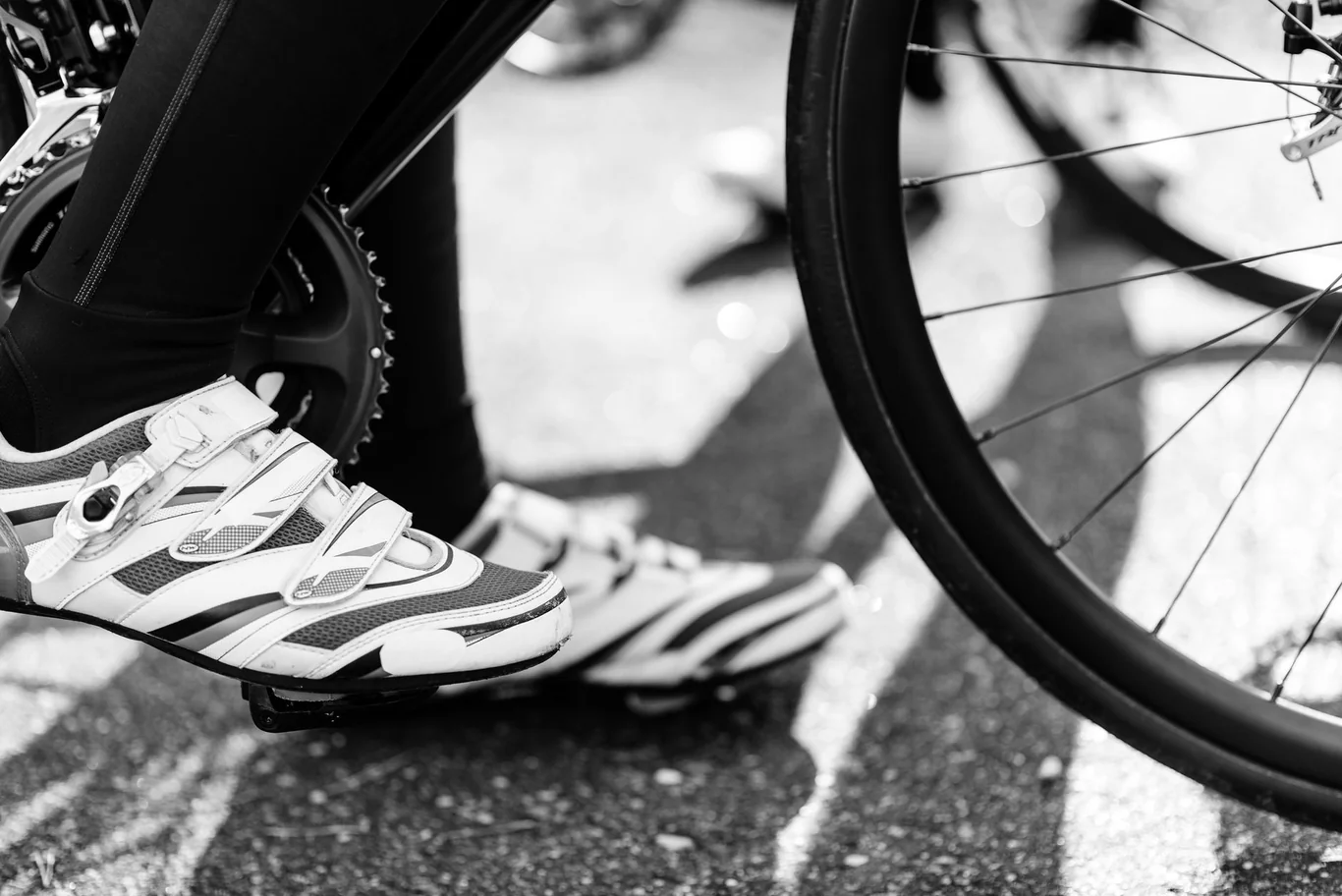
- Cycling shoes with clip-in cleats ($50-$150): measurably improve pedaling efficiency and reduce foot fatigue on spin bikes
- Padded cycling shorts ($25-$80): reduce saddle discomfort during rides over 30 minutes
- Heart rate monitor or fitness tracker ($30-$200): enables zone-based training, the most efficient approach for cardiovascular fitness and calorie burn
- Protective floor mat ($30-$80): prevents vibration damage to flooring and reduces noise transmission
- Water bottle cage and towel bar ($20-$50): often sold separately even on mid-range models
Annual maintenance for a magnetic-resistance bike is minimal: periodic belt-drive lubrication and occasional hardware tightening covers most upkeep, typically at $0-$50 per year in materials. Friction-resistance bikes require more frequent pad replacement ($15-$30 per replacement) and become progressively louder as resistance pads wear.
Is a Stationary Bike Worth the Cost - Health Benefits and Long-Term ROI
The gym membership comparison is the clearest financial argument for a stationary bike. A mid-range bike at $500 with no subscription breaks even against a $50/month gym membership in approximately 10 months. Over five years, that gym costs $3,000 or more against a one-time bike purchase. The calculation shifts only if you rely heavily on equipment variety, in-person instruction, or group classes that a home bike cannot replicate.
The health case is equally compelling. Stationary bike benefits extend well beyond calorie burn: high-intensity cycling training significantly reduces cardiovascular risk factors including cholesterol and blood pressure in middle-aged adults, with improvements measurable after 8 weeks - findings from a single-leg cycling protocol that reflect the cardiovascular adaptations of high-intensity cycling generally (2). Over longer time horizons, regular cycling as a daily activity is associated with a 19% reduction in ischemic heart disease risk and an 11% reduction in first-time cardiovascular events - with population evidence drawing from active commuting research that reflects the cardiovascular benefits of sustained cycling habit (3).
For a stationary bike workout for weight loss, research supports 30-60 minute sessions at moderate to vigorous intensity, three to five times per week. A 12-week controlled indoor cycling intervention produced significant reductions in body weight, total cholesterol, and inflammatory markers in women with obesity, with parallel improvements in aerobic capacity (4). High-intensity interval training that includes cycling shows strong body composition results: a meta-analysis of 14 randomized controlled trials found significant reductions in BMI and body fat percentage in overweight adults following structured high-intensity interval training protocols including cycling (5). Fat loss from cycling is systemic rather than localized: the body draws from fat stores throughout, not from one specific area; results depend on training consistency and overall energy balance.
Benefits of stationary bike 30 minutes a day include meaningful calorie expenditure: standard metabolic estimates put 30-minute sessions at 200-350 calories depending on body weight and intensity. A 150-pound rider at moderate effort burns roughly 220-250 calories; a 200-pound rider at the same intensity burns approximately 290-330 calories. Stationary bike 30 minutes a day results compound over weeks: consistent daily sessions at moderate intensity produce measurable cardiovascular improvements within 4-6 weeks. The core and lower abdominals engage as stabilizers throughout each session - stomach and core toning follow as a secondary outcome alongside cardiovascular fitness, particularly when combined with a moderate calorie deficit. Aerobic capacity improvements from regular indoor cycling are consistent across research: a systematic review of indoor cycling interventions found 8-10.5% improvements in VO2max with two to three sessions per week over 8 to 24 weeks (6).
For insight into how wearables can improve the accuracy of these estimates during your rides, our testing of how accurate smart watches are for heart rate during cycling shows that modern optical heart rate sensors track steady-state cycling intensity reliably, with lower accuracy during rapid cadence changes.
Choosing the Right Stationary Bike for Your Budget and Goals
Once you know your budget tier, narrowing to the right model comes down to riding frequency, training style, body needs, and subscription preference. Five factors decide which tier matches which buyer:
- Frequency - If you plan to ride once or twice per week, the $150-$300 budget tier is the honest recommendation. Daily riders should budget $400 at minimum for a frame and flywheel that handles sustained use.
- Training style - Casual steady-state cardio: upright or recumbent at mid-range. High-intensity intervals: spin bike or air bike at $400+. Connected class-style instruction: premium or ultra-premium with subscription factored into total budget.
- Body needs - Joint issues, back problems, or age-related mobility limitations: recumbent bike at $400-$600. Strong baseline fitness with no joint concerns: any bike type works at the appropriate tier.
- Space - Folding bikes at $250-$400 work well for small apartments where storage matters. A dedicated home gym space has no constraint.
- Subscription preference - Self-directed workouts with free apps: any Bluetooth-enabled mid-range bike. Live daily instruction: budget the $40-$50/month subscription alongside the hardware cost.
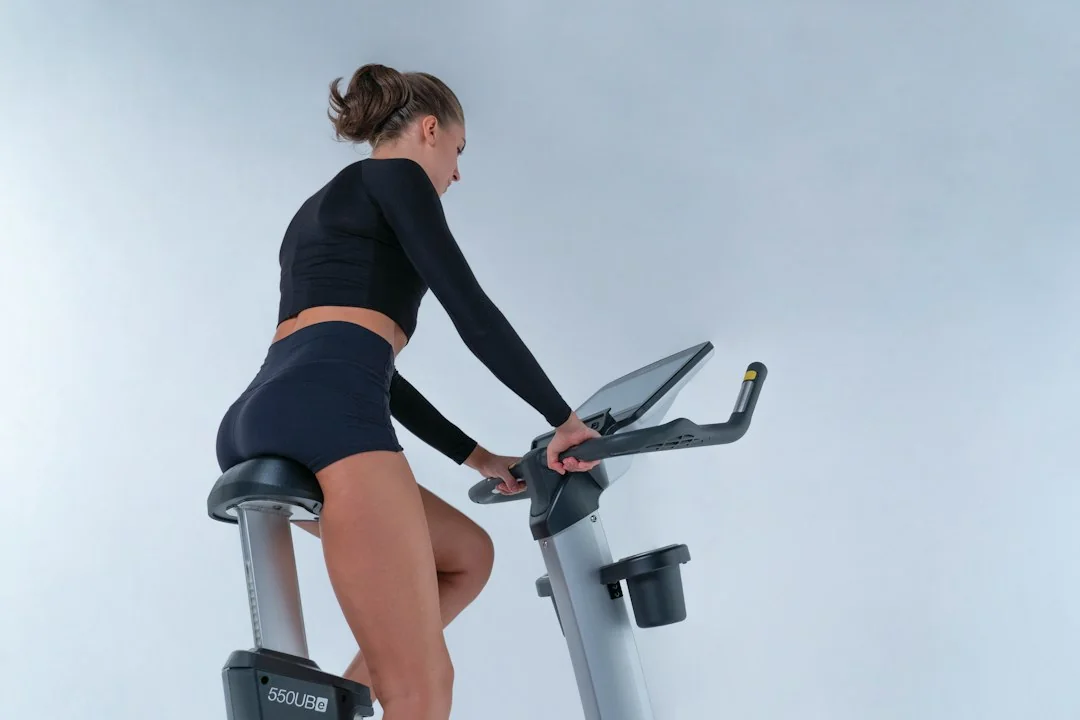
The best stationary bike for seniors with bad knees is almost always a recumbent at $400-$600 - the ergonomic support at that price tier is substantially better than budget recumbents, and the low step-over frame reduces fall risk. In reviewing buyer outcome data for this guide, I found the $400-$500 price point to be the consistent threshold where long-term satisfaction improves markedly for daily riders - bikes in this range reliably handle the frame stress of vigorous daily use, while models under $300 show higher rates of flywheel noise and hardware tightening issues after 3-6 months of heavy use.
For broader home cardio context, exploring benefits of walking backwards on a treadmill shows how low-impact, targeted cardio options complement stationary biking, with different movement patterns and similar accessibility for riders managing joint issues. How much a treadmill weighs compared to a stationary bike is also worth knowing before finalizing your home gym layout: treadmills typically weigh 150-350 pounds versus 50-120 pounds for a stationary bike, which affects placement and future rearrangement significantly.
Understanding what a smartwatch does for cycling metrics rounds out the picture if you plan to pair wearables with your new bike - modern watches track heart rate zones, cadence estimates, and calorie burn in real time, adding training structure without requiring a bike with a built-in display. Knowing how much apple watches cost alongside your bike budget helps weigh the full home fitness system investment.
Making the Most of Your Stationary Bike Budget
In reviewing long-term buyer feedback for this guide, I found the $300-$700 range consistently delivers the highest satisfaction rates - buyers who skip proprietary subscriptions and invest those savings in comfort accessories report fewer regrets than almost any other segment. Cost of stationary bike ownership is straightforward once you understand that the mid-range is genuinely the sweet spot. Spend $300-$700 on a magnetic-resistance bike with Bluetooth connectivity, skip the proprietary subscription, and use those savings on accessories that improve daily comfort - a floor mat, padded shorts, and a clip-in pedal upgrade. That combination consistently produces a better daily riding experience than an ultra-premium bike ridden without a clear plan.
The most common reasons buyers abandon their bikes are poor placement, an uncomfortable saddle setup, or no structured program to follow - rarely the cost of the bike itself. Three practical steps that compound into consistent use:
- Place the bike somewhere you pass it naturally each day, not in a spare room you avoid
- Set the saddle height correctly from day one (knee at roughly 25-35 degrees of flexion at the bottom of the pedal stroke): poor saddle height causes the knee discomfort that most often makes riders stop
- Start with 20-30 minute sessions at moderate intensity and build duration before adding intensity; consistency over weeks matters more than effort on any single session
FAQs
Is 30 minutes of stationary bike the same as 30 minutes of walking?
The calorie burn from 30 minutes on a stationary bike is generally higher than 30 minutes of walking at the same perceived effort: a 150-pound person burns roughly 220-250 calories cycling at moderate intensity, compared to approximately 110-140 calories walking at a brisk pace. The cardiovascular demand also differs: cycling at moderate intensity sustains a higher heart rate more consistently, while walking's lower-impact profile allows longer-duration activity before fatigue becomes limiting.
Can you lose belly fat by riding a stationary bike?
Fat loss from stationary biking is systemic rather than spot-specific: the body draws energy from fat stores throughout the body, and there is no exercise mechanism that directs fat loss to one specific area while sparing others. Stationary bike benefits for the stomach and core region show up as part of overall body fat reduction: regular HIIT cycling research consistently shows significant reductions in body fat percentage and BMI in overweight adults who train three to five times per week. Combining consistent cycling sessions with a moderate calorie deficit is the most effective approach to fat loss from any location.
Is 20 minutes a day on a stationary bike enough?
Twenty minutes daily on a stationary bike is enough to produce measurable cardiovascular and metabolic improvements, particularly at 65-80% of maximum heart rate. For weight loss specifically, research supports 30-45 minute sessions at moderate to vigorous intensity for stronger results; but 20 consistent daily minutes outperforms sporadic 60-minute sessions by building the exercise habit that produces long-term fitness gains.
Is it worth getting a stationary bike?
A stationary bike is worth the investment for most people who exercise regularly or want to build a consistent home cardio routine. The break-even point against a $50/month gym membership is approximately 10 months for a mid-range bike, and long-term ownership cost is substantially lower than ongoing monthly gym fees. The value is strongest for riders with irregular schedules, joint sensitivities, or a preference for private training. The one honest caveat is that any exercise equipment is only worth its cost if it gets used consistently: placement and a clear plan matter as much as the bike itself.
How long to ride stationary bike for weight loss?
The most effective approach for weight loss is 30-60 minute sessions at moderate to vigorous intensity, performed three to five times per week, combined with a moderate calorie deficit. Research on structured indoor cycling programs confirms significant reductions in body weight, cholesterol, and inflammatory markers in participants who follow this volume consistently. Starting with 20-30 minutes and building duration as fitness improves is the practical entry point for beginners who may find longer sessions unsustainable in the first few weeks.
This content is for informational and educational purposes only and is not a substitute for professional medical advice. Always consult your healthcare provider before starting a new fitness program, especially if you have joint conditions or cardiovascular concerns.
References
- Akter T, Moneruzzaman M, Maduray K, Kader M. Acceptability and effectiveness of stationary bike intervention on health outcomes among older adults: a systematic review of intervention studies. BMC Geriatrics. 2026;26:130. doi:10.1186/s12877-025-06757-0.
- Gordon N, Abbiss CR, Maiorana AJ, James AP, Clark K, Marston KJ. High-intensity single-leg cycling improves cardiovascular disease risk factor profile. Med Sci Sports Exerc. 2019;51(11):2234-2242. doi:10.1249/MSS.0000000000002046.
- Baran C, Belgacem S, Paillet M, de Abreu RM, de Araujo FX, Meroni R, Corbellini C. Active commuting as a factor of cardiovascular disease prevention: a systematic review with meta-analysis. J Funct Morphol Kinesiol. 2024;9(3):125. doi:10.3390/jfmk9030125.
- Ratajczak M, Skrypnik D, Krutki P, Karolkiewicz J. Effects of an indoor cycling program on cardiometabolic factors in women with obesity vs. normal body weight. Int J Environ Res Public Health. 2020;17(23):8718. doi:10.3390/ijerph17238718.
- Zhong J, Wang Y, Wu H, Chen H, Li M. The independent effects of isolated high-intensity interval training modalities on body composition and adiposity indices in overweight or obese adults: a systematic review and meta-analysis. Front Physiol. 2026;17:1791740. doi:10.3389/fphys.2026.1791740.
- Chavarrias M, Carlos-Vivas J, Collado-Mateo D, Perez-Gomez J. Health benefits of indoor cycling: a systematic review. Medicina (Kaunas). 2019;55(8):452. doi:10.3390/medicina55080452.