
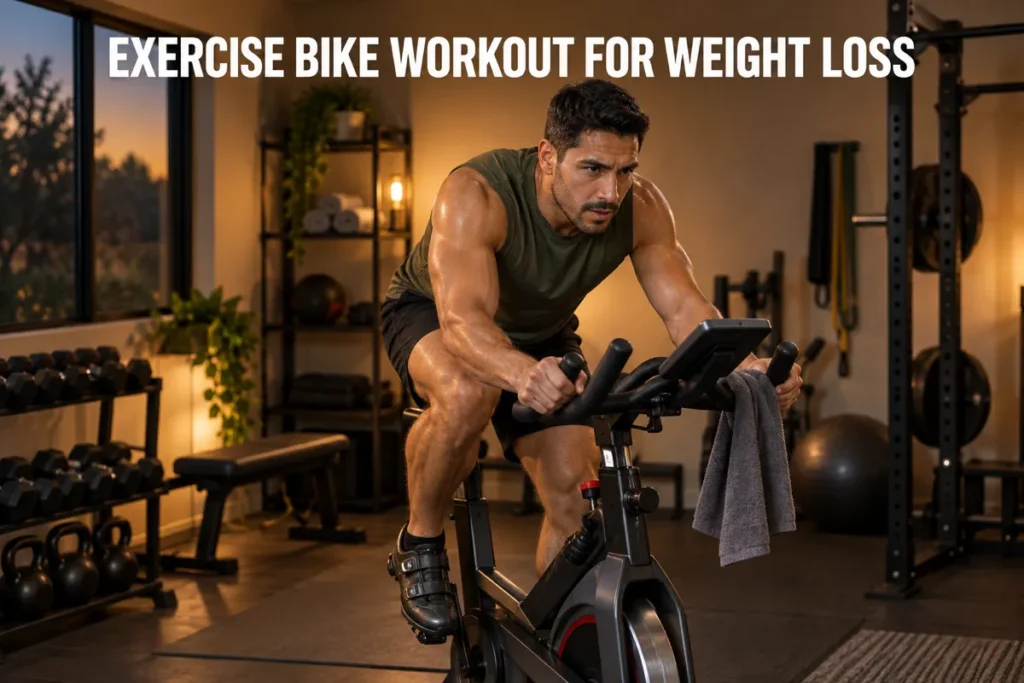
Most people who start an exercise bike workout for weight loss see decent early results, then hit a wall and give up. The problem is rarely the equipment - it is the approach. An exercise bike and weight loss go together well when you know which workout methods actually drive fat loss, how long to ride, and what realistic progress looks like. We have reviewed the research and guided riders through these protocols; this guide covers the science, the workout structures, and a realistic progress timeline so you stop spinning your wheels and start seeing the scale move.

Exercise Bike Workout for Weight Loss - Why the Science Backs This Choice
If you have ever wondered whether a stationary bike is good for losing weight, the short answer from research is: yes, reliably. A 12-week indoor cycling intervention reduced total fat mass, waist circumference, and body weight in participants with obesity while simultaneously increasing skeletal muscle mass and improving cholesterol markers (1). A separate supervised cycling program of just 20-30 minutes three times per week, with zero dietary changes, produced significant reductions in visceral fat area, body fat percentage, and waist-to-hip ratio after 12 weeks (2).
Fat loss is systemic, not local. No exercise targets belly fat specifically - your body decides where to lose fat based on genetics, hormones, and overall calorie deficit. What cycling does is create that deficit efficiently while keeping joint stress low. When you are ready to invest in the right machine, learning how to choose an exercise bike is a practical place to start - our guide to equipment selection walks through the criteria that actually matter.
Why Cycling Fits Any Schedule and Fitness Level
Key reasons this style of training ranks among the most practical cardio choices for long-term consistency:
- Seated position eliminates bone-jarring impact, making it accessible for heavier riders and people with joint sensitivities
- Resistance adjusts instantly, scaling the same machine from gentle recovery rides to all-out sprint intervals
- Sessions range from 15-minute HIIT blocks to 60-minute endurance efforts without needing separate equipment
- Home bikes let you ride regardless of weather, gym hours, or schedule disruptions
Muscles Worked During Cycling
An exercise bike workout for weight loss is primarily a lower-body workout, recruiting your quadriceps, hamstrings, glutes, and calves as the main movers. Your core and lower back engage throughout each session to stabilize posture - especially at higher resistance levels or when riding out of the saddle. In our editorial research, riders who progressively increase resistance week over week report noticeable lower-body strength gains alongside fat loss, which makes cycling uniquely effective for body composition compared to other low-impact cardio options.
How Cycling Creates a Calorie Deficit
The calorie burn from a stationary bike workout for weight loss varies widely based on body weight, resistance, and effort. A 155-pound (70 kg) person riding at moderate intensity burns roughly 260-300 calories in 30 minutes; at vigorous effort, that climbs to 280-380 calories - higher at true spin class intensities. A heavier rider burns proportionally more. These are estimates - the actual number depends on your individual metabolic rate, how hard you push, and whether you are doing intervals or steady-state work.
Over a week of five 30-minute rides at moderate to vigorous effort, that translates to a rough estimate of 1,300-2,250 extra calories burned - a meaningful contribution toward the deficit needed for fat loss. Combine consistent riding with mindful eating and a stationary bike workout to lose weight becomes one of the most sustainable cardio tools available to the average person.
Riders who stick to a structured plan like this for 8-12 weeks consistently report better adherence than those who follow treadmill programs, largely because the seated format reduces soreness and next-day fatigue.
The Joint-Friendly Advantage
Stationary bikes load the hips and knees very differently from running. Because you are seated and supported, peak impact forces are dramatically lower than on a treadmill. This makes an exercise bike workout for weight loss especially valuable if you deal with knee discomfort, have a history of lower-body injury, or carry extra weight that amplifies joint loading on high-impact exercise.
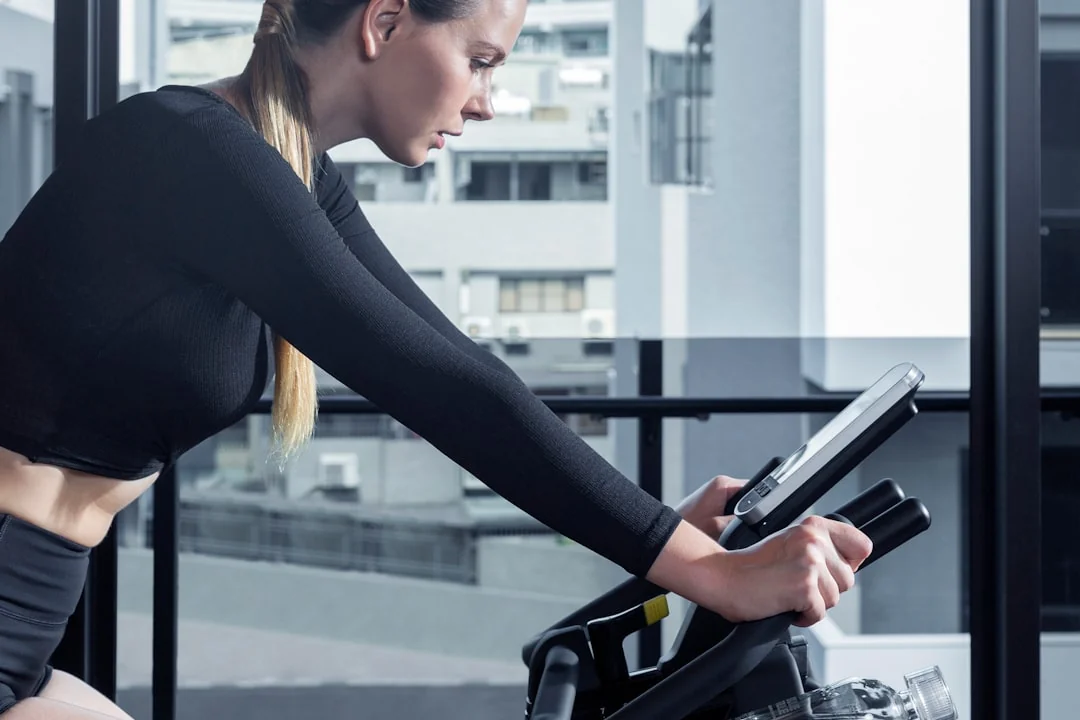
If you notice sharp or worsening pain during rides, stop and see a clinician before continuing - persistent pain is a clinical signal, not a training challenge to push through. For general exercise bike and knee pain questions, the guidance here applies broadly, but individual cases vary significantly. If lower back pain is a primary concern, the best exercise bike for back problems options prioritize lumbar support and recumbent geometry over compact upright designs.
The Best Stationary Bike Workout Methods for Fat Loss
A stationary bike weight loss workout can take several forms, each with different demands and different payoffs. The best exercise bike workout for weight loss combines at least two HIIT sessions with one to two steady-state rides per week, giving you both the time-efficient calorie burn of intervals and the endurance base of longer moderate efforts. Understanding the differences helps you build a weekly plan that fits your fitness level and schedule.

Format | Typical Session | Intensity | Best Suited For |
Steady-State Cardio | 20-60 min | 60-70% max HR | Beginners with 45-60 min available |
Standard HIIT | ~26 min | Near-maximum bursts | Time-pressed riders and lean mass building |
Pyramid Intervals | Variable | Progressive build to peak | Riders stepping up from steady-state |
Long-Interval HIIT | Variable | 80-90% for 4-min bouts | Riders with 4-6 weeks of base fitness |
Steady-State Cardio - The Foundation
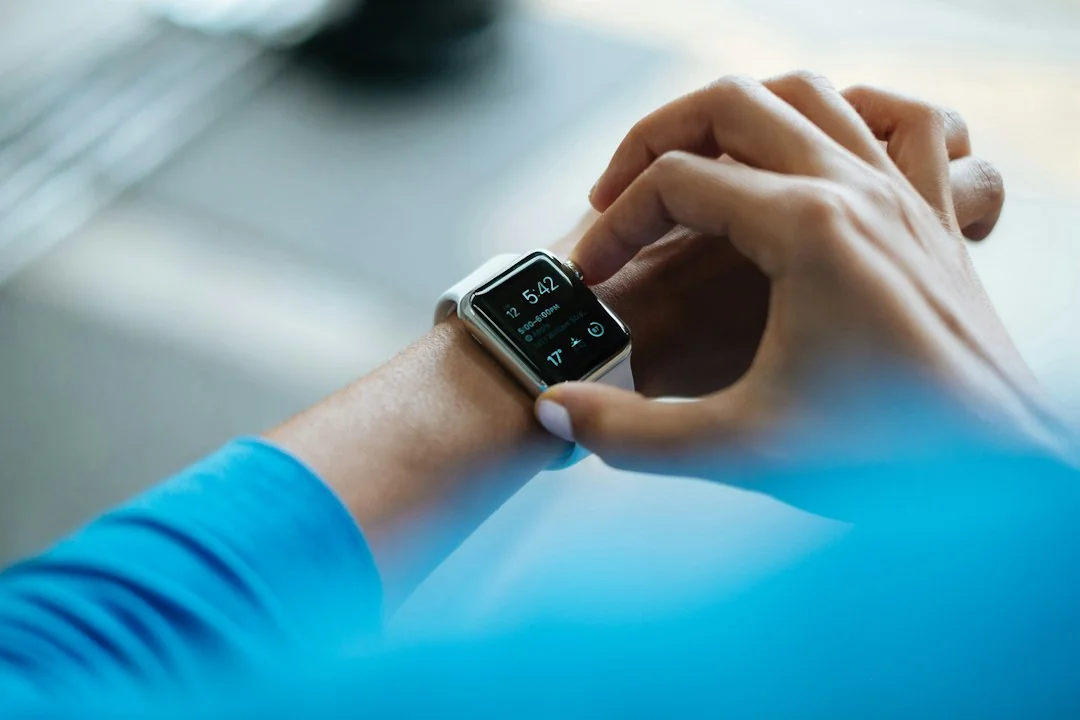
Steady-state cardio means riding at a consistent, moderate effort for 20-60 minutes without major intensity changes. Your target is the fat-burning heart rate zone, roughly 60-70% of your maximum heart rate. At this intensity you feel challenged but can still hold a conversation. A fitness tracker or bike console monitor helps here - you can learn how accurate smartwatches are for heart rate monitoring before committing to heart rate-based training.
Steady-state cardio burns fat directly during exercise and is the most beginner-friendly approach. Its main drawback is time - you need longer sessions to accumulate a meaningful calorie burn compared to higher-intensity formats. For riders with 45-60 minutes available three to four days per week, it forms an excellent foundation.
High-Intensity Interval Training (HIIT) - The Time-Efficient Fat Burner
HIIT alternates short bursts of near-maximum effort with active recovery. A meta-analysis comparing HIIT and moderate-intensity continuous training found both produced significant reductions in weight, BMI, and body fat percentage, but HIIT achieved equivalent results in an average of 9.7 fewer minutes per session - a meaningful time advantage (3). In a 2023 meta-analysis of 36 randomized trials, cycling-based HIIT was the only running- or cycling-based modality to show a statistically significant increase in fat-free (lean) mass, with participants gaining an average of 0.63 kg of lean tissue while losing body fat (4).
One key reason HIIT delivers outsized results is excess post-exercise oxygen consumption (EPOC) - the afterburn effect where your body continues burning additional calories for up to 24-48 hours after a high-intensity session as it restores oxygen debt. Adding standing out-of-saddle intervals at high resistance during sprint bouts further recruits glute and core activation, increasing calorie burn per interval beyond seated sprints alone.
A basic HIIT structure for exercise bike fat loss:
- 5-minute warm-up at light resistance, easy effort
- 8 rounds: 30 seconds all-out effort, followed by 90 seconds easy recovery
- 5-minute cool-down at low resistance
For high intensity training on exercise bike sessions like these, research suggests optimal parameters include at least three sessions per week, work intervals no longer than 60 seconds, and a recovery period at least 1.5 times the work interval length.
Pyramid Interval Training - The Progressive Middle Ground
Pyramid intervals build intensity gradually, peak, then taper back down. A simple structure: 1 minute hard / 2 minutes easy, then 2 minutes hard / 2 minutes easy, then 3 minutes hard / 2 minutes easy, then back down: 2 minutes hard / 2 minutes easy, then 1 minute hard / 2 minutes cool-down. This format works well for riders moving up from pure steady-state who are not ready for maximum-effort sprint intervals. The progressive buildup makes it psychologically easier to commit to harder efforts.
Long-Interval HIIT - For More Experienced Riders
Research comparing 4-minute work intervals against 2-minute intervals found the longer bouts produced greater anaerobic power gains and elevated key metabolic hormones 1.78-fold - an effect that persisted four weeks after the eight-week program ended in sedentary middle-aged and older adults (5). If you have been riding consistently for at least four to six weeks and can sustain 80-90% effort for four minutes, this protocol delivers excellent cardiovascular and fat-loss adaptation over time.
How Long to Ride an Exercise Bike for Weight Loss
Duration recommendations depend on intensity, current fitness, and weekly schedule. Most research on stationary bike exercise for weight loss uses protocols of 20-45 minutes per session at moderate to vigorous effort, three to five times per week, sustained for 8-12 weeks. This is your practical benchmark.
A Sample 30-Minute Stationary Bike Workout for Weight Loss
A stationary bike workout 30 minutes long is the sweet spot for most riders - long enough to accumulate a meaningful calorie burn, short enough to sustain week after week. Here is a structured progressive format:
- Minutes 0-5: Warm-up at light resistance, easy pedaling at 60-70 RPM
- Minutes 5-10: Build to moderate effort, 70-80 RPM, resistance level 4-5 out of 10
- Minutes 10-20: Sustained moderate-vigorous effort, 80-90 RPM, resistance 5-7
- Minutes 20-25: Three rounds of 1-minute harder effort followed by 1-minute easy recovery
- Minutes 25-30: Cool-down, drop resistance, slow to 60 RPM, easy breathing
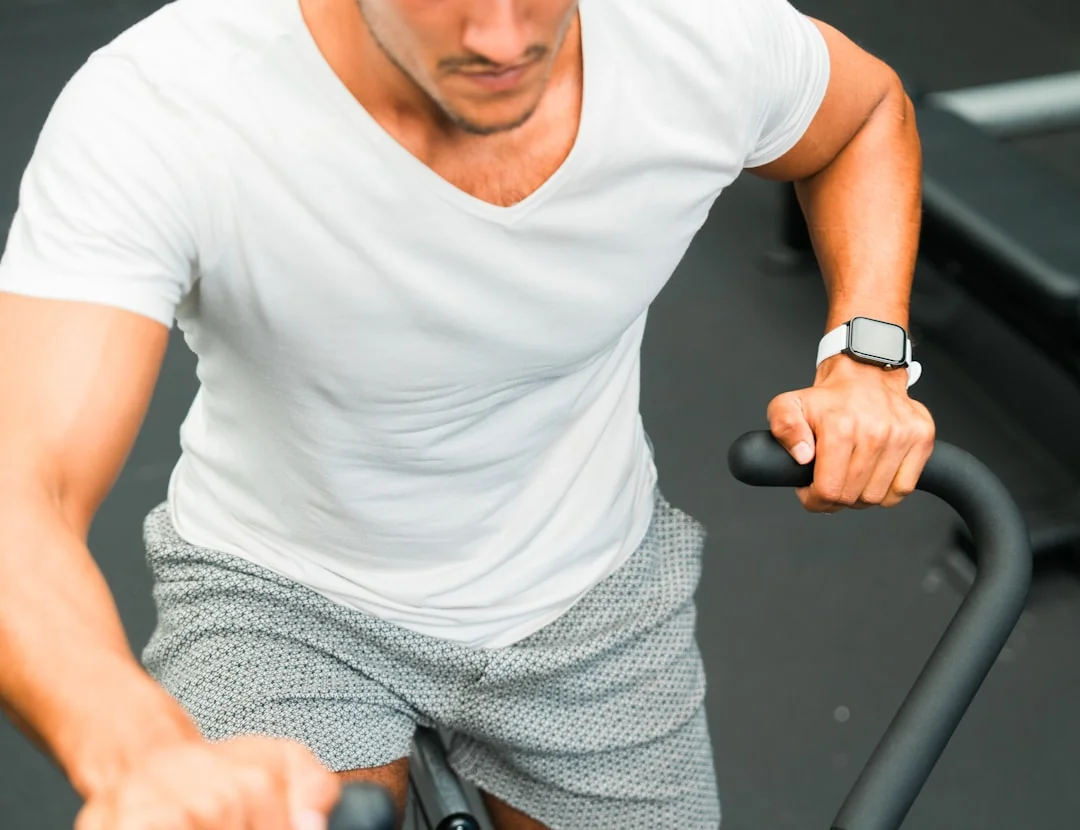
As this workout starts to feel manageable after a few weeks, gradually increase resistance by one level or extend the sustained effort block by five minutes. Your body adapts quickly - if nothing in the workout changes, neither will your weight. This workout template can be scaled by adding one resistance level each week as the current level starts to feel manageable.
Setting Up Your Bike Correctly
Getting setup right prevents the discomfort that derails beginners early. Adjust the seat height so your knee has a slight bend (roughly 25-35 degrees) at the bottom of the pedal stroke - a seat too low overloads the knee, too high rocks the hips. Position the seat fore-to-aft so your knee sits directly over the pedal axle at the 3 o'clock position. Set handlebars at a height that keeps your back comfortable - upright for back support, lower for intensity.
For Beginners and Seniors
Not everyone should start this exercise bike workout for weight loss at the same intensity. Below I break down how to scale the duration and effort for beginners and for older riders so you build fitness safely.
Exercise Bike Workouts for Beginners
A stationary bike workout for beginners should start at 15-20 minutes at a pace where you can hold a full conversation, three days per week. Build by adding five minutes per session or one extra session each week as your cardiovascular base improves. Following a structured training plan as a beginner means prioritizing consistency over intensity for the first four weeks. The exercise bike workout beginners follow is less about intensity and more about establishing the habit of showing up consistently.
Exercise Bike Workouts for Seniors
A stationary bike workout for seniors should emphasize comfort and sustainability over raw effort. The recumbent format - which positions you in a reclined seat with pedals extended forward - reduces lower back and hip strain significantly. A recumbent bike for weight loss works on identical calorie-deficit principles as an upright bike, just with a more supported posture. Begin with 20-minute sessions at light to moderate effort. If you have cardiovascular conditions or take medications affecting heart rate response, get medical clearance before starting. For the best exercise bike for seniors options, seat accessibility, step-through design, and a stable footprint are the criteria worth prioritizing. If lower back pain is also a concern, the best exercise bike for back problems shares many of the same ergonomic features as a senior-specific design.
For women asking how long to ride a stationary bike for weight loss, the evidence does not support a gender-specific recommendation - the same 30-45 minutes at moderate to vigorous effort, three to five days per week, applies equally. Individual responses to training vary, but the underlying physiology is the same.
What to Expect - A Realistic Weight Loss Timeline
Stationary bike weight loss before and after results follow a predictable pattern when riding is paired with a modest calorie deficit. Here is what the evidence suggests at each milestone:

Timepoint | What typically changes |
Weeks 1-2 | Energy levels improve; resting heart rate begins to drop |
Weeks 3-4 | Waist circumference and clothing fit change before the scale moves |
Weeks 6-8 | Meaningful body weight reduction in most riders with a calorie deficit |
Weeks 10-12 | Sustained fat loss and measurable composition changes confirmed |
People specifically looking at 1 month exercise bike results should expect measurable changes in waist circumference and energy levels before the scale reliably moves, particularly when pairing riding with a modest calorie deficit. Riders who follow a consistent exercise bike workout for weight loss plan through all three milestones - four weeks, eight weeks, twelve weeks - show the most reliable outcomes in published research.
The exercise bike before and after transformation stories that make the rounds on fitness forums typically belong to people who combined serious dietary changes with training - the bike accelerates results but rarely does the full job alone.
In our review of how riders report progress, those who tracked waist circumference and energy levels in the first four weeks were significantly more likely to stay consistent through twelve weeks. Tracking body composition alongside the scale gives a more complete picture. Waist circumference, how clothes fit, and resting heart rate over time are all valid progress markers. Muscle gain can offset fat loss on the scale even when your body visibly changes - do not let a temporarily stubborn scale convince you the work is not paying off.
Exercise Bike vs. Treadmill and Rowing for Fat Loss
Many riders ask about treadmill or exercise bike for belly fat reduction - which machine produces better results. The direct answer: both are effective, and the best machine is the one you will actually use consistently. Here is how the three main cardio options compare for weight loss purposes:
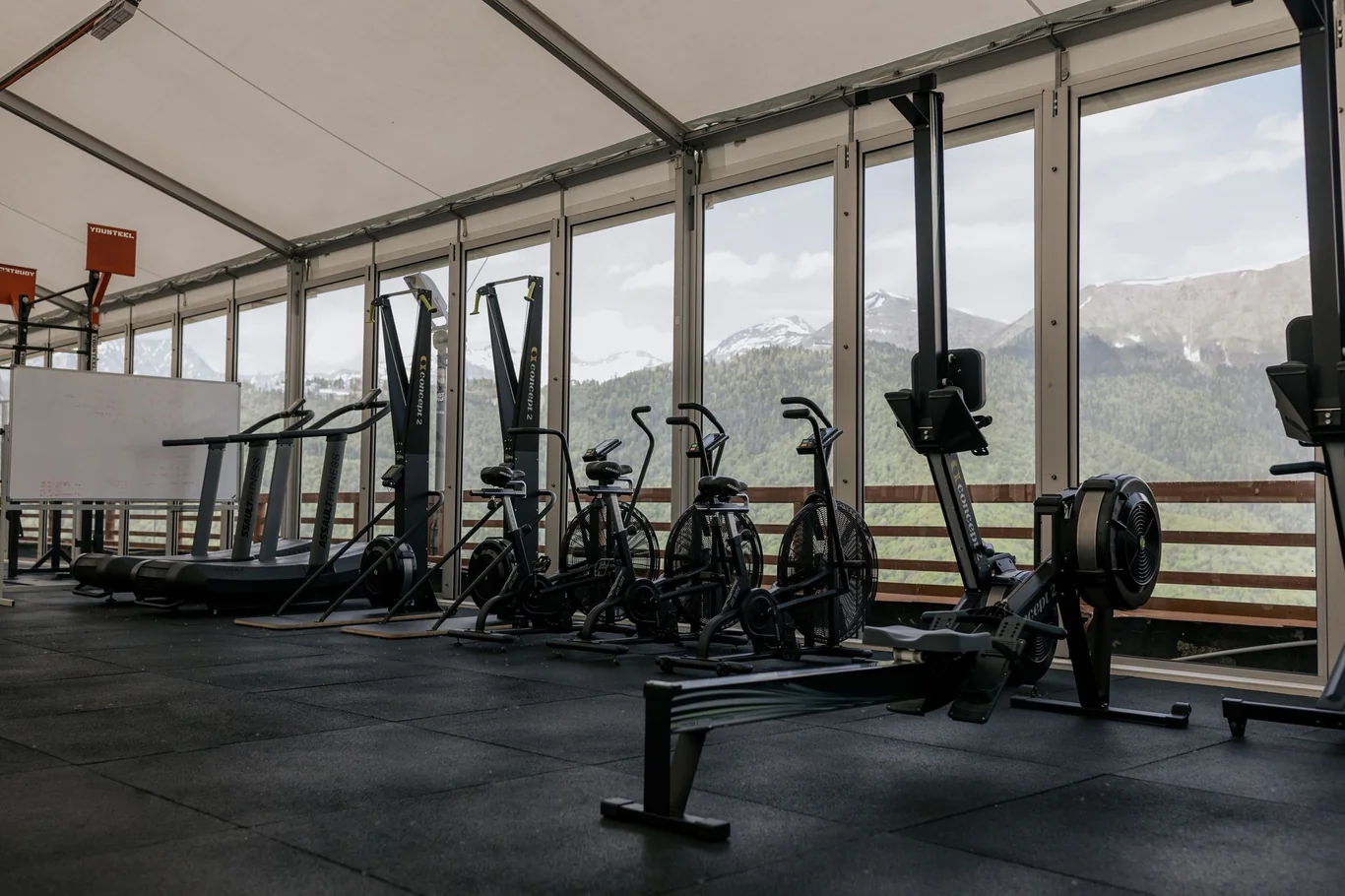
Machine | Joint Impact | Calorie Burn | Best For |
Exercise Bike | Low | 260-380 cal per 30 min | Joint-sensitive riders and long-term consistency |
Treadmill | High | Equivalent to cycling at same work output | High-effort sessions with upper-body contribution |
Rowing Machine | Low | Comparable to cycling at matched intensity | Combined cardio and upper-body conditioning |
How Cycling Compares to Running on a Treadmill
Research shows cycling achieves equivalent total energy expenditure to running at the same total work output - the cardiovascular and fat-loss stimulus is comparable between the two machines (6). The treadmill wins on upper-body calorie contribution at very high intensities; the exercise bike wins on accessibility and joint tolerance, especially for heavier riders or those with lower-limb issues.
Comparing Cycling to Rowing and Elliptical Training
As noted above, fat loss is systemic - the treadmill does not burn belly fat more effectively than the bike because of the machine used, only because of total caloric deficit, training volume, and diet. The best exercise bike to lose belly fat is whichever machine you will ride consistently at a genuine effort level for months. If you are considering adding a rowing machine to your rotation, you can review what muscles a rowing machine works to understand what it adds beyond cycling. For elliptical for weight loss, calorie burn is similarly comparable to cycling at matched intensities. Is a rowing machine good for weight loss is a worthwhile question to explore if you want upper-body conditioning alongside your cardio - the recumbent exercise bike vs rowing machine comparison comes down to upper-body inclusion (rowing wins) versus lower-body specificity and seated comfort (recumbent wins).
How to Maximize Your Exercise Bike Workout Results
Getting real results from your cycling routine comes down to two things: training in the right heart rate zone and supporting your sessions with solid nutrition and recovery habits. I'll break down both below.
Set Your Heart Rate Zones Right
Training in the fat-burning zone (60-70% of maximum heart rate) is not always better than training harder. Higher intensities burn more total calories per minute and create a larger post-exercise metabolic boost. In practice, the best zone is the one you can sustain consistently across multiple sessions per week without burning out. A wearable device simplifies monitoring - what a smartwatch does in terms of real-time heart rate tracking makes zone-based training practical for everyday riders.
Signs you are working in the moderate fat-burning zone:
- You feel challenged but not gasping for air
- You can say short sentences but not hold a long conversation
- Your rate of perceived exertion (RPE) sits around 5-6 out of 10
- Your forehead is sweating within the first 10 minutes
- You could maintain this effort for 20-30 minutes if you had to
Nutrition and Recovery
No exercise bike workout for weight loss produces sustained results if your diet is replacing every calorie burned. A moderate daily deficit of 300-500 calories, achieved through a combination of exercise and modest dietary adjustments, is the most sustainable approach for most people. Extreme calorie restriction reduces the energy available for workouts, impairs recovery, and often backfires after a few weeks.
Practical recovery and nutrition habits for cycling weight loss:
- Prioritize protein at every meal - 1.6-2.2 grams per kilogram of body weight per day supports the lean muscle mass that cycling builds (7)
- Drink 2-3 liters of water on riding days to support metabolism and recovery
- Aim for 7-9 hours of sleep - sleep deprivation measurably impairs fat metabolism and increases hunger hormones
- Time your meals so you ride neither completely fasted nor very full - a light snack 30-60 minutes before a morning ride helps maintain intensity
Rest days also matter. Riding every day without recovery periods increases overuse injury risk and blunts adaptation. Three to five sessions per week with at least one full rest day between hard efforts is the standard evidence-based approach. If you are adding exercise bike workouts to an existing active lifestyle, the benefits of walking backwards on a treadmill are an interesting cross-training option for active recovery days.
Breaking Through Plateaus
Your body adapts to any consistent stimulus within four to six weeks. If your weight has stalled despite steady stationary bike workouts at the same intensity, here are the main levers to pull:
- Add resistance: increase your regular session resistance by one level
- Extend duration: add 5-10 minutes to your longest weekly session
- Introduce HIIT: switch one steady-state session per week to intervals
- Change your bike type: using a best folding exercise bike or best recumbent exercise bike adds variety and engages slightly different muscle patterns
- Audit your nutrition: plateaus often reflect unconscious calorie creep more than fitness stagnation
How does a magnetic resistance exercise bike work is a relevant question for progressive training - magnetic resistance systems provide precise, repeatable resistance settings, making it much easier to track week-over-week progression compared to friction-based systems. Revisiting the fundamentals of an exercise bike workout for weight loss every four to six weeks - intensity, duration, frequency - is what separates riders who plateau from those who keep progressing.
Pedaling Toward a Leaner Body - What Matters Most
An exercise bike workout for weight loss works because it creates a sustainable calorie deficit without the joint punishment of high-impact training. You can follow an exercise bike workout beginners plan for the very first time or return to riding after a plateau - the fundamentals stay the same: ride at a genuine challenge intensity, progress that challenge over time, and pair your sessions with a diet that supports a modest calorie deficit.
We have found that three to five sessions per week of 20-45 minutes each - mixing a couple of HIIT rides with steady-state sessions - delivers reliable fat loss results over 8-12 weeks. An exercise bike can help you lose weight, and the research is consistent on this. Stationary bikes help with weight loss, provided the approach is consistent and the diet is not working against the effort.
If you are still deciding which type of bike best fits your body and space, the best exercise bike guides can help you evaluate resistance systems, frame types, and seat ergonomics before you buy. Once you have your machine and your plan, the rest comes down to showing up.
FAQs
Can I lose belly fat on a stationary bike?
A stationary bike can contribute to overall fat loss, which over time reduces belly fat as part of the process. Fat loss is systemic, meaning your body decides where to burn fat based on genetics and hormones, not which exercise you choose - no machine or workout can target belly fat directly, but a consistent calorie deficit achieved through cycling will reduce total body fat, including around the midsection.
How long should you ride a stationary bike a day to lose weight?
Riding a stationary bike for at least 30 minutes per day at moderate to vigorous effort, three to five days per week, is the evidence-based recommendation for weight loss. Those short on time can get equivalent fat-loss benefits from 20-25 minutes of high-intensity interval training, which research shows matches longer steady-state sessions in calorie expenditure and fat reduction.
How to burn 1000 calories on a stationary bike?
Burning 1,000 calories on a stationary bike in a single session requires roughly 90-120 minutes of vigorous cycling for a person weighing 155-185 pounds, or 75-90 minutes for someone weighing 220 pounds or more at high intensity. This is achievable but not a practical daily target - most riders benefit more from burning 300-500 calories per session consistently across multiple weekly sessions than from rare mega-sessions that increase injury and burnout risk.
What are the results of cycling on a stationary bike for 20 minutes a day?
Cycling on a stationary bike for 20 minutes a day can support weight loss when the intensity is high enough and the rest of your lifestyle maintains a calorie deficit. At moderate intensity, 20 minutes burns approximately 130-180 calories for most adults - meaningful when sustained daily over weeks. Increasing that effort to vigorous HIIT in those same 20 minutes significantly boosts both calorie burn and post-exercise metabolic rate, making the shorter session considerably more effective for fat loss overall.
How long to ride stationary bike for weight loss?
Riding a stationary bike consistently for 8-12 weeks at 20-45 minutes per session, three to five days per week, is what research shows produces noticeable and measurable weight loss. Most riders see early body composition changes (waist circumference, how clothes fit) within three to five weeks when combining exercise with a calorie deficit, while significant scale changes typically require six to twelve weeks of consistent effort.
This content is for informational and educational purposes only. It is not a substitute for professional medical advice, diagnosis, or treatment. Always consult with your healthcare provider before starting any new fitness program or using fitness technology for health monitoring.
This content is for informational and educational purposes only. It is not a substitute for professional medical advice, diagnosis, or treatment. Always consult with your healthcare provider before starting any new fitness program or using fitness technology for health monitoring.
References
- Ratajczak M, Skrypnik D, Krutki P, Karolkiewicz J. Effects of an Indoor Cycling Program on Cardiometabolic Factors in Women with Obesity vs. Normal Body Weight. Int J Environ Res Public Health. 2020;17(23):8718. doi:10.3390/ijerph17238718.
- Plećević S, Glišić M, Stojanović E, et al. A 12-Week Cycling Program Improves Glucose Homeostasis, Lipid Profile, and Body Composition in Women With Insulin Resistance: A Pilot Study. Nagoya J Med Sci. 2025;87(4):730. doi:10.18999/nagjms.87.4.730.
- Su L, Fu J, Sun S, et al. Effects of HIIT and MICT on Cardiovascular Risk Factors in Adults With Overweight and/or Obesity: A Meta-Analysis. PLoS One. 2019;14(1):e0210644. doi:10.1371/journal.pone.0210644.
- Khodadadi F, Bagheri R, Negaresh R, et al. The Effect of High-Intensity Interval Training Type on Body Fat Percentage, Fat and Fat-Free Mass: A Systematic Review and Meta-Analysis of Randomized Clinical Trials. J Clin Med. 2023;12(6):2291. doi:10.3390/jcm12062291.
- Lee MC, Chung YC, Thenaka PC, et al. Effects of Different HIIT Protocols on Exercise Performance, Metabolic Adaptation, and Fat Loss in Middle-Aged and Older Adults With Overweight. Int J Med Sci. 2024;21(9):1689-1700. doi:10.7150/ijms.96073.
- Scott CB, Littlefield ND, Chason JD, Bunker MP, Asselin EM. Differences in Oxygen Uptake but Equivalent Energy Expenditure Between a Brief Bout of Cycling and Running. Nutr Metab (Lond). 2006;3:1. doi:10.1186/1743-7075-3-1.
- Jäger R, Kerksick CM, Campbell BI, et al. International Society of Sports Nutrition Position Stand: Protein and Exercise. J Int Soc Sports Nutr. 2017;14:20. doi:10.1186/s12970-017-0177-8.