

An active recovery workout is one of the most underused tools in a serious training plan, and I say that as someone who spent years skipping it entirely. As a Strength and Conditioning Coach with a Master's in Physical Education, I have coached athletes across multiple disciplines who push hard five or six days a week and cannot understand why their performance stalls. The answer is almost always the same: their rest days are working against them instead of for them.
This guide covers what active recovery is, how it differs from passive rest, which activities qualify, and how to structure both a 30-minute and a 45-minute session you can start using this week.

Active Recovery Workout - What It Is and Why It Works
Active recovery is intentional, low-intensity movement performed at 30 to 60 percent of your maximum heart rate on the day after or between hard training sessions. The purpose is not to create a new training stimulus. It is to support the physiological processes that make your next hard session better.
The benefits of including a regular active recovery session in your training week are supported in the research literature:
- Faster lactate clearance from muscle tissue between training sessions
- Reduced delayed-onset muscle soreness (DOMS) at the 24 to 48-hour mark
- Maintained joint mobility and range of motion during high-volume training phases, which athletes commonly report with consistent recovery work
- Lower perceived fatigue going into your next hard training session
- Improved local circulation and nutrient delivery to working tissues
- A stronger psychological relationship with rest, reducing guilt-driven overtraining
If you are building a structured training routine at home, programming hard days and active recovery days in the same weekly schedule is the most important structural decision you will make for long-term progress.
How Active Recovery Differs from Passive Rest
Active recovery is structured movement at low intensity, typically lasting 20 to 45 minutes. A complete rest day means no deliberate exercise at all. Both have a place in a well-designed training plan. The difference between active recovery vs rest day comes down to where your body actually is on a given day.
Active recovery is the better choice when you are mildly sore or stiff but physically capable of light movement, when you trained hard the day before, or when you are managing a high weekly training volume. Passive rest is the correct call when you are dealing with acute injury, illness, severe sleep deprivation, or clear overtraining signals such as persistent fatigue, declining performance, or mood disturbances.
Factor | Active Recovery | Passive Rest |
Intensity | 30 to 60% of max heart rate | No deliberate exercise |
Best use case | Mild soreness, between hard sessions | Illness, injury, overtraining |
Session length | 20 to 45 minutes | Full day off |
Primary mechanism | Blood flow, lactate clearance | CNS downregulation, tissue repair |
Mental benefit | Maintains routine, reduces stiffness | Complete mental detachment |
The Science Behind Recovery and Muscle Repair
Your muscles adapt during recovery, not during training itself. Hard sessions create micro-damage in muscle fibers and elevate blood lactate, which contributes to the burning sensation and post-session stiffness most athletes experience. Delayed-onset muscle soreness peaks 24 to 48 hours after exercise and is now thought to originate partly in the fascial connective tissue surrounding muscle, not only in the fibers themselves (1).
Active movement at low intensity speeds lactate clearance by keeping circulation elevated without adding new training stress. Research in 17 trained athletes found that active recovery between high-intensity bouts significantly reduced blood lactate and improved peak power output in follow-up testing compared to passive rest (2). A crossover study in trained cyclists found that 30 minutes of moderate-intensity active recovery improved mean power, peak power, and total work in a subsequent effort, with a measurable lactate clearance advantage beginning at the seven-minute mark (3). If you recover on a bike, I explain the right cycling cadence ranges for different goals.
I have seen this same pattern across the strength and endurance athletes I coach. The ones who include one or two structured active recovery sessions per week consistently report less stiffness and better session quality 48 hours later compared to those who take passive rest days exclusively.
The Best Active Recovery Workout Examples
Good active recovery examples share three traits: low impact, rhythmic, and easy to self-regulate if intensity starts to drift. The goal is sustained light effort for 20 to 45 minutes, not pushing through accumulated fatigue from previous sessions.
Activity | Duration | Target Heart Rate | Best For |
Walking | 20 to 40 min | 95 to 120 bpm | All fitness levels, joint-friendly |
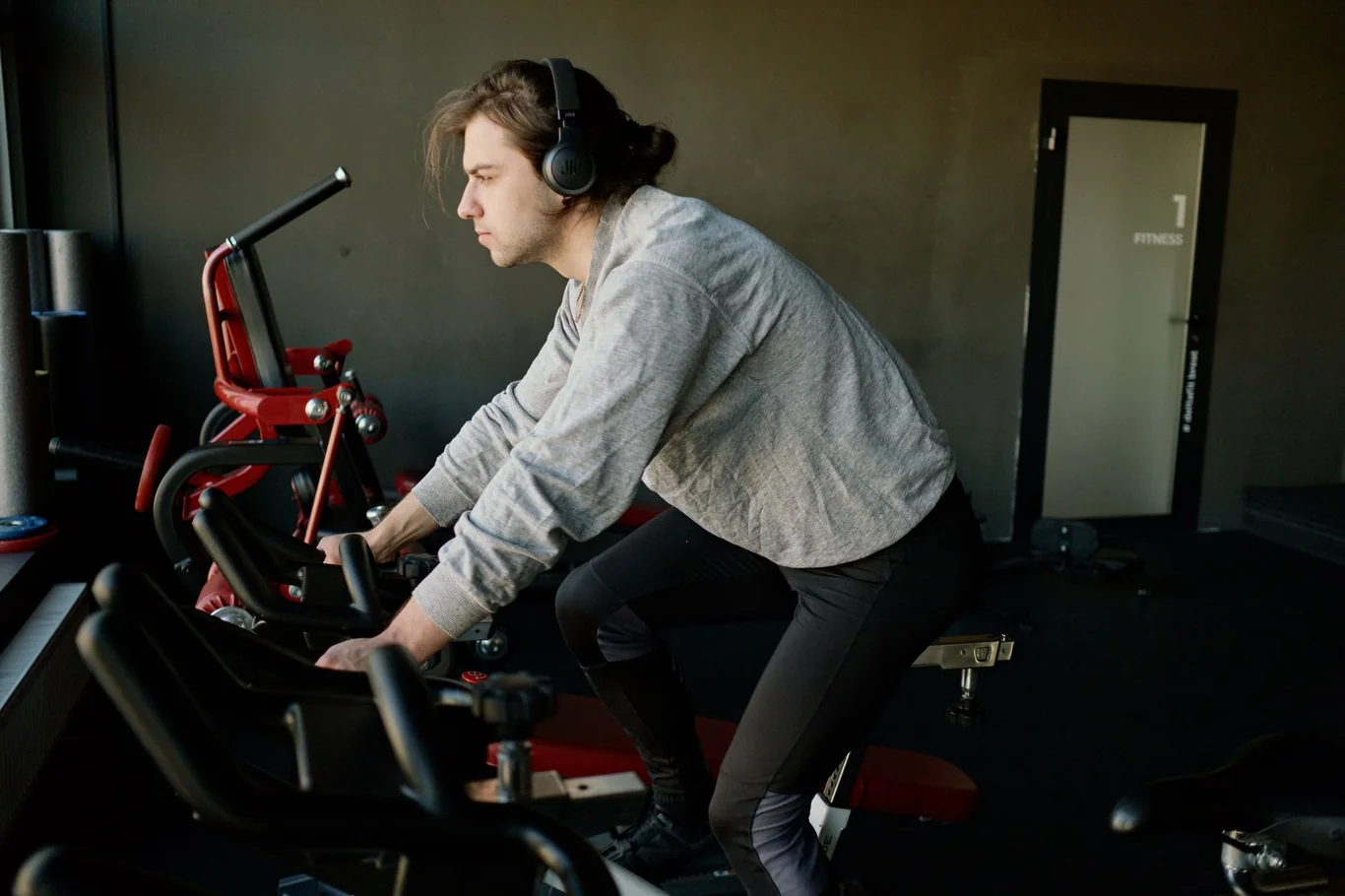
Light cycling | 20 to 45 min | 95 to 120 bpm | Lower-body recovery days |
Yoga and mobility | 20 to 40 min | Below 100 bpm | Flexibility, upper-body tension |
Swimming | 20 to 30 min | 100 to 120 bpm | High-impact athletes, joint sensitivity |
Foam rolling | 10 to 20 min | Resting rate | Post-training soreness, targeted tissue work |
Walking and Light Cycling
Walking is the most accessible active recovery option. A 20 to 40-minute walk at a pace where you can hold a conversation sits comfortably in the target intensity zone for most people. Treadmill walking at 2.5 to 3.5 mph works equally well indoors on days when weather or schedule makes outdoor walking impractical. When you want structured treadmill sessions beyond recovery walking, I cover them in my treadmill workout guide.
Active recovery workout cycling on a stationary or outdoor bike is another strong choice. Aim for a comfortable cadence at low resistance. You should feel warmth building in your legs, not a burn. A beginner exercise bike workout provides a structured starting template if you want specific time and cadence targets without the risk of accidentally training too hard on a recovery day.
Yoga and Mobility Flows
Yoga and guided mobility flows combine movement with active recovery stretches, making them effective on two fronts simultaneously. They increase range of motion in commonly tight areas (hips, thoracic spine, shoulders), reduce perceived soreness, and calm the nervous system after high-load sessions. Yin yoga and restorative yoga are the best styles for a recovery day because they hold passive positions long enough to address fascial tissue tension without adding eccentric muscular load.
I recommend my athletes start with yin or restorative yoga on active recovery days rather than vinyasa or power yoga, which can easily push past the target intensity zone. A basic mobility flow to start with:
- Cat-cow for 60 seconds for spinal decompression and mobility
- Hip flexor lunge stretch, 45 seconds per side
- Thread-the-needle thoracic rotation, 45 seconds per side
- Supine hamstring stretch, 60 seconds per side
- Child's pose hold for 2 minutes to close
Swimming and Water-Based Movement
Water reduces gravitational load on joints while providing gentle resistance across a full range of motion. Swimming or pool walking for 20 to 30 minutes suits athletes with joint pain or high-impact training load particularly well. Research comparing water-based and land-based active recovery in cyclists found similar lactate clearance kinetics between conditions, suggesting the medium matters less than keeping intensity within the correct zone (4). My list of low impact cardio exercises has more options for home and gym.
Foam Rolling and Active Stretching
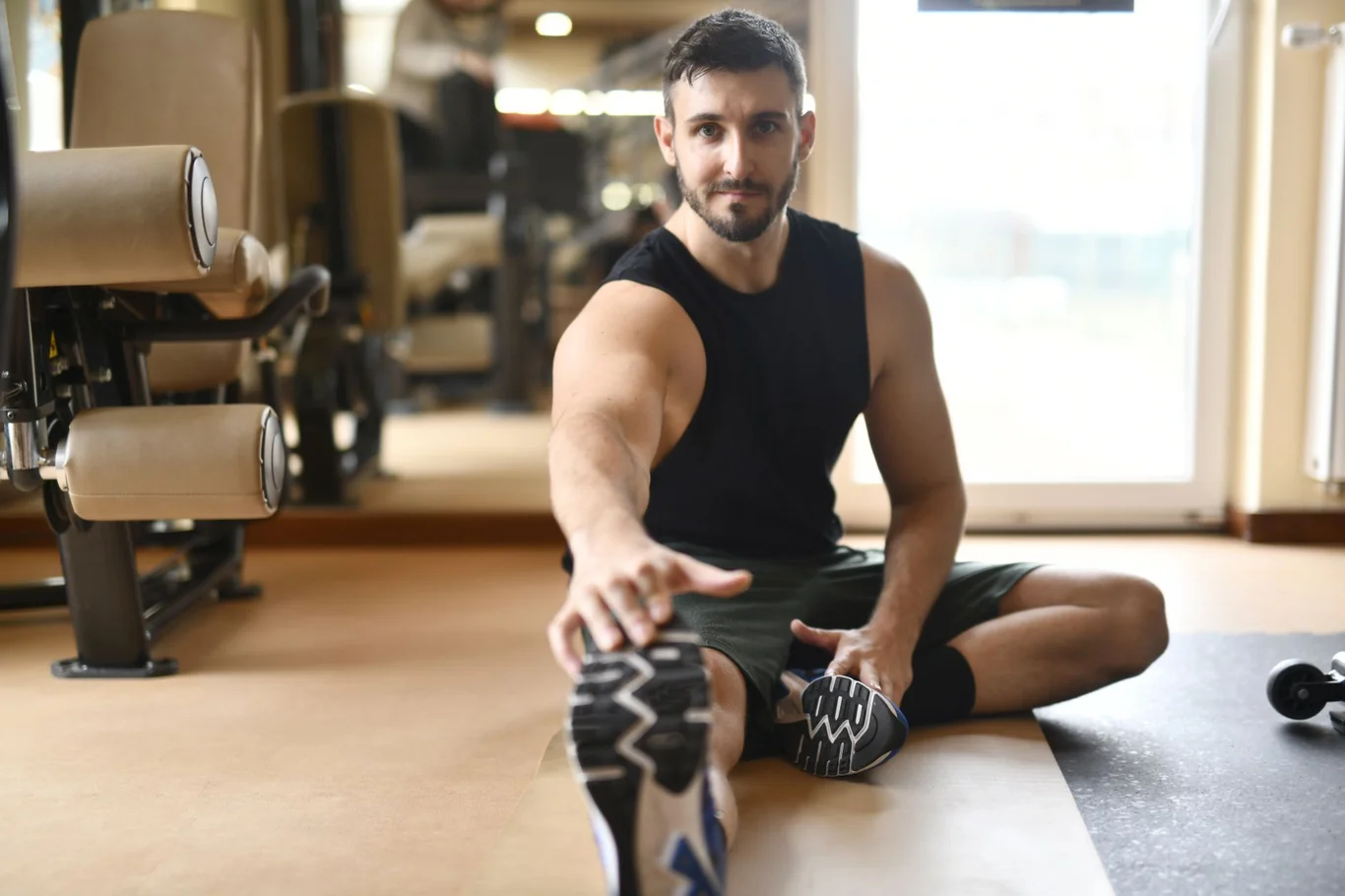
Foam rolling is a form of self-myofascial release that uses applied pressure to reduce fascial tension and increase local blood flow. Paired with active recovery stretches targeting the muscles trained hardest, it makes for an effective 15 to 20-minute add-on to any recovery session.
Focus on the areas you worked most recently: quads and IT band after leg-heavy days, lats and thoracic spine after upper-body pulling days. Spend 30 to 60 seconds per area, rolling slowly and pausing on tender spots. Keep the pressure firm but not sharp. If a spot produces a sharp or shooting sensation rather than a dull ache, reduce pressure and move on.
How to Structure Your Active Recovery Day
Structure prevents active recovery days from drifting in one of two directions: too easy to produce any circulatory benefit, or accidentally too intense to allow meaningful recovery. Here is the framework I use with my own athletes.

Intensity target: Rate of Perceived Exertion (RPE) of 3 to 4 out of 10, or 30 to 60 percent of your maximum heart rate. If you cannot hold a comfortable conversation, you have gone too hard.
Duration: 20 to 45 minutes of continuous, low-intensity movement. Going longer is not automatically better. Research from an umbrella review synthesizing 22 systematic reviews in endurance athletes found that recovery strategy effectiveness varies significantly by individual parameters, supporting individualized duration over a universal recommendation (5).
Timing: The ideal window is 12 to 24 hours after a hard session, when the early inflammatory and repair phase is underway and light movement improves circulation to support tissue recovery.
Frequency: Most athletes training four or five days per week benefit from one to two dedicated recovery sessions per week. One session between hard lower-body days and one between upper-body days is a reliable starting structure that most athletes can sustain. Li et al. (2024) found significant variability in optimal recovery frequency across individuals, which is why starting with two sessions and adjusting based on soreness levels works better than a fixed prescription.
Within-session use: Active recovery also has a role inside your training sessions themselves. During interval work and high-intensity circuits, 60 to 90 seconds of easy jogging or slow cycling between bouts clears lactate faster than standing still. Research in trained athletes found that active recovery between high-intensity intervals significantly reduced blood lactate and improved subsequent effort quality compared to passive standing rest (2). For that easy pedaling at home, my roundup of exercise bikes for home use has picks for every rider and goal.
Nutrition on active recovery days: Caloric needs are moderately lower than on training days, but protein stays high. Sports nutrition guidelines commonly recommend 0.7 to 1.0 grams per pound of body weight to support ongoing muscle tissue repair. Including recovery workout supplements such as electrolytes or magnesium can be useful if sessions run longer or sweat rate is high, though whole-food sources cover most nutritional needs adequately for sessions under 45 minutes.
A sample weekly structure that works well for athletes training four days per week:
Day | Session Type | Example Activity |
Monday | Hard session | Strength training - lower body |
Tuesday | Active recovery | 30-minute walk and foam rolling |
Wednesday | Moderate session | Tempo run or upper-body training |
Thursday | Active recovery | Light cycling or yoga and mobility |
Friday | Hard session | HIIT or heavy compound training |
Saturday | Optional recovery | Swimming or restorative yoga |
Sunday | Passive rest | Complete rest |
A high-intensity session like a rowing workout structured as HIIT belongs on a hard training day, not a recovery day. Keeping that contrast clear is one of the most important structural decisions in weekly programming.
A Full Body Active Recovery Workout You Can Do at Home
This full body recovery session requires no equipment and no gym membership. The aim is to move every major muscle group gently over the course of the session rather than targeting specific fitness adaptations. I keep my own active recovery sessions at an RPE of 3. Warm, mobile, and never breathless.

30-Minute Recovery Workout
This 30-minute recovery workout works for most fitness levels. Complete each block at an easy, controlled pace.
- 5 minutes: Light walking in place or slow marching to raise circulation and body temperature
- 5 minutes: Slow bodyweight squats with a 3-second descent, arm circles, hip rotations
- 5 minutes: Foam rolling: quads, glutes, and upper back, 30 to 45 seconds per area
- 5 minutes: Standing hip flexor stretch, cat-cow, thoracic rotations, 45 seconds each
- 5 minutes: Treadmill walk or stationary bike at a genuinely conversational pace
- 5 minutes: Full-body static stretching: hamstrings, hip flexors, chest, and lats
RPE target for the complete session: 3 out of 10. If you find yourself breathing hard at any point, slow down.
45-Minute Active Recovery Workout
This extended session adds more time for tissue work and mobility, which is useful after particularly high-volume or high-intensity training days where soreness is more pronounced.
- 5 minutes: Steady walking to bring body temperature up gradually
- 10 minutes: Full-body foam rolling: legs, glutes, upper back, and lats
- 10 minutes: Dynamic mobility: leg swings, arm circles, world's greatest stretch, ankle rotations
- 10 minutes: Low-intensity cycling or rowing at a comfortable pace
- 5 minutes: Active recovery stretches: pigeon pose, seated hamstring stretch, doorway chest stretch
- 5 minutes: Light breathing work or restorative yoga: box breathing, child's pose, supine spinal twist
If you prefer guided sessions, a workout mirror with streaming fitness classes removes the guesswork from pacing and mobility sequencing on recovery days, especially useful when motivation to self-direct a session is low.
Who Benefits Most from Active Recovery
Active recovery is effective across training levels, but some populations see the most pronounced benefits.

Strength athletes and powerlifters accumulate significant connective tissue and muscle damage over training cycles. Including an active recovery session between heavy lower-body and upper-body sessions gives fascial tissue time to remodel without a complete training pause. In my experience coaching strength athletes, the ones who skip active recovery entirely tend to report higher chronic stiffness and more frequent minor injuries than those who build even one session per week.
Endurance athletes are the most studied group. A systematic review of 24 eligible studies found that interval training programs produced comparable fitness adaptations regardless of active or passive recovery mode over three or more weeks (6). Individual sessions, however, showed faster lactate clearance with active recovery over passive rest, supporting its use within the training week for performance maintenance (2).
An active recovery workout CrossFit athletes can use effectively emphasizes skill-based movement at low intensity: gymnastics basics, empty barbell cycling, or light monostructural cardio. The varied and high-intensity nature of CrossFit creates cumulative fatigue across multiple movement patterns, making deliberate low-intensity work on recovery days especially valuable for maintaining technique quality on subsequent training days. Having worked with athletes under twice-daily training schedules, I find that the CrossFit population benefits as much from planned easy days as any endurance athlete does.
Beginners benefit most from the psychological component. Building the habit of structured active recovery early prevents the all-or-nothing pattern that derails most new training routines. An exercise bike workout structured for weight loss can double as a recovery session at low resistance and low cadence, giving beginners one versatile tool for two different training goals.
Populations who should default to complete passive rest rather than active recovery:
- Anyone with an acute soft tissue injury or acute joint inflammation
- Athletes showing confirmed signs of overtraining syndrome
- Individuals with a current fever or systemic illness
- Those in post-surgical recovery (follow clinician guidance on return to movement)
What to Avoid on Active Recovery Days
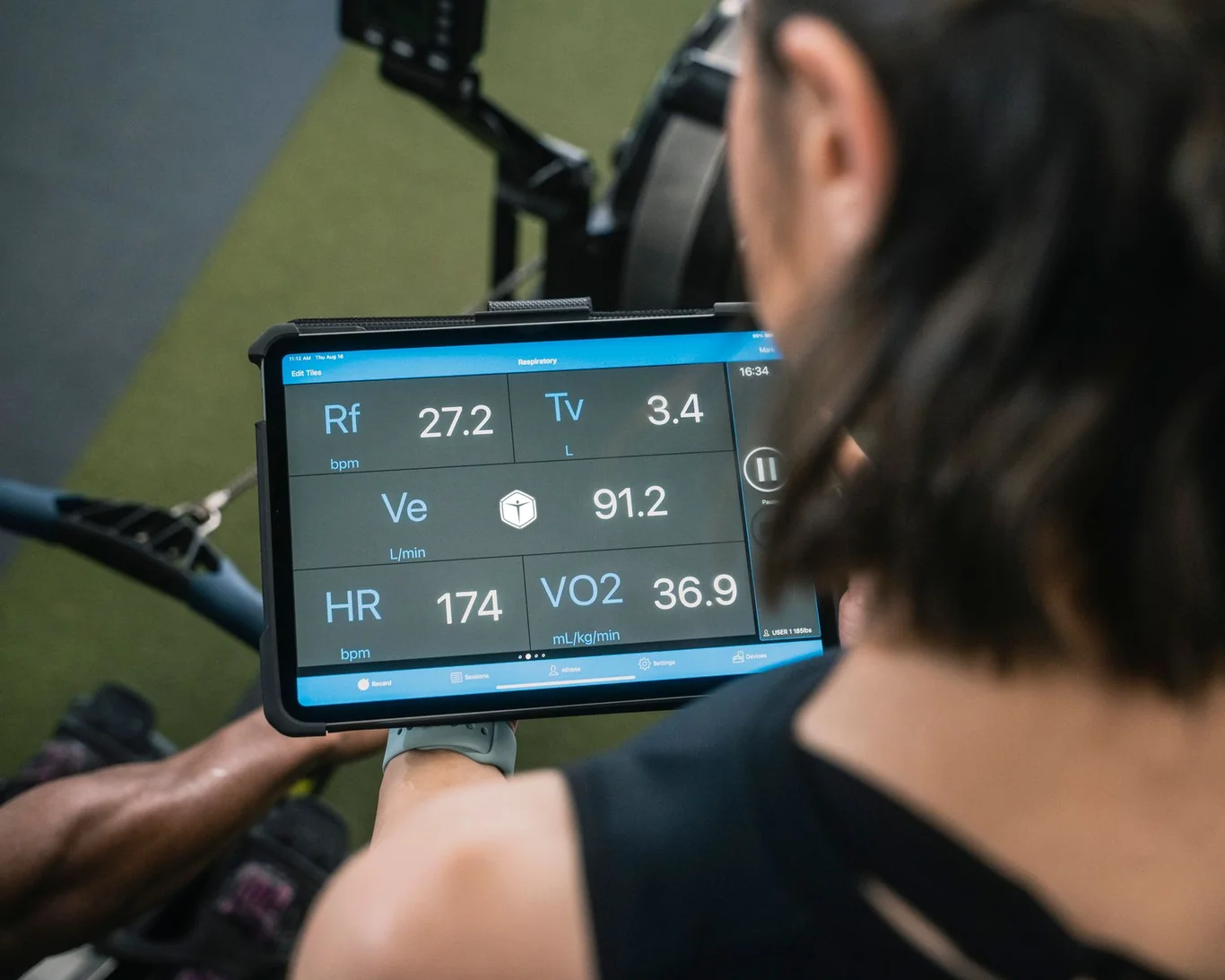
The most common mistake with recovery days is turning them into a hidden training session. I have seen this happen repeatedly with highly motivated athletes who feel psychological guilt about going easy. Intensity drifts upward gradually, duration extends, and the recovery benefit disappears entirely.
Specific patterns that undermine active recovery:
- Letting intensity drift upward: A light jog that becomes a tempo run means you are training, not recovering
- Extending duration past 45 minutes: Beyond that window you are adding training stress rather than clearing it
- Adding resistance work mid-session: A few sets of an accessory movement negates the low-intensity intent
- Skipping protein on recovery days: reducing protein intake slows the tissue repair process that active recovery is designed to support
- Treating foam rolling as a replacement for sleep: sleep is the primary recovery modality; active recovery supplements it, not the other way around
The second common mistake is avoiding active recovery entirely because it does not feel like real training. Research suggests that appropriate low-intensity movement accelerates lactate removal and improves the quality of subsequent hard sessions (2). Not using active recovery days productively is a genuine missed opportunity, particularly during high training load phases when the difference between adequate and excellent recovery compounds over weeks.
Your Recovery Is Part of Your Training
I have watched athletes add two structured active recovery sessions per week to an existing four-day training plan and report measurable improvements in how they feel going into hard sessions within three to four weeks. The mechanism is straightforward: consistent low-intensity movement between hard days keeps circulation elevated, accelerates waste product clearance, and maintains joint mobility without adding recovery debt.
Start with the 30-minute template above. Build toward 45 minutes as your training load increases. Track how your soreness levels and session quality change over four to six weeks, using the methods in my guide on how to track workouts.
The data your own body gives you is more reliable than any generic protocol. If you are building a complete home training setup, a well-structured home gym workout plan makes it straightforward to schedule both hard training days and active recovery sessions without them competing for the same physical and mental resources.
FAQs
What is an active recovery workout?
An active recovery workout is a low-intensity exercise session performed on rest days or between hard training sessions to support the body's recovery process without adding new training stress. The intensity stays at 30 to 60 percent of maximum heart rate, low enough that you can hold a full conversation throughout.
What are some examples of active recovery exercises?
Active recovery exercises include walking, light cycling, swimming, yoga, foam rolling, and dynamic mobility flows, with any activity qualifying where breathing stays easy and muscles feel warm but not taxed. The defining characteristic is sustained low intensity rather than the specific activity itself.
Is it better to rest or do active recovery?
The better choice between resting and doing active recovery depends on how your body feels and what your training schedule requires. Active recovery is the better option when you are mildly sore and within 12 to 24 hours of a hard training session; passive rest is more appropriate when you are dealing with illness, acute injury, or confirmed signs of overtraining.
What are some good 45-minute active recovery workouts?
A good 45-minute active recovery workout combines foam rolling, dynamic mobility, low-intensity cardio, and static stretching in sequence. Start with 5 minutes of walking, follow with 10 minutes of foam rolling, 10 minutes of dynamic mobility, 10 minutes of easy cycling or rowing, and finish with 10 minutes of restorative stretching or breathing work.
This content is for informational and educational purposes only. It is not a substitute for professional medical advice, diagnosis, or treatment. Always consult with your healthcare provider before starting any new fitness program.
References
- Wilke J, Behringer M. Is "Delayed Onset Muscle Soreness" a False Friend? The Potential Implication of the Fascial Connective Tissue in Post-Exercise Discomfort. Int J Mol Sci. 2021;22(17):9482. doi:10.3390/ijms22179482.
- Nalbandian HM, Radak Z, Takeda M. Active Recovery between Interval Bouts Reduces Blood Lactate While Improving Subsequent Exercise Performance in Trained Men. Sports (Basel). 2017;5(2):40. doi:10.3390/sports5020040.
- Gervasi M, Fernandez-Pena E, Patti A, et al. Moderate intensity active recovery improves performance in a second Wingate test in cyclists. Heliyon. 2023;9(7):e18168. doi:10.1016/j.heliyon.2023.e18168.
- Lucertini F, Gervasi M, D'Amen G, et al. Effect of water-based recovery on blood lactate removal after high-intensity exercise. PLoS One. 2017;12(9):e0184240. doi:10.1371/journal.pone.0184240.
- Li S, Kempe M, Brink M, Lemmink K. Effectiveness of Recovery Strategies After Training and Competition in Endurance Athletes: An Umbrella Review. Sports Med Open. 2024;10:55. doi:10.1186/s40798-024-00724-6.
- Zouhal H, Ben Abderrahman A, Jayavel A, et al. Effects of Passive or Active Recovery Regimes Applied During Long-Term Interval Training on Physical Fitness in Healthy Trained and Untrained Individuals: A Systematic Review. Sports Med Open. 2024;10(21). doi:10.1186/s40798-024-00673-0.