
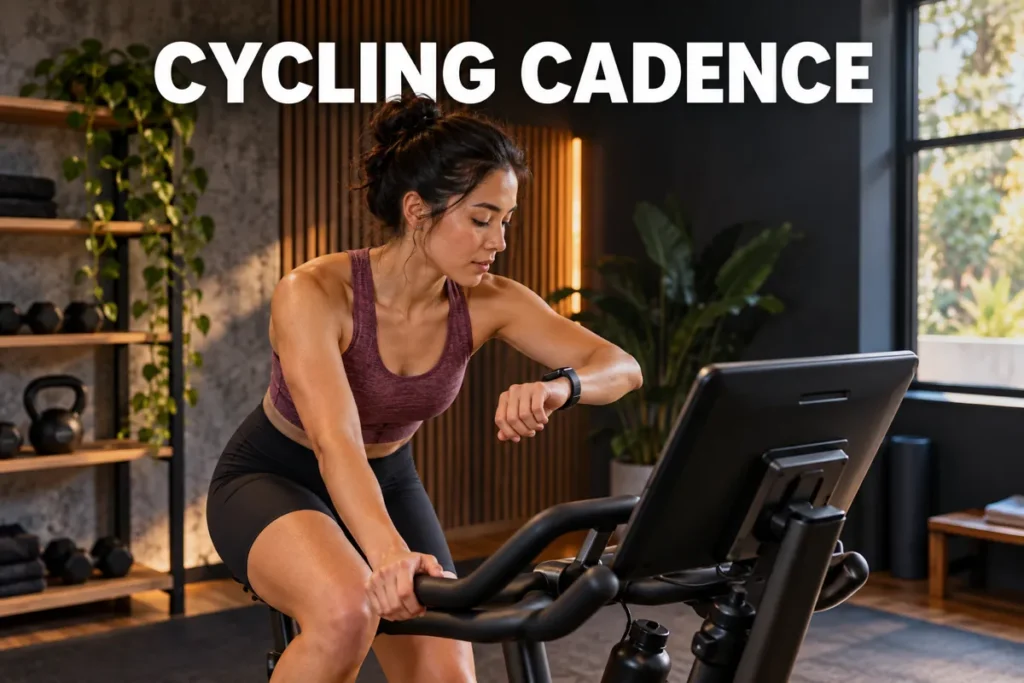
Cycling cadence is one of the first things I check when a new rider comes to me with training questions. Most cyclists focus entirely on distance, speed, or heart rate while completely ignoring how fast their legs are actually turning. That oversight can cost you efficiency, recovery time, and long-term knee health. Your cycling cadence, measured in revolutions per minute (RPM), determines whether you are loading your muscles or your cardiovascular system, and finding the right balance for your specific goals changes everything. In this guide, I walk you through what cadence means, the ideal RPM ranges for different riders, how it affects your body, and practical ways to improve it.
What Cycling Cadence Means - and Why It Matters
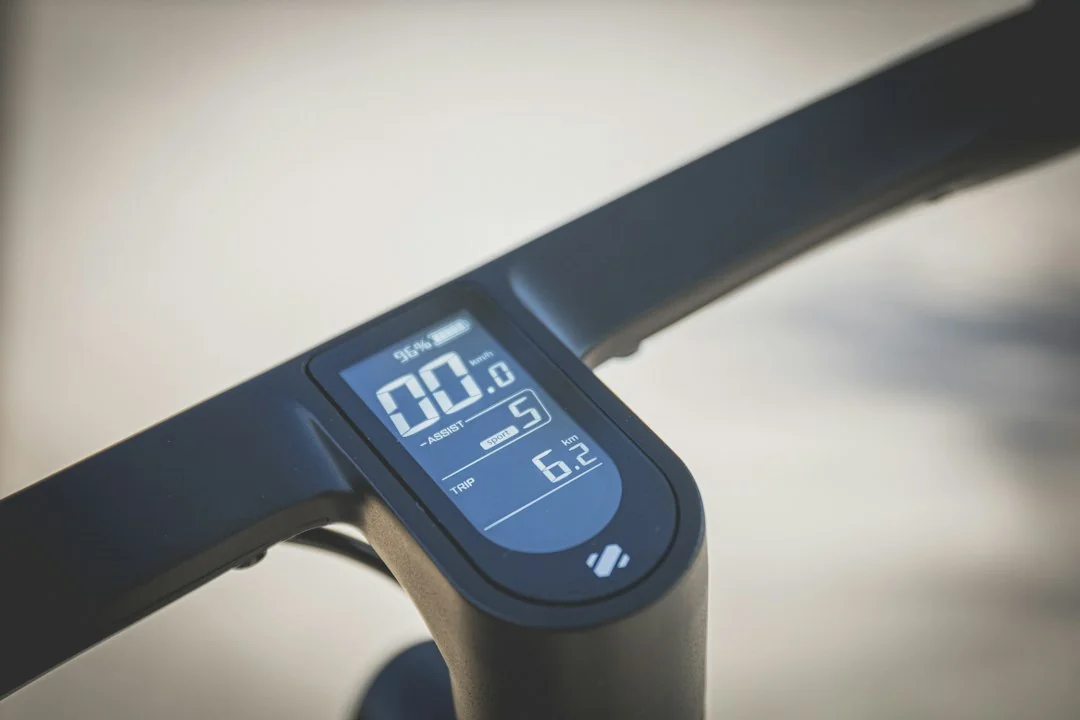
New cyclists frequently want to know what is cadence in cycling before anything else. The answer is straightforward - cycling cadence refers to the number of complete pedal revolutions per minute. If you have ever glanced at a bike computer or indoor cycling display and seen an RPM figure, that is your bike cadence at that moment. Garmin, Wahoo, and most cycling platforms display it in real time, and understanding what you are looking at can meaningfully change how you train.
Cadence reflects how your body distributes workload between your muscular and cardiovascular systems. High cycling cadence means you are spinning a lighter gear quickly, placing more demand on your heart and lungs. Low cycling cadence means pushing a harder gear more slowly, placing more demand on your quadriceps and glutes. Both have legitimate uses, but coaching experience and available research suggest that spending the majority of training time in a mid-range cadence of 80 to 100 RPM benefits most riders. I find that riders who understand this principle train smarter and recover faster. Understanding how cadence interacts with heart rate zones gives you a much more complete picture of your aerobic training load.
How Your Bike Cadence Is Measured
Tracking your pedal rate accurately requires the right kind of sensor, and the options range from crank-mounted units to built-in smart trainer data. Here is how each sensor type works and where it connects.
Types of Cycling Cadence Sensors
The most accurate way to track your pedal rate is with a dedicated cadence sensor. A cycling cadence sensor attaches to your crank arm or pedal and transmits real-time data via Bluetooth or ANT+ to your bike computer or smartphone app. There are several main options:
- Crank-mounted cadence sensors - attach directly to the crank arm and count full pedal rotations per minute
- Pedal-based power meter sensors - built into clipless pedals, providing cadence alongside wattage data
- Speed and cadence combo units - pair both measurements in a single sensor unit
- Smart trainers - measure cadence internally without any additional sensor attachment
- Cycling cadence calculator apps - estimate RPM based on gear ratio, wheel size, and speed as a lower-cost alternative
Cadence Sensors and App Integration
The Wahoo cadence sensor is one of the most widely used standalone options, connecting over both Bluetooth and ANT+ for broad compatibility with cycling apps and computers. A wahoo rpm cadence sensor attaches to the crank arm without tools and pairs in seconds with virtually every major cycling app. A cadence calculator can give you a rough RPM estimate from speed and gear data, but a dedicated sensor that reads directly from the crank is always more actionable for structured training. Most modern cycling apps, including Wahoo ELEMNT, Garmin Connect, and Zwift, display cadence live alongside heart rate and power.
Cadence vs. Power Output
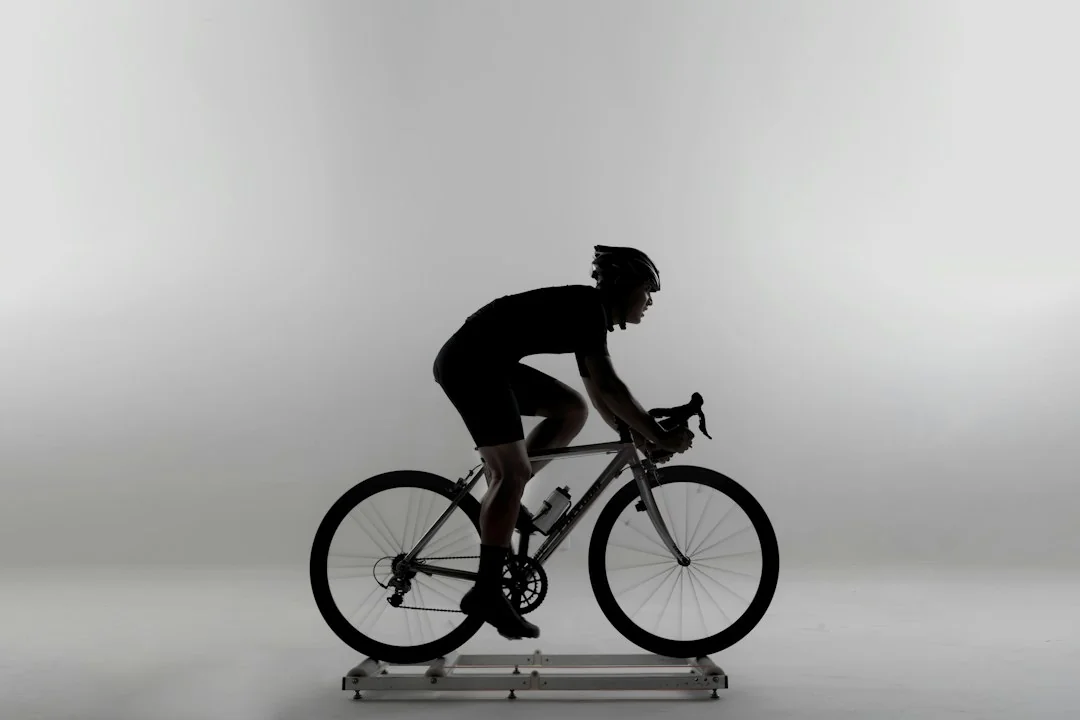
One of the most common questions I hear is whether cadence matters if you are already hitting your power targets. It does. Cadence and power interact directly: the same wattage output can be achieved at different cadence-gear combinations, but the physiological cost differs significantly. Research from Blake and Wakeling (1) showed that mechanical efficiency peaks at progressively higher cadences as power output increases - approximately 60 RPM at 100 watts but 98 RPM at 400 watts. Beyond approximately 120 RPM, efficiency begins to decline as muscle activation cycles extend and ineffective pedal forces accumulate.
This data shows that forcing a low cadence at high power outputs is physiologically counterproductive. The right cycling rpm for any given effort is not fixed - it shifts upward as intensity increases.
I typically track new riders at 62 to 68 RPM during their first assessed ride - significantly lower than most self-report when estimating without a sensor. Seeing that number in real time is one of the fastest insight shifts I observe in early training sessions.
What Is a Good Cadence for Cycling - Ranges by Rider Type and Goal
The best cadence for cycling depends on your experience level, training goal, and terrain. The idea of a single universal cadence is a myth I work to correct regularly. What matters is matching your RPM to your current context. Think of cycling cadence as a tool you adjust rather than a number you maintain regardless of conditions.
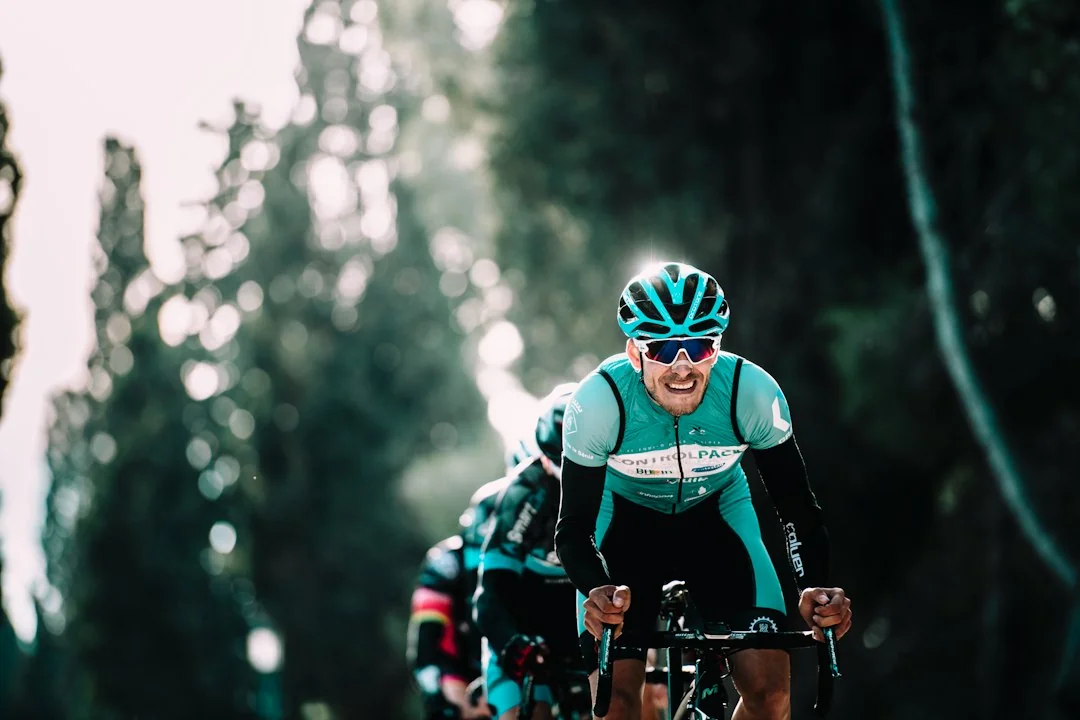
Cadence ranges below serve as useful starting points for different situations:
Context | Target Cadence (RPM) |
Beginners (building base) | 60-80 |
Recreational / fitness riding | 80-90 |
Competitive / performance | 90-100+ |
Zone 2 / aerobic base riding | 85-95 |
Tempo and threshold efforts | 90-100 |
Climbing (moderate grade) | 70-85 |
Sprint efforts | 100-120+ |
A 2024 study by Dunst et al. (2) found that optimal pedaling cadence increases with exercise intensity, rising from approximately 45 RPM at minimal effort to 65 RPM at the lactate threshold and 84 RPM at VO2max output. This pattern explains why you naturally want to shift gears and spin faster as the effort increases. Your body is optimizing muscle fiber recruitment automatically.
Beginner Cycling Cadence
If you are new to structured cycling, aiming for a cadence of 60 to 80 RPM is a realistic starting point. The lower end of that range, 60 to 70 RPM, is the functional floor where most beginners naturally land when riding with any gear resistance. The development target is 70 to 80 RPM, where pedaling mechanics begin to feel more fluid and circular rather than a labored push. The problem is that a very low cycling cadence places disproportionate mechanical stress on the knee joint with each stroke. I encourage beginners to prioritize developing a smooth, consistent pedal stroke at 70 to 80 RPM before worrying about speed or power targets.
Signs you are ready to work toward a higher cadence range:
- You can sustain 70 to 80 RPM for 30 or more minutes without significant muscle burning in the quads
- Your pedal stroke feels controlled and circular rather than bouncy or lurching
- You can hold a conversation at 80 RPM without breathlessness from the leg effort alone
For riders who are also new to cardio training more broadly, cardio for beginners covers pacing and intensity principles that pair directly with cadence development.
Experienced and Competitive Cyclists
Competitive cyclists typically ride at 90 to 100+ RPM during sustained efforts, a pattern shaped heavily by research and elite coaching over the past two decades. Lance Armstrong's approach of spinning at 95 to 110 RPM - compared to competitors like Jan Ullrich who averaged 80 to 90 RPM - demonstrated that high cadence shifts the workload from local muscle fatigue to cardiovascular demand, a trade-off that favors riders with a strong aerobic engine and good neuromuscular coordination.
I would not recommend jumping to elite cadence ranges without building the aerobic base to support them. A systematic review by Mater et al. (3) found that cadence above a rider's preferred rate is associated with greater neuromuscular impairments, particularly in untrained cyclists. Cadence development is a gradual process measured in weeks and months, not a single training session.
How Cycling Cadence Affects Your Body
Every pedal stroke distributes mechanical work across your muscles and joints. Your cycling cadence directly influences which systems bear the brunt of that load and how quickly fatigue accumulates. This is not an abstract concept. I have seen riders with knee pain resolve their issues entirely by adjusting cadence, and others who plateaued in performance until they addressed their pedaling rate. One rider I worked with eliminated recurring anterior knee pain after six weeks of raising cycling cadence from 58 to 82 RPM, with no other changes to bike fit or saddle position.
Understanding how cadence choices affect calories burned cycling is also useful context - cadence, gear selection, and metabolic output are closely linked.
High Cadence vs. Low Cadence - What the Research Shows
The fundamental physiological trade-off in cycling cadence is between muscular load and cardiovascular load. Riding at lower cadence in a harder gear forces each muscle contraction to generate more force, leading to earlier local muscle fatigue. Riding at higher cadence in an easier gear requires more contractions per minute, which elevates heart rate and oxygen demand. I break down the muscles an exercise bike works in a separate guide.
Research from Skovereng et al. (4) found that cadence significantly influences how mechanical load distributes across the hip and knee joints specifically, with differential oxygen consumption patterns at each joint depending on pedaling rate. Higher cadence tends to reduce peak torque at the knee, which has real implications for injury prevention and ride comfort.
Factor | Low Cadence | High Cadence |
Primary muscles taxed | Quadriceps and glutes | Heart and lungs |
Fatigue mechanism | Local muscle fatigue | Elevated heart rate and oxygen demand |
Knee joint torque | Higher peak load | Lower peak torque |
Knee injury risk | Greater with sustained riding below 60 RPM | Reduced patellofemoral stress |
Cadence and Knee Health
Low cadence cycling, particularly sustained riding below 60 RPM, is one of the most common contributing factors to anterior knee pain in cyclists I work with. When cadence drops and gear resistance increases, the force required per pedal stroke rises substantially. This elevated torque creates repeated mechanical stress on the patellofemoral joint over a long ride. The Skovereng et al. 2016 data supports the principle that higher cadences reduce peak mechanical load on the knee even when total work output remains constant.
Warning signs that your cadence may be contributing to knee discomfort:
- Anterior knee pain that develops or worsens during or after rides
- A grinding or aching sensation during the downstroke at low RPM
- Stiffness specifically after long climbs ridden in a heavy gear
- Knee discomfort that improves noticeably when you shift to an easier gear at the same speed
If you recognize any of these patterns, increasing cadence by 5 to 10 RPM while reducing gear resistance is the first intervention I recommend before looking at saddle height or bike fit. For riders specifically concerned about equipment options that protect joints, my guide to exercise machines for bad knees covers how different cardio modalities compare on joint load.
How to Improve Your Cycling Cadence
Training your cycling cadence takes deliberate practice. Cadence adaptations are specific to the cadence trained, which means you need to spend real time at your target RPM range, not just read about it. The most effective approach combines cadence drills with regular monitoring through a cycling cadence sensor. A simple starting protocol: complete two back-to-back efforts at different cadences - say 70 RPM and 90 RPM at the same power - and note which RPM produces a lower heart rate. That crossover point is close to your current optimal cadence.
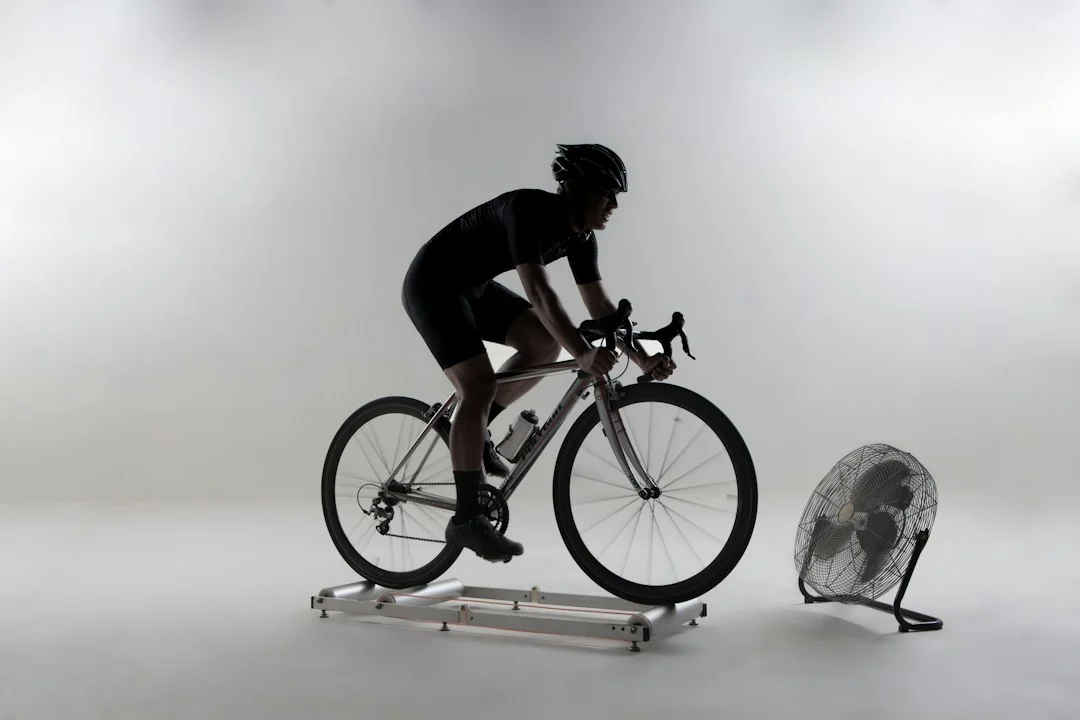
For context on how cycling fits into a broader cardio program, comparing cycling vs. rowing can help you allocate training time effectively across modalities.
Cadence Drills to Build RPM
The following drills are structured progressively. I recommend starting with Drill 1 and advancing only after you can complete it consistently over two to three sessions.
High-cadence spin intervals - Shift to an easy gear and pedal at 100 to 110 RPM for 60 seconds, then drop back to 80 to 90 RPM for 2 minutes. Repeat 5 to 8 times. This trains your neuromuscular system to coordinate rapid pedaling.
Single-leg drills (indoor trainer only) - Remove one foot from the pedal and pedal with a single leg for 30-second intervals per side. This isolates pedal stroke mechanics and reveals dead spots in your stroke.
Cadence ladder sessions - Ride 5 minutes at 70 RPM, 5 minutes at 80, 5 minutes at 90, and 5 minutes at 100, then descend back down. This builds familiarity and coordination across the full cadence range.
Low-cadence force intervals - Ride at 50 to 70 RPM in a heavy gear for 4 to 6 minutes. A 2024 study by Hebisz and Hebisz (5) found that low-cadence intervals at 50 to 70 RPM produced greater VO2max improvements (8.7%) compared to freely chosen cadence training (4.6%) in trained cyclists, because the lower cadence creates a concurrent strength-training stimulus. Use these sparingly.
Sustained endurance at 90+ RPM - Maintain 88 to 95 RPM for 20 to 45 minutes at a moderate heart rate. This is the most practical drill for building aerobic cadence economy over time.
Sprint cadence bursts - After a warm-up, sprint at maximum RPM for 10 seconds, then easy spin for 50 seconds. Repeat 6 to 10 times. Research by Hodson-Tole et al. (6) showed that muscle coordination, not individual muscle capacity, limits power at high cadences, which is precisely what sprint cadence bursts train.
Drill | Cadence Target | Primary Benefit |
High-cadence spin intervals | 100-110 RPM | Neuromuscular coordination |
Single-leg drills | Any cadence | Pedal stroke mechanics |
Cadence ladder | 70 to 100 RPM | Full cadence range familiarity |
Low-cadence force intervals | 50-70 RPM | VO2max improvement |
Sustained endurance | 88-95 RPM | Aerobic cadence economy |
Sprint cadence bursts | Maximum RPM | High-cadence coordination |
It is worth noting that not all low-cadence training produces the same result. A study by Kristoffersen et al. (7) found that low-cadence moderate-intensity training in veteran cyclists produced no performance improvements compared to freely chosen cadence training at the same duration and intensity. The key variable is how hard the low-cadence effort is - force-overload intervals (Hebisz protocol) produce gains where moderate-effort low-cadence work does not.
Tools That Help You Track and Optimize Bike Cadence
Consistent feedback on your pedal rate turns guesswork into structured training, and the sensor options vary quite a bit in price and accuracy. I cover the main choices and which one suits most riders.
Cadence Sensor Types and Compatibility
Measuring your cadence consistently is essential for structured improvement. A cadence sensor gives you real-time RPM feedback that transforms guesswork into data-driven training. The options vary by price and accuracy:
- Dedicated cycling cadence sensor (crank-mounted, standalone device, broad compatibility)
- Wahoo RPM cadence sensor (Bluetooth plus ANT+, pairs with most cycling apps)
- Garmin speed and cadence combo sensor (good option for riders already on the Garmin ecosystem)
- Smart trainer with built-in cadence measurement (most accurate option for indoor training)
- Cadence-capable power meter pedals (Assioma, Garmin Rally) for combined power and cadence data
Recommended Cadence Sensors for Cyclists
The Wahoo cadence sensor stands out as the most versatile standalone option for most cyclists. It connects over both Bluetooth and ANT+, attaches to the crank arm without tools, and pairs in seconds with virtually every major cycling app. For riders who want structured cadence tracking without investing in a full power meter, the wahoo rpm cadence sensor covers everything the average cyclist needs at a fraction of the cost.
A cycling cadence calculator is a useful planning tool for estimating RPM from gear ratios before rides, but sensor data is what you need for training feedback. If you are deciding between an indoor spin bike and an upright exercise bike, understanding spin bike vs. exercise bike differences in cadence dynamics, flywheel resistance, and training feel is worth knowing before you invest. I explain how spin bikes and exercise bikes differ and which one to buy.
For riders building a more complete training plan, how to improve cardio covers the broader aerobic principles that cadence training plugs into.
The Cadence Habit That Changes Everything
Cycling cadence is a skill you develop gradually, not a fixed target to chase. I have coached riders across a wide fitness range - many starting at 55 to 65 RPM before structured training - and the one consistent truth is that awareness of cadence alone produces real improvement. When riders start watching their RPM and making deliberate gear choices to stay in a target range, their pedaling efficiency, comfort on the bike, and ability to sustain efforts without early muscular fatigue all improve within weeks. If you still need an indoor bike, my roundup of exercise bikes for every rider ranks eleven top picks.
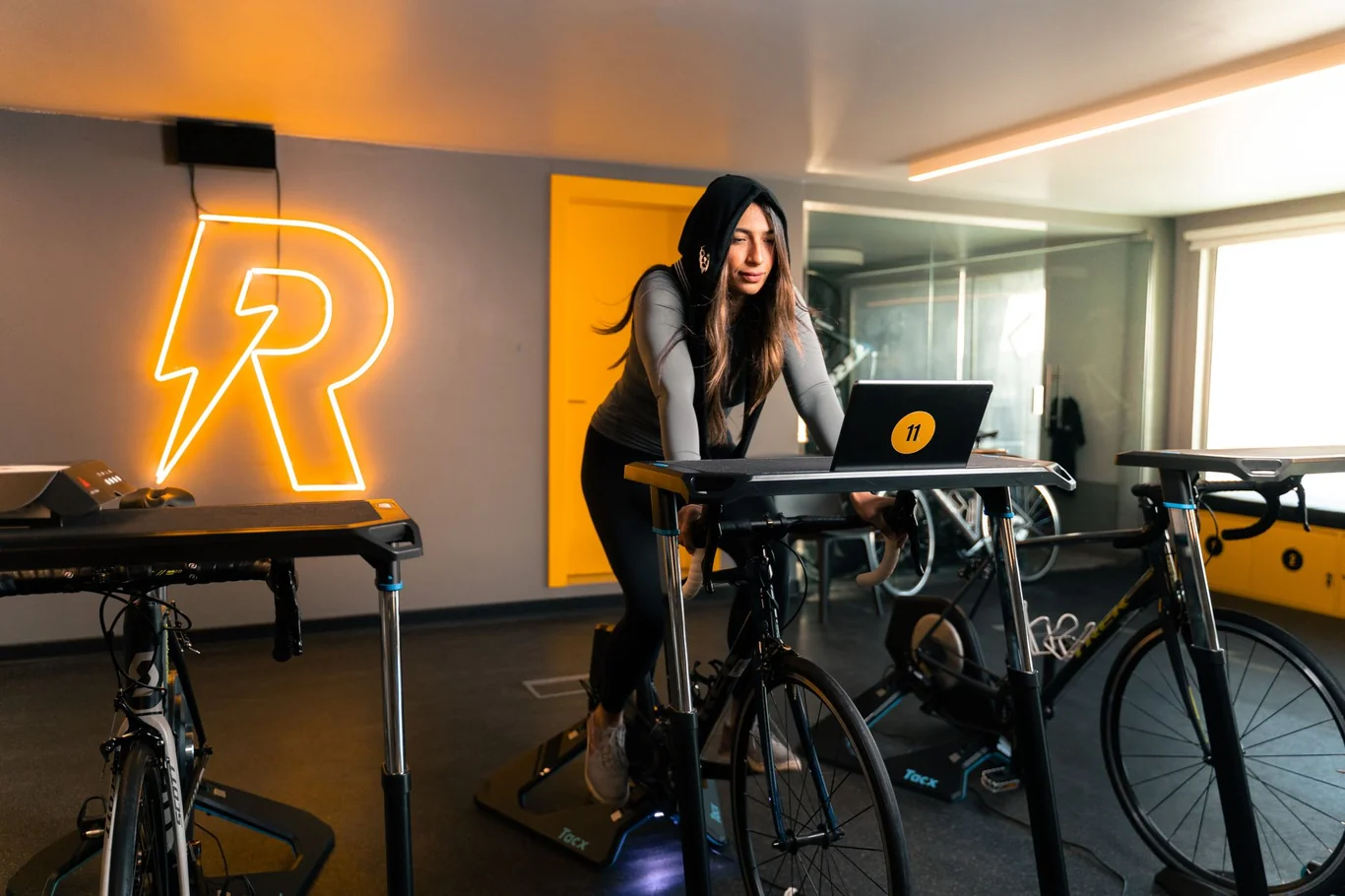
Optimal Cadence Ranges for Every Rider
The research and coaching experience together point toward a few durable principles. Beginners benefit most from building a smooth, consistent pedal stroke at 70 to 80 RPM before chasing higher numbers. Recreational riders doing sustained aerobic work should target 80 to 90 RPM. Fitness cyclists and those training for performance should aim for 85 to 95 RPM at tempo, with sprint bursts pushing beyond 100 RPM. Climbing naturally pulls cadence down to 70 to 85 RPM depending on grade and leg strength, and that is perfectly fine.
Building Your Cadence Training Practice
My recommendation is to start with a cadence sensor, measure your natural cadence across a typical ride, and use that baseline as your starting point. From there, structured cadence drills and consistent monitoring will help you expand your usable RPM range. For riders managing knee discomfort, raising cadence by 5 to 10 RPM and reducing gear resistance is often the single most impactful adjustment I can suggest before any other intervention. I cover setup fixes and bike types in my guide to exercise bike and knee pain.
If you are building a full cardio program around cycling, understanding how often to do cardio and how to structure weekly intensity will help you get the most from your cadence work.
Cadence manipulation is also one of the primary tools you use to shift between training modes on a bike. Riders who want to compare high-intensity and steady-state approaches will find that hiit vs. steady state cardio methods translate directly to how you use cadence and resistance together. I explain HIIT on an exercise bike in a separate guide.
FAQs
What is the 75 rule in cycling?
The 75 rule in cycling is a heart rate training guideline, not a cadence standard. It states that 75% of your weekly training time should be spent at or below 75% of your maximum heart rate, with the remaining 25% reserved for higher-intensity work.
What was Lance Armstrong’s average cadence?
Lance Armstrong's average cycling cadence during his Tour de France years was 95 to 110 RPM, significantly higher than competitors like Jan Ullrich who averaged 80 to 90 RPM. Armstrong's high-cadence strategy was a deliberate approach shaped by his post-illness physiology and coaching from Chris Carmichael, who shifted training emphasis toward cardiovascular load rather than muscular force production.
Is 160 cadence good for cycling?
A cycling cadence of 160 RPM is generally too high for sustained riding and falls outside the practical range for most cyclists. Good cadence for cycling during steady efforts ranges from 80 to 100 RPM, with sprint-intensity efforts reaching 100 to 120 RPM at most.
Is 140 cadence too slow?
A cycling cadence of 140 RPM is actually extremely fast rather than slow, placing it in the range of short maximal sprint efforts and beyond what most competitive cyclists can sustain for more than a few seconds. For reference, the average cadence cycling for experienced riders during endurance efforts falls between 80 and 100 RPM.
What is cadence in running?
Cadence in running refers to the number of steps per minute rather than wheel revolutions, measuring how quickly your feet contact the ground during a run. Ideal running cadence based on height varies slightly - taller runners tend toward the lower end of the 170 to 180 range, while shorter runners lean toward the higher end, though individual variance is large enough that most coaches recommend finding a personal baseline before optimizing.
This content is for informational and educational purposes only. It is not a substitute for professional medical advice, diagnosis, or treatment. Always consult with your healthcare provider before starting any new fitness program or using fitness technology for health monitoring.
References
- Blake OM, Wakeling JM. Muscle coordination limits efficiency and power output of human limb movement under a wide range of mechanical demands. J Neurophysiol. 2015. doi:10.1152/jn.00765.2015.
- Dunst AK, Hesse C, Ueberschär O. Understanding optimal cadence dynamics: a systematic analysis of the power-velocity relationship in track cyclists with increasing exercise intensity. Front Physiol. 2024. doi:10.3389/fphys.2024.1343601.
- Mater A, Clos P, Lepers R. Effect of Cycling Cadence on Neuromuscular Function: A Systematic Review of Acute and Chronic Alterations. Int J Environ Res Public Health. 2021;18(15):7912. doi:10.3390/ijerph18157912.
- Skovereng K, Ettema G, van Beekvelt MCP. Oxygenation, local muscle oxygen consumption and joint specific power in cycling: the effect of cadence at a constant external work rate. Eur J Appl Physiol. 2016;116:1207-1217. doi:10.1007/s00421-016-3379-x.
- Hebisz R, Hebisz P. Greater improvement in aerobic capacity after a polarized training program including cycling interval training at low cadence (50-70 RPM) than freely chosen cadence (above 80 RPM). PLoS One. 2024;19(11):e0311833. doi:10.1371/journal.pone.0311833.
- Hodson-Tole EF, Blake OM, Wakeling JM. During Cycling What Limits Maximum Mechanical Power Output at Cadences above 120 rpm? Med Sci Sports Exerc. 2020;52(1):214-224. doi:10.1249/MSS.0000000000002096.
- Kristoffersen M, Gundersen H, Leirdal S, Iversen VV. Low cadence interval training at moderate intensity does not improve cycling performance in highly trained veteran cyclists. Front Physiol. 2014;5:34. doi:10.3389/fphys.2014.00034.