
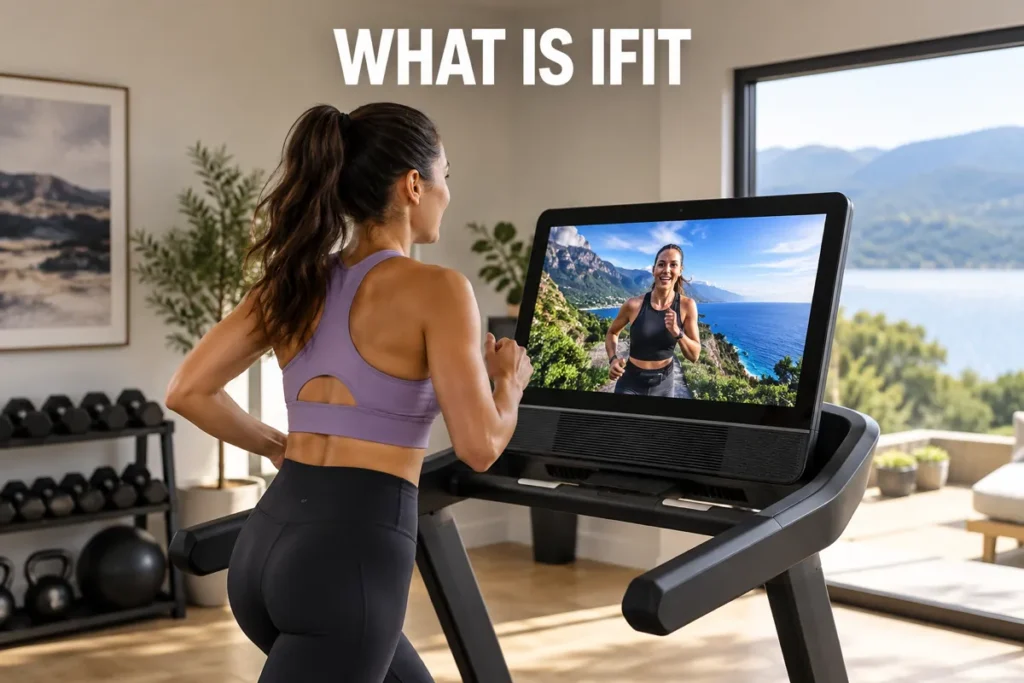
If you own a NordicTrack or ProForm machine - or you are considering buying one - knowing what iFIT is matters more than it might seem at first. iFIT is the digital fitness platform that powers these machines, and understanding how it works before you buy can save you from real frustration. I have spent years coaching clients who train on NordicTrack treadmills and ProForm bikes, and the most common confusion I see is the gap between what the hardware does on its own and what the iFIT subscription actually adds. This guide covers what iFIT is, how the membership tiers compare, which machines support it, and whether the ongoing cost justifies what you get.

What Is iFIT - The Platform Behind NordicTrack and ProForm
At its core, iFIT is a subscription-based connected fitness platform that delivers instructor-led workouts to compatible exercise equipment and standalone devices. Think of it as the operating system for your NordicTrack or ProForm machine: the hardware handles the physical movement, and iFIT provides the interactive training layer on top.
How iFIT Began - From Equipment Maker to Digital Fitness Platform
iFIT Health & Fitness Inc., previously known as ICON Health & Fitness, was founded in 1977 and grew into one of the largest fitness equipment manufacturers in the world. The company owns NordicTrack, ProForm, Freemotion, and several other brands, serving more than six million members across 120 countries. In 2021, the company formally rebranded from ICON to iFIT to signal a strategic shift toward a subscription-first, software-driven model - a pivot that mirrors what Peloton had already proven was viable in the premium market. What makes the iFIT story different is the sheer breadth of hardware it controls: owning the machines and the platform gives iFIT the ability to build deep integration that third-party fitness apps simply cannot replicate.
I give significant weight to that vertical integration when recommending platforms to clients. A client who owns a NordicTrack Commercial 1750 described the native iFIT experience as fundamentally different from running third-party apps on the same hardware - the seamless terrain response during outdoor routes is something no independent app can replicate on that equipment.
How iFIT Delivers Interactive Training
The platform works on a straightforward principle: your equipment connects to the internet, a certified iFIT trainer leads a class filmed at a real-world location or studio, and the machine automatically adjusts its settings to match the terrain or workout intensity on screen. A trainer leading a run through the Norwegian fjords, for example, triggers your treadmill to incline when the trail climbs. This auto-adjustment is what separates iFIT from a standard video streaming app.
The platform also includes iFIT AI Coach, which analyzes your workout history and automatically generates personalized training plans based on your performance data and stated fitness goals. This feature narrows the gap between hiring a personal trainer and following a generic program on your own.
The content library is extensive. iFIT offers more than 10,000 on-demand workouts across multiple categories:
- Treadmill running, walking, and incline training
- Indoor cycling and bike-specific programs
- Rowing, elliptical, and strength workouts
- Yoga, pilates, HIIT, and boxing
- Mental wellness, nutrition, and cooking classes
- Walking tours and iFIT Adventures filmed across all seven continents
With more than 180 certified trainers on the roster - including MDs, physical therapists, NASM- and AFAA-certified coaches, and competitive athletes - the platform has one of the largest trainer teams in connected fitness.
iFIT Membership Tiers - Train and Pro Explained
Two iFIT membership tiers serve different types of users, and choosing the wrong one is among the most common mistakes I see new buyers make. The iFIT membership cost is a meaningful recurring expense - particularly when stacked on top of the hardware investment - so understanding exactly what each tier delivers before committing is important. Both tiers provide access to the workout library, but the differences in equipment integration and account limits are significant enough to affect your entire training experience.
For budget-conscious buyers, iFIT membership deals and iFIT promo codes are periodically available through authorized retailers and new equipment purchases - checking the iFIT website at the time of purchase is the most reliable way to find current offers. If the hardware cost worries you too, I break down what a treadmill costs at every budget.
iFIT Train Membership - Entry-Level Connected Fitness
The iFIT Train membership is the entry-level tier, priced at approximately $15 per month at the time of writing (October 2026). It covers one user account and unlocks more than 10,000 on-demand workouts, including treadmill, cycling, rowing, yoga, strength, HIIT, pilates, and more. iFIT Train works on smartphones, tablets, and streaming devices including Apple TV, Google TV, and Amazon Fire TV. It supports heart rate training and delivers personalized workout recommendations based on your activity history.
The key limitation of iFIT Train is important: it does not unlock auto-adjustment or connected-training features on NordicTrack or ProForm touchscreen equipment. You can stream workouts to your phone or TV, but the machine will not respond to the trainer's commands. For that level of integration, you need the Pro tier.
iFIT Pro Membership - Full Equipment Integration
The iFIT Pro membership costs approximately $39 per month at the time of writing (October 2026) and covers up to five user accounts. Pro includes everything in Train, plus full integration with compatible NordicTrack, ProForm, and Freemotion touchscreen equipment.
With Pro, SmartAdjust technology automatically controls speed and incline on your treadmill or elliptical to match the trainer's on-screen route. ActivePulse reads your real-time heart rate and adjusts resistance to keep you in your target training zone. New equipment purchases typically include a 30-day iFIT free trial, which gives you a practical window to evaluate the platform before committing to a subscription.
Note: iFIT membership cost figures above are approximate as of October 2026 and subject to change; verify current rates on the iFIT website.
Feature | iFIT Train | iFIT Pro |
Monthly Price | ~$15 | ~$39 |
User Accounts | 1 | Up to 5 |
Workout Library | 10,000+ on-demand workouts | 10,000+ on-demand workouts |
SmartAdjust Auto-Adjustment | Not included | Yes, full auto-adjustment |
ActivePulse Heart Rate Control | Not included | Yes, real-time adjustment |
Equipment Integration | App and streaming devices only | Full NordicTrack, ProForm, Freemotion touchscreen |
Compatible Equipment - iFIT Treadmill, Bike, and More
iFIT is designed primarily to work with specific hardware brands rather than operating as a universal fitness app. Knowing which brands are compatible matters especially if you are buying used equipment or sourcing a machine from a third-party retailer where the iFIT integration details are not always clearly advertised.
The main iFIT-compatible brands are:
- NordicTrack (treadmills, incline trainers, bikes, ellipticals, rowing machines, stair steppers)
- ProForm (treadmills, bikes, ellipticals, rowing machines)
- Freemotion (commercial-grade cardio equipment, used in hotel gyms and rehabilitation clinics)
- HealthRider, Reebok, and Image (partial compatibility depending on model year)
NordicTrack and iFIT ProForm Treadmill Integration
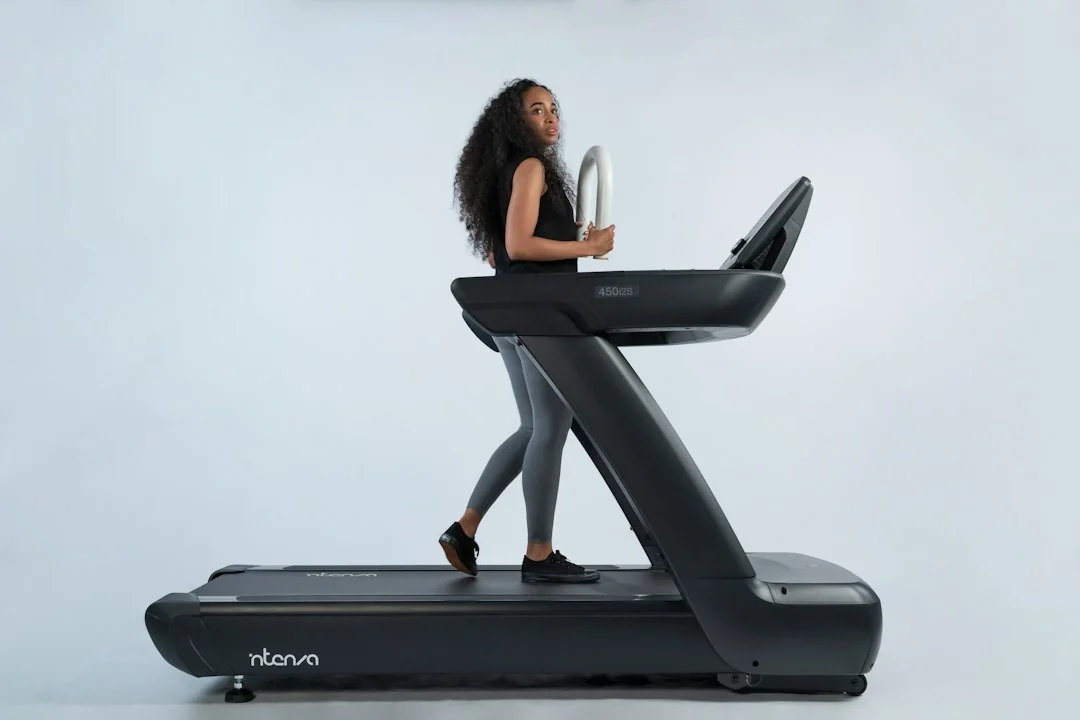
An iFIT ProForm treadmill or NordicTrack treadmill connects to the platform through the machine's integrated touchscreen the moment you activate it and sign into your account. The connection is seamless by design because iFIT and these brands share the same parent company. I find this integration most compelling on NordicTrack's incline trainer models, where SmartAdjust can shift the deck to a 40% incline mid-workout to simulate steep mountain terrain without any manual input from the user. If that incline appeals to you, I rank the incline treadmills I recommend in a separate roundup.
Bikes, Ellipticals, and Rowing Machine Support
iFIT supports cycling, elliptical, and rowing workouts with the same auto-adjustment logic it uses on treadmills. Compatible NordicTrack and ProForm bikes adjust resistance as the on-screen route changes elevation. Elliptical workouts use stride-cadence guidance tied to real-world outdoor paths. Rowing workouts filmed on open water use the machine's resistance settings to simulate changing water drag conditions, and I compare the underlying resistance designs in my breakdown of each type of rowing machine.
I regularly mention this to clients who want a machine that also travels beyond its primary movement. If you have ever considered what a rowing machine can do for cardiovascular conditioning alongside running, knowing that iFIT-connected rowing equipment is part of the same ecosystem makes the investment case easier to evaluate. If that investment case convinces you, I rank the top rowing machines for home gyms in my roundup.
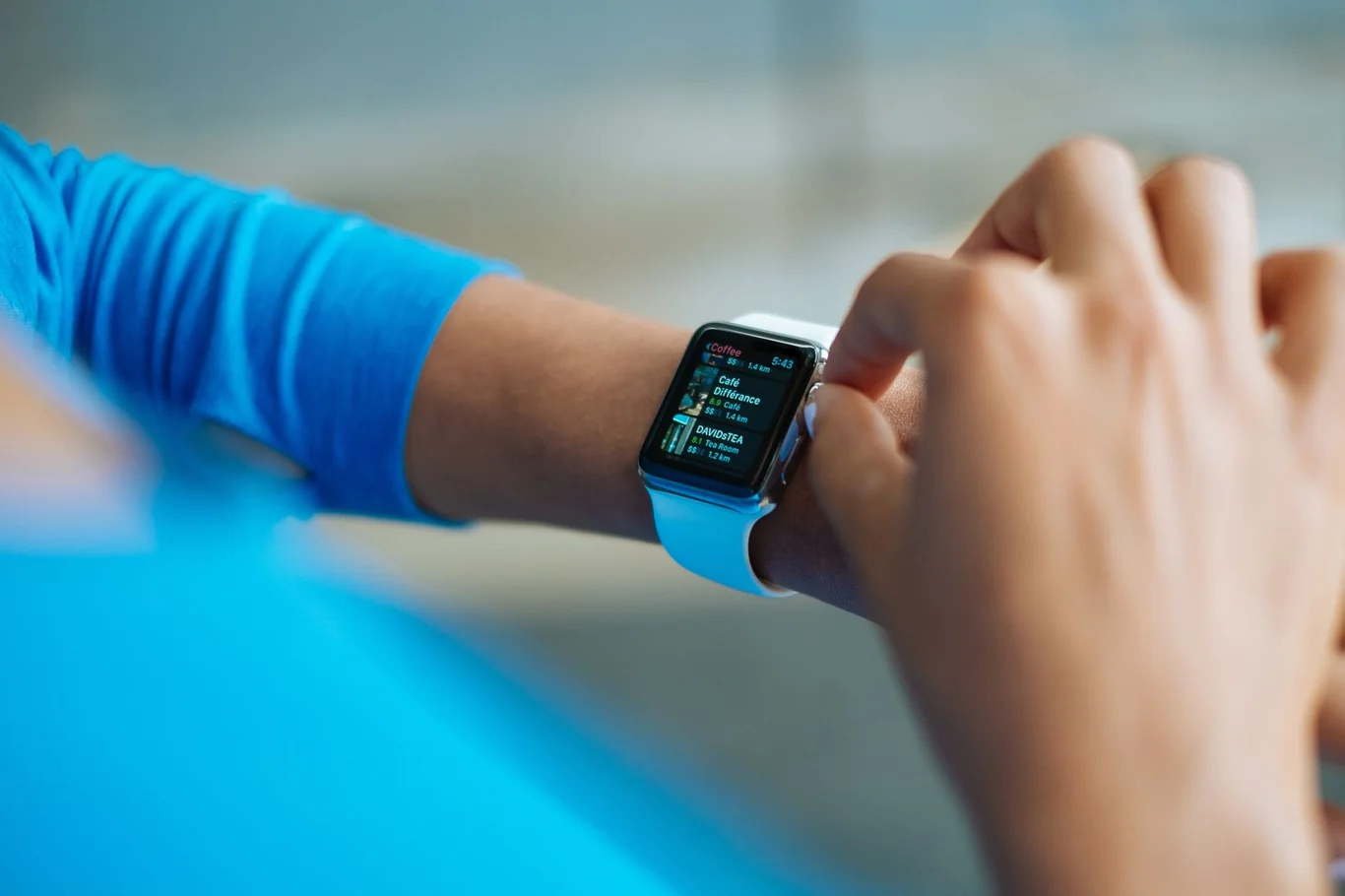
The platform also extends to non-cardio training. iFIT's strength, yoga, pilates, and bodyweight programs work through the app on any compatible device, including fitness trackers and smartwatches that can pair with the app for heart rate data during workouts. This approach differs from workout mirrors, which project coaching through a reflective display - I find the two formats serve different types of home gym setups rather than competing for the same buyer.
The iFIT App - Features, Technology, and Device Support
Beyond dedicated equipment, the iFIT app makes the platform accessible on devices you likely already own. You do not need to purchase a NordicTrack to experience iFIT; the app on a smartphone or tablet delivers body-weight workouts, strength routines, and guided cardio sessions anywhere with an internet connection.
SmartAdjust and ActivePulse - How Auto-Adjustment Works
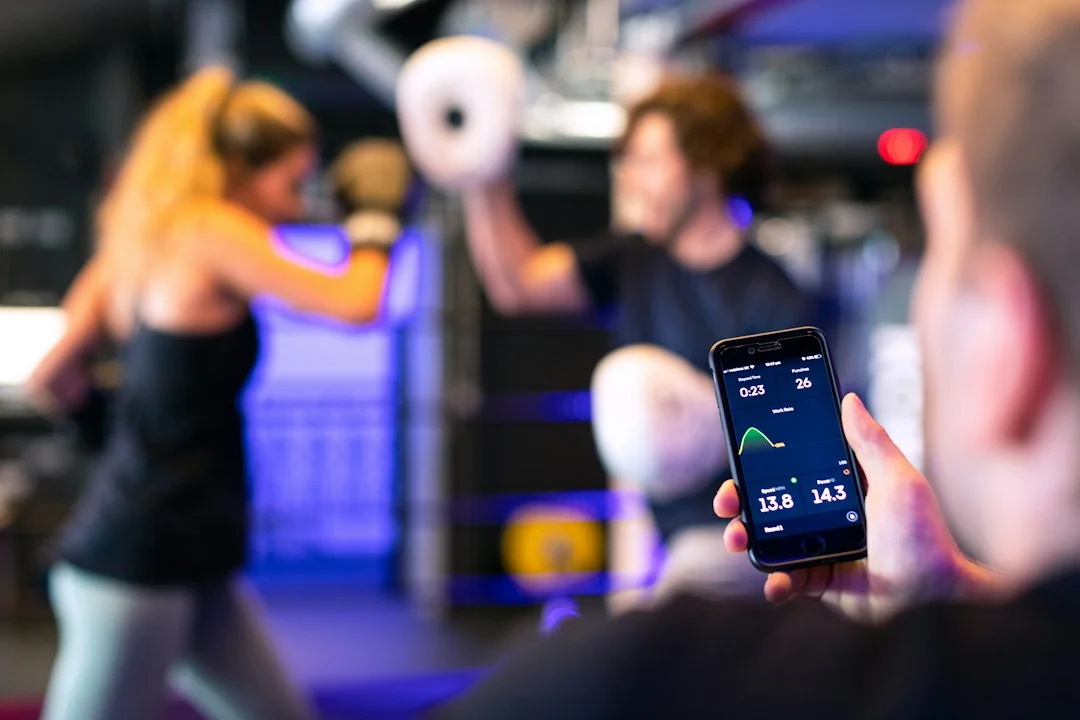
SmartAdjust is the technology that separates iFIT from a conventional on-demand video platform. When a trainer films a run through Patagonia or a cycling route across Tuscany, the SmartAdjust system reads the terrain data embedded in the video and adjusts your machine's speed and incline automatically. You stop managing the machine manually and focus on maintaining pace with the trainer.
ActivePulse builds on this by integrating your real-time heart rate data. Compatible heart rate monitors - including chest straps and wearable devices like fitness bands - feed live data to the iFIT system, which then adjusts resistance or incline to keep you within a specific heart rate training zone. This passive automation is one of the clearest advantages of the Pro tier over Train for anyone who trains with a heart rate target rather than a fixed speed.
Both technologies require an iFIT Pro membership and compatible NordicTrack, ProForm, or Freemotion equipment. They do not function on the iFIT Train tier or on non-iFIT hardware.
iFIT App Device Compatibility
The iFIT app is available on the following devices:
- iOS (version 16.0 and above)
- Android (version 5.0 and above)
- Apple TV
- Google TV
- Amazon Fire TV
The app does not support Windows computers, Amazon Kindle tablets, or Fire tablets as primary platforms. The iFIT login process is straightforward - you use your registered email and password, and your workout history and preferences sync automatically across all logged-in devices.
Can You Use iFIT Equipment Without a Membership?
Yes, most iFIT-compatible machines operate in manual mode without an active subscription. On a NordicTrack treadmill, manual mode lets you control speed and incline directly, view your basic workout metrics on the console, and run freely without any interactive guidance. The machine does not become unusable when your subscription lapses - this is a frequent misconception I correct with clients who worry about being locked out of expensive hardware.
Features Locked Behind an Active Membership
What you lose without a membership is the entire interactive layer: guided workouts, auto-adjustment through SmartAdjust, the outdoor video library, personalized training recommendations, and access to the full content catalog. A limited free account does provide a small sample of iFIT classes, but the complete 10,000+ class library requires a paid tier.
If you are evaluating a treadmill without subscription as a permanent strategy, the hardware will serve you reliably, and my best treadmills for home use list covers the models I recommend. The trade-off is that these machines are engineered for connected training, and the manual experience is genuinely different from what they are designed to deliver.
iFIT vs Peloton - Key Differences at a Glance
Comparing iFIT to Peloton is the most consistent question I receive from clients who are deciding between connected fitness platforms. Both deliver instructor-led classes, real-time metrics, and large on-demand libraries, and my iFIT versus Peloton breakdown goes through the rest. The differences come down to pricing structure, equipment breadth, community design, and the type of content each platform prioritizes.
iFIT holds clear advantages in trainer variety, outdoor content, hardware breadth, and per-user cost when a household has multiple members. Peloton builds a stronger live class community with leaderboard mechanics and social accountability features that iFIT has not prioritized to the same degree.
Category | iFIT | Peloton |
Content Library | 10,000+ on-demand workouts | Large on-demand library |
Compatible Hardware | NordicTrack, ProForm, Freemotion, others | Peloton equipment only |
Certified Trainers | 180+ on roster | Instructor-led classes |
Community Focus | Standard social features | Leaderboard mechanics, social accountability |
Best For | Outdoor immersion, hardware flexibility | Live class energy, social competition |
Which Platform Fits Your Training Style
My honest assessment: if outdoor immersion and hardware flexibility matter most to your training style, iFIT is the stronger fit. If live class energy and social competition drive your consistency, ifit vs peloton tips toward Peloton. Neither is objectively superior - they serve different motivational profiles.
Is iFIT Worth the Money? What Research Says About Connected Fitness
The core question about iFIT is whether the subscription genuinely changes workout outcomes, or whether it is a convenience feature that becomes an ongoing expense without meaningful payoff. Research on connected fitness platforms and digital coaching provides useful context.
What Research Shows About Digital Coaching
A 2012 randomized controlled trial found that participants using a virtual coaching system maintained their step counts over 12 weeks while a control group showed meaningful decline, demonstrating that the interactive coaching layer plays a real role in sustaining exercise behavior over time (1).
A 2022 systematic review of ten randomized controlled trials found that digital interventions improved short-term exercise adherence in 70% of studies reviewed (2). Platforms that combined app-based guidance with real-time coaching elements showed stronger effects than passive apps alone - which maps closely to what iFIT's SmartAdjust and trainer-led programming attempt to replicate.
A meta-analysis published the same year, covering nine RCTs with nearly 1,500 participants, found that mHealth fitness applications increased daily physical activity by an average of 8.72 minutes and reduced sedentary time by 90.94 minutes per day (3). Critically, multi-component interventions pairing an app with real-time coaching produced the largest effects - the exact model iFIT's auto-adjustment and trainer integration is designed to deliver.
A 2024 randomized controlled trial of homebound patients with coronary heart disease found significantly higher exercise compliance in the digital coaching group versus standard care, alongside reduced anxiety and improved exercise planning (4). A separate 2024 study on a tele-exercise platform found measurable improvements in aerobic capacity, lower-body power, and psychological well-being across diverse participant groups following an eight-week live-streamed and on-demand exercise program (5).
Applying the Evidence to Your iFIT Decision
The collective evidence suggests that iFIT's model is grounded in what research identifies as effective for adherence. The platform delivers the most value to people who need external structure to train consistently. If you find solo cardio easy to maintain without prompting, you are effectively paying for features you may not use.
The Verdict - Who Gets the Most from iFIT
Whether this subscription earns its cost depends heavily on your training profile, your equipment, and how much you value guided programming. I break down who it fits well and who should skip it. If you are still choosing hardware, my cardio machine breakdown compares treadmills, ellipticals, bikes, and rowers.
Who iFIT Works Best For
iFIT is worth the subscription for some users and an unnecessary expense for others. My recommendation breaks down by training profile:
- Consistent solo trainers who get bored without variety - iFIT's 10,000+ classes, global outdoor filming, and SmartAdjust automation make every session different enough to sustain long-term consistency.
- Households with multiple active members - The Pro tier's five-account limit spreads the cost across users in a way that becomes genuinely cost-effective at a family or household scale.
- Users who already own NordicTrack or ProForm equipment - If the hardware is already in your home, upgrading to Pro unlocks the full feature set the machine was designed for.
- People who do not want to program their own training - iFIT's personalized recommendations and ActivePulse heart rate targeting remove the cognitive overhead of structuring a training plan.
When iFIT May Not Be Worth It
iFIT is a poorer fit for some users despite the platform's strengths. Signs the subscription may not be worth it for your situation include:
- You prefer a simple manual machine and find guided workouts distracting rather than motivating
- Your primary goal is weight training or sport-specific conditioning that connected cardio equipment cannot address
- You have inconsistent internet access, since iFIT's streaming features require a reliable connection to function properly
- In my experience with clients who upgraded to iFIT Pro on existing NordicTrack hardware, SmartAdjust had the most measurable impact on consistency - specifically for clients who had been using manual treadmill mode for 6 or more months before upgrading. The shift from self-directed pacing to trainer-guided auto-adjustment typically eliminated self-interrupted sessions almost entirely within the first four weeks.
If you train well without guided programming, prefer a manual approach, or are budget-constrained enough that a monthly subscription creates genuine friction, iFIT may not be the right fit. The what is whoop question and what is oura ring discussion both point to a broader truth: the most useful fitness technology is the kind you actually use consistently.
I would also suggest that anyone building a complete home fitness setup consider how wearable devices and a fitness tracker can complement iFIT by extending health monitoring beyond the workout window itself. The platform covers active training well; a wearable fills the rest of the day.
My experience is that clients who pair a connected machine with a wearable tend to build the most consistent long-term habits, because both the active session and the recovery window feed into a shared data picture. For those who want a lighter footprint, a walking pad offers iFIT-compatible movement at a smaller investment than a full treadmill. A smartwatch that syncs with the iFIT app adds an extra layer of real-time feedback for users who want to track performance beyond the session itself.
In one sentence, iFIT is the most tightly integrated connected fitness platform available for NordicTrack and ProForm equipment, and one of the best-equipped digital coaching platforms on the market - provided you use the features it offers.
FAQs
How much does iFIT cost per month?
iFIT offers two membership tiers priced at approximately $15 per month for the Train tier and $39 per month for the Pro tier at the time of writing (October 2026). Annual billing options reduce the per-month cost compared to rolling monthly payments, and new compatible equipment purchases typically include a 30-day free trial period.
Can you still use iFIT without membership?
You can use most iFIT-compatible machines without a subscription by running them in manual mode, which allows direct control of speed and incline through the console without any guided workout experience. Without a paid membership, you lose access to the interactive class library, SmartAdjust auto-adjustment, and personalized programming, though the physical machine remains fully operational.
Is iFIT worth the money?
iFIT is worth the subscription cost for people who use guided, structured workouts to stay consistent, as research on digital coaching platforms consistently shows adherence improvements when training has an interactive structure. The value is less clear if you train reliably without external programming and primarily want a machine that tracks basic workout data.
Is iFIT as good as Peloton?
iFIT and Peloton serve different training preferences rather than one being strictly better than the other across all categories. iFIT offers a lower membership price, more user accounts per subscription, a larger certified trainer roster, broader hardware compatibility, and stronger outdoor content, while Peloton delivers a more cohesive live class community and stronger social engagement mechanics.
How much is an iFIT membership?
An iFIT membership is available as the Train tier at approximately $15 per month or the Pro tier at approximately $39 per month, with annual billing available at a reduced rate compared to monthly payments as of October 2026. The annual plan can meaningfully lower your effective per-month cost - and the iFIT Pro membership is required to unlock SmartAdjust auto-adjustment and full touchscreen integration on compatible NordicTrack, ProForm, and Freemotion equipment.
This content is for informational and educational purposes only. It is not a substitute for professional medical advice, diagnosis, or treatment. Always consult with your healthcare provider before starting any new fitness program or using fitness technology for health monitoring.
References
- Watson A, Bickmore T, Cange A, Kulshreshtha A, Kvedar J. An internet-based virtual coach to promote physical activity adherence in overweight adults: randomized controlled trial. J Med Internet Res. 2012;14(1):e1. doi:10.2196/jmir.1629.
- Lang S, McLelland C, MacDonald D, Hamilton DF. Do digital interventions increase adherence to home exercise rehabilitation? A systematic review of randomised controlled trials. Arch Physiother. 2022;12:18. doi:10.1186/s40945-022-00148-z.
- Zhang M, Wang W, Li M, Sheng H, Zhai Y. Efficacy of mobile health applications to improve physical activity and sedentary behavior: a systematic review and meta-analysis for physically inactive individuals. Int J Environ Res Public Health. 2022;19(8):4905. doi:10.3390/ijerph19084905.
- Xu D, Xu D, Wei L, Bao Z, Liao S, Zhang X. The effectiveness of remote exercise rehabilitation based on the "SCeiP" model in homebound patients with coronary heart disease: randomized controlled trial. J Med Internet Res. 2024;26(1):e56552. doi:10.2196/56552.
- Fucarino A, Zimardo G, Fabbrizio A, et al. Fitness and psychological effects of tele-exercise in healthy populations. Preliminary study. Front Digit Health. 2024;6:1496196. doi:10.3389/fdgth.2024.1496196.