
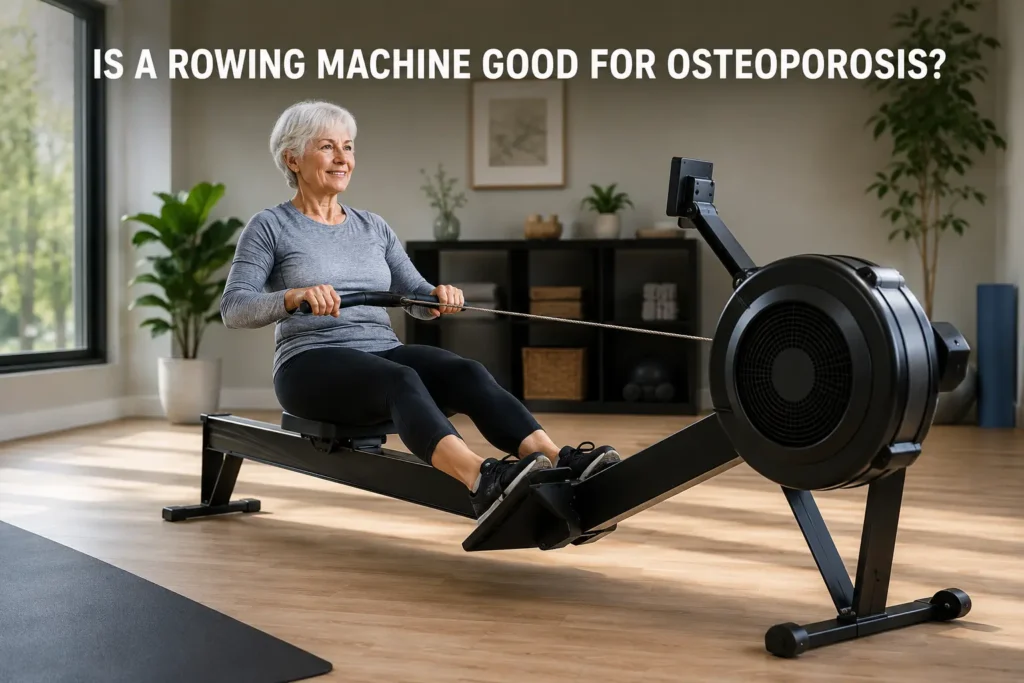
Is a rowing machine good for osteoporosis? It is a fair question, and the answer is more nuanced than most fitness sites suggest. Osteoporosis affects roughly 200 million people worldwide, which makes safe and effective exercise one of the most pressing challenges after diagnosis. Rowing offers a low-impact, full-body workout that strengthens the muscles supporting your spine, hips, and upper body - all areas that matter for fracture prevention. Its bone-building potential depends on how it is used and what it is paired with. This guide breaks down the evidence, compares rowing to other common exercises including swimming and cycling, and shows you how to start rowing safely if you have low bone density.

Is a Rowing Machine Good for Osteoporosis - What the Evidence Actually Shows
Rowing can support bone health, particularly at the lumbar spine, but it works best as part of a broader program rather than your sole strategy against bone loss. In our review of the available clinical research, we found that rowing consistently outperforms pure cardio activities like swimming and cycling for spinal bone loading - but falls short of weight-bearing and resistance training for hip protection.
Bone density responds to mechanical loading - the forces your skeleton absorbs during movement. Weight-bearing activities like walking and resistance training generate the compressive and tensile forces that stimulate bone remodeling. Rowing occupies a useful middle ground: your bodyweight rests on the seat, so it is not a classic weight-bearing activity, but every stroke generates significant compressive force through the spine and substantial tension through the arms, shoulders, and upper back.
After medical clearance, our rowing machine catalog can help you compare low-resistance options.
A 2018 systematic review confirmed that resistance training and weight-bearing aerobic exercise produce the most consistent bone mineral density improvements in osteoporotic patients, with measurable gains at the femoral neck and lumbar spine (1). Rowing combines resistance loading through the drive phase with sustained aerobic output, placing it in a more favorable position than pure cardio activities like swimming or cycling.
Research on rowers themselves offers instructive data. A prospective study found that seven months of rowing training in novice college rowers increased lumbar spine BMD by 2.9% and bone mineral content by 4.2% - a clinically meaningful result, though lower extremity sites showed no significant change (2). A more recent cross-sectional study in elite rowers found that long-term training produced redistribution of bone mineral content toward the trunk rather than total skeletal gains, reinforcing the site-specific nature of rowing's bone effect (3).
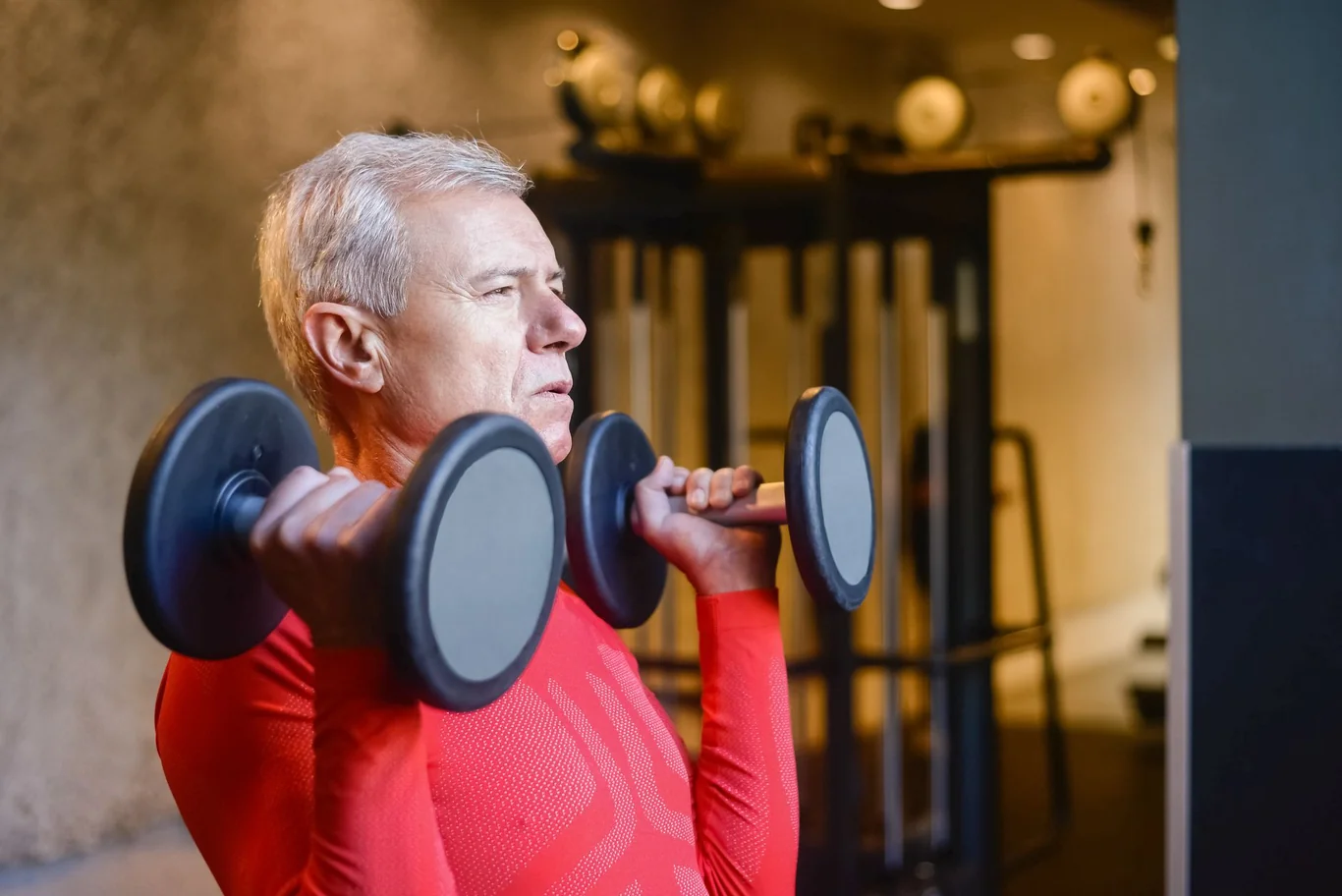
What this means in practice: rowing builds and maintains spinal bone mineral content more effectively than non-loading cardio. For people whose primary fracture risk sits at the spine, this is directly relevant. Hip and femoral neck bone density, however, requires vertical loading that rowing does not provide.
A 2023 meta-analysis found that exercise programs with high adherence (at least 70% compliance) significantly improved lumbar spine BMD and femoral neck BMD across randomized controlled trials, underscoring the point that consistency matters as much as modality (4). Rowing can contribute that consistent spinal loading stimulus - when paired with the right complementary activities.
For those ready to build structured intervals alongside walking and resistance work, our best rowing machine for conditioning guide covers machines built for that kind of progression.
What Rowing Can and Cannot Do for Your Bones
Here is a quick summary before we go deeper:
- Rowing can do: load the lumbar spine with each stroke, strengthen spinal erectors and upper back muscles, provide low-impact cardiovascular training that supports overall bone health, improve posture and balance (both reduce fracture risk)
- Rowing cannot do: deliver vertical hip-loading equivalent to walking or leg press, replace weight-bearing exercise for femoral neck bone density, generate the bone stimulus in the lower extremity that walking and stair climbing provide
- Rowing is appropriate for: people seeking joint-friendly cardio with spine-loading benefit, individuals who cannot tolerate high-impact exercise, those using rowing as a complement to resistance training and walking
- Rowing may need modification: in people with severe thoracic osteoporosis, recent vertebral fractures, or significant spinal stenosis
How Rowing Compares to Other Exercises for Osteoporosis
Here is how rowing stacks up against the most commonly recommended alternatives. I find this comparison table is the clearest way to frame the decision, because the debate is really about which bone sites matter most for your fracture risk profile:
Exercise | Bone-Loading Type | Primary Benefit Sites | Evidence Strength |
Rowing | Compressive + tensile (spinal) | Lumbar spine, upper back | Moderate |
Walking | Weight-bearing (vertical) | Hip, femoral neck, tibia | Strong |
Resistance training | Compressive + tensile | Hip, spine, full skeleton | Strong |
Swimming | Minimal (water buoyancy) | None significant | N/A |
Cycling | Minimal (seat-supported) | None significant | N/A |
Whole-body vibration | Low-frequency mechanical | Hip, tibia | Moderate |
Walking and Weight-Bearing Exercise
Walking is widely recommended as the foundation for osteoporosis exercise because it delivers direct vertical loading through the spine, hips, and lower extremity. A 2010 meta-analysis confirmed that weight-bearing exercise produces measurable bone strength improvements, particularly in women who maintained high program compliance (5). Beyond flat-surface walking, the treadmill benefits for bone health are meaningful when speed and incline are varied consistently.
You can also explore benefits of walking backwards on a treadmill as a low-impact way to add posterior chain engagement to a treadmill routine. Walking complements rowing rather than competing with it - these two modalities address different bone sites.
Is Swimming Good for Osteoporosis?
Water buoyancy removes roughly 5/6 of bodyweight, which eliminates the mechanical load that triggers bone remodeling. Multiple studies confirm that swimming does not produce positive effects on bone mineral density at clinically important sites.
Is swimming good for osteoporosis of the spine specifically? The data are equally discouraging - the spine requires compressive and tensile loading that water exercise cannot reliably generate.
For a full picture of what rowing delivers across multiple body systems, our rowing machine benefits guide covers the complete evidence base.
Why is swimming not good for osteoporosis? The mechanism is straightforward: without mechanical load, the biological signal for bone formation (osteoblast stimulation) is absent. Swimming is excellent for cardiovascular fitness, flexibility, and joint mobility. It should not, however, be counted on to protect or build bone density.
For a detailed look at when spinal concerns create real risks during rowing, our guide on whether a rowing machine is bad for your back covers the specific conditions and form errors that matter most.
Rowing generates significantly greater compressive forces than swimming - which is why rowing holds a clearer evidence base for lumbar spine bone mineral content, despite sharing a "low-impact" label with water exercise.
Our recumbent exercise bike vs rowing machine comparison breaks down how these two seated, low-impact options differ in bone loading, calorie burn, and long-term suitability for osteoporosis.
Is Cycling Good for Osteoporosis?
Is cycling good for osteoporosis? Not as a bone-building tool. Cycling is non-weight-bearing - the seat absorbs bodyweight, removing the load that drives bone adaptation. Data from multiple studies suggest cyclists may show reduced spine and hip bone density compared to mixed exercisers, likely from years of non-loading cardio without compensatory resistance work.
Stationary bikes are still useful for cardiovascular conditioning and lower-body mobility for people with osteoporosis. The best exercise bike for back problems guide addresses coexisting back and hip conditions in detail. But expect cycling to serve fitness and metabolic health - not bone mineral density.
Are Leg Presses Good for Osteoporosis?
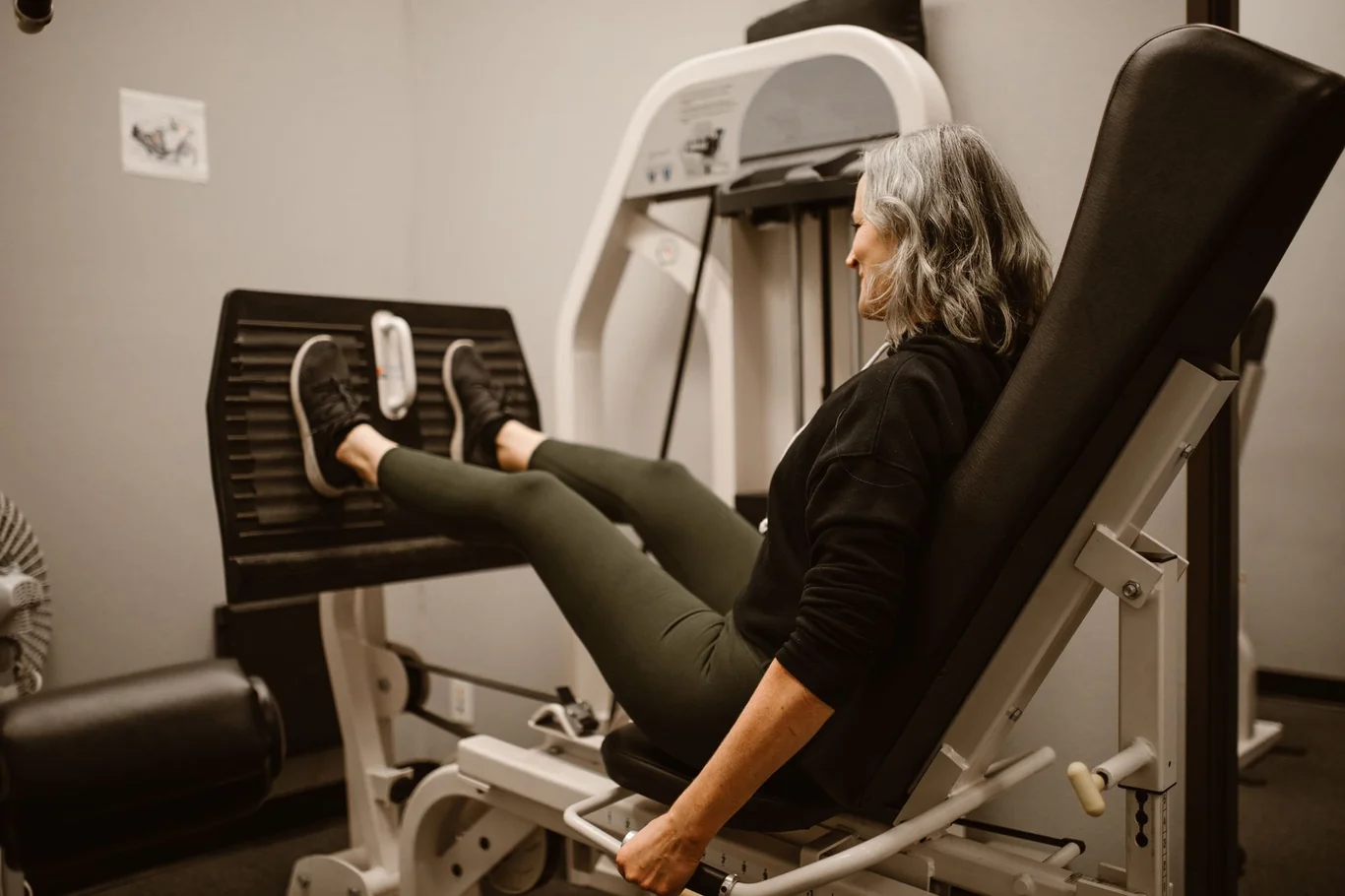
Are leg presses good for osteoporosis? Yes - among the most strongly supported options. Leg press machines deliver direct compressive loading through the hip and femoral neck, target the quadriceps, hamstrings, glutes, and calves, and allow controlled progressive overload without the balance demands of barbell squats.
A 2025 meta-analysis across 24 randomized controlled trials found femoral neck BMD improvements with a standardized mean difference of 1.54 for progressive resistance training - the strongest effect size in the review (6). For people whose primary concern is hip fracture risk, leg press should anchor any bone health program, with rowing added for spinal loading and cardiovascular benefit.
For those building this program at home on a budget, our best budget rowing machine picks cover capable machines at every price point.
Best Low Intensity Vibration Machine for Osteoporosis
The best low-intensity vibration machine for osteoporosis is worth considering as a complement to rowing. Whole-body vibration (WBV) devices transmit low-frequency mechanical signals through the legs, stimulating bone-forming cells with minimal joint stress. Clinical-grade models like the Marodyne LiV are specifically validated for bone therapy at 5-12 Hz with low amplitude. WBV works through a different mechanism than rowing - shorter daily sessions rather than sustained aerobic loading - and the two approaches complement each other rather than overlap.
If your home gym has limited floor space, our best compact rowing machine guide covers space-efficient options that deliver the same spinal loading stimulus.
Safety Precautions for Rowing With Osteoporosis
Rowing is generally safe for people with osteoporosis, but the drive phase generates significant spinal flexion under load - the same motion pattern that raises compression fracture risk in severely affected thoracic spines. We recommend reviewing these precautions with your physician before your first session.
Before and during rowing sessions:
- Get medical clearance first. Ask your physician about your T-score and site-specific fracture risk. Severe spinal osteoporosis (T-score below -3.0 at the lumbar spine) may warrant modified technique or limited effort rowing.
- Start at the lowest resistance setting. Early sessions should focus on learning stroke mechanics, not loading the spine maximally. Magnetic rowing machines (see best magnetic rowing machine) typically provide the smoothest low-resistance experience for beginners.
- Maintain a neutral spine throughout the stroke. The most common technique error is rounding the lower back at the catch or during the drive. This concentrates compressive forces at a single vertebral level rather than distributing them along the entire lumbar column.
- Limit seat slide range initially. A full catch position requires deep hip and knee flexion with forward trunk lean. Begin at about 75% of full slide range until your core and hip flexors are conditioned.
- Keep sessions short and build gradually. Start with 10-15 minute sessions at a moderate pace. Bone adaptation occurs over weeks and months, not days.
- Stop if you feel sharp spinal pain. Muscular fatigue is expected; sharp or radiating spinal pain during rowing is a signal to stop and consult your physician before resuming.
People exploring best rowing machine for beginners options should prioritize models with precise, low-increment resistance settings.
Weight management also supports bone health outcomes, and our guide on whether a rowing machine is good for weight loss explains how the same machine delivers both benefits in a single routine.
Building a Complete Bone Health Exercise Program
Rowing is most effective when it sits within a structured weekly routine. Our recommended framework incorporates the strongest available evidence for each bone site, pairing rowing's spinal benefits with walking's hip-loading and resistance training's multi-site stimulus:
Day | Activity | Duration | Bone Sites Targeted |
Monday | Brisk walking | 30-45 min | Hip, femoral neck, tibia |
Tuesday | Resistance training (leg press, back extension) | 30-40 min | Hip, spine, full skeleton |
Wednesday | Rowing | 20-30 min | Lumbar spine, upper back |
Thursday | Walking or rest | 30 min or rest | Hip, lower extremity |
Friday | Resistance training | 30-40 min | Hip, spine, full skeleton |
Saturday | Rowing | 20-30 min | Lumbar spine, upper back |
Sunday | Active rest | Light stretching, mobility | Recovery |
Research consistently shows that bone density responds to exercise over timelines of 6-24 months - Cui et al. (2023) found that adherence above 70% was the primary predictor of measurable BMD change across RCTs. DEXA scans at your physician's recommended intervals are the only reliable way to confirm your program is working.
For guidance on how to set resistance to support a progressive, low-impact rowing program, my post on choosing the right resistance for a rowing machine covers how drag factor, resistance type, and damper setting interact with intensity and stroke rate.
For anyone building out a complete home training environment around this program, our best smart home gym guide covers connected setups that support tracking across all three modalities.
Three nutritional foundations are non-negotiable alongside this program:
- Calcium: 1,200 mg/day for adults over 50 - without adequate calcium, the bone-stimulating signal from exercise has no raw material to work with
- Vitamin D: 800-1,000 IU/day - regulates calcium absorption and bone mineralization; deficiency blunts the exercise response entirely
- Protein: 1.0-1.2 g/kg body weight per day - bone matrix is built on collagen, which requires adequate protein intake; many postmenopausal women with osteoporosis are chronically under-eating protein relative to this threshold
When Rowing Is Not the Right Choice
Not everyone with osteoporosis should use a rowing machine. Rowing may be inappropriate or require significant modification if you have:
- A recent vertebral compression fracture: the healing spine should not be loaded through the drive phase until cleared by your physician and physical therapist
- Severe thoracic kyphosis: significant existing curvature makes maintaining the neutral-spine requirement difficult, amplifying compression risk at the apex of the curve
- Spinal stenosis with lower extremity symptoms: the seated, forward-flexed catch position may aggravate nerve compression in some presentations
- T-score below -3.5 at the lumbar spine: very low bone density warrants physical therapist supervision before any resistance-based rowing
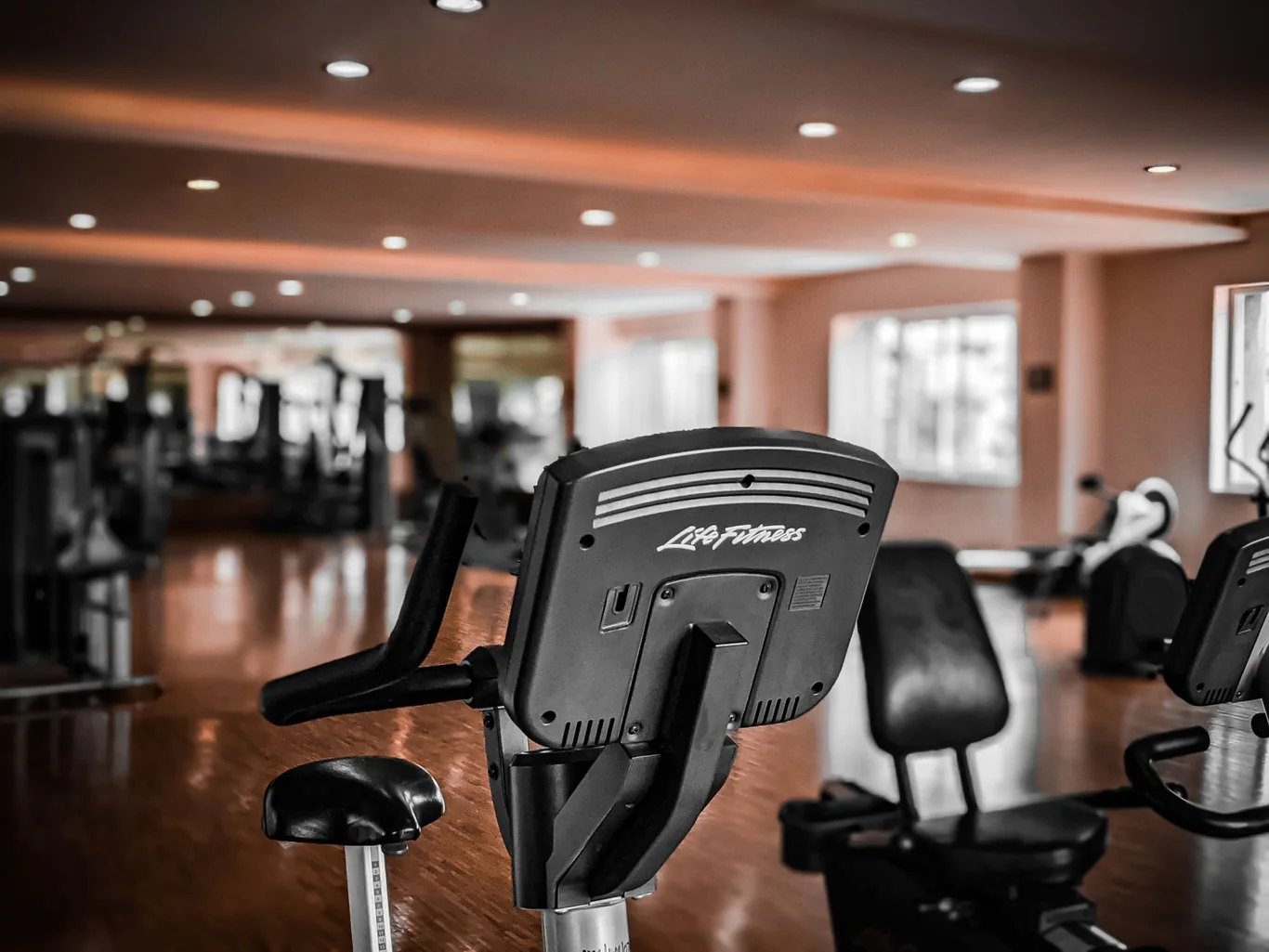
If rowing is contraindicated, recumbent cycling, standing resistance machines (leg press, cable pull-down), and water aerobics provide loading options with lower spinal demands. For anyone reconfiguring a home gym to prioritize treadmill walking over rowing, how to disassemble a treadmill covers safe equipment removal and space reallocation.
The Right Way to Think About Rowing and Osteoporosis
Rowing delivers real, measurable benefits for lumbar spine bone mineral content. It does not replace walking or resistance training for hip and femoral neck bone density. Used as a consistent complement within a structured weekly program, it fills a valuable role: spinal loading with full-body muscular conditioning and cardiovascular benefit, all delivered at a joint-friendly intensity level that people with osteoporosis can sustain long-term.
Our Sunny Premium Water Rower page covers a water-resistance design with a 17-inch elevated seat.
For a decision framework that goes beyond the health case, my post on whether a rowing machine is worth it covers space requirements, budget, and how the learning curve compares to other home cardio options.
If storage space matters, our best foldable rowing machine picks are designed for exactly this kind of consistent, long-term home use.
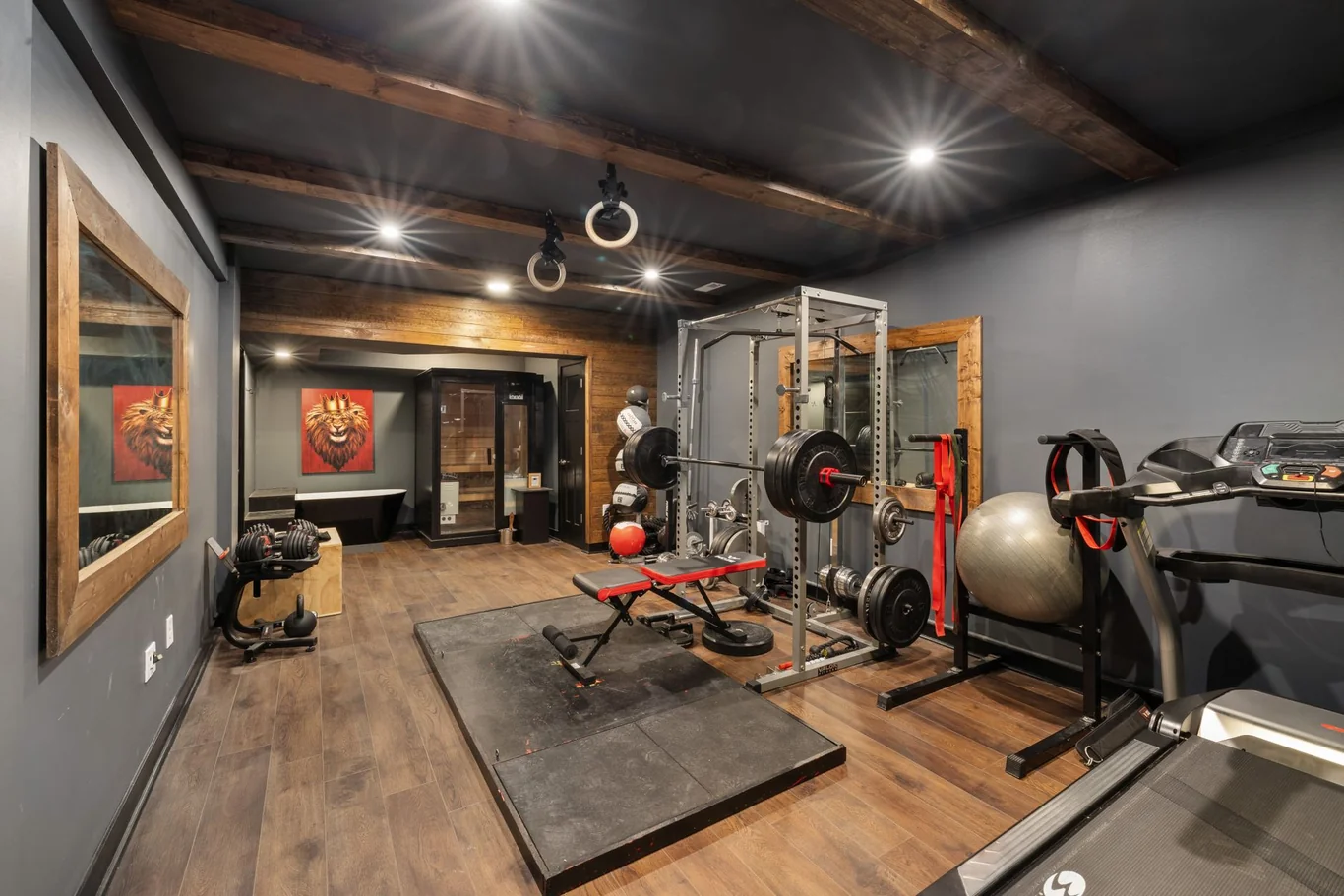
The strongest evidence for osteoporosis management consistently points to multi-modal programs that combine walking, resistance training, and aerobic loading. I think the biggest barrier for most people is not knowing where rowing fits - and hopefully the framework above removes that uncertainty. Best rowing machine research can help you find the right equipment, but let resistance training and daily walking anchor the bone-building foundation.
FAQs
What is the best exercise for osteoporosis?
The best exercise for osteoporosis is a combination of weight-bearing aerobic activity (walking, stair climbing) and progressive resistance training targeting the spine and hip. Research consistently shows that resistance training produces the strongest femoral neck bone mineral density improvements, while weight-bearing cardio addresses hip and lower extremity bone health, and rowing adds spinal loading and cardiovascular benefit to a complete program.
For users managing bone density alongside cardio training, my guide on fitness tracker selection criteria covers the health monitoring features worth prioritizing in a wearable.
How long should a senior use a rowing machine?
A senior with osteoporosis should begin with 10-15 minute rowing sessions at low resistance, progressing to 20-30 minutes over 4-6 weeks as technique and core strength develop. Research supports 2-3 sessions per week as the effective dose for musculoskeletal and cardiovascular benefit, with adequate recovery time between sessions allowing bone adaptation to proceed.
What do Japanese do for osteoporosis?
Japanese osteoporosis management traditionally emphasizes a combination of calcium-rich dietary habits (fermented soy products, small whole fish consumed whole), regular low-impact physical activity such as walking and tai chi-style movement, and structured bone health screening programs that begin earlier than in many Western countries. Pharmacological treatment with bisphosphonates and other bone-targeted therapies is also commonly prescribed when T-scores indicate elevated fracture risk.
What are the disadvantages of a rowing machine?
The main disadvantages of a rowing machine for people with osteoporosis are its potential to load the lumbar spine under flexion if technique is poor, its limited contribution to hip bone mineral density compared to weight-bearing alternatives, and the coordination demand of proper stroke mechanics that can be challenging for beginners without qualified instruction. People with severe spinal osteoporosis, recent vertebral fractures, or significant spinal stenosis should consult a physical therapist before starting.
Is walking good for osteoporosis?
Walking is one of the most consistently recommended exercises for osteoporosis because it provides direct vertical loading through the hip, spine, and lower extremity, stimulating bone mineral density at the sites most vulnerable to fracture. A daily brisk walk of 30-45 minutes on varied terrain delivers meaningful bone stimulus, and it requires no equipment beyond supportive footwear and a safe environment.
References:
- Benedetti MG, Furlini G, Zati A, Mauro GL. The effectiveness of physical exercise on bone density in osteoporotic patients. Biomed Res Int. 2018;2018:4840531. doi:10.1155/2018/4840531
- Cohen B, Millett PJ, Mist B, Laskey MA, Rushton N. Effect of exercise training programme on bone mineral density in novice college rowers. Br J Sports Med. 1995;29(2):85-88. doi:10.1136/bjsm.29.2.85
- Mourtakos S, Kavouras S, Vasiliou M, Soultanakis S, Bardis C, Sidossis L, Tenta V. Bone mineral content distribution in response to long-term training of elite rowers. In Vivo. 2023;37(2):611-617. doi:10.21873/invivo.13119
- Cui W, Li D, Jiang Y, Gao Y. Effects of exercise based on ACSM recommendations on bone mineral density in individuals with osteoporosis: a systematic review and meta-analyses of randomized controlled trials. Front Physiol. 2023;14:1181327. doi:10.3389/fphys.2023.1181327
- Nikander R, Sievanen H, Heinonen A, Daly RM, Uusi-Rasi K, Kannus P. Targeted exercise against osteoporosis: a systematic review and meta-analysis for optimising bone strength throughout life. BMC Med. 2010;8:47. doi:10.1186/1741-7015-8-47
- Alnasser SM, Babakair RA, Al Mukhlid AF, Al hassan SS, Nuhmani S, Muaidi Q. Effectiveness of exercise loading on bone mineral density and quality of life among people diagnosed with osteoporosis, osteopenia, and at risk of osteoporosis - a systematic review and meta-analysis. J Clin Med. 2025;14(12):4109. doi:10.3390/jcm14124109