
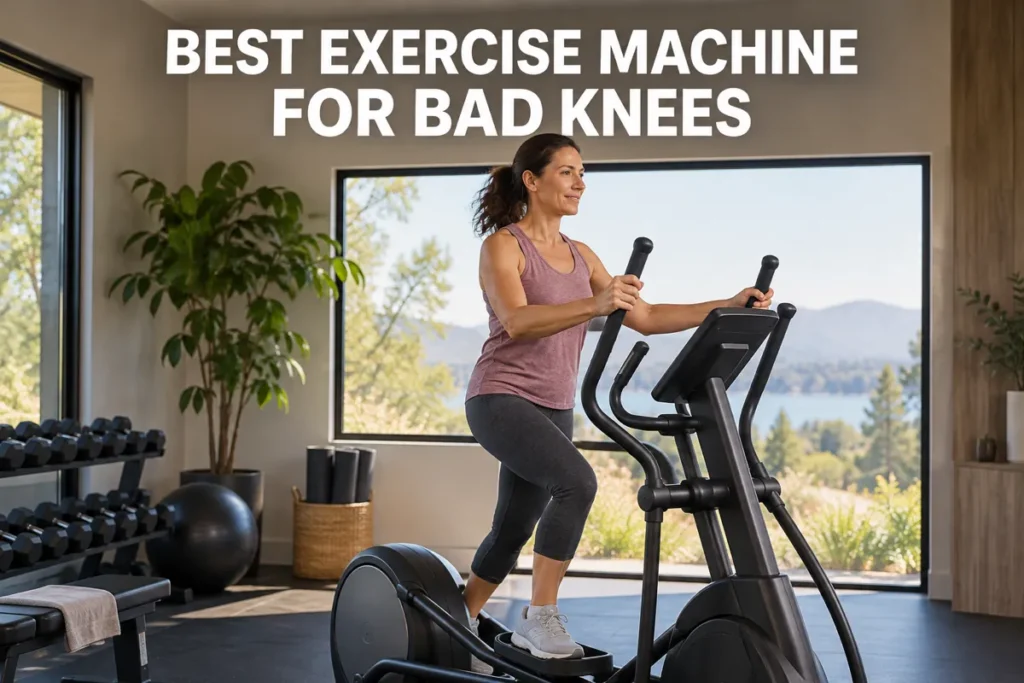
Choosing the best exercise machine for bad knees is one of the most consequential decisions you can make for your long-term joint health. I am Milutin Tucakov, a final-year sports science student at the Faculty of Sport and Physical Education in Novi Sad with a background in biomechanics, joint stress, and injury risk assessment. Knee problems affect approximately one in five adults - rising to one in four among people over 55 - from osteoarthritis and post-surgical recovery to old sports injuries and chronic degeneration. I test and evaluate fitness equipment through a joint-health lens, and in this guide I rank the top low-impact cardio machines by the forces they place on knee structures, back every claim with peer-reviewed research, and explain exactly which machines to avoid if you want your knees to recover rather than worsen.

Best Exercise Machine for Bad Knees - What the Evidence Shows
The best exercise machine for bad knees depends on your condition, recovery phase, and how much compressive load your joint can currently tolerate. For most people starting with knee pain, the recumbent stationary bike is the safest first machine - it places no weight-bearing load through the knee and allows movement to begin within days of a flare or surgery. When I evaluate machines for knee health, three biomechanical factors matter most: peak compressive force at the knee joint, range of motion required, and whether the foot bears full body weight. Research on exercise interventions for knee osteoarthritis shows that frequency and dose matter at least as much as machine type for pain outcomes - the best exercise machine for bad knees is ultimately the one you can use consistently, at low discomfort, three or more times per week (1). Here is how the major machine types compare.
Machine Type | Weight-Bearing | Peak Knee Flexion | Best Suited For | Evidence Level |
Recumbent bike | None | 15-25° | All phases, severe OA | Strong |
Elliptical | Partial | 30-40° | Progression phase, grades 1-2 OA | Moderate |
Upright bike | Minimal | 25-30° | All phases, rehabilitation | Strong |
Rowing machine | None | 90-130° | Strengthening phase, mild OA | Moderate |
Treadmill | Full | Variable | Maintenance only (walking) | Limited |
What to Look For When Choosing a Knee-Friendly Machine
Four features separate a safe machine from a harmful one. Adjustable seat height or stride length lets you precisely control peak knee flexion - this single variable is often the difference between relief and a flare. Cushioned foot platforms or recessed pedals reduce impact forces on machines with any partial weight-bearing. A high weight-capacity rating signals a rigid, stable frame that will not flex under load. Step-through or low-entry design matters most for people with limited hip mobility, making mounting and dismounting safe at any stage of recovery.
Recumbent Bike - The Safest Starting Point
I favor the recumbent bike for its reclined riding position with pedals forward, which reduces compressive load at the knee joint compared to upright cycling. Body weight is distributed across the seat rather than channeled through the knee. I consistently steer clients with severe knee pain toward a recumbent model first, and the response is almost always positive within two to three weeks - one client with grade 3 medial compartment OA progressed from zero cardio tolerance to 25 minutes of daily cycling in six weeks by starting at zero resistance.
Preliminary research found that stationary cycling with EMG biofeedback showed within-group improvements in knee pain and KOOS function at six weeks in people with knee osteoarthritis, though between-group differences were not statistically significant in this small feasibility study (2). Our guide to exercise bikes for knee pain covers the top recumbent and upright models ranked for joint safety. The recumbent bike is, in my assessment, the best exercise machine for bad knees at any severity level - from post-surgical recovery to long-term arthritis management.
Elliptical Trainer - Controlled Motion, Reduced Impact
The elliptical generates a smooth foot path that eliminates the heel-strike impact of walking or running. Peak knee flexion stays at 30 to 40 degrees, well below the threshold that spikes compressive force. A 12-week study found significant within-group improvements in all KOOS domains - including pain, stiffness, and daily function - for the elliptical training group, though between-group differences compared to conventional therapy did not reach statistical significance, and medial joint space findings were similarly non-significant between groups (3). My roundup of the top elliptical machines lists tested picks.
The elliptical remains a strong option for grades 1 to 2 osteoarthritis because it keeps the knee in a narrow, well-tolerated flexion range throughout the stride. The machine becomes less appropriate as knee flexion tolerance decreases, so it works best for people past the acute recovery phase. For a detailed breakdown of elliptical mechanics for your specific joint condition, our guide on the elliptical and knee health covers the full picture.
Upright Stationary Bike - Accessible and Effective
The upright stationary bike is the most widely used machine in knee rehabilitation for good reason. It requires minimal weight-bearing through the knee, seat height controls the knee flexion angle precisely, and the circular pedaling motion avoids the shear forces that straight-leg exercises create. For differences in type and budget, my guide to choosing an exercise bike goes deeper.
Seat height is the single most important setup variable - incorrect positioning either spikes compressive load or locks the joint in a suboptimal range. Full setup instructions are in the machine setup section below. Our best exercise bike roundup covers the top upright and recumbent models for home use, ranked by adjustability and joint-safety features.
Rowing Machine - Low-Impact Full-Body Option
The rowing machine is underrated for knee rehabilitation because most people assume repeated hip and knee flexion is risky. It is not, provided the range of motion stays within tolerance and the catch position is set correctly. My guide to using a rowing machine shows the correct catch position and form.
A 12-week randomized controlled trial of computer-aided rowing in older adults with mild knee osteoarthritis found no participant reported knee pain during or after any rowing session, while WOMAC scores and all hip and knee muscle strength measures improved significantly (4). That zero-pain report during exercise is a genuinely strong finding. The catch position is the variable to watch: if hip and knee flexion at the catch goes beyond 90 to 100 degrees in early recovery, reduce the slide travel range.
Walking on a Treadmill - Only Under Specific Conditions
Treadmill walking is the one weight-bearing option on this list that can work for bad knees, but only within narrow parameters. Moderate walking at 2.5 to 3.5 mph on a flat surface keeps knee loading manageable for most people past the early recovery phase. The risk comes from speed and incline: running generates peak tibiofemoral compressive forces estimated at 4 to 11 times body weight depending on speed and foot strike - a range that quickly exceeds the tolerance of compromised cartilage. Backward walking on a treadmill at very low speed is used in some PT clinics to activate the VMO with minimal forward knee shear. Our deep-dive on treadmill use and knee stress explains these thresholds in detail.
Worst Exercise Machines for Knees - Machines to Avoid
Not every gym machine belongs in a knee-friendly program. Several machines generate the exact compressive and shear forces that damage already-compromised cartilage. Knowing what to avoid is as important as knowing what to use.
StairMaster and stair climbers - Both require repeated knee flexion under full body weight at 40 to 50 degrees per step, generating patellofemoral compressive forces estimated at 4 to 8 times body weight. The worst exercise machines for knees for seniors are specifically these, because degenerative joint changes reduce the cartilage's ability to absorb repeated high-load cycles. If you still want a stepper, I compare the StairMaster with a rowing machine in a separate guide.
Leg press machine at deep range - The leg press becomes harmful when performed with full range of motion past 90 degrees of knee flexion under load. Shallow-angle leg press (30 to 45 degrees) can be incorporated in later rehabilitation phases with therapist guidance, but full-depth pressing is contraindicated for most active knee conditions.
High-speed treadmill running - Running generates peak tibiofemoral compressive forces of 4 to 11 times body weight depending on speed and foot strike. For anyone with active knee pain, running is a performance goal to work toward, not a rehabilitation tool.
Cycling with seat set too low - An upright bike with the seat position too low forces excessive knee flexion on every stroke. This turns a safe machine into a harmful one and is one of the most common errors I see in home gym setups.
If a machine requires you to bend your knee past 90 degrees while supporting your full body weight, it does not belong in your program until your knee is substantially recovered.
Best Exercise Machine for Knee Rehabilitation - A Phase-Based Guide
The best exercise machine for bad knees in early recovery is not the same as the best machine six months later. What is appropriate at week two after an ACL repair differs completely from what is appropriate at week 12 post-arthroplasty. Treating all knee conditions the same is one of the most common errors in self-managed home rehabilitation.
Research consistently shows that supervised exercise performed at least three times per week produces significantly greater pain reduction than less frequent sessions, regardless of exercise type (1). Systematic evidence also confirms that structured exercise programs produce reliable pain improvements in hip and knee osteoarthritis, particularly when paired with educational support (5). Frequency matters as much as machine selection. Our article on rowing machine mistakes covers technique and setup errors that apply across most cardio machines.
Early Recovery Phase - Weeks 1 to 6
During this phase, the goal is gentle movement and range-of-motion restoration, not cardiovascular conditioning. The recumbent bike at zero resistance for 10 to 15 minutes per session is the standard starting point recommended by most physical therapy protocols. The NuStep machine, used widely in PT clinics, is another strong option because it allows seated cross-stepping with full back support and no weight-bearing through the knee. In my experience, the first two weeks are the make-or-break period - clients who push duration or resistance too early consistently set their recovery back by four to six weeks.
Signs you are ready to progress out of this phase:
- Pain stays at or below 3 out of 10 during and after sessions
- You can complete 15 minutes at a consistent cadence without stopping
- Swelling does not increase within two hours after exercise
- Range of motion has returned to approximately 90 degrees or beyond
Progression Phase - Weeks 6 to 12
Once pain is consistently low, the elliptical trainer becomes appropriate. The elliptical adds a partial weight-bearing load that strengthens the structures around the knee without sharp peak forces. Resistance can also be added to stationary biking at this phase. Increase duration by no more than 10 percent per week and introduce only one new machine stimulus at a time - adding two new machines in the same week creates a loading spike the joint cannot adapt to.
Strengthening Phase - Beyond 12 Weeks
After 12 weeks of consistent, pain-controlled training, the rowing machine becomes a viable addition. Rowing loads the knee through a larger range of motion and recruits the quadriceps and hamstrings in a coordinated pattern that mirrors functional movement. Build from 50 to 60 percent slide travel over the first four to six weeks - full setup instructions are in the machine setup section below. I compare air, magnetic, water, and hydraulic designs in my guide to the best type of rowing machine.
At this phase, the best exercise equipment for bad knees combines a recumbent or upright bike for aerobic base, an elliptical for cross-training, and a rowing machine for functional strength. No single machine is optimal alone at this stage.
Best Exercise Machine for Arthritic Knees - Condition-Specific Picks
Arthritis is not a single condition. Osteoarthritis (OA), rheumatoid arthritis (RA), and post-surgical arthritic changes each respond differently to exercise loads. If someone asks about the best exercise machine for bad knees caused by arthritis, the answer depends on which type of arthritis is involved and what stage it has reached.
Best Exercise Machine for Arthritic Knees in Seniors
For older adults with arthritic knees, three factors take priority above all others: stability during mounting and dismounting, ease of resistance adjustment, and sustained comfort across 20 to 30 minute sessions. The recumbent bike meets all three better than any other machine, and I compare the two bike styles in my recumbent versus upright bike comparison. Step-through recumbent bikes - models with no high bar to swing a leg over - are the safest option for people who also have limited hip mobility.
The best exercise machine for arthritic knees for seniors eliminates fall risk and allows gradual intensity progression without stressing the joint capsule. For people managing arthritis across multiple joints, pairing the recumbent bike with best hand exercise equipment for arthritis tools creates a more complete joint management routine. Our exercise bikes for seniors guide covers the top step-through and low-entry models with joint-friendly geometry.
Best Exercise Equipment for Osteoarthritis
The best exercise equipment for osteoarthritis is, consistently across the research, the stationary bike. Multiple meta-analyses show aerobic and resistance exercise both improve pain and function in knee OA, with no single modality significantly outperforming another (1). What matters most is that the chosen equipment allows consistent sessions without flaring symptoms. My look at whether exercise bikes are good covers the benefits and limits of cycling.
For people managing osteoarthritis alongside lower back problems - a common pairing in older adults - our exercise bikes for back problems guide identifies models with ergonomic back support that addresses both conditions simultaneously.
Best Exercise Machine After Knee Replacement
Total knee replacement (TKR) recovery is one of the most structured processes in orthopedic medicine. The best exercise machine after knee replacement in the early phase is the recumbent stationary bike, typically introduced by week 3 to 4 post-surgery in most PT protocols.
A systematic review of 18 RCTs covering 1,739 total knee replacement patients found supervised physiotherapy exercise produced significant short-term improvements in physical function and pain at 3 to 4 months compared to minimal treatment (6). The best exercise machine for knee replacement in the maintenance phase (three months onward) is the upright or recumbent bike for daily low-intensity work, supplemented by the elliptical once the surgical site is fully healed. Never use a rowing machine in the first 12 weeks after TKR without explicit physical therapist clearance.
Best Exercise Machine for Bad Knees to Lose Weight - Calorie Considerations
Many people choosing the best exercise machine for bad knees also want meaningful calorie burn. Low-impact machines can deliver substantial energy expenditure without joint risk - but they burn fewer calories per minute than running, so longer sessions are necessary to achieve similar weekly totals. Duration is the primary lever for calorie output on knee-friendly equipment.
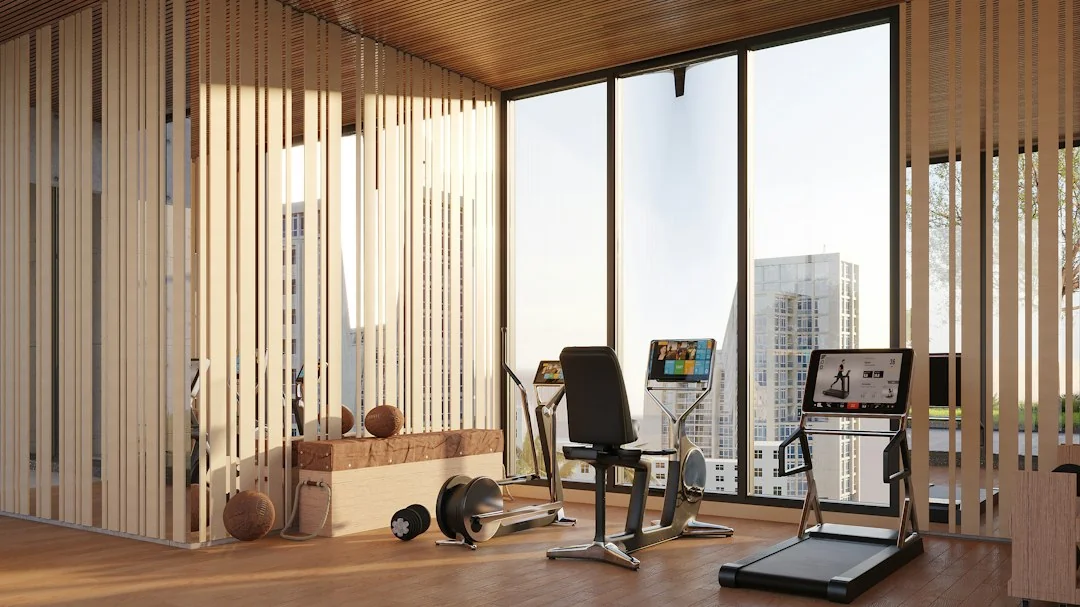
Estimated calorie ranges for a 155 lb (70 kg) person at moderate intensity for 30 minutes, based on published metabolic equivalent data:
Machine | Estimated Calories (30 min) | Notes |
Recumbent bike | 175-220 | Varies with resistance level |
Elliptical (arms engaged) | 210-310 | Higher with incline and resistance |
Upright bike | 185-265 | Varies with resistance and cadence |
Rowing machine | 215-310 | Highest whole-body demand |
Treadmill walking (3 mph) | 115-150 | Low-speed only for knee safety |
Values are ranges based on MET data from the Compendium of Physical Activities (Ainsworth et al., 2011) and vary with individual fitness level, resistance setting, and machine calibration.
Maximizing Calorie Burn Without Joint Stress
The rowing machine delivers the highest calorie burn among the safe options because it recruits the legs, core, and upper body simultaneously. However, rowing requires comfortable knee flexion of 90 to 130 degrees - which makes it unsuitable for early-phase recovery or severe OA. For most people managing knee pain, the elliptical with arm engagement activated is the optimal calorie-burn choice. I have seen clients with moderate OA consistently burn 250 to 280 calories in 30 minutes on the elliptical at incline 2 and resistance 5 - achievable within six to eight weeks of progression-phase training. I cover the benefits of elliptical machines in more depth in a separate guide.
Alternating between the bike and elliptical across the week prevents adaptation and keeps the weekly calorie deficit higher than either machine alone. For detailed calorie breakdowns by weight, speed, and resistance, our calories burned on elliptical guide covers the numbers in full.
How to Set Up Any Machine Correctly for Bad Knees
Setting up the best exercise machine for bad knees incorrectly turns a therapeutic tool into a source of harm. The difference between relief and injury often comes down to a single adjustment. I have seen the same recumbent bike cause pain in one person and relieve it in another, with seat height as the only variable.
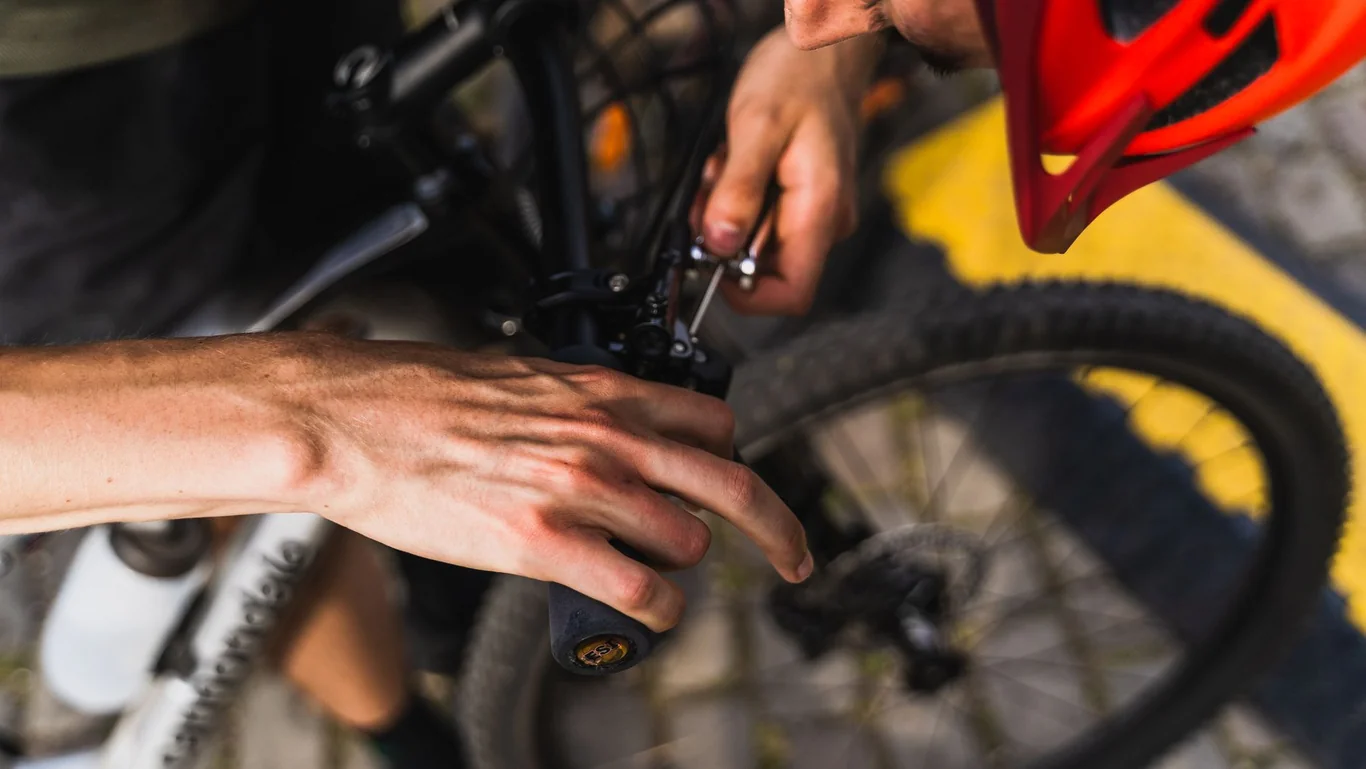
For upright and recumbent bikes:
- Set seat height so the knee reaches 25 to 30 degrees of flexion at the bottom of the pedal stroke - never full extension and never past 100 degrees at the top
- Keep resistance at zero for the first two to four sessions; add only when 20 minutes completes without discomfort
- Keep the torso upright; forward lean increases hip flexion and aggravates patellofemoral pain
For elliptical trainers:
- Choose a model with adjustable stride length; shorter stride reduces peak knee flexion
- Start with zero incline and zero resistance for the first sessions
- Engage the arm handles to shift load away from the lower body
For rowing machines:
- Start with 50 to 60 percent of maximum slide travel to limit knee flexion at the catch
- Keep the shin vertical at the catch to prevent knee-over-toe loading
- Stop immediately if pain exceeds 2 out of 10
Red flags - stop and reassess:
- Sharp pain during the movement (distinct from a mild dull ache)
- Pain increasing throughout the session rather than staying stable
- Visible swelling within two hours after finishing
- Locking or clicking accompanied by pain
For equipment options tailored to older adults with similar setup and mobility considerations, our exercise equipment for seniors guide is a practical companion read.
Knee Exercise Machine for Home - Compact and Budget Options
Not everyone has space for a full-size commercial machine, so I cover equipment for tight spaces separately. The best knee exercise machine for home depends on floor area, budget, and which phase of recovery you are in. The stationary bike is both the most effective machine for bad knees and the most compact option in the category.
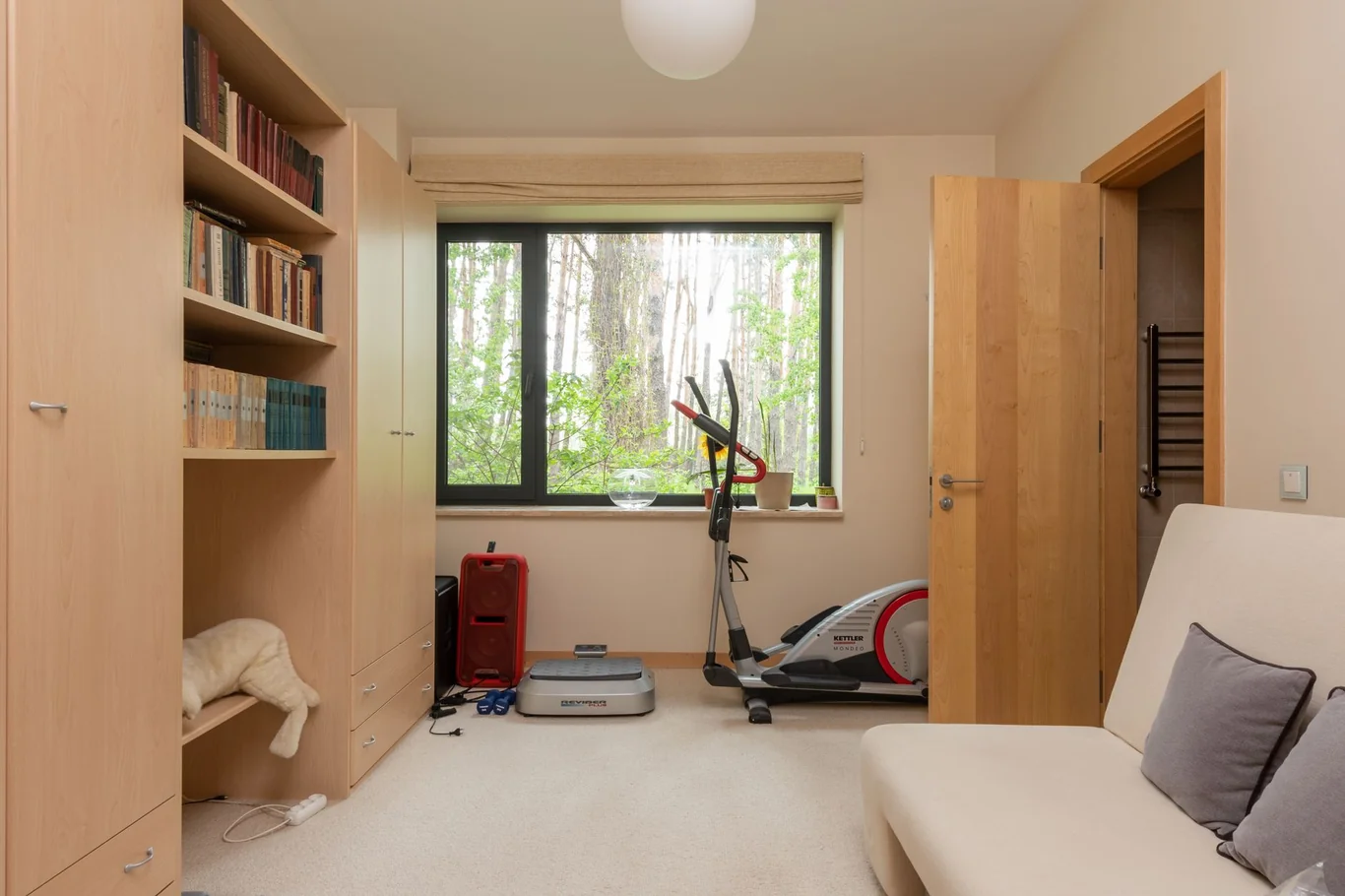
Compact upright bike - The smallest footprint of any full-cycle machine, taking up roughly 3 by 2 feet. Suitable for mild to moderate knee pain at any recovery phase.
Folding recumbent bike - Combines the joint safety of a reclined position with storage-friendly folding frames. Our best folding exercise bike guide covers recumbent-adjacent folding models rated for knee safety.
Under-desk pedal exerciser - The most compact option and the most accessible entry point for very early recovery or limited activity tolerance. Resistance range is low, making it appropriate for the first weeks post-surgery or during a flare.
Compact rowing machine - WaterRower and Concept2 models fold or store vertically, making them viable for moderate-size rooms once you have reached the strengthening phase. My roundup of compact rowing machines lists foldable models for small rooms.
Assault or air bike - In upper-body-only mode (releasing the handlebars and pedaling with arms alone during a flare), the assault bike removes all lower-extremity load. Full arm-and-leg use generates significant compressive force at the knee, so reserve that for the maintenance phase with PT clearance.
The best exercise machine for bad knees that fits any home environment is the upright stationary bike. It costs less than a recumbent, takes less floor space, and delivers equivalent therapeutic benefit across the early and progression recovery phases. A best cardio machine should deliver both joint protection and real cardiovascular demand - the upright bike does both at entry-level price points.
Finding the Right Machine for Your Knees
Every knee condition is different, and the best exercise machine for bad knees for one person may be the wrong choice for another. Based on the evidence, I regard recumbent exercise bikes as the safest universal starting point, with ellipticals and upright bikes as the most versatile options for maintenance and weight management once the acute phase has passed.
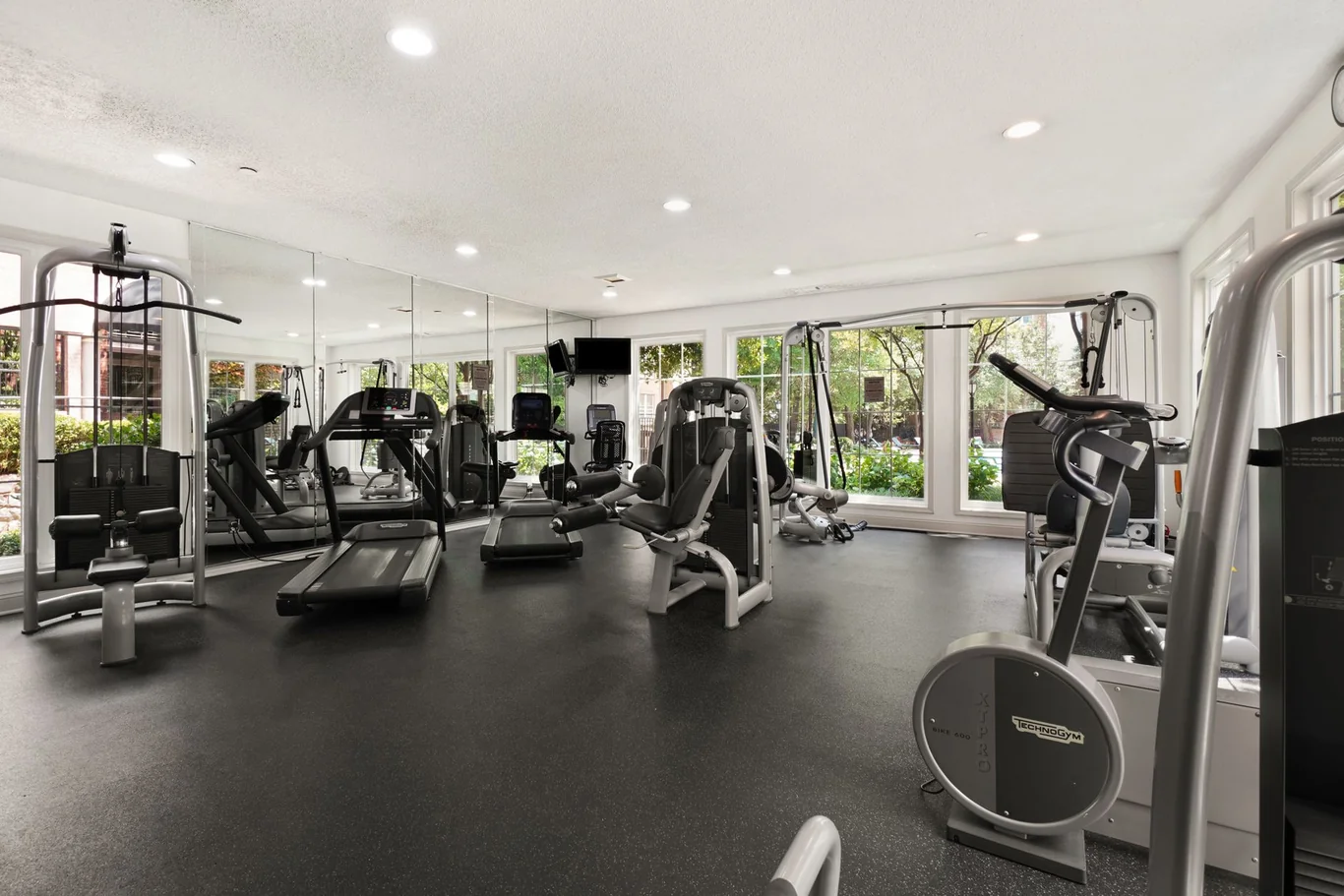
I advise my clients to start with the machine that produces the least discomfort and build from there. The goal in the first eight weeks is consistency and pain control, not intensity. Equipment that allows four to five sessions per week at low discomfort will outperform a more demanding machine used once a week. Frequency and adherence matter more than machine type - and that pattern holds across every knee condition and recovery stage I have worked with. For low-impact options beyond cardio machines, our low-impact cardio exercises guide covers land and water-based alternatives. See a clinician before starting if you have had recent surgery or a confirmed acute injury. Our best exercise bike roundup is the logical next step if you are ready to choose a specific model.
FAQs
What are the worst exercise machines for seniors with degenerative knees?
The worst exercise machines for seniors with degenerative knees are StairMasters, stair climbers, and treadmills used at jogging or running speeds, because all three generate patellofemoral compressive forces of 4 to 8 times body weight at the knee joint under repeated high-load cycles. Deep-range leg press machines and any machine requiring rapid direction changes also place harmful shear forces on cartilage that has already lost significant thickness.
What is the best machine for knee pain relief?
The best machine for knee pain relief is the recumbent stationary bike, which supports body weight through the seat rather than through the knee while still delivering the muscle activation needed to reduce pain through movement. Preliminary research on stationary cycling programs shows within-group improvements in knee pain scores in osteoarthritis patients within six weeks of consistent, properly dosed sessions.
What is the best exercise for damaged knees?
The best exercise for damaged knees is any movement that maintains joint mobility and strengthens the surrounding musculature without placing compressive or shear loads above the tissue's current tolerance. Recumbent biking, gentle elliptical training, and resistance-free stationary cycling are consistently the starting points recommended by orthopedic physical therapists across knee conditions and recovery stages.
What is the #1 mistake that makes bad knees worse?
The number one mistake that makes bad knees worse is progressing load or duration too quickly after a period of pain or reduced activity. The joint adapts more slowly than the cardiovascular system, so a person who feels aerobically ready for 40-minute sessions may be loading damaged cartilage far beyond what it can handle at that point in recovery - and the resulting flare can set the timeline back by weeks.
What is the best exercise machine?
The best exercise machine for bad knees is the recumbent stationary bike, because it combines the lowest joint stress among all cardio machines with the strongest evidence base for knee osteoarthritis and rehabilitation across age groups. For those who have progressed past early recovery and need higher calorie burn, the elliptical or rowing machine becomes the strongest option for continued progress without re-aggravating the joint.
This content is for informational and educational purposes only and is not a substitute for professional medical advice, diagnosis, or treatment. Always consult your physician or physical therapist before starting a new exercise program, particularly after surgery or with a confirmed knee diagnosis.
References
- Juhl C, Christensen R, Roos EM, Zhang W, Lund H. Impact of exercise type and dose on pain and disability in knee osteoarthritis: a systematic review and meta-regression analysis of randomized controlled trials. Arthritis & Rheumatology. 2014;66(3):622-636. doi:10.1002/art.38290.
- Chang CM, Chung H, Hsu HC, Chen LT, Lin RY, Lin HC. Effectiveness of stationary cycling with electromyographic biofeedback on neuromuscular control and function in individuals with knee osteoarthritis: a feasibility study. BMC Musculoskeletal Disorders. 2025;26:547. doi:10.1186/s12891-025-08794-7.
- Bukhari SSU, Aftab A, Munir S, Ahmad Z, Anwar K, Rauf S. Effects of low impact elliptical training on knee osteoarthritis outcomes and knee joint space. The Rehabilitation Journal. 2024;8(4):84. doi:10.52567/trehabj.v8i04.84.
- Lin P-L, Yu L-F, Kuo S-F, Wang X-M, Lu L-H, Lin C-H. Effects of computer-aided rowing exercise systems on improving muscle strength and function in older adults with mild knee osteoarthritis: a randomized controlled clinical trial. BMC Geriatrics. 2022;22:809. doi:10.1186/s12877-022-03498-2.
- Sasaki R, Honda Y, Oga S, Fukushima T, Tanaka N, Kajiwara Y, et al. Effect of exercise and/or educational interventions on physical activity and pain in patients with hip/knee osteoarthritis: A systematic review with meta-analysis. PLoS ONE. 2022;17(11):e0275591. doi:10.1371/journal.pone.0275591.
- Artz N, Elvers KT, Lowe CM, Sackley C. Effectiveness of physiotherapy exercise following total knee replacement: systematic review and meta-analysis. BMC Musculoskeletal Disorders. 2015;16:15. doi:10.1186/s12891-015-0469-6.