
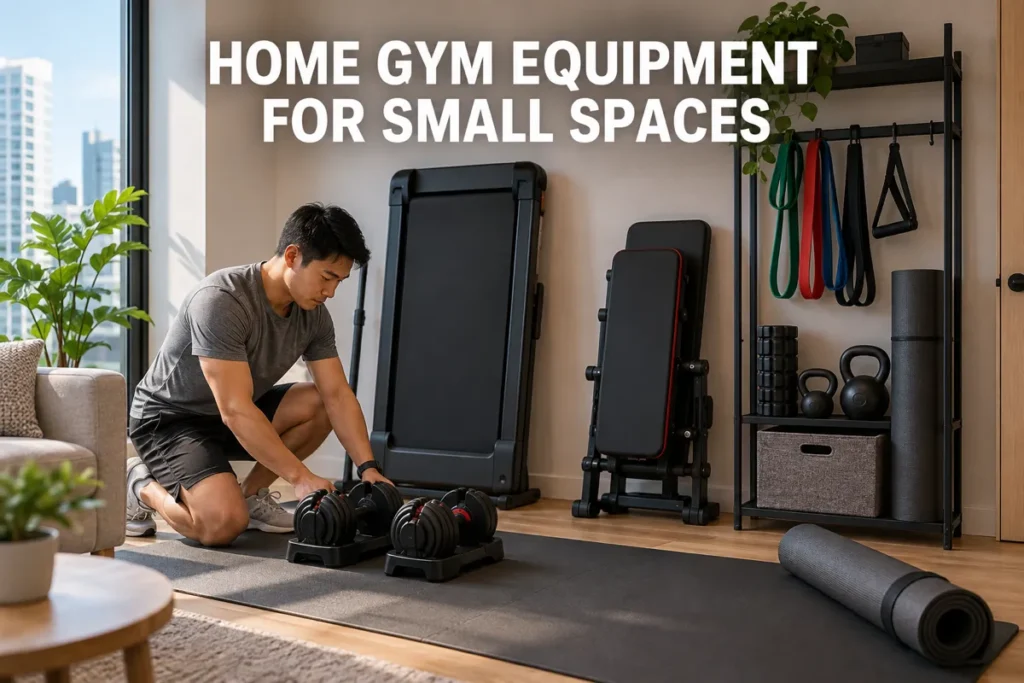
Home gym equipment for small spaces has never been more practical or varied. I have spent years coaching clients in apartment corners, spare bedrooms, and 80-square-foot studio setups, and the pattern is consistent: the biggest barrier is rarely the square footage itself, it is knowing which equipment types deliver the most value per square foot. This guide walks you through the full process. I cover how much room each major equipment category needs, which types give you the most training versatility in a tight footprint, how to lay out and organize a compact setup, and which small home gym ideas fit different budgets. My goal is a concrete action plan you can follow today, regardless of your training background or available floor area.

Home Gym Equipment for Small Spaces - How to Think About Your Setup
Before buying a single piece of compact home gym equipment, you need an honest picture of your available floor area and what you want to achieve. Most people dramatically underestimate how little room a highly effective training setup actually requires. A well-planned compact home gym can occupy as little as 50 to 70 square feet, and a more comprehensive setup fits comfortably in 100 to 150 square feet. For technology-first setups, my roundup of smart gyms for small spaces covers connected equipment designed specifically for compact rooms.
How Much Space Do You Really Need?
I tell my clients to start with a minimum of 50 square feet (roughly 7 by 7 feet) for a bodyweight and bands-focused setup, and to plan for 100 to 150 square feet if they want to add a cardio machine or dumbbell rack. Here is how different space sizes translate to training options:
Space Available | What It Fits | Best Equipment Types |
50-70 sq ft | Mat work, bands, pull-up bar | Resistance bands, adjustable kettlebell, doorway pull-up bar |
80-100 sq ft | Dumbbell setup, foldable bench | Adjustable dumbbells, foldable bench, resistance bands |
100-150 sq ft | Compact cardio + strength | Functional trainer or folding treadmill plus dumbbells |
150+ sq ft | Full compact home gym | All of the above with dedicated rubber flooring |
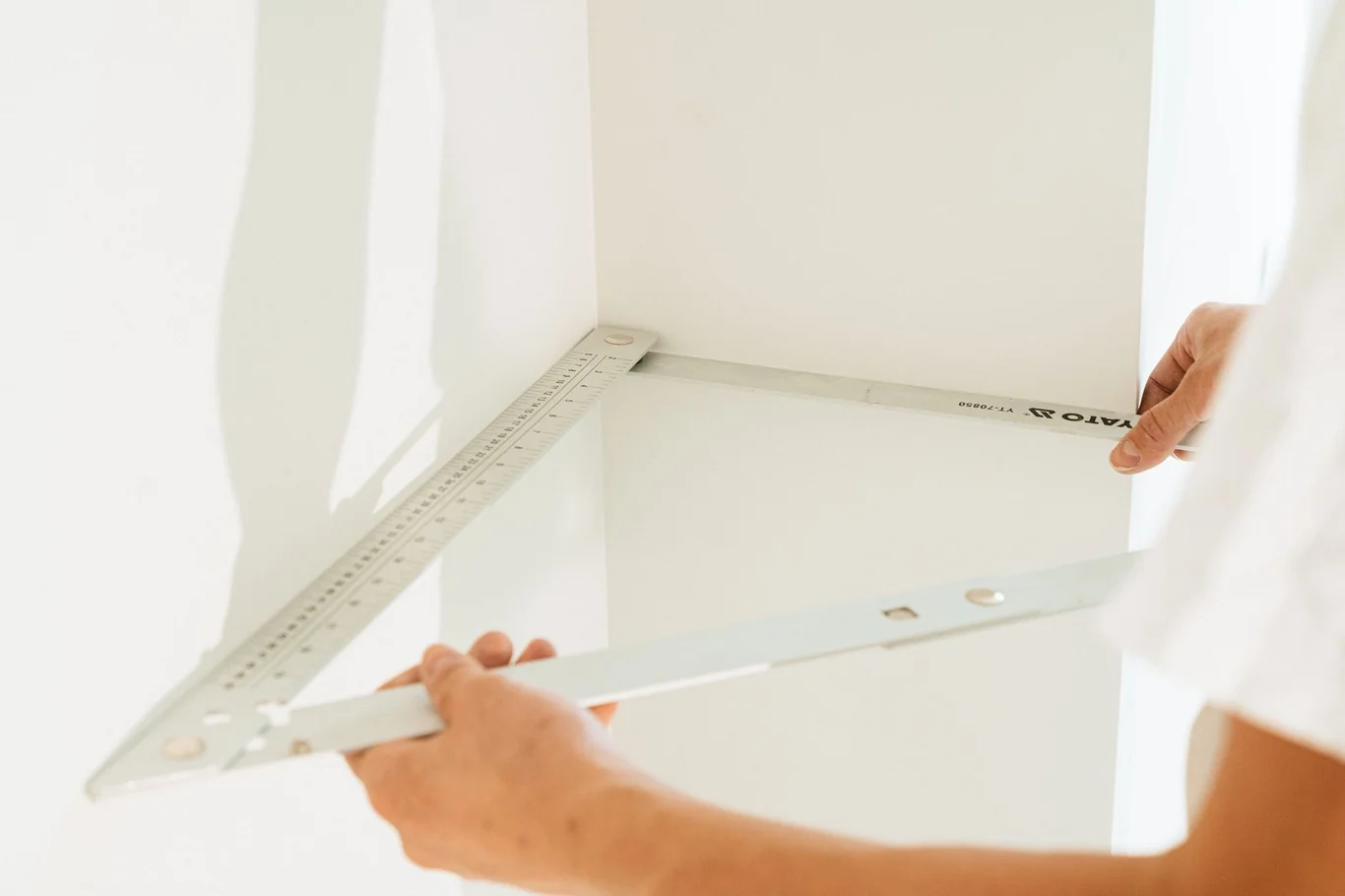
Ceiling height matters as much as floor space. Overhead pressing requires at least 7 feet of clearance, and any bar-based movement needs 8 feet or more. Measure your ceiling before purchasing any equipment that involves overhead loading. Door width matters too for any piece you cannot fold or disassemble for storage.
Picking the Right Location in Your Home
The space you use is as important as the equipment you put in it. I recommend evaluating three things before committing to a location: floor type, noise transmission, and how permanently you can leave the equipment set up. Here are the main location options and their honest trade-offs:
Spare bedroom or dedicated room: The best option for permanent setups. Doors close off noise. Flooring can be protected with rubber tiles. Equipment stays ready to use, which is the single biggest predictor of training consistency.
Garage or basement: Great for heavier equipment and larger footprints, but temperature control and moisture matter. A dehumidifier is worth the investment in humid climates.
Living room corner: Works well with compact, aesthetically neutral equipment. Best reserved for folding or stow-away setups that do not clash with the room.
Balcony or outdoor patio: Functional for resistance bands and bodyweight work in mild climates, but weather-dependent and not suitable for metal equipment year-round.
The most underestimated factor in building any home gym is how many steps it takes to start training. A setup that is always assembled and ready cuts friction to zero. A folding setup that requires 10 minutes of assembly before every session introduces the kind of behavioral barrier that quietly reduces session frequency over time.
The Best Home Gym Equipment for a Compact Setup
The best home gym equipment for your constraints depends on three variables: how much floor space you have, your primary training goals (strength, cardio, mobility, or a combination), and your budget. In my view, the right equipment type matters more than the specific product within that type. Our best smart home gym equipment roundup covers top-rated products across each category if you want specific model recommendations.
Adjustable Dumbbells, Kettlebells, and a Foldable Bench
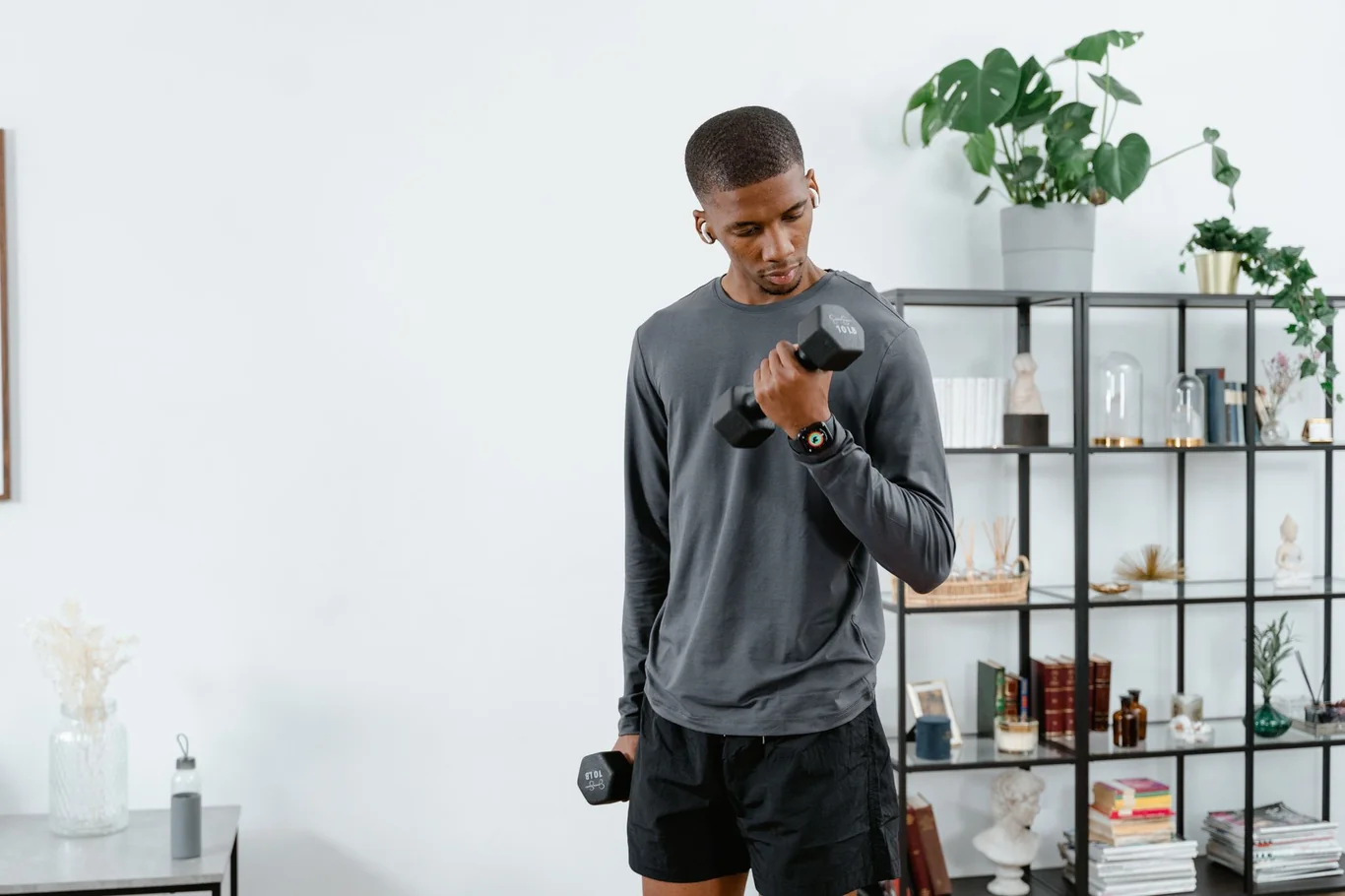
Adjustable dumbbells are, in my experience, the single most space-efficient strength investment available. A single adjustable dumbbell pair replaces a full rack of fixed weights while occupying roughly the same footprint as two shoeboxes. Most sets range from 5 to 50 pounds per dumbbell and adjust in 2.5 or 5-pound increments, which covers the resistance range most home trainees need for upper and lower body strength work.
A foldable flat bench is the natural companion to adjustable dumbbells in any compact home gym equipment setup. When folded flat against a wall, most foldable benches occupy less than 10 inches of depth. Open, they unlock dumbbell pressing, incline rows, step-ups, and split squats - movements that floor-based dumbbell work alone cannot replicate. I recommend choosing a bench rated for at least 500 pounds with an easy-to-clean vinyl surface.
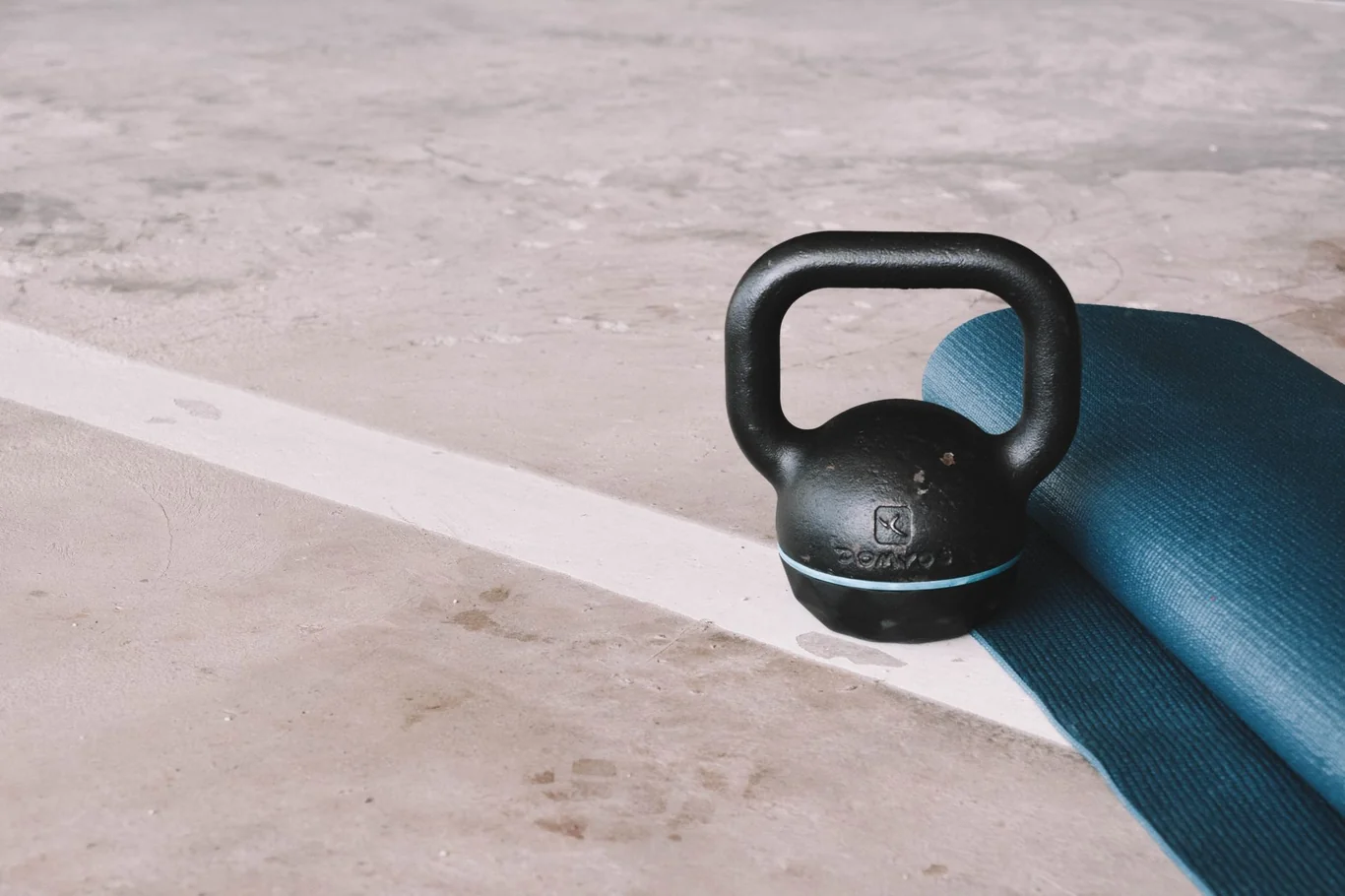
Adjustable kettlebells round out the compact strength setup. They are particularly useful for combination movements like swings, goblet squats, and Turkish get-ups that develop total-body strength and conditioning in very little floor space. I typically recommend starting with one adjustable kettlebell in the 15 to 35-pound range for intermediate trainees, alongside an adjustable dumbbell set, before adding any other strength equipment.
When evaluating adjustable dumbbell systems, the key specs to compare are:
- Weight range (5 to 50 lb covers most home trainees; 5 to 90 lb for more advanced work)
- Adjustment mechanism (dial-select vs. pin-select vs. rail-based)
- Tray footprint when stored (measure it against your available shelf or floor area)
- Loadable increments (2.5 lb increments allow finer progression than 5 lb jumps)
The key spec to prioritize is the footprint when stored, not the range of motion when in use. Selector-dial dumbbell systems sit flat on their trays. Adjustable kettlebells usually stand upright on a small base. Both fit under most desks or benches when not in use.
Resistance Bands
Resistance bands are the most compact home gym equipment available. A complete set weighs under two pounds, fits in a small bag, and stores in a drawer. Yet the training versatility is genuinely high. Research comparing elastic band training directly to conventional weight machines found equivalent gains in muscle force across multiple muscle groups when training volume was equated (1). A separate study on upper-body movements found that bands increase stabilizer muscle activation compared to free weights, adding an element of functional training that dumbbells alone do not replicate (2).
I use resistance bands with nearly every client I work with, regardless of the size of their setup. A complete resistance band set for home gym equipment for small spaces typically includes:
- Light loop bands (for warm-up, mobility work, and upper body isolation)
- Medium loop bands (for lower body work, rows, and pull-apart drills)
- Heavy loop bands (for squats, hip thrusts, and assisted pull-up training)
- Long handled bands with a door anchor (for pressing, pulling, and cable-like exercises)
- Hip circle band (for glute activation and lateral drills)
The door anchor is what transforms a band set from an accessory into a full training system. Anchored to a door frame, bands allow you to replicate cable rows, face pulls, tricep pushdowns, and lat pulldowns without any additional equipment. This is the cheapest version of compact workout equipment for home that still delivers full-body strength stimulus.
Compact Cardio Equipment
Cardio equipment is where space trade-offs become most significant. Full-size treadmills, bikes, and rowers each occupy 25 to 40 square feet. Compact home gym equipment setups do better choosing based on footprint and storage mode rather than brand or feature set. I explain treadmill dimensions and space needs to help you assess how much room a treadmill requires.
I find that folding treadmills and upright-folding rowers offer the best balance of workout quality and storage efficiency for compact gym equipment setups. Walking pads are worth considering separately from folding treadmills: they are thinner, lighter, and designed to slide under a desk when not in use, making them a stronger option for spaces under 80 square feet where even a folding treadmill feels bulky. For most people training in under 100 square feet, I recommend a jump rope alongside strength equipment rather than any machine, until budget and space allow for a proper fold-away cardio unit.
All-in-One Cable Machine or Functional Trainer
An all-in-one home gym machine is the premium tier of compact training equipment. Functional trainers and home cable machines pack a complete cable-based resistance system into a single unit that occupies 10 to 20 square feet. They replace cable rows, pulldowns, chest fly movements, tricep work, and core cable exercises in one footprint, making them the closest thing to a best all-in-one home gym solution for people who want to train broadly without multiple separate pieces. I rank connected all-in-one systems in my roundup of the best smart home gym options.
A systematic review and meta-analysis found that machine-based resistance training produced significant improvements in functional capacity, with a moderate to strong standardized effect across strength and functional capacity outcomes in older adults (3). With a compact functional trainer as your core home gym equipment for small spaces, a single unit covers these movement patterns:
- Cable rows, face pulls, and lat pulldowns for back and upper body pulling
- Cable chest fly and standing press variations for horizontal pushing movements
- Tricep pushdowns, bicep curls, and lateral raises for arm and shoulder isolation
- Pallof press, cable crunches, and rotational woodchop patterns for core stability work
For anyone who wants a single versatile unit rather than a modular collection, a compact functional trainer justifies the price at the premium tier. The trade-off is cost: reputable units start at the mid-range price tier and reach premium pricing for electromagnetic resistance systems with weight stacks above 100 pounds per side. If budget is the primary constraint, a resistance band system achieves similar movement patterns at a fraction of the investment.
Bodyweight Training Anchors - Pull-Up Bars and Suspension Trainers
Pull-up bars and suspension trainers are among the most overlooked home gym equipment for small spaces. A doorway pull-up bar occupies zero floor space when installed and opens up all vertical pulling exercises: pull-ups, chin-ups, neutral-grip variations, and hanging core work. A suspension trainer clips to the same anchor point and enables hundreds of bodyweight movements from chest pressing to hamstring curls. Both combined weigh under 10 pounds and cost less than a month at a commercial gym.
Check weight ratings and installation instructions carefully before using either as home gym equipment for small spaces. Doorframe anchors distribute force differently than ceiling mounts, and a doorframe that looks solid may not hold dynamic loads above 200 pounds safely. When in doubt, a wall-mounted pull-up bar installed into studs is the structurally sound alternative.
How to Lay Out and Organize a Small Home Gym
Choosing the right equipment is only half the challenge. The other half is arranging it so training sessions feel fluid. Over the past decade I have set up and redesigned over 40 home gym layouts across apartments, garages, and converted spare bedrooms, and the layout principles that consistently work for small spaces come down to three priorities: using vertical space, protecting the floor, and keeping everything accessible without a setup ritual before each session. Our home gym exercises guide covers programming that works with compact layouts once your space is organized.
Using Vertical Space Efficiently
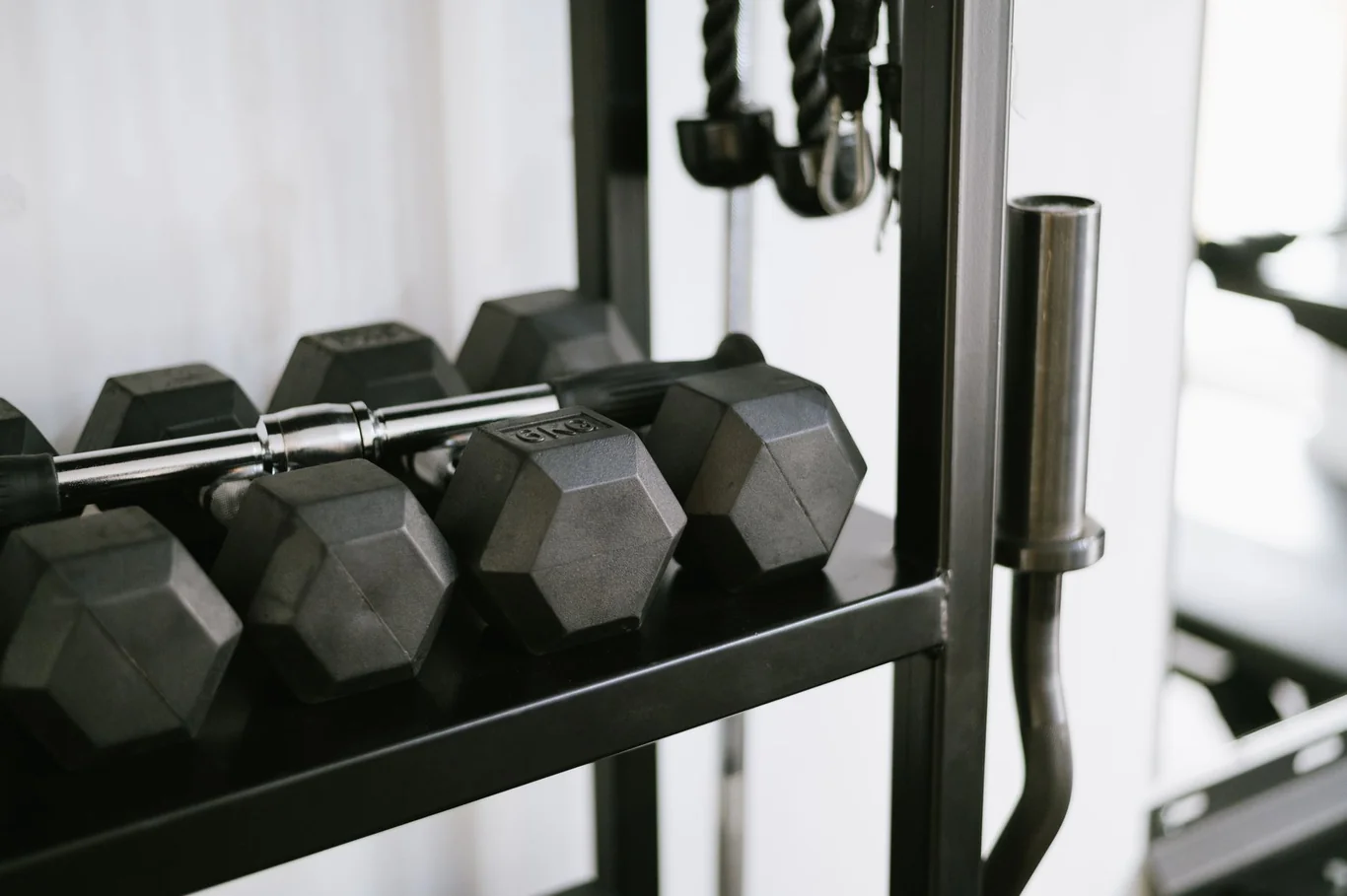
Most home gym setups waste the most valuable dimension in any small room: height. Wall-mounted pull-up bars, pegboards, and floating shelves move gear off the floor entirely. A single wall-mounted storage panel can hold resistance bands, foam rollers, jump ropes, and small accessories in a 2-by-4-foot wall area. Plate storage pegs, if you own any weight plates, are similarly vertical.
For equipment that must live on the floor, think in two zones: a clear working area in the center and storage along the walls. A 7-by-7-foot clear zone in the center of your space is enough for full bodyweight movement, dumbbell training, and mat work. Everything else belongs at the perimeter.
Flooring and Noise Reduction for Apartments
Flooring is the most underestimated element of any compact workout equipment for home setup. I recommend interlocking rubber tiles (3/8 to 3/4 inch thickness) for any space where you drop weights, jump, or run a cardio machine. The benefits extend beyond protection:
- Impact absorption: reduces joint stress during jumping movements and high-rep lower body work
- Noise dampening: significantly reduces impact transmission to downstairs neighbors in multi-story buildings
- Equipment grip: prevents dumbbells, kettlebell bases, and machines from shifting mid-set
- Floor protection: prevents scratches, dents, and scuffs on hardwood, tile, or laminate
EVA foam tiles are a budget option, but they compress over time under loads above 50 pounds. Rubber is the better long-term investment for any space with dumbbells over 30 pounds. For renters, standalone rubber mats are fully removable and leave no marks on the existing floor.
Storage Solutions for Compact Gym Equipment
The difference between a home gym you use daily and one you quietly stop using comes down to friction: how many steps it takes to grab something and start. Keep resistance bands on a wall hook near your training zone. Store your jump rope on a dedicated hook rather than coiled in a bag. Put adjustable dumbbells on their tray rather than on the floor where they become a trip hazard. A single compact shelving unit beside your workout zone handles foam rollers, bands, accessories, and a water bottle without expanding your footprint. If you have to search for gear before training, you will find reasons to skip sessions.
Small Home Gym Ideas by Budget
Getting quality home gym equipment for small spaces does not require spending thousands of dollars. I break down three practical budget tiers below. Each represents a genuinely functional setup rather than a stripped-down starter kit.
Budget Tier | Estimated Cost | Core Equipment |
Starter | $100-$250 | Resistance band set, exercise mat, doorway pull-up bar, jump rope |
Mid-Range | $400-$900 | Adjustable dumbbells (5-50 lb), foldable bench, full band set, pull-up bar |
Premium | $1,500-$4,000+ | Compact functional trainer or cable machine plus folding treadmill or walking pad |
The starter tier covers everything you need for a complete bodyweight and band-based routine. Research on home-based exercise programs documents meaningful improvements in metabolic markers, including sustained lipid profile changes at 12 months, when combined with consistent dietary awareness (4). The foundation for nearly any training goal starts with resistance bands, a mat, and one adjustable weight piece.
The mid-range tier adds the adjustable dumbbells and a foldable bench that expand your exercise selection significantly. Dumbbell pressing, split squats, Romanian deadlifts, and bent-over rows all become available. This is also where you find entry-level Marcy gym equipment - compact adjustable benches, cable towers, and home multi-gyms that deliver commercial-grade durability at accessible prices. This is where most home trainees should aim for their first complete setup.
The premium tier brings in a functional trainer or all-in-one machine plus a compact cardio unit. For anyone who wants the complete experience of a best compact home gym without the commute, this tier covers nearly every major movement pattern. The budget smart gym options guide covers connected equipment at the lower end of this tier for trainees who want app-integrated tracking.
Making Progress With a Small Home Gym - Training Consistency
The equipment you buy shapes your options, but your routine determines your results. I recommend structuring your initial home gym workout plan around three to four sessions per week, each under 45 minutes, built specifically around the equipment you actually own. Complexity is the enemy of consistency in small-space training. A program of five compound movements, cycled over three training days, outperforms an elaborate program you cannot follow when tired or short on time.
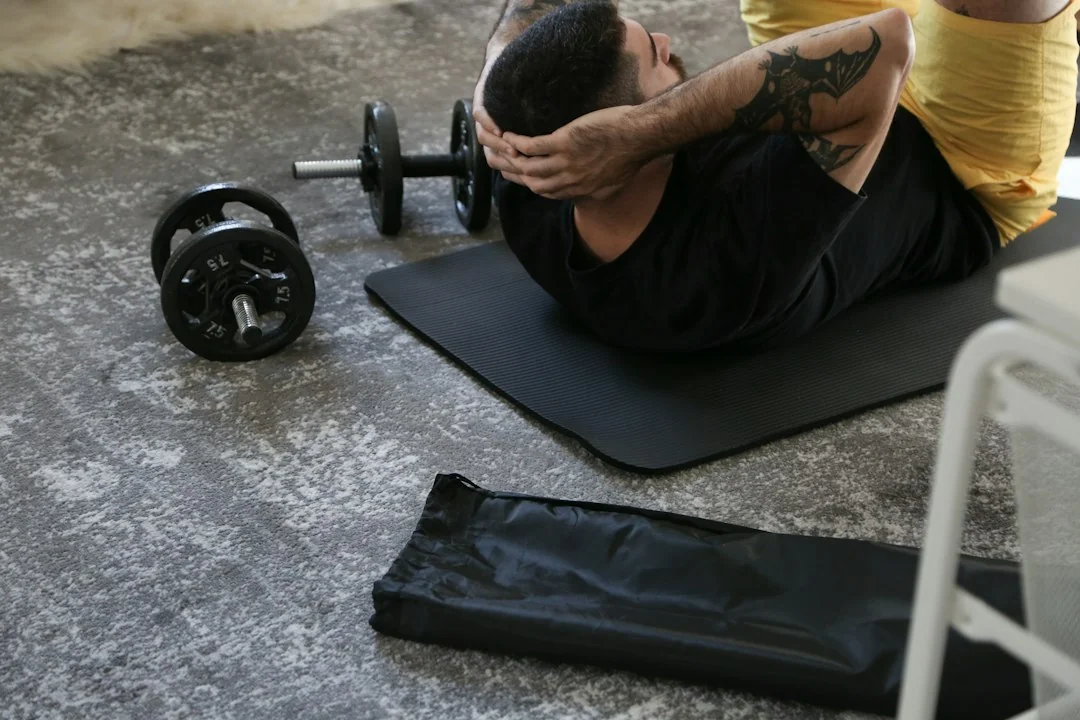
Research comparing structured home exercise protocols to supervised programs has found equivalent functional outcomes when adherence is maintained - a finding observed across both rehabilitation and structured home fitness settings (5). The same principle applies to home gym equipment for small spaces: the setup does the job when you actually use it consistently. A few practical habits that make home training stick:
- Log each session in a notebook or app, not to optimize but to build a streak worth maintaining
- Program your sessions in advance so you are never deciding what to do while already in workout clothes
- Film yourself performing compound lifts once a month to monitor form without a coach present
- Reassess your layout every three to four months as your training evolves; equipment that worked at month one may need repositioning by month six
The simpler your pre-training ritual, the more consistently you will follow through. This matters more than the specific equipment you choose, especially in the first six months of home training.
Your Small Home Gym - Making the Setup Work Long-Term
Building effective home gym equipment for small spaces comes down to the same variables every time I help someone plan a setup: starting with equipment types that deliver the most training versatility, respecting your floor space with honest measurements before purchasing, protecting the floor and managing noise for apartment and shared-space living, and keeping the setup permanently ready so training becomes a zero-friction habit. You do not need a dedicated gym room or a five-figure budget to train seriously at home.
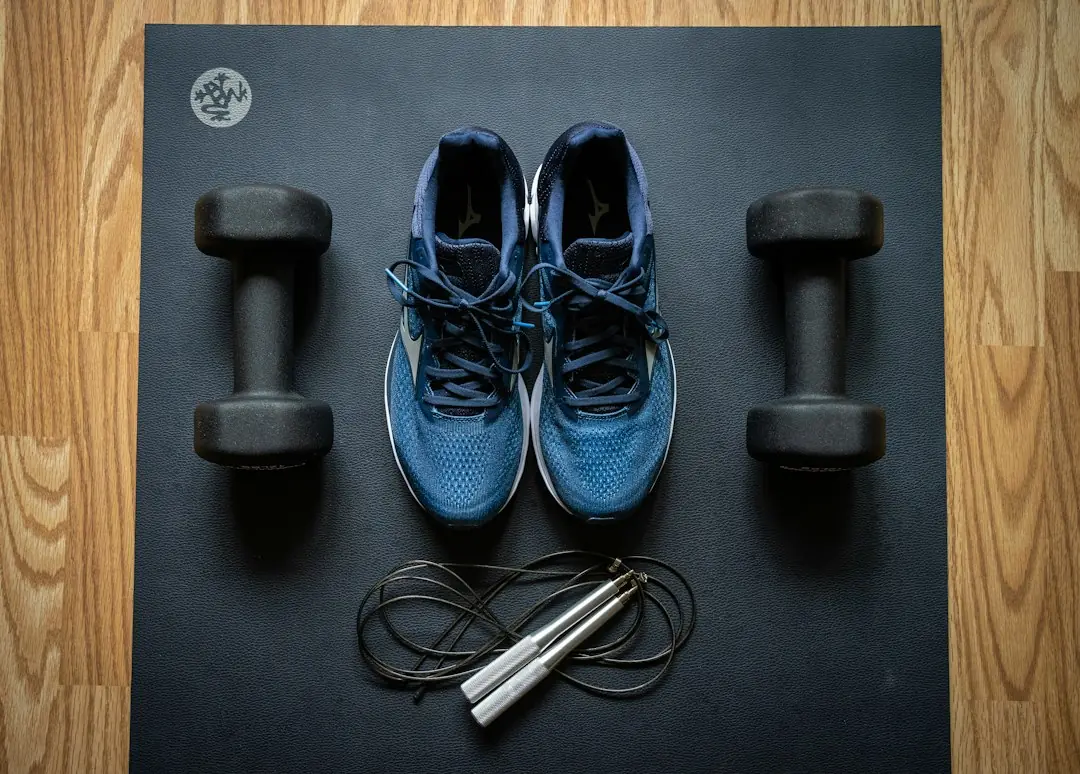
My recommendation for most people starting out: invest in a resistance band set, one adjustable dumbbell pair, and a doorway pull-up bar before spending on anything else. That combination covers the majority of your training needs in under 15 square feet and costs less than two months at a commercial gym. Build from there as your strength and programming evolve. For a complete overview of the best home gym equipment options to add at each stage, the best home gym equipment roundup is the logical next read. If you prefer connected equipment, my guide shows how to set up a smart home gym step by step.
FAQs
What is the best home exercise equipment for small spaces?
The best home exercise equipment for small spaces is a combination of adjustable dumbbells, a full resistance band set, and a doorway pull-up bar. These three pieces together cover upper and lower body strength training, conditioning, and vertical pulling movements in under 15 square feet of total floor space.
What is the 3-3-3 rule gym?
The 3-3-3 gym rule refers to structuring a workout around three compound movements, three sets each, with three minutes of rest between sets. The concept guides home trainees toward efficient, low-equipment sessions that deliver a consistent strength stimulus without requiring complex programming or large equipment collections.
What is the best small gym machine for home use?
The best small gym machine for home use is generally a compact functional trainer or cable machine, because it replicates the greatest number of gym exercises in a single 10 to 20 square foot footprint. All-in-one cable machines outperform single-function machines when versatility per square foot is the primary consideration for a compact home gym.
How can I build a home gym in a small space?
Building a home gym in a small space starts with an honest measurement of your available floor area and a clear decision about your primary training priority. Start with the minimum viable kit for your goal: resistance bands and a mat for bodyweight and conditioning work, adjustable dumbbells and a pull-up bar for strength training, or a compact cable machine for the most complete gym experience. Plan your layout around a clear 7-by-7-foot working zone with all equipment stored at the walls.
This content is for informational and educational purposes only. It is not a substitute for professional medical advice, diagnosis, or treatment. Always consult your healthcare provider before starting any new fitness program.
References
- Lima FF, Camillo CA, Gobbo LA, et al. Resistance Training using Low Cost Elastic Tubing is Equally Effective to Conventional Weight Machines in Middle-Aged to Older Healthy Adults: A Quasi-Randomized Controlled Clinical Trial. J Sports Sci Med. 2018;17(1):153-160. doi:10.26773/smj.2018.03.005.
- Bergquist R, Iversen VM, Mork PJ, Fimland MS. Muscle activity in upper-body single-joint resistance exercises with elastic resistance bands vs. free weights. Journal of Human Kinetics. 2018;61:5-13. doi:10.1515/hukin-2017-0137.
- Kirk A, Steele J, Fisher JP. Machine-Based Resistance Training Improves Functional Capacity in Older Adults: A Systematic Review and Meta-Analysis. Journal of Functional Morphology and Kinesiology. 2024;9(4):239. doi:10.3390/jfmk9040239.
- Mediano MFF, Barbosa JSO, Moura AS, Willett WC, Sichieri R. A randomized clinical trial of home-based exercise combined with a slight caloric restriction on obesity prevention among women. Prev Med. 2010;51(3-4):247-252. doi:10.1016/j.ypmed.2010.07.012.
- Gardner AW, Parker DE, Montgomery PS, Scott KJ, Blevins SM. Efficacy of Quantified Home-Based Exercise and Supervised Exercise in Patients with Intermittent Claudication: A Randomized Controlled Trial. Circulation. 2011;123(5):491-498. doi:10.1161/CIRCULATIONAHA.110.963066.