
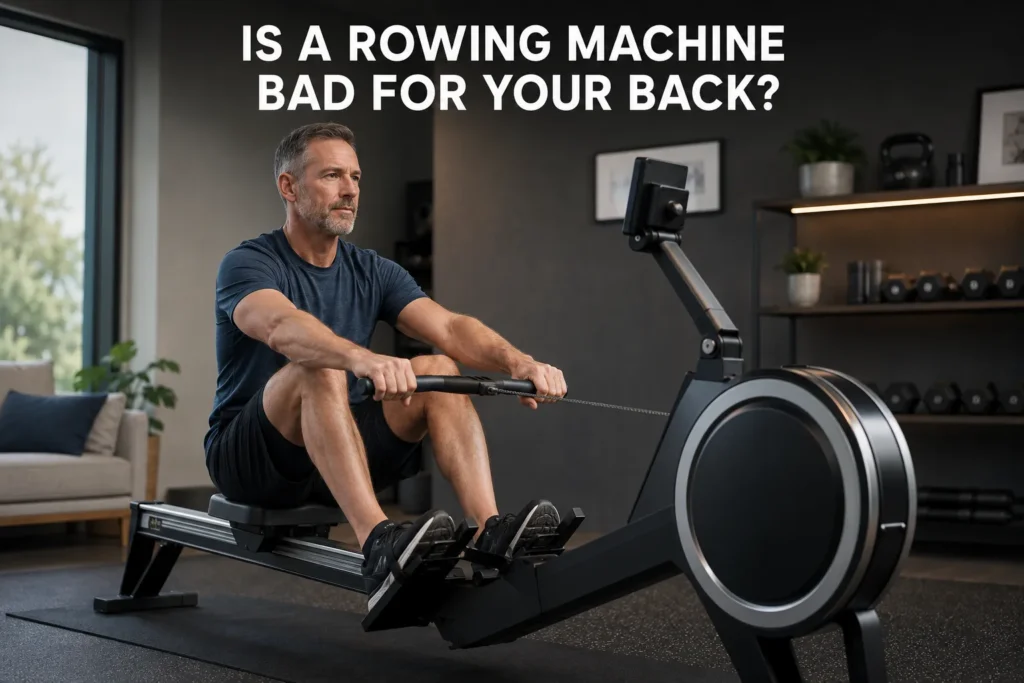
Is a rowing machine bad for your back? It is the question most rowers ask before committing to the machine, and it comes up again after a flare-up, during a recovery period, or when weighing rowing against lower-impact alternatives. In our research, we reviewed eight peer-reviewed studies on rowing biomechanics and spinal loading. The data is consistent: the rowing machine is not the problem. Form, session length, and prior injury history are. This guide explains exactly when rowing becomes dangerous, when it becomes therapeutic, and what the evidence says you should do about it.

Is a Rowing Machine Bad for Your Back - What the Evidence Reveals
So, is a rowing machine bad for your back? The direct answer is no - not inherently. It becomes harmful when form breaks down under fatigue, sessions run too long, or a history of prior injury is ignored. A 2023 scoping review of 78 peer-reviewed studies on rowing and low back pain found prevalence rates ranging from 6% to 66% depending on the population - a wide range that reflects how much user behavior, not the equipment itself, determines outcomes (1). The two most consistent risk factors were prolonged ergometer sessions and a history of previous back pain.
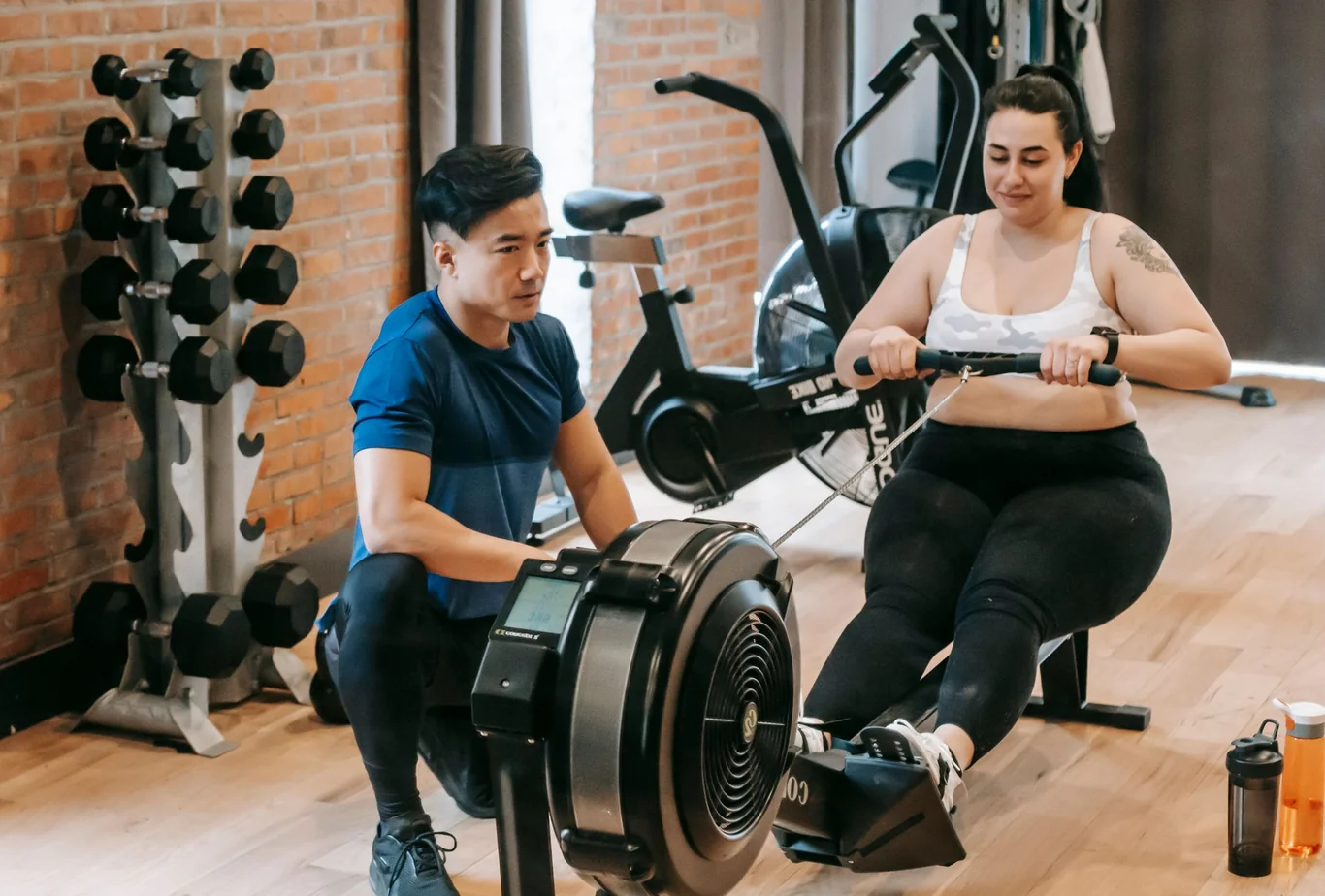
Correct technique protects the spine. Poor technique loads it in ways it was never designed to tolerate repeatedly. This distinction matters especially for new rowers who assume low-impact cardio means low spinal risk. Rowing is low-impact in the sense that there is no ground strike - but the repetitive lumbar flexion under load still creates cumulative spinal stress that compounds over a session.
Our rowing machines catalog lists current models if you want to compare frames before starting a back-safe routine.
Common misconceptions that set rowers up for back problems:
- "Low-impact means low spinal risk" - rowing's repetitive flexion creates significant cumulative lumbar load even without joint strike
- "Core strength equals back protection" - isolated ab strength does not translate directly to posterior chain stability
- "More resistance means a better workout" - high resistance combined with fatigue accelerates form breakdown and lumbar loading
- "Pain is normal soreness" - sharp or radiating pain during rowing always warrants stopping and reassessing
For anyone managing an existing back condition who wants a machine with zero lumbar flexion demand, our guide on the best exercise bike for back problems covers the features that make upright and recumbent bikes safer for spinal issues.
Common Form Errors That Cause Back Pain on a Rowing Machine
The catch position - the moment of maximum forward reach before each stroke - is where most rowing-related back injuries begin. Reaching too far forward encourages excessive lumbar flexion, rounding the lower spine and dramatically increasing compressive and shear forces on the vertebral discs. A 2021 systematic review identified that rowers with lower back pain consistently showed posterior pelvic tilt and less efficient trunk muscle recruitment compared to pain-free rowers (2). The issue is not the catch position itself but the spinal alignment within it.
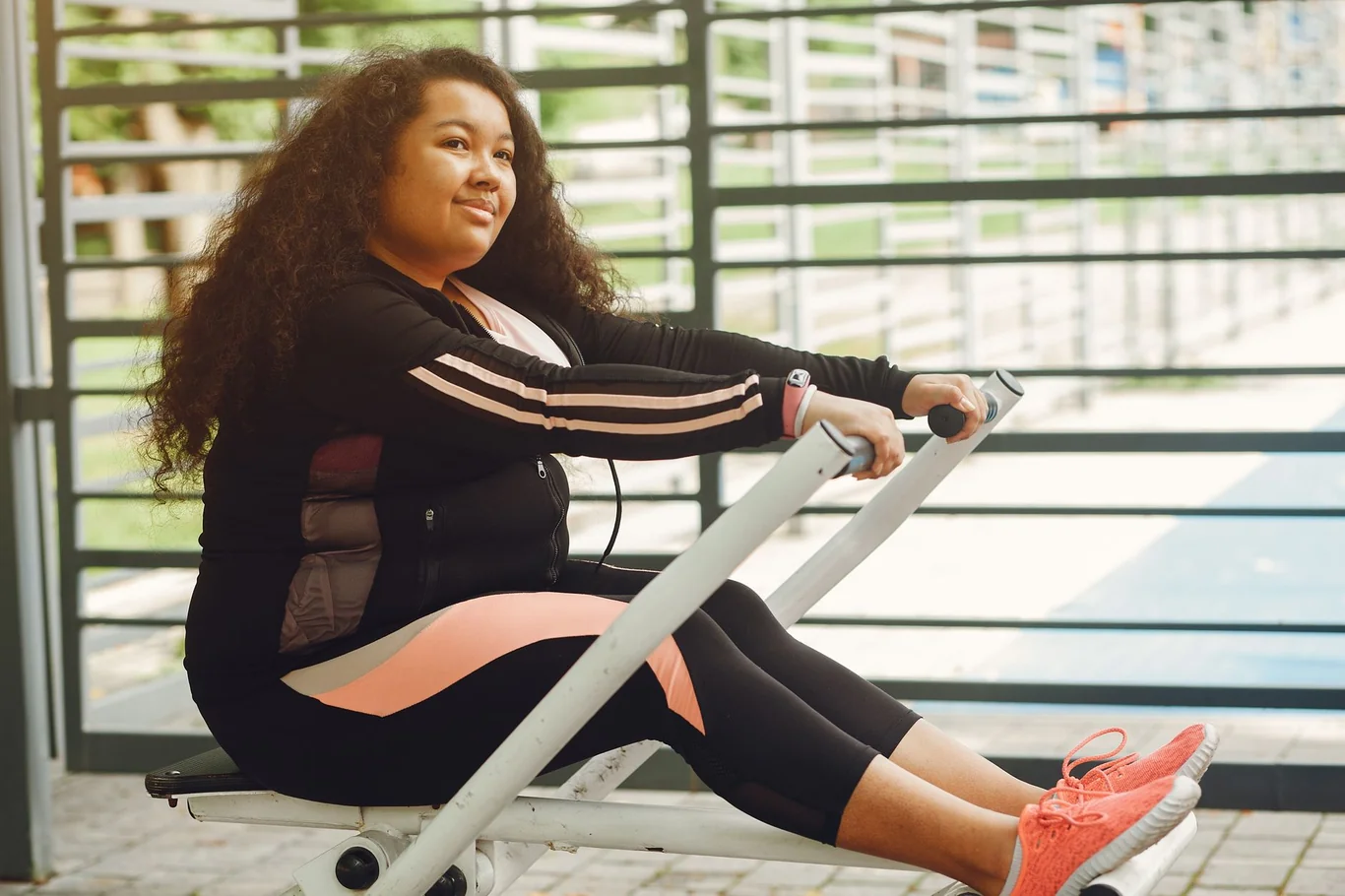
I noticed in reviewing the literature that most content on this topic identifies form errors without connecting them to the specific stroke phase where the injury risk is highest. The breakdown below addresses that gap:
Form Error | Stroke Phase | Spinal Consequence |
Overreaching at the catch | Catch | Lumbar rounds into flexion; disc compression increases |
Arms and upper body leading the drive | Drive | Lower back absorbs the load that legs should generate |
Hyperextending past perpendicular at the finish | Finish | L4-L5 loaded under compression and extension simultaneously |
Collapsing forward under fatigue | Any phase | Posterior element strain accelerates with session length |
A prospective cohort study confirmed that ergometer training volume independently predicts back pain onset - meaning longer sessions carry independent risk even when technique starts well (3). Sessions extending past 20-30 minutes showed measurable increases in lumbar flexion angles even in experienced rowers, because muscular fatigue reduces the active spinal bracing that protects passive structures like discs and ligaments.
Excess body weight also amplifies lumbar load during rowing, and our guide on whether a rowing machine is good for weight loss covers how the same machine supports both goals simultaneously.
Signs that you are maintaining safe spinal alignment throughout a stroke:
- Shins are vertical at the catch rather than forced past 90 degrees of knee flexion
- Chest is tall with shoulders pulled back and down before the drive begins
- Hips and knees extend before the arms begin to pull - the leg drive comes first
- Back angle at the finish stays approximately 10-15 degrees behind vertical, not collapsed backward
- Core remains braced throughout the stroke, not just at peak resistance
What the Research Says About Spinal Load During Rowing
The biomechanics of rowing help explain why form matters so precisely. Peak lumbar compression forces during ergometer rowing have been measured at 6.8 to 7 times bodyweight (4). That is comparable to loads generated during many conventional strength training exercises, and it is manageable when the spine maintains neutral alignment with strong posterior chain engagement.
For a broader look at what rowing delivers across the whole body when technique is sound, our rowing machine benefits guide covers the complete evidence base.

A 2009 biomechanics study comparing different rowing exercise variations found that trunk muscle activation and spinal load differ significantly across techniques and variations (5). The highest spinal loads came from standing bent-over row variations, not ergometer rowing. We found this comparison particularly clarifying - ergometer rowing, executed correctly, distributes load across well-recruited trunk musculature rather than concentrating it on passive structures.
Research on rowing machine muscles supports this finding: rowing recruits the erector spinae, multifidus, glutes, hamstrings, lats, and trapezius in a coordinated sequence (6). When those muscles fire correctly, they create a natural spinal brace that absorbs and distributes compressive load. When they fail to fire due to fatigue or poor sequencing, the spine's passive structures compensate and injury risk increases.
For anyone weighing rowing against a lower-risk seated option, our recumbent exercise bike vs rowing machine comparison covers how these machines differ in spinal load, muscle recruitment, and back safety.
Key findings from the peer-reviewed literature on rowing and back health:
Study | Core Finding | Evidence Tier |
Athy et al. 2023 (78 studies) | LBP prevalence 6-66%; ergometer duration is the top modifiable risk factor | Strong |
Nugent et al. 2021 (systematic review) | Poor pelvic positioning and inefficient trunk recruitment linked to injury | Strong |
Hosea and Hannafin 2012 | Peak lumbar compression 6.8 to 7x bodyweight during rowing | Moderate |
Wilson et al. 2014 | Previous injury and training volume predict pain onset independently | Moderate |
Xu et al. 2025 (meta-analysis, n=2,082) | Prior LBP history is the only significant predictor (OR 2.65) | Strong |
Who Should Be Careful - Rowing Machines and Pre-Existing Back Conditions
Not all back conditions carry the same rowing safety profile. Lumbar disc herniation, spinal stenosis, and active nerve root compression each require medical clearance before using a rowing machine, because repetitive flexion load can aggravate radicular symptoms even at low resistance settings.
Back health and bone health are closely connected, and our guide on whether a rowing machine is good for osteoporosis covers how the same spinal loading that risks injury can also build lumbar bone mineral density when applied correctly.
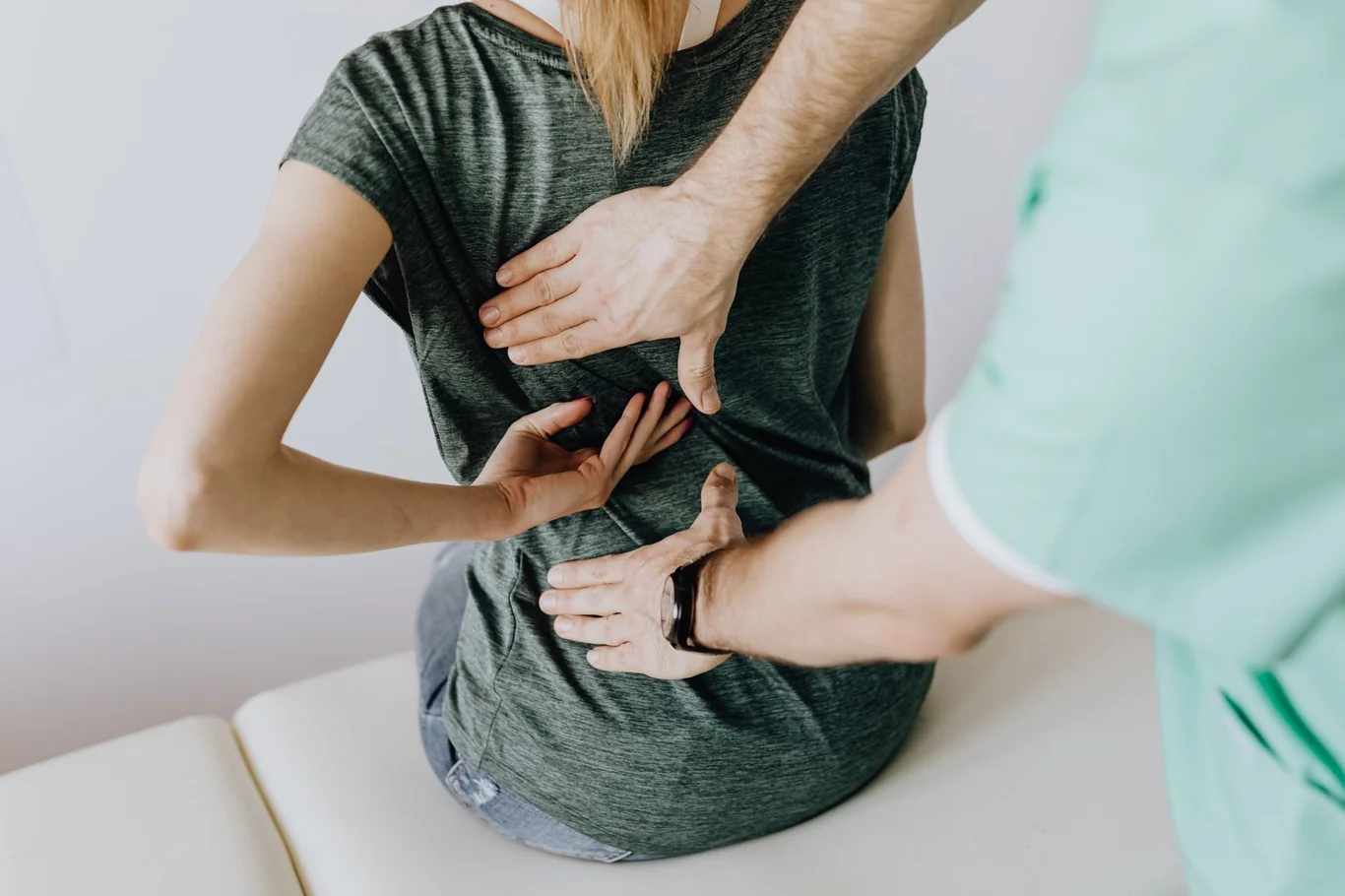
A 2025 meta-analysis of 2,082 rowers confirmed that prior low back pain history is the only statistically significant predictor of future rowing-related pain, with an odds ratio of 2.65 (7). Training volume, age, sex, and BMI were not statistically significant predictors on their own. This means a personal history of back pain - regardless of severity - warrants a more cautious approach to rowing volume and progression, not avoidance of the sport.
For those building a home rowing program, our best budget rowing machine picks include several models with reliable magnetic resistance at an accessible price point.
Condition-specific guidance for rowing machine use:
Condition | Safety Level | Practical Guidance |
General muscle strain (resolved) | Safe with care | Start with 10-15 min sessions at low resistance |
Lumbar disc herniation (acute) | Not recommended | Medical clearance required before any rowing |
Lumbar disc herniation (chronic, asymptomatic) | Possible with caution | Physical therapist assessment first; neutral spine is non-negotiable |
Spinal stenosis | Caution advised | Extension-biased posture may help; physician clearance essential |
Mild scoliosis (non-progressive) | Generally safe | Monitor for asymmetric fatigue; stop if pain develops |
Post-surgical spine | Clearance required | Timeline and restrictions vary by procedure type |
In our review of user experience patterns, people with chronic lower back tightness without a structural diagnosis often respond well when they treat the first four to six weeks of rowing as a rehabilitation protocol rather than a fitness program. That means sessions under 15 minutes, resistance at a controlled level, and a rest day between every session during the first month.
Our Teeter Power10 2-Way Elliptical-Motion Rower page covers a low, easy-mount design some owners have used while rebuilding strength during a recovery period.
For those building a home rehabilitation setup, our best compact rowing machine guide covers space-efficient models suited to shorter, lower-intensity sessions.
For rowers temporarily sidelined by a back flare-up, the benefits of walking backwards on a treadmill are worth exploring - retrograde walking activates the lumbar extensors without the repetitive flexion load of rowing, which makes it a useful bridge during recovery.
How Rowing Machines Can Strengthen Your Back
When technique is correct, rowing is one of the most efficient movements for developing posterior chain strength - the musculature network that stabilizes and protects the lumbar spine across all physical activity. Erector spinae, multifidus, glutes, and hamstrings engage in a coordinated sequence with every stroke, and that coordinated activation is precisely what physical therapists target in lumbar rehabilitation programs.
Once the foundation is built, our best rowing machine for conditioning guide covers machines designed for the higher-intensity interval work that develops genuine posterior chain endurance.
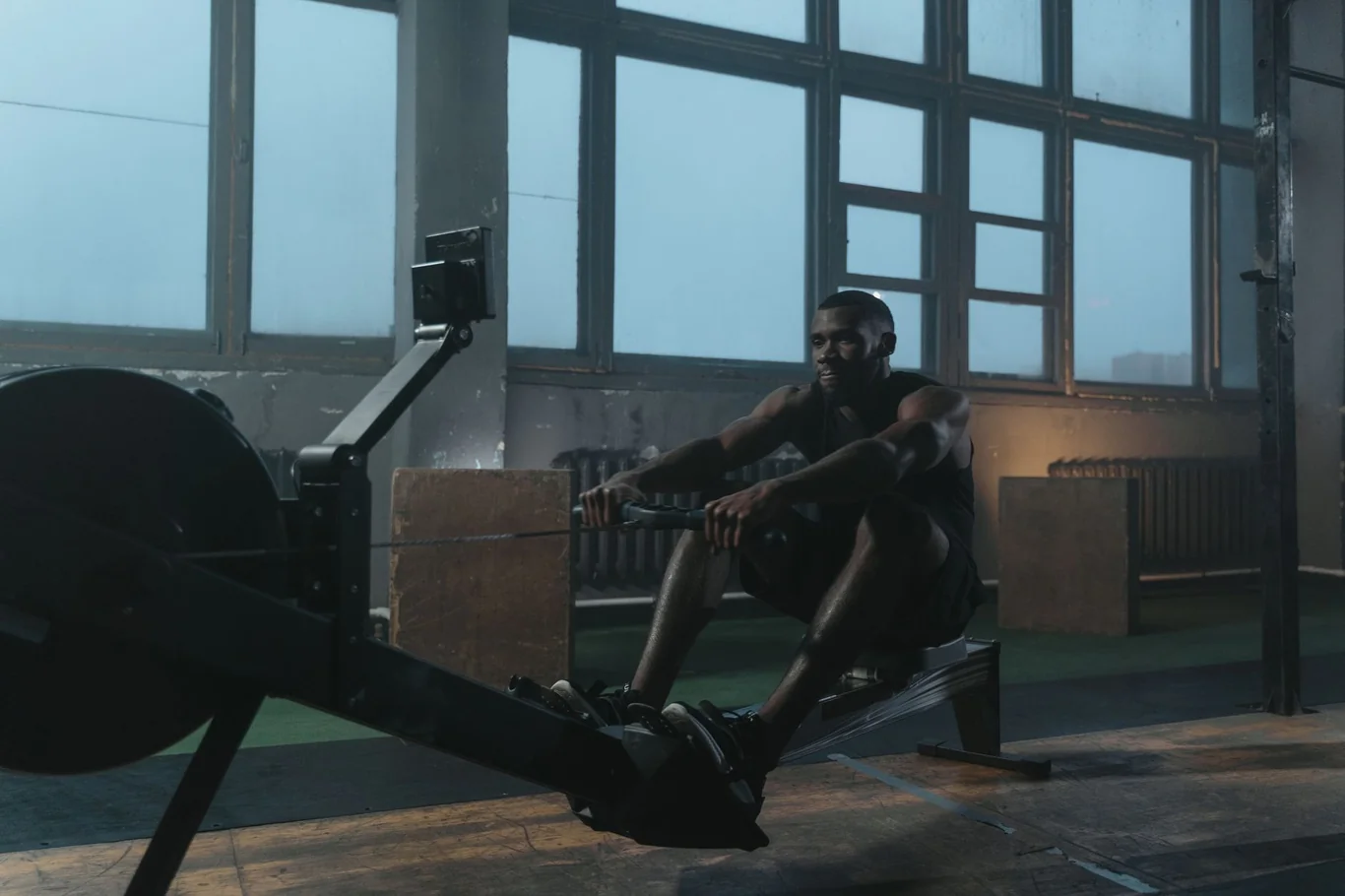
The expert consensus published by the British Journal of Sports Medicine in 2021 recommends load modification and targeted exercise therapy as the primary management approach for rowing-related back pain - not cessation of the sport (8). The goal is better rowing technique and smarter session management, not less rowing.
Specific benefits a rowing machine provides for back health when used correctly:
- Posterior chain conditioning - repeated erector spinae and glute recruitment builds the muscular brace the lumbar spine depends on
- Core endurance development - sustained bracing across a full session builds functional spinal stability, not just superficial ab strength
- Hip flexor lengthening - the catch position stretches chronically tight hip flexors, which directly reduce anterior pelvic tilt and lumbar compression when shortened
- Low-impact loading - no ground reaction force reduces joint stress compared to running or plyometric training
- Bilateral symmetry training - the symmetric stroke reinforces left-right muscle balance, reducing compensatory loading on one side of the spine
Getting the Most Out of Rowing for Back Health
I weighed the clinical evidence carefully here: there is a meaningful difference between rowing that progressively strengthens the back and rowing that strains it. The dose and progression make the difference.
For machine selection, our best magnetic rowing machine picks offer the smoothest, most controllable resistance for rowers who need to cap effort to protect the spine.
Practical protocols for using a rowing machine as a back-supportive training tool:
- Keep sessions under 20 minutes for the first four to six weeks
- Set resistance below max effort - controlled, powerful strokes protect the spine better than maximum grind
- Rest at least one day between sessions during the first month to allow posterior chain recovery
- Warm up with hip flexor stretches and thoracic spine rotation before each session
- Cool down with lumbar extension movements like cat-cow and child's pose after rowing
- Stop and reassess immediately if sharp, stabbing, or radiating pain appears at any point
Choosing the best rowing machine for home use depends on available space, budget, and whether smooth resistance or performance feedback matters more to you. A magnetic rowing machine tends to be the gentlest entry point for rowers with back concerns because the resistance is smooth and consistent, without the catch-and-release of air resistance at high intensities. The Concept 2 rowing machine remains the standard for performance feedback accuracy - its PM5 monitor tracks stroke efficiency in real time, which serves as a reliable proxy for form consistency once you know what to look for.
For a full breakdown of how air, magnetic, water, and hydraulic resistance compare on stroke smoothness, noise, and home suitability, my post on which rowing machine type is right covers the decision with specific guidance by user profile and training goal.
Is a Rowing Machine Worth It for Your Back?
The evidence converges on a clear answer: a rowing machine is not bad for your back when used correctly. The risk is real and well-documented, particularly for competitive rowers training at high volumes - but for recreational use with controlled sessions and sound technique, rowing is a genuinely effective tool for building the posterior chain strength that backs depend on. In my view, this is one of the more underappreciated rehabilitation arguments for rowing: used progressively and with attention to technique, it builds the exact musculature that physical therapists target for chronic lower back prevention.
For background on how the machine itself is designed and measured, my post on what a rowing ergometer is covers the resistance mechanism, performance monitor, and build standards of the standard competitive and home-use erg.
For home rowers who need a machine that stores out of the way between sessions, our best foldable rowing machine guide covers the most practical space-saving options.
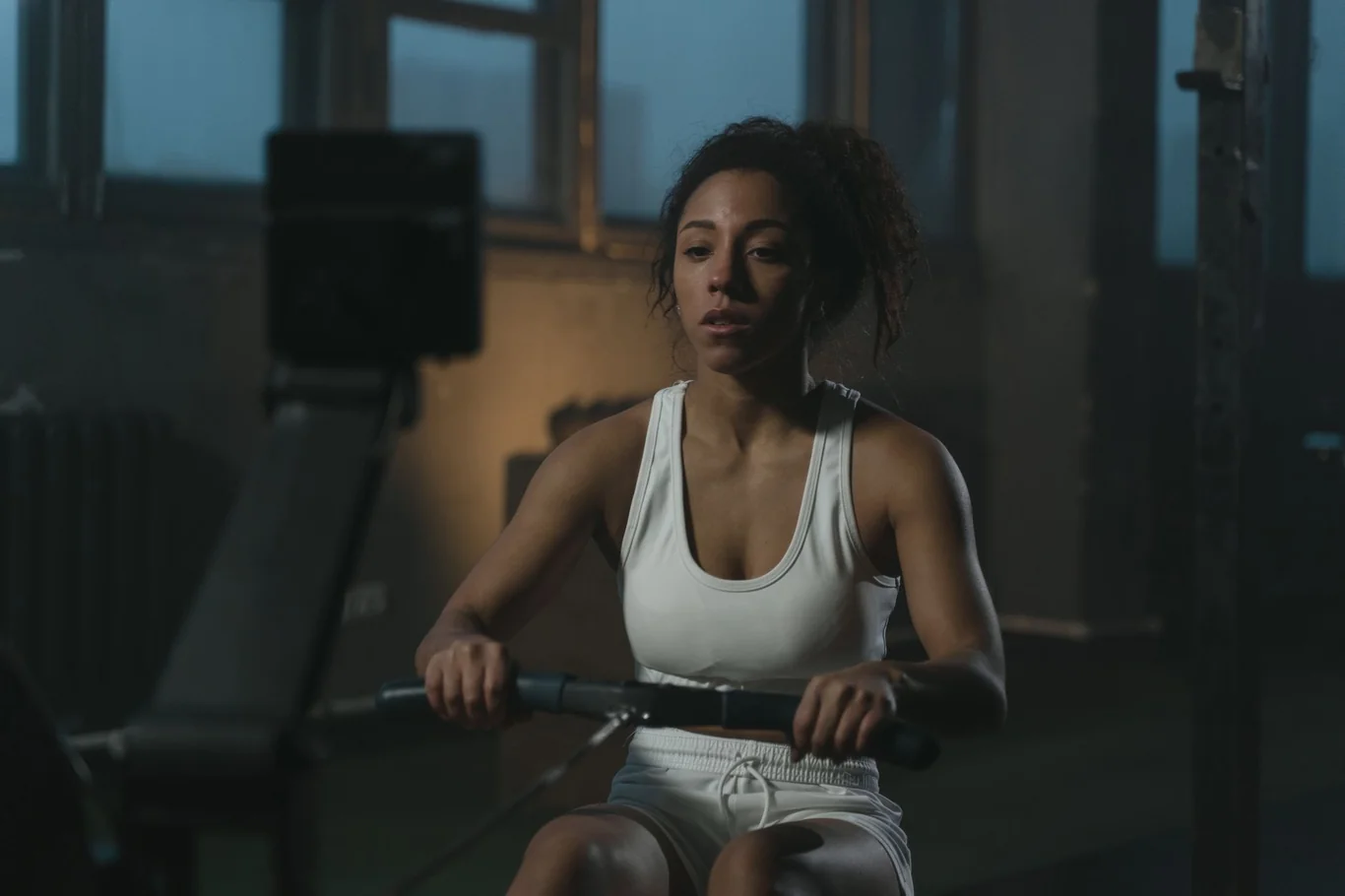
The pattern in the clinical literature is consistent. Rowers who develop back problems have almost always ignored one of three factors: their technique degraded under fatigue, they increased volume too quickly, or they returned to rowing before a prior injury was fully resolved. All three are preventable with self-awareness and progressive loading.
For specific guidance on how to set resistance to support a gradual, back-safe progression, my post on resistance settings for a rowing machine covers how damper setting and resistance type affect lumbar load and stroke safety.
For those building a complete home training environment that supports the monitoring and progressive loading discipline rowing back health requires, our best smart home gym guide covers connected setups worth considering.
For anyone starting with a rowing machine for the first time, 10-15 minute sessions focused entirely on stroke quality will protect and strengthen your back more effectively than longer sessions done carelessly. For those managing an existing condition, medical clearance is not a formality - it is the single most important variable in your plan.
For new rowers working through this early progression, our best rowing machine for beginners guide covers models with the smooth, controllable resistance that makes early sessions safer.
FAQs
What are the negative effects of a rowing machine?
The negative effects of a rowing machine are almost entirely form-related and dose-related rather than inherent to the activity itself. The most common issues include lower back strain from repetitive lumbar flexion during poor technique, knee discomfort from improper footplate alignment at the catch, and shoulder pain from leading the drive with the upper body before the legs fully extend.
Is rowing ok with a meniscus tear?
Rowing with a meniscus tear depends on whether the tear is acute or chronic and on the degree of knee flexion the catch position demands, making a clinical assessment from your orthopedic surgeon or sports medicine physician the necessary first step. People with stable, chronic meniscus tears often row without symptoms when resistance is kept low, and the catch position is shortened slightly to reduce peak knee flexion angle.
Is rowing good after hip replacement?
Rowing after hip replacement is typically permitted three to six months post-surgery once the surgeon confirms adequate hip flexion range and low dislocation risk, but the exact timeline varies by implant type and surgical approach. Once cleared, the controlled hip flexion of ergometer rowing is generally less demanding on the hip joint than high-intensity cycling or running, making it a reasonable option for rebuilding cardiovascular fitness.
When rebuilding fitness under load constraints, my guide on key fitness tracker features covers which heart rate and recovery metrics matter most for safe, measurable progression.
Is 20 minutes of rowing enough?
Twenty minutes of rowing is enough for meaningful cardiovascular and muscular benefit, particularly when technique is prioritized over duration or resistance, and it aligns directly with what research identifies as the safer side of the rowing injury-risk threshold. Studies on rowing-related back pain consistently show that sessions extending past 30 minutes are where form degradation and lumbar load increases become more pronounced, making 20 minutes a practical and evidence-supported target for most recreational rowers.
Is rowing machine good for weight loss?
A rowing machine supports weight loss effectively because it simultaneously engages a high proportion of the body's muscle mass, which increases caloric expenditure significantly compared to single-limb cardio options like cycling or walking.
References:
- Athy V, Hach S, Anderson H, Mason J. Examining the peer-reviewed published literature regarding low back pain in rowing: a scoping review. International Journal of Sports Physical Therapy. 2023;18(1):55-69. doi:10.26603/001c.67836
- Nugent FJ, Vinther A, McGregor A, Thornton JS, Wilkie K, Wilson F. The relationship between rowing-related low back pain and rowing biomechanics: a systematic review. British Journal of Sports Medicine. 2021;55(9):487-496. doi:10.1136/bjsports-2020-102533
- Wilson F, Gissane C, McGregor A. Ergometer training volume and previous injury predict back pain in rowing; strategies for injury prevention and rehabilitation. British Journal of Sports Medicine. 2014;48(21):1534-1537. doi:10.1136/bjsports-2014-093968
- Hosea TM, Hannafin JA. Rowing injuries. Sports Health. 2012;4(3):236-245. doi:10.1177/1941738112442484
- Fenwick CMJ, Brown SHM, McGill SM. Comparison of different rowing exercises: trunk muscle activation and lumbar spine motion, load, and stiffness. Journal of Strength and Conditioning Research. 2009;23(5):1408-1417. doi:10.1519/JSC.0b013e3181b07334
- Readi NG, Rosso V, Rainoldi A, Vieira TMM. Do sweep rowers symmetrically activate their low back muscles during indoor rowing? Scandinavian Journal of Medicine & Science in Sports. 2015;25(4):e339-e352. doi:10.1111/sms.12319
- Xu Z, Zhang S, Long X, Zhou P. Risk factors associated with low back pain in rowers: a systematic review and meta-analysis. BMC Sports Science, Medicine and Rehabilitation. 2025;17:157. doi:10.1186/s13102-025-01153-y
- Wilson F, Thornton JS, Wilkie K, et al. 2021 consensus statement for preventing and managing low back pain in elite and subelite adult rowers. British Journal of Sports Medicine. 2021;55(16):893-899. doi:10.1136/bjsports-2020-103385