
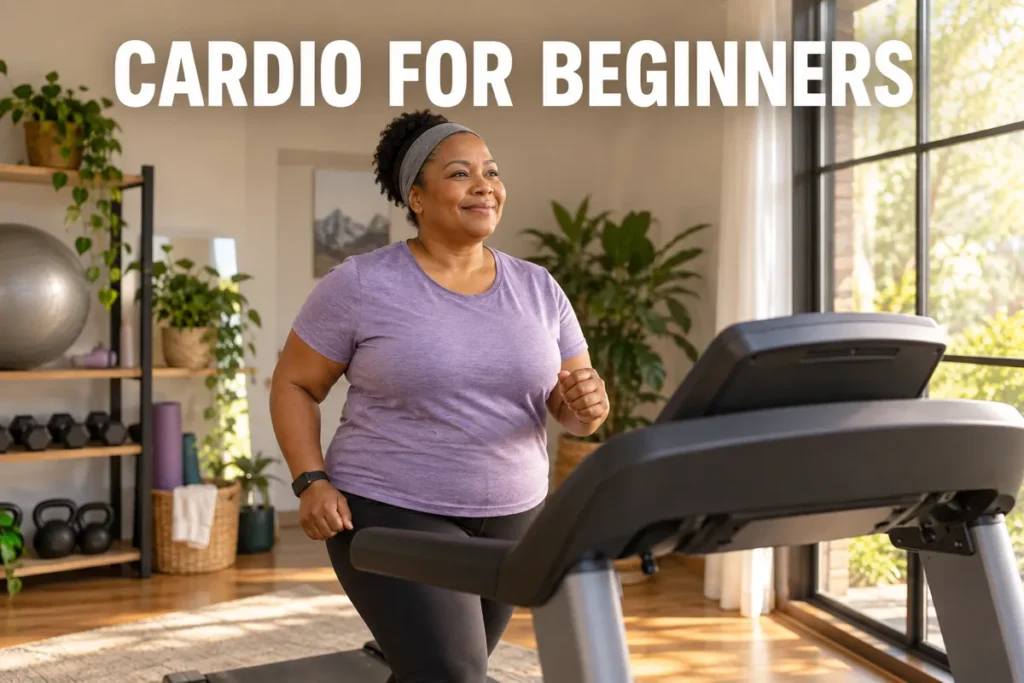
Cardio for beginners is simpler than most fitness content makes it sound, and I want to cut through the noise for you. I'm Filip Maric, MPhEd, an ISSA Elite Trainer, Certified Nutritionist Coach, and Strength and Conditioning Coach with over a decade of experience helping beginners build lasting fitness habits. In this guide, I'll cover the best starting exercises, what the research says about frequency and intensity, and give you a complete eight-week plan to follow from your very first session. You'll also learn what cardio actually does inside your body, how it supports weight loss, and the most common mistakes to avoid so you build momentum instead of burning out.

Cardio for Beginners - What You Need to Know Before You Start
Cardio for beginners succeeds when expectations are grounded in what the science actually says. The World Health Organization recommends 150 to 300 minutes of moderate-intensity aerobic activity per week for healthy adults - but that is a long-term target, not a week-one quota (1). The same guidelines state explicitly that some activity is better than none, and that beginners should start small and progress gradually. Knowing this removes the pressure that stops most people before they build any momentum.
For anyone managing a chronic condition - including hypertension, type 2 diabetes, heart disease, or pregnancy - please consult your physician before starting this or any cardio program. The guidance below applies to healthy adults.
What Cardio Does to Your Body
Cardiovascular exercise triggers adaptations almost immediately when you start a regular program. Your heart pumps more blood per beat, your resting heart rate drops, and your blood vessels become more efficient at dilating and contracting in response to demand (2). On a cellular level, regular aerobic training increases mitochondrial density in muscle tissue, raises HDL cholesterol, and improves endothelial function - the responsiveness of blood vessel walls - as Pinckard et al. (2019) documented in a comprehensive mechanisms review.
The mental health effects show up even faster. Research consistently shows that aerobic exercise reduces anxiety, improves mood, and supports cognitive function - benefits most beginners notice within the first two to three weeks before any visible physical changes appear. I've seen this pattern reliably across new clients: the energy and mood shift come first, and that early experience is what builds the habit.
Below are the main cardio exercise benefits that research supports:
- Reduced cardiovascular disease risk - regular aerobic exercise is consistently associated with meaningfully lower long-term risk of heart attack and stroke, as extensive exercise research confirms (7)
- Lower resting blood pressure - regular aerobic exercise reduces systolic blood pressure by an average of approximately 3 mmHg across a systematic review of multiple studies, with larger reductions seen in individuals with elevated baseline pressure, as Masmoum et al. (2024) documented (3)
- Improved body composition - aerobic training reduces waist circumference and body fat percentage, especially visceral fat
- Better sleep quality - regular moderate-intensity cardio is linked in multiple observational studies to improved sleep onset and duration, particularly in adults with poor baseline sleep
- Enhanced mood and reduced anxiety - linked to endorphin release and improved regulation of stress hormones
- Stronger immune function - regular moderate-intensity exercise is associated with reduced frequency of upper respiratory infections in habitually active adults
Heart Rate Zones and Intensity for Beginners
For most beginners, 20 minutes per session is the right starting point. The goal in weeks 1 and 2 is frequency and habit formation, not duration, and I explain weekly frequency and session length in my breakdown of how often to do cardio. The eight-week plan below builds progressively from 20 minutes to 30 to 35 minutes, so you never need to guess at the right session length.
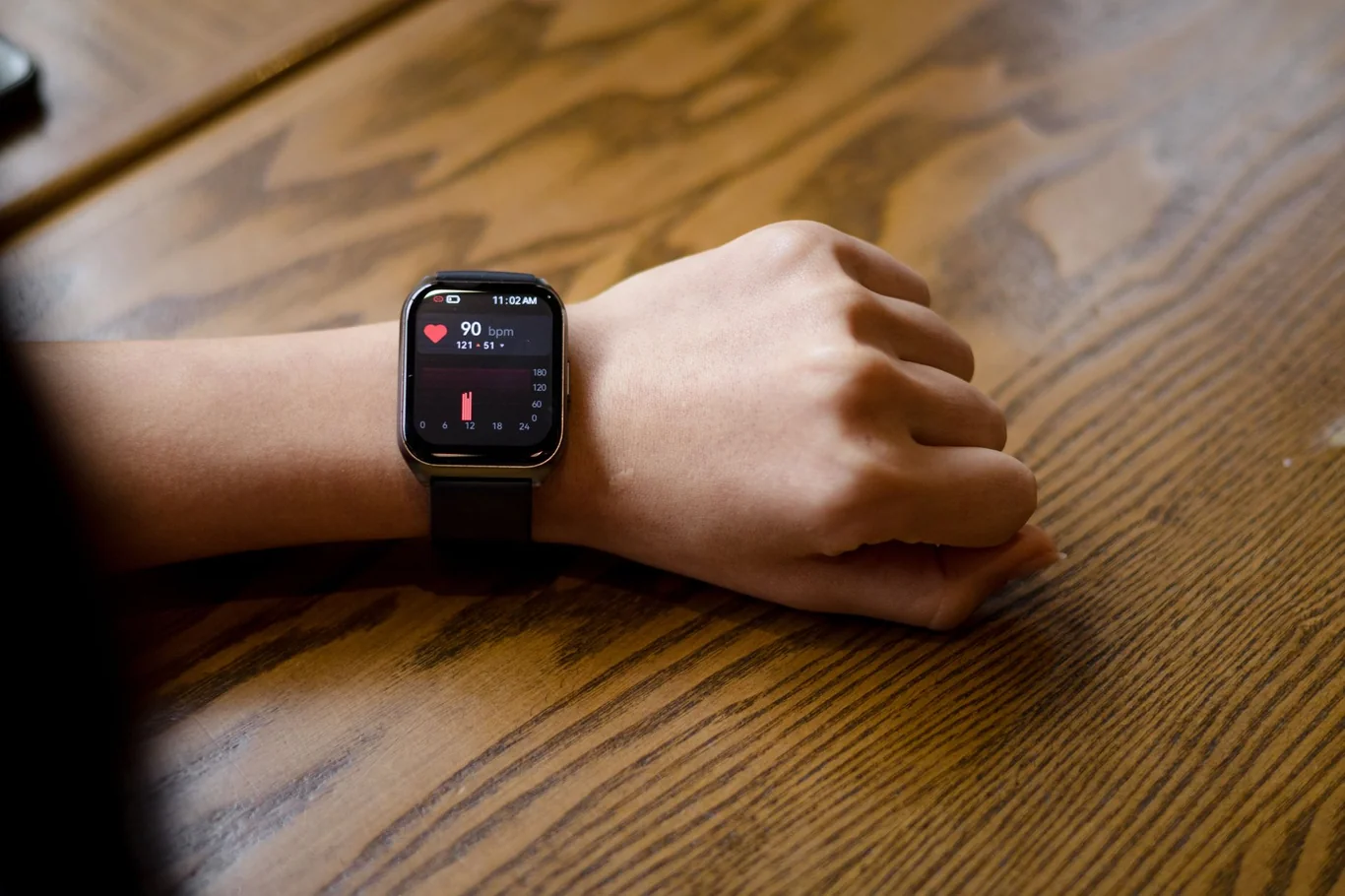
Understanding intensity is where many beginners go wrong. Going too hard too early burns out beginners and increases injury risk; going too easy means the cardiovascular system receives little adaptation stimulus. The simplest intensity guide is the talk test - at moderate intensity, you can speak in sentences but not comfortably hold a full conversation.
For numbers-based guidance, target heart rate zones provide a useful range. Most beginner cardio should fall in Zone 2, with occasional Zone 3 effort after the first four weeks.
Zone | % of Max Heart Rate | How It Feels | When to Use |
Zone 1 - Warm-up | 50-60% | Easy, can talk freely | Warm-up, cool-down, active recovery |
Zone 2 - Base aerobic | 60-70% | Comfortable but working | Majority of beginner sessions |
Zone 3 - Aerobic build | 70-80% | Breathing harder, short sentences | Weeks 5-8 of program |
Zone 4 - Threshold | 80-90% | Difficult, brief conversation only | Interval peaks (advanced) |
Max heart rate estimate: 220 minus your age, used as a rough guideline. A 35-year-old's estimated max is approximately 185 bpm; their Zone 2 target is 111 to 130 bpm.
How often should you do cardio is the question I get most from beginners starting week one. Three days per week is the evidence-based starting point; four to five becomes the target by week five.
Low-Intensity, Moderate-Intensity, and High-Intensity Cardio
Cardio exercises for beginners fall into three broad intensity categories: low-intensity steady-state (LISS), moderate-intensity steady-state, and high-intensity interval training (HIIT). LISS sits in Zone 1-2 and forms the foundation for weeks 1 through 4 of any beginner program. Moderate steady-state work occupies Zone 3 and enters the program in weeks 5 and 6. HIIT - the basis of the hiit vs steady state cardio discussion among more experienced exercisers - belongs in later programming once the aerobic base is solid; it supplements but does not replace the foundation work.
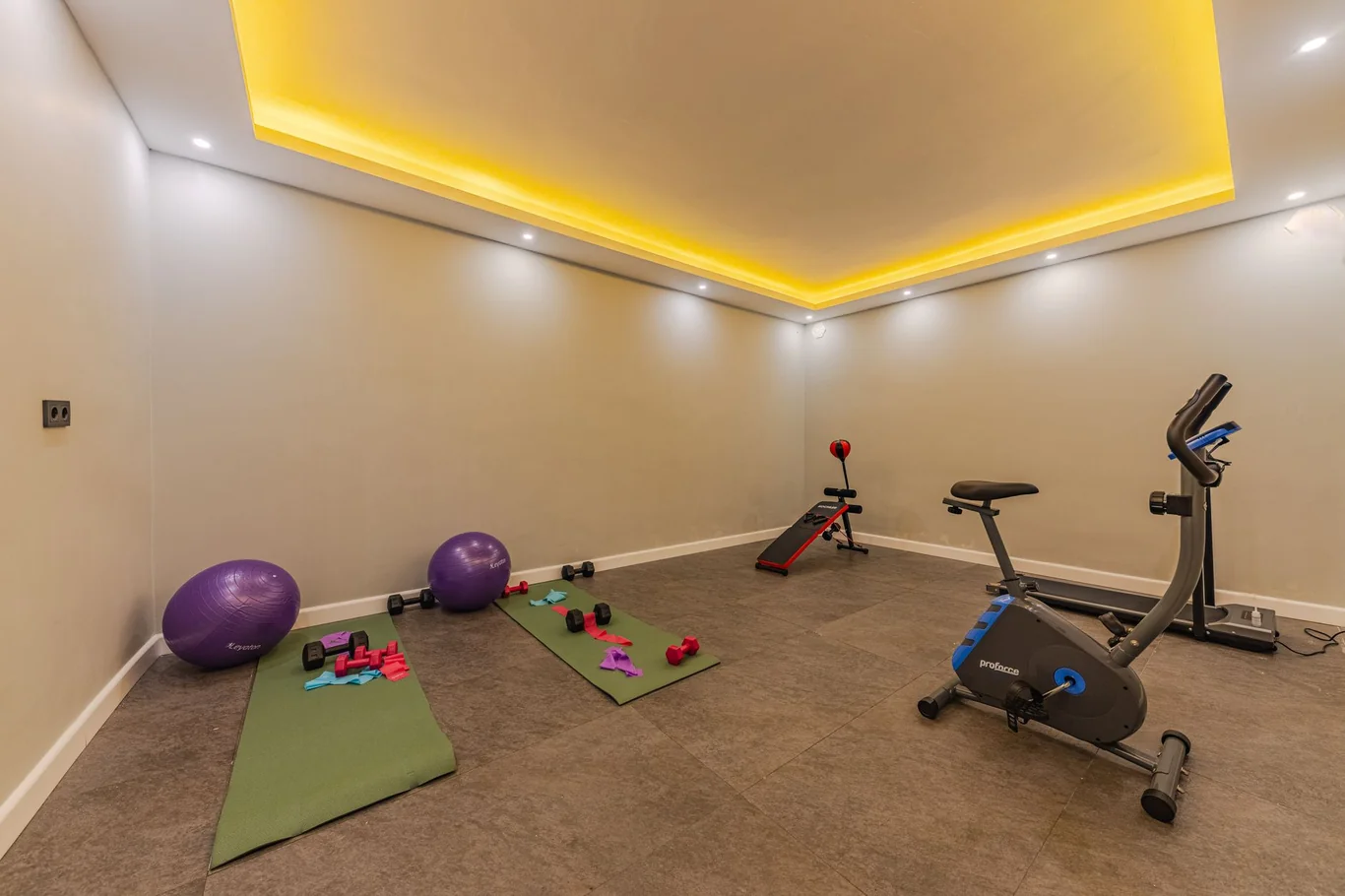
A practical home training setup matters too, and for cardio at home equipment, the best smart home gym for beginners covers compact, beginner-friendly options that fit small spaces.
Best Cardio Exercises for Beginners
The best starting exercise is the one you will actually do consistently, three to five times per week, for at least eight weeks. Enjoyment and accessibility matter more than theoretical calorie burn in the first month - a beginner who walks every day builds more fitness than one who attempts high-intensity sessions twice per week and quits by week three. Whether you prefer the gym or cardio for beginners at home, both options build the same aerobic base - the options below are organized by accessibility and joint impact.

Walking, Jogging, and Running
Walking is the most underrated beginner cardio exercise. A brisk pace of 3.5 to 4 mph on flat ground elevates the heart rate into Zone 2 for most beginners, delivers measurable cardiovascular benefit within six to eight weeks, and carries virtually zero injury risk when you build volume gradually. It requires no equipment beyond supportive footwear and can be done anywhere at any time.
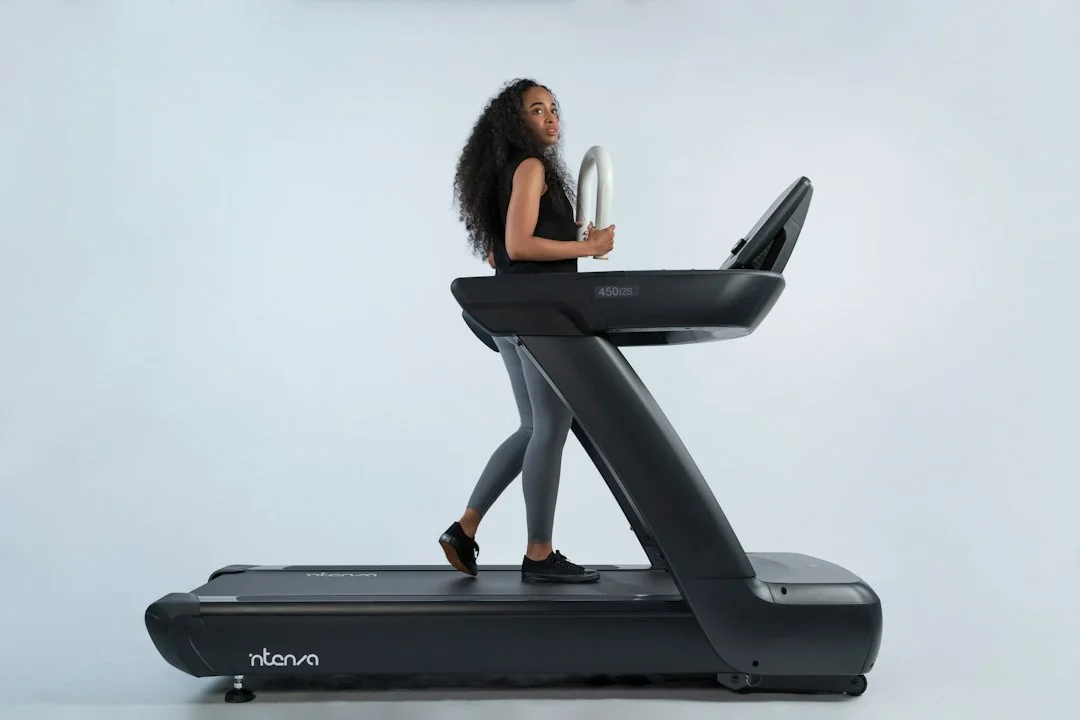
Light jogging is the natural next step after six to eight weeks of consistent walking. The run-walk method - alternating 60 seconds of light jogging with 90 to 120 seconds of walking recovery - manages joint stress while driving cardiorespiratory adaptation. Treadmill-based sessions add the ability to control pace and incline precisely, which is helpful for managing intensity in early weeks. If you want one at home, I rank 11 expert-tested treadmills for home in a separate roundup.
Cycling, Rowing, and Low-Impact Machine Cardio
Stationary cycling is the first choice for any beginner with knee, hip, or ankle sensitivity. The seated position removes body weight from the joints entirely while still elevating heart rate effectively. For a 155-pound person cycling at moderate intensity, sessions burn approximately 200 to 300 calories per 30 minutes - a range that varies with resistance and cadence. I recommend beginners start at a resistance where 70 to 80 RPM feels comfortably challenging and add resistance only when that pace feels easy. For home riding, my roundup of exercise bike picks covers options for every rider and goal.
If you are building a home cardio setup, evaluating cardio at home equipment before committing to a machine saves both money and floor space. A stationary bike covers this category well for most beginners: compact, low-impact, and available at a wide range of price points. The exercise bike beginner workout guide has structured sessions designed around beginners who want a structured progression from week one.
Rowing engages the upper and lower body simultaneously, making it one of the highest calorie-burning low-impact cardio options. Proper technique requires a brief learning curve, but once the movement pattern is established, it's one of my favorite tools for beginner programming because it builds both aerobic capacity and postural endurance at the same time. If you want to row at home, my rowing machine roundup ranks 11 tested picks for different home gym setups.
Cardio Exercises at Home with No Equipment
Cardio for beginners at home is entirely achievable without any equipment. The key is to rotate between movements to keep heart rate elevated without placing repetitive stress on any single joint or muscle group. The cardio exercises at home no equipment approach works best when you time intervals of three minutes per movement rather than counting reps - this keeps the cardiovascular stimulus consistent regardless of fitness level. Below is a list of cardio exercises at home you can start with today:
- Marching in place - low-impact, ideal as a warm-up or gentler session day
- Jumping jacks - elevates heart rate quickly; modify to a step-touch if joints are sensitive
- High knees - drives heart rate into Zone 2 within 60 seconds of sustained effort
- Mountain climbers - combines core engagement with cardio stimulus; start with slow, controlled reps
- Lateral shuffles - side-to-side movement that changes the loading pattern from vertical exercises
- Step-touches - lowest-impact option, suitable for all fitness levels including older beginners
- Squat jumps (modified) - for beginners with no joint issues; can be replaced with bodyweight squats
Sample 30-Minute No-Equipment Cardio Session
A structured 30 minute cardio workout at home removes the guesswork of which movements to pick and how long to do them. Use this circuit as your week-one and week-two baseline:
- 5 min: Marching in place (warm-up)
- 3 min: Jumping jacks or step-touches
- 3 min: High knees
- 3 min: Lateral shuffles
- 3 min: Mountain climbers (slow and controlled)
- 3 min: Step-touches (active recovery)
- 3 min: High knees
- 3 min: Squat jumps or bodyweight squats
- 4 min: Marching in place (cool-down)
Rest 30 to 45 seconds between rounds if needed. As fitness improves, reduce rest periods before adding a second round of the circuit.
Cardio Exercises for Weight Loss - What the Research Shows
The link between cardio for beginners and weight loss is real, but it works more gradually than popular fitness content suggests. A 2024 meta-analysis of 116 randomized controlled trials found that every 30 additional minutes of aerobic exercise per week reduces body weight by approximately 0.52 kg - a modest but consistent effect that compounds meaningfully at higher weekly volumes (4). At 300 minutes per week, the Jayedi et al. (2024) analysis found clinically meaningful reductions of 4.19 kg were achievable.

An earlier meta-analysis of 14 randomized controlled trials found six-month aerobic programs reduced body weight by an average of 1.6 kg and waist circumference by 2.12 cm through cardio alone, without dietary changes (5). When cardio is combined with a calorie-appropriate diet, results compound substantially. For beginners weighing up cardio against weights for weight loss, I point to research consistently showing that combining both modalities produces better body composition outcomes than either approach alone.
The table below translates the dose-response data into practical weekly targets for beginners:
Weekly Aerobic Volume | Estimated Weight Reduction | Waist Circumference Change | Notes |
30-60 min/week | ~0.5 kg over program | Minimal | Below WHO minimum; habit-building only |
90-120 min/week | ~1.0-1.5 kg over 6 months | Small reduction | Maintenance-level activity |
150+ min/week | ~1.6-4.2 kg over 6 months | Meaningful reduction | WHO minimum; clinically beneficial |
200+ min/week | Larger reductions possible | Consistent reduction | Upper beginner to intermediate zone |
Where cardio is particularly effective is visceral fat reduction - the fat stored around internal organs that raises the risk of metabolic disease. Aerobic exercise consistently reduces waist circumference even in studies where scale weight changes minimally, which I find is a more motivating metric for many beginners because it reflects health improvements that the scale doesn't always capture. I often hear questions about fasted cardio workouts, meaning sessions before eating, but the evidence for specific fat-loss advantages over fed-state cardio is mixed and unlikely to matter for beginners focused on building the habit.
Your Complete 8-Week Cardio Plan for Beginners
A structured eight-week cardio for beginners plan removes decision fatigue and builds the habit of progressive overload - the gradual increase in training demand that drives continued adaptation. Each two-week block has a specific focus, and the transitions between blocks are intentional. The plan is designed to take a completely sedentary beginner to meeting WHO minimum guidelines by week eight without injury or burnout.
Week | Days Per Week | Session Duration | Intensity Target | Focus |
1 | 3 | 15-20 min | Zone 1-2 (easy to comfortable) | Habit formation |
2 | 3 | 20-25 min | Zone 2 (talk test passing) | Duration building |
3 | 4 | 20-25 min | Zone 2 | Frequency increase |
4 | 4 | 25-30 min | Zone 2 | Aerobic base consolidation |
5 | 4-5 | 25-30 min | Zone 2 with 1 interval session | First interval introduction |
6 | 4-5 | 30 min | Zone 2-3 mixed | Interval progression |
7 | 5 | 30 min | Zone 2 and Zone 3 | 2 interval days, 3 steady |
8 | 5 | 30-35 min | Varied | Reach 150+ min/week target |
Weeks 1 and 2 - Establishing the Habit
Consistency beats intensity in the first two weeks. The sole goal is to complete three sessions per week at an easy to comfortable effort - any mode you enjoy is valid. Walking, light cycling, swimming, or the no-equipment home exercises above all work. If a session feels hard enough that you dread the next one, the intensity is too high.
Good week-one activity choices:
- 20-minute brisk walk outdoors or on a treadmill
- 20 minutes of light stationary cycling at a conversational pace
- A marching-in-place and step-touch circuit repeated for 20 minutes
- A pool walk or gentle swimming session
Weeks 3 and 4 - Building Duration
Add a fourth session per week and extend each to 25 to 30 minutes. This is where the talk test becomes your primary intensity guide. You should feel like you are working but able to speak a few sentences between breaths. Heart rate should stay in the 60-70% of maximum range for the majority of each session. I tell my clients to think of weeks three and four as the "foundation layer" - the aerobic base that makes every subsequent week easier.
Weeks 5 and 6 - Introducing Intervals
By week five, your base supports your first interval sessions - alternating higher-effort bursts with recovery. A beginner-appropriate structure: 30 seconds of harder effort (brisk jog, faster cycling, high knees) followed by 90 seconds of easy recovery pace, repeated six to eight times in one session per week. The other three to four sessions remain steady-state Zone 2 work, and in my HIIT vs steady state cardio guide, I explain how to combine both approaches. Understanding the difference between hiit vs steady state cardio is useful here - both have a place, and intervals supplement but do not replace the aerobic base you are building.
Weeks 7 and 8 - Meeting the Weekly Target
The final two weeks consolidate everything built in the previous six. Aim for five sessions per week - two with intervals, three steady-state at Zone 2 - targeting 30 to 35 minutes each. This brings total weekly volume to approximately 150 to 175 minutes, meeting or exceeding the WHO 2020 minimum guideline. A well-designed eight-week aerobic-only training program improved VO2max by 7.7 ml/kg/min in one RCT of sedentary adults - a meaningful fitness gain that predicts reduced cardiovascular disease risk over the long term (6).
Stop your session and rest - or seek medical attention if symptoms persist - if you experience any of the following during the program:
- Chest pain, pressure, or tightness during or immediately after exercise
- Dizziness, lightheadedness, or feeling like you might faint
- Shortness of breath far beyond what your effort level should produce
- Sharp or sudden joint pain that does not resolve within minutes of stopping
These warning signs are rare in otherwise healthy beginners who progress sensibly, but they warrant attention. For beginners who want a machine-based option for home rowing to support these later weeks, the best rowing machine for beginners reviews the top choices at different price points.
Common Beginner Cardio Mistakes to Avoid
Most beginners make the same predictable errors, and cardio for beginners is no different - the failure patterns are consistent. I've watched these play out enough times to know they can be prevented with the right framing upfront. Below are the most important mistakes and what to do instead.

Starting too hard, too fast. The first two weeks should feel almost easy. Soreness and fatigue in week one do not mean you are working hard enough - they mean connective tissue and joints are adapting. Pushing harder at that stage increases injury risk without improving outcomes.
Skipping the warm-up. Five minutes of easy movement before raising intensity prepares joint fluid, increases blood flow to working muscles, and reduces injury risk. A brisk walk before a jog, or easy cycling before a harder effort, is the simplest warm-up that works.
Doing the same session every day. Variety prevents adaptation plateaus. Alternating between walking, cycling, and at-home sessions reduces overuse stress on any single muscle group and keeps cardiovascular stimulus varied.
Neglecting rest days. Rest is where adaptation actually happens. I've had clients skip every scheduled rest day in their first two weeks, only to feel so fatigued by week three that they missed the entire block. The irony is that the skipped rest days cost them more training time than rest ever would have. Active recovery - a short walk, gentle stretching - is better than complete rest if you feel restless.
Measuring success only by scale weight. Body composition changes lag cardiovascular improvements by four to six weeks. Tracking resting heart rate, session duration, and perceived effort paints a more complete and motivating picture of progress.
Expecting linear progress. Some weeks feel harder than others due to sleep quality, stress, hydration, or minor illness. A single bad session does not erase previous gains. My recommendation is to track a rolling four-week average rather than day-to-day fluctuations.
How to improve cardio over the long term comes down to two factors: maintaining consistency and introducing new stimuli at the right time. Once week eight is complete, progressions like longer sessions, more interval work, or new activities like swimming or group fitness keep the adaptation stimulus fresh. If joint discomfort surfaces during higher-intensity weeks, I recommend prioritizing low impact cardio exercises, such as cycling, swimming, and elliptical work, to protect long-term consistency rather than pushing through pain.
If you plan to combine cardio with strength training, schedule the sessions on separate days when possible. When training both on the same day, perform strength work first - cardio before a heavy lifting session impairs force output and makes the strength work less effective. This directly connects to the cardio or weights for weight loss question: research consistently shows that both modalities combined produce the best body composition results, and sequencing them correctly prevents one from undermining the other.
Building Your Cardio Foundation - What Comes Next
The first eight weeks of a beginner cardio program are among the highest-return fitness investments a person can make. The research is consistent and compelling: regular aerobic exercise reduces cardiovascular disease risk, supports weight loss, improves mental health, and builds a foundation for every other fitness goal (7). The plan in this guide takes you from sedentary to meeting international activity guidelines in two months - and that baseline opens every training door.
The most useful first step is to block out three 20-minute sessions in your calendar for next week and pick one activity from the walking, cycling, or no-equipment options above. Specificity - day, time, and activity - removes the friction that stops most beginners before they start.
Here are the key principles to carry forward after completing the eight-week program:
- Keep showing up. Consistency over eight weeks creates the neural and cardiovascular adaptations that make continued progress possible.
- Progress one variable at a time. Add either frequency, duration, or intensity in any given week - never all three simultaneously.
- Stay in Zone 2 for 70-80% of all sessions. This is where aerobic base develops; interval work is a supplement, not a replacement.
- Monitor resting heart rate. A dropping resting heart rate is one of the clearest signs the program is working.
After week eight, I recommend exploring the best cardio machine for your space and budget if you want to invest in home equipment that sustains long-term training. If weight loss is the primary goal, understanding how total weekly volume interacts with dietary intake will sharpen your approach more than any single exercise choice.
My honest take after working with beginners for years: the biggest barrier to cardio fitness is the expectation that results should arrive faster than the physiology allows. The eight-week plan in this guide is calibrated to what the body can actually adapt to. Follow it as written, and your cardiovascular fitness at the end of week eight will be measurably, verifiably better than it is today. Once the eight weeks are done, my guide on training methods to improve your cardio and build endurance is the next step.
FAQs
The following questions are among the most commonly searched by people starting a cardio program for the first time.
What is the best cardio for beginners?
The best cardio for beginners is brisk walking, stationary cycling, or any low-impact activity the individual will perform consistently at least three times per week. Low-impact starting points reduce injury risk, build the aerobic base that supports all later progression, and deliver measurable cardiovascular benefits within six to eight weeks of regular effort.
What is the 3-3-3 rule in cardio?
The 3-3-3 rule in cardio refers to completing at least 3 cardio sessions per week, each lasting at least 30 minutes, at a minimum intensity of approximately 3 METs (metabolic equivalents) - which corresponds to a brisk walk or light cycling pace. This framework is consistent with WHO physical activity guidelines and gives beginners a simple, memorable structure for the first four weeks of a new program.
Does a 30 minute walk count as cardio?
A 30-minute walk counts as cardio when performed at a pace brisk enough to elevate the heart rate into the moderate-intensity zone - typically 3 to 4 mph on flat ground for most adults. At this pace, walking qualifies as moderate-intensity aerobic activity and contributes toward the WHO-recommended 150 minutes per week target, producing measurable cardiovascular benefits with consistent repetition.
Can cardio burn belly fat?
Cardio can reduce belly fat, with the strongest evidence showing that aerobic exercise consistently reduces waist circumference - the primary proxy measure for visceral fat - even when total scale weight changes are modest. A dose-response meta-analysis of 116 randomized controlled trials confirmed that aerobic exercise at 300 minutes per week produces clinically meaningful reductions in both body weight and waist circumference, as the Jayedi et al. (2024) analysis showed (4).
We earn a commission if you make a purchase, at no additional cost to you. This does not influence our editorial recommendations.
This content is for informational and educational purposes only. It is not a substitute for professional medical advice, diagnosis, or treatment. Always consult with your healthcare provider before starting any new fitness program or using fitness technology for health monitoring.
References
- Bull FC, Al-Ansari SS, Biddle S, et al. World Health Organization 2020 guidelines on physical activity and sedentary behaviour. Br J Sports Med. 2020;54(24):1451-1462. doi:10.1136/bjsports-2020-102955.
- Pinckard K, Baskin KK, Stanford KI. Effects of exercise to improve cardiovascular health. Front Cardiovasc Med. 2019;6:69. doi:10.3389/fcvm.2019.00069.
- Masmoum MD, Khan S, Usmani WA, et al. The effectiveness of exercise in reducing cardiovascular risk factors among adults: a systematic review and meta-analysis. Cureus. 2024;16(9):e68928. doi:10.7759/cureus.68928.
- Jayedi A, Soltani S, Emadi A, Zargar M-S, Najafi A. Aerobic exercise and weight loss in adults: a systematic review and dose-response meta-analysis. JAMA Netw Open. 2024;7(12):e2452185. doi:10.1001/jamanetworkopen.2024.52185.
- Thorogood A, Mottillo S, Shimony A, et al. Isolated aerobic exercise and weight loss: a systematic review and meta-analysis of randomized controlled trials. Am J Med. 2011;124(8):747-755. doi:10.1016/j.amjmed.2011.02.037.
- Schroeder EC, Franke WD, Sharp RL, Lee DC. Comparative effectiveness of aerobic, resistance, and combined training on cardiovascular disease risk factors: a randomized controlled trial. PLOS ONE. 2019;14(1):e0210292. doi:10.1371/journal.pone.0210292.
- Schuler G, Adams V, Goto Y. Role of exercise in the prevention of cardiovascular disease: results, mechanisms, and new perspectives. Eur Heart J. 2013;34(24):1790-1799. doi:10.1093/eurheartj/eht111.