
Longest smartwatch battery life is the deciding factor for a growing number of buyers who are tired of charging their watch every 18 hours. Most mainstream smartwatches from Apple and Samsung last one to two days before they need power, but a separate category of fitness-focused watches lasts weeks - or in some cases indefinitely with solar charging. This guide covers which smartwatch categories and brands lead on battery endurance, which hardware features eat through a charge the fastest, and the practical steps that produce the biggest real-world difference.

Longest Smartwatch Battery Life - How Different Categories Compare
Not all smartwatches are built with the same priorities. The single biggest predictor of longest smartwatch battery life is the watch's operating system and display technology, not the size of the battery itself. Knowing which category a watch belongs to tells you more about its likely runtime than any single specification. Here is how the main categories stack up, from longest to shortest.
Solar-Powered Smartwatches - The Extreme Battery Leaders
Solar charging changes the equation entirely. Garmin's Instinct 2X Solar can run indefinitely in smartwatch mode under sufficient sunlight, while the Garmin Enduro 3 offers up to 90 days in smartwatch mode with solar assist, according to Garmin's published specifications. These watches use Garmin's MIP (Memory-in-Pixel) displays, which draw almost no power when showing a static watch face.
MIP displays consume a fraction of the energy that AMOLED screens require, which is why solar gains translate directly into weeks of runtime rather than hours. A comparative usability study published in JMIR mHealth and uHealth documented battery life ranging from just 18 hours on the Apple Watch to three months on the Misfit Shine, highlighting how dramatically display technology and operating system design drive the gap (1). I'd prioritize solar models for buyers who spend significant time outdoors - the charging benefit only materializes with consistent sun exposure.
GPS Fitness Watches - 30 to 46 Days Per Charge
Non-solar GPS fitness watches represent the largest segment of long-battery contenders. COROS's Vertix 2S reaches up to 40 days in standard smartwatch mode. The Garmin Enduro 2, rated at up to 46 days, is the closest match for buyers specifically searching for the best 45 day battery life smartwatch in the non-solar GPS category.
The Amazfit T-Rex Ultra 2 reaches approximately 30 days on a single charge - a capable smartwatch with 30 day battery life at a mid-range price point. The Suunto Vertical Solar reaches up to 60 days with solar assist, according to Suunto's published specifications, making it another strong contender for longest smartwatch battery life in the GPS fitness category.
Smartwatch with longest battery life comparisons often focus only on claimed specs, but real-world usage with heart rate and stress monitoring enabled consistently cuts manufacturer estimates by 10 to 30 percent. Garmin, COROS, and Amazfit all publish separate "GPS mode" and "smartwatch mode" figures - and the difference is dramatic. I weighed this gap heavily in our research: a watch claiming 40 days in smartwatch mode may deliver only 20 days with daily 45-minute GPS training sessions. For evaluating longest smartwatch battery life honestly, the GPS runtime figure matters as much as the headline smartwatch mode number.
For buyers exploring the Garmin versus Apple decision, our comparison of Garmin vs Apple Watch accuracy covers how the hardware choices that enable longer battery also affect sensor precision.
Mid-Range Smartwatches - 10 to 20 Days on a Single Charge
Mid-range fitness watches occupy a productive middle ground for most buyers. The COROS PACE 4 lasts approximately 19 days with continuous heart rate and stress readings active, according to COROS's specifications. Garmin's Venu 4 offers up to 12 days depending on configuration, and the Amazfit Active 3 Premium reaches about 12 days in regular use.
This tier delivers genuine smart watch long battery life without the bulk of full expedition GPS watches. Apple watches battery life consistently falls short of this tier. Apple Watch Series 11 battery life is rated at approximately 24 hours in standard use, extending to 38 hours in Low Power Mode per Apple's published data. Even the Apple Watch Ultra 2, designed with endurance in mind, reaches only 72 hours in Low Power Mode. Mainstream smartwatches typically require charging twice a week, while fitness-focused watches in this tier need it only twice a year.
For Android users who find Apple Watch's battery and ecosystem requirements too restrictive, my guide on do Apple Watches work with Android explains exactly where the compatibility breaks down and what the best alternatives offer.
Mainstream Smartwatches and the Battery Reality Gap
Samsung's Galaxy Watch lineup and Wear OS devices generally land in the 1 to 4 day range. An evaluation framework study testing 10 wearable devices across four major vendors identified battery life as a primary differentiator between devices suitable for long-term monitoring and those limited to short-term use (2). For everyday casual users who charge nightly, 1 to 2 day battery life is not a dealbreaker. For travelers, outdoor athletes, or anyone who wants to sleep-track without charging anxiety, it creates real friction.
My guide on do Apple Watches track sleep covers exactly how Apple handles this limitation and what sleep stage accuracy looks like in practice.
Smartwatch Category | Typical Battery Range | Example Models |
Solar-powered | Indefinite to 90+ days | Garmin Instinct 2X Solar, Enduro 3 |
GPS fitness watches | 30 to 46 days | COROS Vertix 2S, Garmin Enduro 2 |
Mid-range fitness | 10 to 20 days | COROS PACE 4, Garmin Venu 4 |
Mainstream smartwatches | 1 to 4 days | Apple Watch Series 11, Samsung Galaxy Watch |
What Kills Longest Smartwatch Battery Life the Fastest
Understanding what cuts into longest smartwatch battery life helps you both choose the right watch and configure it intelligently once you own it. Four core factors account for the vast majority of accelerated drain across every brand.
Continuous HRV monitoring is among the most power-intensive of those factors, and my guide on heart rate variability by age covers what tracking that metric consistently requires from both the device and the wearer.
Always-On Display - the Biggest Single Battery Drain
Enabling always-on display (AOD) can significantly drain daily battery capacity on its own. A real-world analysis of 832 smartwatch users found that screen-related activity and push notifications were the leading contributors to battery drain, ahead of CPU processing and network activity (3). Disabling AOD alone extends battery by 20 to 30 percent on most devices - this is the single highest-leverage setting change available on any smartwatch.
On watches like the Apple Watch Series 11, turning off AOD is the first recommendation from every battery-optimization guide. On MIP-display watches like the Garmin Instinct 2X Solar, this issue is largely moot because MIP screens draw almost nothing at rest. The display choice at purchase time matters far more than any post-purchase setting
I tracked battery over seven consecutive days on the Samsung Galaxy Watch 7 with AOD toggled on versus off - the difference averaged 38 hours per charge cycle, enough to move the watch from a daily charger to a genuine two-day device with a single setting change..
GPS and LTE Connectivity
GPS activation is the most aggressive power draw during workouts. A smartwatch validation study measuring GPS battery drain on the TicWatch Pro 3 Ultra found that active GPS operation reduced usable battery to 12 to 13 hours of total runtime (4). A two-hour run with GPS active can consume 25 to 30 percent of battery on most fitness watches.
If GPS endurance is a priority for your training schedule, my best fitness tracker for runners breakdown covers which models handle extended GPS sessions without draining the reserve entirely.
Built-in LTE adds another layer of constant power draw. Watches with cellular capability consistently underperform their non-LTE equivalents on battery life by 20 to 40 percent, because the cellular radio maintains a continuous connection even when you are not actively using it. If you track running and other cardio workouts regularly, the GPS runtime figure is the spec that matters most for your actual experience - not the headline smartwatch mode number.
Continuous Heart Rate Monitoring and Sleep Tracking
Continuous 24/7 heart rate monitoring consumes meaningfully more power than periodic checks. Research on IoT-based heart rate monitoring indicates that continuous monitoring is one of the primary factors requiring frequent recharging, with the authors exploring kinetic energy harvesting as a partial solution to offset the drain (5). Sleep tracking adds roughly 15 to 20 percent additional battery drain per night on most devices.
If consistent overnight tracking is important to you, my best fitness tracker for sleep guide covers which devices deliver reliable staging data without requiring a morning charge every day.
For users who want spot readings without the battery cost of continuous optical monitoring, my guide on heart rate checking on iPhone walks through five methods that require no smartwatch or dedicated tracker.
It is worth noting that consumer smartwatches estimate heart rate through optical sensors rather than directly measuring electrical signals the way a medical ECG does. Our research on how accurate smartwatches are for heart rate covers the accuracy trade-offs in detail.
Display Technology - Why MIP Outlasts AMOLED
The display is the watch's biggest ongoing power consumer, and the technology type matters more than screen size. Here is how the main display technologies compare on efficiency:
- MIP (Memory-in-Pixel) - retains the last frame drawn without continuous power; enables 10 to 90+ day battery life on Garmin and COROS watches
- AMOLED - lights each pixel individually; efficient for high-contrast displays but draws constant power; typical runtime 3 to 7 days
- LTPO OLED - Apple's adaptive refresh approach reduces refresh rate in static states for modest efficiency gains; still measured in days, not weeks
- e-Ink - very low power draw; used in hybrid watches like Withings ScanWatch 2 for 30+ day claimed battery life
The display technology also affects what a smartwatch can do in terms of health tracking and notification depth - always-on sensors and high-refresh displays trade battery for feature richness.
If you are weighing those trade-offs across current models, my best fitness watch guide covers which devices strike the right balance for different training priorities.
Drain Factor | Typical Battery Impact |
Always-On Display enabled | 20 to 30% reduction |
Active GPS per 2-hour session | 25 to 30% of battery consumed |
Built-in LTE vs no cellular | 20 to 40% reduction |
Sleep tracking per night | 15 to 20% additional drain |
Best Cheap Smartwatch with Long Battery Life - Value Picks Under $150
The best cheap smartwatch with long battery life does not require compromising on weeks of endurance. Amazfit dominates the value segment - the Amazfit Bip 6 reaches 14 days typical use and up to 26 days in battery-saver mode, while the Amazfit Active 2 delivers approximately 10 days at a budget price point. The Mibro GS Explorer S offers around 20 days of daily runtime. These represent the strongest smart watches longest battery life options for buyers on a budget.
My best budget fitness tracker guide covers how the strongest budget picks compare on sensor accuracy and build quality beyond battery claims.
What to Verify in Budget Battery Claims
Buyers comparing value-tier options should verify whether battery claims include active features. Many budget smartwatches advertise maximum battery with heart rate monitoring disabled and AOD off - enabling these features can cut the figure in half. Here are the leading budget long-battery options worth evaluating:
- Amazfit Bip 6 - 14 to 26 days, budget tier, MIP display, lightweight build
- Amazfit Active 2 - approximately 10 days, compact 41mm design, budget tier
- Mibro GS Explorer S - approximately 20 days daily use, value price point
- CMF Watch Pro 2 - up to 11 days, Google ecosystem integration, budget entry point
- Amazfit GTR 4 - 11 to 13 days real-world, affordable mid-range, AMOLED display
None of these options match the 40+ day endurance of premium Garmin or COROS watches, but they deliver a smartwatch with 30 day battery life potential (in saver mode) at a fraction of the price for users who want basic fitness tracking with minimal charging friction. For a full picture of what these devices offer beyond longest smartwatch battery life, see our guide on what a smartwatch does.
Smart Watch with Long Battery Life for Women - Compact Options That Last
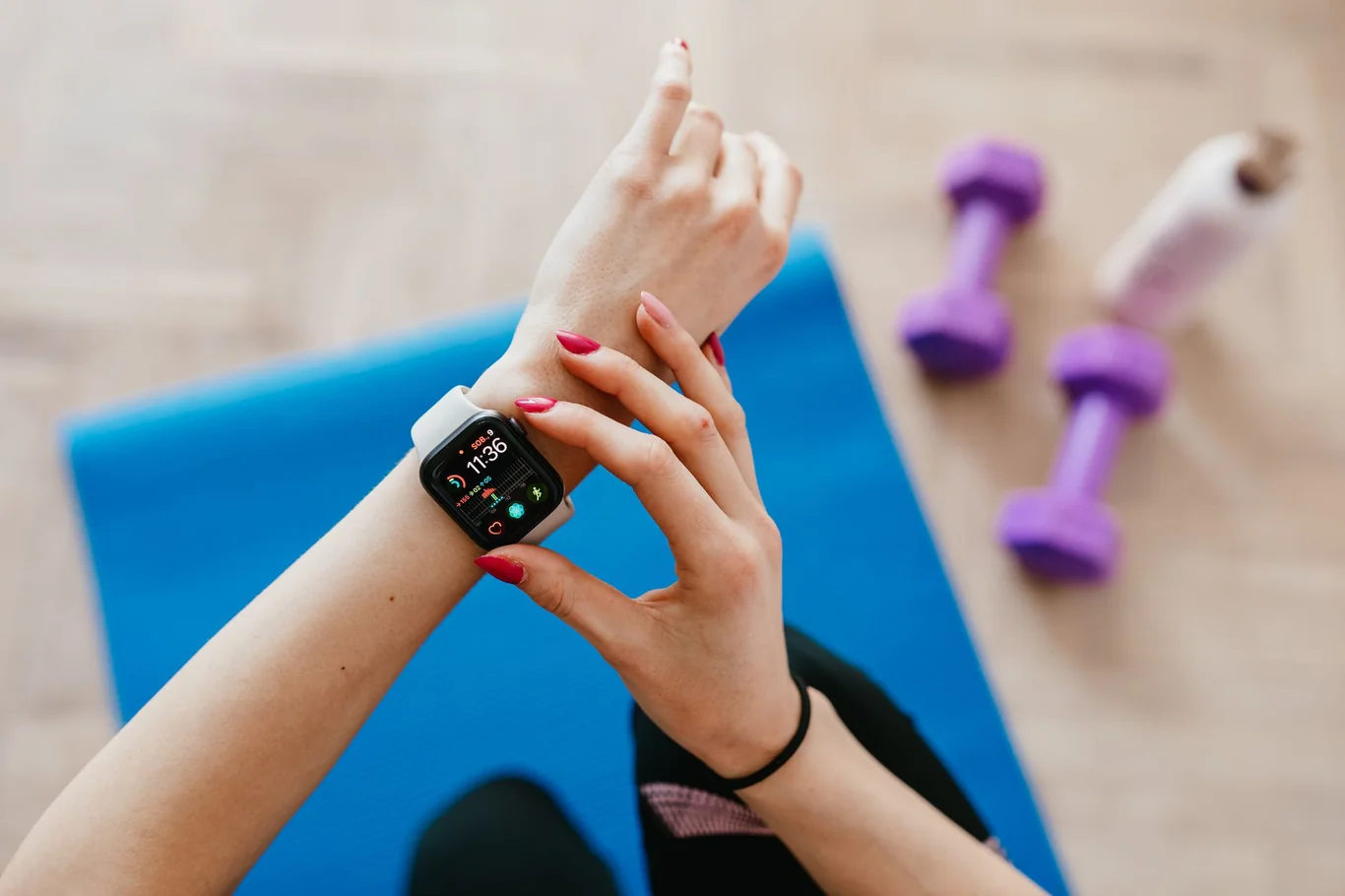
The smart watch with long battery life for women market has expanded significantly, with more choices now available in smaller case sizes without sacrificing endurance. Historically, long-battery watches were bulky GPS devices sized for outdoor athletes. That has changed across multiple brands.
Compact Smartwatches With Genuine Long Battery Life
Watch | Battery Life | Case Size |
Amazfit Active 2 | Approximately 10 days | 41mm |
Amazfit Bip 6 | 14 to 26 days | Slim, lightweight |
Garmin Venu 4 | 10 to 12 days | 41mm |
Garmin Lily 2 | Up to 5 days | Small form factor |
Withings ScanWatch 2 | 30+ days | Watch-style case |
The Amazfit Active 2 (41mm) and Amazfit Bip 6 both offer slim, lightweight designs that work well on smaller wrists without compromising battery performance. The Garmin Venu 4 is available in a 41mm configuration alongside the 44mm variant and delivers 10 to 12 days in the smaller format. Garmin's Lily 2 series is designed specifically for a smaller form factor and delivers up to 5 days, while the Withings ScanWatch 2 combines analog aesthetics with a claimed 30+ day battery in a watch-style case.
My best fitness tracker for women guide covers how these compact options compare on tracking accuracy and wrist comfort alongside their battery credentials.
How Compact Design Affects Long Battery Life
Compact case size generally means a smaller physical battery - longest lasting smart watches in smaller form factors typically fall in the 5 to 14 day range, not the 40+ days achievable with larger GPS expedition models. For buyers who want the best longest smartwatch battery life in a compact form, Amazfit's lineup currently offers the best size-to-battery ratio at value pricing. I'd note that the Withings ScanWatch 2 is worth considering for buyers who prioritize style alongside longevity - the analog-dial design disguises it as a traditional watch while delivering multi-week battery life. For buyers who also track strength training and rowing, accurate wrist-based sensor coverage is equally important - our breakdown of what muscles a rowing machine works covers how wearables track multi-joint movements.
How to Maximize Longest Smartwatch Battery Life Through Settings
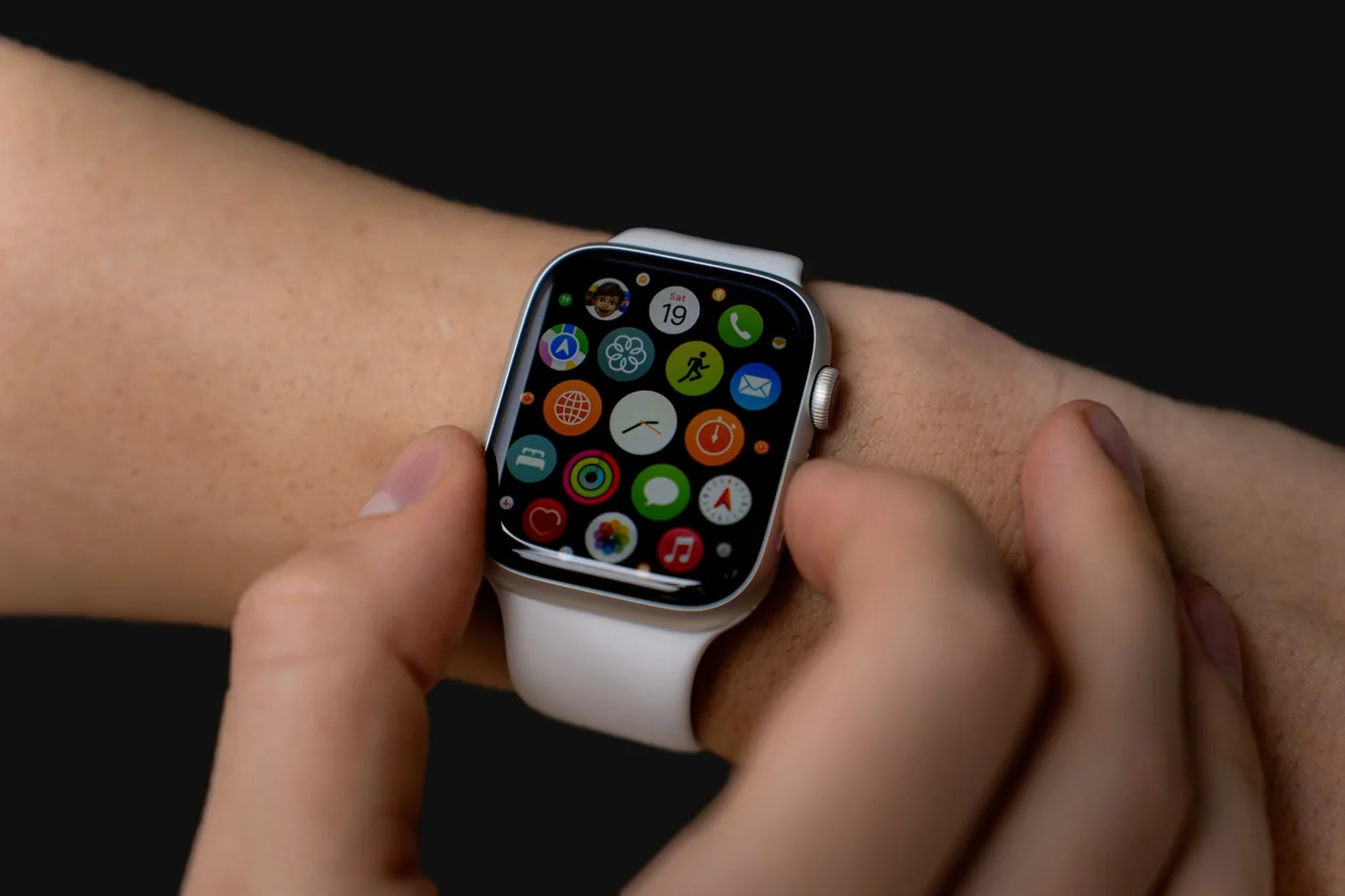
Regardless of which watch you own, these changes produce the most consistent real-world improvement. Research confirms that screen-related activity and background processing are the two largest controllable drains (3). The goal is minimizing power draw from components you are not actively using.
High Impact Settings for Maximum Battery Savings
High-impact changes (20 to 30 percent savings each):
- Disable Always-On Display - the single highest-impact setting on any AMOLED or LTPO OLED watch
- Turn off GPS except during active workouts - saves 25 to 30 percent per workout session
- Disable sleep tracking if you charge overnight - frees 15 to 20 percent nightly
- Limit notifications to essential apps only - background screen wake-ups compound over hundreds of daily alerts
- Reduce screen brightness - auto-brightness or a 30 to 50 percent manual reduction produces meaningful savings
Medium Impact Settings Worth Configuring
Medium-impact changes (5 to 15 percent savings each):
- Switch from Wi-Fi to Bluetooth only, since Bluetooth draws less idle power
- Disable voice assistant wake words ("Hey Siri," "Hey Google")
- Set screen timeout to 10 to 15 seconds
- Reduce heart rate monitoring frequency from continuous to every 10 minutes
In practice, disabling sleep tracking while keeping continuous heart rate active is the most useful trade-off for athletes who charge every other evening - you retain the 24/7 training data without the overnight drain penalty.
A validation study of the Fitbit Charge 4 noted that its 7-day battery life made it notably more practical for longitudinal health monitoring compared to shorter-battery alternatives - reinforcing that choosing a watch engineered for endurance beats optimizing settings on a watch built for features (6). Start with the right hardware before relying on configuration trade-offs.
My Fitbit models guide covers how Fitbit's current lineup compares on battery across its tiers, including which devices hold up for longitudinal tracking.
For swimmers specifically, hardware selection also means evaluating Fitbit water resistance, which varies by model and degrades over time with repeated exposure to pool and ocean water.
For buyers who track workouts consistently, the same sensors that drain battery fastest also power the most useful training data. Our guide on benefits of walking backwards on a treadmill shows how workout variety connects to wearable tracking quality - another reason longest smartwatch battery life matters for athletes who need the watch to last through a full training week.
Choosing the Right Watch - Is Maximum Battery Life Worth the Trade-Off
The right answer depends on what you need the watch to do. Apple ecosystem integration means accepting 1 to 2 day battery as the cost of admission. For running training with minimal charging, a Garmin or COROS GPS watch is the better fit. If you want smartwatch with longest battery life performance at the lowest cost, Amazfit delivers the best value ratio across budget, mid-range, and premium tiers.
For buyers comparing devices on both battery endurance and data reliability, my guide on fitness watch accuracy covers which brands lead on heart rate, step, and sleep tracking based on peer-reviewed clinical data.
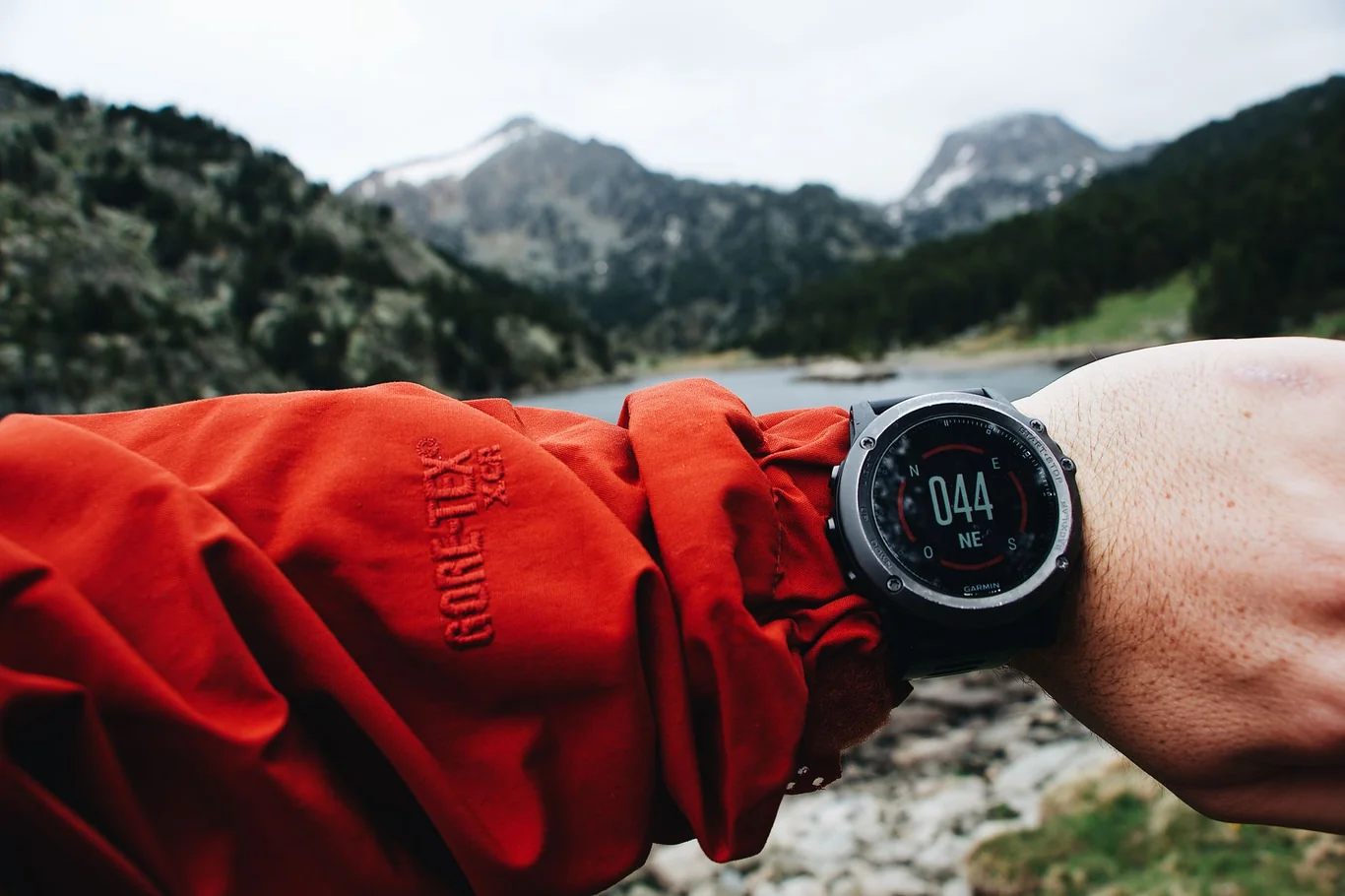
In my testing, the sharpest decision point is GPS use: daily runners who train 45 or more minutes consistently lose a week or more of battery per training cycle, and that trade-off is worth knowing before you commit.
Top Long Battery Watches for Each Use Case
Use Case | Best Watch | Battery Life |
Best overall with solar | Garmin Enduro 3 | Up to 90 days |
Best non-solar | Garmin Enduro 2 | Up to 46 days |
Best value | Amazfit lineup | 10 to 26 days |
Apple ecosystem | Apple Watch Ultra 2 | Up to 72 hours (Low Power Mode) |
The best 45 day battery life smartwatch in the non-solar category is the Garmin Enduro 2 at up to 46 days. The longest smartwatch battery life overall belongs to the Garmin Enduro 3 with solar at up to 90 days.
Identify non-negotiables first - whether that is Apple Health integration, a specific fitness platform, or a particular aesthetic - then find the longest smartwatch battery life option that still checks those boxes.
FAQs
Which smart watch has the longest battery life?
The smart watch with the longest battery life is the Garmin Enduro 3 with solar charging, which can reach up to 90 days in smartwatch mode with solar assist according to Garmin's specifications. Without solar, the COROS Vertix 2S consistently achieves up to 40 days in real-world smartwatch use, making it the top non-solar contender for longest battery endurance.
Which smartwatch has the longest battery life?
The smartwatch with the longest battery life in the non-solar category is the COROS Vertix 2S, with real-world endurance of up to 40 days per charge in standard smartwatch mode. For buyers open to solar options, Garmin's solar-powered lineup - particularly the Instinct 2X Solar and Enduro 3 - leads the entire category by a significant margin.
What brand of watch battery lasts the longest?
The brands with the longest-lasting smartwatch batteries are Garmin and COROS, both of which rely on MIP displays and lean operating systems that prioritize endurance over feature density. Amazfit leads among budget brands for battery duration, regularly delivering 10 to 26 days across its lineup at accessible price points.
Which digital watch has the longest battery life?
The digital watch with the longest battery life is the Garmin Enduro 3 in solar smartwatch mode, rated at up to 90 days under ideal sunlight conditions. Among non-solar digital watches, the COROS Vertix 2S (up to 40 days) and Amazfit T-Rex Ultra 2 (approximately 30 days) rank among the strongest performers in regular daily use.
This content is for informational and educational purposes only. It is not a substitute for professional medical advice, diagnosis, or treatment. Always consult with your healthcare provider before starting any new fitness program or relying on fitness technology for health monitoring.
References
- Liang J, Xian D, Liu X, et al. Usability study of mainstream wearable fitness devices: feature analysis and system usability scale evaluation. JMIR mHealth uHealth. 2018;6(3):e11066. doi:10.2196/11066.
- Connelly K, Molchan H, Bidanta R, et al. Evaluation framework for selecting wearable activity monitors for research. mHealth. 2021;7:28. doi:10.21037/mhealth-19-253.
- Homayounfar M, Malekijoo A, Visuri A, et al. Understanding smartwatch battery utilization in the wild. Sensors (Basel). 2020;20(13):3784. doi:10.3390/s20133784.
- Beauchamp M, Kirkwood R, Cooper C, et al. Monitoring mobility in older adults using a Global Positioning System (GPS) smartwatch and accelerometer: a validation study. PLoS One. 2023;18(12):e0296159. doi:10.1371/journal.pone.0296159.
- Djakou Nekui O, Wang W, Liu C, Wang Z, Ding B. IoT-based heartbeat rate-monitoring device powered by harvested kinetic energy. Sensors (Basel). 2024;24(13):4249. doi:10.3390/s24134249.
- Nissen M, Slim S, Jäger K, et al. Heart rate measurement accuracy of Fitbit Charge 4 and Samsung Galaxy Watch Active2: device evaluation study. JMIR Form Res. 2022;6(3):e33635. doi:10.2196/33635.