

Fasted cardio is one of those fitness approaches where the theory sounds convincing but the research tells a more complicated story. As an ISSA Elite Trainer and Certified Nutritionist Coach, I've designed fasted training protocols for athletes across different sports and fitness backgrounds, and I can tell you that the answer to "does it work?" depends heavily on what you mean by "work." This guide covers what fasted cardio actually does to your metabolism, what peer-reviewed research shows about fat loss outcomes, and who genuinely benefits from training before breakfast.

Fasted Cardio - What It Is and How Your Body Responds
Fasted cardio refers to aerobic exercise performed after an extended period without food, typically 8 to 12 hours. For most people, this means training first thing in the morning before eating. During this fasted window, blood glucose and insulin levels are at their lowest point of the day, which shifts how your body sources fuel for movement.

When glycogen stores are partially depleted overnight and insulin is suppressed, your body mobilizes free fatty acids from adipose tissue at a higher rate. A meta-analysis of 27 studies confirmed this pattern: fasted aerobic exercise significantly increases fat oxidation during the session compared to exercising after eating, by approximately 3 additional grams of fat per session (1). The critical nuance is that higher fat oxidation during a session does not automatically mean more fat lost over time. Two separate randomized controlled trials found no significant difference in total fat or body mass lost between groups doing fasted versus fed cardio, when calorie and protein intake were matched between conditions (2, 3). Your body compensates: if it burns more fat during exercise, it tends to oxidize less fat at rest throughout the remainder of the day.
What “Fasted” Actually Means
Not every gap between meals qualifies as a true fasted state for meaningful metabolic effect. For the physiological shifts described above to occur:
- Your last meal must have been at least 8 hours earlier, with overnight sleep satisfying this for morning sessions
- No caloric intake before the session, including milk in coffee, protein shakes, or juice - a small protein-only pre-workout option is one exception discussed in the women's section below
- Plain water and black coffee are acceptable and will not meaningfully alter the fasted state
If you follow intermittent fasting, your eating window's close typically sets the start of your fasted state. A common 16:8 setup - last meal at 8 p.m., morning training at 8 to 10 a.m. - satisfies the 8-hour threshold comfortably.
Fasted Cardio Benefits - What the Research Actually Shows
The conversation around these fasted cardio benefits often gets reduced to extremes. I've worked with clients who dismiss them entirely because the scale results match fed training, and others who treat fasted training as a fat-loss shortcut because the physiological mechanism sounds compelling. The actual evidence sits in more nuanced territory, and understanding it helps you make a smarter decision about whether it belongs in your routine.

Higher Fat Oxidation During Exercise
During low-intensity fasted exercise, free fatty acid concentrations in the blood increase substantially compared to exercising in a fed state, as your body draws more heavily on stored fat (4). For someone whose goal is building metabolic flexibility - the trained ability to shift efficiently between fat and carbohydrate as fuel - this repeated stimulus has value that does not always show up on the scale.
Improved Insulin Sensitivity
One fasted exercise benefit that gets less attention than fat oxidation is the effect on insulin regulation. A 6-week randomized trial found that fasted aerobic exercise significantly reduced fasting insulin levels compared to non-fasted exercise, even though both groups produced equivalent reductions in body weight and body fat percentage, according to Liu et al. (2023). Better insulin sensitivity matters beyond aesthetics: it reduces long-term risk of metabolic disease and improves how efficiently your body partitions nutrients after meals.
Convenience as a Real Benefit
I'm careful not to dismiss convenience as a secondary consideration. Adherence is the single most predictive variable in any training program, and if fasted morning sessions remove digestive discomfort and meal-prep friction for someone, that is a genuine advantage. Many people find that training on a full stomach causes GI distress - nausea, cramping, or a heavy feeling mid-effort - and eliminating that friction makes sessions more consistent and more enjoyable. Training before eating is one less decision in a morning routine, and that simplicity keeps people consistent in ways that metabolic optimization strategies rarely do on their own.
Fasted vs. Fed Cardio - Evidence Summary
Outcome | Fasted Cardio | Fed Cardio |
Fat oxidation during session | Higher (meta-analysis, 27 studies) | Lower |
Long-term fat loss | Equivalent when calories matched | Equivalent when calories matched |
Insulin sensitivity | Improved (6-week RCT) | No change vs. baseline |
Exercise performance | Slightly reduced at higher intensities | Maintained |
Digestive comfort | High | Variable |
Muscle catabolism risk | Slightly elevated | Lower |
Fasted Cardio Exercises - Best Options for Training Without Food
Not all exercise styles respond equally well to a fasted state. High-intensity efforts depend heavily on glycogen for rapid energy, and without readily available carbohydrate, both performance and safety suffer. The best fasted cardio exercises for morning training are those you can sustain at low to moderate intensity without needing a mid-session fuel top-up. I recommend choosing the right cardio machine for your morning setup because easily adjustable effort helps you stay in the intended training zone when you feel fatigued.

Low-to-Moderate Intensity Options
These exercises keep your heart rate in a fat-burning range, typically 55 to 70 percent of your maximum. Working at the right target heart rate for fat burning is particularly important during fasted sessions, because exceeding that threshold shifts your fuel source back toward carbohydrate and reduces the fasted advantage. Low impact cardio exercises like walking, cycling, and the elliptical are especially well-suited here, since they allow longer sessions without the joint stress or glycogen demand that come with higher-impact modalities.
- Brisk walking: the most accessible and lowest-risk exercise for fasted sessions, easy to sustain at a conversational pace
- Stationary or outdoor cycling at 60 to 65 percent effort: minimal glycogen depletion, consistent fat oxidation throughout
- Elliptical at moderate pace: joint-friendly and easy to maintain in the right heart rate zone
- Rowing at aerobic pace: engages the full body without demanding rapid glycogen use
- Swimming at easy effort: a good option for heat or joint-sensitive individuals
When Higher Intensity Is Acceptable
Conditioned athletes can incorporate short higher-intensity efforts into fasted sessions, but fasted cardio is better suited to low or moderate intensities, and I explain how to mix HIIT and steady state cardio in a separate guide. The evidence strongly supports this. The distinction between HIIT vs steady state cardio becomes more consequential when you have not eaten, and research recommends avoiding prolonged high-intensity fasted training because of hypoglycemia risk and inconsistent performance outcomes, as Zouhal et al. (2020) noted in their comprehensive exercise-and-fasting review. A practical benchmark I use with my athletes: if you can speak in short sentences while moving, the intensity is appropriate for a fasted session.
Fasted Cardio Exercise Guide by Fitness Level
Level | Recommended Exercise | Duration | Target Intensity |
Beginner | Walking, light cycling | 20 to 30 min | 55 to 60% max HR |
Intermediate | Jogging, elliptical, rowing | 30 to 45 min | 60 to 70% max HR |
Advanced | Steady cycling, rowing circuits | 45 to 60 min | Up to 75% max HR |
How to Build a Fasted Cardio Workout
A well-structured fasted cardio workout limits the risk of dizziness, performance drops, and muscle breakdown while preserving the metabolic benefits of exercising without food. For anyone asking how often should you do cardio in a fasted state, my standard starting point is two moderate sessions per week, expanding only after recovery remains stable. I recommend these sessions as a reliable foundation for low-intensity aerobic development for anyone exploring ways to improve cardio.

Follow this sequence for effective fasted sessions:
- Fast for at least 8 hours before starting. Overnight sleep satisfies this for morning training under normal circumstances.
- Hydrate immediately on waking. Drink 400 to 500 ml of water before beginning. Mild dehydration amplifies perceived effort and lightheadedness in a fasted state. Adding a pinch of sodium or a low-calorie electrolyte supplement helps maintain fluid balance during sessions over 30 minutes.
- Warm up for 5 to 8 minutes at very easy pace before reaching your target heart rate zone. Cold muscles and lower glycogen availability benefit from gradual activation.
- Keep duration under 60 minutes. The 30 to 45 minute window produces most of the metabolic benefit. Sessions beyond 60 minutes elevate cortisol - the stress hormone that accelerates muscle protein breakdown - and raise the risk of catabolism.
- Monitor your energy and perceived exertion continuously. Lightheadedness, a sudden spike in effort perception, or heavy legs are signals to reduce intensity immediately, not push through.
- Eat within 30 to 45 minutes of finishing. A meal with 25 to 35 g of protein and a moderate carbohydrate portion restores glycogen and shifts the muscle protein balance from breakdown back toward repair.
If you are using fasted exercise for weight loss as part of a broader plan, total daily calorie intake remains the dominant variable. Fasted timing does not offset a calorie surplus, and I consistently remind my clients of this when they expect fasted sessions alone to move the scale. I compare cardio and weights for weight loss in a separate breakdown.
Fasted Weight Training - How It Differs from Cardio
Fasted weight training shares the same hormonal starting point as fasted aerobic training, but the demands on your fuel system are different in ways that matter for outcomes. Strength training relies primarily on glycogen for high-intensity muscular contractions. Without dietary carbohydrate available before training, force output, rep capacity, and recovery between sets all suffer.

Research indicates strength performance can decline modestly in a fasted state, with reported reductions of roughly 6 percent on bench press and up to 15 percent on squat in some trials, according to Zouhal et al. (2020). I flag this when programming for strength or hypertrophy goals: the acute fat-oxidation benefit does not justify a meaningful reduction in squat output for someone whose primary target is building or maintaining muscle.
Muscle Catabolism and Protein Synthesis Concerns
The muscle loss concern associated with fasted training is real but frequently exaggerated in casual fitness circles. My experience aligns with what the evidence shows:
- Fasted aerobic exercise creates a temporarily negative muscle protein balance, where breakdown exceeds synthesis during the session (5).
- Post-exercise feeding with essential amino acids is necessary to reverse this balance and support ongoing muscle maintenance
- For moderate-intensity fasted cardio under 60 minutes, catabolism risk is low when daily protein intake reaches 1.6 to 2.2 g per kg of bodyweight
- For fasted weight training at higher volumes, the catabolism risk is more meaningful, and both pre- and post-training nutrition strategy become more important
Clients who keep fasted sessions to moderate-intensity cardio and consistently hit their protein targets generally experience no meaningful lean mass loss. Clients who combine fasted heavy resistance sessions with a calorie deficit tend to see more lean tissue erosion over time, and that combination is one I advise against.
Is Fasted Cardio Good for Women?
How fasted cardio affects women is a question I encounter regularly, and the honest answer is that women's hormonal physiology introduces considerations that mixed-sex research does not always capture. I've seen women thrive on fasted morning sessions and others respond poorly to the same protocol, often based on hormonal status, stress load, and current training volume.

Fat Oxidation and Pre-Exercise Nutrition
Peak fat oxidation rates in trained women and men are comparable. Women show similar reliance on plasma free fatty acids as a fuel source during exercise compared to men, with peak FFA-fat oxidation rates confirmed as equivalent across sexes (6). Women can benefit from the acute fat-burning effect of fasted exercise just as men do.
What differs is how sensitive that fat-oxidation advantage is to pre-exercise nutrition choices. A women-specific controlled trial found that consuming carbohydrates before a 60-minute moderate-intensity session significantly reduced fat oxidation compared to exercising fully fasted (7). Note this finding comes from a women-only trial and is not directly comparable to the ~3 g per session figure from mixed-sex meta-analyses. Interestingly, adding a fasted cardio pre workout protein source - such as 10 to 15 g of whey in water - maintained fat oxidation at near-fasted levels while also increasing post-exercise energy expenditure. Whey protein has a minimal effect on insulin compared to carbohydrates, so this approach preserves most of the fasted cardio benefit for women who find complete fasting uncomfortable.
When Women Should Approach Fasted Cardio Carefully
The following situations warrant a conversation with a clinician before starting fasted training:
- Irregular or absent menstrual cycles, or any suspected hormonal imbalance
- History of disordered eating or a pattern of restrictive dietary behavior
- Pregnancy or breastfeeding, where caloric and nutrient demands are elevated above baseline
- Known hypoglycemia, reactive blood sugar issues, or insulin-dependent diabetes management
- Currently underweight or maintaining a body fat percentage at or near health minimums
If you notice declining performance, persistent fatigue, disrupted sleep, or mood changes within the first two weeks of fasted sessions, treat those as meaningful signals rather than a temporary adaptation period.
Who Should Approach Fasted Cardio Carefully
Beyond the considerations above, certain populations carry elevated risk in specific ways. Fasted exercise carries no inherent danger for most healthy adults. Individual health history can, however, shift the risk calculation significantly.
Population | Key Concern | Recommended Approach |
Type 1 or type 2 diabetes | Hypoglycemia risk during exercise | Consult clinician; monitor blood glucose before, during, and after |
Insulin or blood sugar medication users | Drug-fasting interactions | Medical clearance required |
History of disordered eating | Restrictive framing can be triggering | Work with a registered dietitian before adding fasted training |
Pregnant or breastfeeding individuals | Elevated caloric and nutrient needs | Avoid fasted training; eat before all exercise |
Beginners with low baseline fitness | Greater risk of dizziness, form breakdown, injury | Start with 15 to 20-minute easy sessions after a small snack |
Athletes in high-performance training blocks | Performance reductions impair adaptation | Reserve fasted sessions for easy active recovery days only |
What Fasted Cardio Is Actually Good For
Fasted training performs best as a lifestyle-compatible tool rather than a fat-loss shortcut. After reviewing the evidence and applying it with clients across fitness levels, I find it most genuinely useful for three things: increasing fat oxidation during low-intensity sessions, improving insulin sensitivity across weeks of consistent training, and creating a frictionless morning routine that supports long-term exercise adherence.
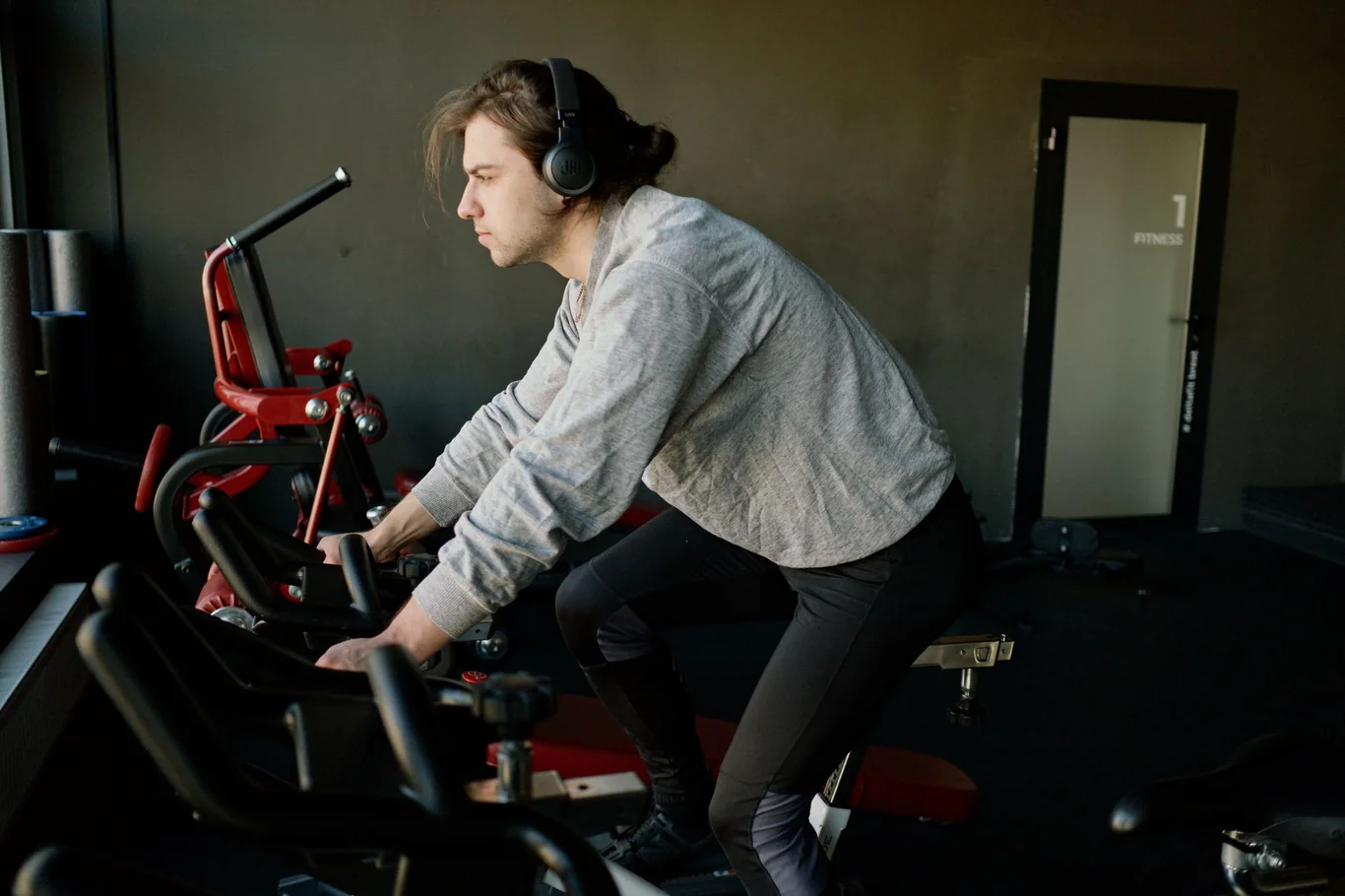
The research is consistent on what it does not do: produce more total fat loss than fed training when calories are controlled - a finding confirmed by both Schoenfeld et al. (2014) and Liu et al. (2023). If you enjoy morning training before eating and can sustain quality at moderate intensity, fasted exercise is a sound approach worth trying. If you need food to perform adequately, sleep poorly on restricted morning calories, or find yourself dreading sessions because of energy problems, forced fasted training will hurt your results more than help them.
For anyone just starting out, building a foundation with cardio for beginners principles first, before introducing fasted timing, produces better outcomes than jumping straight into training on an empty stomach before your aerobic base is established. If your main question is cardio or weights for weight loss, fasted sessions fit best alongside a mixed program where strength sessions have pre-workout nutrition and only the lower-intensity days run fasted. My 8-week guide to cardio for complete beginners shows how to get started.
My practical starting recommendation: two 30-minute fasted walks or easy bike rides per week for two to four weeks. If your energy, sleep quality, and strength training performance all remain stable, you can extend the duration or introduce light jogging. If any of those markers decline, add a small pre-workout meal and assess whether fasted timing is genuinely worth the trade-off for you. My guide to how often to do cardio covers weekly frequency and session length.
FAQs
Is 30 minutes of fasted cardio enough?
Thirty minutes is enough to produce the acute fat-oxidation benefit and support cardiovascular fitness for most people. The most important variable is consistency across weeks rather than session duration, so regular 30-minute sessions will deliver better outcomes than occasional longer ones.
What is the 3-3-3 rule in cardio?
The 3-3-3 rule in cardio refers to performing three types of cardio, three times per week, for at least 30 minutes per session, serving as a straightforward structure for building fitness without overtraining. It can be applied to fasted or fed training depending on your schedule, with fasted sessions best reserved for the lower-intensity days within that weekly structure.
Is it okay to run 10k fasted?
Running 10 kilometers in a fasted state is possible for well-conditioned runners at a comfortable, conversational pace, but it carries real risk of glycogen depletion and elevated muscle protein breakdown, particularly for those not yet adapted to longer fasted runs. Anyone attempting that distance without food should have a solid hydration plan and eat a mixed protein-and-carbohydrate meal within 30 to 45 minutes of finishing.
Has fasted cardio been debunked?
The original claim that fasted cardio produces significantly more total fat loss than fed cardio has not held up in controlled trials, though the practice has not been fully debunked. The fasted state does genuinely increase fat oxidation during exercise, but when calorie and protein intake are matched between groups, long-term fat loss outcomes are equivalent, making it a preference-based tool rather than a metabolically superior strategy.
Does fasted cardio burn more fat?
It does burn more fat during the workout itself, with meta-analysis data showing roughly 3 additional grams of fat oxidized per session compared to exercising after eating, according to Vieira et al. (2016). Over time, however, total fat loss is not significantly greater than fed cardio when overall nutrition is controlled, because the body compensates by reducing fat oxidation during rest throughout the rest of the day.
This content is for informational and educational purposes only. It is not a substitute for professional medical advice, diagnosis, or treatment. Always consult with your healthcare provider before starting any new fitness program.
References:
- Vieira AF, Costa RR, Macedo RC, et al. Effects of aerobic exercise performed in fasted v. fed state on fat and carbohydrate metabolism in adults: a systematic review and meta-analysis. Br J Nutr. 2016;116(7):1153-1164. doi:10.1017/S0007114516003160.
- Schoenfeld BJ, Aragon AA, Wilborn CD, Krieger JW, Sonmez GT. Body composition changes associated with fasted versus non-fasted aerobic exercise. J Int Soc Sports Nutr. 2014;11:54. doi:10.1186/s12970-014-0054-7.
- Liu X, He M, Gan X, et al. The effects of six weeks of fasted aerobic exercise on body shape and blood biochemical index in overweight and obese young adult males. J Exerc Sci Fitness. 2023;21(1):95-103. doi:10.1016/j.jesf.2022.11.003.
- Zouhal H, Saeidi A, Salhi A, et al. Exercise training and fasting: Current insights. Open Access J Sports Med. 2020;11:1-28. doi:10.2147/OAJSM.S224919.
- Serrano N, Tran L, Hoffman N, et al. Lack of increase in muscle mitochondrial protein synthesis during the course of aerobic exercise and its recovery in the fasting state irrespective of obesity. Front Physiol. 2021;12:702742. doi:10.3389/fphys.2021.702742.
- Frandsen J, Poggi AI, Ritz C, et al. Peak fat oxidation rate is closely associated with plasma free fatty acid concentrations in women; similar to men. Front Physiol. 2021;12:696261. doi:10.3389/fphys.2021.696261.
- Ratliff KM, Kerksick CM, Moon JM, et al. Metabolic impact of feeding prior to a 60-min bout of moderate-intensity exercise in females in a fasted state. Front Sports Act Living. 2023;4:1070477. doi:10.3389/fspor.2022.1070477.