
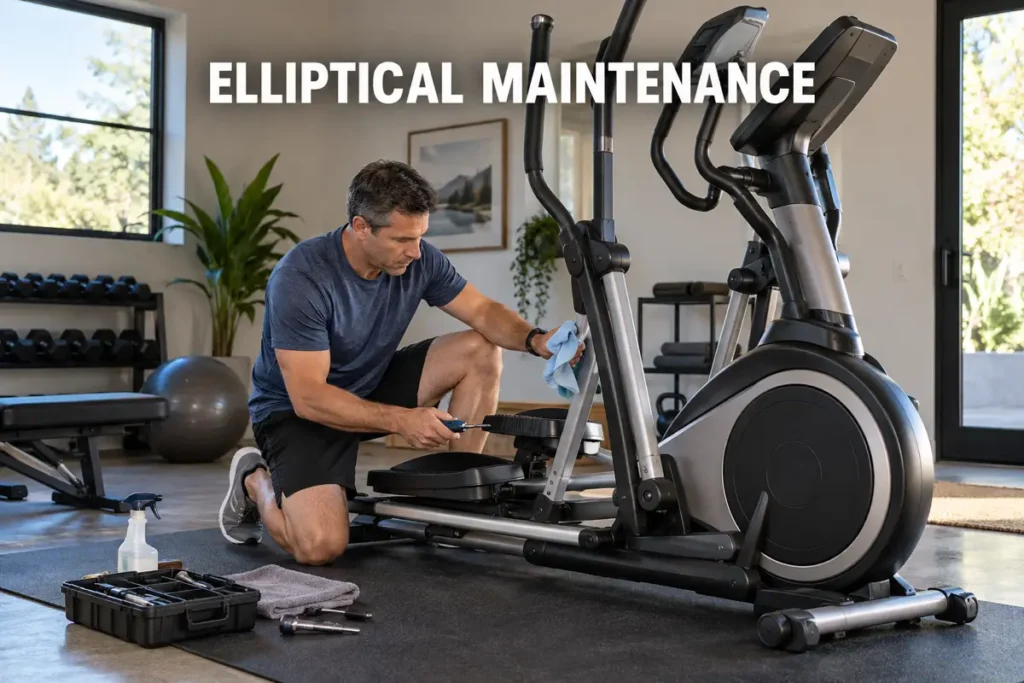
Most elliptical owners think about elliptical maintenance only after something goes wrong. I have seen this pattern too many times working with fitness clients and athletes - one missed lubrication cycle turns into grinding, then noise, then worn parts, and eventually a repair bill that dwarfs the cost of 15 minutes of upkeep. The good news is that keeping your elliptical in peak condition does not require specialized tools or professional experience. This elliptical maintenance guide walks through everything: daily and weekly habits, how to lubricate an elliptical step by step, diagnosing and fixing the most common noises, and how to know when a technician is genuinely needed.

Elliptical Maintenance - What Every Owner Needs to Know
Consistent elliptical maintenance comes down to a schedule, not expertise. Consistency matters more than thoroughness on any single occasion. The machines I have seen deteriorate fastest in home gym settings are almost never the ones that skipped one deep-cleaning session - they are the ones that went months without any attention at all.
A structured schedule built around five time intervals covers all the important tasks.
Interval | Task |
After every session | Wipe down all contact surfaces with a damp microfiber cloth |
Weekly | Inspect and tighten all accessible bolts; check pedal and handlebar connections |
Monthly | Deep-clean flywheel housing and drive cover area; vacuum dust from underside |
Every 3 to 6 months | Lubricate all designated points per manufacturer's manual |
Annually | Full inspection of belt, bearings, and resistance system; professional service recommended for machines over 5 years |
The timing above applies to moderate use at three to four sessions per week. High-frequency users training daily should shorten every interval by roughly half. Always check your machine's owner manual first - it has model-specific lubrication schedules and component guidance that takes priority over any general recommendation. If you are still evaluating durability and long-term maintenance requirements before purchasing, I recommend comparing build quality and parts availability across brands alongside my guide to how to choose an elliptical.
Tools and Supplies You Need Before You Start
Having the right supplies on hand before starting prevents the most common mistake in elliptical maintenance: reaching for the wrong cleaner or lubricant. My recommendation is to keep a small maintenance kit stored right next to the machine so there is no barrier to doing the quick tasks consistently.
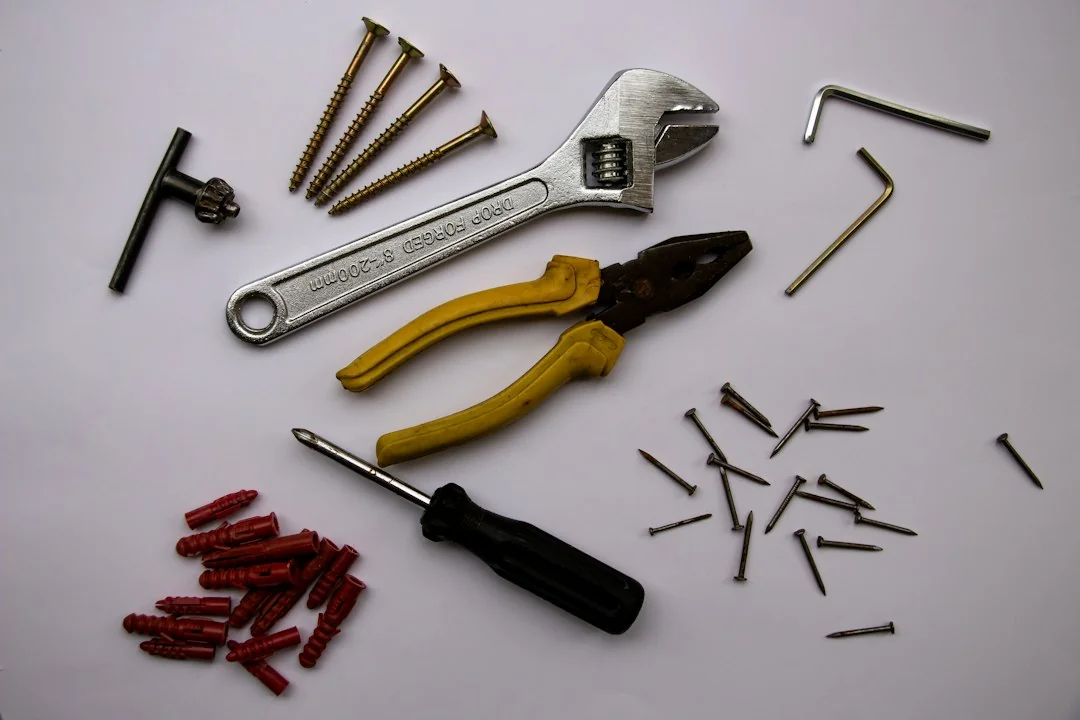
Here is what to gather:
- Two to three microfiber cloths (one for cleaning, one for applying lubricant, one dry for wiping excess)
- Mild dish soap or diluted multi-surface cleaner (no alcohol, no solvents, no bleach)
- Allen key set - 4mm and 6mm cover most brands; check your manual for the specific sizes
- Adjustable wrench or socket set for larger structural bolts
- Silicone-based lubricant spray or liquid, type specified in your manufacturer's manual
- Soft brush or vacuum with a narrow attachment for dust removal from drive areas
- A flashlight to inspect tight areas behind the flywheel housing and under the stride rails
If you do not already have one, place a rubber equipment mat under the machine. It absorbs vibration, reduces frame wear on hard flooring, and blocks dust ingestion through the base vents - a meaningful benefit in garages and basement gyms where particulate levels are higher. A dust cover during extended non-use periods adds another layer of protection against particulate buildup inside the drive housing.
One critical note on lubricants: Do not use WD-40 classic formula on any part of your elliptical. It is a penetrant and moisture displacer, not a long-term lubricant. Applied to rails or pivot points, it strips existing grease, attracts dust and debris, and accelerates wear. WD-40 Specialist Silicone is a different product and may be acceptable for some machines, but always verify against the manufacturer's recommendation before applying anything.
How Often Should You Perform Elliptical Maintenance
Usage intensity, environment, and machine age all affect how often to perform elliptical maintenance. A machine in a dry, temperature-stable room used twice a week needs less attention than the same model running daily in a humid garage. In my experience, the best approach is to start with the manufacturer's recommended intervals and adjust based on how the machine sounds and feels over the first few months. Older ProForm elliptical models and similar legacy machines deserve more frequent inspection because aging seals, bushings, and bearings are more susceptible to moisture damage and may be harder to source as replacement parts if they fail.
How to Clean Your Elliptical Properly
Sweat is the primary corrosive threat to any cardio machine. It carries sodium chloride - salt - which degrades metal hardware and plastic components when it dries and crystallizes on the surface. A two-minute post-workout wipe-down is the single highest-return maintenance habit you can develop, and the cleaning approach I use with my clients is deliberately simple: no special products, no extra time, no reason to skip it.
After-Workout Cleaning - The Daily Habit That Prevents Buildup
After every session, take a damp microfiber cloth and wipe down these five contact zones in order:
- Both handlebar sets - moving and stationary
- The console face, button edges, and display screen
- The frame crossbars and any upright support surfaces
- The pedal surfaces and visible pedal edges
- Any part of the frame that had direct sweat contact during your session
Use a cloth that is damp but not wet. Excess moisture near the console or motor housing can damage electronics over time. Keep the cloth well away from any visible ventilation grilles or fan ports. Diluted dish soap in water removes sweat film effectively without damaging plastic or painted surfaces.
Weekly and Monthly Deep-Cleaning Steps
Once a week, I always include a bolt inspection alongside the cleaning pass because vibration from normal use loosens fasteners gradually and silently.
Weekly checklist:
- Check all accessible bolts and screws with an Allen key or wrench - a loose pedal crank or handlebar connection is a safety concern, not just a noise issue
- Inspect the pedal links and stride arm connections for any wobble or play under manual pressure
- Check the floor under the machine for fine black or gray dust - that is material wear from the belt or rollers and means lubrication is overdue
Monthly, move the machine away from the wall and vacuum the underside and drive cover area. Dust buildup inside the flywheel housing is one of the most frequently missed maintenance tasks and a common hidden cause of overheating and noise in machines that otherwise appear well-maintained. Some models from NordicTrack and Schwinn have removable side panels for better access to internal drive components - consult your manual before removing any covers.
How to Lubricate an Elliptical
Lubrication is the most important element of any elliptical maintenance routine. Friction is the primary driver of mechanical wear, and even modest friction reduction substantially extends component lifespan (1). The moving parts of an elliptical - rails, ramps, pedal pivot points, flywheel axle, and stride arm connections - accumulate cyclical contact stress on every rep of every session.\n In my work applying biomechanics and sports science to the equipment my clients train on, I treat lubrication the same way I treat warm-up: non-negotiable and scheduled, not reactive. Tribology research consistently documents that maintaining appropriate lubrication significantly reduces mechanical wear compared to dry contact conditions (2). That principle translates directly to machine lifespan.
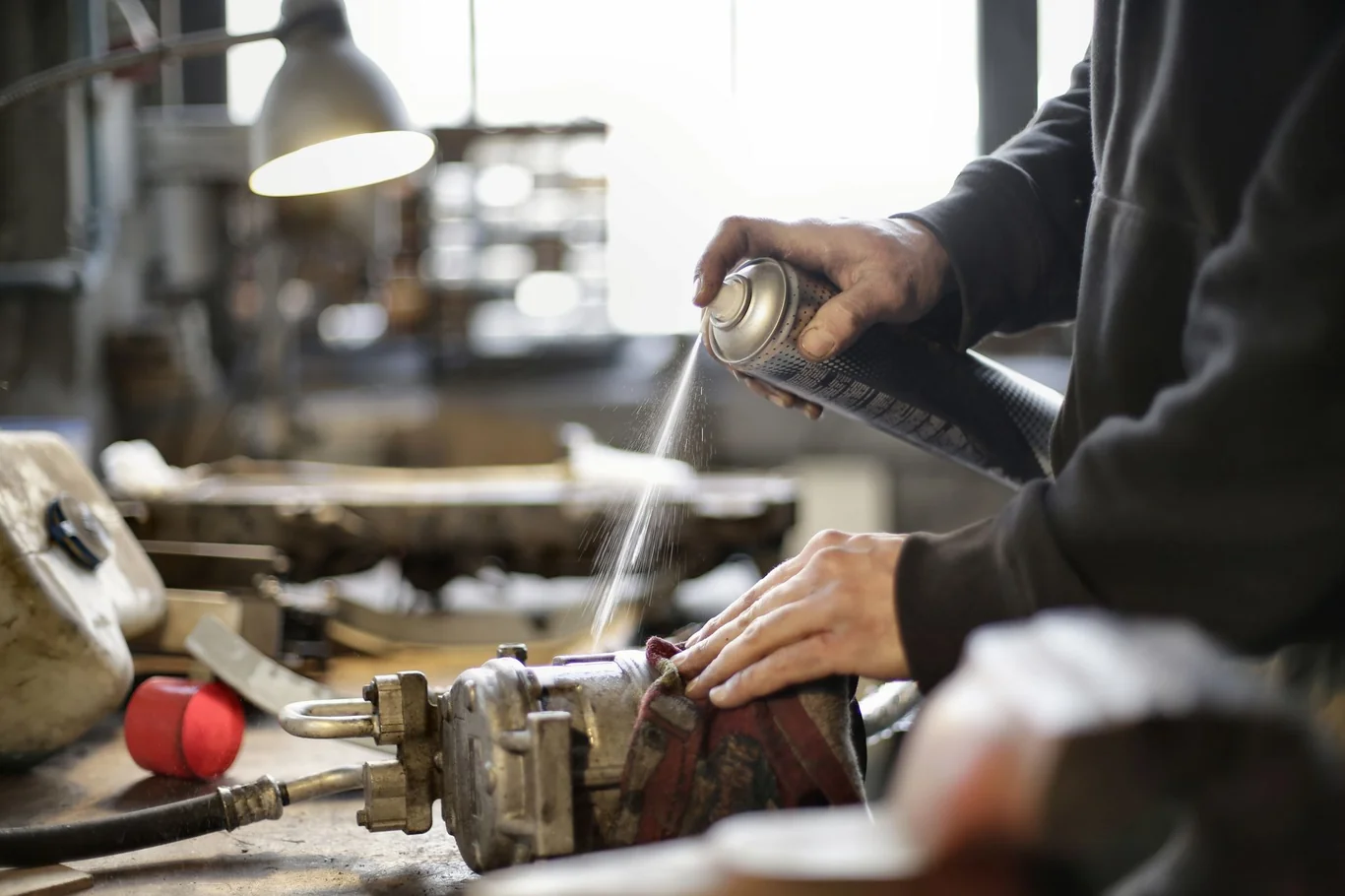
In my experience, missed lubrication cycles are the most common reason home ellipticals develop noise and resistance problems. Most manufacturers recommend a 3 to 6 month interval, but that guidance assumes average use. If you train daily or share the machine with multiple users, cut that interval in half.
The cost to replace a worn bearing or drive rail far exceeds the price of a bottle of silicone lubricant for elliptical parts. Understanding what an elliptical costs to replace puts that comparison in clear perspective.
Which Lubricant to Use for an Elliptical
The correct lubricant for elliptical machines is almost always silicone-based, but the specific product for drive components varies by model. The ProForm elliptical manual, NordicTrack owner documentation, or equivalent guide for your machine specifies the correct product and application points - do not substitute based on availability alone. Using the wrong product can void warranty coverage or damage seals, which are expensive to replace.
Lubricant Type | Suitable? | Notes |
Silicone-based spray or liquid | Yes | Primary recommendation; manufacturer-specified type |
PTFE (Teflon-based) | Check manual | Used in some commercial models; verify compatibility |
White lithium grease | Check manual | Used for specific pivot points on some machines |
WD-40 classic formula | No | Penetrant, not lubricant; accelerates wear |
3-in-1 Oil | No | Gums under heat; attracts debris |
Cooking oils | No | Gums under heat; attracts debris |
A quality elliptical lubricant is available at most hardware stores and online at modest cost per bottle, and one purchase typically lasts multiple applications. Avoid household oils - both gum up under the heat of a running machine and pull dust and debris into the contact zones.
Step-by-Step Lubrication Guide
Before starting, confirm that self-service lubrication is permitted under your warranty terms, then consult your manufacturer's manual to identify the specific lubrication points for your model - do not assume they are the same across brands or models. Then follow these steps:
- Unplug the elliptical completely. Never lubricate a powered machine.
- Apply a small amount of the recommended lubricant to each designated point. Over-lubrication collects dust and can drip onto flooring or plastic components.
- Manually move the pedals through 8 to 10 full cycles to distribute the lubricant evenly across all contact surfaces.
- Wipe away any visible excess with a dry cloth.
- Plug the machine back in and test at low resistance for 2 to 3 minutes before resuming your workout.
Reapply every 3 to 6 months under normal use, or every 6 to 8 weeks for machines seeing daily use from multiple people. I recommend marking the date of each lubrication session on a sticky note inside the machine's cover panel - it takes five seconds and eliminates the guesswork about when the last session was.
Fixing Common Elliptical Problems
Noise is the symptom that most often prompts owners to think seriously about elliptical maintenance. Most noises have simple, low-cost solutions - but the right fix depends entirely on correctly identifying the sound. Attempting to fix a structural problem with lubrication, or a lubrication problem with bolt tightening, wastes time and leaves the root cause unaddressed.
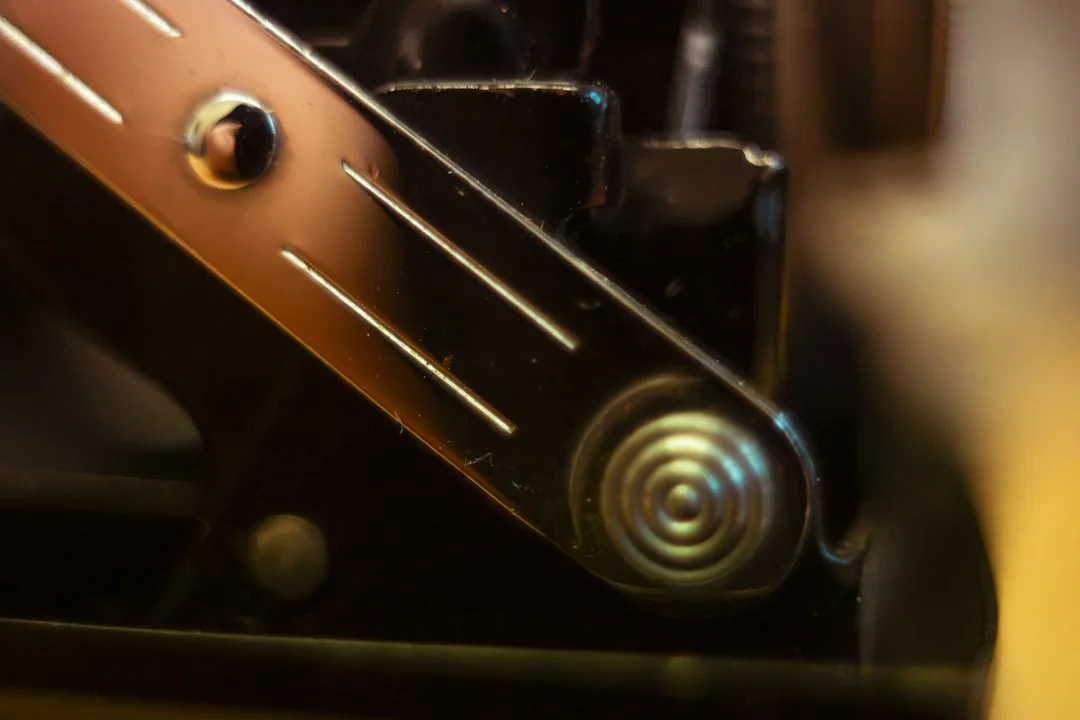
From a safety standpoint, responding to new sounds and resistance changes promptly matters. Research on sports facility equipment management finds that regular inspections and timely attention to mechanical integrity issues are among the most effective measures for preventing equipment-related user injuries (3). The same principle applies in a home gym.
Understanding proper elliptical technique also affects how quickly problems develop - users who lean heavily on the handlebars or apply side-to-side force put asymmetrical load on the stride rails, accelerating wear on one side before the other.
Squeaking and Grinding - Identifying the Source
Squeaking during pedaling almost always points to one of two root causes: insufficient lubrication or a loose mechanical connection. I have diagnosed dozens of squeaking ellipticals for clients over the years, and the fix is almost always one or the other.
Here is how to tell them apart:
- Lubrication-related squeaking is continuous and rhythmic, tied to the pedal cycle and typically worsening as the machine warms up
- Structural squeaking from a loose bolt or worn bushing is sharper and tied to a specific point in the stride arc - for example, only at the lowest pedal position or only during direction reversal
Grinding indicates metal-on-metal contact, often from a dry bearing or foreign debris caught in the drive mechanism. Stop the machine immediately if you hear grinding - continuing use accelerates internal damage rapidly.
Diagnosis steps:
- Step off the machine and manually cycle the pedals through one full rotation while listening closely.
- Note whether the sound originates from the front flywheel area, the pedal arm connections, or along the stride rails.
- Apply a small amount of lubricant to the suspected zone and test again.
- If lubrication does not resolve it within one session, check all bolts in that zone for tightness.
Clicking or Popping Noises During Pedaling
Clicking sounds that occur at a consistent point in the stride - particularly at the top or bottom of the pedal arc - typically indicate a loose pedal, a worn stride arm bushing, or a loose pedal link bolt. In my experience with clients who describe clicking noises, the problem is almost always structural rather than lubrication-related, and it usually resolves quickly once the right bolt is located.
The steps to work through:
- Remove the pedal (typically one bolt or pin) and reseat it firmly before reassembling
- Check the stride arm mounting bolts where the arm connects to the flywheel housing
- Inspect any visible bushings for cracking or play - worn bushings are a common failure point in machines between three and six years old
When Tightening Bolts Solves the Problem
A significant portion of elliptical noises - especially in the first year of ownership - come from bolts that have simply loosened under the vibration of regular use. Bolt checks should be your first diagnostic step before reaching for lubricant or calling a repair service.
Work through the machine from bottom to top:
- Pedal bolts and crank arm connections
- Stride arm connection points at the flywheel housing
- Handlebar connection points, both fixed and moving
- Leveling feet and floor contact points
For machines that see regular heavy use, I recommend a bolt inspection every 4 to 6 weeks rather than waiting for the monthly cycle.
Resistance Issues You Can Fix Yourself
Not all resistance problems require a technician. If the machine responds sluggishly to level changes, perform a full power cycle first: unplug for 30 seconds, then reconnect. Most consoles reset their resistance calibration on startup, and this alone resolves many complaints. If the elliptical resistance level for weight loss training feels too easy across all settings, check lubrication - a dried resistance magnet rail affects both resistance feel and noise and responds quickly after a lubrication pass.
For machines where the console shows elliptical resistance levels changing but physical resistance does not follow, check the cable connection between the console and resistance motor. A loose connector is a quick fix. Persistent non-response after these checks warrants a professional elliptical machine repair service call.
When to Call an Elliptical Machine Repair Service
Not every problem belongs in the DIY category. A professional elliptical machine repair service is the right call for certain failure types, and attempting these repairs without appropriate tools risks voiding the warranty or turning a simple problem into a complex one.

My recommendations for when to stop DIY and call a technician:
- Console error codes that persist after a full power cycle and manual reset
- Motor failure where the machine does not start despite confirmed power at the outlet and no audible motor response
- Drive belt replacement - requires housing disassembly and precise re-tensioning; improper tension causes immediate belt re-failure
- Bearing replacement in the flywheel or stride arm connections
- Resistance motor malfunction where levels stop responding after the basic checks above
- Persistent grinding after lubrication - internal metal-on-metal wear that lubrication cannot reverse
For machines still under warranty, contact the manufacturer's authorized service network first. Sole, NordicTrack, ProForm, and Horizon each maintain authorized service networks in most major regions - using an unauthorized technician during the warranty period can void remaining coverage. ProForm Carbon EL elliptical owners and other ProForm users can access both warranty and out-of-warranty service through ProForm's authorized network.
For anyone weighing the elliptical against other cardio options from a total-cost-of-ownership perspective, the elliptical vs. rowing machine comparison covers how maintenance demands and long-term reliability differ between the two.
How to Inspect Your Elliptical Drive Belt
The drive belt is one of the most wear-prone components in an elliptical. Inspect it every three months - no housing removal required on most models.
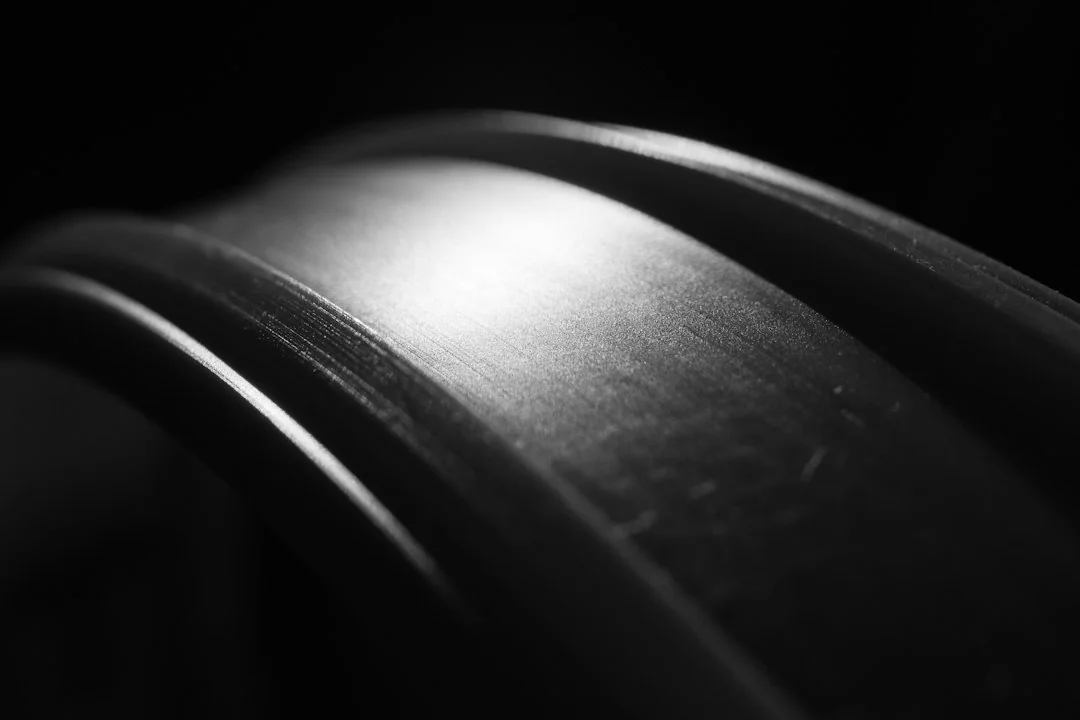
Unplug the machine, then use a flashlight to examine the belt surface through the gap near the flywheel housing. Look for cracking, fraying at the edges, glazed spots, and any separation between belt layers. Press lightly against the belt - it should feel firm with minimal give. Rotate the pedals manually through two full cycles and watch the belt track straight with no wobble or slipping.
Signs the belt needs replacement: visible cracking, fraying edges, slipping during high-resistance strides, or a glazed slick surface. Replace through a technician before it fails mid-session - a snapped belt under load can damage the flywheel housing.
How Long Does an Elliptical Last with Proper Care
With consistent elliptical maintenance, a well-built home machine typically delivers 7 to 15 years of reliable service. The low-impact motion profile, covered in my look at whether an elliptical is good for knees, contributes to that longevity. Research comparing elliptical and stationary bike joint kinematics shows that the elliptical generates approximately 1.2 times body weight of vertical knee joint force per stride cycle (4). In my observation of how home machines hold up over time, that moderated mechanical load per session translates into less cumulative drive wear compared to higher-impact alternatives.
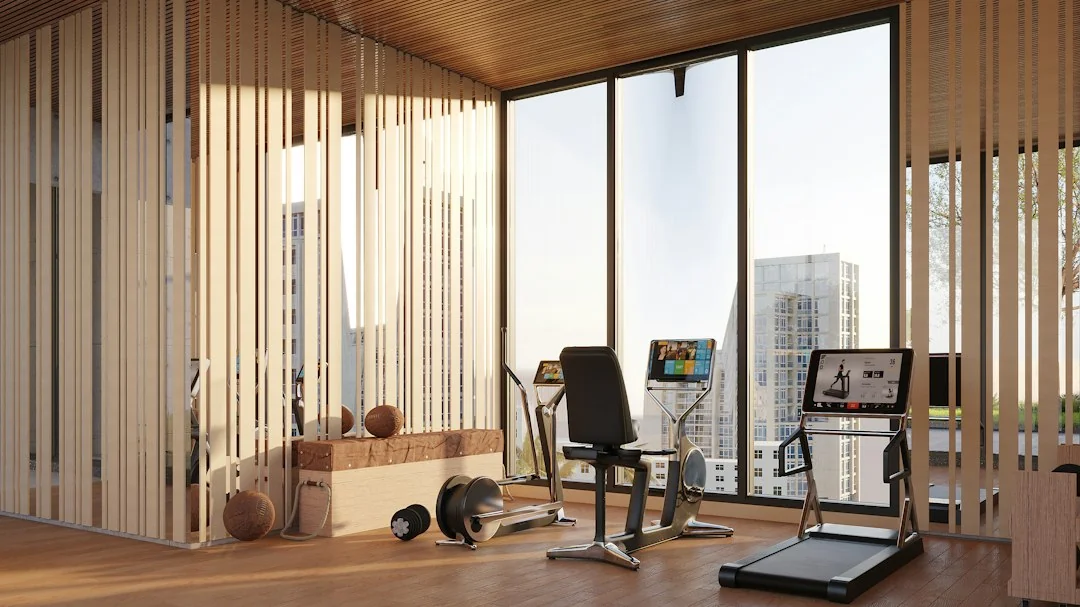
Machine Tier | Typical Lifespan | Example Models |
Entry-level (under $600) | 5 to 8 years | Sunny Health and Fitness basic line |
Mid-range ($600 to $1,500) | 8 to 12 years | ProForm Carbon EL, Horizon EX-59 |
Premium ($1,500+) | 12 to 15+ years | NordicTrack FS14i, Bowflex M9 |
Signs a machine is nearing end of serviceable lifespan rather than just needing maintenance:
- Frame creaking or flex under load that does not improve with bolt tightening
- Resistance stuck or inconsistent despite motor inspection
- Console repair cost exceeding the machine's current replacement value
- Multiple major components failing within a short window
The stairmaster vs elliptical difference in mechanical stress per session is notable - StairMasters accumulate more impact per step, which shortens lubrication and inspection intervals. The same principles of routine upkeep apply across home cardio equipment: rowing machine maintenance uses a similar schedule with chain or monorail lubrication specific to the rowing mechanism, and exercise bike maintenance follows the same daily, weekly, and monthly cadence. For a side-by-side look at long-term ownership costs, the stationary bike vs. elliptical breakdown covers upkeep complexity and cost differences in detail. The calories burned on elliptical sessions also stay accurate only when the machine operates correctly - a worn resistance system delivers inconsistent output that may not match your actual cardiovascular effort.
Keeping Your Elliptical Running for the Long Haul
The machines that last 10 to 15 years in home gyms share one common trait: their owners treated maintenance as a routine rather than an occasional reaction to problems. In observing dozens of ellipticals across years of client work - from home gyms to small training studios - three habits make the biggest difference: wipe down after every session, inspect bolts weekly, and lubricate every 3 to 6 months based on your use frequency. If you are shopping for a new machine, I rank the best elliptical machine options I tested in my roundup.
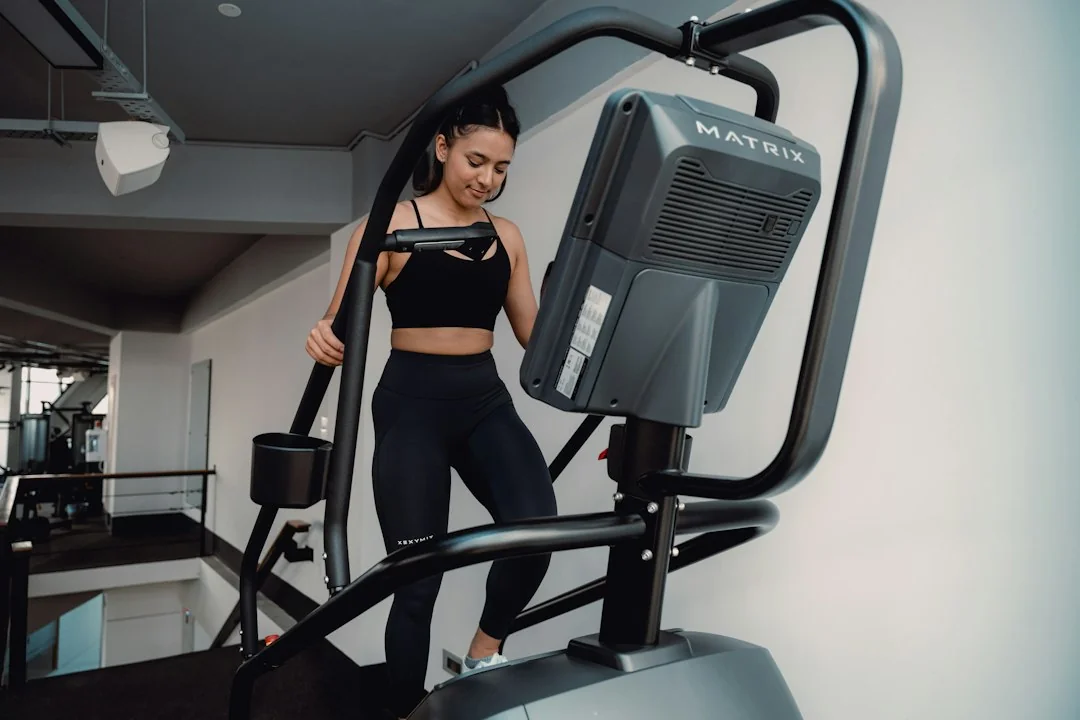
A smooth-running elliptical also delivers better movement quality. When friction builds in worn rails or pivot points, the stride pattern shifts from its designed arc. For anyone who chose an elliptical specifically because the elliptical is good for knees, proper maintenance is what actually preserves that joint-protective benefit. For those comparing options, running vs. elliptical training loads both the body and machine differently, and the elliptical's wear profile under high use is gentler than a treadmill's motor and belt system.
FAQs
What is the lifespan of an elliptical?
The lifespan of an elliptical depends on build quality and how consistently it receives elliptical maintenance. Entry-level home machines typically last 5 to 8 years, while mid-range and premium models run reliably for 10 to 15 years with proper cleaning, regular lubrication, and timely replacement of worn components like bushings and the drive belt.
What should I do if my elliptical won't turn on?
The most common causes are a disengaged safety key, a loose power cable at either end, or a tripped fuse. Check that the safety key is fully seated, confirm the cord is secure at both ends, and test the wall outlet with another device before assuming a more serious internal fault.
How do I properly maintain my gym equipment?
Properly maintaining gym equipment means building four consistent habits: wipe down all contact surfaces after every session, inspect and tighten bolts weekly, deep-clean the motor and drive areas monthly, and lubricate all moving parts every 3 to 6 months using the lubricant type specified in the manufacturer's manual. A dated maintenance log prevents intervals from slipping unnoticed.
Do ellipticals come apart?
Most ellipticals can be partially disassembled for moving or deeper cleaning by removing the handlebars, pedal arms, and sometimes the console. Full disassembly of the drive mechanism is reserved for drive belt replacement or bearing service, and should only be done after confirming it does not affect your warranty coverage.
How to lubricate elliptical?
Unplug the machine completely, then consult your manufacturer's manual to identify the specific lubrication points for your model. Apply a small amount of the recommended silicone lubricant to each point, cycle the pedals 8 to 10 times to distribute it evenly, and wipe away any visible excess. Reapply every 3 to 6 months under normal use, or every 6 to 8 weeks for daily high-frequency use.
This content is for informational and educational purposes only. It is not a substitute for professional medical advice, diagnosis, or treatment. Always consult with your healthcare provider before starting any new fitness program or using fitness technology for health monitoring.
References
- Hossain N, Chowdhury MA, Masum AA, et al. Effects of Self-Lubricant Coating and Motion on Reduction of Friction and Wear of Mild Steel and Data Analysis from Machine Learning Approach. Materials (Basel). 2021;14(19):5732. doi:10.3390/ma14195732.
- Stoll JL, Paul M, Pritchett L, et al. Tribology of MXene Materials: Advances, Challenges, and Future Directions. Materials (Basel). 2025;18(20):4767. doi:10.3390/ma18204767.
- Wu X, Lu Y, Ma C. An Evaluation Method for Safety Applied to Public Sports Facilities in Urban Communities. MethodsX. 2025;14:103256. doi:10.1016/j.mex.2025.103256.
- He MY, Lo HP, Chen WH. Effects of Stationary Bikes and Elliptical Machines on Knee Joint Kinematics during Exercise. Medicina (Kaunas). 2024;60(3):498. doi:10.3390/medicina60030498.