
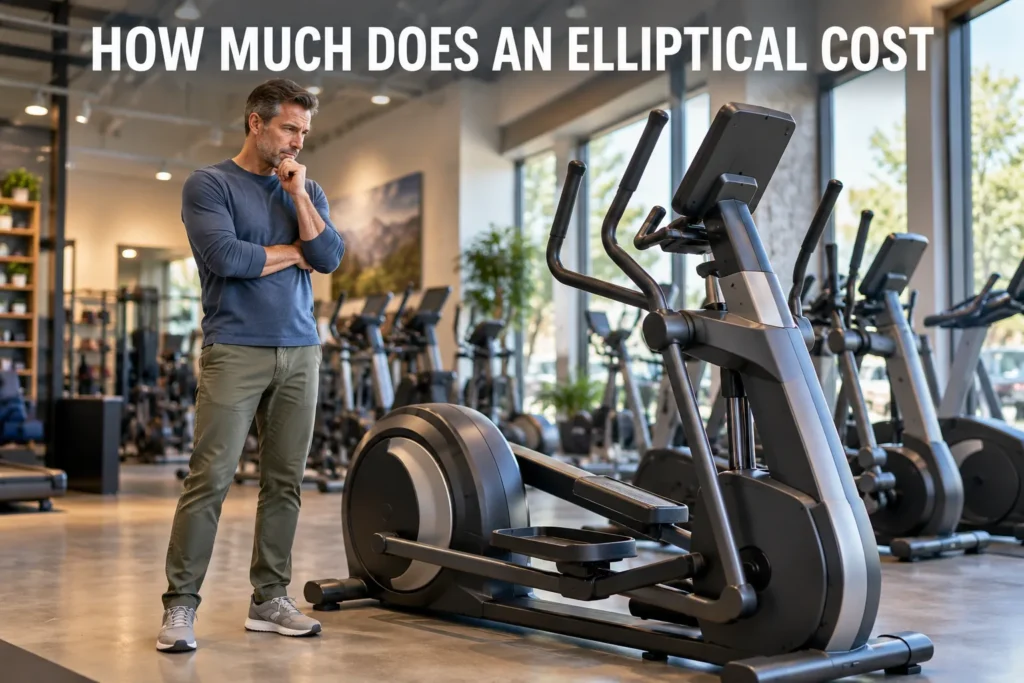
How much does an elliptical cost? A full-size machine runs from under $300 at entry level to well beyond $10,000 for commercial gym-grade units, but the sticker price is only part of the answer, because most people overlook delivery, assembly costs, subscriptions, and maintenance. I have spent more than 15 years coaching clients in gyms and home setups, and I have trained on, assembled, and moved budget, mid-range, and premium ellipticals myself. This guide combines that hands-on experience with owner feedback and current market pricing, and my honest starting point is simple: a higher price does not automatically buy a better machine for you. It breaks down what you genuinely get at each level, how much an elliptical weighs and what that means for moving it, and what annual upkeep actually costs, so you can build a realistic total budget and decide whether a home elliptical earns its place in your home gym.

How Much Does an Elliptical Cost: What to Expect at Every Price Level
Home ellipticals span an extraordinary price range, from entry-level full-size machines under $300 to commercial units priced past $10,000. What separates those price points is frame durability, stride quality, and flywheel weight, and those differences matter enormously for your total cost over five years.
Budget Ellipticals: Under $500
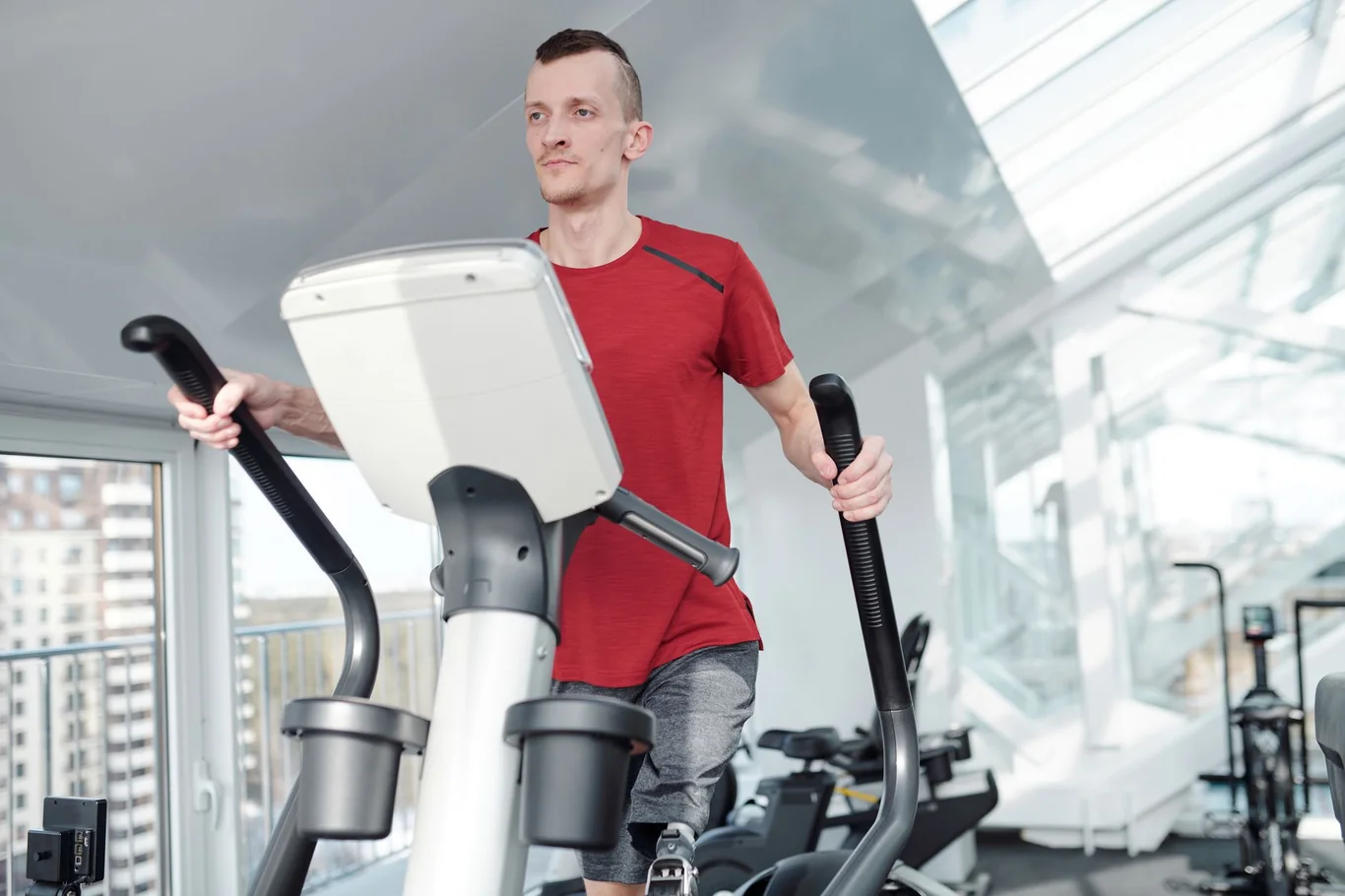
Budget machines in this tier do the job for light, occasional use, but the trade-offs are significant. Frame stability is the first thing users notice: lightweight construction and flywheels typically in the 10-15 lb range create a stride that feels noticeably choppier than mid-range machines. Resistance is usually limited to 8-12 levels, stride length runs 16-18 inches, and displays show only the basics.
I reviewed resistance and frame feedback from budget elliptical owners across several brands and found the same pattern consistently: the resistance console tends to be the first component to fail, usually between 3 and 6 months of daily use at moderate intensity. The true cost of owning a budget machine therefore includes the chance of replacing it. At three or four workouts per week, a budget-tier machine may not survive 24 months, which means its effective annual cost can exceed that of a mid-range machine. A 54-year-old client of mine learned this the hard way: her budget machine stopped changing resistance after about 5 months of four weekly sessions, and the replacement cost more than the original.
Key things you give up under $500:
- Smooth flywheel action
- Adequate stride length for users above 5'8"
- A meaningful warranty (often 30-90 days parts only)
- App or Bluetooth connectivity
- Quiet operation
Mid-Range Ellipticals: $500 to $1,500
This is where the machine category starts to deliver on its low-impact promise. Mid-range ellipticals use heavier flywheels (typically 15-25 lbs), longer stride lengths (18-22 inches), and sturdier frame construction that genuinely reduces joint loading during workouts. Resistance climbs to 16-24 levels, warranties stretch to 2-5 years, and most models include heart rate monitoring, preset workout programs, and basic app connectivity.
Owners at this tier report a dramatically different experience from budget machines: smoother motion, quieter operation, and a frame that stays stable under real intensity. For most home gym users exercising four or five times per week, a mid-range elliptical from a reputable brand represents the best value in the category. The sweet spot within this tier sits between $800 and $1,200, where you typically get Bluetooth integration, a clear digital display, and extended in-home warranty options. My tip before buying in this tier: stand on the pedals and push through ten slow strides at the lowest level, because a flywheel that surges at the top of the stride is a problem no console feature will fix.
Delivery is part of the price at this level too. Many retailers charge extra for in-home placement versus curbside drop-off, which can add $100-$200 to your upfront spend. When I shortlist mid-range machines for clients, warranty length is the spec I weigh right after stride length, and it is the clearest separator between the best elliptical machines in this tier and the ones that only look similar on paper.
To compare actual models by tier, start with a short list of home ellipticals with real warranties and read the parts and labor terms on each one before looking at screen size or program count.
Premium Ellipticals: $1,500 to $3,000
Premium machines bring near-commercial-grade components into a home gym package. Large HD touchscreens (10-15 inches) with live and on-demand class streaming, incline and decline adjustability, heavy-duty 25-35 lb flywheels, and reinforced frame joints are standard at this level. Warranties typically run 5-7 years with in-home service included.
The practical difference from mid-range is felt immediately, and the first thing I notice on premium machines is above the middle resistance levels: the stride replicates a gym machine, the console is engaging, and the frame eliminates wobble even at high resistance. Expected lifespan is 8-10 years with proper maintenance, which makes the total cost per year surprisingly competitive against gym membership fees.
One hidden cost at this tier: most premium ellipticals lock their best features behind a subscription service. Platforms like iFit typically run $15-$40 per month on top of the machine purchase, and without an active subscription, streaming content becomes unavailable and the console reverts to basic manual mode. Budget for this when calculating your true annual cost. I don't recommend buying a machine mainly for its screen, because the clients I have seen cancel the subscription after a year end up owning an expensive manual elliptical.
Premium ellipticals make financial sense for serious daily users who plan to keep the machine for a decade. For occasional users, the extra investment is unlikely to pay off before the machine would need replacing regardless of tier. If a premium elliptical and a treadmill are both on your list at the same budget, compare what a treadmill costs at each tier before you decide. Many premium ellipticals also sync with Apple Watch and other wearables, so a watch you already own can track sessions at no extra cost.
Commercial-Grade Ellipticals: $3,000 and Up
At the top end of the market, commercial ellipticals are built to handle 8-10 hours of daily use in public gym settings. Industrial-grade frame construction, heavy-duty flywheels, and reinforced electronics are standard throughout this tier. These machines rarely break down under residential use because they are engineered for a usage load far heavier than any household creates.
For home use, I consider a machine at this tier overkill unless you run a small studio or have four or more household members using it daily. If you want sturdier construction without buying a gym unit, compare heavier-built home models first, such as the Body-Solid E5000 Endurance Elliptical. Brands like Precor, Life Fitness, and Octane Fitness dominate this space. Repair costs at this tier are higher per event due to specialized parts and commercial service contracts, though the frequency of breakdowns under home use conditions is substantially lower than consumer-grade machines.
Price Tier | Price Range | Flywheel Weight | Warranty |
Budget | Under $500 | 10-15 lbs | 30-90 days |
Mid-Range | $500-$1,500 | 15-25 lbs | 2-5 years |
Premium | $1,500-$3,000 | 25-35 lbs | 5-7 years |
Commercial | $3,000+ | Heavy-duty | Commercial service contracts |
How Much Does an Elliptical Weigh and What It Means for Delivery
How much does an elliptical weigh varies dramatically by tier, and that number affects everything from delivery logistics to whether you can move the machine yourself. A machine's weight is one of the strongest build-quality signals: heavier frames use more steel, which correlates directly with stability and longevity.
Here is a practical weight breakdown by tier:
- Budget ellipticals: 50-90 lbs - movable by two adults with planning
- Mid-range ellipticals: 100-180 lbs - requires help; tight doorways become a real concern
- Premium ellipticals: 180-260 lbs - professional delivery and in-home assembly strongly recommended
- Commercial ellipticals: 250-400+ lbs - requires freight delivery and professional installation
Delivery fees for heavy machines can add $100-$300 to your total purchase cost, and some retailers charge separately for in-home placement versus curbside drop-off. Pedal height and stride length also affect where the machine fits in your space - some ellipticals require 8 or more feet of ceiling clearance during use, which is a real constraint in basement home gyms.
In smaller spaces, a compact under-desk elliptical pedaler can fit where a full-size machine cannot, and compact pedal units often weigh under 25 lbs. I see them as a way to add light movement to a workday rather than a replacement for full cardio sessions. When a client with a desk job asks me about one, I point them toward quiet under-desk ellipticals they can pedal through calls, and the evidence on whether under-desk ellipticals work supports that narrower role.
How to Move an Elliptical Safely
Moving an elliptical - across a room, up stairs, or to a new home - is physically demanding work that causes injuries every year when done without preparation. I treat any machine over 150 lbs as a two-person minimum job with proper equipment; the built-in transport wheels are a rolling aid, not a one-person solution.
Moving an Elliptical Within Your Home
Most ellipticals have transport wheels built into the front frame. Tipping the machine forward shifts weight onto those wheels, making it rollable on flat surfaces. Before you start:
- Power down and unplug the machine and cable-tie any loose cords
- Stabilize moving parts by securing pedal arms if the model allows folding
- Clear the path - measure doorway widths and note any thresholds that could catch the frame
- Protect your floor - use furniture sliders or thick cardboard under the transport wheels on hardwood or tile
- Tip and roll with two people - one to tip the machine forward, one to guide the rear
Do not attempt to carry an elliptical by its frame without disassembly guidance from the manufacturer. Frame damage from improper lifting is common and usually voids the warranty.
Moving an Elliptical to a New Address
For a full relocation, professional movers or specialty fitness equipment movers are worth the cost. Many standard moving companies will not cover damage to exercise equipment unless you pay for full-value protection. Disassembling larger machines (removing the console mast and pedal arms) reduces the footprint significantly, though reassembly requires the original hardware and the owner's manual.
If you are moving a premium or commercial machine, a specialty fitness equipment mover is the safest option. Expect to pay $200-$500 for professional white-glove delivery and assembly. From moving ellipticals into home setups myself, the step people forget is measuring the stairwell turns as well as the doorways, because the console mast is usually what gets stuck.
Elliptical Maintenance: What It Really Costs to Keep One Running
Elliptical maintenance is the hidden cost most owners never budget for, and it is the single biggest factor in whether a mid-range machine lasts 5 years or 10. Regular upkeep actively extends the machine's usable life and protects the warranty. A well-maintained mid-range machine will outlast a neglected premium machine every time.
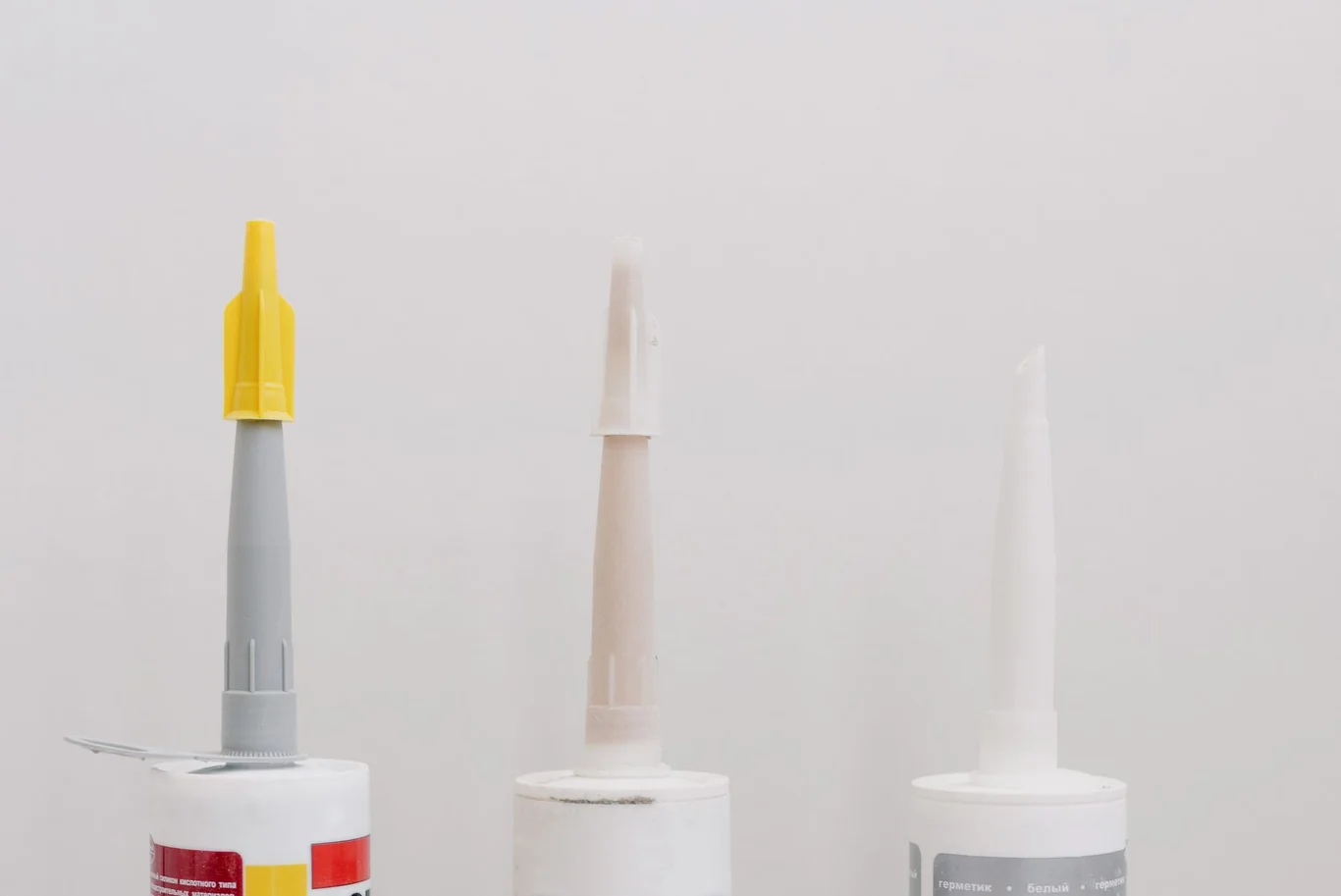
Across the owner feedback I have reviewed from multiple brands, skipped lubrication is the single most common reason mid-range machines fail within the first 3 years, far outpacing any mechanical defect from manufacturing.
How to Lubricate an Elliptical
Lubrication is the most common maintenance question owners ask. Most ellipticals require lubrication every 3-6 months, depending on usage frequency. The target areas are the ramp rails and any pivot points specified in the owner's manual. Use only the lubricant type the manufacturer recommends, typically silicone-based spray or paraffin wax. Never use petroleum-based lubricants, which damage plastic components.
A bottle of proper silicone lubricant costs $8-$20 and handles multiple applications. Skipping lubrication leads to increased friction, faster rail wear, and eventually the grinding or squeaking noise that most owners mistake for a broken machine.
Common Elliptical Breakdowns and Repair Costs
When your elliptical develops a problem, severity and cost vary widely by machine tier and age. The most frequent issues owners encounter:
- Squeaking or grinding: Usually a lubrication fix ($10-$20 DIY)
- Resistance console failure: Sensor or cable replacement ($50-$150 parts plus labor)
- Drive belt wear: Replacement at 2-4 years depending on tier; $30-$80 parts, $100-$200 with labor
- Pedal arm bearing failure: $40-$120 parts, often $150-$300 with professional service
- Console or display failure: Most expensive common repair; $100-$400 depending on the model
Budget machines cost more to maintain per dollar of original purchase price because parts availability is limited and replacement components are low quality. Mid-range machines from established brands have readily available parts and lower per-repair costs.
Repair Issue | Estimated Cost |
Squeaking or grinding | $10-$20 |
Resistance console failure | $50-$150 |
Drive belt wear | $30-$80 parts; $100-$200 with labor |
Pedal arm bearing failure | $40-$120 parts; $150-$300 with labor |
Console or display failure | $100-$400 |
Annual Elliptical Maintenance Schedule
A basic upkeep routine for a mid-range machine:
- Every 1-2 months: Wipe down ramp rails and pedal surfaces with a dry cloth
- Every 3-6 months: Apply manufacturer-recommended lubricant to ramp rails and specified pivot points
- Every 6 months: Inspect and tighten all hardware connections and bolts
- Annually: Check drive belt tension and condition; inspect pedal arm bearings for play or roughness
Total annual maintenance supplies run roughly $30-$80 per year. Over a 5-year lifespan, budget $200-$400 in total maintenance on top of the original purchase price. In my experience, the owners whose machines still run quietly for years are the ones who put the lubrication date on a calendar instead of waiting for a squeak.
Frequency | Maintenance Task |
Every 1-2 months | Wipe down ramp rails and pedal surfaces |
Every 3-6 months | Apply lubricant to ramp rails and specified pivot points |
Every 6 months | Inspect and tighten all hardware connections and bolts |
Annually | Check drive belt tension and condition; inspect pedal arm bearings |
Is Buying an Elliptical Worth It for Joints, Calories, and Recovery
An elliptical is only worth its price if it gives enough back. This section weighs the evidence on joint protection, calorie burn, and rehabilitation outcomes so you can judge that value against the cost, and the next section runs the ownership math against a gym membership.
Cardiovascular Benefits and Joint Health Evidence
The elliptical's strongest case is its combination of cardiovascular efficiency and joint protection. Research published in 2014 measuring weightbearing forces during elliptical exercise found that foot loading ranged from 70-81% of body weight, well below the impact forces typical of treadmill running, making it a meaningful distinction for anyone with knee, hip, or ankle sensitivity (1).
Calorie Burn and Energy Expenditure Research
Calorie burn on an elliptical is a meaningful but variable figure, not a fixed number. It depends on your body weight, resistance level, incline, and duration. A 2024 study measuring energy expenditure across seven indoor cardio machines found that elliptical trainers ranked third in overall caloric output among recreational athletes tested at both maximal and self-selected submaximal intensities (2). A 2021 study using indirect calorimetry found that elliptical exercise produced fat oxidation rates of approximately 0.41 grams per minute at about 37% of peak oxygen consumption. That is lower fat-oxidation efficiency than treadmill running at equivalent effort, but still meaningful for sustained low-to-moderate intensity sessions (3).
For daily active use, research on compact elliptical devices showed that 86% of participants could burn at least 50 additional kilocalories per hour above their sedentary baseline, with a projected annual weight loss of approximately 5.2 pounds when used for one additional hour per day (4). As with any calorie estimate, actual results vary significantly by body weight, pace, and consistency.
Rehabilitation and Chronic Pain Research
Ellipticals have also demonstrated clear benefits in low-impact rehabilitation settings. A randomized controlled trial incorporating elliptical training after total hip replacement found significant improvements in knee extensor strength, walking speed, and stride length with no adverse cardiac events reported (5). Any rehabilitation program should involve a clinician, but the evidence supports the elliptical as a genuinely joint-friendly option. When I program elliptical work for clients returning from knee or hip problems with their doctor's clearance, I start with 10-15 minutes at low resistance and add time only once the joint feels the same the next morning. For older clients, I usually suggest ellipticals designed for seniors, since a low step-up and stable handles matter more to them than console features.
A 2020 clinical study using a structured elliptical protocol for chronic back pain found significant pain reductions from a baseline score of 4.7 to 3.2 at week four in participants completing three 26-minute sessions per week, without cardiovascular or musculoskeletal adverse events (6). This positions the elliptical as a viable option for people who need low-impact cardio due to existing pain or orthopedic concerns.
Home Elliptical vs. Gym Membership: A 5-Year Cost View
I ran the full ownership math before writing this section, and the numbers consistently favor mid-range machines for committed users. At an average gym membership cost of $40-$60 per month, a mid-range elliptical starts saving money after 18-24 months of regular use, assuming consistent exercise habits.
Impulse exercise equipment purchases have a high abandonment rate, so the math only works for frequent, consistent users. It does not work for people who stop using the machine within six months, and I have watched more than one client's January purchase turn into a clothes rack by June.
When Buying an Elliptical Makes Financial Sense
Factors that support buying an elliptical:
- You already exercise at least four times per week consistently
- Gym commute time is a genuine barrier to your consistency
- You have joint concerns that make low-impact cardio medically relevant
- You prefer private workouts or have unpredictable schedule constraints
- You plan to keep the machine for five or more years
When a Gym Membership Is the Better Choice
Factors that suggest a gym membership makes more sense:
- You are just beginning a fitness routine and cannot predict your consistency
- You live alone and need social motivation to exercise
- Your home lacks space for a 100+ lb machine
- You prefer variety across multiple machine types
If none of these points rule out home equipment but an elliptical feels like more machine than you need, a stationary bike is the usual lighter, cheaper alternative, and stationary bike prices follow the same tier pattern described above.
Rowers are the other common alternative. If you are deciding between an elliptical and a rower on budget, compare rowing machine costs by resistance type, since air, magnetic, and water models price very differently.
Making the Right Elliptical Decision
"How much does an elliptical cost?" is only half the question worth asking. The more useful frame is whether the total investment, meaning purchase price, delivery, maintenance, and your own likely usage, makes financial sense for your situation.
For most people, the mid-range tier between $800 and $1,200 offers the best combination of durability, features, and long-term value. After I worked through the full ownership math for a committed four-days-per-week user, the break-even against a $50 monthly gym membership lands at roughly month 22 for a mid-range purchase, which means anyone planning to use the machine consistently for more than two years comes out ahead financially.
Budget machines under $500 carry real durability risks that often result in replacement costs within two years. Premium machines above $1,500 are excellent for serious daily users but overkill for occasional exercisers. Commercial machines belong in commercial settings.
Pair your purchase decision with an honest audit of your current habits: count the cardio sessions you actually complete in a typical week, not the ones you plan. Once the budget is set, stride length, flywheel weight, resistance type, and frame geometry decide which machine in that range fits you, and they are the four specs I check first when I help a client choose an elliptical for a home setup.
After delivery, spend your first sessions learning how to use an elliptical with an upright posture and light hands on the handles. From what I see in coaching, that habit does more for your results than any console feature you paid extra for.
FAQs
Is 30 minutes of elliptical a day enough?
Thirty minutes of elliptical exercise per day meets the American Heart Association's guideline of 150 minutes of moderate aerobic activity per week, which supports cardiovascular health and improved fitness for most adults. The actual outcome depends on resistance, pace, and consistency, and a moderate-intensity session burns roughly 200-400 calories depending on body weight.
Is buying an elliptical worth it?
Buying an elliptical is worth it for regular exercisers who plan to use the machine at least four times per week, have a joint-friendly cardio need, and intend to keep the machine for five or more years, since the total cost of ownership typically undercuts gym membership fees within two years under those conditions. For casual or inconsistent users, the upfront cost plus maintenance and delivery rarely justifies the investment over a monthly gym membership.
What is the best elliptical to buy for home use?
The best elliptical to buy for home use depends on your budget and how often you plan to exercise, and mid-range machines in the $800-$1,200 range from established brands offer the best long-term value for most home users due to their balance of build quality, warranty coverage, and features. Stride length and warranty length are the two specs worth checking first at any tier.
Do ellipticals help you lose weight?
Ellipticals support weight loss as part of a consistent exercise and calorie-management routine, and research shows that regular elliptical use burns a meaningful number of calories per session, with one study projecting approximately 5.2 pounds of annual weight loss for participants who added one hour of compact elliptical use per day above their sedentary baseline. Weight loss results depend on body weight, session intensity, duration, and overall dietary habits.
This content is for informational and educational purposes only. It is not a substitute for professional medical advice, diagnosis, or treatment. Always consult with your healthcare provider before starting any new fitness program. We are always looking for expert inputs to make our content even better and more useful.
References
- Kaplan Y, Nyska M, Palmanovich E, Shanker R. Clinical implications of changing parameters on an elliptical trainer. Orthop J Sports Med. 2014;2(4):2325967114535553. doi:10.1177/2325967114535553.
- Prieto-González P, Yagin FH. Energy expenditure, oxygen consumption, and heart rate while exercising on seven different indoor cardio machines at maximum and self-selected submaximal intensity. Front Sports Act Living. 2024;6:1313886. doi:10.3389/fspor.2024.1313886.
- Filipovic M, Munten S, Herzig KH, Gagnon DD. Maximal fat oxidation: comparison between treadmill, elliptical and rowing exercises. J Sports Sci Med. 2021;20:1-8. doi:10.52082/jssm.2021.1.
- Rovniak LS, Denlinger L, Duveneck E, Sciamanna CN, Kong L, Freivalds A, Ray CA. Feasibility of using a compact elliptical device to increase energy expenditure during sedentary activities. J Sci Med Sport. 2013;16(4):328-333. doi:10.1016/j.jsams.2012.08.010.
- Hasebe Y, Akasaka K, Otsudo T, Hall T, Yamamoto M. Effects of incorporating elliptical trainer exercise during rehabilitation on physical function and self-reported outcomes after total hip arthroplasty: a randomized controlled trial. J Phys Ther Sci. 2022;34(3):204-212. doi:10.1589/jpts.34.204.
- Dillingham TL, Kenia J, Popescu A, Plastaras C, Becker S, Shofer F. Pain outcomes with an elliptical regimen (POWER) study: identifying the proper dosage of exercise for therapeutic effect in persons with chronic back pain. PM R. 2020;12(2):118-127. doi:10.1002/pmrj.12203.