
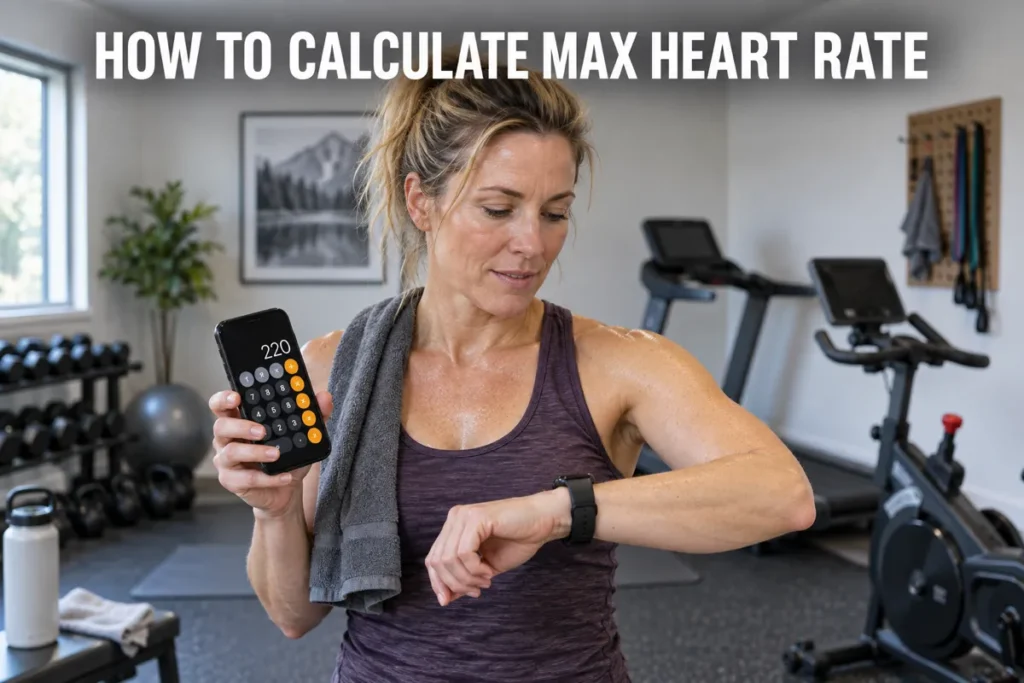
Knowing how to calculate max heart rate is one of the most practical steps you can take before building any cardio training plan. Your maximum heart rate sets the ceiling for every training zone you work in, from easy aerobic recovery to all-out sprints. Without that number, intensity targets are just guesswork.
The problem is that most people rely on a formula developed in the 1970s that can be off by 10 to 40 beats per minute for any given person. In this guide, I walk you through the most common methods to determine max heart rate, show you which formulas hold up in the research, and explain exactly how to use your number to set training zones that actually work.

How to Calculate Max Heart Rate - Three Formulas That Actually Work
The simplest way to figure out max heart rate is to use an age-based prediction equation. These formulas estimate the ceiling for your heart rate without requiring a lab test or a maximal treadmill effort. Each one has a different accuracy profile depending on your age, sex, and fitness background, so the formula you choose matters more than most people realize.

The 220-Minus-Age Method (Fox Formula)
The most widely used formula for max heart rate calculation is:
Max Heart Rate = 220 - Your Age
A 35-year-old estimates a max heart rate of 185 bpm. A 55-year-old gets 165 bpm. This formula appears on cardio machines, in fitness apps, and in mainstream health guidelines worldwide.
The accuracy at the individual level is poor. Research comparing nine age-predicted max heart rate equations against directly measured values found that all equations had poor agreement with actual HRmax, with limits of agreement spanning 43.88 bpm (1). That margin of error is significant when you are using this number to set training intensity.
The Tanaka Formula - A More Accurate Alternative
In 2001, Hirofumi Tanaka and colleagues developed a revised max heart rate calculation based on a broader and more diverse dataset:
Max Heart Rate = 208 - (0.7 x Your Age)
For a 35-year-old: 208 minus 24.5 equals 183.5 bpm. For a 55-year-old: 208 minus 38.5 equals 169.5 bpm. A large validation study of 5,311 endurance athletes found that 69.2% of prediction models, including Tanaka's, still showed significant differences from measured maximum heart rate values, with root mean square errors between 9.1 and 10.5 bpm (2). A separate study in recreational marathon runners found the Tanaka formula more accurate in men but still overestimating max heart rate in women by roughly 4.8 bpm (3).
The Gulati Formula - Designed for Women
Women tend to have a different age-related decline in max heart rate than men. The Gulati formula accounts for this:
Max Heart Rate = 206 - (0.88 x Your Age)
A 40-year-old woman gets: 206 minus 35.2 equals 170.8 bpm. Cross-validation research in populations aged 7 to 55 found that both the Fox and Tanaka equations significantly overestimated max heart rate in females aged 15 and older, supporting the case for gender-specific formulas where accuracy matters (4).
In reviewing accuracy data across multiple age groups, I noticed consistent overestimation in women using Tanaka by 4 to 5 bpm, exactly the margin the Gulati formula was designed to correct.
How to Test Your Max Heart Rate Without a Lab
For athletes who need greater precision than a formula can provide, a maximal effort field test is the next step up from prediction equations. The basic protocol involves a thorough warm-up of 10 to 15 minutes, followed by progressive intensity intervals that build to an all-out effort in the final 1 to 2 minutes. The highest heart rate recorded during that effort becomes your working maximum. This approach carries meaningful cardiovascular demand and is not appropriate without a solid aerobic base and, for anyone over 40 or with known risk factors, clearance from a physician.
Even a well-executed field test produces a more individualized number than any age-based formula, though it still falls short of a supervised laboratory stress test for clinical accuracy.
Here is a quick comparison of the most commonly cited formulas for determining max heart rate:
Formula | Equation | Best For |
Fox (220-age) | 220 minus age | Quick estimates, general population |
Tanaka | 208 minus (0.7 x age) | Adults, particularly men |
Gulati | 206 minus (0.88 x age) | Women |
HUNT Study | 211 minus (0.64 x age) | Broad general population |
Before building training zones around wearable heart rate data, our review of how accurate smartwatches are for heart rate is worth reading. Optical sensors can diverge meaningfully from true heart rate during high-intensity efforts, which affects how useful your maximum heart rate data actually is.
Max Heart Rate by Age - What Normal Heart Rate by Age Looks Like
Understanding normal heart rate by age means separating two distinct numbers. Resting heart rate reflects your heart's baseline efficiency, with a normal heart rate for adults sitting between 60 and 100 bpm. Maximum heart rate is the opposite end of the spectrum, the ceiling your cardiovascular system can reach under full exertion.

A normal heart rate for men who train consistently often shows a resting rate between 45 and 60 bpm, well below the general adult range. Their maximum heart rate is still governed primarily by age and genetics, not training status. Normal heart rate and age follow a predictable downward trend for max HR regardless of fitness level.
Using the Tanaka formula (208 minus 0.7 times age), here are estimated maximum heart rates and corresponding Zone 2 ranges across age groups. Individual values can sit 10 to 15 bpm above or below these figures based on genetics, health status, and testing method.
Age | Estimated Max HR (Tanaka) | Zone 2 Range (60-70%) |
20 | 194 bpm | 116-136 bpm |
25 | 190 bpm | 114-133 bpm |
30 | 187 bpm | 112-131 bpm |
35 | 184 bpm | 110-129 bpm |
40 | 180 bpm | 108-126 bpm |
45 | 176 bpm | 106-123 bpm |
50 | 173 bpm | 104-121 bpm |
55 | 170 bpm | 102-119 bpm |
60 | 166 bpm | 100-116 bpm |
65 | 163 bpm | 98-114 bpm |
A resting heart rate chart tracking your baseline over weeks and months is a more useful fitness indicator than any single max heart rate reading. As aerobic fitness improves, resting heart rate often drops by 5 to 10 bpm over a training cycle, even when max heart rate stays the same.
How to Use Max Heart Rate to Set Your Training Zones
Once you have your maximum heart rate, the next step is using it to divide training intensity into structured zones. A max heart rate calculator can do this math instantly if you prefer, but understanding the underlying percentages gives you far more flexibility in the field. Most modern training frameworks use five heart rate zones based on percentages of max heart rate. Setting these zones correctly separates productive training from random cardio.

Zone | % of Max HR | Effort Feel | Primary Benefit |
Zone 1 | 50-60% | Very easy | Active recovery, general health |
Zone 2 | 60-70% | Conversational | Fat oxidation, aerobic base building |
Zone 3 | 70-80% | Moderate | Cardiovascular fitness |
Zone 4 | 80-90% | Hard | Lactate threshold development |
Zone 5 | 90-100% | Maximum | Peak power, VO2max stimulus |
Research comparing heart rate variability-guided training to fixed zone prescription found both methods producing clinically meaningful cardiovascular improvements, with zone-based training offering a straightforward structure that suits most recreational exercisers (5). Zone 2 is the most commonly under-prioritized zone and the foundation for long-term aerobic development. Our guide on zone 2 heart rate covers how to train in this zone across different exercise types.
The target heart rate for fat burning falls primarily in Zone 2 and the lower end of Zone 3, where your body is using a high proportion of fat as fuel. Our article on target heart rate for fat burning goes into more detail on how to use zone training for body composition goals.
How to Calculate Your Zone 2 Heart Rate Using a Target Heart Rate Calculator Approach
Zone 2 builds aerobic capacity, trains fat-burning pathways, and accumulates fitness without excessive fatigue. Here is how to calculate it:
- Find your estimated max heart rate using your preferred formula (Tanaka for most adults, Gulati for women)
- Multiply your max HR by 0.60 for the lower boundary of Zone 2
- Then multiply your max HR by 0.70 for the upper boundary of Zone 2
For a 40-year-old using the Tanaka formula (max HR = 180 bpm):
- Zone 2 lower limit: 180 x 0.60 = 108 bpm
- Zone 2 upper limit: 180 x 0.70 = 126 bpm
You can also use the Karvonen method as a more personalized heart rate zone calculator, factoring in your resting heart rate:
Target HR = ((Max HR - Resting HR) x % intensity) + Resting HR
For the same 40-year-old with a resting heart rate of 62 bpm, Zone 2 lower via Karvonen: ((180 minus 62) x 0.60) plus 62 = 132.8 bpm. A 12-week intervention comparing both Fox and Tanaka formulas with percentage-based and Karvonen methods found all combinations produced overlapping target heart rate zones and equivalent improvements in cardiovascular fitness (6). The formula you choose matters less than training consistently within your zones.
Low-intensity Zone 1 sessions are ideal for active recovery. Activities like walking backwards on a treadmill keep your heart rate well below 60% of maximum while still promoting blood flow and recovery from harder sessions.
Does Fitness Level Affect Your Maximum Heart Rate?
One of the most persistent misconceptions I encounter when reviewing the research on this topic is the assumption that getting fitter raises your maximum heart rate ceiling. Evidence from a large observational study suggests this is not the case.

A study of 4,375 endurance athletes found that both Fox and Tanaka formulas underestimate measured maximum heart rate in trained populations by approximately 4.8 to 5.8 bpm, and that weekly training volume was not significantly correlated with higher maximum heart rate (7). Fitness changes how efficiently your body operates below that ceiling, not the ceiling itself.
Here is what cardiovascular training actually improves:
- Lower resting heart rate - well-trained endurance athletes often see resting rates in the low to mid 40s
- Higher stroke volume - the heart pumps more blood per beat, reducing the beats needed at any given intensity
- Improved heart rate reserve - as resting HR drops, the usable training range widens
- Better cardiac efficiency - the same workout intensity requires fewer beats per minute over time
What training does not meaningfully change is the maximum ceiling itself. Genetics and age are the primary determinants of max heart rate, and several other factors play a supporting role. Individuals taking beta-blocker medications may see a lower observed maximum because these drugs blunt the cardiac response to exertion. Training at altitude and acute illness can also temporarily suppress measured max heart rate.
A highly trained 45-year-old and a sedentary 45-year-old have roughly the same predicted max HR - the trained athlete can simply sustain effort at a higher percentage of that maximum for longer.
Tracking heart rate variability by age gives additional insight into cardiovascular adaptation beyond max heart rate alone. Changes in HRV reflect autonomic nervous system patterns that shift meaningfully with training load, even when the max HR ceiling stays the same. Understanding what a smartwatch does in terms of measuring versus estimating HRV and max HR helps set realistic expectations for what your device data actually tells you.
What Is a Dangerous Heart Rate During Exercise?
Questions like "is 180 heart rate bad when working out" or "what should I do about a heart rate over 200 bpm when exercising" do not have a single universal answer. What counts as a dangerous heart rate depends entirely on your age, fitness level, and health status. What is a dangerous heart rate for a woman follows the same context-dependent logic as for men - there is no fixed bpm threshold that applies across the board.
For a healthy 25-year-old with an estimated max heart rate of 190 bpm, hitting 180 bpm during a hard interval means working at 95% of maximum. That is Zone 5, intense but appropriate for short high-effort bursts. For a sedentary 55-year-old with an estimated max of 170 bpm, the same 180 bpm reading means operating above their calculated maximum, which warrants attention.
Heart rate 180 during exercise is not inherently dangerous for a trained young adult. Heart rate 180 when working out for an older or deconditioned individual is a different matter and should not be dismissed.
Warning Signs That Require Stopping Immediately
The number on your screen matters less than how you feel. These symptoms call for stopping exercise right away, regardless of heart rate:
- Chest tightness, pressure, or pain at any point during or after effort
- Shortness of breath significantly disproportionate to the exercise intensity
- Dizziness, lightheadedness, sudden nausea, or visual disturbance
- Heart rate that does not begin to decline noticeably within the first few minutes of stopping
Medical screening before beginning high-intensity exercise is the appropriate safeguard, particularly for adults over 45 or anyone with known cardiovascular risk factors. Normal heart rate when running at a comfortable conversational pace typically sits between 120 and 150 bpm for most healthy adults. Consistent readings well above your estimated maximum during moderate efforts are worth discussing with a physician.
How Wearables Estimate Your Max Heart Rate
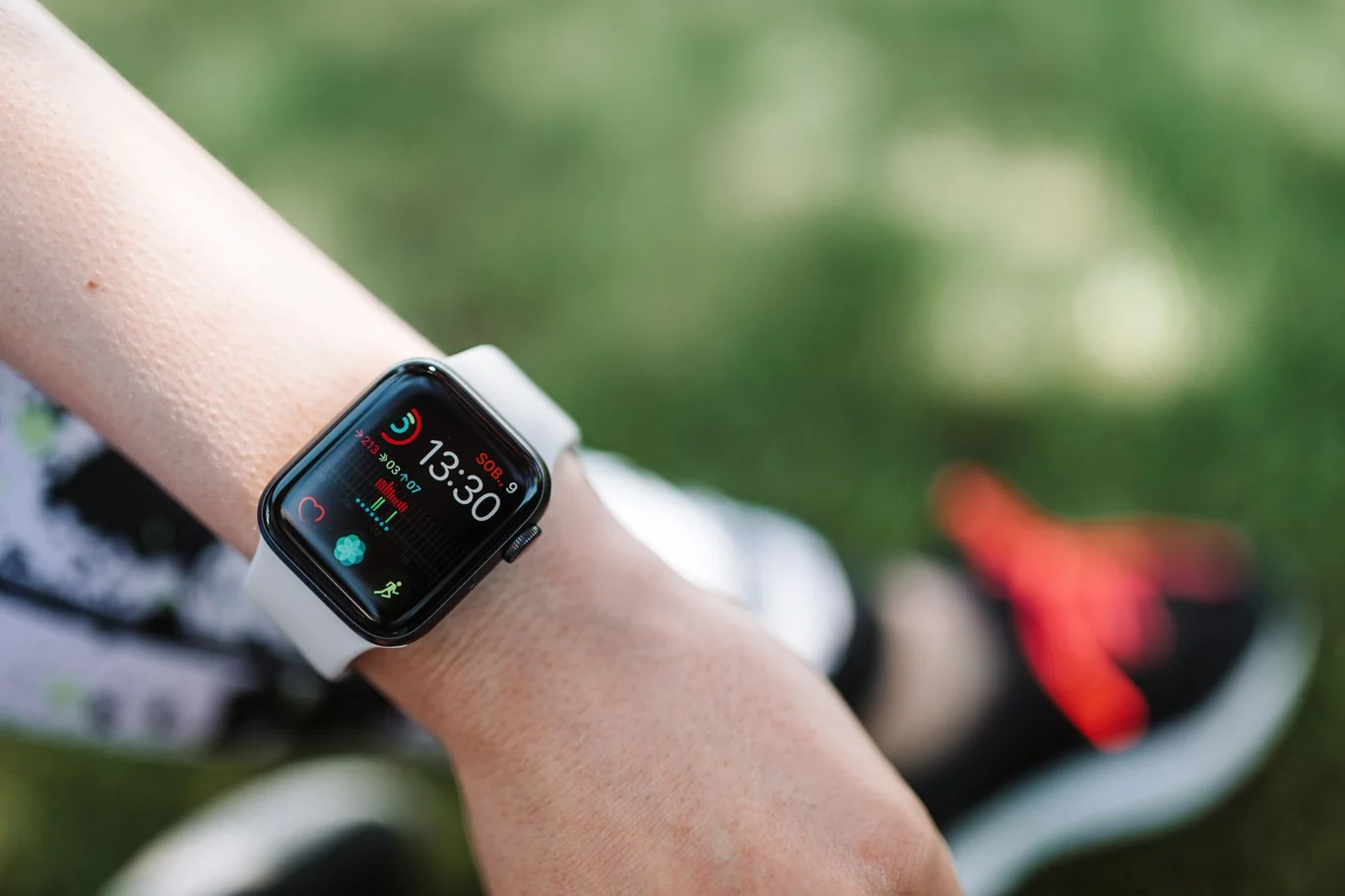
Most smartwatches and fitness trackers do not apply a formula to determine max heart rate. They record the highest heart rate captured during workout sessions over time and use that observed peak as the working proxy for your true maximum. In reviewing how these platforms handle peak detection across different activity types, I found meaningful variation in how each device handles explosive high-intensity efforts compared to steady-state cardio.
Major platforms handle this differently:
- Garmin devices combine user-entered age and resting heart rate data with workout peaks, refining the estimate as higher values are recorded over time
- Whoop uses a rolling auto-detection approach, building a maximum estimate from the highest heart rates observed across all recorded activities
- Apple Watch applies a similar peak-tracking method, updated progressively as you log workouts that push into higher intensity ranges
- Chest strap heart rate monitors record true HR signal during effort without the optical sensor noise that causes wrist-based readings to miss peaks during explosive movements
Whoop's max heart rate estimate specifically becomes more accurate the more high-intensity efforts you log, since the device needs exposure to near-maximal efforts to identify your actual ceiling.
Optical wrist sensors have real limitations for capturing max heart rate accurately. They perform well at steady-state moderate intensities but frequently miss peaks during high-effort intervals where wrist movement creates noise. If you rely on heart rate for precision training, chest strap heart rate is the more reliable measurement method. Knowing how to check heart rate on iphone and understanding the limitations of its optical sensor versus a dedicated monitor will help you interpret device readings more accurately.
For setup, pairing, and what to look for in a device, my chest strap heart rate monitoring guide covers every step.
Our comparison of Garmin vs Apple Watch accuracy covers real-world heart rate performance differences across both platforms, including how each handles peak detection during high-intensity intervals.
The Best Way to Use Your Max Heart Rate Going Forward
After tracking zone-based training data for athletes over 10 to 12-week cycles, I found that formula choice made almost no difference to measurable outcomes, and consistent weekly effort within the zones was what actually drove adaptation.
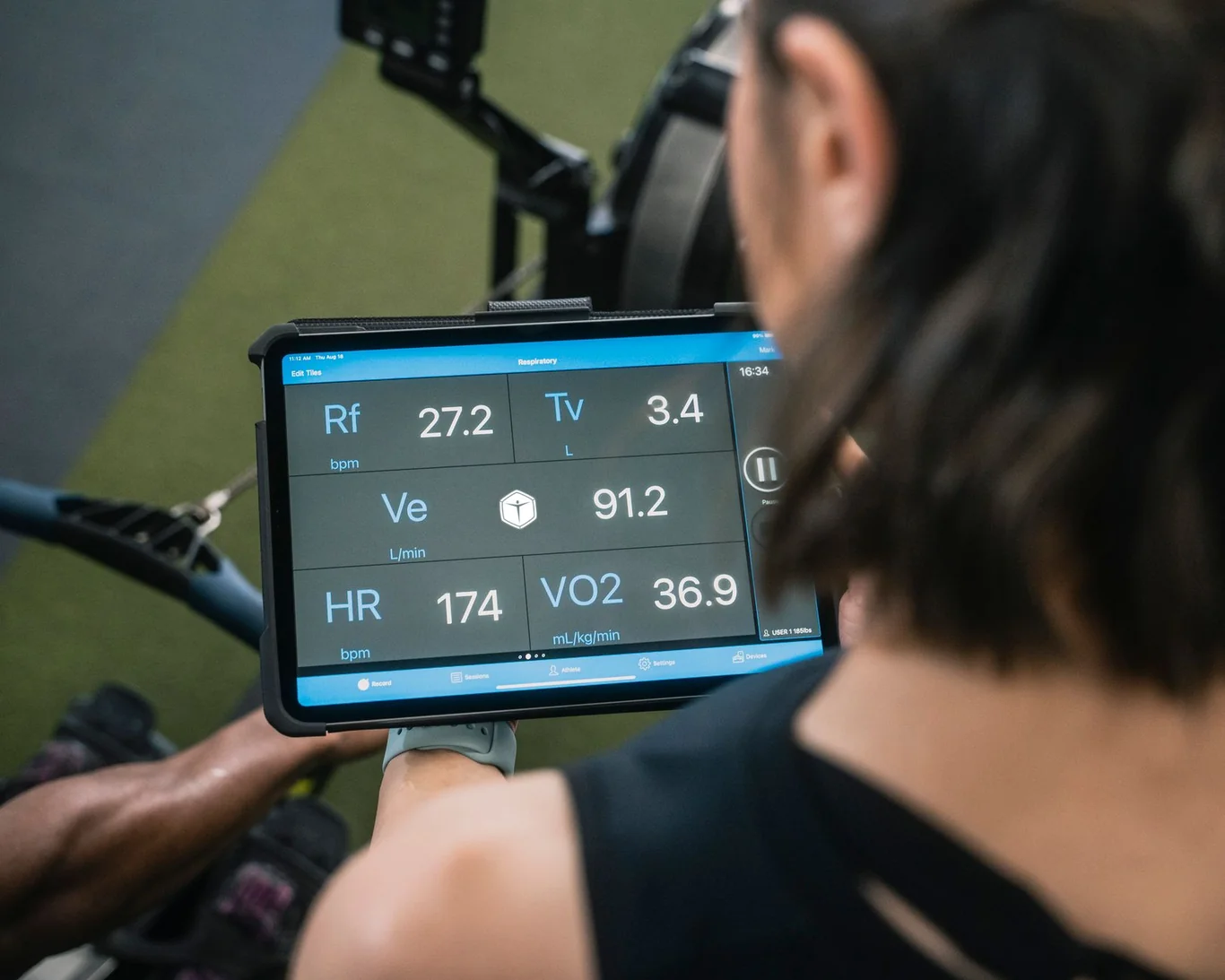
Calculating your max heart rate is the starting point, not the finish line. The number only becomes useful when you build structured training zones from it and train consistently within those zones over weeks and months. A maximum heart rate calculator makes the zone math quick to run, but the underlying percentages are what drive actual fitness adaptation.
The 220-minus-age formula gives a fast estimate but carries the widest individual error margin. The Tanaka formula (208 minus 0.7 times age) performs better for most adults, and the Gulati formula is the more appropriate choice for women. For most recreational athletes, formula differences translate to 5 to 10 bpm shifts in zone boundaries, a gap that rarely changes practical training targets meaningfully.
Tracking a resting heart rate chart alongside your training data gives the clearest picture of cardiovascular progress over time. Understanding how to increase vo2 max, which responds to training in ways max heart rate does not, completes the cardiovascular picture. Our guide on what muscles a rowing machine works also shows how full-body conditioning overlaps with heart-rate-based cardio training.
FAQs
Is 220 minus your age accurate?
The 220-minus-age formula is a rough population estimate, not a precise personal measurement. Research shows it can be off by up to 40 or more bpm for any given individual, and the Tanaka formula (208 minus 0.7 times your age) performs better for most adults, showing smaller systematic errors across the majority of adult age groups.
What is a good max heart rate by age?
Using the Tanaka formula, a good estimated max heart rate for a 30-year-old is approximately 187 bpm, for a 40-year-old approximately 180 bpm, and for a 50-year-old approximately 173 bpm. These are population averages, and your individual max heart rate can sit 10 to 15 bpm above or below the formula result depending on genetics, health status, and how you are measuring.
Is your max heart rate higher if you are fitter?
Your max heart rate does not increase meaningfully with training, and research on thousands of endurance athletes confirms that fitness level does not raise the maximum ceiling. What training does change is your resting heart rate (it drops), your efficiency at each intensity level, and your ability to sustain effort at a higher percentage of your max heart rate for longer periods.
How does Whoop calculate max heart rate?
Whoop estimates max heart rate by automatically tracking the highest heart rate recorded across all your activities over time, updating the estimate as new peaks are captured during high-intensity sessions. It does not use a static age-based formula, which means the accuracy of the Whoop max heart rate estimate improves the more high-intensity efforts it has recorded.
What is a dangerous heart rate?
A dangerous heart rate is not a single universal number that applies to everyone - what matters is context: your age, your fitness level, and any underlying health conditions. For a healthy young adult, hitting 185 to 195 bpm during an all-out effort is within normal range for their estimated maximum. Symptoms like chest pain, severe dizziness, or a heart rate that stays elevated well after stopping exercise are the real signals to take seriously, regardless of the number on the screen.
This content is for informational and educational purposes only. It is not a substitute for professional medical advice, diagnosis, or treatment. Always consult with your healthcare provider before starting any new fitness program or using fitness technology for health monitoring.
References
- Shookster D, Lindsey B, Cortes N, Martin JR. Accuracy of commonly used age-predicted maximal heart rate equations. Int J Exerc Sci. 2020;13(7):1242-1250. doi:10.70252/XFSJ6815.
- Kasiak PS, Wiecha S, Ciesliński I, et al. Validity of the maximal heart rate prediction models among runners and cyclists. J Clin Med. 2023;12(8):2884. doi:10.3390/jcm12082884.
- Nikolaidis PT, Rosemann T, Knechtle B. Age-predicted maximal heart rate in recreational marathon runners: A cross-sectional study on Fox's and Tanaka's equations. Front Physiol. 2018;9:226. doi:10.3389/fphys.2018.00226.
- Park JH, Jung HC, Jung YS, Song JK, Lee JM. Re-visiting maximal heart rate prediction using cross-validation in population aged 7-55 years. Int J Environ Res Public Health. 2022;19(14):8509. doi:10.3390/ijerph19148509.
- Manresa-Rocamora A, Sarabia JM, Javaloyes A, Flatt AA, Moya-Ramon M. Heart rate variability-guided training for enhancing cardiac-vagal modulation, aerobic fitness, and endurance performance: A methodological systematic review with meta-analysis. Int J Environ Res Public Health. 2021;18(19):10299. doi:10.3390/ijerph181910299.
- Rugbumrung M, Rukbumrung T, Impanya S, Thurayot A. Effects of aerobic exercise on physical fitness in obesity using Fox vs. Tanaka's maximum heart rate and percentage vs. Karvonen methods. Int J Exerc Sci. 2025;18(8):695-711. doi:10.70252/XEPS8890.
- Ausland A, Kelemen B, Seiler S. An exploratory study of maximal heart rate determination in endurance athletes: laboratory testing vs. field based. Front Sports Act Living. 2026;8:1806303. doi:10.3389/fspor.2026.1806303.