
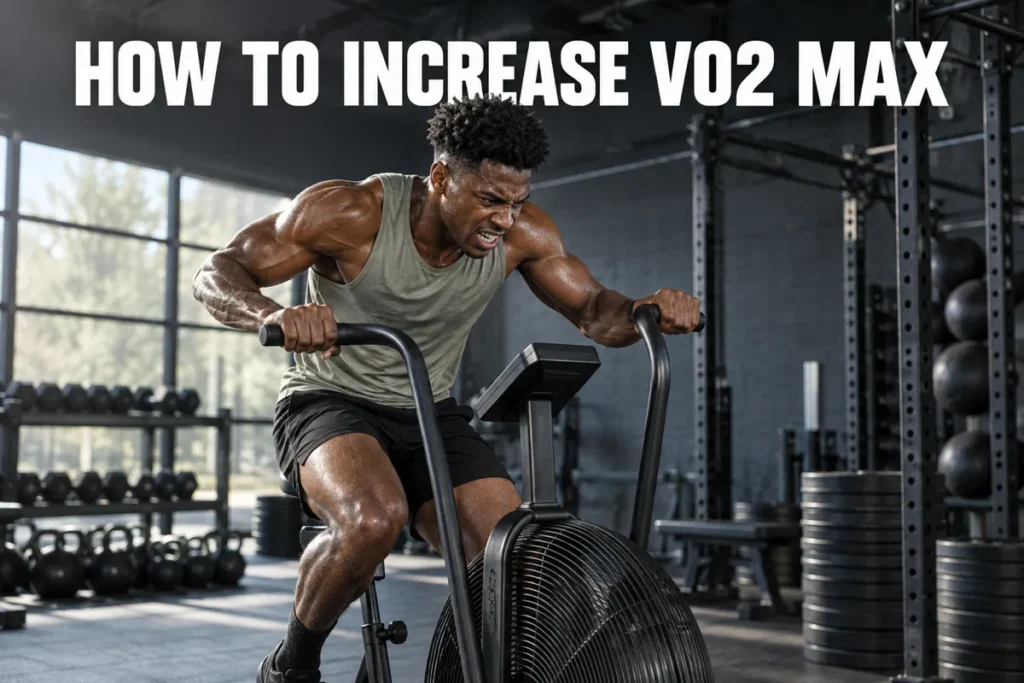
If you want to know how to increase VO2 max, you are working with one of the most well-studied questions in exercise science. VO2 max - maximum oxygen uptake per kilogram of bodyweight per minute - is the strongest single predictor of cardiovascular fitness and long-term endurance performance. The evidence is clear: VO2 max is highly trainable at any age. Sedentary adults typically see 10-20% gains within 8-12 weeks of structured training; already-fit adults typically require 12-20 weeks to see 3-8% improvements.
In this guide, I cover the dual-pillar training approach backed by multiple systematic reviews, give you specific workout structures for beginners and trained athletes, explain why VO2 max might stall despite consistent effort, and show you how wearable devices estimate - not measure - this metric.

How to Increase VO2 Max - The Training Methods That Actually Work
The most effective approach to increase VO2 max combines two distinct training intensities rather than grinding through high-effort sessions alone. Multiple systematic reviews confirm that exercise training at all intensities raises VO2 max (1). Structured across your training week, this polarized approach - approximately 80% of weekly training volume at Zone 2 intensity and 20% at high-intensity interval effort - produces the most consistent long-term results. A smartwatch with continuous heart rate monitoring simplifies the zone-targeting that this dual approach depends on.
The core rationale: high-intensity intervals stress your cardiovascular ceiling, while Zone 2 sessions build the mitochondrial density that makes those intervals sustainable. Remove either component and progress stalls.
High-Intensity Interval Training for VO2 Max
High-intensity interval training (HIIT) is the fastest-acting method to raise VO2 max. For those asking what is the fastest way to increase vo2 max, research consistently points to longer intervals of 3-5 minutes over short sprint repeats. A meta-analysis of 37 studies found that interval training increases VO2 max by an average of 0.51 liters per minute, with those longer efforts producing gains of 0.8-0.9 L/min (2). In practical terms, that translates to more oxygen delivered per cardiac cycle and faster recovery between hard efforts.
The most studied format is the Norwegian 4x4 Protocol: four 4-minute intervals at 85-95% of maximum heart rate, each followed by 3 minutes of active recovery at roughly 60% max HR. Research characterizing this protocol found participants averaged 12.9 minutes in the target heart rate zone per session - the threshold that drives reliable cardiac output adaptation (3). Before attempting this format, understanding how to calculate max heart rate is essential to setting accurate intensity zones.
Two to three HIIT sessions per week is the evidence-backed range. Exceeding three high-intensity sessions weekly tips the balance toward accumulated fatigue rather than adaptation. I've reviewed the progression patterns in multiple beginner programs - athletes who jump to three high-intensity sessions in week one are the most likely to drop off before week four. Starting at two sessions per week builds the training habit before adding a third.
Zone 2 Aerobic Base Training
Zone 2 work - sustained effort at 60-70% of maximum heart rate for 30-45 minutes - builds the mitochondrial density and capillary network that makes high-intensity intervals possible. For athletes looking to boost vo2 max without burning out, Zone 2 is the most underrated method - it builds the aerobic base that allows higher intensities to yield consistent returns. Without this foundation, HIIT sessions produce inconsistent effort outputs, recovery between intervals slows, and gains plateau faster.
For athletes who also want to maximize fat oxidation during Zone 2 sessions, my fat-burning target heart rate guide covers the specific intensity windows by age and fitness level.
For the exact bpm targets that define each zone and how to apply them in training, my zone 2 heart rate guide covers the full breakdown.
The clearest marker is conversational pace. If you can hold a full-sentence conversation throughout, you're in Zone 2. Two to three Zone 2 sessions per week, spaced between HIIT days, creates the balanced stimulus that compounds VO2 max gains over time.
What Is VO2 Max?
VO2 max - or maximal oxygen uptake - measures the maximum volume of oxygen your body can consume and utilize per kilogram of bodyweight per minute, expressed in ml/kg/min. It is the single most reliable predictor of cardiovascular fitness and aerobic capacity across all fitness levels and ages.
For context on how your score compares to population norms, my VO2max by age chart maps the reference ranges from published research across every decade.
Two variables determine your VO2 max: how efficiently your heart pumps oxygenated blood to working muscles, and how well those muscles extract and use the oxygen. Training at the right intensities improves both. Well-trained endurance athletes reach values of 60-75 ml/kg/min; sedentary adults often measure between 25-35 ml/kg/min, but that gap is narrowable with consistent structured work.
What Is a VO2 Max Test?
The gold standard what is vo2 max test methodology is a graded exercise test conducted in a laboratory or clinical setting. During this test, you exercise on a treadmill or cycle ergometer at progressively increasing intensity while a metabolic analyzer measures the actual oxygen you consume and carbon dioxide you produce. The test continues until volitional exhaustion; the highest oxygen uptake recorded is your VO2 max.
Consumer wearables - Garmin, Apple Watch, Polar, Oura - estimate VO2 max using heart rate variability and exertion data. These estimates typically track the directional trend accurately but deviate from lab-measured values by 5-15% depending on the device and individual. For training purposes, consistency of measurement matters more than absolute accuracy: use the same device under the same conditions to monitor your trend over weeks, not single sessions.
Apple Watch captures most of that HRV baseline data during sleep, and my how Apple Watch tracks sleep guide covers what the overnight algorithm actually measures.
Why VO2 Max Matters Beyond Fitness
Research consistently links higher VO2 max to significantly reduced all-cause mortality risk. Each incremental improvement in aerobic capacity is associated with a meaningful reduction in cardiovascular disease and metabolic disease risk - a benefit that compounds across fitness levels and ages. Beyond the performance metric, building VO2 max is one of the most direct physiological interventions available for cognitive longevity and quality of life. It is not just an athletic marker; it is one of the strongest predictors of how long and how well you live.
VO2 Max Workouts - Sessions for Beginners and Trained Athletes
Research on improving vo2max shows a consistent pattern: less-fit individuals benefit more from high-intensity training than already-trained athletes, and they see larger early gains. Studies across 11 systematic reviews confirm that older and less-fit individuals consistently responded more strongly to high-intensity protocols (1). The best exercises to increase vo2 max share a common trait: they push your heart rate into the 80-95% zone for sustained 2-5 minute periods. A randomized controlled trial found within-group improvements of 3.5 ml/kg/min (HIIT) versus 1.9 ml/kg/min with steady-state cardio, though the between-group difference did not reach statistical significance at the training volumes studied (4). That gap widens further in sedentary or previously inactive people, making the early weeks of training particularly impactful.

Beginner VO2 Max Workout Plan
Start with shorter, less intense intervals and progress weekly. This beginner-friendly approach builds confidence and aerobic base before demanding full 4x4 efforts:
- Week 1-2: 4 x 2-minute intervals at 80-85% max HR, 2 minutes of easy recovery after each; 2 sessions per week
- Week 3-4: Progress to 4 x 3-minute intervals at 85-90% max HR, 2 minutes easy recovery; 2 sessions per week
- Pair each interval session with one 30-35 minute Zone 2 session on a separate day
- Rest day rule: at least one full rest day between any two structured sessions
Advanced VO2 Max Training Plan
Trained athletes need higher volume and longer intervals to drive continued VO2 max adaptation. A complete vo2 max training program for experienced exercisers includes progressive overload across interval duration and frequency. Save or print this weekly plan as a vo2 max training program pdf reference for your training log:
Day | Session Type | Duration | Intensity | Target HR Zone |
Monday | Norwegian 4x4 HIIT | 40-50 min | 85-95% max HR | Zone 4-5 |
Tuesday | Zone 2 Base | 45 min | 60-70% max HR | Zone 2 |
Wednesday | Tempo Run or Ride | 35-45 min | 75-85% max HR | Zone 3 |
Thursday | Zone 2 Base | 50-60 min | 60-70% max HR | Zone 2 |
Friday | Rest or easy walk | 20-30 min | Below 60% max HR | Zone 1 |
Saturday | 4x4 HIIT - Variant | 40-50 min | 85-95% max HR | Zone 4-5 |
Sunday | Full rest | - | - | - |
This structure provides two high-intensity stimuli (intervals and tempo), two Zone 2 sessions, and sufficient recovery for adaptation to compound week over week.
How to Increase VO2 Max Without Running
Running is the most common vehicle for vo2 max exercises, but it is not required. Training vo2max through cycling, rowing, or swimming follows the same intensity principles as running - two to three interval sessions per week, alternating with Zone 2 base work. Cycling, rowing, and swimming all elevate heart rate into the interval and Zone 2 ranges needed for VO2 max adaptation. A 2026 meta-analysis comparing run-only to cycle-only training found no statistically significant difference in VO2 max gains between modalities (5). The practical caveat: fitness adaptations are partially mode-specific, so a cyclist who trains exclusively on the bike will improve their cycling VO2 max but won't automatically transfer all gains to running.
For structured interval cycling that hits the 85-95% effort zones this method requires, my top exercise bike guide covers the most effective machines by resistance type.
For athletes with joint issues, injury limitations, or a preference for variety, these are the most effective non-running options:
- Cycling (stationary or outdoor): easiest to apply the 4x4 interval format; heart rate response closely mirrors running effort
- Rowing: engages more muscles than most cardio exercises and reaches target heart rate zones rapidly; excellent for both intervals and Zone 2
- Swimming: near-zero impact; best for Zone 2 base work, though reaching peak interval intensity requires solid technique
- Incline treadmill walking: steep-grade walking elevates heart rate significantly without the impact of running; effective Zone 2 option for those who cannot run
- Stair climbing or elliptical: continuous cardiorespiratory effort at lower impact; usable for both interval and base-work sessions
Even less conventional formats carry evidence. A systematic review found that Pilates-based training improved VO2 max by an average of 2.77 ml/kg/min, demonstrating that sustained effort and breathing demand - not just running mechanics - can drive aerobic adaptation (6). Across all modalities, the benefits of building a varied movement practice - switching between modes based on recovery and preference - extend to injury prevention and long-term training consistency.
How Long Does It Take to Increase VO2 Max?
How long it takes to increase VO2 max depends primarily on starting fitness level and training consistency. Sedentary individuals have more physiological headroom and typically see the largest early gains. Trained athletes adapt more slowly because their cardiovascular systems are already well-developed.

Fitness Level | Expected Timeline | Expected VO2 Max Gain | Notes |
Sedentary / beginner | 8-12 weeks | 10-20% | Most physiological headroom; largest early gains |
Moderately active | 10-16 weeks | 5-10% | Existing base slows early adaptation rate |
Trained athlete | 12-20 weeks | 3-8% | Requires progressive overload to keep adapting |
Highly trained | 20+ weeks | 1-3% | Marginal gains require precision periodization |
Individual variation matters - some people are high-responders who adapt faster; others show smaller measurable changes with the same protocol.
For context on where your current score sits relative to population norms, my VO2 max by age guide breaks down expected ranges for each decade.
I've worked with recreational cyclists who added the Norwegian 4x4 protocol to an existing base of four weekly Zone 2 rides and measured their first notable VO2 max increase at week 11 - right at the upper end of the moderately active timeline.
Rowing machine intervals produce equivalent VO2 max adaptations while distributing training stress across upper and lower body, and my rowing machine guide covers the top-rated models for interval training.
Key factors that accelerate VO2 max improvements:
- Sleep: 7-9 hours per night; physiological adaptation occurs during recovery, not during the training session itself
- Consistency: missing sessions reverses some aerobic adaptations within days to weeks
- Progressive overload: increase interval duration or weekly frequency gradually every 2-4 weeks
- Fueling: adequate carbohydrate intake to sustain high-intensity sessions and protein for muscle repair
Why Is My VO2 Max Not Improving?
A stalled or declining VO2 max is one of the most frustrating experiences in endurance training - especially when it happens despite consistent sessions. The most common cause is insufficient recovery, not insufficient training. Understanding why VO2 max is not improving means looking beyond raw training hours at the full picture.

Three common mistakes that flatline VO2 max gains:
- Skipping Zone 2 base work - training exclusively at moderate effort without structured Zone 2 or true high-intensity intervals limits the dual-pillar adaptation
- Too much high-intensity too fast - adding a third or fourth HIIT session before recovery capacity catches up accumulates cortisol and suppresses cardiac adaptation
- Not progressing - keeping interval duration and frequency constant for 8+ weeks removes the progressive overload that drives continued improvement
Device Error vs. True Fitness Loss
Consumer wearable devices estimate VO2 max using heart rate variability and exertion data - they do not measure it directly via gas exchange. That estimate drops whenever elevated resting heart rate - from illness, poor sleep, or accumulated fatigue - makes your cardiovascular system appear to work harder at a given effort level. The following causes explain most declines:
- Under-recovery: three or more high-intensity sessions per week without adequate rest accumulates cortisol and suppresses cardiac adaptation
- Illness or infection: even mild respiratory illness raises resting heart rate, which distorts wearable VO2 max estimates downward
- Reduced cardio volume: shifting weekly training toward strength work with fewer aerobic sessions reduces the stimulus that maintains VO2 max
- De-training: as few as 2-3 weeks of reduced cardio volume produces measurable VO2 max declines
- Weight gain: relative VO2 max (ml/kg/min) falls with bodyweight increases even if absolute aerobic capacity remains stable
- Wearable measurement error: smartwatch heart rate accuracy is affected by movement artifacts, wrist position, and skin-related signal noise - sometimes the drop is the device, not your fitness
If your wearable shows a sudden decline during a week of poor sleep or high-stress events, I'd treat that as a device data quality flag - particularly with Garmin, whose VO2 max algorithm is documented to drop estimates during weeks of disrupted sleep before rebounding when HRV normalizes. Confirm by comparing your heart rate at a steady, familiar effort pace; if it feels the same, the reading is likely noise.
Choosing a device with consistent sensor quality reduces that noise substantially, and my top fitness tracker guide evaluates the most accurate options for VO2 max and zone monitoring.
Smart Tracking, Breathing Exercises, and Supplements to Boost VO2 Max
Wearables estimate VO2 max from heart rate response rather than measuring oxygen uptake directly, and knowing how that estimate is built helps you read the numbers with the right amount of confidence.
A chest strap delivers the direct HR data those estimates build on, and my chest strap heart rate monitor guide covers pairing, accuracy, and compatibility with common training apps.
Tracking VO2 Max With Wearables
Consumer wearables such as Garmin, Apple Watch, Polar, and Oura estimate VO2 max by analyzing how efficiently your heart responds to given workloads. These are approximations, not laboratory measurements - they typically track the trend accurately but can deviate from lab-measured values by 5-15% depending on the device and individual.
Device selection matters more than most athletes expect, and my top fitness watch guide evaluates VO2 max algorithm consistency and tracking accuracy across the leading platforms.
A Garmin and Apple Watch accuracy comparison shows meaningful platform-level differences in how each calculates estimates. For practical training use, track the directional trend over weeks and months - not single-session readings. Use the same device under the same conditions for valid week-over-week comparisons, and when your estimate drops suddenly during a high-stress week, log it as a data quality note rather than a true fitness setback.
A vo2 max calculator tool (available from most wearable manufacturers and several fitness apps) can also give you an estimated baseline before starting a structured program, though a lab graded exercise test remains the gold standard if you need a precise number for medical or performance planning.
For a parallel view of how daily walking volume translates to calorie expenditure, my 10,000 steps calorie guide covers estimates by weight and walking intensity.
For runners who want consistent VO2 max tracking alongside pace zones and training load, my top fitness tracker for runners covers the most accurate options available.
Breathing Exercises to Increase VO2 Max
Breathing exercises - particularly diaphragmatic breathing practice and paced breathing patterns - improve respiratory efficiency at submaximal intensities. They do not directly raise your measured VO2 max the way interval training does, but they reduce the ventilatory cost at a given workload, which means less oxygen spent on breathing mechanics and more available for working muscles.
As a pre-HIIT warm-up, box breathing (4 seconds in, 4 seconds hold, 4 out, 4 seconds hold) for 3-5 minutes before interval work lowers baseline heart rate and respiratory rate, improving the quality of the first interval. The practical framing: breathing exercises are a respiratory efficiency support tool - valuable for optimizing session quality, not a replacement for the aerobic training stimulus.
If you want to know how to increase vo2 max fast, structured cardiovascular intervals - especially the 4x4 format - remain the most time-efficient primary method.
Athletes who pair these intervals with a device that tracks zone time and recovery metrics see faster adaptation, and my top fitness tracker for CrossFit training covers the options built for high-intensity work.
Supplements to Increase VO2 Max
The supplements category is thin on strong evidence, but a few have credible research behind them. Beetroot juice (dietary nitrates at 300-600 mg daily) has the most consistent support - it reduces oxygen cost of exercise and improves time-to-exhaustion in trained individuals. Caffeine acutely improves endurance performance but does not raise the aerobic ceiling. Creatine supports high-intensity efforts but has minimal direct impact on VO2 max. No supplement replaces the training stimulus itself.
Tracking the caloric and protein intake that supports those training loads matters as much as the supplements themselves, and my top calorie tracker guide covers the most reliable tools for endurance athletes.
The Training Habit That Actually Moves the Needle
How to increase vo2 max comes down to a repeatable structure: two to three HIIT sessions and two to three Zone 2 sessions per week, with 7-9 hours of sleep and progressive overload every few weeks. Most beginners see measurable gains within 8-12 weeks; trained athletes need 12-20 weeks or more to move the number meaningfully.
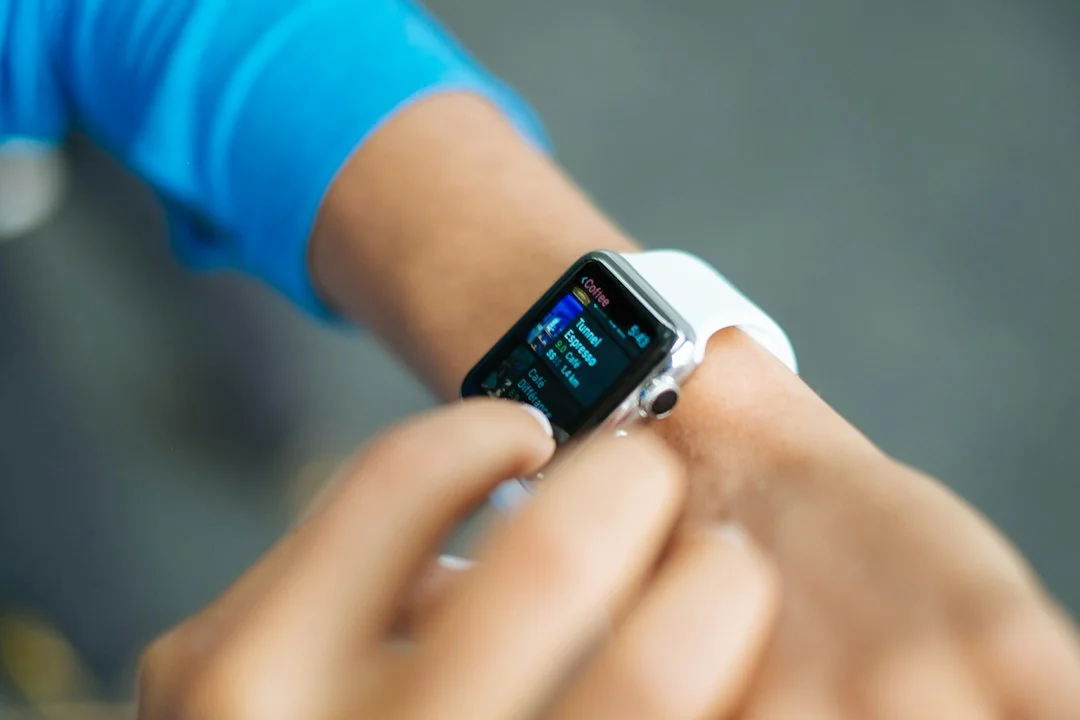
I've tracked the research on improving vo2max across multiple systematic reviews, and the pattern is consistent: athletes who plateau are almost always under-recovering, not under-training. In the Helgerud 4x4 protocol research, subjects who stalled were averaging fewer than 48 hours between high-intensity sessions. Learning how to increase vo2max requires treating recovery as part of the training equation, not a passive gap between sessions.
If you track with a wearable, focus on the trend over months, not days. The device shows an estimate; the training drives the result.
FAQs
What is a good VO2 max by age?
A good VO2 max varies substantially by age and sex, with higher values typical in younger adults. As a general reference range, men aged 30-39 average roughly 40-50 ml/kg/min, declining to 30-40 ml/kg/min by age 60-69; women's values run approximately 5-10 ml/kg/min lower at each age group, and values above 50 ml/kg/min in either group indicate high aerobic fitness.
Why is my VO2 so poor?
Poor VO2 max typically reflects insufficient cardiovascular training volume, excess body weight relative to muscle mass, or a sedentary baseline that has not yet responded to structured effort. The good news is that both factors - training volume and body composition - respond meaningfully to consistent aerobic and interval training within 8-12 weeks.
Will walking improve my VO2 max?
Walking can improve VO2 max in sedentary individuals because any sustained cardiovascular effort above resting baseline drives some aerobic adaptation. For already-active people, brisk walking or incline walking provides a meaningful Zone 2 stimulus; flat-surface casual walking alone is typically insufficient to raise VO2 max in individuals who already exercise regularly.
How long does it take for VO2 Max to increase?
The timeline for VO2 max to increase depends on starting fitness level, with sedentary adults typically seeing 10-20% gains within 8-12 weeks of structured training. Trained athletes require 12-20 weeks for meaningful improvements because their cardiovascular systems are already well-adapted, leaving less physiological headroom for rapid change.
What is VO2 max?
VO2 max is the maximum volume of oxygen your body can consume and use per kilogram of bodyweight per minute during sustained exercise, expressed in ml/kg/min. It is the gold-standard measure of cardiovascular fitness and aerobic capacity, assessed via a what is vo2 max test in clinical and sports settings using a graded exercise test on a treadmill or cycle ergometer with respiratory gas analysis.
This content is for informational and educational purposes only. It is not a substitute for professional medical advice, diagnosis, or treatment. Always consult with your healthcare provider before starting any new fitness program or using fitness technology for health monitoring.
References
- Crowley E, Powell C, Carson BP, Davies RW. The effect of exercise training intensity on VO2max in healthy adults: an overview of systematic reviews and meta-analyses. Translational Sports Medicine. 2022;2022:9310710. doi:10.1155/2022/9310710.
- Bacon AP, Carter RE, Ogle EA, Joyner MJ. VO2max trainability and high intensity interval training in humans: a meta-analysis. PLoS ONE. 2013;8(9):e73182. doi:10.1371/journal.pone.0073182.
- Acala JJ, Roche-Willis D, Astorino TA. Characterizing the heart rate response to the 4x4 interval exercise protocol. International Journal of Environmental Research and Public Health. 2020;17(14):5103. doi:10.3390/ijerph17145103.
- Arboleda-Serna VH, Feito Y, Patino-Villada FA, et al. Effects of high-intensity interval training compared to moderate-intensity continuous training on maximal oxygen consumption and blood pressure in healthy men: a randomized controlled trial. Biomedica. 2019;39(3):524-536. doi:10.7705/biomedica.4451.
- Menges T, Dindorf C, Dully J, Fröhlich M. Cross-training between running and cycling: effects on VO2max and running performance - a systematic review and meta-analysis. Frontiers in Sports and Active Living. 2026;8:1843803. doi:10.3389/fspor.2026.1843803.
- Fernandez-Rodriguez R, Alvarez-Bueno C, Ferri-Morales A, et al. Pilates method improves cardiorespiratory fitness: a systematic review and meta-analysis. Journal of Clinical Medicine. 2019;8(11):1761. doi:10.3390/jcm8111761.