
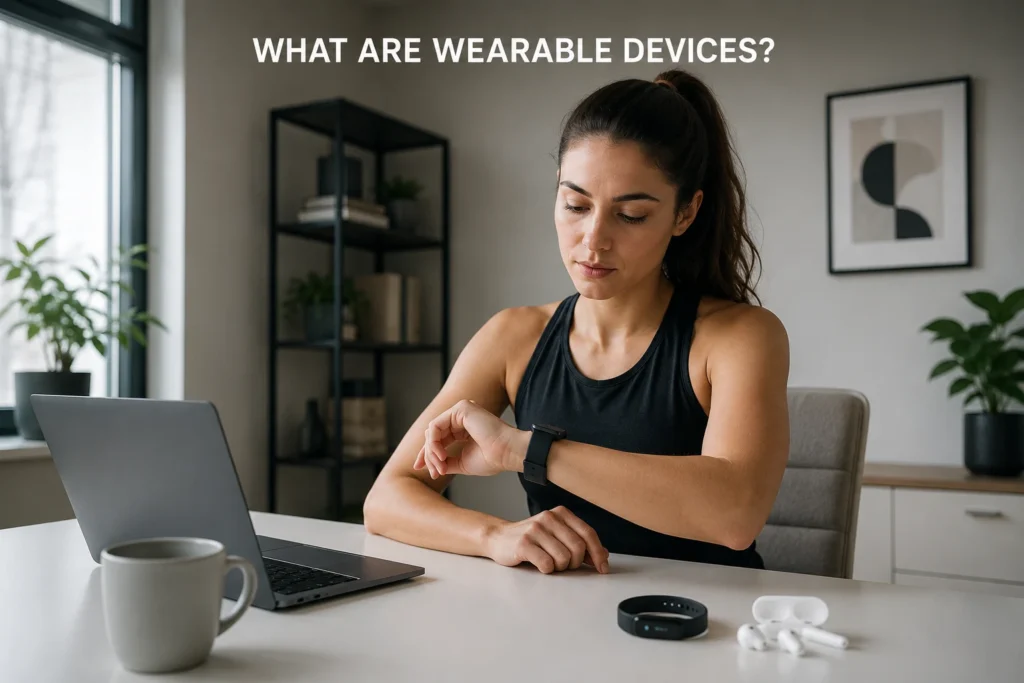
What are wearable devices, and why have they become the most discussed category in personal health technology? Shipments of wearable tech are expected to surpass 145 million units in a single quarter in 2026 - a number that reflects how deeply these devices have embedded themselves in everyday health monitoring. From smartwatches that detect atrial fibrillation to continuous glucose monitors that replace fingerstick testing, the category now spans consumer convenience and FDA-regulated medical tools. In this guide, I break down the main types of wearable devices, how their sensors work, what the clinical research actually shows, and where the real limitations lie. You will leave with a clear picture of which device category fits your health and fitness goals.

What Are Wearable Devices - A Clear Definition
Wearable devices are electronic devices worn directly on the body that use embedded sensors to collect physiological and movement data, then transmit that data wirelessly to a smartphone, app, or cloud platform. They combine microprocessors, batteries, and connectivity - typically Bluetooth or Wi-Fi - to turn your body's signals into real-time health information you can act on throughout the day.
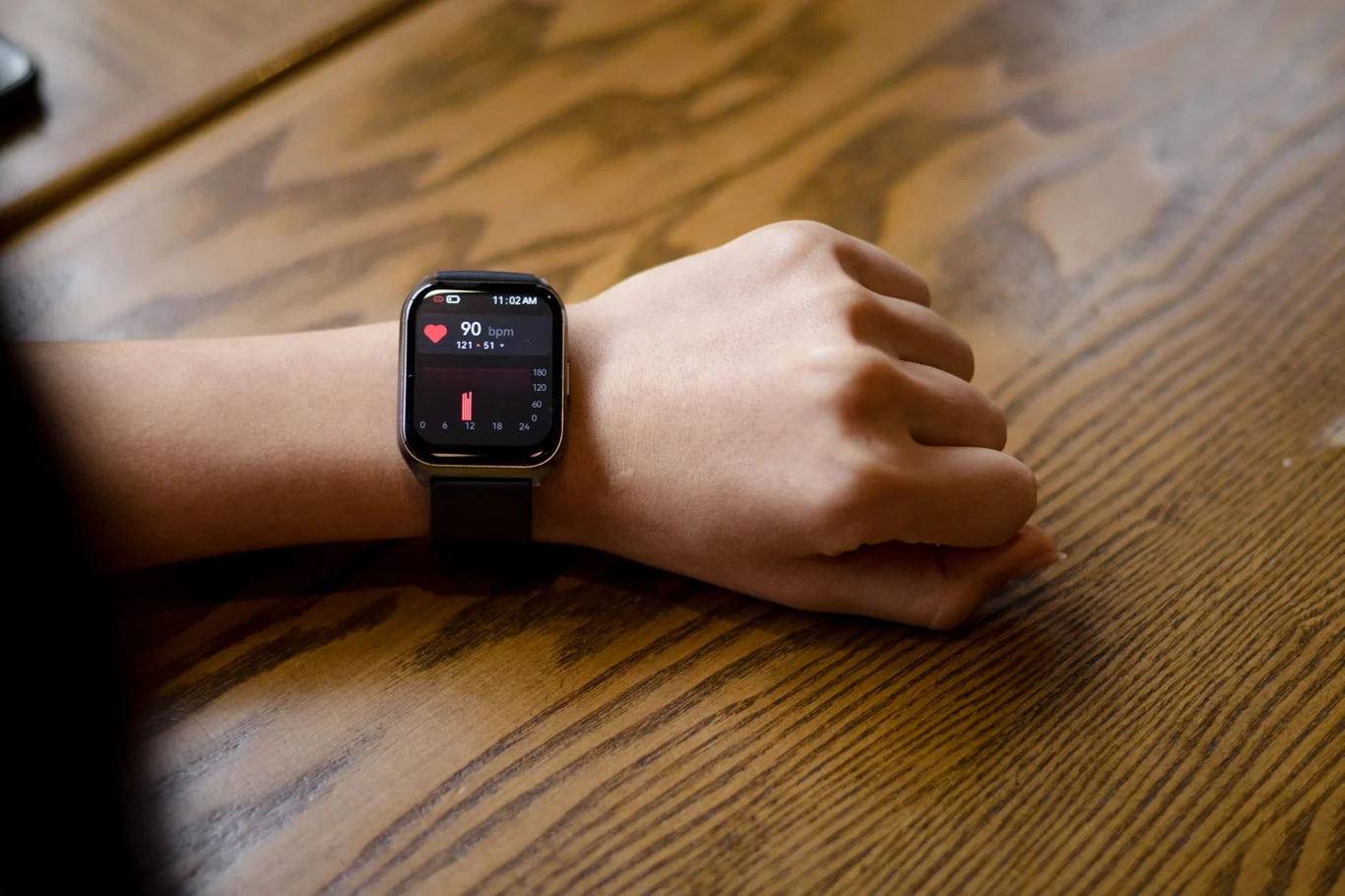
The defining characteristic is continuous collection. Unlike a single blood pressure reading at a clinic, a wrist-worn wearable captures heart rate data thousands of times per day. This longitudinal density is what makes wearable health monitoring devices fundamentally different from episodic clinical measurements - and why researchers consistently find them effective for behavior change and early signal detection.
Wearable devices broadly collect four categories of data:
- Movement data: steps, distance, active minutes, floors climbed, and specific exercise type detection
- Cardiovascular data: heart rate, heart rate variability (HRV), and ECG rhythm in advanced models
- Recovery signals: sleep stages, resting heart rate trends, and blood oxygen (SpO2) levels
- Location and environment: GPS coordinates, altitude, and ambient temperature
These categories overlap in modern devices - a current-generation smartwatch captures all four simultaneously. If you are specifically looking for devices optimized for training, our best fitness tracker for weight lifting guide covers how wearables go well beyond step-counting for strength athletes.
Types of Wearable Devices
Understanding the categories helps you match device capability to your actual needs. The primary types of wearable devices include fitness trackers and activity bands, smartwatches, medical wearable devices, smart rings and earbuds, smart glasses, and smart clothing. Common examples of wearable devices span everything from a basic Fitbit step counter to an FDA-cleared Dexcom G7 worn continuously by people managing diabetes.

Fitness Trackers and Activity Bands
Fitness trackers are among the most familiar examples of wearable devices. Worn on the wrist, they focus on movement metrics - steps, calories, active minutes, and basic sleep tracking. Models from Fitbit, Garmin, and Xiaomi offer 7 to 21 days of battery life by limiting display complexity and sensor arrays.
For a full breakdown of how fitness trackers differ from medical wearables and smartwatches in terms of sensor design, battery trade-offs, and data output, my post on what is a fitness tracker covers the technology, use cases, and how to match the right device to your activity level.
These are most effective for users building foundational activity habits. Research across 23 randomized controlled trials totaling 4,566 older adults found wearable activity trackers significantly increased daily step counts (SMD=0.58) compared to usual care, with moderate certainty of evidence (1). The real-time feedback loop - seeing your steps update throughout the day - consistently drives incremental activity even in previously sedentary populations.
Smartwatches
Smartwatches expand on the fitness tracker with touchscreens, notification management, and clinical-grade health sensors. The Apple Watch Series 10, Samsung Galaxy Watch 7, and Garmin Venu 3 include ECG capabilities, irregular rhythm notifications, fall detection, and GPS-based workout tracking.
For a ranked comparison of the top options across battery life, sensor accuracy, and training features, my best fitness watch guide covers the models that consistently perform across all three.
Battery life is the most common trade-off: most smartwatches require nightly or every-other-day charging. How much this matters depends on whether your priority is daytime workout tracking or uninterrupted 24/7 physiological monitoring. Our comparison of Garmin versus Apple Watch accuracy walks through which platform holds up better across different activity types and use cases.
Medical Wearable Devices
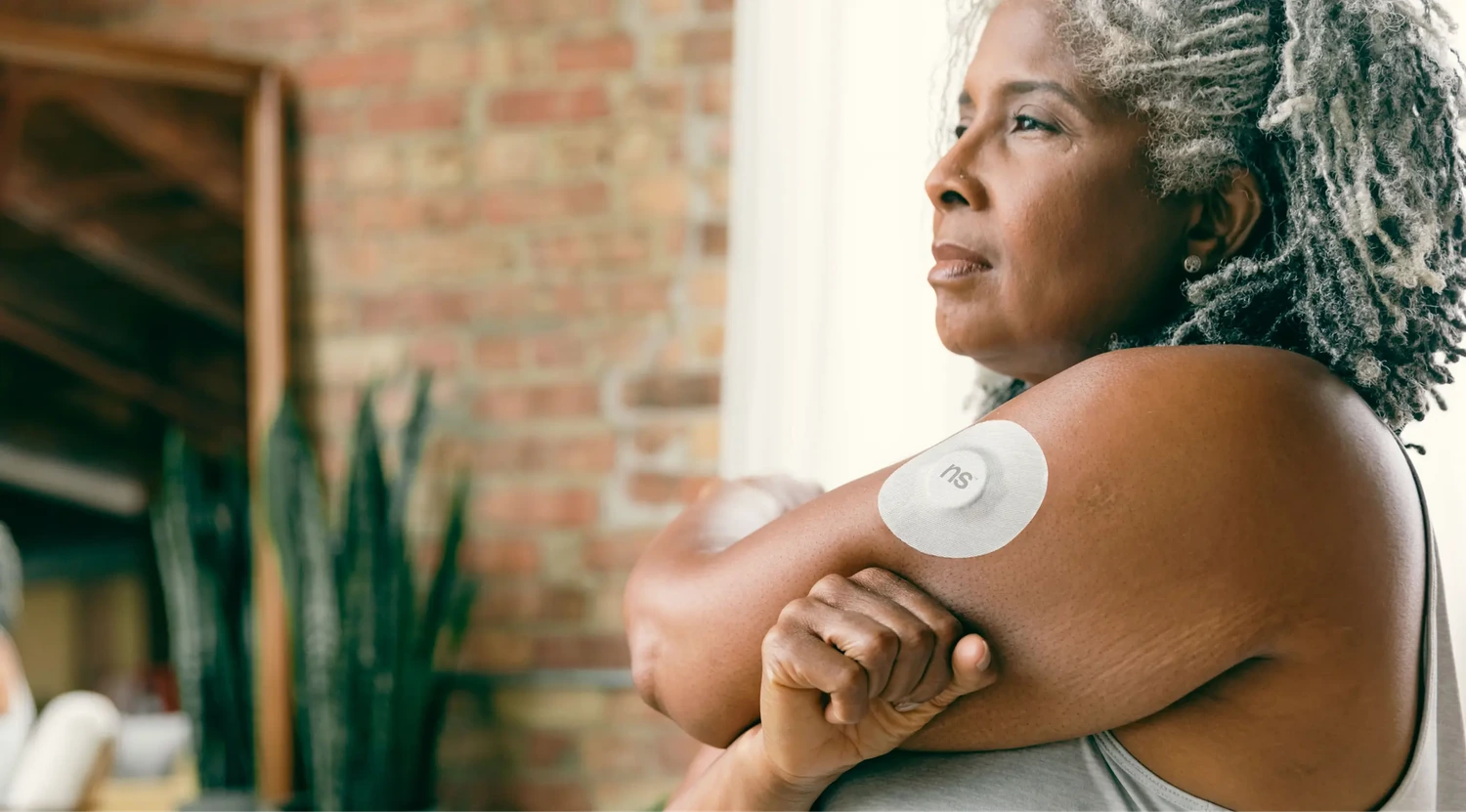
Medical wearables occupy a distinct regulatory tier above consumer devices. FreeStyle Libre and Dexcom G7 continuous glucose monitors (CGMs) insert a small filament subcutaneously to deliver real-time blood glucose readings without fingersticks - FDA-cleared tools for diabetes management. Ambulatory ECG patches like Zio Patch, ambulatory blood pressure monitors, and TENS therapy patches are further examples of wearable medical devices used under clinical supervision.
The critical distinction: consumer wearables support wellness awareness, while medical wearables are regulated diagnostic or therapeutic tools. A smartwatch's irregular rhythm alert can prompt a clinical evaluation; it cannot replace a cardiologist's diagnosis.
Smart Rings and Earbuds
Smart rings such as the Oura Ring 4 and Samsung Galaxy Ring pack PPG heart rate, skin temperature, and SpO2 sensors into a form factor most wearers describe as easier to keep on overnight than a watch. WHOOP 5.0 uses a strap design that prioritizes strain and recovery metrics.
At the simpler end of the wearable spectrum, dedicated step counters eliminate HRV and sleep staging to focus on reliable daily movement data; my post on what is a pedometer watch explains how these devices work, who they suit, and when they outperform more complex alternatives.
Hearables - smart earbuds with in-ear PPG sensors like Apple AirPods Pro 3 - represent the fastest-growing wearable subcategory by global shipment volume. They track heart rate passively during activities where a wrist device feels intrusive, though accuracy during high-intensity exercise remains lower than dedicated wrist-based optical sensors.
Smart Glasses
Smart glasses represent a rapidly maturing category at the intersection of wearable health monitoring and augmented reality. Devices like Meta Ray-Ban Smart Glasses embed cameras, microphones, and AI assistants, while dedicated health-focused options add biometric sensors for gaze tracking and stress detection. This segment is most relevant for rehabilitation, industrial safety, and elite sports contexts where screen interaction is impractical during activity.
Smart Clothing and E-Textiles
Compression shirts, sports bras, and running tights embedded with ECG electrodes and accelerometers form the emerging smart clothing category. Brands like Hexoskin and Athos are most prevalent in elite sports performance settings. This segment remains expensive and niche relative to wrist-based wearables but represents the likely future direction for athletes needing unobtrusive clinical-quality data during competition.
How Wearable Health Monitoring Devices Measure Data
Most wrist-worn wearable health monitoring devices rely on photoplethysmography (PPG) - LEDs shine green, red, or infrared light into the skin and a photodetector measures how much reflects back. Blood absorbs light differently depending on flow volume and oxygen saturation, allowing the sensor to infer heart rate, HRV, and SpO2 from light reflection patterns.
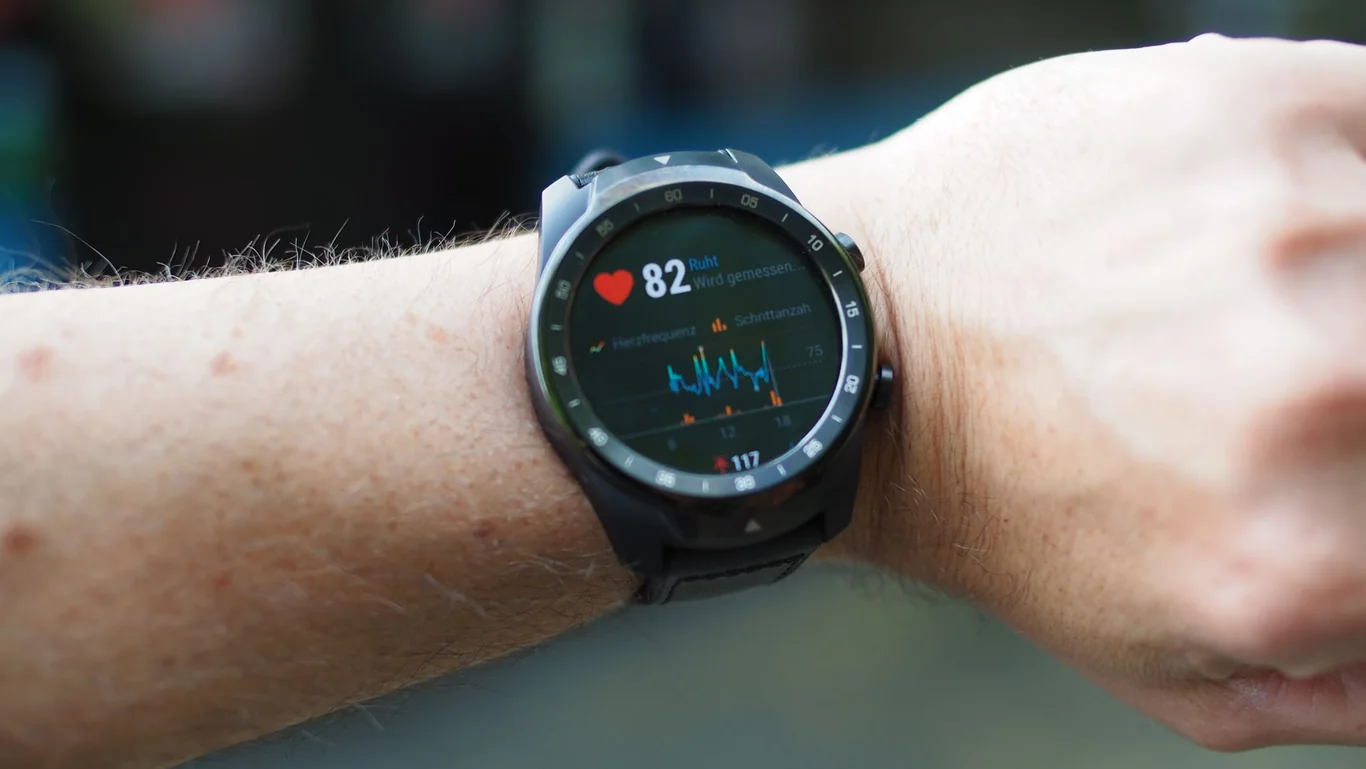
PPG accuracy is well-established for resting and low-intensity monitoring but degrades with motion, poor skin contact, and darker skin tones due to higher melanin absorbing more light. A prospective clinical trial of 112 postoperative patients - comparing Apple Watch 7, Garmin Fenix 6 Pro, Withings ScanWatch, and Fitbit Sense against ECG gold-standard measurements - found all four devices achieved mean absolute percentage error below 5% for heart rate monitoring (2). That is clinically acceptable for continuous trend tracking but not for acute clinical measurement.
For atrial fibrillation detection, ECG-capable smartwatches perform significantly better than optical-only sensors. A 2025 meta-analysis covering 26 studies and 17,349 patients found smartwatch ECG algorithms achieved 95% sensitivity and 97% specificity for atrial fibrillation detection, with an AUC of 0.97 (3). This is the most rigorously validated clinical application for consumer wearables currently on the market. For a detailed breakdown of sensor accuracy by activity type, see our guide on how accurate smartwatches are for heart rate monitoring.
Inertial measurement units (IMUs) - accelerometers and gyroscopes - handle movement tracking, step counting, gait analysis, and exercise type recognition. A 2026 systematic review found IMU-based wearable sensors achieved 92% accuracy for stroke rehabilitation movement assessment, 83% accuracy for Parkinson's disease tremor detection, and 93.6% accuracy for medication adherence monitoring (4). These findings demonstrate that motion sensors carry genuine clinical utility well beyond step classification.
Wearable Devices in Healthcare - Clinical Applications
Examples of wearable health monitoring devices used in clinical settings include ambulatory ECG patches for arrhythmia detection, CGMs for diabetes management, and smartwatch platforms supporting cardiac rehabilitation. These applications have moved from pilot studies to standard-of-care support across multiple specialties, with the strongest evidence clustering around three areas.
Cardiovascular monitoring and rehabilitation represents the most mature clinical use. A randomized controlled trial of 62 coronary heart disease patients found that home-based cardiac rehabilitation supported by a smartwatch produced significantly higher adherence scores (89.17 vs. 72.50, P<0.001) alongside measurable improvements in peak VO2 compared to standard care alone (5). Wearables provide the feedback loop that remote rehabilitation inherently lacks.
Physical activity promotion holds the largest evidence base. A meta-analysis of 16 RCTs covering 1,427 cardiovascular patients found wearable device interventions with real-time feedback produced approximately 1,534 additional daily steps (SMD 0.85) compared to usual care, with significant improvements in 6-minute walk distance (6). These are clinically meaningful improvements produced by adding a tracking device to an existing care plan.
Chronic disease management shows consistent, if more modest, effects. Analysis of 37 studies involving 2,955 COPD patients found wearable interventions increased daily step counts by approximately 850 steps - within the clinically meaningful threshold - and improved 6-minute walk distance by 5.81 meters (7). Benefits tended to diminish beyond three months, suggesting that device design and coaching integration matter as much as the sensor hardware itself.
A comprehensive scoping review of 109 studies mapped seven primary health monitoring applications for wearables: mobility tracking, mental health monitoring, fall detection, arrhythmia identification, activity recognition, disease diagnosis support, and sleep monitoring (8). Wrist and waist placements were most common; chest-mounted sensors achieved the highest accuracy for cardiac applications.
Pairing wearable output with nutritional intake data significantly deepens health insights. Our guide to the best calorie trackers covers apps and devices that integrate directly with major wearable ecosystems to complete the metabolic picture.
Most Popular Wearable Devices in 2026
Consumer demand has converged around three global categories: hearables (smart earbuds with embedded health sensors) lead by shipment volume, followed by smartwatches, then dedicated fitness bands. This list of wearable devices represents the top platforms by active user base in 2026:
- Apple Watch Series 10 - the broadest ECG and health sensor suite in a mainstream consumer device
- Samsung Galaxy Watch 7 - strongest Android integration with clinically useful sleep and rhythm monitoring
- Garmin Forerunner 965 - endurance athlete benchmark with 23-day battery in smartwatch mode and best-in-class GPS precision
- Fitbit Charge 6 - ideal for users prioritizing battery life and step-focused accountability
- Oura Ring 4 - leading recovery and sleep scoring in a ring form factor that removes wrist-wear friction
- WHOOP 5.0 - subscription-based recovery platform for athletes needing strain and readiness data
- Apple AirPods Pro 3 - the top wearable health device in the hearable category

Understanding what a smartwatch does beyond basic notifications helps readers decide between smartwatches and dedicated fitness trackers. The feature differential is significant, and the right answer depends almost entirely on which metrics matter most to you.
For a curated breakdown of the top-rated options across sensor accuracy, battery life, and price, my best fitness tracker guide covers the models that rank highest across all three criteria.
Wearable Devices and Your Training Goals
Wearables are most effective when device capabilities align with specific training objectives rather than defaulting to brand preference. I consistently find that users who match the device to their goal outperform those who simply buy the most-reviewed option - the best approach differs by objective:
- Cardiovascular training: heart rate zone monitoring is the highest-value feature. Optical HR plus GPS - found in models like the Garmin Forerunner 255 - gives zone accuracy comparable to chest straps for steady-state cardio. Wearable tracking integrates particularly well with structured cardio programs, whether you are using a treadmill for home workouts or training outdoors.
- Strength training: wrist-based movement sensors detect reps and sets for many common barbell and dumbbell exercises, though accuracy varies significantly by exercise. Models with dedicated strength-tracking modes outperform general-purpose sensors.
- Weight management: the combination of step tracking, active calorie estimation, and sleep monitoring creates an accountability structure the research consistently supports for sustained behavioral change.
- Recovery optimization: HRV, resting heart rate trends, and sleep staging are highest priority here. WHOOP and Oura Ring were purpose-built for this use case and outperform general smartwatches on recovery metrics.
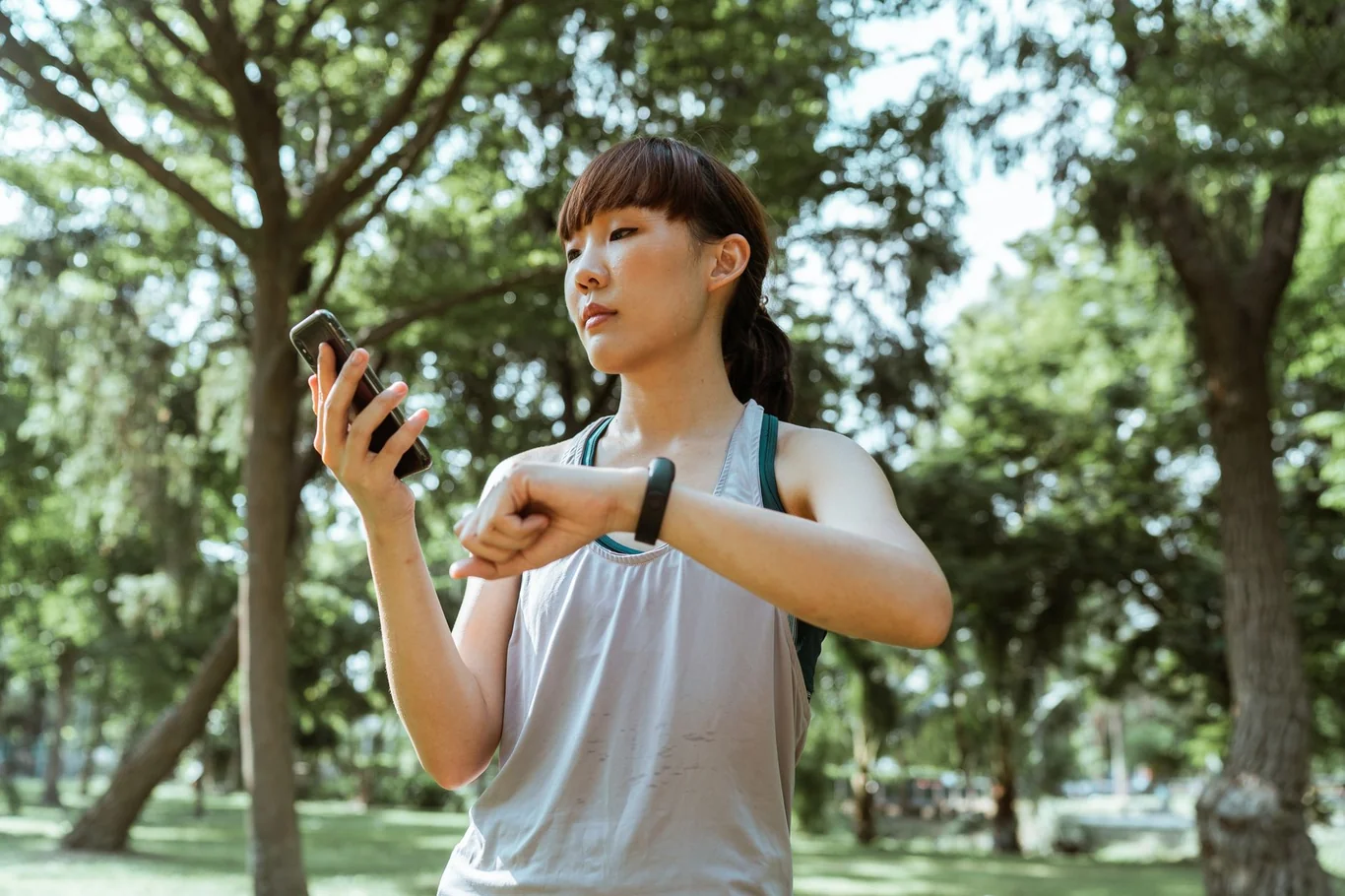
Key Benefits of Wearable Technology for Long-Term Health
The research on wearable technology's benefits is more nuanced than marketing materials suggest - but the core evidence is genuine:
- Behavioral accountability: Real-time step feedback creates measurable, reproducible behavior change. Li et al. (2025) found this effect consistent across 23 RCTs of older adults - not a marginal benefit but a reliable pattern attributable to the feedback loop (1).
- Early cardiovascular signal detection: Irregular rhythm alerts have prompted clinical evaluations identifying atrial fibrillation in asymptomatic users before stroke risk materialized. This is the strongest proven clinical use case for consumer smartwatches.
- Longitudinal trend insight: Ninety days of resting heart rate and HRV data reveals patterns that no single clinical appointment captures. Gradual HRV decline or sustained resting HR elevation can prompt early lifestyle adjustments.
- Rehabilitation adherence support: Zhang et al. (2025) demonstrated in a controlled RCT that smartwatch-facilitated home cardiac rehabilitation produced significantly higher adherence than standard care alone (5).
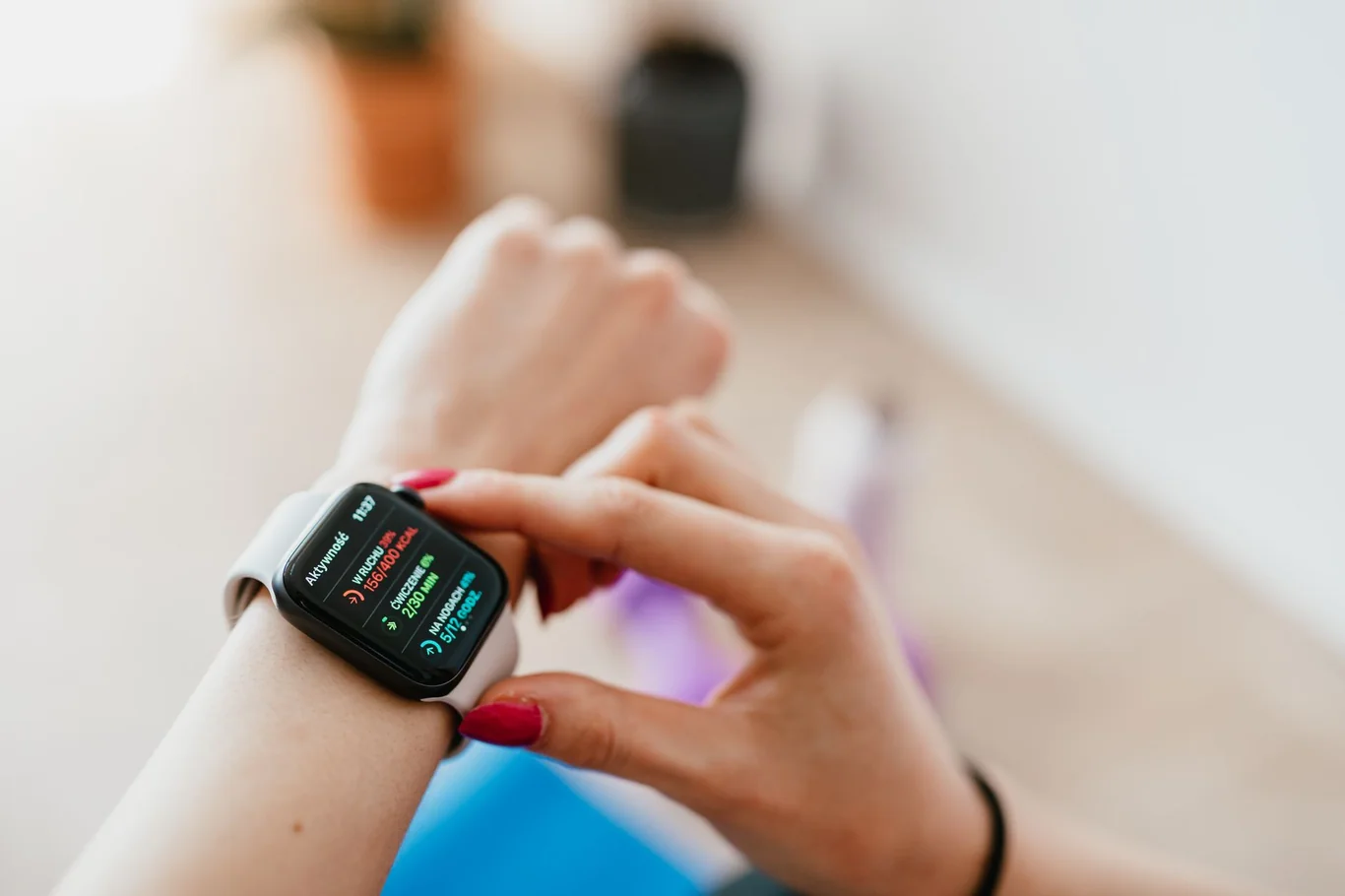
Understanding treadmill benefits is one thing; having a wearable that quantifies your cardiovascular response to each session is a different category of insight entirely.
For readers still deciding whether a smartwatch justifies the cost given their actual training routine, my post on is a smartwatch worth it works through the research and practical trade-offs for different user profiles.
What Are the Downsides of Wearable Technology
Wearables carry real limitations that deserve honest discussion alongside the clinical benefits.
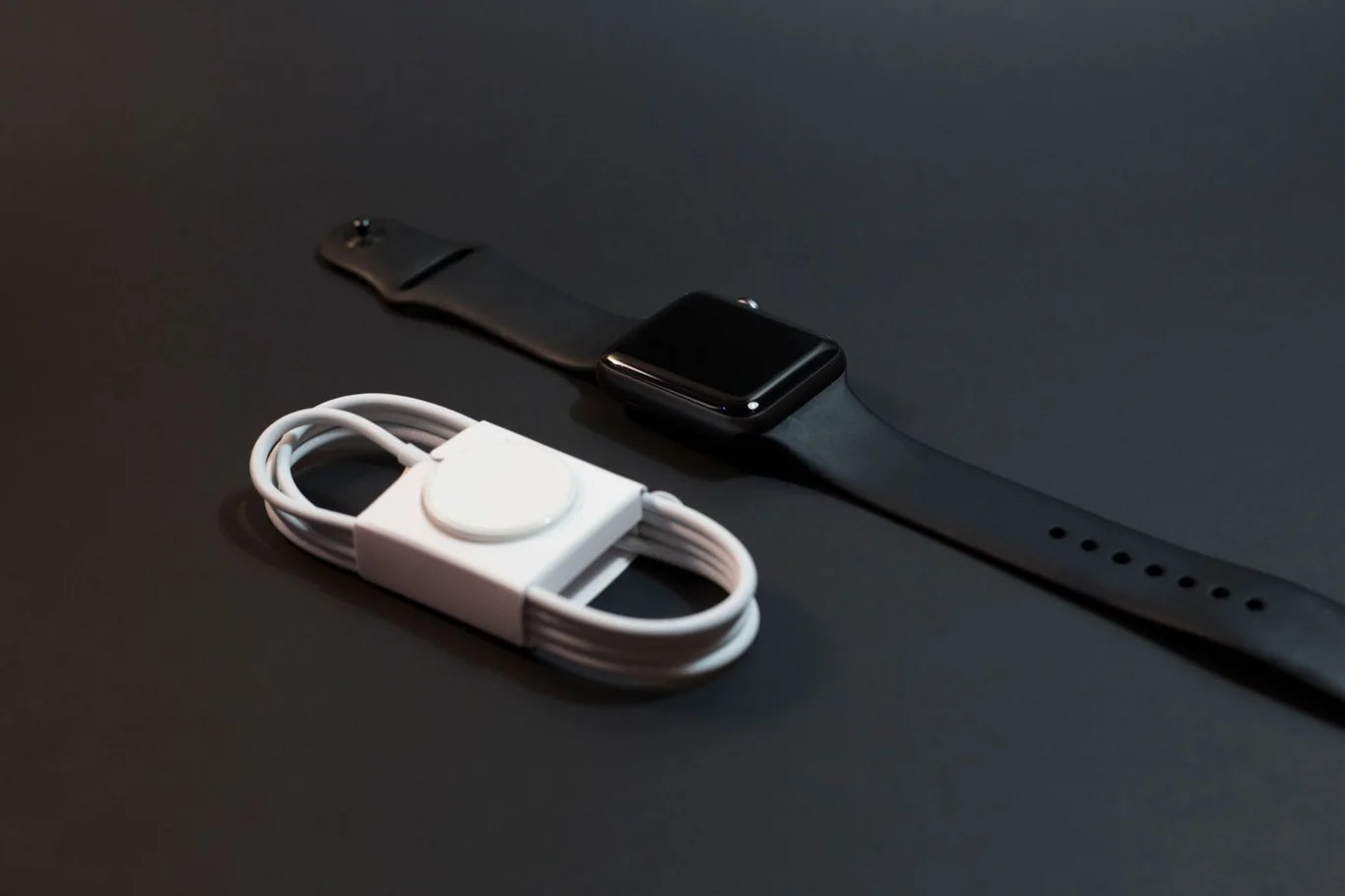
Battery life forces monitoring trade-offs. Devices requiring daily charging rarely achieve the uninterrupted 24/7 wear needed for meaningful sleep and recovery monitoring. The models with the most advanced health sensor arrays - Apple Watch Ultra 2, Garmin EPIX 2 - still require charging every 1-4 days, creating data gaps precisely when continuous monitoring matters most.
Optical sensor accuracy varies by population. Darker skin tones absorb more light, reducing PPG signal quality. Motion artifact during sprint intervals degrades accuracy further. The controlled-study performance figures do not always replicate in real-world continuous-wear conditions.
Skin health complications from prolonged daily wear - contact dermatitis, moisture-related rashes, and pressure irritation - affect a meaningful proportion of wearers, particularly those with nickel sensitivity or who exercise without removing the device.
Data privacy is governed by commercial policy, not clinical standards. Consumer wearable health data is not protected by HIPAA. Users frequently report uncertainty about whether their physiological data is shared with insurers or third-party data brokers.
Hardware longevity is limited. Non-replaceable batteries in most wearables degrade significantly after 2-3 years of daily charging cycles. Full device replacement - not a battery swap - is required at that point. Pairing a structured treadmill workout plan with a wearable produces compounding fitness data over time, but only if you account for that replacement cycle in your long-term cost planning.
The consumer-to-clinical accuracy gap is real. No consumer wearable has earned FDA clearance as a primary diagnostic tool for cardiovascular disease. Irregular rhythm alerts always warrant professional clinical follow-up.
Making the Right Choice for Your Health Goals
Wearable devices have earned their place in evidence-based health monitoring - particularly for atrial fibrillation detection, physical activity promotion, and rehabilitation adherence. The limitations are equally real: accuracy is population-dependent, privacy safeguards lag behind clinical standards, and hardware longevity is shorter than most buyers expect.
For readers who are not ready to commit to a wearable purchase, my guide on how to track steps without a watch or phone covers the most accurate device-free methods alongside their practical trade-offs.
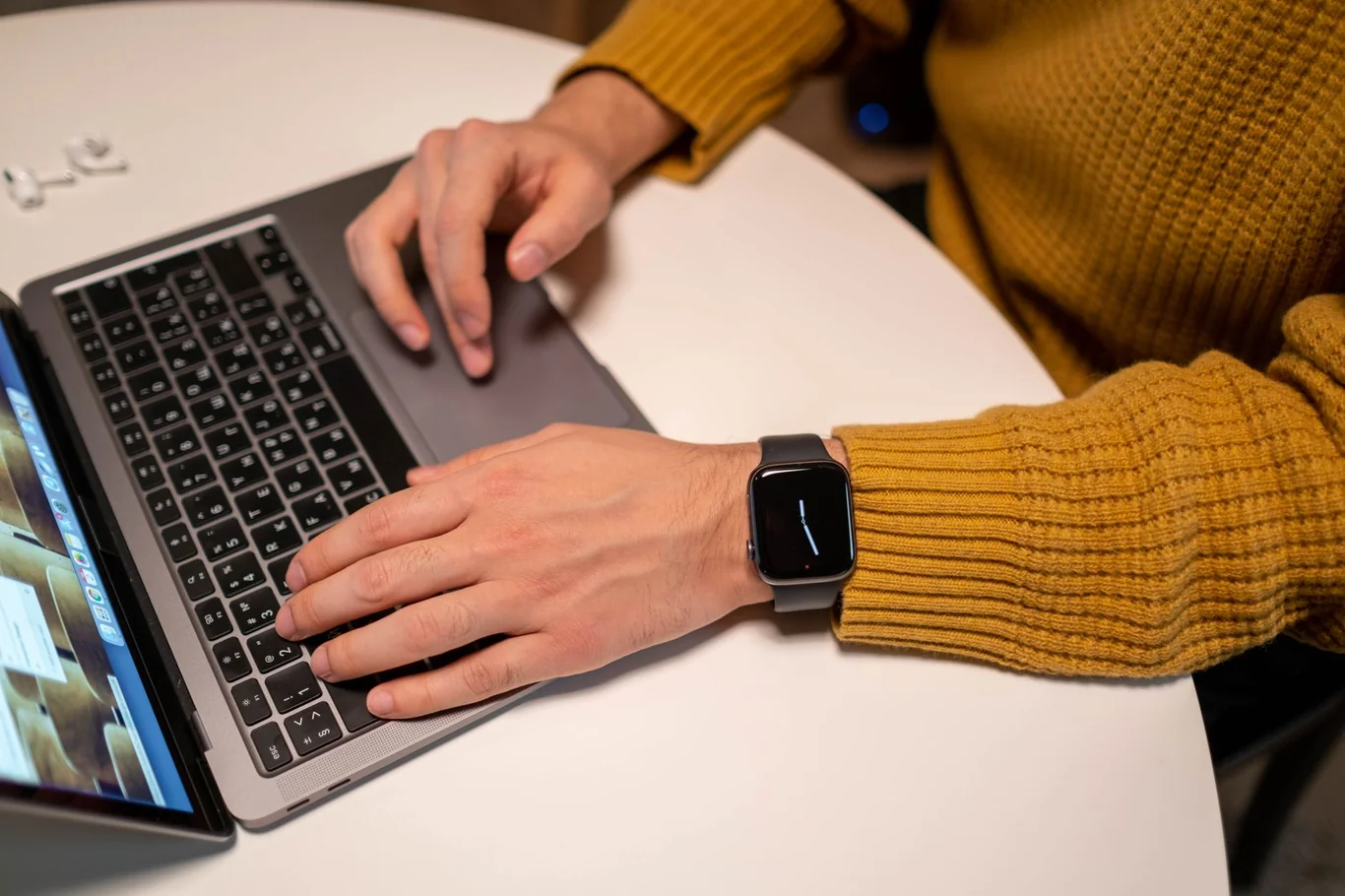
I find the most important question when selecting the best wearable health monitoring devices is not "which one has the highest rating" but "which metrics am I actually going to use?" For step accountability and cardiovascular trends, Fitbit Charge 6 outperforms Apple Watch Ultra 2 on battery. For ECG monitoring, the clinical evidence base favors Apple Watch and Withings ScanWatch. For recovery-first users, Oura Ring 4 or WHOOP 5.0 offer purpose-built metrics that general smartwatches only approximate.
Whatever your training setup at home looks like, wearable devices give you the feedback layer to make structured exercise data-driven rather than intuition-based. Our guide to how to choose an exercise bike applies the same device-to-goal matching framework to cardio equipment selection for readers building a complete home fitness setup.
Once you have chosen a device, my guide on how to use a fitness tracker covers the setup, metric interpretation, and goal-setting process that turns raw data into a training feedback loop.
FAQs
What are the downsides of wearable technology?
The main downsides of wearable technology include battery life limitations that interrupt continuous health monitoring, optical sensor accuracy variability based on skin tone and movement intensity, skin irritation from prolonged wear, significant data privacy concerns since consumer health data is not protected by HIPAA, and hardware longevity problems caused by non-replaceable batteries that degrade within 2-3 years of daily use. The consumer-to-clinical accuracy gap is also significant - no consumer wearable is FDA-cleared as a primary diagnostic tool, meaning irregular rhythm alerts always require professional clinical follow-up rather than self-diagnosis.
What is the best wearable health device?
The best wearable health device depends on your specific monitoring priority - the Apple Watch Series 10 leads for atrial fibrillation detection and ECG capability, the Oura Ring 4 and WHOOP 5.0 lead for sleep staging and recovery optimization, and the Garmin Forerunner 965 is the strongest choice for endurance athletes who need precision GPS alongside long battery life. For users focused primarily on activity accountability and daily step tracking, a dedicated fitness tracker like the Fitbit Charge 6 is often a better match than a full smartwatch, given its superior battery life and simplified interface.
What is the newest wearable technology?
The newest wearable technology in 2026 includes AI-powered health coaching built directly into smartwatch operating systems, non-invasive continuous glucose monitoring designed for non-diabetic wellness users, advanced multi-sensor smart rings that simultaneously track temperature, SpO2, and HRV, and the maturing category of smart glasses with embedded biometric sensors. Adaptive resistance training systems that use wearable sensor data to adjust workout intensity in real time represent another emerging convergence between wearable health monitoring devices and home fitness equipment.
What do you mean by wearables?
Wearables refer to electronic devices worn on the body - typically on the wrist, finger, ear, or chest - that use sensors to continuously collect physiological and movement data and transmit it to a connected app or platform for analysis. The term covers a wide spectrum, from simple fitness bands that count steps to FDA-regulated medical devices like continuous glucose monitors and ambulatory ECG patches used in clinical disease management. What distinguishes wearables from other health devices is their portability - they travel with the wearer and collect data across the full range of daily activities rather than only during scheduled clinical visits.
What is wearable technology?
Wearable technology is the category of electronic devices designed to be worn on the body, combining sensors (accelerometers, optical heart rate monitors, GPS chips, and electrodes), microprocessors, wireless connectivity, and companion software to turn real-time physiological signals into actionable health insights. The global wearable medical devices market and consumer wearable sector together represent a projected multi-hundred-billion-dollar industry by 2030, driven by demand for continuous remote health monitoring outside traditional clinical settings. Consumer wearables support wellness tracking and early signal detection, while regulated medical wearables deliver clinical-grade diagnostics for conditions like diabetes, cardiac arrhythmias, and respiratory disease.
This content is for informational and educational purposes only. It is not a substitute for professional medical advice, diagnosis, or treatment. Always consult with your healthcare provider before starting any new fitness program or using fitness technology for health monitoring.
References
- Li R, Li Y, Wang L, et al. Wearable Activity Tracker-Based Interventions for Physical Activity, Body Composition, and Physical Function Among Community-Dwelling Older Adults: Systematic Review and Meta-Analysis of Randomized Controlled Trials. J Med Internet Res. 2025;27(1):e59507. doi:10.2196/59507
- Helmer P, Hottenrott S, Rodemers P, et al. Accuracy and Systematic Biases of Heart Rate Measurements by Consumer-Grade Fitness Trackers in Postoperative Patients: Prospective Clinical Trial. J Med Internet Res. 2022;24(12):e42359. doi:10.2196/42359
- Barrera N, Solorzano M, Jimenez Y, et al. Accuracy of Smartwatches in the Detection of Atrial Fibrillation: A Systematic Review and Diagnostic Meta-Analysis. JACC Adv. 2025;4(11):102133. doi:10.1016/j.jacadv.2025.102133
- Gu B, Kim HS, Kim H, Yoo J. Advancements in Wearable Sensor Technologies for Health Monitoring in Terms of Clinical Applications, Rehabilitation, and Disease Risk Assessment: Systematic Review. JMIR Mhealth Uhealth. 2026;14(1):e76084. doi:10.2196/76084
- Zhang S, Wang Y, Wu J, Ma C, Meng X. Effectiveness of Smartwatch Device on Adherence to Home-Based Cardiac Rehabilitation in Patients With Coronary Heart Disease: Randomized Controlled Trial. JMIR Mhealth Uhealth. 2025;13(1):e70848. doi:10.2196/70848
- Heizmann AN, Chapelle C, Laporte S, Roche F, Hupin D, Le Hello C. Impact of wearable device-based interventions with feedback for increasing daily walking activity and physical capacities in cardiovascular patients: a systematic review and meta-analysis of randomised controlled trials. BMJ Open. 2023;13(11):e069966. doi:10.1136/bmjopen-2022-069966
- Shah AJ, Althobiani MA, Saigal A, et al. Wearable technology interventions in patients with chronic obstructive pulmonary disease: a systematic review and meta-analysis. NPJ Digit Med. 2023;6(1):162. doi:10.1038/s41746-023-00962-0
- Sun Y, Chen J, Ji M, Li X. Wearable Technologies for Health Promotion and Disease Prevention in Older Adults: Systematic Scoping Review and Evidence Map. J Med Internet Res. 2025;27(1):e69077. doi:10.2196/69077