
Recumbent Bikes
Showing 1–12 of 27 results
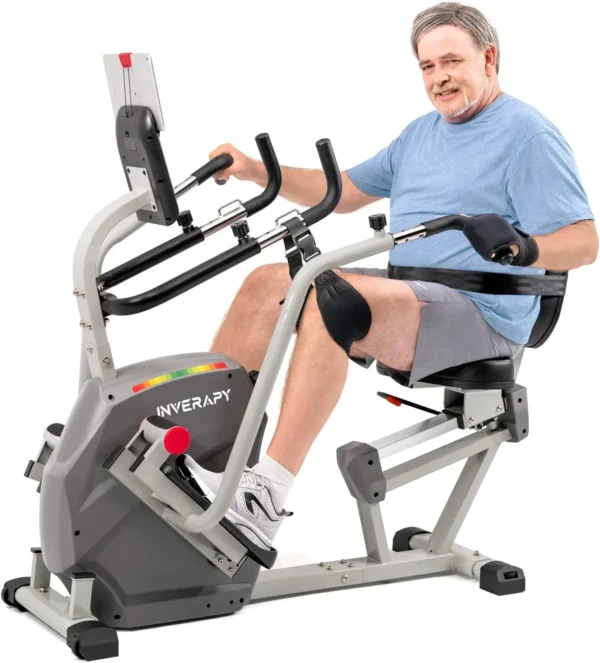
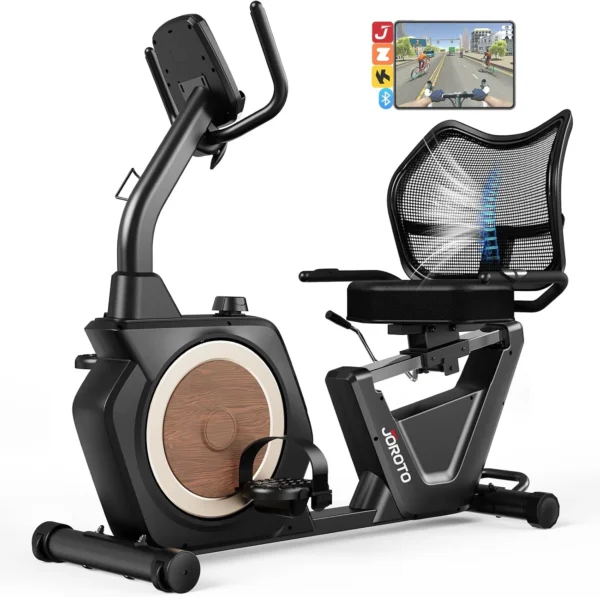
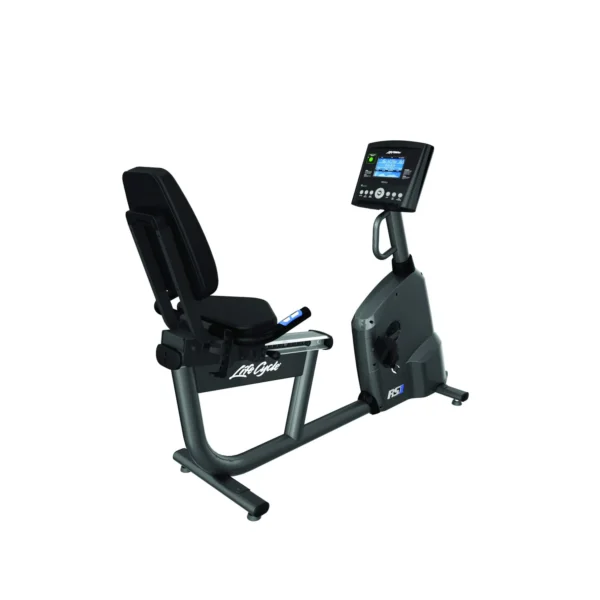
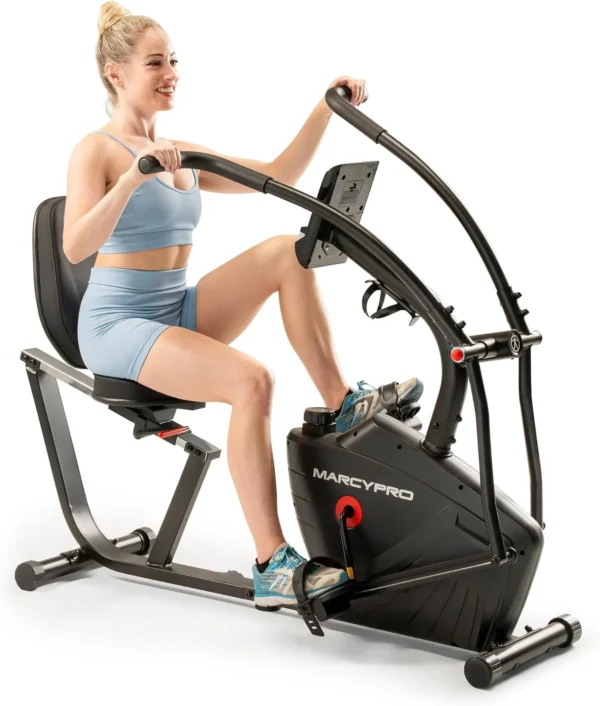
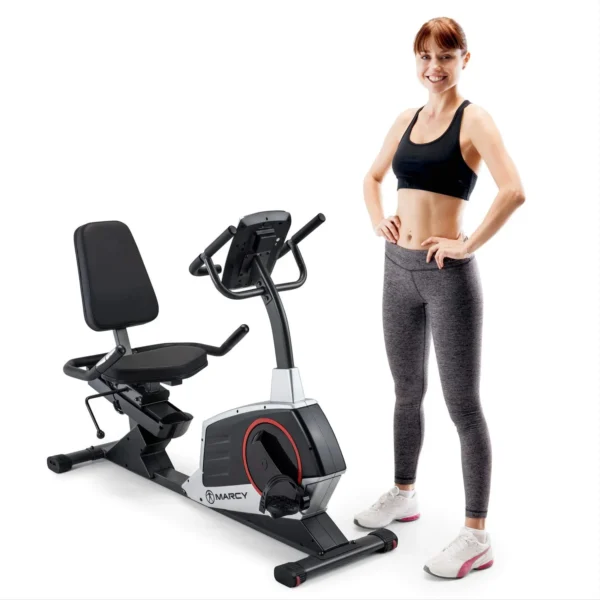
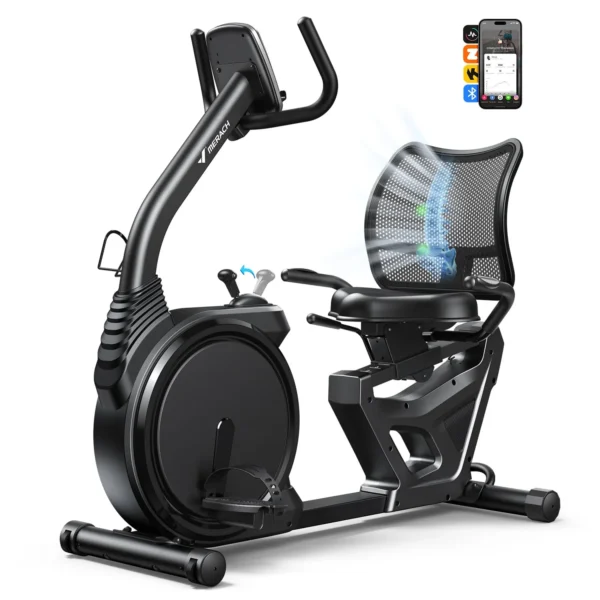
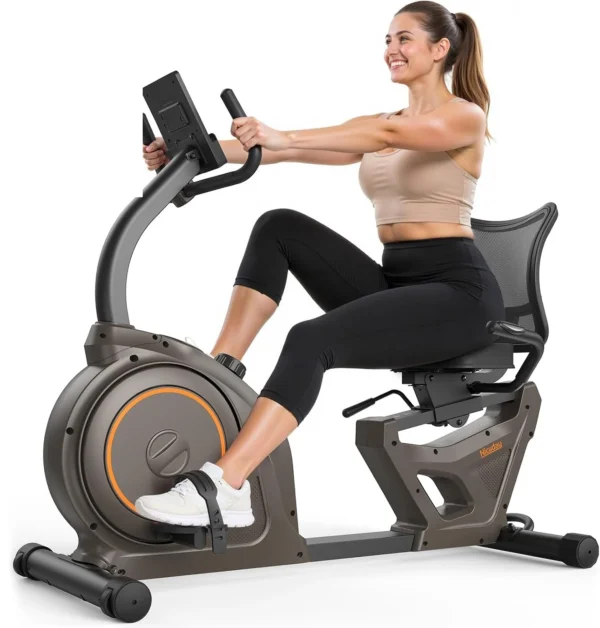
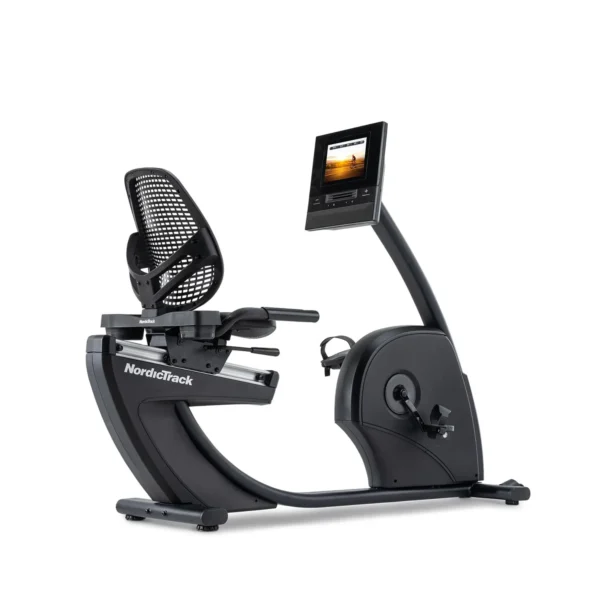
What separates these 27 recumbent bikes from each other
A recumbent bike puts you in a reclined seat with the pedals out in front instead of under you, spreading your weight across a full seat back rather than a narrow saddle. That is the core of the recumbent bike vs upright bike question: less strain on wrists and the lower back, an easier mount for hip or knee limits, and a ride most people sustain longer without discomfort. Those benefits are why this category leans toward older riders, rehab users, and anyone easing back into cardio, more than racers chasing watts.
The 27 machines above sort into thirteen groups, from budget magnetic bikes through step-through seniors' models, arm-exerciser hybrids, heavy-duty frames, and commercial or rehab-grade units like the NuStep and Life Fitness RS1. Sunny Health & Fitness alone covers five machines here, and Schwinn, HARISON, JOROTO, and VANSWE each appear more than once. The labels above the grid tell you which lane a machine sits in; what follows tells you what actually changes between those lanes.
Three decisions that trip buyers up in this category
Weight capacity: check the whole listing, not just the number in the title
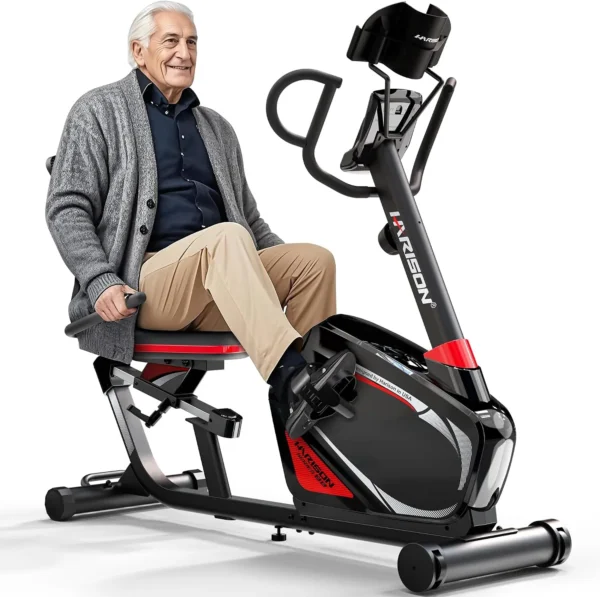
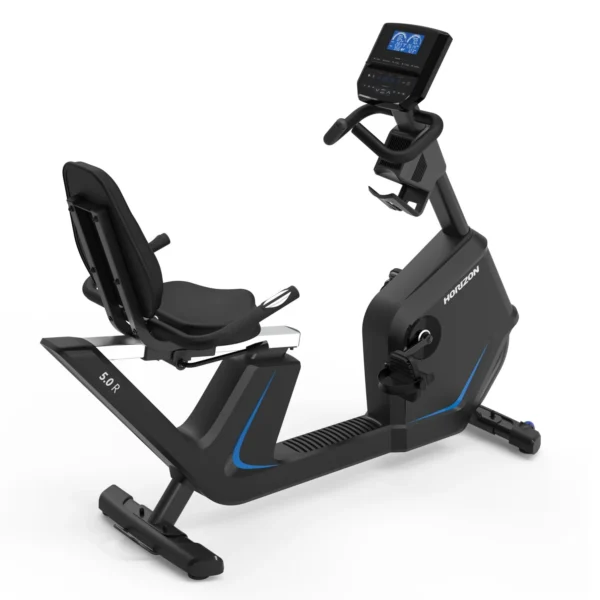
Weight capacity gets top billing on most recumbent bike listings, and it matters more here than almost any other spec, since this category serves heavier and older riders directly. Three reviewed machines show a capacity conflict worth flagging, though not all the same kind. The JOROTO recumbent bike for seniors lists 400 lb on Amazon, but JOROTO's own site caps the same JH50 model at 286 lb, a gap neither source explains. The HARISON states 400 lb in three places in its own Amazon text, yet one of its own listing images headlines 350 lb, a genuine self-contradiction on one listing. The Horizon Fitness 5.0R is different: Horizon's own spec sheet and an independent BarBend test agree at 300 lb, while Amazon's listing states 350 lb, a retailer figure conflicting with the manufacturer rather than the manufacturer disagreeing with itself. Plan around the lower number in every case.
"Arm exerciser" in the name does not always mean moving handles
Several machines in the arm-exerciser group add upper-body work through the handlebars, but the mechanism varies more than the listings let on. The pooboo recumbent bike carries "Arm Exerciser" in its name, but its own bullets describe hand-pulse grips for heart-rate tracking and never mention the handles moving. Compare that against the Sunny Smart Recumbent Cross Trainer with Arm Exerciser, where the handlebars genuinely move in a dual-motion pattern, or the Sunny Elite Recumbent Cross Trainer & Elliptical, which pairs elliptical-sized pedals with moveable arm handles. The Marcy Dual Action Cross Training Recumbent Bike is the same story: its handlebars move like an elliptical rather than sitting fixed. Read the individual product page before buying if moving arms are why you're shopping this group.
Assembly time is close to a coin flip, whatever the box promises
Assembly-time figures are missing or inconsistent across almost every manufacturer here, and owner reports on the same model routinely disagree by hours. The Sunny Elite Recumbent Cross Trainer & Elliptical is the clearest case: reported build times range from about 20 minutes with a helper up to several hours working alone. The JOROTO recumbent bike ships 95 percent pre-assembled with no stated time, and one 74-year-old owner reported about an hour with a helper. The pooboo recumbent bike's listing claims a 30-minute one-person build, a seller claim rather than an independent measurement. None of this makes assembly a dealbreaker; budget your own time and keep a helper ready for a heavier frame.
Who each subcategory actually suits
- Budget magnetic recumbent bikes (Sunny's wide-seat and magnetic models, Niceday, Marcy ME-706) are the starting point for steady low-impact cardio without app ecosystems or premium consoles. The Marcy ME-706 runs 24 resistance levels on a self-charging pedal motor that needs no wall outlet.
- Brand-name recumbent bikes (Schwinn's 270/290 line, the 280, Horizon Fitness 5.0R) sit a step up in build quality. The Schwinn 290 offers 25 magnetic levels under a 10-year frame warranty, and the 5.0R goes further with 100 resistance levels on an ECB magnetic brake.
- Arm-exerciser recumbents and recumbent cross trainers (the Sunny and Marcy arm-exerciser models, Teeter FreeStep, Innova RCT2025) add upper-body motion or a swivel seat on top of the pedaling, worth it only if you've confirmed the specific model's handles actually move, per the section above.
- Seniors and step-through models (MERACH, HARISON) prioritize an easier mount and dismount and simpler controls over top-end resistance range, and this is the group to start with if you are shopping for the best recumbent bike for seniors specifically.
- Heavy-duty frames rated 400 lb and up (VANSWE) are built around a wider, reinforced frame for larger riders. The VANSWE Light Commercial pairs its capacity claim with an 11 lb flywheel that Amazon and VANSWE's own site both claim runs under 10 dB, a seller-stated figure rather than a measured one. JOROTO's own site caps the JH50 at 286 lb, well under this range, so it's excluded here despite its Amazon listing claiming 400 lb.
- Recumbent ellipticals (VANSWE's elliptical cross trainer, THERUN) trade the standard circular pedal stroke for an elliptical-style motion while keeping the reclined seat.
- Commercial and rehab-grade machines (NuStep, Life Fitness RS1) are built for clinical or gym-floor use, not a home living room. The NuStep T4r runs 400 lb on a battery-powered, 360-degree swivel seat; the Life Fitness RS1 pairs 20 resistance levels with a chain drive on a 133 lb step-through frame.
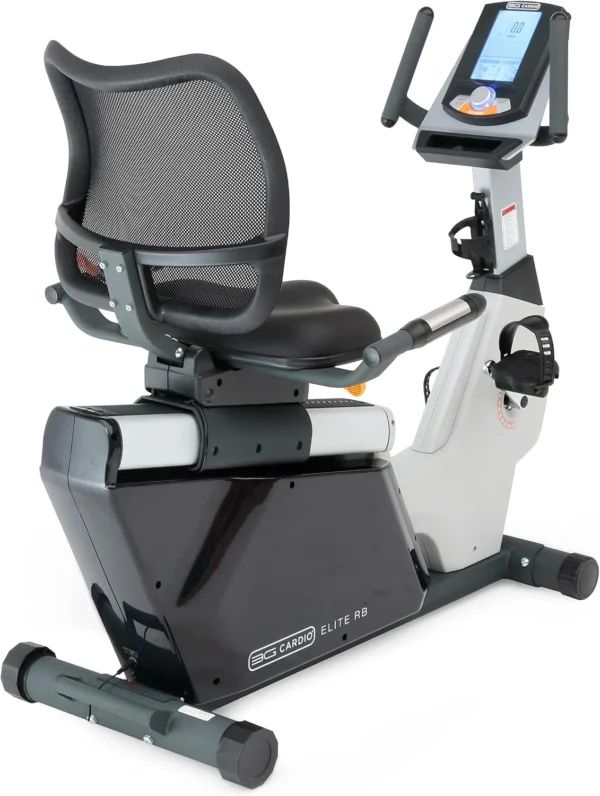
- Premium and premium-connected models (3G Cardio Elite RB X, NordicTrack 10 with iFIT) add a heavier flywheel, a broader resistance range, or a touchscreen console. The 3G Cardio carries 16 resistance levels behind a lifetime frame warranty; the NordicTrack 10 runs 26 levels under a 10-inch touchscreen.
- Light commercial and combo units (Body-Solid BFRB1B, the Stamina Conversion II bike-and-rower) round out the lineup. The Body-Solid runs 8 manual levels under a 5-year frame warranty with no app; the Stamina combines a magnetic bike, a rower, and an arm exerciser on one frame.
What to check before you buy
- Read the specific product page for weight capacity rather than the listing title, especially in the seniors and heavy-duty groups where we found real capacity conflicts.
- If upper-body motion is why you're shopping the arm-exerciser group, confirm the handlebars actually move on that model before you buy.
- Budget your own assembly time rather than the seller's estimate, and plan for a helper on heavier frames.
- Match resistance range to your goals: magnetic resistance covers most of this category, while commercial and rehab units add sturdier frames and a wider range.
- Decide whether you need app or console connectivity, from none on entry bikes to full touchscreen classes on premium-connected models.
| Tier | What you get | Example groups |
|---|---|---|
| Entry | Magnetic resistance, basic LCD console, no app or a simple Bluetooth pairing | Budget magnetic recumbent, mid-range magnetic recumbent |
| Mid-range | Recognized brand names, more resistance levels, sturdier frames, seniors and step-through options | Brand-name recumbent, seniors/step-through, arm-exerciser recumbent |
| Premium and commercial | Touchscreen or connected consoles, heavier flywheels, clinical or gym-floor durability | Premium, premium connected, commercial/rehab, light commercial |