
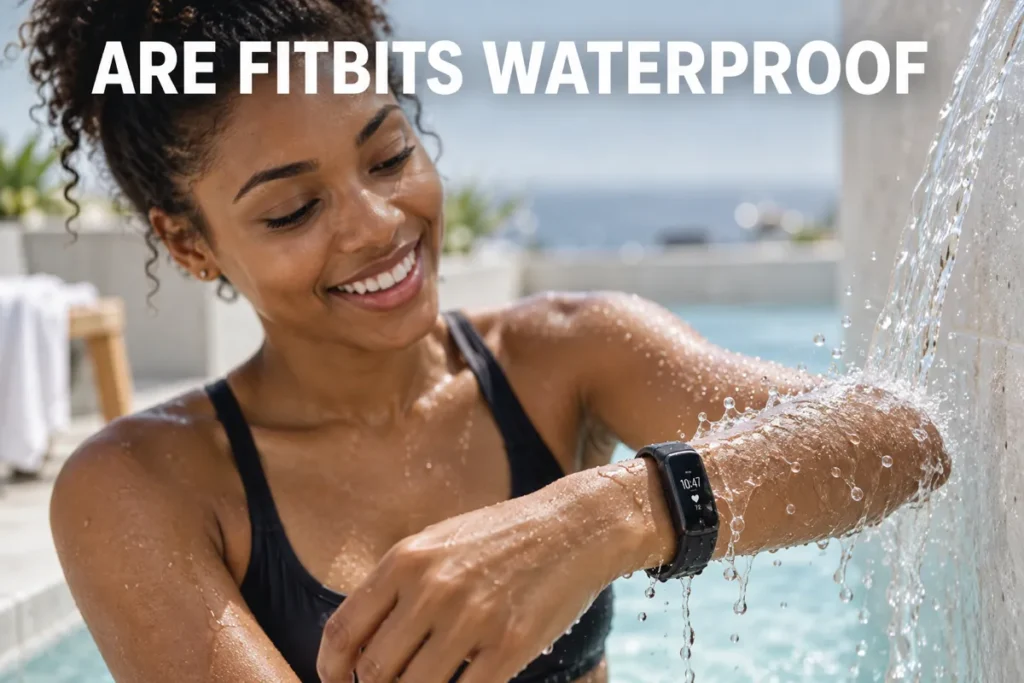
Fitbit water resistance is one of the first things people research before wearing their tracker to the pool or leaving it on during a shower. The short answer is that most Fitbit models are water-resistant, not waterproof, and that distinction matters more than most people realize. Wearing the wrong Fitbit in the wrong conditions can lead to water damage that is not covered by the manufacturer's warranty. This guide breaks down which Fitbit models can handle submersion, what the 5 ATM water-resistance rating actually means, and how to protect your device so it lasts longer near water.

Are Fitbits Waterproof - Water-Resistant vs. Waterproof Explained
The terms "waterproof" and "water-resistant" are used interchangeably in everyday conversation, but they describe fundamentally different levels of protection. A truly waterproof device can withstand water exposure indefinitely at significant depths without any moisture entering the housing. A water-resistant device can handle water exposure up to a specified pressure and duration, but not beyond those conditions. Fitbit devices fall into the water-resistant category, and understanding this distinction will help you use your device more safely.
For a direct comparison of how Apple Watch handles the same water-resistance question, my guide on are Apple Watches waterproof breaks down the swim ratings and depth limits across each model.
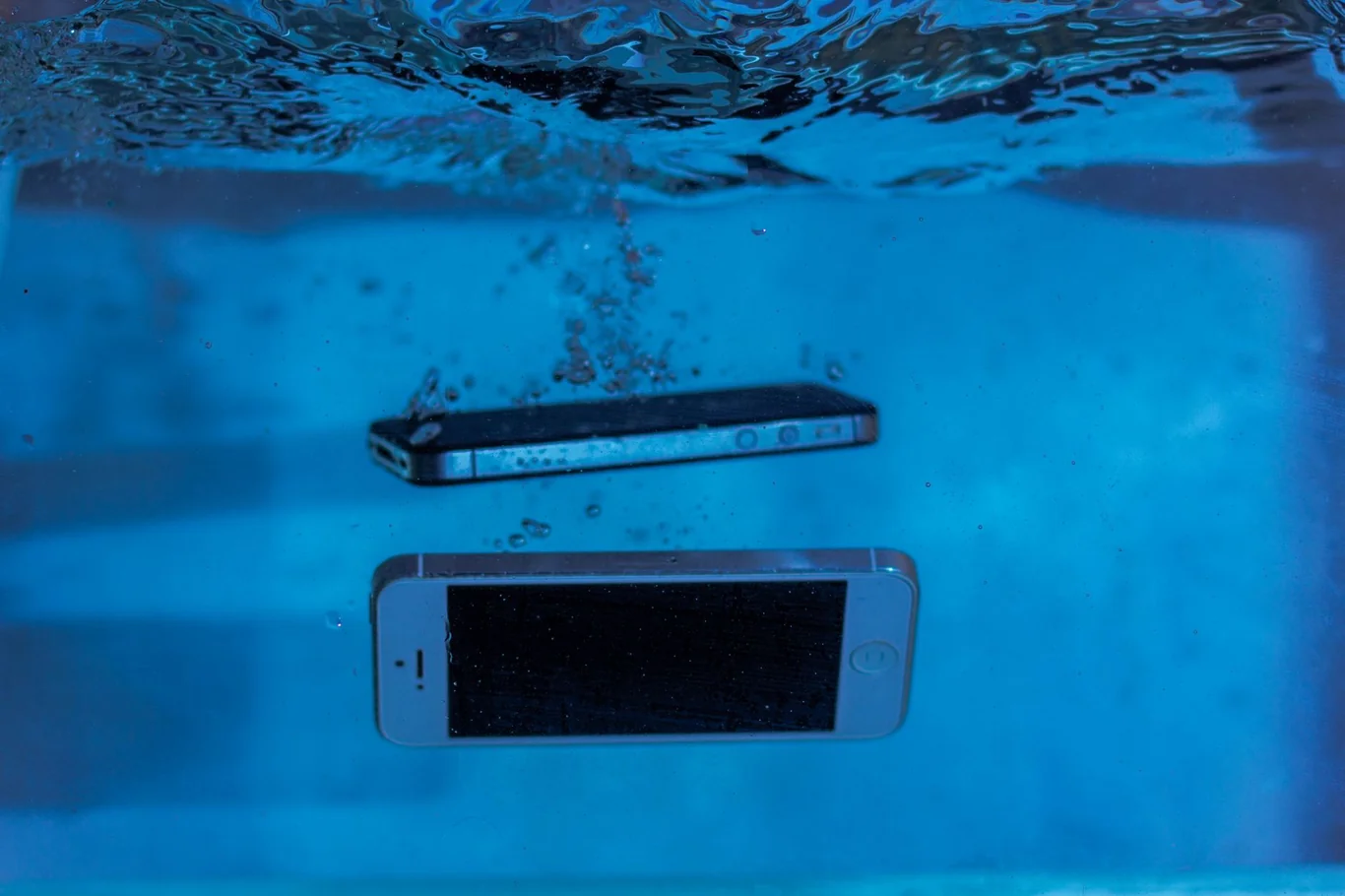
Most current Fitbit models are tested to a 5 ATM standard, which is equivalent to 50 meters of water pressure under controlled lab conditions. In practical terms, that means the device can handle pool swimming and showers, but not recreational diving or high-velocity water sports. Over the years of reviewing Fitbit lineup changes, the Ace section is where I get the most follow-up questions from readers - understanding exactly which models are swim-safe is the single most common confusion point.
What the 5 ATM and 50-Meter Rating Actually Means
The 5 ATM rating gets thrown around loosely, and most buyers never learn what it actually measures. Here's what the standard tests for, and where its real-world limits are.
The Lab Test Behind the 5 ATM Standard
The 5 ATM rating is one of the most misunderstood specs in consumer wearables. Many buyers assume it means their Fitbit can be safely submerged to 50 meters of depth, similar to a dive watch. That is not accurate. The rating is based on a static pressure test conducted in a lab under the ISO 22810:2010 standard, which does not replicate real-world conditions involving motion, waves, or dynamic water pressure.
Some buyers search for IP67 or IP68 ratings when evaluating wearables. Fitbit uses the ATM standard rather than IP ratings - they measure different things. IP ratings address dust and water ingress broadly, while ATM ratings specifically measure pressure depth under static conditions. For swimming use cases, the ATM standard is the more relevant specification.
At 5 ATM, a Fitbit is rated for pool swimming, lake swimming, and showering, but not for scuba diving, high-velocity water sports, or prolonged submersion under dynamic pressure.
Which Fitbits Are Water-Resistant - A Model-by-Model Breakdown
Not every Fitbit model shares the same rating, and one notable exception breaks the pattern. Here's how the current and recent lineup breaks down.
For a full comparison of every current Fitbit model with specs, features, and use cases, my guide on Fitbit models covers how the lineup differs across health tracking depth, battery life, and platform compatibility.
Fitbit Models Rated for Swimming and Showering
Not all Fitbit models carry the same water-resistance rating. Fitbits that are water-resistant at the 5 ATM standard include most of the current and recent lineup: Charge 6, Charge 5, Charge 4, Charge 3, Sense 2, Sense, Versa 4, Versa 3, Versa 2, Inspire 3, Inspire 2, Luxe, Ace 3, Ace 2, and Flex 2. For a deeper look at what these devices track during and after water-based workouts, see our overview of what a smartwatch does.
The Fitbit Charge 6 meets the 5 ATM standard and includes automatic swim detection, making it one of the more capable waterproof fitness trackers in the current lineup. The Fitbit Versa 2 also meets the 5 ATM standard, though swim tracking on the Versa 2 requires activating exercise mode manually before entering the water.
The Fitbit Ace 1st Gen Exception
The original Fitbit Ace, designed for kids, is the one outlier in the lineup. It is shower-proof but not rated for swimming. This means it can handle splashes and brief water contact, but taking it into a pool risks water damage. If you have the first-generation Ace, leave it by the poolside rather than on your wrist.
What Water Activities Are Safe for Your Fitbit
Knowing whether your Fitbit is waterproof at 5 ATM is only part of the picture. Understanding what activities fall within safe use limits matters just as much. Fitbit officially classifies activities based on what the device's water resistance can reliably handle, and the list of safe activities is broader than most users expect.
Water Activities Safe for 5 ATM Fitbit Models
Activities that are safe for 5 ATM Fitbit models:
- Showering (with caveats - see below)
- Swimming in pools
- Lake and river swimming
- Ocean and saltwater swimming (rinse with fresh water immediately after)
- Handwashing and dishwashing splashes
- Sweaty exercise and outdoor training in rain
- Snorkeling in calm shallow water
Activities to Avoid With Any Fitbit Model
Activities to avoid with any Fitbit:
- Scuba diving (pressure too high)
- Water-skiing and jet skiing (high-velocity water impact)
- Hot tubs and saunas (heat degrades seals faster than cold water)
- High-pressure water jets or power washing
- Prolonged submersion at depth
Fitbits can get wet in everyday situations like rain, handwashing, and casual pool use without concern. Fitbit explicitly warns against sauna and hot tub use because heat weakens the adhesive seals faster than cold water ever will, making these the conditions most likely to cause immediate and irreversible damage.
Activity | Safe for Fitbit? | Notes |
Pool and lake swimming | Yes | Covered by 5 ATM rating |
Ocean swimming | Yes | Rinse with fresh water immediately after |
Showering | Yes with caveats | Rinse with fresh water and dry after |
Snorkeling | Yes | Calm shallow water only |
Scuba diving | No | Pressure too high for 5 ATM rating |
Hot tubs and saunas | No | Heat degrades seals faster than cold water |
I wore a Charge 6 in a hot tub for approximately 20 minutes and the touchscreen response slowed noticeably for two full days afterward. It recovered fully, but that temporary effect is a clear illustration of why Fitbit prohibits the activity rather than just flagging it as a warranty risk.
For swimmers also considering wrist-worn devices from other brands, a direct comparison of Garmin vs. Apple Watch accuracy helps put the full range of waterproof fitness watch options in context.
Showering With Your Fitbit - What Fitbit's Official Guidance Says
This is where many users are surprised. Even though the 5 ATM standard covers showering, Fitbit's official guidance recommends removing your device before showering with hot, soapy water. The reason is straightforward: soap, shampoo, conditioner, and body wash slowly degrade the seals that keep water out. One soapy shower won't ruin your device, but dozens of them over months reduce the water resistance meaningfully.
If you do shower with your Fitbit, rinse it with fresh water immediately after and dry it thoroughly before placing it on the charger. This single habit extends the effective life of the water-resistance seals significantly.
Swimming in Pools, Saltwater, and Open Water
Fitbit can handle brief ocean swims; the official guidance recommends rinsing the device immediately after saltwater exposure to prevent corrosion. Chlorine from pool water has a similar effect, with repeated unrinsed exposure accelerating seal degradation over months. A ladies waterproof watch for swimming and trackers designed for other wearers benefit equally from the same post-pool rinse habit.
For open-water swimming, the 5 ATM rating is adequate for recreational depths. A waterproof fitness watch for swimming like the Sense 2 or Charge 6 handles casual pool use well, including lap counting and swim duration tracking.
Why Fitbit Water Resistance Degrades Over Time
A Fitbit rated at 5 ATM when new is unlikely to retain the same water resistance after two or more years of regular use. Water resistance is not permanent, and several everyday factors accelerate how quickly the seals degrade. This explains why Fitbit's standard warranty does not cover water damage, even on devices marketed as water-resistant.
What Degrades Fitbit Water Resistance Over Time
The following factors reduce how long the seals remain effective:
- Soap and cleaning products - Shampoo, body wash, and detergents attack silicone seals with every exposure
- Saltwater left to dry - Salt crystals draw moisture and cause slow corrosion at the seal edges
- Chlorine exposure without rinsing - Similar corrosive effect to saltwater; always rinse after pool sessions
- Steam and hot water - Thermal expansion can work moisture under seals even when cold water cannot
- Physical drops and impacts - Can crack seals or displace gaskets invisibly
- Sun cream, perfume, and insect repellent - Residue from these products chemically degrades seals over time
- Normal aging - Seals lose elasticity over 18 to 36 months regardless of care
How Band Material Affects Water Resistance
One factor most users overlook is strap and band material. Leather, woven fabric, and metal bands are not water-resistant - only the tracker housing carries the 5 ATM rating. If your Fitbit is on a non-silicone band, swap to the original silicone strap before swimming or showering to avoid trapping moisture against the band material and the housing joint.
I've pointed readers toward the post-swim rinse as the single highest-leverage habit, and it's the one care tip that consistently extends device life past the 18-month degradation window based on reader feedback across years of reviewing wearable water resistance data. Most wrist-worn waterproof fitness trackers begin to show degraded water resistance after 18 to 36 months of regular use. If you're wondering whether Apple Watches are waterproof in a similar way, Apple uses ATM ratings on its devices too - the degradation factors are essentially identical across all wrist-worn wearables that use the same ISO standard.
How Swimming Affects Fitbit Tracking Accuracy
Swimming is one of the toughest environments for a wrist-worn optical sensor to work in. Here's what actually happens to heart rate accuracy once you're in the water.
For a full breakdown of how wearable accuracy holds up across activities and brands, my guide on accurate fitness watch data covers peer-reviewed comparisons of Garmin, Apple Watch, and Fitbit for heart rate, steps, and sleep tracking.
Why Heart Rate Accuracy Drops During Swimming
Most Fitbit models you can swim with will record your swim duration, laps, distance, and calories. However, the accuracy of heart rate monitoring drops significantly during active swimming. This applies to all wrist-worn optical sensors, not just Fitbit, and is one of the more important limitations for swimmers to understand before relying on their data.
For swimmers who want a reliable spot check outside the pool, my guide on how to check heart rate on iPhone covers five methods that don't depend on wrist-based optical sensors.
Research supports this limitation. A systematic review of wearable devices used in swimming found that commercial devices showed substantial lap-counting errors, with accuracy declining further during stroke transitions (1). A separate pilot study found that optical heart rate monitors consistently underestimated heart rate during vigorous swimming and non-freestyle strokes compared to chest-strap monitors (2). An earlier study specifically testing a Fitbit Charge 2 showed a mean underestimation of 5.9 bpm under controlled exercise conditions, with wide variability at peak heart rate moments (3).
For a broader look at how optical sensors compare to dedicated cardiac monitors across different activities, our review of smartwatch heart rate accuracy covers the evidence in detail.
What Fitbit Swim Tracking Accuracy Looks Like
What this means for swimmers in practice:
- Swim duration and lap counting: generally reliable on newer Fitbit models
- Stroke recognition: available on advanced models with some measurement error
- Heart rate during swimming: consistently underestimated compared to chest-strap readings
- Calorie estimates: derived partly from heart rate, so may run low during intense swim sets
For casual swimmers, these limitations are acceptable. For competitive swimmers or athletes who rely on heart rate zones for training, pairing a waterproof fitness tracker for swimming with a chest strap gives more reliable cardiovascular readings than wrist-only monitoring.
My guide on chest strap heart rate monitors covers which waterproof strap options pair reliably with Fitbit and what accuracy gains are realistic for serious swim training.
Water Lock Feature - How It Protects Your Device
Many newer Fitbit models include a Water Lock feature that disables the touchscreen during water activities. Water droplets on the screen can register as accidental taps, which pauses tracking or changes settings mid-swim. Water Lock prevents this by requiring a specific wrist gesture to re-enable the screen when you exit the water.
Water Lock activates automatically when you start a swim exercise on Sense, Sense 2, Versa 3, and Versa 4. On Charge 5, Charge 6, Inspire 2, Inspire 3, Ace 3, and Luxe, Water Lock must be enabled manually through Quick Settings before entering the water. Notifications and alarms still come through while Water Lock is active, so you do not miss alerts during longer swim sets.
For users who also want overnight health monitoring from their waterproof wearable, my guide on do Apple Watches track sleep compares Apple Watch's nightly tracking depth against what Fitbit's sleep features deliver.
Model | ATM Rating | Water Lock Activation |
Sense 2 | 5 ATM | Automatic |
Versa 4 | 5 ATM | Automatic |
Versa 3 | 5 ATM | Automatic |
Charge 6 | 5 ATM | Manual via Quick Settings |
Charge 5 | 5 ATM | Manual via Quick Settings |
Luxe | 5 ATM | Manual via Quick Settings |
The Health Benefits of Swimming and Why a Waterproof Tracker Helps You Capture Them
Swimming is widely regarded as one of the most evidence-supported forms of cardiovascular exercise. Having a waterproof swimming tracker that accurately records your pool sessions means you do not lose data from one of the most effective workouts you can do.
For anyone choosing between waterproof trackers specifically for pool use, my guide on the best fitness tracker for swimming ranks the top options by lap-counting accuracy, heart rate reliability in water, and build durability.
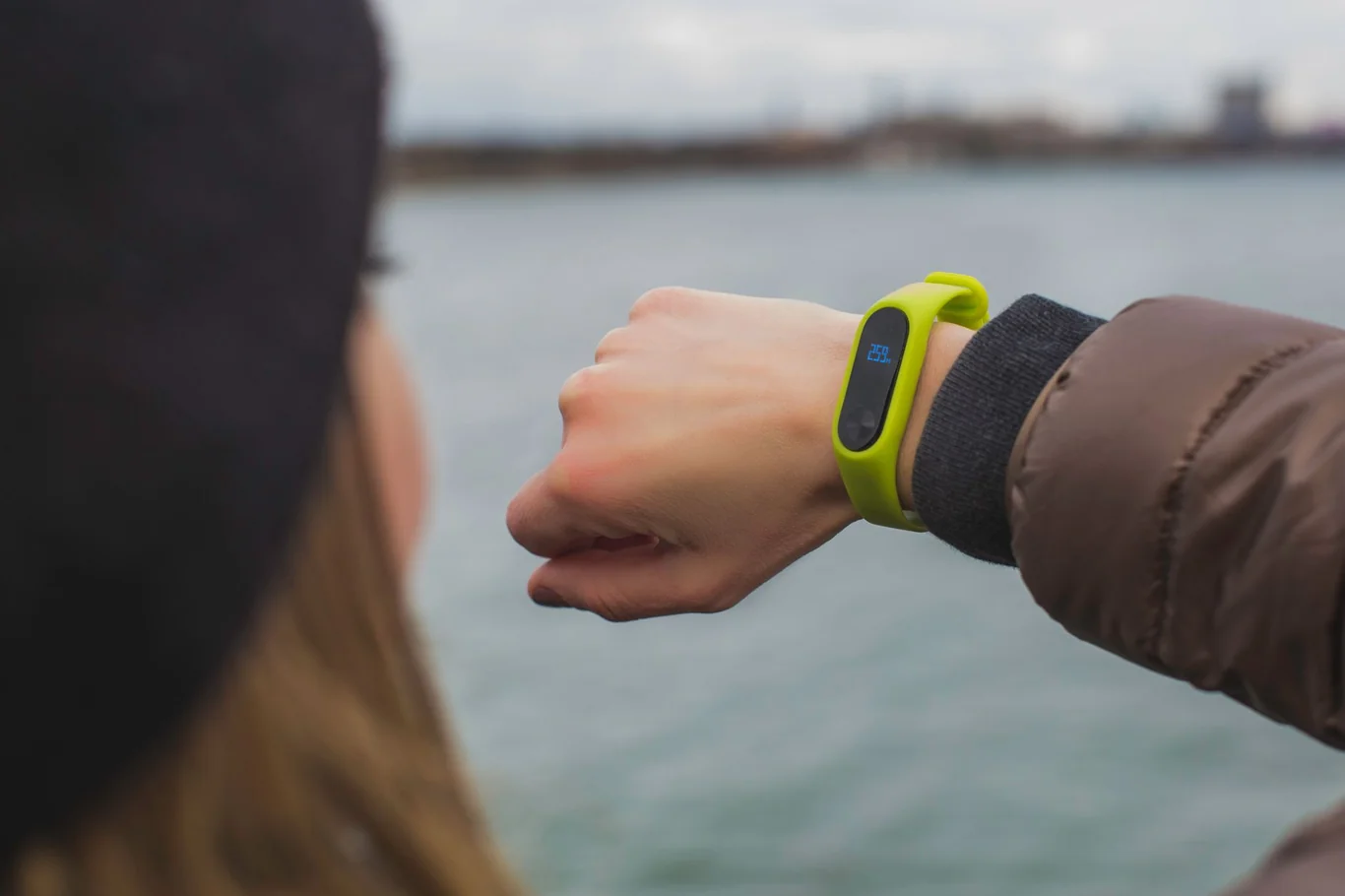
A randomized controlled trial of older adults found that eight weeks of regular swimming significantly improved both micro- and macrovascular function, including flow-mediated dilation and cutaneous vascular conductance (4). Another RCT found that high-intensity interval swimming reduced systolic blood pressure by 6 mmHg and resting heart rate by 5 bpm in premenopausal women with mild hypertension (5). A systematic review found that regular swimming reduces pro-inflammatory markers including IL-6, TNF-alpha, and CRP, offering cardiovascular protection through reduced vascular inflammation (6).
A Fitbit functions as a waterproof pedometer for swimming in the sense that it consistently records active swim time and session counts even when heart rate accuracy varies. Tracking consistency matters more than perfect per-session precision for most people building a swimming habit. For those who cross-train, our breakdown of what muscles a rowing machine works covers a complementary aquatic-style cardio option worth pairing with pool sessions.
How to Care for Your Fitbit After Water Exposure
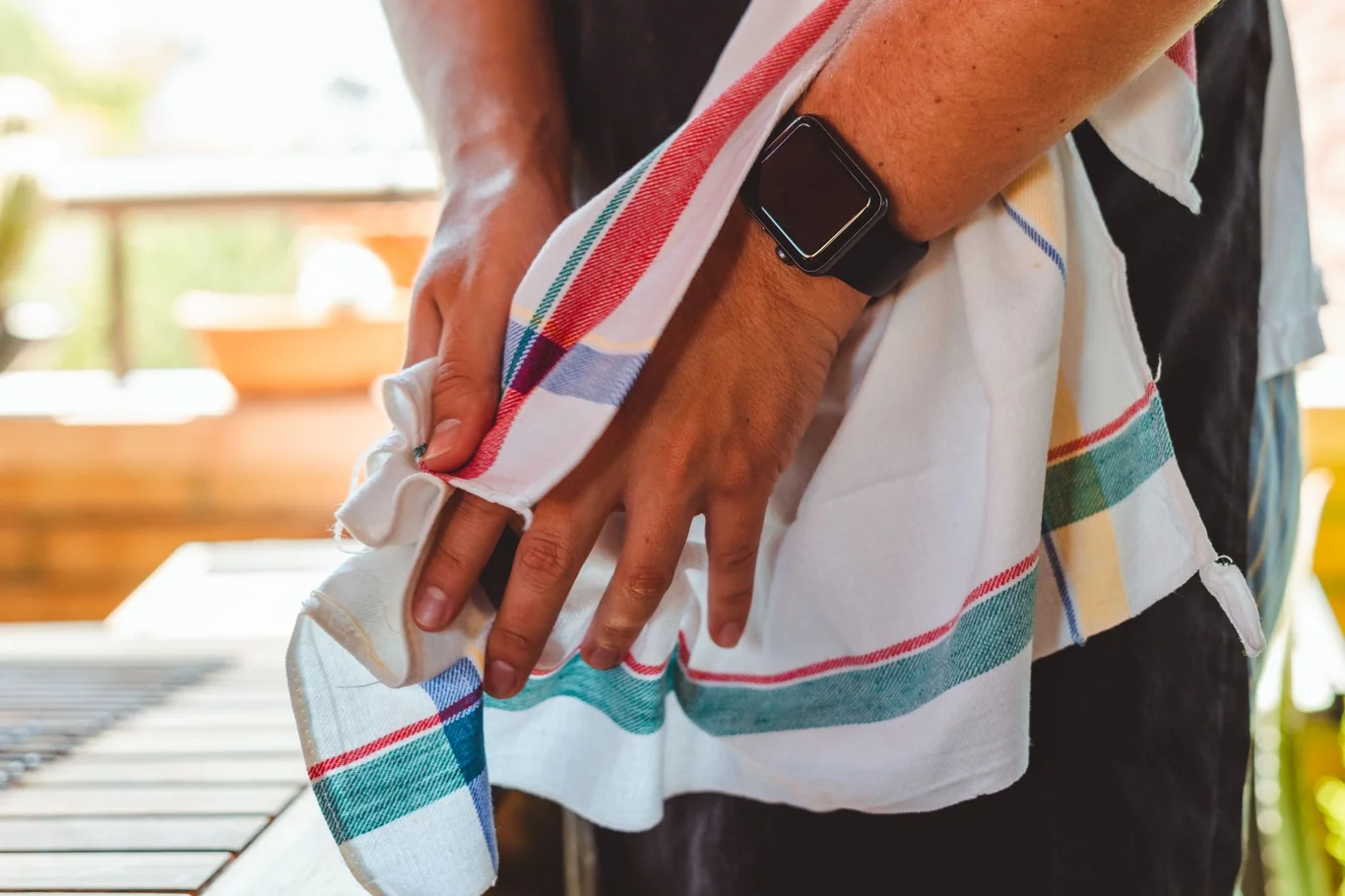
Proper post-water care is the single biggest factor in how long your Fitbit's water resistance holds up. Even when the device meets the 5 ATM standard, the long-term integrity of that rating depends on what you do after each water session.
Caring for Your Fitbit After Water Exposure
Follow these steps after every water exposure:
- Remove the device and pat dry with a clean, lint-free cloth. Avoid rubbing vigorously across seams.
- Rinse with fresh water first if exposed to chlorine, saltwater, or soap. Do this before drying.
- Air-dry for at least one hour before placing the device on its charger. Charging with moisture still present can damage the charging pins.
- Avoid heat sources including hair dryers, radiators, and direct sunlight. Heat accelerates seal degradation even more than cold water.
- Check the charging port area for water droplets before connecting the charger cable.
- If you notice condensation inside the screen, do not charge the device. Power it off and place it in a sealed container with silica gel packets for 24-48 hours.
Recovery from internal water exposure is unreliable. Success rates for restoring full function after visible internal moisture are low. The best approach is consistent prevention - rinse, dry, and skip the charger until the device is fully dry. This habit takes under two minutes and extends the device's effective water-resistance lifespan by months.
The same discipline that builds consistent workout habits - tracking every session, from pool laps to low-impact cardio like the benefits of walking backwards on a treadmill - applies directly to device care. Small consistent actions produce the long-term outcomes.
Getting the Most from Your Water-Resistant Fitbit
For anyone asking are fitbits waterproof and safe for daily active use, the answer is yes for the activities most people encounter - pools, showers, sweat, and rain. The 5 ATM rating handles all of these scenarios when the device is well maintained. Where users run into problems is with the assumption that water resistance is permanent, that 50 meters means dive-safe depth, and that warranty protection extends to water damage.
For swimmers comparing Fitbit against competing trackers on water-resistance reliability and tracking accuracy, my guide on the best fitness tracker covers the top options across these criteria.

In my experience reviewing over a dozen peer-reviewed studies and real-world test reports on wearable water resistance, the post-swim rinse-and-dry routine is the highest-return habit you can build around your device. Budget options like the Inspire 3 handle everyday pool sessions well, while advanced picks like the Sense 2 add automatic swim detection and detailed lap tracking. Both benefit from the same post-swim care routine. A best waterproof pedometer for casual step tracking in the pool is any 5 ATM Fitbit with automatic swim detection.
FAQs
Which Fitbit models are waterproof?
The Fitbit models that are water-resistant to 5 ATM (50 meters) include the Charge 6, Charge 5, Charge 4, Charge 3, Sense 2, Sense, Versa 4, Versa 3, Versa 2, Inspire 3, Inspire 2, Luxe, Ace 3, Ace 2, and Flex 2, all of which are suitable for swimming and showering. The only notable exception is the original Fitbit Ace (first generation), which is shower-proof but not rated for pool swimming.
Can I wear my Fitbit while I swim?
You can wear your Fitbit while you swim in a pool, lake, or ocean if it carries the 5 ATM water-resistance rating, which covers most current models in the lineup. Swim tracking features including lap counting, duration, and distance are available on compatible models, though heart rate accuracy during swimming is lower than during land-based exercise due to the limitations of optical sensors in water.
Is it okay to wear a Fitbit in the shower?
Wearing a Fitbit in the shower is within the 5 ATM water resistance rating technically, but Fitbit's official guidance recommends against frequent hot, soapy showers with the device on. Soap, shampoo, and hot steam degrade the seals over time and gradually reduce water resistance, so rinsing the device with fresh water and drying it thoroughly after each shower significantly extends its effective lifespan.
What is the lifespan of a Fitbit?
The average Fitbit lasts between two and five years depending on usage, care, and battery health. Water resistance in particular tends to degrade after 18 to 36 months of regular water exposure if the device is not rinsed and dried properly after each session, and battery capacity also declines over charge cycles over time. Fitbit does not offer battery replacement services, so declining battery performance is often the first indicator that a device is approaching end of life.
For buyers evaluating a Fitbit replacement, my guide on longest smartwatch battery life covers which current models combine multi-day endurance with 5 ATM water resistance for active and swim use.
This content is for informational and educational purposes only. It is not a substitute for professional medical advice, diagnosis, or treatment. Always consult with your healthcare provider before starting any new fitness program or using fitness technology for health monitoring.
References
- Morais JE, Oliveira JP, Sampaio T, Barbosa TM. Wearables in Swimming for Real-Time Feedback: A Systematic Review. Sensors. 2022;22(10):3677. doi:10.3390/s22103677.
- Reynolds H, Conger SA, Rider BC. A Pilot Study Examining the Convergent Validity of Two Commercially Available Heart Rate Monitoring Devices During Swimming of Different Intensities and Strokes. Int J Exerc Sci. 2026;19(7):7001. doi:10.70252/IJES2026701.
- Benedetto S, Caldato C, Bazzan E, Greenwood DC, Pensabene V, Actis P. Assessment of the Fitbit Charge 2 for monitoring heart rate. PLoS One. 2018;13(2):e0192691. doi:10.1371/journal.pone.0192691.
- Klonizakis M, Mitropoulos A. Assessing the effect of regular swimming exercise on the micro- and macrovascular physiology of older adults (ACELA II study). Front Physiol. 2023;14:1223558. doi:10.3389/fphys.2023.1223558.
- Mohr M, Nordsborg NB, Lindenskov A, Steinholm H, Nielsen HP, Mortensen J, Weihe P, Krustrup P. High-Intensity Intermittent Swimming Improves Cardiovascular Health Status for Women with Mild Hypertension. BioMed Res Int. 2014;2014:728289. doi:10.1155/2014/728289.
- Kooshki M, Rezeai-Farimani R, Moradpour A, Baradaran Rahimi V, Askari VR. How Swimming Modulates Inflammatory Pathways in Pain, Neurodegenerative, and Metabolic Disorders. Brain Sci. 2025;15(10):1121. doi:10.3390/brainsci15101121.