

What is a recumbent exercise bike, and is it the right machine for your training goals? If you have dealt with back pain, saddle discomfort, or wrist fatigue on a standard upright bike, the recumbent design addresses all three issues at once. TechFitnessLab has spent hundreds of hours testing cardio equipment across skill levels, and recumbent bikes consistently rank among the most accessible and sustainable options for indoor cardiovascular training.
This guide breaks down exactly how a recumbent bike is built, what clinical research says about its benefits, how it compares to other cardio equipment, and who gets the most out of this design. You will walk away with a clear sense of whether it fits your specific training needs.

What Is a Recumbent Exercise Bike - Design and How It Works
A recumbent exercise bike is a stationary indoor cardio machine that positions the rider in a reclined seat with a full backrest, with pedals located in front of the body rather than directly below it. Instead of sitting upright over a narrow saddle, you lean back into a wide bucket-style seat and push your legs forward in a horizontal arc, which fundamentally changes how your body weight loads the machine and how long you can sustain a session.
Our recumbent bike catalog includes reclined bikes and recumbent cross-trainers.

The reclined position distributes body weight across the entire back and seat cushion rather than concentrating it on the perineal area - the primary source of saddle discomfort on traditional bikes. Recumbent bikes shift that pressure away from sensitive tissue and spread it across a much larger contact surface, which explains why most riders report significantly less discomfort compared to upright designs, even during longer sessions.
Resistance systems on stationary recumbent bikes fall into three main categories:
- Magnetic resistance: Magnets create friction-free resistance, producing a smooth, quiet ride with precise digital resistance control - the most common system in home models
- Direct-contact friction resistance: A pad presses directly against a flywheel; noisier and less consistent over time than magnetic systems
- Eddy-current resistance: An advanced electromagnetic system that adjusts resistance automatically via electronics; found on commercial-grade units
The console on a recumbent bike sits at eye level, angled toward the rider in the reclined position, so you can read metrics without craning your neck forward. Riders who want to understand exactly how the most common home resistance system operates can reference our magnetic resistance exercise bike guide, which covers the mechanism in full.
For riders who have not yet decided between recumbent and upright styles, our best exercise bike roundup covers the full category with hands-on comparisons across price points and resistance types.
Recumbent Bike Types - Indoor, Road, and Trike
The term "recumbent bike" covers three distinct categories, and the differences between them are significant enough to affect any buying decision. Knowing which type you are looking at prevents mismatched expectations from the start.
Stationary Recumbent Exercise Bikes
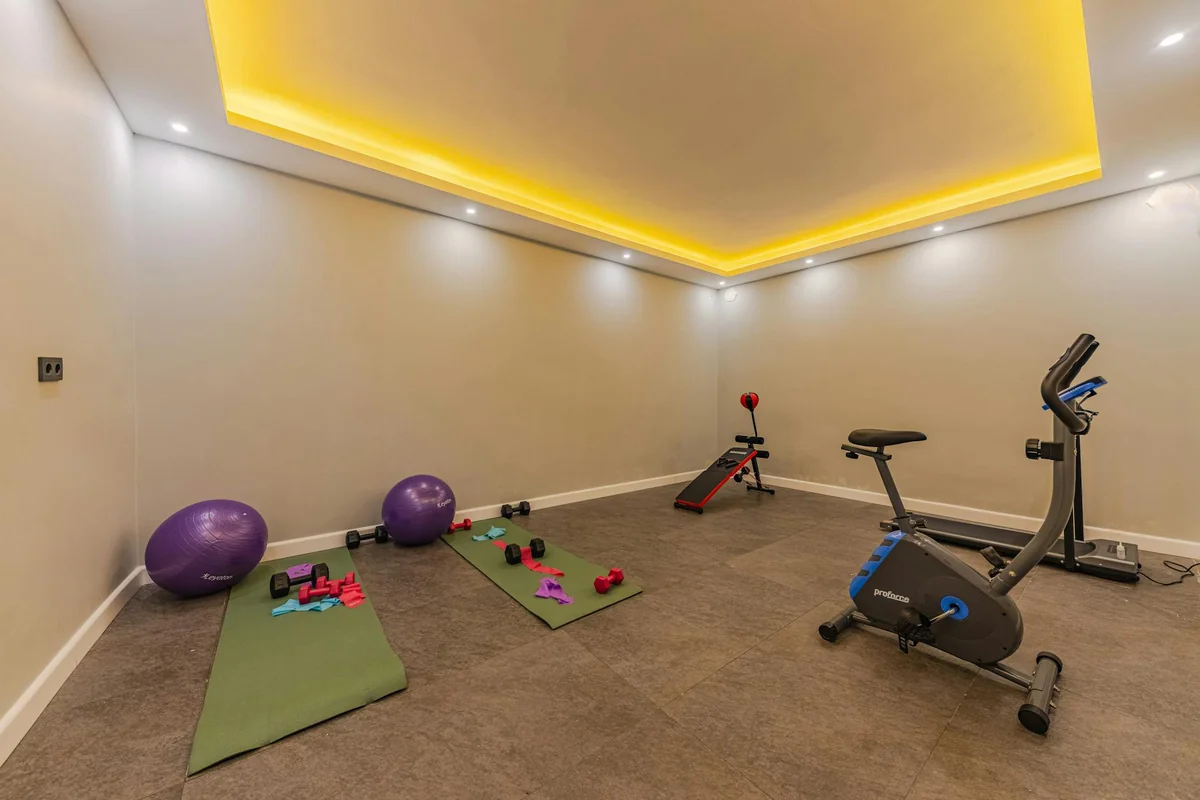
Stationary recumbent exercise bikes are the most common version found in homes and commercial gyms. Designed exclusively for indoor use, these machines prioritize stability, ease of mounting, and low-impact cardiovascular training. Most models weigh between 50 and 150 pounds, offer 8 to 32 resistance levels, and feature step-through frames that eliminate the need to swing a leg over a top tube. That step-through frame detail is not cosmetic - it is one of the primary reasons older adults and riders with limited mobility can use these machines independently when an upright bike is not a practical option.
Models like the Sunny Health & Fitness Elite Recumbent Cross Trainer pair 16 electromagnetic resistance levels with true elliptical motion for buyers who want more than pedaling alone.
Recumbent Road Bikes
A recumbent road bike is a human-powered bicycle designed for outdoor riding in a reclined position, with legs extended forward and the rider's back supported by a seat that angles away from vertical. The aerodynamic profile of this position is genuinely superior to conventional diamond-frame cycling, which is why recumbent road bikes hold multiple absolute human-powered land speed records. The trade-off is a steeper learning curve due to different balance and steering mechanics, along with a lower ride height that reduces visibility to other road users.
Recumbent Trikes
A recumbent trike adds a third wheel to eliminate balance requirements entirely. The two main configurations are the tadpole (two wheels in front, one in back - preferred for cornering speed and stability) and the delta (one wheel in front, two in back - easier to enter and exit from a standing position). Recumbent trikes require no active balancing at any speed, which makes them a practical choice for riders with balance disorders, neurological conditions such as Parkinson's disease, or those recovering from injuries that have affected coordination.
Recumbent Bike Benefits - What the Research Shows
Recumbent bike benefits extend across cardiovascular health, joint preservation, and neurological function. The clinical evidence consistently supports what riders report from personal experience:
- Improved aerobic capacity by 8-29% in older adults following consistent cycling programs
- Reduced systolic blood pressure by 8-16% with structured training over 8-12 weeks
- Lower joint stress at the knee and hip compared to upright cycling modalities
- Meaningful reduction in chronic lower back pain through sustained stationary cycling
- Improved gait and balance metrics, particularly relevant for fall risk in seniors and clinical populations
Cardiovascular and Metabolic Health
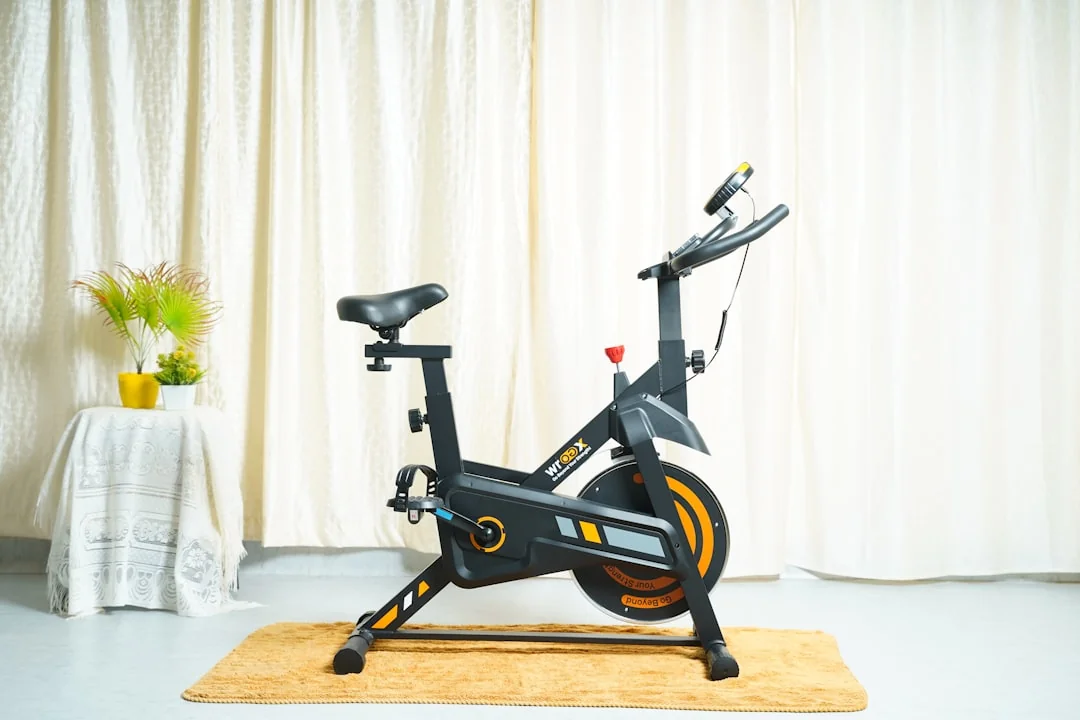
A systematic review of 25 controlled trials in adults over 70 found that cycle ergometer training improved VO2max by 8-29%, reduced systolic blood pressure by 8-16%, decreased body fat by an average of 3.7%, and increased leg strength by 18% (1). These gains occurred despite the non-weight-bearing, low-impact nature of cycling, which makes the findings particularly relevant for adults who cannot tolerate walking or running-based programs due to joint limitations or chronic pain.
Calorie expenditure on a recumbent bike is primarily driven by rider weight, pedaling speed, and resistance level, with individual physiological factors accounting for most of the metabolic variance between riders (2). Mid-range recumbent bikes for sale typically include interval programs and resistance controls that allow precise targeting of specific intensity zones without requiring the rider to manually adjust the machine during a session.
Joint-Friendly Cardio for Rehabilitation
The horizontal pedaling position on recumbent bikes produces lower muscular demand at the knee and hip compared to upright cycling. Research comparing surface electromyography across four stationary equipment types found that recumbent cycling produced significantly lower rectus femoris and lateral gastrocnemius activation than upright, elliptical, and ElliptiGO modalities (3). This reduced muscle loading at the joint is consistent with the clinical recommendation of recumbent cycling during knee and hip rehabilitation.
For chronic lower back pain specifically, stationary cycling shows meaningful therapeutic results. An RCT of 64 patients with chronic nonspecific low back pain found that stationary cycling produced clinically meaningful pain reductions - defined as greater than 30% reduction from baseline - over eight weeks, with outcomes equivalent to specific trunk exercise at six-month follow-up (4).
The recumbent seat's backrest provides spinal support that an upright bike cannot offer, making it the more practical rehabilitation option for riders whose pain is triggered or worsened by spinal loading. Our exercise bike top picks for chronic back pain cover specific machine recommendations for this use case.
Balance and Fall Risk Reduction in Seniors
Stationary cycling produces measurable balance improvements in older adults beyond what walking-based exercise achieves. An RCT of 24 elderly women randomized to stationary cycling or treadmill training for eight weeks found that the cycling group improved Berg Balance Scale scores from 42.4 to 48.0, compared to 42.6 to 45.6 in the treadmill group, alongside comparable gait improvements across step length and step time measures (5). Fall risk reduction is one of the most clinically significant outcomes in senior fitness programming, and stationary cycling appears to outperform treadmill walking for this specific measure in elderly women.
Upright Bike vs Recumbent Bike - Key Differences
The upright bike vs recumbent bike decision comes down to what you actually prioritize: training intensity or workout sustainability. Both machines deliver cardiovascular benefits, but they do so through experiences different enough to matter when choosing between them.
Feature | Recumbent Bike | Upright Bike |
Seating position | Reclined, full back support | Upright, forward lean |
Muscle emphasis | Hamstrings, glutes, posterior thigh | Quadriceps, calves, core |
Joint stress | Lower at knee and hip | Higher at peak effort |
Calorie burn | Moderate | Slightly higher at maximum effort |
Comfort | High; extended sessions practical | Lower; saddle discomfort common |
Floor footprint | Larger | More compact |
Cost | Generally higher | Generally lower |
Best for | Rehab, seniors, consistency-driven riders | Athletes, high-intensity training |
The upright vs recumbent bike comparison is not about which machine is objectively superior. Riders who want maximum cardiovascular intensity and more core engagement during training typically prefer the upright position. Riders who want to accumulate more total training volume over months and years, without chronic discomfort, reducing session frequency, tend to get more consistent results from a recumbent design. For a full breakdown of how each design shifts the muscle load across the lower body and core, my guide on exercise bike muscle activation covers both upright and recumbent activation patterns in depth.
The muscle emphasis difference is worth understanding before you commit. Recumbent bikes place a greater load on the hamstrings, glutes, and posterior thigh because the leg drives forward in extension rather than downward. Upright bikes load the quadriceps more heavily through the downward pedaling arc. Neither pattern is superior for general cardiovascular health, but the distinction matters for sport-specific cross-training. My recumbent and upright bike comparison covers this in more technical detail for riders who need to match their training to specific movement patterns.
Unlike treadmills, which can be disassembled and relocated when a household moves or when space needs to be reconfigured, a recumbent bike's frame remains fixed in its footprint year-round. This is a practical consideration for riders in apartments or shared spaces where floor availability changes seasonally.
Best Recumbent Exercise Bike for Seniors - Why Older Adults Prefer This Design
Seniors represent the most consistent user group for recumbent bikes, and the clinical data support the reasons behind this. The combination of back support, step-through frame access, and lower joint stress directly addresses the three most common barriers that prevent older adults from maintaining regular cardiovascular exercise.
Step-through models like the Sunny Smart Recumbent Cross Trainer add dual-motion arm handlebars to that same low-barrier design.
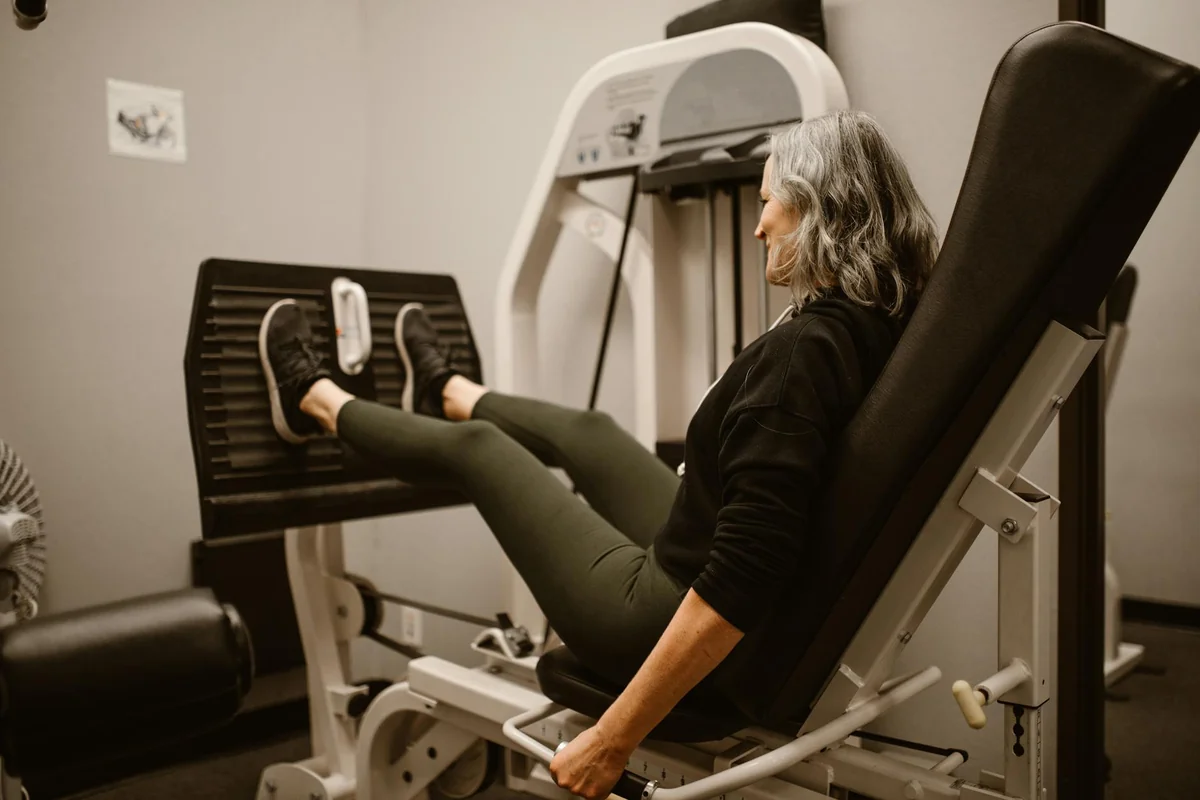
The step-through design eliminates the need to swing a leg over a top tube, which matters for riders with hip arthritis, post-surgical mobility restrictions, or reduced range of motion at the hip. The backrest removes the core stabilization demand that upright bikes require, allowing riders with spinal conditions to complete full cardio sessions without triggering lower back pain or fatigue. These are not minor ergonomic refinements - they are the structural reason recumbent bikes see higher sustained usage rates among older adults compared to upright alternatives in home settings.
The best recumbent exercise bike for seniors typically includes features that general fitness-focused models may deprioritize:
- Wide, cushioned seats rated for users up to 300-350 pounds with adequate lateral support
- Large-button consoles with high-contrast displays readable in lower-light conditions
- Step-through frames with low ground clearance for safe, independent mounting and dismounting
- Handlebar-grip heart rate monitors for passive cardiovascular monitoring without requiring a chest strap
- Smooth magnetic resistance that adjusts without requiring the rider to reach forward or across the console
The HARISON 400 lb Recumbent Bike builds in that same low step-through frame at a 16-level magnetic resistance range.
Beyond cardiovascular and physical outcomes, cycling in older adults produces cognitive improvements as well. Bouaziz et al. (2015) documented improvements in attentional capacity and verbal memory span alongside the physical gains observed across 25 controlled trials in adults over 70 - a cognitive benefit that standard cardio metrics like VO2max do not capture but that significantly affects quality of life for older adults.
Our exercise bikes for seniors roundup covers hands-on machine comparisons for this user group, including resistance range, seat comfort, and frame stability assessments.
For riders with space constraints who need a compact option that stores against a wall when not in use, our best folding treadmill guide illustrates how the footprint trade-off logic applies across all cardio equipment categories - bikes and treadmills face the same storage challenge at similar price points. For a bike-specific compact option, our folding exercise bike review covers models designed to store against a wall when not in use.
Disadvantages of a Recumbent Bike - What to Know Before Buying
Every machine has trade-offs, and recumbent bikes are no exception. Understanding the limitations before purchasing prevents expectation mismatches that lead to unused equipment.
The most consistently reported disadvantages include:
- Lower intensity ceiling: The reclined position is inherently less demanding than upright cycling at equivalent resistance levels; riders whose primary goal is high-intensity interval training or performance preparation will find an upright or spin bike more challenging
- Larger floor footprint: A typical stationary recumbent bike occupies 55-65 inches of floor length and 24-28 inches of width - noticeably more than an upright bike, and non-negotiable since the frame cannot fold
- Higher entry price: Quality recumbent bikes cost more than comparable upright models because of the additional frame structure, larger seat assembly, and backrest components
- Reduced core engagement: The backrest takes over the stabilization work that the core handles on an upright bike, reducing the incidental core training that comes from standard cycling
- Adaptation period: Switching from an upright bike to a recumbent typically requires 3-6 weeks of adjustment, as different muscles are emphasized, the range of motion changes, and perceived exertion feels different even at identical heart rate outputs
The intensity trade-off deserves honest context. A recumbent rider who trains consistently at moderate effort four times per week will outperform an upright rider who trains twice per week because saddle pain limits their frequency. Comfort-driven training adherence is not a minor point - it is often the determining factor in whether a machine produces results or becomes a clothes rack over six months.
For riders comparing recumbent bikes against other cardio formats entirely, our recumbent bike vs rowing machine resource covers that head-to-head comparison, including which populations each machine suits best and where the overlap in benefit profiles is genuine versus overstated.
Making the Right Call on Recumbent Bikes
Recumbent bikes fill a specific gap in the cardio equipment market. They deliver genuine cardiovascular training with significantly less joint stress, back strain, and saddle discomfort than upright machines, and the clinical research consistently supports their effectiveness across cardiovascular fitness, rehabilitation, and senior health outcomes.
For those comparing recumbent cycling to rowing as a low-impact alternative, my breakdown of the rowing machine vs cycling question addresses the key differences in full-body demand and calorie output.
My breakdown of why exercise bikes are good for general fitness covers the health evidence across cardiovascular output, metabolic improvements, and rehabilitation use cases.
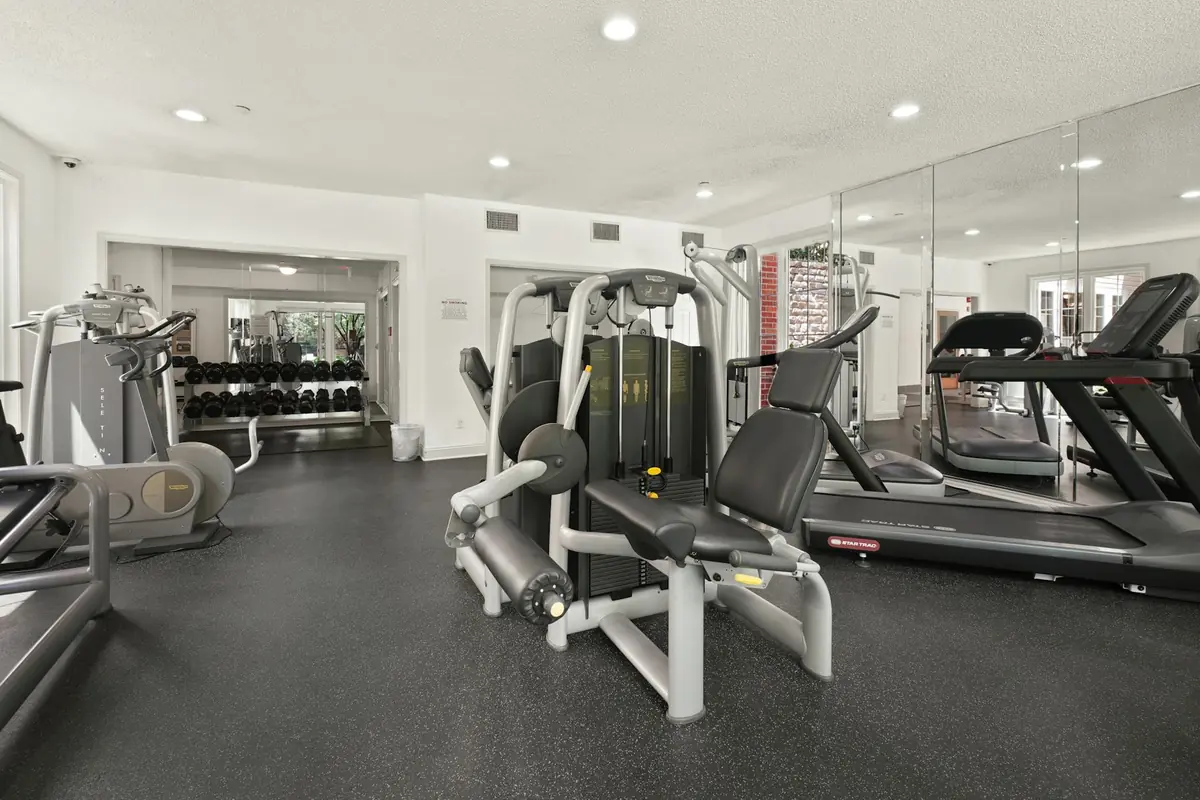
The riders who benefit most are those who prioritize consistency over peak intensity. The best recumbent exercise bike used regularly actually produces better results than a harder machine you avoid because it triggers pain or discomfort. That practical argument for the recumbent design is supported by the sustained usage patterns TechFitnessLab observes in long-term testing across user groups.
In our testing, most riders with no prior cycling background adapt to the recumbent position within the first two or three sessions. The learning curve is shorter than most people expect, and the comfort payoff shows up early. For specific machine recommendations with hands-on testing data, our roundup of the best recumbent bikes covers the top-rated options across price tiers. TechFitnessLab evaluates all equipment across multiple user profiles before recommending any machine.
The full decision framework is in my guide on how to pick an exercise bike, which covers resistance type, fit requirements, and budget allocation across all major bike formats.
FAQs
What is the difference between an exercise bike and a recumbent bike?
The difference between an exercise bike and a recumbent bike comes down to riding position and weight distribution. A standard upright exercise bike positions the rider seated forward over a narrow saddle, while a recumbent bike uses a reclined seat with a full backrest and places the pedals in front of the body rather than below it, eliminating saddle pressure and back strain as primary comfort limitations.
What are the disadvantages of a recumbent bike?
The disadvantages of a recumbent bike include a larger floor footprint than upright alternatives, a higher entry price point, a lower intensity ceiling for performance-focused training, reduced core engagement due to back support removing the stabilization demand, and an adaptation period of 3-6 weeks when transitioning from an upright machine. These trade-offs are well-documented and consistently reported by riders who have used both designs.
Can you use a recumbent bike with a pacemaker?
Using a recumbent bike with a pacemaker is generally considered safe for many patients, but this decision requires individual clearance from a cardiologist familiar with your specific device and cardiac history. Research comparing cardiovascular responses during recumbent and upright cycling in patients with coronary artery disease found that recumbent cycling produced significantly lower cardiovascular demand at submaximal effort levels, suggesting it may impose less cardiac stress than upright cycling when medically supervised exercise is appropriate (6).
What kind of exercise bike is better for Parkinson’s?
Recumbent bikes are widely recommended for Parkinson's disease management because their low balance requirement, stable seating, and step-through access make them practical for riders with motor impairments. A systematic review and meta-analysis of 22 studies involving 505 Parkinson's patients found that bicycling significantly improved motor outcomes including gait, balance, and walking speed, with quality of life measures also improving across the study population (7).
What is recumbent exercise bike?
A recumbent exercise bike is a stationary cardio machine that positions the rider in a reclined seat with a full backrest, with pedals located in front of the body rather than below it. The design reduces joint stress at the knees and hips, provides lumbar support throughout the session, and allows longer workout durations with less discomfort than upright bikes, making it a common recommendation in rehabilitation, senior fitness programming, and general cardiovascular training.
For budget-conscious buyers adding a recumbent bike to their routine, my value fitness tracker options covers affordable wearables that complement low-impact cardio without adding significant cost.
References:
- Bouaziz W, Schmitt E, Kaltenbach G, Geny B, Vogel T. Health benefits of cycle ergometer training for older adults over 70: a review. Eur Rev Aging Phys Act. 2015;12:8. doi:10.1186/s11556-015-0152-9
- McCole SD, Claney K, Conte JC, Anderson R, Hagberg JM. Energy expenditure during bicycling. J Appl Physiol (1985). 1990;68(2):748-753. doi:10.1152/jappl.1990.68.2.748
- Bouillon L, Baker R, Gibson C, Kearney A, Busemeyer T. Comparison of trunk and lower extremity muscle activity among four stationary equipment devices: upright bike, recumbent bike, treadmill, and ElliptiGO. Int J Sports Phys Ther. 2016;11(2):190-200.
- Marshall PW, Kennedy S, Brooks C, Lonsdale C. Pilates exercise or stationary cycling for chronic nonspecific low back pain: does it matter? A randomized controlled trial with 6-month follow-up. Spine (Phila Pa 1976). 2013;38(15):E952-E959. doi:10.1097/BRS.0b013e318297c1e5
- Lee CW, Cho GH. Effect of stationary cycle exercise on gait and balance of elderly women. J Phys Ther Sci. 2014;26(3):431-433. doi:10.1589/jpts.26.431
- Bonzheim SC, Franklin BA, DeWitt C, et al. Physiologic responses to recumbent versus upright cycle ergometry, and implications for exercise prescription in patients with coronary artery disease. Am J Cardiol. 1992;69(1):40-44. doi:10.1016/0002-9149(92)90673-m
- Tiihonen M, Westner BU, Butz M, Dalal SS. Parkinson's disease patients benefit from bicycling - a systematic review and meta-analysis. NPJ Parkinson's Dis. 2021;7:86. doi:10.1038/s41531-021-00222-6