
Treadmill assembly doesn't have to intimidate you. After testing dozens of treadmills over the past five years and helping countless people set up their equipment, I've learned that proper assembly makes the difference between a smooth workout experience and a frustrating one. Most treadmills arrive 70-95% assembled, which requires mainly console attachment and upright installation. These are the tasks that typically take 30 minutes to 2 hours, depending on your model.

The key is understanding what you're working with before opening that box. When assembled correctly, your treadmill becomes the reliable foundation for consistent exercise that improves cardiovascular function and overall fitness (1). That's why your investment deserves a solid setup that protects both the machine and your floors while ensuring safety during every workout.
Understanding Treadmill Parts Before Assembly
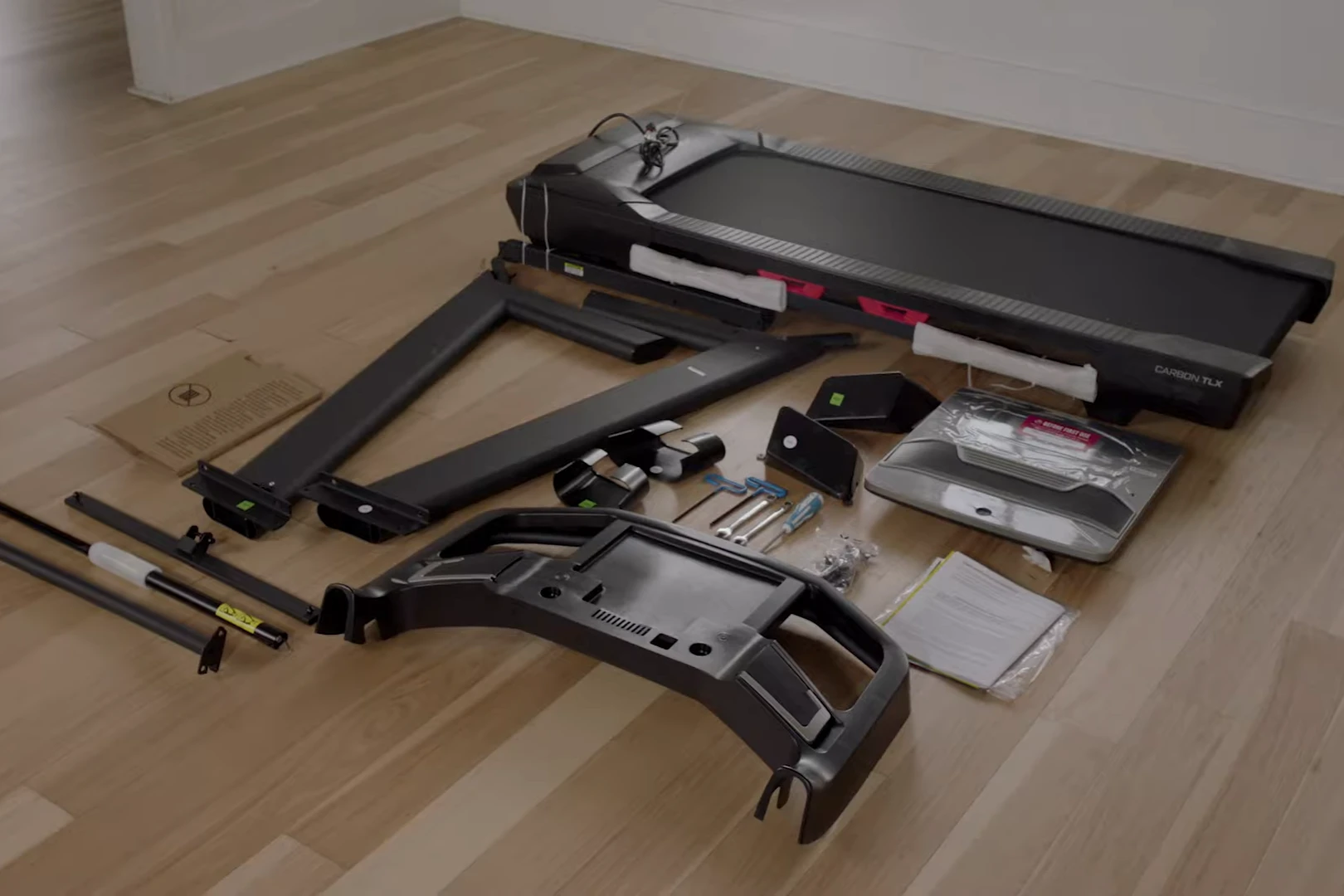
Knowing your treadmill's anatomy makes assembly significantly easier. When I first attempted a treadmill setup without reviewing the parts list, I wasted 45 minutes searching for components that were clearly labeled in the instruction manual.
Main structural components:
Frame - The foundation supporting everything, typically constructed from steel or aluminum
Deck - The platform beneath the belt that absorbs impact from your footstrike
Running belt - The surface you walk or run on, usually 19-22 inches wide
Rollers - Front and rear cylinders that keep the belt moving smoothly
Console - Your command center displaying speed, distance, and workout metrics
Mechanical components:
Drive motor - Powers the belt on motorized models (typically 2.5-4.0 CHP)
Drive belt - Connects the motor to the front roller
Incline motor - Adjusts the deck angle for hill simulation
The incline motor is one of the most valuable mechanical components your treadmill can include, as it adjusts the deck angle for hill simulation and significantly amplifies calorie burn and muscle activation. If you have not yet purchased your machine and incline training is a priority for you, our best incline treadmill for home use guide covers the top models worth considering before you commit.
Electrical components:
Console display - LCD or LED screen showing workout data
Control board - The brain coordinating all electronic functions
Safety key - Emergency stop mechanism that halts the belt immediately
Understanding what parts make up your treadmill helps you identify components during assembly and troubleshoot potential issues later.
Essential Tools and Space Requirements
Never start treadmill assembly without proper preparation. The last time I helped a friend set up his NordicTrack without checking his tool situation first, we lost an hour driving to the hardware store.
Required tools:
Phillips head screwdriver
Allen wrench set (often included)
Adjustable wrench
Power drill (optional but speeds up assembly)
Measuring tape
Level
Space considerations:
Your treadmill needs breathing room. Plan for at least 6 feet behind the machine, 3 feet on each side, and 2 feet in front. This clearance prevents accidents and allows proper ventilation around the motor.
I recommend assembling in the room where the treadmill will live. Moving a 200-pound assembled treadmill through doorways and around corners creates unnecessary risk of injury or damage. Measure doorways, hallways, and ceiling height before delivery, especially important for non-folding models with tall frames.
Measure doorways, hallways, and ceiling height before delivery, as this is especially important for non-folding models with tall frames. If space is a concern and you have not finalized your purchase yet, our folding treadmill review and comparison covers compact models specifically designed to minimize footprint without compromising belt length or structural stability.
Choose a flat, level surface for placement. Even slight unevenness causes vibration and premature wear on components. Most treadmills include adjustable leveling feet that compensate for minor floor irregularities.
How to Assemble a Treadmill: Step-by-Step Process
Treadmill assembly follows a logical sequence regardless of brand. I've assembled models from SOLE, NordicTrack, ProForm, and Horizon, and I can tell you that the basic process remains remarkably consistent. Here is how to assemble treadmill properly.
I've assembled models from SOLE, NordicTrack, ProForm, and Horizon, and the basic process remains remarkably consistent across all of them. If you are still deciding which model to bring home, our guide to the best treadmill for home breaks down the top options based on assembly friendliness, motor reliability, and long-term value. Here is how to assemble a treadmill properly.
Step 1: Unbox and inventory
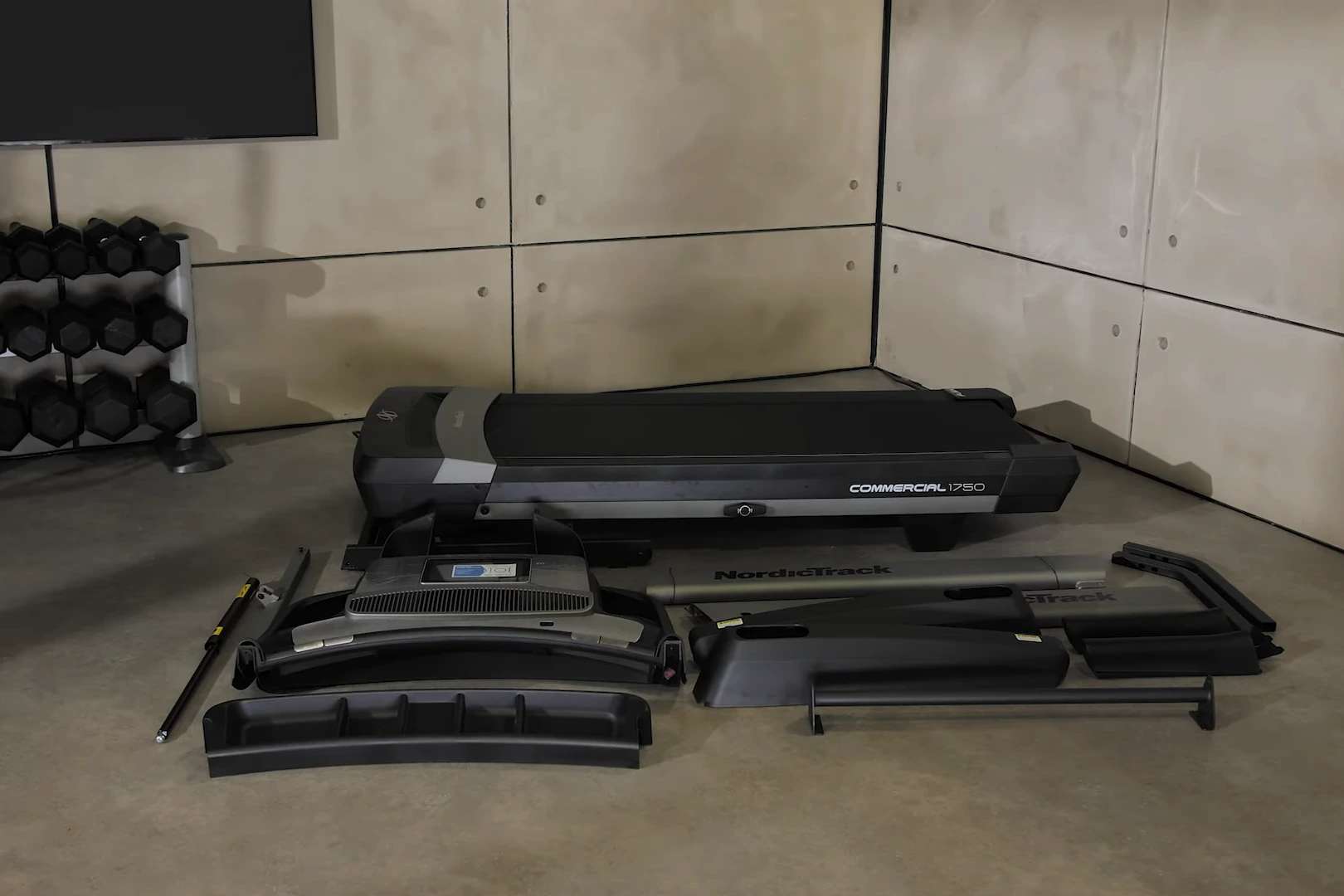
Carefully cut the packaging and lay out all components on a clean surface. Check parts against the assembly manual. If anything's missing or damaged, contact the manufacturer immediately before attempting assembly.
Most packaging includes plastic protective covers on decals and frames. Remove these before starting assembly to avoid having them interfere with bolt holes or wire connections.
Step 2: Position the base frame
Place the treadmill base on your selected spot. Remember, once assembled, moving becomes extremely difficult. Ensure at least 3 inches of clearance from walls to prevent damage during use.
The deck typically weighs 100-150 pounds, so recruit a helper for this stage. Attempting solo assembly risks back injury and potential damage to the equipment.
Step 3: Attach the uprights
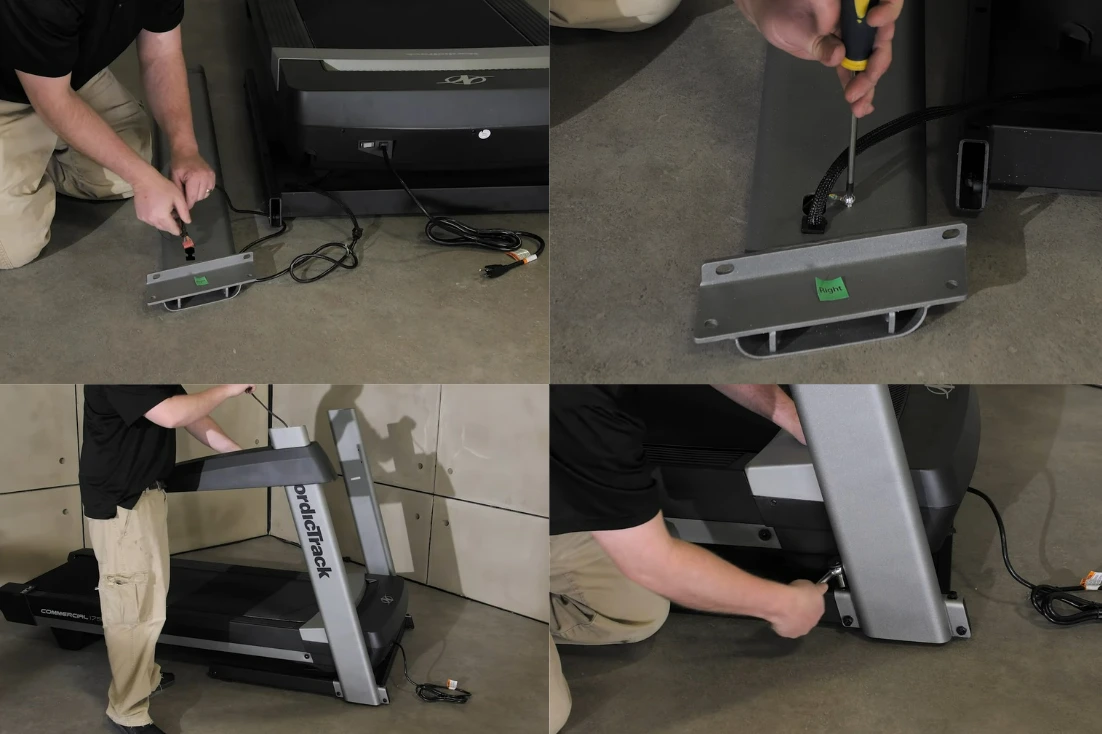
This step requires precision. The upright posts house wiring that connects the console to the motor controller. Align the posts carefully with pre-drilled holes in the base frame.
Critical wire management: Feed wiring through designated channels before securing bolts. Pinched wires cause console malfunctions and potentially void your warranty. I always double-check wire routing before final tightening.
Insert bolts loosely first, then tighten gradually in a star pattern. This ensures even pressure distribution and proper alignment.
Step 4: Connect the console
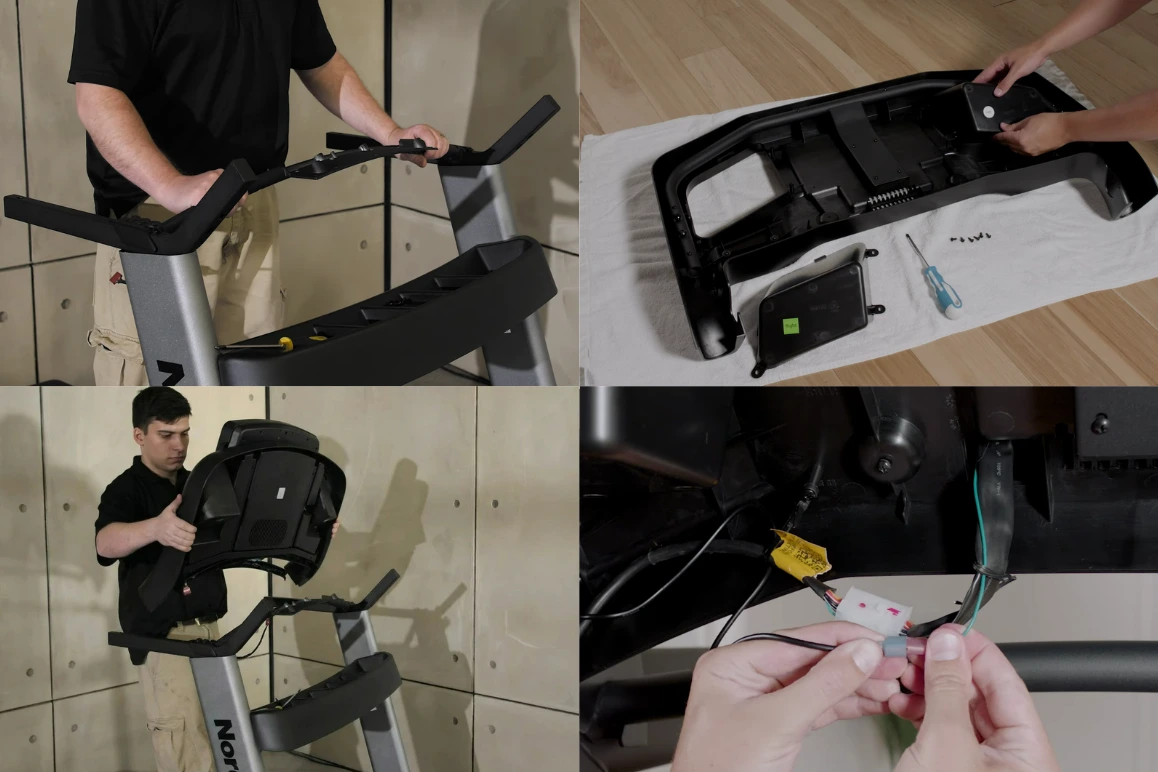
Most modern treadmills use color-coded or keyed connectors that prevent incorrect wiring. Match connector shapes carefully because forcing mismatched connectors damages circuit boards.
The console typically mounts to the uprights with 4-6 bolts. Ensure it sits level and secure before tightening completely. A loose console creates annoying vibrations during workouts.
Step 5: Final checks and calibration
Before plugging in, verify:
All bolts tightened securely
No wires pinched or exposed
Safety key properly seated
Belt centered and tensioned correctly
To check belt tension, lift each side 3-4 inches off the deck. If one side lifts significantly more than the other, adjust the rear roller bolts in quarter-turn increments until balanced.
Treadmill Assembly Time: What to Expect
How long does it take to assemble a treadmill? Based on dozens of assemblies I've completed or observed, you can expect 45 minutes to 2.5 hours, depending on complexity and experience.
Assembly time by treadmill type:
| Treadmill Category | Assembly Time | Complexity Level |
|---|---|---|
| Basic folding treadmill | 30-60 minutes | Low |
| Mid-range home treadmill | 60-90 minutes | Medium |
| Premium/commercial model | 90-150 minutes | High |
| Manual treadmill | 20-45 minutes | Low |
Factors affecting assembly duration:
Your first assembly of treadmill takes longer than subsequent attempts. After assembling three units, I cut my time nearly in half simply from understanding the process flow.
Model complexity matters. Simple folding treadmills arrive mostly assembled, which requires only upright and console attachment. Advanced models with touchscreens, incline systems, and integrated entertainment need more setup time.
Helper availability speeds things up. What takes one person 2 hours might take two people 45 minutes. The upright installation stage alone justifies recruiting assistance.
Professional assembly teams average 35-60 minutes for most residential models. They've developed efficient systems and have specialized tools that streamline the process.
Treadmill Assembly Service vs DIY
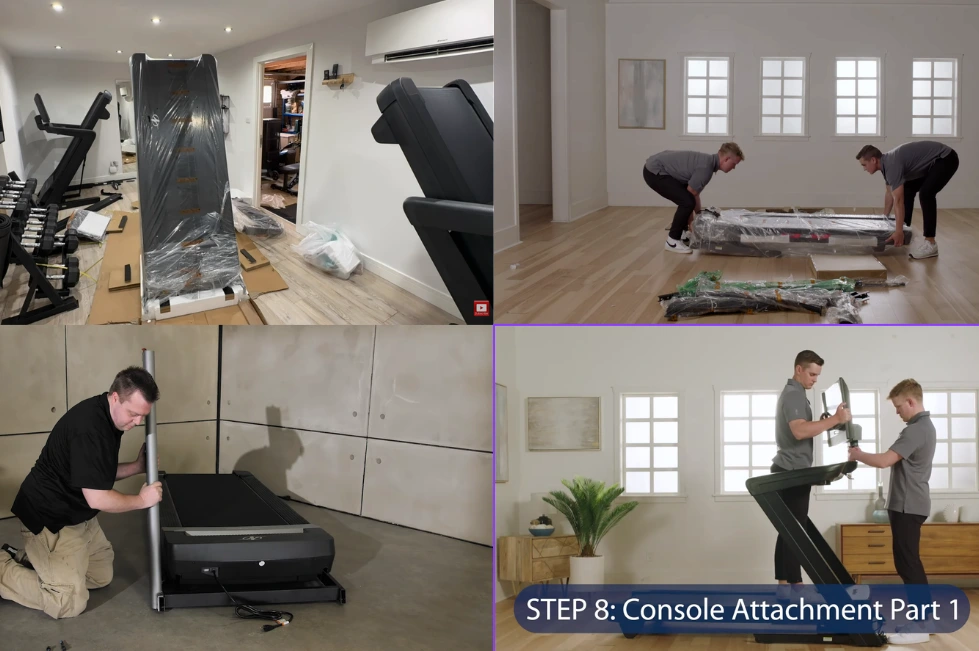
Should you hire professionals or tackle treadmill installation yourself? I've done both, and each approach has clear advantages depending on your situation.
DIY assembly benefits:
Cost savings of $100-350
Familiarity with your equipment's inner workings
Flexibility in scheduling
Satisfaction of completing the project
Immediate troubleshooting knowledge if issues arise
When you assemble your own treadmill, you understand exactly how the components connect. This knowledge proves invaluable during maintenance or troubleshooting. You'll recognize normal operating sounds versus concerning noises, and you'll know which bolts to check first if vibration develops.
The financial savings alone justify DIY for many buyers. Assembly services charge premium rates for what amounts to 1-2 hours of work using included tools and instructions. If you're mechanically inclined and have a helper available, those savings fund accessories like quality mats or extended warranties.
When to hire a treadmill assembly service:
Professional assembly makes sense for heavy commercial-grade machines, limited physical capability, or time constraints. Services typically include:
Complete unboxing and assembly
Debris removal
Placement in your chosen room
Initial calibration and testing
Warranty protection (some manufacturers require professional setup)
Professional installers bring specialized experience that prevents common mistakes. They've assembled hundreds of units and know the quirks of different brands. A NordicTrack Commercial 1750 assembly might take you 2 hours, while a professional team completes it in 35 minutes.
Beyond speed, professionals carry insurance covering potential damage during setup. If you accidentally strip a bolt hole or crack the console during DIY assembly, you're paying for replacement parts. Professional services absorb those costs.
Treadmill assembly cost breakdown:
| Service Level | Price Range | What's Included |
|---|---|---|
| Basic assembly | $75-125 | Standard setup, no debris removal |
| Standard service | $125-200 | Complete assembly, packaging, and disposal |
| Premium installation | $200-350 | White glove service, placement, and calibration |
The treadmill installation cost varies by region and service provider. Urban areas typically charge higher rates than rural locations. Walmart offers budget assembly starting around $99, while specialized fitness equipment services charge $175-350, depending on machine complexity.
Amazon Home Services connects buyers with local professionals at competitive rates. Best Buy provides installation through Geek Squad or authorized partners. Many specialty fitness retailers bundle assembly with purchase, sometimes making the total package more economical than buying elsewhere and paying separate installation fees.
Consider seasonal factors when hiring services.
Assembly providers often stay booked weeks ahead during January (New Year's resolution season) and November-December (holiday purchases). Schedule early or expect delays if buying during peak periods.
Hybrid approach option:
Some buyers choose a middle ground, which is doing basic assembly themselves while hiring help for heavy lifting stages. This reduces costs while ensuring safety during the most physically demanding parts. Professional movers charge $50-100 just to move an assembled treadmill upstairs, which costs less than full assembly service.
Many retailers include free assembly with purchase, which makes it worth comparing total costs. I once saved $150 by choosing a retailer offering complimentary white-glove delivery over a slightly cheaper competitor charging separate installation fees. Always calculate the total out-of-door price, including assembly, when comparing treadmill deals.
Assembly Instructions and Resources
Your treadmill manual provides model-specific guidance, but manufacturers now offer additional resources that simplify assembly dramatically.
Modern assembly support:
Video tutorials - NordicTrack, ProForm, and SOLE offer detailed assembly videos on YouTube
BILT app integration - ProForm's augmented reality assembly guidance overlays instructions directly on your equipment
QR codes - Scan codes in the treadmill instruction manual for instant access to supplemental materials
Live chat support - Real-time assistance during assembly
I strongly recommend watching assembly videos before starting. Seeing the process visually reveals tricks that written instructions miss.
For example, many videos show the optimal body position for lifting the deck during upright installation, which is something static diagrams don't convey effectively.
Common Assembly Challenges and Solutions
Every treadmill assembly presents similar obstacles. Knowing these ahead of time prevents frustration.
Challenge 1: Misaligned bolt holes
Sometimes, upright holes don't perfectly align with base holes. Don't force bolts through misalignment. This strips threads and compromises structural integrity. Instead, loosen all bolts slightly, adjust alignment, then retighten systematically.
Challenge 2: Cable connection confusion
Modern treadmills have 3-8 wire connections between the base and console. Take photos of connector positions before separating anything. This simple step saved me 30 minutes on a Horizon T101 assembly where the instruction diagrams were unclear.
Challenge 3: Belt tracking issues
Belts sometimes shift during shipping. Adjust rear roller bolts in small increments with quarter turns only. Over-adjustment causes immediate problems in the opposite direction.
Challenge 4: Unstable frame
If your assembled treadmill wobbles, check these areas first:
Floor levelness (use adjustable feet)
All bolts fully tightened
Weight evenly distributed on stabilizer feet
No packaging materials stuck under the frame
Manual Treadmill Assembly Differences
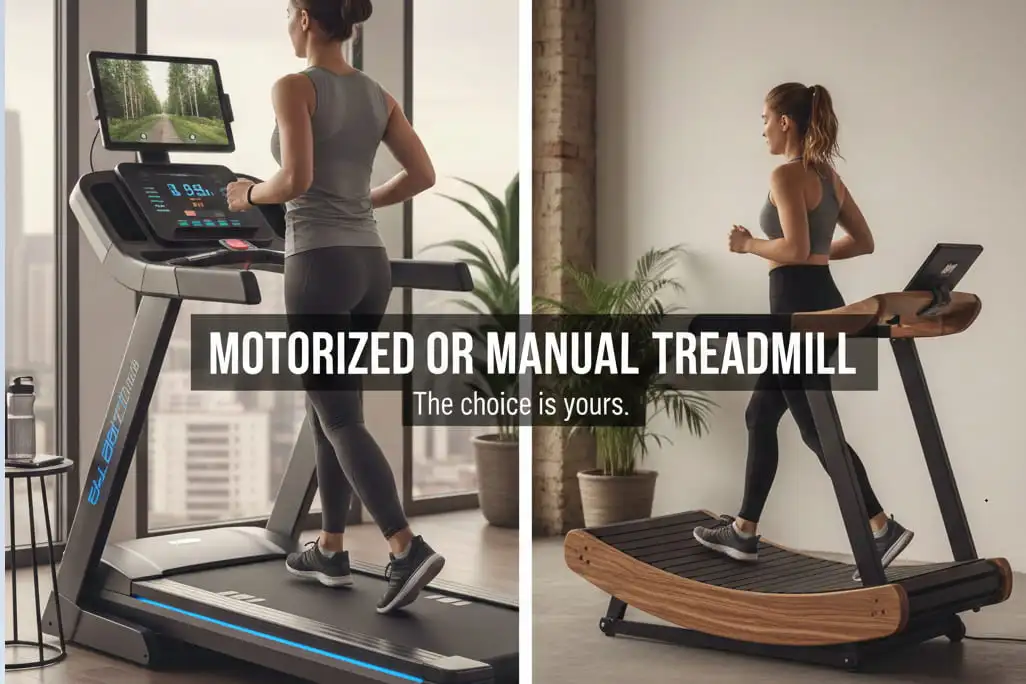
Non-motorized treadmill assembly typically proves simpler than motorized models. Without drive motors, control boards, and electronic incline systems, manual treadmills have fewer components and connection points.
Unique manual treadmill considerations:
Manual treadmill for walking models focuses on simplicity. Most arrive 90-95% assembled, requiring only handlebar attachment and final adjustments.
If you are drawn to the simplicity of a non-motorized walking machine but want a model specifically built for desk use, our under desk treadmill review and comparison covers the top walking pads that arrive almost fully assembled and fit neatly under a standing desk with minimal setup required.
The biggest manual treadmill assembly advantage is that there are no electrical connections to worry about. This eliminates the most common source of DIY assembly frustration.
Belt tension matters more on manual treadmills since user force alone drives movement. The belt should move freely but resist excessive give when pressure is applied. Too loose creates sluggish response; too tight increases friction and user fatigue.
Best Treadmill for Home Use Assembly Considerations
When selecting a treadmill, assembly difficulty should factor into your decision. Some models prioritize user-friendly setup while others require expertise or professional installation.
Easy-assembly home treadmills:
ProForm models with BILT app support
SOLE folding treadmills (excellent instruction clarity)
NordicTrack mid-range models
Horizon GO Series
More complex assemblies:
Commercial-grade units (Precor, Life Fitness)
Premium touchscreen models
Non-folding treadmills over 300 pounds
I always check customer reviews specifically mentioning assembly before recommending any of the treadmills myself. If dozens of reviewers report assembly frustration, that's a red flag worth heeding.
What to Put Underneath a Treadmill
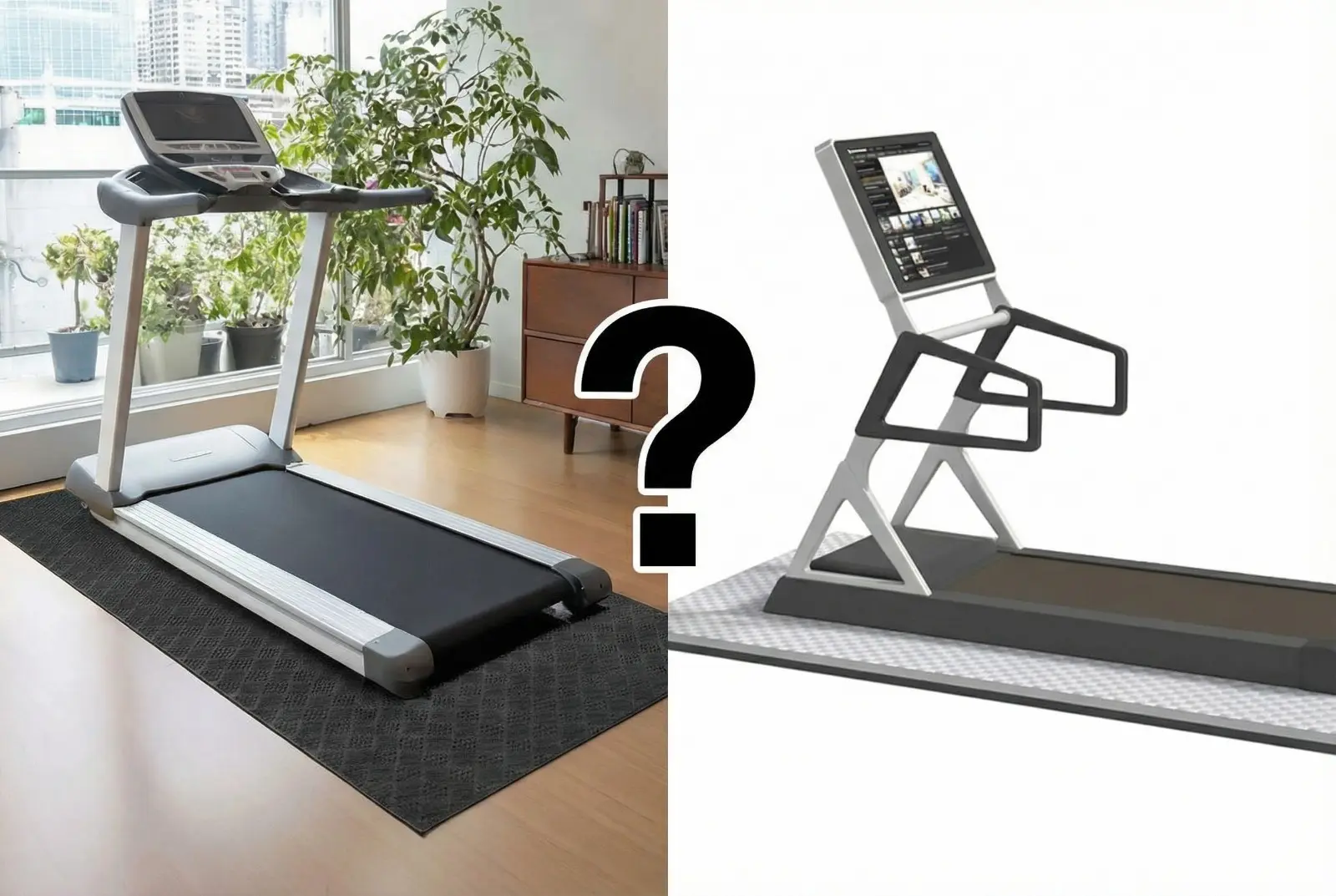
Proper treadmill mats protect both your equipment and flooring while reducing noise transmission. After testing various mat materials and thicknesses, I consider this accessory essential rather than optional.
Treadmill mat benefits:
Floor protection - Prevents dents, scratches, and compression from 200+ pound equipment
Noise reduction - Absorbs vibration that would otherwise travel through floors to rooms below
Belt cleanliness - Prevents dust and carpet fibers from entering the treadmill mechanism
Stability - Creates friction that prevents the gradual "walking" many treadmills experience on hard floors
Mat material comparison:
| Material | Thickness | Best For | Price Range |
|---|---|---|---|
| PVC | 1/8" - 1/4" | Light treadmills, budget option | $20-40 |
| Rubber | 1/4" - 3/4" | Heavy equipment, best noise reduction | $40-100 |
| EVA foam | 3mm - 6mm | Portable/folding treadmills | $25-50 |
For carpet installations, I recommend 3/4" rubber mats or placing plywood beneath a standard mat. Dense carpet fibers create instability and allow dust infiltration without proper protection.
Concrete and hardwood floors benefit from 1/4" - 1/2" rubber mats. The harder your flooring, the more important vibration absorption becomes for noise control.
Mat sizing should extend 6 inches beyond the treadmill footprint on all sides. This catches sweat drips and provides complete floor coverage during use.
Treadmill Setup and Placement Strategy
Strategic treadmill placement maximizes safety, functionality, and longevity. I've seen poorly placed treadmills create unnecessary problems that proper planning would have prevented.
Optimal placement considerations:
Electrical access - Position within 3 feet of a grounded outlet. Never use extension cords with treadmills—they create voltage drops that damage motors and void warranties.
Ventilation - Motors generate significant heat during use. Ensure 3+ inches clearance from walls and avoid enclosed spaces without air circulation.
Ceiling height - Measure from the deck to the ceiling, adding your height plus 12 inches for head clearance during running. Most treadmills need 7-8 feet minimum ceiling height.
Natural light and entertainment - Placing your treadmill near windows or facing a TV makes workouts more enjoyable. Research shows that viewing nature during treadmill exercise improves happiness and emotional well-being (2).
Climate control - Avoid garages or basements prone to temperature extremes. Electronics and belts function best at 60-80°F with moderate humidity.
Post-Assembly Maintenance and Break-In
Your treadmill needs proper break-in and regular maintenance to perform optimally. I learned this lesson the hard way when neglecting initial lubrication shortened my first treadmill's belt life by 40%.
Once your break-in period is complete, the next step is building a structured routine. Our treadmill workout in a gym guide covers beginner through advanced protocols, including interval training, incline progressions, and recovery sessions that take full advantage of your newly assembled machine.
Initial 30-day break-in:
Run at moderate speeds (3-5 mph) for the first 5 hours of use
Avoid maximum incline settings initially
Check belt tracking every 2-3 uses
Listen for unusual noises indicating loose components
Essential maintenance schedule:
Weekly - Wipe down belt and console, check for loose bolts
Monthly - Vacuum beneath deck, inspect belt wear, test safety key
Quarterly - Lubricate the belt per manufacturer's guidelines, and deep clean all surfaces
Annually - Professional inspection for commercial or heavy-use situations
Proper lubrication prevents 80% of common treadmill problems. Most manufacturers recommend silicone-based lubricants applied between the belt and deck every 3-6 months, depending on usage frequency.
Treadmill Assembly for Special Situations
Certain assembly scenarios require additional planning and consideration beyond standard setups.
Second-Floor Installations
Weight becomes critical when placing treadmills upstairs. Most residential floors support 40 pounds per square foot, but treadmills concentrate 200-400 pounds on four small feet. Using treadmill mats distributes weight more evenly and reduces noise transmission to rooms below.
Professional movers charge $100-200 extra for stairs, but their experience prevents damage to walls, railings, and the equipment itself. If you ever need to move the machine yourself, our guide to how to disassemble a treadmill walks through the full process step by step so you can break the unit down safely before attempting any staircase move.
Apartment Living
Check building regulations before purchasing. Some apartments prohibit treadmills entirely, while others restrict usage hours. Quality mats become essential for neighbor relations as thick rubber significantly reduces noise complaints.
Tight Spaces
Folding treadmills require less floor space but need adequate folding clearance. Measure ceiling height when upright and ensure enough room to walk around the folded machine. Some models fold to 70+ inches tall, blocking doorways or low ceilings.
Upgrading Your Home Gym with Smart Treadmills
Modern treadmills offer connectivity and interactive features that transform home workouts. When assembling smart treadmills, additional setup steps ensure you maximize these capabilities.
Smart treadmill setup requirements:
Strong WiFi signal in the placement area (test before assembly)
Account creation and subscription activation
Display calibration and software updates
Bluetooth device pairing
The initial software setup often takes 15-30 minutes beyond physical assembly. Budget this time when planning your installation day.
Our testing shows that smart treadmills with interactive training substantially improve workout adherence compared to basic models. The technology investment justifies itself through consistent use.
If you want a full picture of what consistent treadmill training can deliver for your health over time, our guide to treadmill benefits covers the science behind cardiovascular improvements, fat loss, mental health gains, and joint health research across 17 evidence-based benefits, while also helping you understand exactly what your newly assembled machine can do for you.
Making Your Home Workout Space Complete
Setting up a comprehensive home gym involves more than just assembling a treadmill. Strategic fitness equipment selection creates a versatile training environment that keeps workouts engaging.
If fat loss is a primary goal for your home gym setup, our treadmill weight loss in a home gym guide covers the exact speed, incline, and session frequency combinations proven to maximize calorie burn and sustain results over time.
Recovery technology plays an increasingly important role in serious training programs. After intense treadmill sessions, tools like massage guns, foam rollers, and compression devices accelerate muscle recovery and reduce injury risk.
For those building complete home fitness solutions, our guide to the best smart home gym equipment [1] explores how interconnected devices create seamless training experiences.
Modern ecosystems sync workout data across all equipment, providing comprehensive fitness tracking that rivals commercial gym capabilities.
Setting Up Your Home Fitness Success
Proper treadmill assembly creates the foundation for consistent, effective home workouts. The time invested in careful setup, using correct tools, following proper procedures, and ensuring optimal placement pays dividends through years of reliable operation and safe training sessions.
The key insight from assembling dozens of models is that patience and attention to detail matter more than mechanical expertise. Read instructions thoroughly, recruit a helper for heavy lifting, and don't rush through critical steps like wire routing and bolt tightening.
Once your setup is complete, one training variation worth adding early is covered in our guide about the benefits of walking backwards on treadmill in a gym. Backward walking burns 40% more calories than forward walking at identical speeds while reducing knee joint stress through altered biomechanics, which makes it a practical low-impact option to rotate into your routine from day one.
Regardless of whether you choose DIY assembly or professional installation, the result should be a stable, quiet, safe platform for achieving your fitness goals.
FAQs
Can I assemble a treadmill myself?
Yes, most people can assemble a treadmill themselves with basic tools and a helper. Assembly typically requires 45 minutes to 2 hours, depending on the model complexity. The process involves attaching uprights, connecting the console, and adjusting belt tension, which are tasks manageable for anyone comfortable with basic furniture assembly.
What are the parts of a treadmill?
A treadmill consists of a steel or aluminum frame, running belt, deck platform, front and rear rollers, drive motor (on motorized models), console display, control board, safety key, and support uprights. Additional components include incline motors, heart rate sensors, and entertainment systems on advanced models.
How long does it take to assemble a treadmill?
Treadmill assembly takes 30 minutes to 2.5 hours, depending on model complexity and assembler experience. Basic folding treadmills require 30-60 minutes, mid-range models need 60-90 minutes, and commercial-grade equipment can take 90-150 minutes. Professional installers complete most residential assemblies in 35-60 minutes.
What to put underneath a treadmill?
Place a rubber or PVC treadmill mat underneath your equipment. Mats should be 1/4" to 3/4" thick, depending on treadmill weight, extending 6 inches beyond the footprint on all sides. This protects flooring from damage, reduces noise transmission, prevents dust infiltration, and stops the treadmill from gradually shifting position during use.
Can one person move a treadmill?
Moving a fully assembled treadmill alone is not recommended due to safety concerns. Most treadmills weigh 150-400 pounds and have awkward dimensions that make solo carrying dangerous. Recruit at least one helper for moving tasks. Use furniture sliders or the treadmill's transport wheels when available, and consider professional movers for stairs or long distances.
References:
- Chan L, Chin LMK, Kennedy M, et al. Benefits of intensive treadmill exercise training on cardiorespiratory function and quality of life in patients with pulmonary hypertension. Chest. 2013;143(2):333-343. doi:10.1378/chest.12-0993
- Yeh HP, Stone JA, Churchill SM, Brymer E, Davids K. Physical and Emotional Benefits of Different Exercise Environments Designed for Treadmill Running. Int J Environ Res Public Health. 2017;14(7):752. Published 2017 Jul 11. doi:10.3390/ijerph14070752